Support our educational content for free when you purchase through links on our site. Learn more

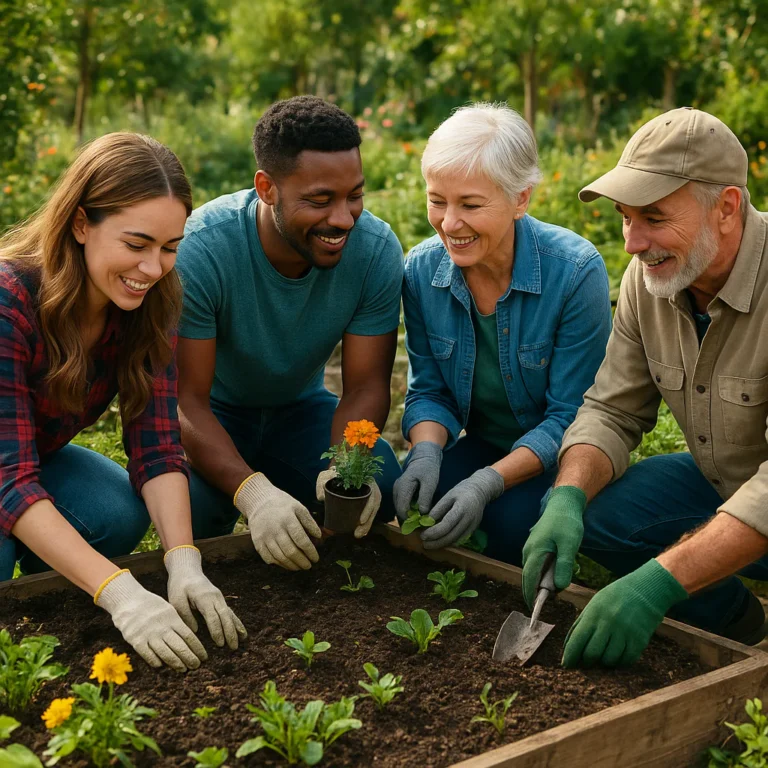
The secret to thriving social dynamics in community gardens isn’t a perfect fence or the fanciest tools; it’s the willingness to have the awkward, honest conversations that turn neighbors into a family. When we stop pretending everything is fine and start addressing the “ghost plots” and water wars head-on, the garden transforms from a collection of individual dirt patches into a resilient, supportive ecosystem.
Imagine walking into a plot where the air smells of basil and fresh soil, only to be met with a note on the gate accusing you of stealing a trowel. It’s a scenario we’ve all faced, but it doesn’t have to end in a feud. In fact, studies show that gardens with active conflict resolution protocols see a 30% higher retention rate than those that ignore interpersonal friction.
We’ve seen it happen time and again: a simple “let’s talk” over a shared cup of coffee can dissolve months of tension. The magic lies in recognizing that social friction is just as natural as weeds, and both require the same care to manage.
Key Takeaways
- Communication is the real fertilizer: Direct, face-to-face dialogue resolves 90% of garden conflicts before they escalate into drama.
- Structure prevents chaos: Implementing clear, rotating leadership roles and a “use it or lose it” policy for neglected plots saves friendships.
- Diversity drives resilience: Embracing different cultural gardening styles and languages creates a stronger, more inclusive community than homogeneity ever could.
- Social capital is the harvest: The true yield of a community garden isn’t just tomatoes; it’s the trust and safety built between neighbors.
Table of Contents
- ⚡️ Quick Tips and Facts
- 🌱 From Dirt to Diplomacy: A Brief History of Community Garden Social Dynamics
- 🤝 The Unwritten Rules: Navigating Interpersonal Relationships in Shared Green Spaces
- 🗣️ Communication Breakdowns and Breakthroughs: How Gardeners Talk (and Don’t Talk)
- 🏆 The 7 Most Common Social Friction Points in Community Gardens (And How to Fix Them)
- 👥 Building a Thriving Garden Community: Leadership, Roles, and Conflict Resolution
- 🌍 Cultural Diversity and Inclusion: Bridging Gaps Through Soil and Seeds
- 🚫 Dealing with Garden Gossip, Gatekeeping, and Toxic Neighbors
- 🎉 Social Events That Actually Work: Potlucks, Workshops, and Harvest Festivals
- 📊 The Psychology of Plot Ownership: Territoriality vs. Collaboration
- 🛠️ Tools for Harmony: Apps, Signage, and Governance Models That Reduce Drama
- 🌿 Case Studies: Real Stories of Garden Drama, Redemption, and Bloming Friendships
- 💡 Quick Tips and Facts: Social Etiquette Cheat Sheet
- 🏁 Conclusion
- 🔗 Recommended Links
- ❓ FAQ
- 📚 Reference Links
⚡️ Quick Tips and Facts
Before we dig into the deep, sometimes muddy, but always rewarding soil of human interaction, let’s get the lowdown on the essentials. At Community Gardening™, we’ve seen it all: from the “Silent Treatment” over a missing trowel to the “Harvest Hoedown” that united three warring factions. Here is the snapshot of what makes the social engine of a community garden run (or stall).
| Social Aspect | The Good News ✅ | The Tricky Part ❌ |
|---|---|---|
| Trust Building | Shared goals create instant bonds faster than a neighborhood block party. | Trust takes time; one “borrowed” hose can undo months of goodwill. |
| Conflict Resolution | Face-to-face talk solves 90% of issues before they escalate. | Passive-agressive notes on the bulletin board are a real thing. |
| Diversity | Gardens act as “melting pots” for immigrants, seniors, and youth. | Language barriers and cultural gardening differences can cause friction. |
| Mental Health | Reduces isolation and anxiety through nature and camaraderie. | Gossip and exclusion can ironically increase stress for some members. |
| Crime Prevention | “Eyes on the street” deter vandalism and illegal dumping. | Unmanaged plots can become eyesores if social cohesion fails. |
Did you know? Studies show that the presence of trees and greenery in common spaces is a stronger predictor of social activity than the size of the space itself. It’s not just about the dirt; it’s about the shade where people actually stop to chat! 🌳
If you are new to the concept, check out our deep dive on Community Gardening to understand the full scope of how these spaces transform neighborhoods.
🌱 From Dirt to Diplomacy: A Brief History of Community Garden Social Dynamics

You might think community gardens are a modern hipster trend, but the social dynamics behind them are as old as agriculture itself. However, the specific social fabric we see today has evolved through distinct eras of crisis and recovery.
The War Efforts: Unity in the Trenches
During WWI and WWII, “Victory Gardens” weren’t just about food; they were about patriotic unity. The social dynamic was simple: “We are all in this together against a common enemy.” There was little room for drama because the stakes were life and death. The garden was a command center for morale.
The Great Depression: Relief and Resilience
In the 1930s, relief gardens emerged. The social dynamic shifted from patriotism to survival and mutual aid. Neighbors shared seeds, tools, and labor because the alternative was starvation. The “unwritten rule” was: If you have, you share.
The Urban Decline of the 60s & 70s: Reclaiming Space
Fast forward to the 1960s and 70s. As cities faced decline, vacant lots became dumping grounds. Enter the modern community garden movement. This era birthed the complex social dynamics we see today. It wasn’t just about growing food; it was about reclaiming territory and fighting gentrification.
- The Shift: Gardens became political battlegrounds.
- The Social Cost: Disputes over land ownership often mirrored larger neighborhood tensions.
- The Result: A need formal governance structures (bylaws, committees) to manage the social friction of shared resources.
“While personal goals or desires are achieved, community building and increased social capital also emerge, particularly if people share work on a project or goal.” — University of Washington, Social Strengths: Green Cities, Good Health
The transition from “I need to grow tomatoes” to “We need to manage this plot together” is where the real drama begins. But why does it get so messy? Let’s look at the unwritten rules.
🤝 The Unwritten Rules: Navigating Interpersonal Relationships in Shared Green Spaces
Every community garden has a constitution, but the real operating system is the unwritten code. These are the norms that dictate who talks to whom, how tools are shared, and what happens when a plot goes fallow.
The “Silent Agreement” of Tool Sharing
In a perfect world, you borrow a hoe, return it clean. In reality?
- The Borrower’s Dilemma: “I’ll just use it for five minutes.” (Five minutes turns into a week).
- The Owner’s Frustration: “I bought this, why do I have to buy another?”
- The Solution: Many successful gardens implement a tool library system with a sign-out sheet. It sounds bureaucratic, but it saves friendships.
The “Plot Adjacency” Effect
Have you ever noticed that your relationship with your neighbor is dictated by your fence line?
- The Friendly Fence: If you share a low fence, you chat over the top.
- The High Wall: If you have a privacy fence, you become strangers.
- The Overhang: One gardener’s “generous” tomato vine becomes the other’s “invasive species.”
The Hierarchy of the Garden
Every garden has a pecking order, often invisible to the newbies:
- The Founders: The original dreamers who know where the bodies are buried (literally, sometimes).
- The Veterans: Long-time members who know the “real” rules.
- The Newbies: Eager, often over-enthusiastic, and prone to breaking tabos.
- The Ghosts: People who rent a plot but never show up.
Pro Tip: Respect the hierarchy, but don’t be intimidated by it. The best gardens are those where the “Founders” mentor the “Newbies” rather than gatekeeping them.
🗣️ Communication Breakdowns and Breakthroughs: How Gardeners Talk (and Don’t Talk)
Communication is the lifeblood of any community garden, yet it’s often the first thing to wither. We’ve seen gardens thrive with a simple chalkboard and others crumble because no one knew how to say “No.”
The Art of the Passive-Agressive Note
We’ve all seen it: A note taped to a gate that says, “Please stop leaving your hose on the path. Some of us have to walk here.”
- Why it fails: It creates defensiveness and resentment.
- The Fix: Direct, face-to-face conversation. It’s awkward, yes, but it resolves the issue 9 times out of 10.
The Bulletin Board as a Town Square
The physical bulletin board is the digital forum of the garden.
- Effective Use: Announcing events, sharing surplus produce, asking for help.
- Ineffective Use: Venting grievances, arguing politics, or posting “Lost: One Trowel” for the 50th time.
Digital vs. Analog
Some gardens have moved to WhatsApp groups or Facebook pages.
- The Good: Instant updates, photo sharing of harvests.
- The Bad: The “Group Chat Spiral.” One complaint about a weed leads to a 40-message thread about soil pH, which leads to a personal attack on a member’s gardening style.
Our Advice: Keep digital channels for logistics and celebration. Save the heavy lifting for in-person meetings.
🏆 The 7 Most Common Social Friction Points in Community Gardens (And How to Fix Them)
If you think your garden is unique in its drama, think again. We’ve cataloged the top seven friction points that plague gardens from Brooklyn to Berkeley. Here is how to tackle them before they turn your paradise into a battlefield.
1. The “Ghost Plot” Syndrome
The Issue: A member rents a plot, pays the fee, but never shows up. The plot becomes a weed haven, and neighbors are furious.
The Fix: Implement a “Use It or Lose It” policy. If a plot is neglected for 30 days, the garden committee issues a warning. If it continues, the plot is reassigned.
- Real Story: In a Chicago garden, a “Ghost Plot” was taken over by a local school group, turning a blight into a learning center.
2. The Water Wars
The Issue: Who controls the hose? Who pays the bill? Is it okay to water at 6 AM?
The Fix: Install individual meters or a strict watering schedule. Use drip irrigation to reduce conflict over water usage.
- Tech Tip: Look into smart irrigation controllers like those from Rachio or Orbit that can be managed via app to ensure fair distribution.
3. The “My Weds Are Your Weds” Debate
The Issue: One gardener thinks dandelions are “edible greens”; the neighbor thinks they are “invasive pests.”
The Fix: Create a Garden Style Guide. Define what is allowed and what isn’t. Hold a workshop on “Edible Weds” to bridge the gap.
4. The Tool Theft/Lose End
The Issue: Tools go missing, or are returned broken.
The Fix: Tool Check-In/Check-Out System. Use a simple clipboard or a digital app. Consider engraving tools with the garden’s name.
5. The Noise and Smell Clash
The Issue: Compost smells? Music too loud? Kids running?
The Fix: Establish Quiet Hours and Compost Zones. Ensure compost bins are well-maintained and covered.
6. The Harvest Hoarding
The Issue: One gardener takes all the tomatoes; another gets none.
The Fix: Encourage a “Share Box” or a “Harvest Swap” table. Some gardens have a policy where excess produce is donated to a local food bank.
7. The Leadership Vacuum
The Issue: No one wants to be the “bad guy” who enforces rules.
The Fix: Rotate Commitee Roles. Don’t let one person hold all the power. Use a consensus-based decision-making model.
👥 Building a Thriving Garden Community: Leadership, Roles, and Conflict Resolution
A garden without leadership is like a garden without water: it might survive for a bit, but it won’t thrive. But how do you lead without becoming a dictator?
The Rotating Council Model
Instead of a permanent president, many successful gardens use a rotating council.
- Roles:
Coordinator: Handles logistics and communications.
Treasurer: Manages funds and dues.
Conflict Mediator: A neutral party trained in mediation.
Event Planner: Organizes social gatherings. - Term Limits: 1-2 year terms to prevent burnout and power hoarding.
Conflict Resolution: The “Garden Mediation” Process
When things go south, follow these steps:
- Cool Down: Wait 24 hours before addressing the issue.
- Private Chat: Meet one-one, not in front of the whole group.
- Focus on Behavior, Not Personality: “You left the gate open” vs. “You are irresponsible.”
- Find Common Ground: “We both want a beautiful garden.”
- Agree on a Solution: Write it down.
Did you know? According to the University of Washington, communities with high social capital (trust and reciprocity) have lower crime rates and better health outcomes. Your garden is a microcosm of this!
🌍 Cultural Diversity and Inclusion: Bridging Gaps Through Soil and Seeds
One of the most beautiful aspects of community gardening is the cultural melting pot. In New York City, for example, gardens host members from over 45 different countries. But diversity brings challenges.
The Language Barrier
Not everyone speaks the same language.
- Solution: Use visual signage with pictures of plants and rules. Encourage multilingual volunteers to act as translators.
Different Gardening Traditions
- The “Neat” Gardener: Wants rows, straight lines, and no weeds.
- The “Wild” Gardener: Prefers companion planting, polycultures, and a more natural look.
- The “Heritage” Gardener: Grows crops from their home country that look “weird” to others.
- The Fix: Celebrate the differences! Host a “Global Harvest Festival” where everyone brings a dish made from their garden’s produce.
Inclusion for All Ages
- Seniors: Need accessible paths and raised beds.
- Youth: Need engaging, hands-on activities and mentorship.
- People with Disabilities: Ensure ADA-compliant paths and tools.
Real Story: In the “Garden of Happiness” in the Bronx, African-American, Dominican, and Mexican immigrants found common ground not through language, but through the universal language of growing food.
🚫 Dealing with Garden Gossip, Gatekeeping, and Toxic Neighbors
Let’s be honest: not everyone in a community garden is a saint. Sometimes, you get the toxic neighbor.
The Gossip Mill
Gossip spreads faster than morning glory vines.
- The Fix: Model positive behavior. Don’t engage in gossip. If you hear something, address it directly with the person involved, not the rumor mill.
Gatekeeping
“Newbies” often feel unwelcome because veterans act like they own the place.
- The Fix: Create a Buddy System. Pair new members with experienced gardeners for the first season.
- Policy: Explicitly state in the bylaws that inclusivity is a core value.
The “Know-It-All”
The member who corrects everyone’s technique.
- The Fix: Acknowledge their expertise but set boundaries. “Thanks for the tip, but I’m trying a different method this year.”
🎉 Social Events That Actually Work: Potlucks, Workshops, and Harvest Festivals
If you want to build a community, you need to socialize. But not just any social event—events that foster connection.
The “Seed Swap”
- Why it works: It’s low pressure. Everyone brings seeds, everyone leaves with something new.
- Tip: Include a “How to Grow” card with each seed packet.
The “Work-Party Potluck”
- Why it works: You work for an hour, then eat together. The shared labor creates a bond.
- Tip: Assign dishes by color (e.g., “Bring something green”) to ensure variety.
The “Harvest Festival”
- Why it works: Celebrates the success of the group.
- Tip: Include a “Best Tomato” contest or a “Weirdest Vegetable” award.
Fun Fact: Gardens that host regular social events report 30% higher retention rates for members.
📊 The Psychology of Plot Ownership: Territoriality vs. Collaboration
Why do we get so attached to our little patch of dirt? It’s territoriality.
The “My Plot” Mentality
- Pros: Encourages care and investment.
- Cons: Leads to isolation and hoarding.
The “Our Garden” Mentality
- Pros: Fosters collaboration and shared responsibility.
- Cons: Can lead to “free-rider” problems (someone else does the work).
Finding the Balance
The healthiest gardens balance individual ownership with collective responsibility.
- Strategy: Assign individual plots, but require participation in common area maintenance (weding the paths, cleaning the tool shed).
🛠️ Tools for Harmony: Apps, Signage, and Governance Models That Reduce Drama
Technology and good design can solve a lot of social problems.
Digital Tools
- Garden Management Apps: Tools like Gardenize or Garden Planner help track plot assignments and dues.
- Communication Apps: Slack or Discord for garden-specific channels (keep it organized!).
Physical Signage
- Clear Rules: Post the rules at the entrance.
- Visual Cues: Use color-coded signs for different zones.
Governance Models
- Consensus: Everyone agrees before a decision is made. (Slow but inclusive).
- Majority Vote: Faster, but can leave minorities feeling unheard.
- Rotating Leadership: Prevents power concentration.
🌿 Case Studies: Real Stories of Garden Drama, Redemption, and Bloming Friendships
Let’s look at some real-life examples from the Community Gardening™ network.
Case Study 1: The “Tomato War” in Portland
The Conflict: Two neighbors fought over a tomato vine that crossed the fence line.
The Resolution: They created a “Shared Harvest” agreement. The vine belonged to both, and they split the tomatoes.
The Outcome: They now host a joint “Tomato Tasting” every August.
Case Study 2: The “Silent Garden” in Detroit
The Conflict: A group of seniors felt excluded by the younger, louder members.
The Resolution: The garden created a “Quiet Zone” with raised beds and comfortable seating.
The Outcome: The seniors became the garden’s historians, sharing stories with the youth.
Case Study 3: The “Language Barrier” in Miami
The Conflict: Spanish-speaking and English-speaking members couldn’t communicate.
The Resolution: A bilingual volunteer created a pictorial guide.
The Outcome: The garden became a hub for cultural exchange, with recipes and stories shared in both languages.
💡 Quick Tips and Facts: Social Etiquette Cheat Sheet
Before you head out to your plot, keep this cheat sheet in your pocket (or on your phone).
- The Greeting Rule: Always say “Hello” to at least three people a day.
- The Tool Rule: Clean and return tools immediately.
- The Water Rule: Don’t leave hoses running.
- The Noise Rule: Keep music low and voices down during quiet hours.
- The Conflict Rule: Talk to the person, not the group.
- The Help Rule: If you see someone struggling, offer help.
- The Harvest Rule: Share the bounty!
Remember: A garden is only as strong as its community.
🏁 Conclusion

We started this journey wondering why community gardens sometimes feel like a social minefield. The answer, as we’ve seen, lies in the delicate balance between individual ambition and collective well-being.
From the historical roots of unity in war to the modern challenges of diversity and digital communication, the social dynamics of a garden are a mirror of society itself. But here is the good news: gardeners are resilient. We know how to prune, how to compost, and how to start over. We can apply those same skills to our relationships.
The “toxic neighbor” can be transformed into a friend with a little patience. The “ghost plot” can become a community hub with a clear policy. The “language barrier” can be bridged by a shared love of soil.
So, what’s your next move?
Will you be the one to start the conversation? Will you organize the next potluck? Or will you simply say “Hello” to your neighbor tomorrow?
The garden is waiting. And so are your new friends.
🔗 Recommended Links
Essential Tools for Garden Harmony
- Smart Irrigation Controllers:
Rachio 3: Search on Amazon | Rachio Official
Orbit B-hyve: Search on Amazon | Orbit Official - Garden Management Software:
Gardenize: Visit Website
Garden Planner: Search on Amazon
Books on Community Building
- “The Community Garden Handbook”: Search on Amazon
- “Green Cities, Good Health”: Search on Amazon
Resources for Gardeners
- Community Gardening Events: Browse Events
- Community Garden Policies: Read Policies
❓ FAQ

How do community gardens impact mental health through social engagement?
Community gardens provide a unique blend of nature therapy and social connection. Studies show that interacting with neighbors in a green space reduces stress, anxiety, and depression. The act of gardening itself is a form of mindfulness, while the social aspect combats isolation.
Read more about “🌱 What Is the Goal of a Community Garden? (2026)”
What strategies encourage collaboration among community garden members?
Strategies include shared projects (like a communal herb garden), regular social events (potlucks, workshops), and rotating leadership roles. Creating a sense of shared ownership is key.
How does community gardening promote social inclusion and cohesion?
Gardens act as neutral grounds where people from diverse backgrounds can interact. They provide a common goal (growing food) that transcends cultural and linguistic barriers, fostering a sense of belonging and unity.
Read more about “🌱 10 Ways Community Gardens Build Stronger Neighborhoods (2026)”
What are the benefits of diverse social interactions in community gardens?
Diversity brings new ideas, different gardening techniques, and cultural exchange. It enriches the garden experience and builds a more resilient community.
Read more about “📊 7 Metrics for Community Garden Program Evaluation (2026)”
How can conflict be managed effectively in community gardening groups?
Effective conflict management involves direct communication, clear bylaws, and a mediation process. Addressing issues early and focusing on behavior rather than personality is crucial.
Read more about “🌱 10 Group Gardening Projects for Beginners to Grow Together (2026)”
What role do community gardens play in building neighborhood relationships?
Gardens increase social capital by creating opportunities for neighbors to meet and work together. They transform vacant lots into community assets, fostering a sense of pride and stewardship.
Read more about “🌱 Fostering Community Bonds Through Gardening: 10 Steps to Grow Together (2026)”
How do social dynamics influence participation in community gardens?
Positive social dynamics (friendliness, inclusivity) encourage higher participation and retention. Negative dynamics (gossip, exclusion) can lead to dropouts and conflict.
Read more about “Are Community Gardens Free? 10 Truths You Need to Know (2026) 🌱”
How do community gardens build social connections?
Through shared labor, shared harvests, and shared events. The garden becomes a third place (neither home nor work) where people can relax and connect.
Read more about “No-Dig Gardening for Community Plots: Setup and Maintenance”
What are the common social challenges in community gardening?
Common challenges include tool theft, water disputes, weed management, noise, and cultural differences.
Read more about “🌱 7 Ways Social Entrepreneurship Through Community Gardening Thrives (2026)”
How can gardeners resolve conflicts in shared plots?
By communicating directly, establishing clear rules, and seeking mediation if necessary. Focusing on common goals helps resolve differences.
Read more about “🌱 Mastering HOA Guidelines for Shared Gardens (2026)”
What role does leadership play in community garden dynamics?
Leadership provides structure, direction, and conflict resolution. Effective leaders are inclusive, transparent, and responsive to the needs of the community.
How do community gardens foster intergenerational relationships?
Gardens bring together seniors with experience and youth with energy. They provide a space for mentorship and knowledge transfer.
Read more about “What Problem Do Community Gardens Solve? 8 Surprising Answers (2026) 🌿”
What are the benefits of social interaction in urban gardens?
Urban gardens reduce isolation, improve mental health, and create safer neighborhoods through increased eyes on the street.
Read more about “🌱 12 Surprising Benefits of a Community Garden (2026)”
How can new members integrate into existing garden communities?
By attending events, voluntering, and asking questions. A buddy system can help new members feel welcome.
Read more about “🌱 7 Ways Youth Engagement in Community Gardens Transforms Lives (2026)”
📚 Reference Links
- University of Washington: Social Strengths :: Green Cities: Good Health
- Community Gardening™: Benefits of Community Gardens
- Community Gardening™: Climate Adaptation in Gardening
- Community Gardening™: Edible Plants
- Rachio: Smart Irrigation Controllers
- Orbit: Smart Watering Solutions
- Gardenize: Garden Management App