Support our educational content for free when you purchase through links on our site. Learn more

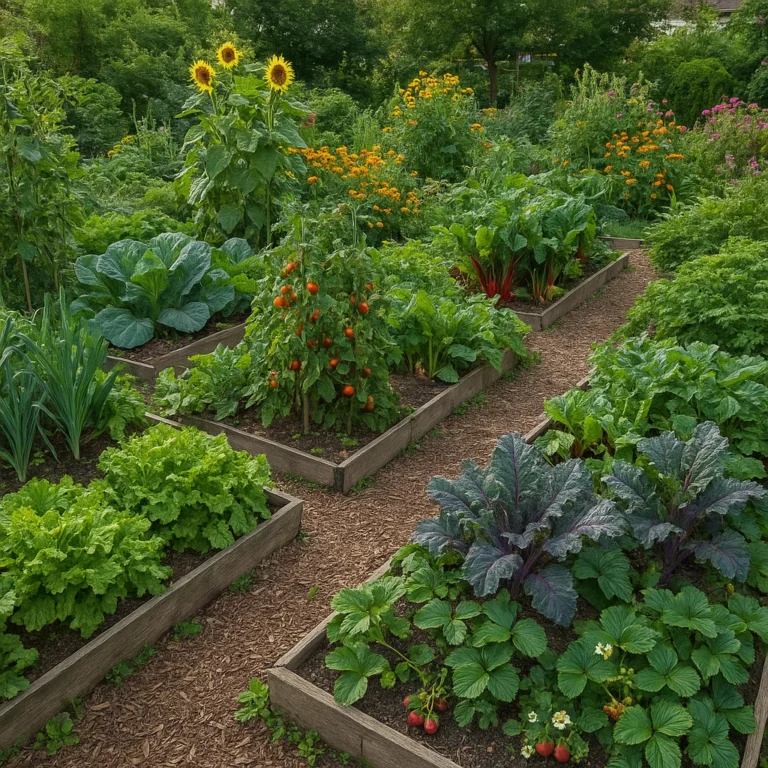
Imagine walking out your back door, plucking a ripe, sun-warmed peach from a tree that doubles as your privacy screen, then snipping fresh basil for your salad from a flower bed that looks like a showpiece. Sounds like a dream? It’s not. It’s edible landscaping, the revolutionary approach that proves you don’t have to choose between a pretty yard and a productive one. At Community Gardening™, we’ve watched neighbors transform sterile lawns into vibrant food forests, all while winning “Yard of the Year” awards from their HOAs.
But here’s the kicker: did you know the average American vegetable travels over 1,50 miles to reach your plate, losing nutrients and flavor along the way? Your backyard harvest travels zero miles. In this comprehensive guide, we’re diving deep into the art and science of foodscaping. We’ll reveal the 15 best fruit trees for every space size, share the “stealth” techniques to keep your neighbors guessing, and show you how to design a landscape that feeds your family and the local pollinators. From the history of the movement to the nitty-gritty of pruning and pest control, we’ve got the roadmap to your tastiest yard yet.
Key Takeaways
- Dual-Purpose Design: You can achieve aesthetic beauty and high-yield harvests simultaneously by integrating edibles with ornamentals.
- Strategic Planning: Success relies on zoning your garden based on sunlight and access, ensuring high-maintenance crops are near your kitchen.
- Soil is King: Building healthy, living soil with compost and mulch is more critical than any fertilizer for long-term productivity.
- Start Small: You don’t need acres; a single dwarf tree or a vertical trellis can kickstart your journey to self-sufficiency.
- Community Power: Edible landscapes foster local food systems and strengthen neighborhood bonds through shared harvests and knowledge.
Table of Contents
- ⚡️ Quick Tips and Facts
- 🌱 From Ornamental to Edible: A Brief History of Foodscaping
- 🏡 Designing Your Dream Edible Landscape: Principles and Planning
- 🍎 Top 15 Fruit Trees for Small Spaces and Large Yards
- 🫐 The Berry Patch: Cultivating Blueberries, Raspberries, and Blackberries
- 🥬 Edible Perennials and Herbs: The Year-Round Harvest
- 🍇 Vines and Climbers: Grapes, Kiwis, and Passionfruit for Vertical Gardens
- 🥕 Root Vegetables and Leafy Greens: Integrating the Vegetable Garden
- 🐝 Atracting Pollinators: Essential Companions for Your Edible Oasis
- 💧 Water Wisdom: Irrigation Strategies for Productive Landscapes
- 🌿 Soil Health and Mulching: Building the Foundation for Flavor
- 🐛 Natural Pest and Disease Management in Foodscaping
- ✂️ Pruning and Maintenance: Keeping Your Edible Garden Beautiful and Bountiful
- 🍂 Seasonal Harvest Calendar: What to Plant and Pick When
- 🏙️ Urban Edible Landscaping: Balconies, Patios, and Tiny Yards
- 🌳 Native Plants vs. Exotics: Choosing the Right Edibles for Your Region
- 🛠️ Essential Tools and Gear for the Edible Landscaper
- 📸 Before and After: Real Community Gardening™ Transformations
- ❓ Frequently Asked Questions About Edible Landscaping
- 🔗 Recommended Links and Resources
- 📚 Reference Links and Citations
- 🏁 Conclusion: Your Journey to a Tasty Landscape Begins Now
⚡️ Quick Tips and Facts
Welcome to the green revolution, where your lawn isn’t just a carpet for the neighbors to mow, but a buffet for your family! Before we dive into the nitty-gritty of turning your yard into a food-producing powerhouse, let’s hit the highlights.
- The “Stealth” Factor: Did you know you can grow enough food to feed a family of four on just 1,250 square feet of typical landscaping? That’s the average American yard! 🏡
- The HOA Hack: You don’t have to choose between a pretty yard and a productive one. By mixing edibles with ornamentals, you can win “Yard of the Year” awards while hiding a secret garden of kale and tomatoes. 🏆
- Soil is King: Forget expensive synthetic fertilizers. 80% of a successful edible landscape’s budget should go toward organic matter like compost. Feed the soil, and the soil will feed you! 🌱
- Food Miles Matter: The average vegetable in your supermarket has traveled 1,50 to 2,50 miles to get there. Your backyard harvest? Zero miles. Zero plastic wrap. 🚛🚫
- Start Small: You don’t need a tractor. You can start your edible transformation with a $0.9 packet of seeds.
Pro Tip from the Team: We’ve seen beginners try to plant a whole orchard on day one and burn out by July. Start small, master one zone, and let the harvests roll in naturally.
For more on how these principles apply to our local community, check out our guide on the Benefits of Community Gardens.
🌱 From Ornamental to Edible: A Brief History of Foodscaping

Ever wonder how we got here? For centuries, the separation of “pretty” and “edible” was a class thing. The wealthy had formal gardens with statues and manicured hedges, while the peasants grew their food in the back forty. But the tide turned in the 1970s when Rosalind Creasy published her groundbreaking book, Edible Landscaping. She argued that food plants could be just as beautiful as flowers.
Fast forward today, and we have Brie Arthur, the queen of “Foodscaping.” In her book The Foodscape Revolution, she details how she transformed a quarter-acre lot into a food forest that fed her and four neighbors, all while winning her HOA’s approval. Her philosophy? “Gardening to grow food is where the true power of transformation lies.”
Why the Shift?
- Economic Resilience: With grocery prices fluctuating, homegrown produce is a hedge against inflation.
- Health & Safety: In 2018, we saw record food recalls due to E. coli in commercial produce. Homegrown means you control the inputs.
- Biodiversity: Monocultures (rows of just corn or just roses) attract pests. A mixed landscape confuses them and invites beneficial insects.
Curiosity Gap: But how do you actually design a landscape that looks like a show home but tastes like a farmer’s market? We’ll get to the design secrets in the next section, but first, let’s talk about the big players: the trees.
🏡 Designing Your Dream Edible Landscape: Principles and Planning
Designing an edible landscape isn’t just about sticking a tomato plant between two petunias. It requires a strategic approach to zones, sunlight, and aesthetics.
The Three-Zone Strategy
Inspired by permaculture and Brie Arthur’s methods, we divide your yard into three distinct zones based on how often you need to visit them.
| Zone | Location | Frequency of Access | Ideal Crops |
|---|---|---|---|
| Zone 1 | Near the kitchen/water source | Daily | Herbs, salad greens, strawberries, tomatoes |
| Zone 2 | Mid-yard, accessible paths | 1-2 times/week | Peppers, okra, squash, bush beans |
| Zone 3 | Perimeter or edges | End of season | Fruit trees, sweet potatoes, pumpkins, corn |
Sunlight and Shade
Most fruiting plants (tomatoes, peppers, berries) need 6 hours of direct sun. However, don’t ignore the shady spots! Leafy greens like arugula, spinach, and lettuce actually prefer partial shade, especially in hot climates.
Aesthetic Integration
How do you hide the “ugly” parts of vegetables?
- Camouflage: Use ornamental grasses to hide the dying foliage of sweet potatoes in the fall.
- Texture: Swiss chard and kale have stunning, colorful leaves that rival any flower.
- Verticality: Train cucumbers and pole beans up trellises or even existing hedges (like Cryptomeria) to save space and add height.
Wait, what about HOAs? We know the fear. But remember the “stealth” technique: if it looks like a shrub from the street, it’s a shrub. If it’s a blueberry bush that looks like a hydrangea, you’re golden.
🍎 Top 15 Fruit Trees for Small Spaces and Large Yards
Fruit trees are the backbone of any edible landscape. But which ones fit your space? Whether you have a sprawling estate or a postage-stamp backyard, there’s a tree for you. We’ve curated a list of 15 varieties, ranging from dwarf options to heavy hitters.
Dwarf and Espalier Friendly (Small Spaces)
These are perfect for patios, narrow side yards, or training against a wall.
- Dwarf Apple (Gala or Fuji): Grafted on dwarfing rootstock, these stay under 8 feet.
- Espalier Pear: Train a Bartlett or Bosc pear flat against a sunny wall.
- Dwarf Citrus (Meyer Lemon): A year-round producer that smells amazing.
- Fig (Brown Turkey or Celeste): Thrives in containers and needs little pruning.
- Peach (Bonanza): A true dwarf peach that produces full-sized fruit.
Medium to Large Trees (Large Yards)
If you have room to let them breathe, these trees will become the centerpiece of your garden.
- Persimon (Fuyu): Non-astringent, great for beginners.
- Pomegranate: Stunning flowers and tough, drought-tolerant.
- Cherry (Stella): Self-fertile sweet cherry, no partner needed.
- Plum (Santa Rosa): A classic with high yield.
- Avocado (Hass): If you’re in a warm zone, this is the gold standard.
Exotic and Tropical (For the Adventurous)
Looking for something unique? Try these if your climate allows (or use pots you can move indoors).
- Mango (Carie): As seen in our featured video, this variety is compact and productive.
- Jaboticaba: The “tree grape” that grows directly on the trunk.
- Pitomba: A tropical fruit with a tangy, citrusy flavor.
- Babaco: A papaya relative that grows like a shrub.
- Mulberry: Fast-growing, bird-proof (if you harvest first!), and incredibly sweet.
Note: While we love the idea of growing exotic fruits, always check your USDA Hardiness Zone. A Jaboticaba will freeze in Zone 7, but thrive in Zone 9.
Where to Buy?
Finding high-quality, disease-resistant trees is crucial. We recommend checking local nurseries or reputable online growers.
👉 Shop Fruit Trees on:
- Amazon: Search for Dwarf Fruit Trees
- Etsy: Search for Bare Root Fruit Trees
- Edible Landscaping: Browse Fruit Trees Collection
🫐 The Berry Patch: Cultivating Blueberries, Raspberries, and Blackberries
Beries are the jewels of the edible landscape. They offer high yields in small footprints and are packed with antioxidants. But they have specific needs.
Blueberries: The Acid Lovers
Blueberries are picky. They demand acidic soil (pH 4.5–5.5). If your soil is neutral, you must amend it heavily with peat moss or pine bark.
- Varieties: ‘Bluecrop’ (hardy), ‘Sunshine Blue’ (great for containers).
- Tip: Plant at least two varieties for cross-pollination to maximize yield.
Raspberries & Blackberries: The Brambles
These are vigorous growers. Without a trellis, they will take over your entire yard!
- Pruning: Raspberries are either “summer-bearing” (fruit on second-year canes) or “everbearing” (fruit on first-year canes). Know your type!
- Blackberries: Look for thornless varieties like ‘Apache’ or ‘Triple Crown’ to avoid a painful harvest.
Strawberries: The Ground Cover
Perfect for the edges of paths or hanging baskets.
- Day-Neutral: Produce fruit all season long.
- June-bearing: Massive harvest in early summer, then rest.
Did you know? Strawberries are one of the most pesticide-laden crops in the conventional market. Growing your own is a huge win for your health!
🥬 Edible Perennials and Herbs: The Year-Round Harvest
Why plant every year when you can plant once and harvest for years? Perennials are the workhorses of the edible landscape.
Top Perennial Picks
- Asparagus: Takes 3 years to establish, but produces for 20+.
- Rhubarb: The tart stalks for pies, hardy in cold zones.
- Artichoke: A stunning architectural plant with edible hearts.
- Sea Kale: A coastal favorite with edible shoots and flowers.
Herbs: The Flavor Boosters
Don’t relegate herbs to a tiny pot. Make them the star!
- Rosemary & Thyme: Woody, drought-tolerant, and perfect for hedges.
- Basil: Use compact varieties like ‘Genovese’ or ‘Greek Basil’ as edging.
- Mint: Warning: Plant in containers! Mint is invasive and will choke out your other plants if left in the ground.
Community Insight: In our local Edible Plants category, we often see gardeners swap cutings of perennial herbs. It’s a great way to diversify your garden for free!
🍇 Vines and Climbers: Grapes, Kiwis, and Passionfruit for Vertical Gardens
When ground space is tight, look up. Vines utilize vertical space, creating natural privacy screens and shade structures.
Grapes
- Muscadine: Native to the Southeast, disease-resistant, and delicious.
- Concord: Classic grape flavor, great for juice and jelly.
- Design Tip: Train grapes on a pergola to create a shaded dining area.
Kiwis
- Hardy Kiwi (Actinidia arguta): Small, smooth-skinned, no peling required. Needs a male and female plant.
- Fuzzy Kiwi: The classic grocery store type, needs a warm climate.
Passionfruit
- Purple Passionfruit: Fast-growing, tropical flavor, requires a sturdy trellis.
The “First Video” Inspiration: In the video showcasing the West Palm Beach food forest, the presenter highlights how grapes and passionfruit can be trained over arches to create beautiful, edible tunnels. It’s a perfect example of function meeting form!
🥕 Root Vegetables and Leafy Greens: Integrating the Vegetable Garden
You might think root vegetables look messy, but with the right design, they can be quite charming.
Root Crops
- Carots: Plant in raised beds with loose soil. The tops are edible too!
- Radishes: Fast-growing (30 days). Perfect for interplanting with slower crops.
- Sweet Potatoes: Their trailing vines make excellent ground cover, suppressing weeds.
Leafy Greens
- Kale & Collards: These look like ornamental cabbages. They thrive in cool weather and can survive light frosts.
- Swiss Chard: The rainbow stems add a splash of color to any garden bed.
Pro Tip: Use the “Succession Planting” method. As you harvest lettuce, plant more seeds in the same spot. You’ll have a continuous harvest all season.
🐝 Atracting Pollinators: Essential Companions for Your Edible Oasis
No pollinators, no fruit. It’s that simple. Your edible landscape must be a pollinator paradise.
The Best Companion Plants
- Borage: Atracts bees and repels pests. The flowers are edible!
- Nasturtiums: A trap crop for aphids, keeping your veggies safe.
- Lavender: Bes love it, and it smells divine.
- Sunflowers: A beacon for bees and butterflies.
Why Biodiversity Matters
A monoculture is a buffet for pests. A diverse garden confuses them. By mixing flowers, herbs, and vegetables, you create a complex ecosystem where beneficial insects (like ladybugs and lacewings) keep the bad guys in check.
Question: Have you ever noticed that your tomato plants produce more fruit when you plant marigolds nearby? That’s the power of companion planting!
💧 Water Wisdom: Irrigation Strategies for Productive Landscapes
Water is life, but it’s also a resource we must conserve. An edible landscape should be drought-tolerant once established.
Irrigation Methods
- Drip Irrigation: The gold standard. Delivers water directly to the roots, reducing evaporation and fungal diseases.
- Soaker Hoses: Great for vegetable beds and berry patches.
- Rain Barels: Capture roof runoff to water your garden.
Mulching: The Secret Weapon
A 2-inch layer of organic mulch (straw, wood chips, or leaves) is non-negotiable. It retains moisture, suppresses weeds, and feeds the soil as it breaks down.
Brand Spotlight: We love Rain Bird products for their efficiency and durability. They are a sponsor of many educational gardening programs for a reason!
👉 Shop Irrigation Systems on:
- Amazon: Search for Drip Irrigation Kits
- Rain Bird Official: Visit Rain Bird
🌿 Soil Health and Mulching: Building the Foundation for Flavor
You can’t have great food without great soil. Healthy soil is alive with microbes, fungi, and worms.
How to Build Soil
- Add Compost: Mix a 2-inch layer into the top few inches of soil.
- Avoid Tilling: Deep tilling destroys soil structure and fungal networks. Use a broadfork or just add compost on top (sheet mulching).
- Cover Crops: In the off-season, plant clover or rye to fix nitrogen and prevent erosion.
The “No-Till” Philosophy
Brie Arthur advocates for minimal disturbance. By keeping the soil covered and undisturbed, you build a resilient ecosystem that resists disease and holds water better.
Fact: 80% of your garden’s success comes from what you do to the soil, not the plant.
🐛 Natural Pest and Disease Management in Foodscaping
Pests are inevitable, but they don’t have to be a disaster. The goal is management, not eradication.
Natural Defenses
- Beneficial Insects: Atract ladybugs, lacewings, and praying mantises.
- Physical Bariers: Use row covers for cabbage moths and neting for birds.
- Trap Crops: Plant nasturtiums to lure aphids away from your beans.
Organic Sprays (Last Resort)
- Nem Oil: Effective against many soft-bodied insects and fungal diseases.
- Insecticidal Soap: Good for aphids and mites.
- Bt (Bacillus thuringiensis): Specific for caterpillars.
Warning: Never use synthetic pesticides in an edible landscape. They kill the good guys along with the bad.
✂️ Pruning and Maintenance: Keeping Your Edible Garden Beautiful and Bountiful
Pruning isn’t just about shape; it’s about health and yield.
When to Prune
- Fruit Trees: Late winter (dormant season) to shape the tree and remove dead wood.
- Beries: After harvest or in late winter, depending on the variety.
- Herbs: Pinch back regularly to encourage bushy growth.
The “Clean Up” Myth
Don’t clean up every fallen leaf! Many beneficial insects overwinter in leaf litter. Leave a little mess for the sake of the ecosystem.
Tip: If you’re worried about HOA aesthetics, prune your fruit trees to keep them compact and tidy, and use ornamental grasses to hide the “messy” parts of the garden.
🍂 Seasonal Harvest Calendar: What to Plant and Pick When
Timing is everything. A well-planned garden provides food from early spring to late fall.
| Season | Planting | Harvesting |
|---|---|---|
| Spring | Peas, Letuce, Spinach, Onions | Strawberries, Asparagus, Radishes |
| Summer | Tomatoes, Peppers, Basil, Beans | Zucchini, Cucumbers, Blueberries |
| Fall | Kale, Collards, Garlic, Cover Crops | Apples, Pears, Pumpkins, Sweet Potatoes |
| Winter | (Indors or in mild climates) | Citrus, Hardy Greens |
Curiosity: What happens if you plant your tomatoes too early? They’ll get frost-bitten. Wait until the soil is warm!
🏙️ Urban Edible Landscaping: Balconies, Patios, and Tiny Yards
No yard? No problem! Urban edible landscaping is booming.
Container Gardening
- Dwarf Varieties: Choose trees and bushes bred for containers.
- Vertical Planters: Grow strawberries and herbs on walls.
- Hanging Baskets: Perfect for trailing tomatoes and peppers.
Small Space Strategies
- Edging: Use edible plants like chives or thyme as borders for your patio.
- Window Boxes: Grow lettuce and herbs right outside your kitchen window.
Inspiration: The “HOA friendly food forest” video we mentioned earlier proves that even in dense urban areas, you can create a thriving food forest with creativity and the right plant choices.
🌳 Native Plants vs. Exotics: Choosing the Right Edibles for Your Region
Should you stick to natives or go exotic? The answer is both, but with caution.
Native Plants
- Pros: Adapted to local climate, require less water, support local wildlife.
- Cons: May have lower yields or less familiar flavors.
Exotic Plants
- Pros: Often higher yields, unique flavors, longer harvest seasons.
- Cons: May need more care, water, and protection from local pests.
Rule of Thumb: Start with natives to build your soil and ecosystem, then add exotics in protected microclimates.
🛠️ Essential Tools and Gear for the Edible Landscaper
You don’t need a garage full of tools, but a few quality items make a huge difference.
Must-Haves
- Pruning Shears: Sharp, bypass pruners for clean cuts.
- Garden Fork: For turning soil and adding compost.
- Hori Hori Knife: The Swiss Army knife of gardening.
- Wheelbarow: For moving mulch and harvests.
👉 Shop Gardening Tools on:
- Amazon: Search for Professional Gardening Tools
- Fiskars Official: Visit Fiskars
📸 Before and After: Real Community Gardening™ Transformations
We’ve seen it all. From overgrown, weed-choked lawns to vibrant, productive food forests.
Case Study: The “Stealth” Garden
- Before: A standard suburban lawn with a few boring shrubs.
- After: A layered landscape with fruit trees, berry bushes, and vegetable beds hidden among ornamental grasses and flowers.
- Result: The HOA awarded them “Yard of the Year,” unaware that the “shrub” was actually a blueberry bush!
Join the Movement: Want to see more transformations? Check out our Community Garden Events to meet local gardeners and get inspired.
❓ Frequently Asked Questions About Edible Landscaping
What maintenance tips are essential for edible garden landscapes?
Regular mulching, pruning, and soil testing are key. Unlike ornamental gardens, edible landscapes require more frequent harvesting and monitoring for pests. Consistency is your best friend.
How can edible landscaping promote healthy eating in communities?
When food is visible and accessible, people are more likely to eat it. Edible landscapes in schools and community centers teach children where food comes from and encourage them to try new, healthy foods.
What are the most sustainable edible plants for urban gardening?
Herbs, leafy greens, and dwarf fruit trees are ideal. They have small footprints, high yields, and can be grown in containers.
How do you design an edible landscape that supports local wildlife?
Incorporate native flowering plants, leave some areas of bare ground for ground-nesting bees, and provide water sources like birdbaths. Avoid chemical pesticides.
What are some creative edible landscaping ideas for small spaces?
Use vertical gardening (trellises, wall planters), choose dwarf varieties, and integrate edibles into flower beds (e.g., planting chives among roses).
How can edible landscaping benefit community gardens?
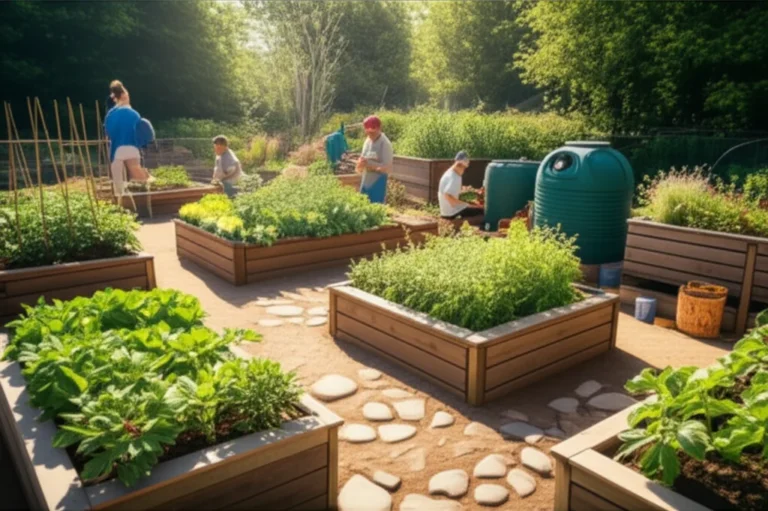
It maximizes space, provides fresh food for members, and creates a beautiful, inviting environment that encourages social interaction and education.
What are the best edible plants for beginner gardeners?
Zucchini, tomatoes, basil, strawberries, and radishes. They are fast-growing, forgiving, and rewarding.
How can edible landscaping contribute to a sustainable and environmentally-friendly community garden?
It reduces food miles, promotes biodiversity, improves soil health, and reduces the need for chemical inputs.
What are some low-maintenance edible landscaping ideas for beginners?
Plant perennials like asparagus and rhubarb, use mulch to suppress weeds, and choose drought-tolerant varieties like rosemary and thyme.
How does edible landscaping impact local food systems and community gardening?
It decentralizes food production, reduces reliance on industrial agriculture, and strengthens community bonds through shared harvests and knowledge.
Can I use edible landscaping to grow my own fruits and vegetables year-round?
In many climates, yes! By using succession planting, cold frames, and greenhouses, you can extend the season significantly.
What types of plants are suitable for edible landscaping in different climates?
- Cold Climates: Apples, pears, berries, kale.
- Warm Climates: Citrus, figs, peppers, sweet potatoes.
- Tropical: Mangoes, papayas, passionfruit.
How do I design an edible landscape for my backyard?
Start by assessing your sunlight, soil, and water access. Divide your yard into zones, choose plants that fit your climate, and integrate them aesthetically with ornamentals.
What are the benefits of edible landscaping in urban areas?
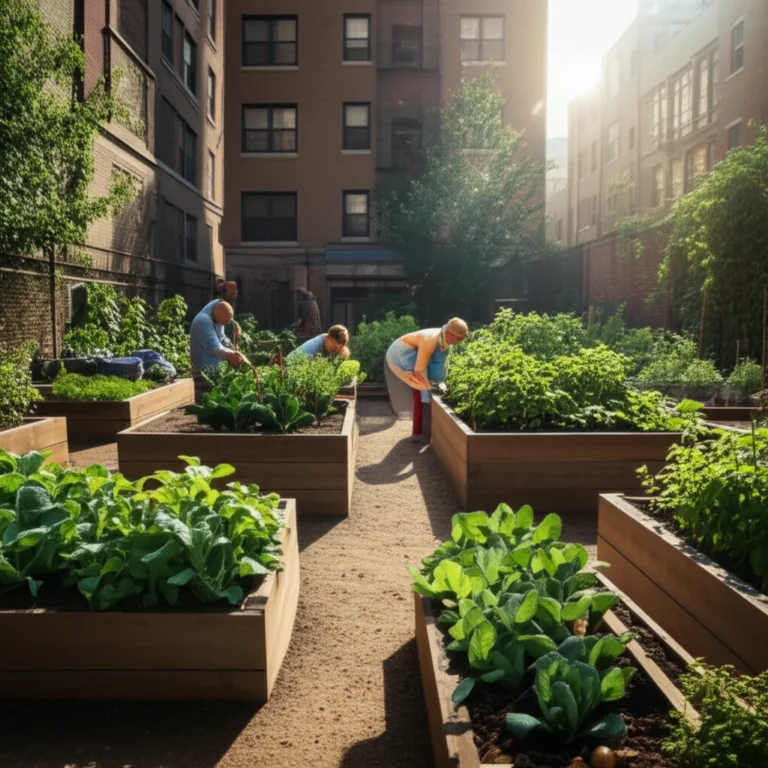
It reduces the urban heat island effect, improves air quality, provides fresh food, and creates green spaces that improve mental health.
🔗 Recommended Links and Resources
Ready to get started? Here are our top picks for tools, books, and plants.
Books:
- The Foodscape Revolution by Brie Arthur: The ultimate guide to transforming your landscape.
- Edible Landscaping by Rosalind Creasy: The classic text on the subject.
👉 Shop Products:
- Dwarf Fruit Trees: Amazon Search
- Drip Irrigation Kits: Amazon Search
- Organic Compost: Walmart Search
- Gardening Tools: Etsy Search
📚 Reference Links and Citations
- Edible Landscaping Store: Fruit Trees Collection
- Joe Gardener Podcast: Foodscaping Overview
- USDA Plant Hardiness Zone Map: USDA.gov
- Community Gardening Resources: Benefits of Community Gardens
🏁 Conclusion: Your Journey to a Tasty Landscape Begins Now

So, there you have it! From the history of foodscaping to the nitty-gritty of planting your first dwarf apple tree, we’ve covered every angle of edible landscaping.
Remember, the goal isn’t perfection. It’s progress. Whether you’re growing a single pot of basil on your balcony or transforming your entire yard into a food forest, every step counts. You’re not just growing food; you’re growing a community, a healthier lifestyle, and a more sustainable future.
Final Thought: Don’t let the fear of HOAs or pests stop you. Start small, learn as you go, and enjoy the journey. After all, as Brie Arthur says, “Gardening to grow food is where the true power of transformation lies.”
Ready to dig in? Grab your tools, pick a spot, and let’s grow together! 🌱🍎🥕