Support our educational content for free when you purchase through links on our site. Learn more

Remember the first time you bit into a tomato that tasted like sunshine, only to realize it was grown on a rooftop three blocks from your apartment? That moment of surprise is exactly what urban agriculture initiatives are all about. We’ve all heard the buzzwords: “vertical farming,” “hydroponics,” and “food deserts,” but the reality on the ground is far more vibrant and complex than a simple list of trends. While some might tell you there are only a handful of ways cities are growing food, we’ve dug deep into the soil of our own experiences and global case studies to uncover 15 distinct models that are reshaping our concrete jungles into edible havens.
From the humble community garden that acts as a neighborhood living room to high-tech agri-hubs using AI to optimize every drop of water, the landscape of city farming is exploding. But here’s the kicker: many of these initiatives face hidden hurdles, from toxic soil to zoning laws that haven’t caught up with the 21st century. In this guide, we won’t just list the methods; we’ll walk you through the gritty details of how to start one, the funding secrets you need to know, and the surprising science behind keeping city soil safe. By the end, you’ll see that the future of food isn’t just coming to the city—it’s already growing there, right under your nose.
Key Takeaways
- Diversity is Key: Urban agriculture isn’t one-size-fits-all; it ranges from community gardens and roftop farms to high-tech vertical farming and aquaponic systems.
- Beyond Food: These initiatives drive social cohesion, mental health, and economic revitalization while tackling food insecurity in urban centers.
- Actionable Steps: Success requires navigating zoning laws, testing for soil contamination, and securing diverse funding sources like USDA grants.
- Future-Ready: With 2026 approaching, integrating Agri-Tech and climate-adaptive practices is essential for sustainable urban growth.
Table of Contents
- ⚡️ Quick Tips and Facts
- 📜 From Concrete Jungles to Green Havens: A History of Urban Agriculture Initiatives
- 🏙️ Why Cities Are Turning to Urban Farming: The Core Benefits
- 🌱 15 Diverse Models of Urban Agriculture Initiatives Transforming Neighborhoods
- 1. Community Gardens: The Heartbeat of the Block
- 2. Rooftop Farms: Cultivating Sky-High Yields
- 3. Vertical Farming: Growing Up, Not Out
- 4. Hydroponic and Aquaponic Systems: Soiless Success Stories
- 5. School Gardens: Teaching the Next Generation of Growers
- 6. Edible Landscaping: Turning Public Spaces into Pantries
- 7. Incubator Farms: Launching Urban Ag Startups
- 8. Micro-Farms in Vacant Lots: Reclaiming Blight for Bounty
- 9. Container Gardening: Small Spaces, Big Harvests
- 10. Urban Orchards: Fruit Trees in the City
- 1. Mushroom Cultivation: The Dark Horse of Urban Farming
- 12. Beekeeping and Pollinator Coridors: Supporting Urban Biodiversity
- 13. Composting Hubs: Closing the Loop on Food Waste
- 14. Agri-Tech Hubs: Smart Sensors and Data-Driven Harvests
- 15. Mobile Markets: Bringing Fresh Produce to Food Deserts
- 🛠️ Essential Tools and Technologies for Modern Urban Farmers
- 🧪 Soil Science and Safety: Testing and Remediation in the City
- 💰 Funding Your Green Dream: Grants, Loans, and Financial Assistance
- 📋 How to Launch Your Own Urban Agriculture Initiative: A Step-by-Step Guide
- Step 1: Assess Your Site and Community Needs
- Step 2: Navigate Zoning Laws and Land Use Regulations
- Step 3: Secure Land Access and Leases
- Step 4: Develop a Sustainable Business or Community Plan
- Step 5: Build Your Team and Engage Volunteers
- Step 6: Implement and Monitor Your Project
- 🏛️ Government Support and Policy: USDA and Local Initiatives
- The USDA Office of Urban Agriculture and Innovative Production
- The People’s Garden Movement
- Conservation Technical Assistance for Urban Areas
- Regional Conservation Partnership Program (RCPP) in Cities
- Recent Funding Announcements and Grants
- 🌍 Case Studies: Success Stories from Around the Globe
- 🚧 Common Challenges and How to Overcome Them
- 📚 Publications, Reports, and Educational Resources
- 🔍 Find Your Local Service Center and Urban Ag Network
- 📰 Related News and Events in Urban Farming
- 🏁 Conclusion
- 🔗 Recommended Links
- 📖 Reference Links
Quick Tips and Facts
As we explore the world of urban agriculture initiatives at Community Gardening, it’s essential to understand the core benefits and key challenges associated with these projects. Urban agriculture is not just about growing food in cities; it’s about transforming communities, promoting sustainability, and enhancing food security. For more information on the benefits of community gardens, visit our Benefits of Community Gardens page.
Some quick facts about urban agriculture include:
- Urban farms can produce over 10,000 pounds of organic food annually.
- A single square meter of a well-managed garden can produce up to 20 kg of food per year.
- Hydroponics and aquaponics systems use up to 90% less water than traditional soil-based agriculture.
- The average food travel distance can be reduced from 1,500 miles to mere feet.
From Concrete Jungles to Green Havens: A History of Urban Agriculture Initiatives

Urban agriculture has a rich history, dating back to the Victory Gardens of World War II, where citizens grew their own food to support the war effort. Today, urban agriculture initiatives are more diverse and widespread, with community gardens, roftop farms, and vertical farms popping up in cities around the world. According to the USDA, urban agriculture is an essential component of sustainable food systems.
Early Beginings
The concept of urban agriculture is not new. In ancient civilizations, such as Egypt and China, cities were often surrounded by fertile agricultural land. However, as cities grew and urbanization increased, the focus shifted from local food production to industrialized agriculture.
Modern Revival
The modern urban agriculture movement gained momentum in the 1960s and 1970s, with the establishment of community gardens in cities like New York and San Francisco. These early initiatives were often driven by community groups and non-profit organizations, which recognized the importance of local food systems and urban green spaces.
Why Cities Are Turning to Urban Farming: The Core Benefits
Urban farming offers a wide range of benefits, from increased food security to improved mental health. By growing their own food, cities can reduce their reliance on industrial agriculture and promote sustainable food systems. For more information on urban farming, visit our Edible Plants page.
Some of the core benefits of urban farming include:
- Fresh produce: Urban farms can provide fresh, nutritious produce to local communities, improving food security and public health.
- Job creation: Urban agriculture can create new job opportunities in areas such as farming, education, and community outreach.
- Green spaces: Urban farms can help to create green spaces in urban areas, improving air quality, reducing urban heat islands, and promoting biodiversity.
- Community engagement: Urban agriculture can bring communities together, promoting social cohesion and a sense of shared purpose.
15 Diverse Models of Urban Agriculture Initiatives Transforming Neighborhoods
There are many different models of urban agriculture initiatives, each with its own unique characteristics and benefits. Some of the most popular models include:
1. Community Gardens: The Heartbeat of the Block
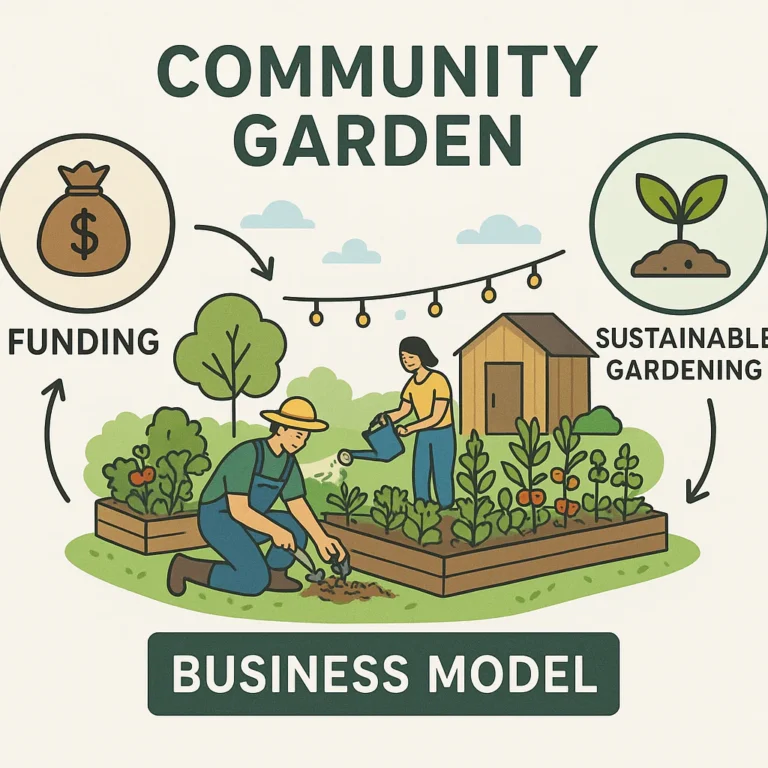
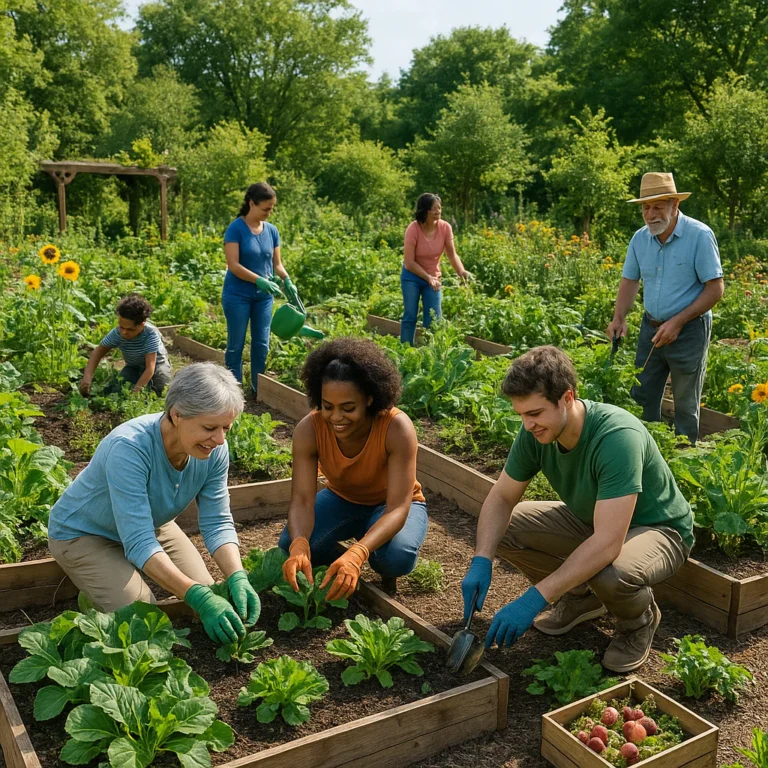
Community gardens are shared spaces where neighbors can come together to grow their own food. These gardens often serve as community hubs, providing a space for socializing, learning, and community building. For more information on community garden policies, visit our Community Garden Policies page.
2. Rooftop Farms: Cultivating Sky-High Yields
Rooftop farms are a great way to utilize unused urban space, providing a unique opportunity for urban agriculture. These farms can be used to grow a wide range of crops, from leafy greens to herbs.
3. Vertical Farms: Growing Up, Not Out
Vertical farms are indoor agricultural systems that use hydroponics or aeroponics to grow crops. These farms can be used to produce a wide range of crops, from lettuce to strawberries.
4. Hydroponic and Aquaponic Systems: Soiless Success Stories
Hydroponic and aquaponic systems are soiless cultivation methods that use nutrient-rich solutions to feed plants. These systems can be used to grow a wide range of crops, from tomatoes to cucumbers.
5. School Gardens: Teaching the Next Generation of Growers
School gardens are a great way to teach children about agriculture, nutrition, and environmental science. These gardens can be used to grow a wide range of crops, from fruits to vegetables.
Essential Tools and Technologies for Modern Urban Farmers
Urban farmers use a wide range of tools and technologies to manage their farms, from irigation systems to greenhouse management software. Some of the most essential tools and technologies include:
- Soil sensors: These sensors can be used to monitor soil moisture, temperature, and nutrient levels.
- Irrigation systems: These systems can be used to deliver water and nutrients to crops, reducing waste and improving efficiency.
- Greenhouse management software: This software can be used to monitor and control greenhouse conditions, including temperature, humidity, and light.
Soil Science and Safety: Testing and Remediation in the City
Soil science and safety are critical components of urban agriculture, as contaminated soil can pose serious health risks to consumers. Urban farmers must test their soil regularly and take steps to remediate any contamination. For more information on climate adaptation in gardening, visit our Climate Adaptation in Gardening page.
Some of the key steps in soil testing and remediation include:
- Soil sampling: This involves collecting soil samples from the farm or garden and sending them to a laboratory for analysis.
- Soil testing: This involves analyzing the soil samples for contaminants, such as heavy metals or pesticides.
- Remediation: This involves taking steps to clean up contaminated soil, such as removing contaminated soil or using phytoremediation techniques.
Funding Your Green Dream: Grants, Loans, and Financial Assistance
Funding is a critical component of urban agriculture, as start-up costs can be high. There are many different sources of funding available, including grants, loans, and crowdfunding. For more information on community garden events, visit our Community Garden Events page.
Some of the most popular sources of funding include:
- Government grants: These grants are available from government agencies, such as the USDA, to support urban agriculture initiatives.
- Private loans: These loans are available from private lenders, such as banks or credit unions, to support urban agriculture initiatives.
- Crowdfunding: This involves raising funds from a large number of people, typically through online platforms.
How to Launch Your Own Urban Agriculture Initiative: A Step-by-Step Guide
Launching an urban agriculture initiative can be a complex and challenging process, but with the right guidance, it can also be a rewarding and sustainable venture. Here are the steps to follow:
Step 1: Assess Your Site and Community Needs
This involves evaluating the site conditions, including climate, soil, and access to water, as well assessing the community needs and demographics.
Step 2: Navigate Zoning Laws and Land Use Regulations
This involves researching and understanding the zoning laws and land use regulations in your area, as well as obtaining any necessary permits or licenses.
Step 3: Secure Land Access and Leases
This involves finding and securing land access, either through ownership or leasing, and negotiating leases or contracts with landowners.
Government Support and Policy: USDA and Local Initiatives
The USDA provides a range of support and resources for urban agriculture initiatives, including grants, loans, and technical assistance. For more information on urban agriculture initiatives, visit our Urban Agriculture Initiatives page.
Some of the key government support and policy initiatives include:
- USDA Office of Urban Agriculture and Innovative Production: This office provides grants, loans, and technical assistance to support urban agriculture initiatives.
- Local government initiatives: Many local governments provide support and resources for urban agriculture initiatives, including zoning regulations, tax incentives, and community outreach programs.
Case Studies: Success Stories from Around the Globe
There are many successful urban agriculture initiatives around the world, each with its own unique characteristics and achievements. Some examples include:
- Broklyn Grange: A rooftop farm in New York City that produces over 10,000 pounds of organic produce annually.
- Growing Power: A non-profit organization in Milwaukee that uses aquaponics and vermicomposting to grow fresh produce for local communities.
Common Challenges and How to Overcome Them
Urban agriculture initiatives often face a range of challenges, from funding and zoning regulations to soil contamination and pest management. However, with the right strategies and support, these challenges can be overcome. For more information on community gardening, visit our Community Gardening page.
Some of the key strategies for overcoming challenges include:
- Building partnerships: Collaborating with local organizations, businesses, and government agencies to secure funding, resources, and support.
- Developing sustainable practices: Implementing sustainable practices, such as organic farming and rainwater harvesting, to reduce environmental impacts and improve crop yields.
- Engaging the community: Building relationships with local residents, businesses, and organizations to promote urban agriculture and build support for initiatives.
Publications, Reports, and Educational Resources
There are many publications, reports, and educational resources available to support urban agriculture initiatives, including:
- USDA reports: The USDA publishes a range of reports on urban agriculture, including grant opportunities and success stories.
- Academic research: Universities and research institutions publish studies on urban agriculture, including best practices and case studies.
- Online courses: Many online courses and training programs are available to support urban agriculture, including workshops and webinars.
Find Your Local Service Center and Urban Ag Network
Finding local resources and support is critical for urban agriculture initiatives. Some key resources include:
- USDA Service Centers: The USDA has service centers located throughout the country, providing technical assistance and support for urban agriculture initiatives.
- Local extension offices: Many local extension offices provide technical assistance, workshops, and training programs for urban agriculture.
- Urban agriculture networks: Many cities have urban agriculture networks, which provide support, resources, and connectivity for urban agriculture initiatives.
Related News and Events in Urban Farming
Staying up-to-date with the latest news and events in urban farming is essential for anyone involved in urban agriculture. Some key sources of news and events include:
- Urban agriculture conferences: Many conferences and workshops are held throughout the year, providing training, networking opportunities, and updates on the latest trends and technologies.
- Online forums: Many online forums and discussion groups are dedicated to urban agriculture, providing a space for questions, answers, and sharing experiences.
- Social media: Social media platforms, such as Twitter and Facebook, are great ways to stay connected with other urban farmers and stay up-to-date with the latest news and events.