Support our educational content for free when you purchase through links on our site. Learn more

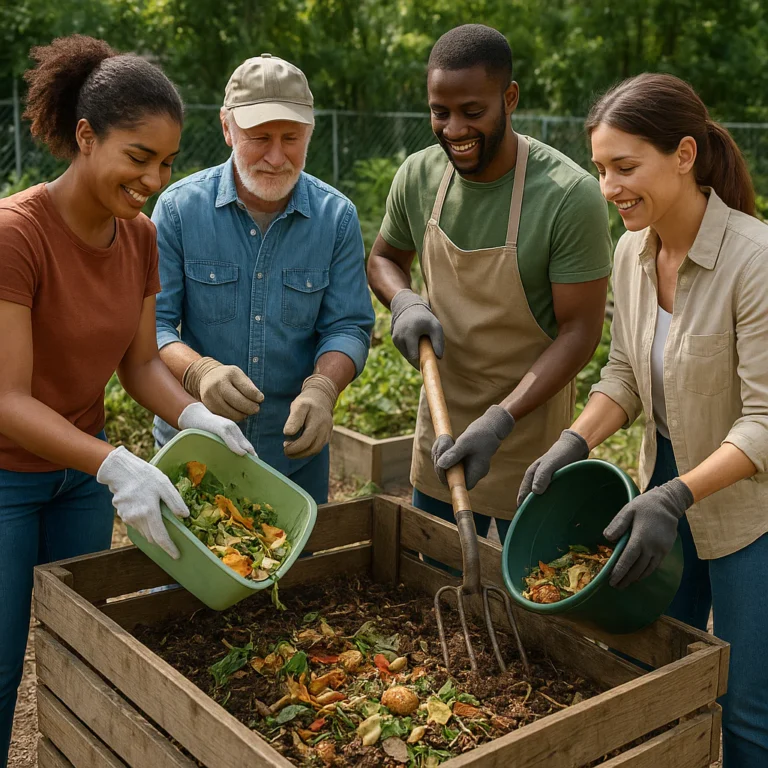
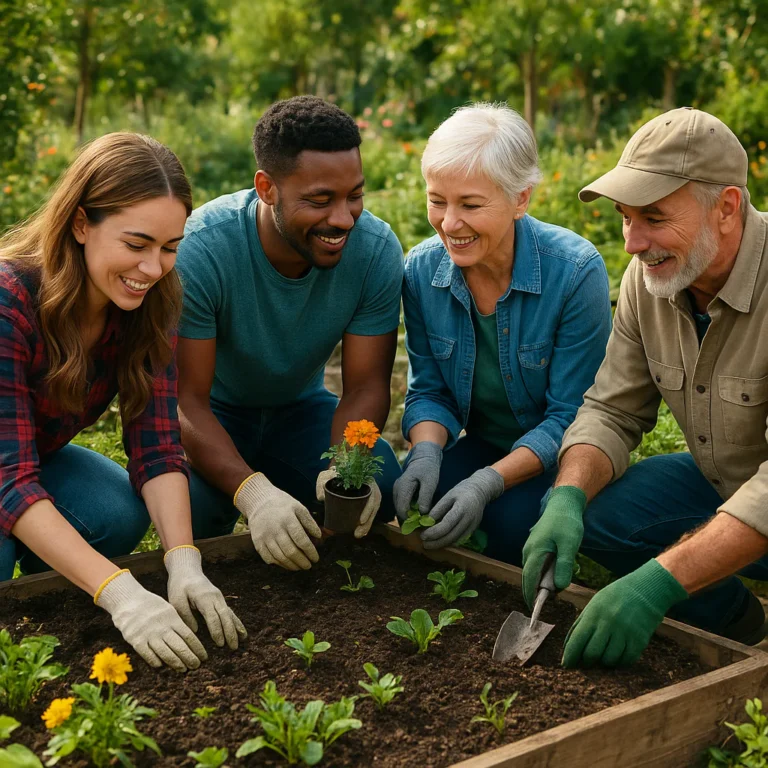
Community gardening for disaster resilience transforms neighborhoods from vulnerable zones into self-sufficient lifelines before, during, and after a crisis. It is not merely a hobby; it is a strategic investment in food security, social cohesion, and mental health that pays dividends when the grid goes down.
When Hurricane Maria struck Puerto Rico, the first places to recover food supplies weren’t the supermarkets, but the community plots where neighbors had already built trust and shared tools. These “Red Zones” turned green, proving that social capital is the most critical infrastructure in a disaster.
Did you know that neighborhoods with strong pre-existing social bonds recover up to three times faster than those without? A garden is the factory where that bond is forged, turning strangers into a survival team.
Key Takeaways
- Decentralized Food Security: Community gardens provide immediate access to fresh, nutrient-dense produce when supply chains collapse.
- Social Infrastructure: Pre-disaster relationships built in the garden are the primary drivers of rapid community recovery and resource sharing.
- Mental Health Sanctuary: The act of gardening reduces trauma and anxiety, offering a sense of control and normalcy during chaos.
- Resource Independence: Strategic planning for water harvesting and seed saving creates a buffer against utility failures and market shortages.
- 10 Essential Steps: From site selection to emergency protocols, this guide outlines the exact blueprint for building a disaster-proof plot.
Table of Contents
- ⚡️ Quick Tips and Facts
- 📜 From Dust Bowls to Disaster Zones: A History of Community Resilience
- 🌱 Why Your Neighborhood Plot is Your Best Insurance Policy
- 🛠️ 10 Essential Steps to Build a Disaster-Proof Community Garden
- 🌪️ 7 Critical Strategies for Weathering Storms, Floods, and Droughts
- 🥕 5 High-Yield Crops That Survive When Supply Chains Snap
- 💧 Water Wisdom: Rainwater Harvesting and Irrigation for Emergencies
- 🤝 The Social Glue: How Shared Soil Strengthens Community Bonds
- 🚫 Common Pitfalls That Turn a Sanctuary into a Liability
- 📊 Resilience Metrics: Measuring Your Garden’s Impact on Disaster Recovery
- 🧠 Mental Health and the Healing Power of Post-Disaster Gardening
- 🏛️ Navigating Zoning Laws and Emergency Management Policies
- 🌍 Global Case Studies: Lessons from the Frontlines of Greening the Red Zone
- 📚 Further Reading and Author Insights on Disaster Resilience
- ✅ Conclusion
- 🔗 Recommended Links
- ❓ FAQ
- 📖 Reference Links
⚡️ Quick Tips and Facts
Before we dig our hands into the dirt, let’s hit the rewind button on a few misconceptions. You might think a community garden is just a pretty place to grow tomatoes, but in the face of disaster, it’s actually a strategic survival hub.
- Social Capital is Currency: Studies show that neighborhoods with strong pre-existing social bonds recover 3x faster after natural disasters. The garden is the factory where that currency is minted.
- Food Security isn’t Just About Calories: It’s about nutrient density when supply chains snap. A single plot can provide essential vitamins that canned goods lack.
- The “Red Zone” Myth: You don’t need to live in a hurricane alley to need this. Climate change is making “normal” weather patterns erratic everywhere.
- Water is King: In a disaster, municipal water often fails first. A garden with rainwater harvesting is a lifeline, not just a hobby.
Did you know? The concept of “Greening the Red Zone” isn’t just academic jargon; it’s a movement where communities transform high-risk areas into resilient green spaces. But how do we actually turn a patch of dirt into a fortress against chaos? We’ll uncover the specific steps later, but first, let’s look at how we got here.
🌱 Learn more about the core principles of community gardening here.
📜 From Dust Bowls to Disaster Zones: A History of Community Resilience

We often forget that gardening in times of crisis isn’t a new trend invented by hipsters in Brooklyn. It’s a survival instinct as old as agriculture itself.
The Victory Garden Legacy
During World War I and II, the U.S. government encouraged citizens to plant “Victory Gardens” to supplement rations. These weren’t just about food; they were about psychological resilience. When the world felt like it was falling apart, tending to a carrot patch gave people a sense of control.
The Dust Bowl and the Great Depression
In the 1930s, as the Dust Bowl ravaged the Great Plains, community plots became the difference between starvation and sustenance. These early efforts proved that collective action could mitigate individual hardship.
Modern Context: From Recreation to Infrastructure
Fast forward to the 21st century. As we face climate change, pandemics, and supply chain fragility, the narrative is shifting. As noted in ethnographic research from Puerto Rico following Hurricane Maria, gardens that started as recreational spaces evolved into critical infrastructure.
“The bonds formed in these recreation-based spaces prior to the storm resulted in the creation of knowledge, labor, and an infrastructure that helped these communities navigate the effects of Hurricane Maria.” — McIlvaine-Newsad et al.
This evolution is crucial. We aren’t just planting seeds; we are planting social networks.
🌱 Why Your Neighborhood Plot is Your Best Insurance Policy
Why spend money on a garden when you can buy food at the store? Simple: When the store closes, the garden stays open.
The Supply Chain Fragility
We’ve all seen the empty shelves during a crisis. Whether it’s a hurricane, a pandemic, or a fuel shortage, the “just-in-time” delivery system is incredibly fragile. A community garden acts as a decentralized food buffer.
Mental Health as a Disaster Mitigation Tool
Disasters cause trauma. The act of gardening releases dopamine and reduces cortisol. In post-disaster scenarios, the garden becomes a healing sanctuary, offering a sense of normalcy when everything else is chaos.
The “Third Place” Effect
Sociologist Ray Oldenburg coined the term “Third Place” for social surroundings separate from the two usual social environments of home and the workplace. Community gardens are the ultimate Third Place. They foster the social cohesion necessary for neighbors to share resources, tools, and information when the power goes out.
🛠️ 10 Essential Steps to Build a Disaster-Proof Community Garden
Ready to build? Don’t just start digging. A disaster-resilient garden requires a blueprint. Here is our step-by-step guide to turning a vacant lot into a lifeline.
1. Site Selection: The Foundation of Safety
Choose a location that is elevated (to avoid flooding) and has solar access (for drying crops and solar power). Avoid areas prone to landslides or near industrial hazards.
2. Soil Health: The Silent Hero
Disaster soils are often contaminated or compacted. Start with raised beds filled with clean, compost-rich soil. This ensures your food is safe to eat even if the ground below is compromised.
3. Water Independence
Install rainwater catchment systems immediately. You need storage capacity for at least two weeks of irrigation.
- Tip: Use food-grade barrels with tight lids to prevent mosquito breeding.
4. Crop Diversity: The Anti-Fragility Strategy
Never rely on a single crop. If a pest hits your corn, you still have your squash.
- Strategy: Plant heirloom varieties that are adapted to local conditions and can be saved for seeds.
5. Seed Banking
Create a community seed library. Store seeds in airtight containers in a cool, dark place. These are your genetic insurance policy.
6. Tool Sharing and Maintenance
Establish a tool shed with lockable storage. Ensure tools are maintained so they don’t rust when left out during a storm.
7. Energy Resilience
Integrate solar lights and consider a small solar charger for communication devices. Darkness is a major safety risk post-disaster.
8. Communication Networks
Set up a ham radio or a mesh network node at the garden. When cell towers go down, this becomes the neighborhood’s internet.
9. Emergency Protocols
Draft a disaster response plan. Who does what? How do we secure the garden? How do we distribute food?
10. Community Training
Hold regular workshops on first aid, food preservation, and emergency gardening. Knowledge is the most valuable crop you can grow.
🌪️ 7 Critical Strategies for Weathering Storms, Floods, and Droughts
Nature doesn’t care about your schedule. Here is how to prepare for the specific threats that come with climate change.
1. Flood Mitigation: The Spongy Garden
- Strategy: Use swales and rain gardens to direct water away from beds.
- Action: Plant deep-rooted native species that hold soil in place.
2. Drought Defense: The Mulch Matrix
- Strategy: Apply a thick layer of organic mulch (straw, wood chips) to retain moisture.
- Action: Switch to drip irrigation systems that deliver water directly to roots, minimizing evaporation.
3. Wind Resistance: The Living Windbreak
- Strategy: Plant hardy shrubs or install temporary windbreaks (like burlap screens) around the perimeter.
- Action: Stake tall crops like corn and tomatoes securely.
4. Heat Wave Survival: The Shade Structure
- Strategy: Use shade cloth (30-50% density) to protect delicate greens during extreme heat.
- Action: Plant heat-tolerant varieties like okra and sweet potatoes.
5. Pest Outbreaks: The Biological Shield
- Strategy: Encourage beneficial insects (ladybugs, lacewings) to control pests naturally.
- Action: Avoid chemical pesticides that can contaminate water sources during floods.
6. Post-Disaster Cleanup: The Rapid Response
- Strategy: Have a debris removal plan. Clear fallen branches and standing water immediately to prevent disease.
- Action: Assess soil contamination before replanting.
7. Cold Snap Protection: The Frost Blanket
- Strategy: Keep row covers and cold frames on hand to extend the growing season and protect against unexpected freezes.
🥕 5 High-Yield Crops That Survive When Supply Chains Snap
Not all plants are created equal. When the grocery store is empty, you need crops that are calorie-dense, nutrient-rich, and hardy.
| Crop | Why It’s a Disaster Survivor | Key Benefit |
|---|---|---|
| Sweet Potatoes | Drought tolerant, high yield, stores for months. | High in Vitamin A and complex carbs. |
| Kale & Collards | Cold hardy, pest resistant, continuous harvest. | Nutrient powerhouse (Iron, Calcium). |
| Squash (Winter) | Stores well for 6+ months, easy to grow. | Versatile, high in fiber and vitamins. |
| Beans (Pole) | Fix nitrogen in soil, high protein, dry well. | Essential protein source when meat is scarce. |
| Sunflowers | Drought tolerant, seeds are calorie-dense. | Seeds can be eaten raw or pressed for oil. |
Pro Tip: Don’t forget herbs! Cilantro, parsley, and mint can be grown in small spaces and provide essential vitamins and flavor to bland emergency rations.
💧 Water Wisdom: Rainwater Harvesting and Irrigation for Emergencies
Water is the lifeblood of any garden, and in a disaster, it’s the first thing to go.
The Rainwater Harvesting System
You need to catch every drop.
- Catchment: Use your garden shed roof or install gutter systems.
- Storage: Use food-grade IBC totes or large barrels. A 5-gallon barrel can hold 460 gallons of water.
- Filtration: Install a simple mesh filter to keep debris out.
Irrigation Efficiency
- Drip Irrigation: Brands like Rain Bird and DripWorks offer kits that minimize water waste.
- Ollas: These are unglazed clay pots buried in the soil that release water slowly through osmosis. They are ancient technology that works perfectly in modern emergencies.
👉 CHECK PRICE on:
- Rain Bird Drip Irrigation Kits: Amazon | Rain Bird Official
- Gardena Water Barels: Amazon | Gardena Official
🤝 The Social Glue: How Shared Soil Strengthens Community Bonds
Why do some neighborhoods survive disasters while others crumble? It’s not the houses; it’s the people.
The Puerto Rico Case Study
As highlighted in the study of Puerto Rican gardens post-Huricane Maria, the social infrastructure built before the storm was the key to survival. Neighbors who knew each other’s names and skills were able to organize food distribution, clear debris, and provide emotional support immediately.
Intergenerational Knowledge Transfer
Gardens bring together the elderly (who remember how to grow food without chemicals) and the youth (who bring energy and tech skills). This cross-generational exchange ensures that survival skills are not lost.
Cultural Identity and Empowerment
In many communities, gardening is a way to reclaim cultural identity. For example, in Burkina Faso, women are transforming arid lands into productive gardens, empowering themselves and their families. As one participant noted, “We couldn’t afford vegetables before. Now we can eat them and sell the surplus.”
Curiosity Check: But what happens when the garden itself becomes a target or a liability? We’ll explore the dark side of community gardening in the next section.
🚫 Common Pitfalls That Turn a Sanctuary into a Liability
Even the best intentions can go wrong. Here are the traps to avoid.
1. Ignoring Local Zoning Laws
Building a garden without checking zoning codes can lead to fines or forced removal, especially if the land is designated for emergency use.
- Solution: Engage with local emergency management early.
2. Poor Security
A garden full of tools and food can attract theft.
- Solution: Install fencing, motion-sensor lights, and establish a neighborhood watch rotation.
3. Soil Contamination
Urban soils often contain lead or heavy metals.
- Solution: Always test your soil. Use raised beds with imported soil if contamination is found.
4. Lack of Inclusivity
If the garden feels exclusive, it won’t have the broad support needed in a crisis.
- Solution: Ensure the garden is accessible to people with disabilities and diverse cultural backgrounds.
5. Over-Reliance on Volunteers
Burnout is real. If the garden relies one or two people, it will fail when they are unavailable.
- Solution: Create a rotating leadership structure and cross-train members.
📊 Resilience Metrics: Measuring Your Garden’s Impact on Disaster Recovery
How do you know if your garden is actually making a difference? You need to measure it.
Quantitative Metrics
- Pounds of Food Produced: Track harvest weight.
- Water Saved: Measure rainwater captured vs. municipal water used.
- Volunteer Hours: A proxy for social capital.
Qualitative Metrics
- Social Cohesion Surveys: Ask neighbors if they feel more connected.
- Stress Levels: Use pre- and post-disaster surveys to measure mental health improvements.
- Response Time: How quickly did the garden mobilize after a disaster?
The “Greening the Red Zone” Framework
Researchers use frameworks like the one proposed by McIlvaine-Newsad et al. to evaluate how gardens function as social, labor, and knowledge infrastructures.
🧠 Mental Health and the Healing Power of Post-Disaster Gardening
Disasters leave invisible scars. The garden is a powerful tool for trauma recovery.
Therapeutic Mechanism
Gardening reduces anxiety and depression by:
- Providing a sense of purpose.
- Offering sensory stimulation (smell, touch, sight).
- Creating a rhythm in a chaotic world.
Community Healing
Shared gardening activities foster social support, which is the single most important factor in post-disaster recovery.
Real Story: After the 201 earthquake in Christchurch, New Zealand, community gardens became “healing hubs” where survivors could process their grief and rebuild their lives together.
🏛️ Navigating Zoning Laws and Emergency Management Policies
You can’t just plant wherever you want. You need to play by the rules to ensure your garden is a legal asset, not a liability.
Engaging with Local Government
- Zoning: Check if your land is zoned for agriculture.
- Water Rights: Understand local regulations on rainwater harvesting.
- Permits: Some areas require permits for structures like greenhouses or rain barrels.
Integrating with Emergency Plans
- Advocacy: Push for your garden to be included in the city’s disaster response plan.
- Partnerships: Collaborate with local Red Cross or FEMA chapters.
Policy Resources
- Community Garden Policies: Read more about policy frameworks here.
🌍 Global Case Studies: Lessons from the Frontlines of Greening the Red Zone
Let’s look at how the world is doing this.
Puerto Rico: The Hurricane Maria Model
As discussed, gardens in Puerto Rico evolved from recreational spaces to critical infrastructure. They provided food, social support, and a platform for political activism.
Burkina Faso: Women Leading the Way
In the Sahel region, women are using community gardens to combat food insecurity and climate change.
- Impact: A 1.7 million euro joint action by UNICEF and the EU is helping 150,0 villagers.
- Result: Improved nutrition, increased income, and long-term resilience.
Video Insight: The first YouTube video embedded in this article highlights these transformative projects in Burkina Faso, showing how women are turning arid land into productive gardens. Watch the video here to see the impact in action.
Urban USA: The Detroit Model
Detroit has turned vacant lots into community gardens, addressing food deserts and urban blight. These gardens serve as community anchors in a city that has faced significant economic and social challenges.
📚 Further Reading and Author Insights on Disaster Resilience
For those who want to dive deeper into the academic and practical side of this topic:
- McIlvaine-Newsad, H., Porter, R., & Delany-Barmann, G. (2019). Greening in the Red Zone: Disaster, Resilience, and Community Greening. Journal of Park and Recreation Administration.
- FAO. (2020). Urban Agriculture and Disaster Risk Reduction. Food and Agriculture Organization of the United Nations.
- American Community Gardening Association. Community Gardening and Disaster Preparedness.
📖 Explore more on Climate Adaptation in Gardening.
✅ Conclusion

We started with a simple question: Can a garden save a community? The answer is a resounding yes, but with a caveat. It’s not just about the plants; it’s about the people and the preparation.
From the Dust Bowl to Hurricane Maria, history has shown us that community gardens are more than just patches of green. They are social infrastructures that provide food, water, mental health support, and a sense of control in the face of chaos.
Key Takeaways:
- Social Capital is Critical: The bonds you build today are your lifeline tomorrow.
- Diversity is Strength: Plant a variety of crops and build diverse skills.
- Preparation is Key: Don’t wait for a disaster to start planning.
- Policy Matters: Work with local governments to integrate gardens into emergency plans.
So, what are you waiting for? Grab a shovel, call your neighbors, and start building your resilience hub today. The future is uncertain, but with a garden, you’re never truly alone.
🔗 Recommended Links
Essential Tools for the Resilient Gardener
- Rain Bird Drip Irrigation Systems: Amazon | Rain Bird Official
- Gardena Water Barels: Amazon | Gardena Official
- Burpee Heirloom Seed Collection: Amazon | Burpee Official
- Fiskars Ergonomic Garden Tools: Amazon | Fiskars Official
Books on Disaster Resilience and Gardening
- The Resilient Gardener: Food Production and Self-Reliance in Uncertain Times by Carol Depe: Amazon
- Greening in the Red Zone: Disaster, Resilience, and Community Greening (Academic Paper): ResearchGate
❓ FAQ

How can community gardens improve food security after a disaster?
Community gardens provide a decentralized source of fresh food when supply chains are disrupted. By growing high-yield, nutrient-dense crops like sweet potatoes and beans, communities can reduce their reliance on external food sources. Additionally, gardens often serve as distribution hubs for food aid.
What plants are best for community gardens in disaster-prone areas?
The best plants are those that are drought-tolerant, pest-resistant, and high-yielding. Examples include:
- Sweet Potatoes: High calorie, stores well.
- Kale: Cold hardy, nutrient-rich.
- Beans: High protein, fixes nitrogen.
- Squash: Stores for months, easy to grow.
- Sunflowers: Drought tolerant, calorie-dense seeds.
How do community gardens foster social cohesion during emergencies?
Gardens act as Third Places where neighbors interact, build trust, and share resources. Pre-disaster social bonds formed in these spaces facilitate rapid mobilization and collective action during crises. They provide a sense of normalcy and purpose that is crucial for mental health recovery.
What role do community gardens play in local disaster preparedness plans?
Gardens can be integrated into local plans as food production sites, water catchment areas, and community meeting points. They can also serve as training centers for disaster response skills like first aid and food preservation.
How can neighborhoods use gardening to build resilience against climate change?
By adopting regenerative agriculture practices, such as composting, mulching, and planting native species, gardens can improve soil health, reduce water usage, and sequester carbon. They also provide shade and cooling effects in urban heat islands.
Read more about “Edible Landscaping for Community Gardens: Design and Plant Guide”
What are the best practices for maintaining community gardens during natural disasters?
- Secure Structures: Reinforce greenhouses and tool sheds.
- Water Management: Install rainwater harvesting and drainage systems.
- Crop Diversity: Plant a variety of crops to mitigate risk.
- Communication: Establish a clear communication plan for volunteers.
- Post-Disaster Cleanup: Have a plan for debris removal and soil assessment.
How does community gardening support mental health recovery after a disaster?
Gardening reduces stress and anxiety by providing a sense of control, purpose, and connection to nature. It also fosters social support and community bonding, which are essential for trauma recovery.
What are the legal considerations for starting a disaster-resilient garden?
- Zoning Laws: Ensure the land is zoned for agricultural use.
- Water Rights: Check local regulations on rainwater harvesting.
- Liability: Obtain insurance to protect against accidents.
- Permits: Secure necessary permits for structures and water systems.
How can I get involved in a community garden in my area?
- Search Online: Look for local community garden associations.
- Visit Local Parks: Many parks have community garden plots.
- Contact Local Universities: They often have extension programs.
- Join Social Media Groups: Many communities have Facebook groups for local gardening.
📖 Reference Links
- McIlvaine-Newsad, H., Porter, R., & Delany-Barmann, G. (2019). Greening in the Red Zone: Disaster, Resilience, and Community Greening. Journal of Park and Recreation Administration. Access Study
- Food and Agriculture Organization (FAO). Urban Agriculture and Disaster Risk Reduction. FAO Website
- American Community Gardening Association. Community Gardening and Disaster Preparedness. ACGA Website
- Rain Bird. Drip Irrigation Systems. Rain Bird Official
- Gardena. Water Barels and Irrigation. Gardena Official
- Burpee. Heirloom Seeds. Burpee Official
- Fiskars. Garden Tools. Fiskars Official