Support our educational content for free when you purchase through links on our site. Learn more

Are you ready to elevate your gardening game? In a world where space is at a premium, vertical gardening offers a unique solution that not only saves space but also adds a touch of beauty to your home. Imagine stepping out onto your balcony and being greeted by a lush tapestry of herbs, flowers, and even vegetables cascading down a stylish trellis. It’s like having a mini jungle right outside your door!
We’ve gathered 11 creative vertical gardening designs that will inspire you to turn even the smallest of spaces into thriving green havens. From classic pallet gardens to modern living walls, there’s something for every gardener, whether you’re a seasoned pro or just starting out. Did you know that vertical gardens can help improve air quality and reduce the urban heat island effect? 🌍 In this article, we’ll explore practical tips, essential tools, and the benefits of vertical gardening that you won’t want to miss!
Key Takeaways
- Maximize Space: Vertical gardening allows you to grow more plants in smaller areas, perfect for urban settings.
- Aesthetic Appeal: Transform dull walls into living art with vibrant greenery and colorful blooms.
- Sustainable Benefits: Improve air quality, reduce heat, and support local biodiversity with your vertical garden.
- Diverse Designs: Explore a variety of designs, including pallet gardens, trellis systems, and living walls.
- Practical Tips: Learn essential maintenance strategies to keep your vertical garden thriving.
Ready to dive into the world of vertical gardening? 👉 Shop Vertical Gardening Supplies like Vertical Planter Towers and Trellises to get started on your green journey today! 🌱
Table of Contents
- Quick Tips and Facts for Vertical Gardening Designs
- The Rise of Vertical Gardening: A Trend Worth Exploring
- 7 Creative Vertical Gardening Designs You Must Try
- Essential Tools and Materials for Vertical Gardening
- Benefits of Vertical Gardening: Why You Should Start
- Common Mistakes to Avoid in Vertical Gardening
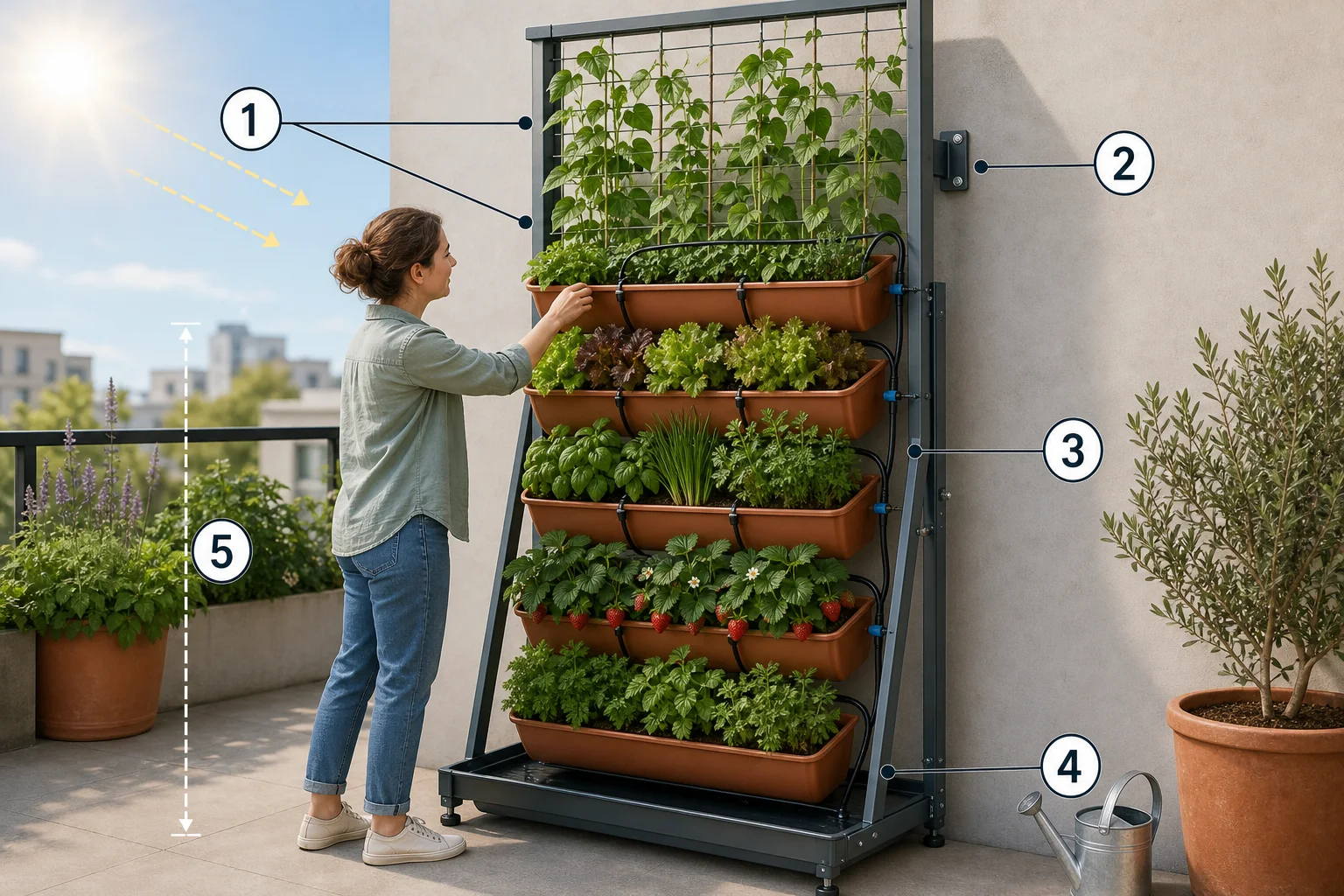
- Our five-point field check
- Share Your Vertical Gardening Journey with Us!
- Conclusion: Your Vertical Gardening Adventure Awaits
- Recommended Links: Further Reading
- FAQ: Your Vertical Gardening Questions Answered
- Reference Links: Sources and Further Information
1. Quick Planning Checklist for a Vertical Garden
- Measure light first: record direct sun at the intended height and season before choosing plants.
- Match the support to the crop: trellises and cages must carry mature plants plus wind and water weight.
- Keep access practical: place harvests, fasteners, and irrigation within safe reach; do not design around repeated ladder use.
- Protect walls and drainage: leave airflow where needed and route runoff away from structures and walking surfaces.
- Plan irrigation by level: upper containers can dry faster, while lower pockets may receive runoff.
- Use food-safe materials: know the history of reclaimed containers before growing edible plants.
The University of Minnesota Extension’s guides to trellises and cages and vertical gardening are useful starting points for support and crop planning.
2. The Rise of Vertical Gardening: A Trend Worth Exploring #the-rise-of-vertical-gardening-a-trend-worth-exploring
Remember when the only way to grow your own food was to have a sprawling backyard? Those days are fading faster than a sunburn in December! Vertical gardening has sprouted into a global phenomenon, and for good reason.
Why the Hype?
- Space: The Final Frontier: With more people flocking to urban areas, balconies are the new backyards. Vertical gardens allow city dwellers to transform concrete jungles into edible oases.
- Aesthetics on Point: Let’s be honest, a well-designed vertical garden is basically living art. It adds a splash of color, texture, and life to otherwise dull spaces.
- Sustainability Superhero: Vertical gardens can help reduce your carbon footprint by growing your own food, filtering air pollutants, and even insulating your home.
From DIY pallet gardens to sleek living walls, the possibilities are as limitless as your imagination. So, are you ready to take your gardening game to new heights? 😉
3. 7 Creative Vertical Gardening Designs You Must Try #7-creative-vertical-gardening-designs-you-must-try
We’ve scoured gardening communities, consulted with our resident plant whisperers, and even attempted a few daring designs ourselves (don’t ask about the Great Squash Incident of 2022). The result? A curated collection of 7 vertical gardening designs that are as innovative as they are achievable:
1. The Classic Pallet Garden #1-the-classic-pallet-garden
Ah, the pallet garden – the gateway drug to the wonderful world of vertical gardening. It’s affordable, easy to build, and endlessly customizable.
Here’s the gist: Secure a sturdy pallet (check your local Craigslist or Facebook Marketplace for freebies!), line the back and sides with landscape fabric, and fill the gaps with soil. Voila! Your vertical canvas awaits.
Plant Picks: Herbs, strawberries, lettuce, succulents.
Community Gardening™ Tip: Give your pallet garden a personality boost with a fresh coat of paint or stain.
2. Vertical Planter Towers #2-vertical-planter-towers
If you’re short on space but crave the satisfaction of harvesting your own veggies, then vertical planter towers are your new best friend.
Picture this: Imagine a tower of stacked planters, each cascading with vibrant greenery. You can buy pre-made towers or unleash your inner DIY guru and create your own using buckets, pots, or even recycled plastic bottles.
Plant Picks: Strawberries, herbs, leafy greens, cascading flowers.
Community Gardening™ Tip: Choose a tower with built-in irrigation for effortless watering.
3. Wall-Mounted Herb Garden #3-wall-mounted-herb-garden
Imagine this: You’re whipping up a culinary masterpiece, and instead of dashing to the grocery store for fresh herbs, you simply snip a few sprigs from your very own wall-mounted herb garden.
How to make it happen: Repurpose old picture frames, mason jars, or even rain gutters into stylish planters. Mount them securely on a sunny wall, and you’ve got yourself a conversation-starting kitchen garden.
Plant Picks: Basil, thyme, oregano, rosemary, mint (but keep it contained!).
Community Gardening™ Tip: Label your herbs with chalkboard paint so you can easily identify them, even in the midst of a cooking frenzy.
4. Hanging Bottle Garden #4-hanging-bottle-garden
Don’t toss those empty plastic bottles just yet! With a little creativity, they can be transformed into whimsical hanging gardens.
DIY Time: Carefully cut the bottles into various shapes, add drainage holes, and thread them together with twine or rope. Hang them from a sturdy hook or tree branch, and watch your upcycled garden flourish.
Plant Picks: Small herbs, trailing flowers, succulents.
Community Gardening™ Tip: Paint the bottles in bright colors or wrap them in twine for a bohemian vibe.
5. Gutter Garden #5-gutter-garden
Yes, you read that right – gutters aren’t just for channeling rainwater anymore! They make surprisingly versatile planters for a sleek, modern vertical garden.
Get the Look: Attach gutters securely to a wall or fence, drill drainage holes, and fill with soil. You can even create a tiered effect for added visual interest.
Plant Picks: Strawberries, herbs, leafy greens, shallow-rooted flowers.
Community Gardening™ Tip: Choose gutters in a color that complements your home’s exterior.
6. Trellis-Style Vertical Garden #6-trellis-style-vertical-garden
Trellises are like the supportive friends of the plant world, helping your climbing veggies reach for the sky. They add verticality, create visual interest, and maximize your growing space.
Design Options: You can buy pre-made trellises or get crafty with recycled materials like bamboo stakes, old ladders, or even chicken wire.
Plant Picks: Cucumbers, tomatoes, beans, peas, vining flowers like clematis or morning glories.
Community Gardening™ Tip: Place your trellis in a spot that receives at least 6 hours of sunlight per day.
7. Living Wall Systems #7-living-wall-systems
Ready to take your vertical gardening game to the next level? Living wall systems are the ultimate statement piece, transforming ordinary walls into breathtaking vertical tapestries of greenery.
Worth the Investment: While they can be a bit pricier than other options, living walls offer a sophisticated and impactful way to bring nature indoors or outdoors.
Plant Picks: A wide variety of plants can thrive in living walls, from ferns and mosses to succulents and flowering plants.
Community Gardening™ Tip: Consult with a professional to choose the right living wall system and plants for your space and needs.
4. Essential Tools and Materials for Vertical Gardening
| Item | Selection check |
|---|---|
| Trellis, cage, or frame | Rated for the mature crop, wind exposure, and secure attachment point. |
| Containers or planting pockets | Food-safe when growing edibles, with adequate root volume and drainage. |
| Growing medium | Appropriate for containers; garden soil alone can compact and drain poorly in pots. |
| Irrigation | Reaches every level without creating wall damage, puddles, or inaccessible fittings. |
| Fasteners and anchors | Compatible with the structure and inspected during the growing season. |
| Hand tools | Only the tools needed to plant, prune, tie, water, and safely harvest the chosen crops. |
Penn State Extension’s small-space gardening resources can help match containers and crops to limited areas.
5. Benefits of Vertical Gardening: Why You Should Start #benefits-of-vertical-gardening-why-you-should-start
Still on the fence about whether vertical gardening is right for you? Here are just a few of the many benefits that might just convince you to take the plunge:
Space-Saving Superstar:
- Vertical = More Plants: By growing up instead of out, you can cultivate a surprising number of plants even in the tiniest of spaces.
- Balcony Gardens: Transform your balcony into a thriving edible oasis, even if you can’t tell a petunia from a potato in the ground.
- Small Yard Solutions: Maximize your garden’s potential by utilizing vertical space for vining crops and cascading flowers.
Beyond the Square Footage:
- Improved Accessibility: Vertical gardens bring plants to a comfortable height, making them easier to tend for people with mobility issues.
- Pest and Disease Control: Elevating your plants can help deter common garden pests and improve air circulation, reducing the risk of diseases.
- Enhanced Aesthetics: Let’s face it, vertical gardens are just plain gorgeous! They add a touch of greenery, texture, and visual interest to any space.
Environmental Perks:
- Urban Heat Island Effect Buster: Plants help cool the air by providing shade and releasing moisture, combating the urban heat island effect.
- Improved Air Quality: Plants act as natural air purifiers, absorbing pollutants and releasing fresh oxygen.
- Biodiversity Boost: Vertical gardens can attract pollinators like bees and butterflies, supporting local ecosystems.
Community Gardening™ Tip: Join a local gardening group or online forum to connect with other vertical gardening enthusiasts, share tips, and find inspiration. Community Garden Events are a great place to start!
6. Common Mistakes to Avoid in Vertical Gardening
- Choosing plants before measuring light: select crops from the site’s actual exposure.
- Underestimating mature weight: wet growing medium, fruit, foliage, and wind all load the support.
- Using too little root volume: cramped containers dry quickly and limit plant growth.
- Ignoring runoff: verify drainage before mounting planters above walls, doors, paths, or neighboring property.
- Blocking maintenance access: every plant, emitter, tie, and anchor should be reachable for inspection.
- Planting one irrigation zone across unlike containers: adjust watering to container size, exposure, and position.
Start with one manageable panel or trellis, observe it through a growing cycle, and expand only after the support and watering plan prove reliable.
Our five-point vertical-garden field check
Community Gardening™ tip: Don’t be afraid to repurpose and upcycle materials you already have, but verify their history before using them for edible crops. If you’re new to vertical gardening, ask a local gardening expert or community garden for help with wall loads, anchors, irrigation, and safe access.
Affiliate disclosure: As an Amazon Associate, Community Gardening may earn from qualifying purchases at no extra cost to you. Product links are included only when they match the surrounding planning task.
In our Homegrown Florida video, the presenter demonstrates how setup, plant choice, watering, and ongoing care affect a tiered GreenStalk planter. We use that team contribution here because it turns the checklist into practical troubleshooting; it is not a universal endorsement of one planter or a substitute for checking the actual site.
7. Share Your Vertical Gardening Journey with Us! #share-your-vertical-gardening-journey-with-us
We hope this deep dive into the world of vertical gardening has inspired you to try your hand at this rewarding and space-saving gardening method!
Now, we want to hear from you! What vertical gardening projects are you planning? What challenges have you faced, and what triumphs have you celebrated? Share your stories, photos, and tips in the comments below – let’s grow together! 🌱
Conclusion: Your Vertical Gardening Adventure Awaits #conclusion-your-vertical-gardening-adventure-awaits

Congratulations, green thumbs! You’ve made it through our comprehensive guide to vertical gardening designs. 🌿 By now, you’re armed with a treasure trove of ideas, tips, and inspiration to transform your space into a lush, vertical oasis.
Recap of Positives and Negatives
Positives:
- Space Efficiency: Vertical gardening allows you to grow more plants in smaller spaces, perfect for urban settings.
- Aesthetic Appeal: These designs add visual interest and beauty to any environment, turning dull walls into living art.
- Environmental Benefits: Vertical gardens help improve air quality, reduce urban heat, and support local biodiversity.
Negatives:
- Maintenance Requirements: Vertical gardens may require more frequent watering and care than traditional gardens.
- Initial Investment: Some designs, like living wall systems, can be costly to set up.
Despite the few downsides, we confidently recommend diving into the world of vertical gardening! Whether you opt for a classic pallet garden or a trendy living wall, the benefits far outweigh the challenges. So grab your tools, pick your plants, and let your vertical gardening journey begin! 🌱✨
Recommended Links #recommended-links-further-reading
-
👉 Shop Vertical Gardening Supplies:
- Vertical Planter Towers: Amazon | Walmart | Gardener’s Supply Company
- Trellises: Amazon | Home Depot | Lowe’s
- Living Wall Kits: Amazon | Walmart | Green Wall
-
Books on Vertical Gardening:
FAQ: Your Vertical Gardening Questions Answered #faq-your-vertical-gardening-questions-answered
What plants are good for vertical gardening? #what-plants-are-good-for-vertical-gardening
H4: When selecting plants for vertical gardening, consider those with compact growth habits and shallow root systems. Good options include:
- Herbs: Basil, parsley, mint, and chives thrive in vertical setups.
- Fruits: Strawberries and dwarf varieties of tomatoes are perfect for vertical gardens.
- Flowers: Trailing varieties like nasturtiums and petunias add color and vibrancy.
How do you arrange a vertical garden? #how-do-you-arrange-a-vertical-garden
H4: Arranging a vertical garden involves considering plant height, light requirements, and aesthetics.
- Layering: Place taller plants at the back (or top) and shorter ones in front (or bottom) for visibility.
- Grouping: Group plants with similar water and light needs together to simplify maintenance.
- Mixing Textures: Combine different leaf shapes and colors to create visual interest.
What vegetables work best in a vertical garden? #what-vegetables-work-best-in-a-vertical-garden
H4: Many vegetables thrive in vertical gardens, especially those that climb or have compact growth:
- Climbing Vegetables: Cucumbers, peas, and pole beans are excellent choices.
- Compact Varieties: Look for dwarf versions of peppers, tomatoes, and eggplants that fit well in smaller spaces.
What are the basics of vertical gardening? #what-are-the-basics-of-vertical-gardening
H4: The basics of vertical gardening include:
- Choosing the Right Location: Ensure adequate sunlight and protection from harsh winds.
- Selecting Suitable Structures: From trellises to wall-mounted planters, choose a structure that fits your space and style.
- Understanding Plant Needs: Different plants have varying light and water requirements, so choose wisely to ensure success.
How do I maintain a vertical garden? #how-do-i-maintain-a-vertical-garden
H4: Maintaining a vertical garden involves regular watering, pruning, and fertilizing:
- Watering: Check soil moisture frequently, especially during hot weather. Consider a drip irrigation system for convenience.
- Pruning: Regularly trim back overgrown plants to promote healthy growth and airflow.
- Fertilizing: Use a balanced fertilizer to keep your plants nourished.
Reference Links #reference-links-sources-and-further-information
- Kellogg Garden Organics™
- Gardening Know How – 7 Vertical Vegetable Garden Ideas
- Community Gardening™
- Vertical Gardening Basics
Now that you’re equipped with all the knowledge you need, it’s time to roll up those sleeves and get growing! 🌼 Happy gardening!