Support our educational content for free when you purchase through links on our site. Learn more


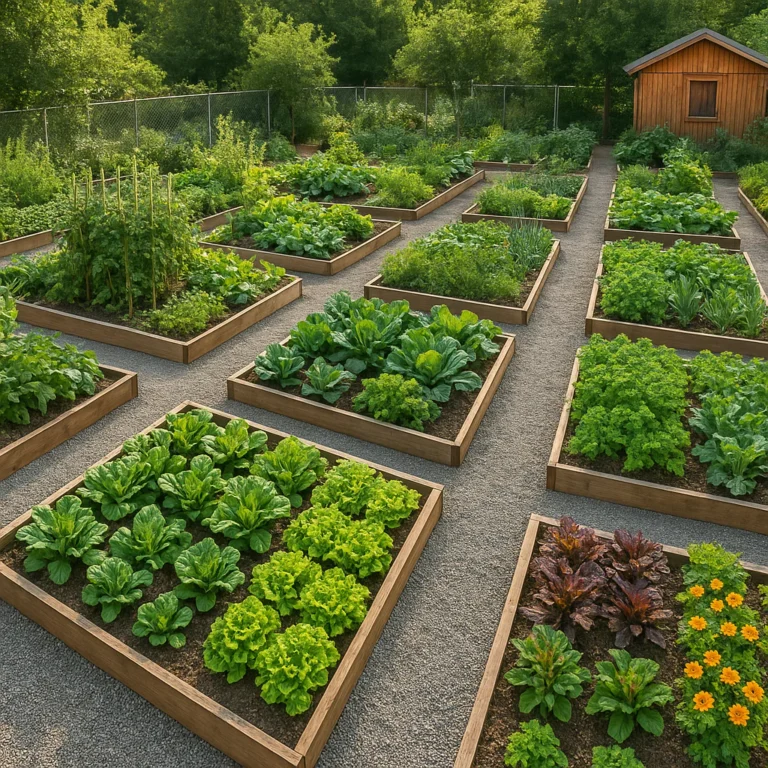
You can transform a mere 4×4 foot plot into a bountiful harvest by prioritizing vertical growth, succession planting, and smart container systems. These community garden ideas for small spaces prove that you don’t need acres of land to grow your own food; you just need the right strategy.
Imagine a concrete slab in the middle of a bustling city, once ignored and littered, now bursting with cherry tomatoes, climbing beans, and fragrant herbs. That’s exactly what happened in a Washington D.C. neighborhood where a single 16-square-foot plot yielded over 10 pounds of produce in one season. It sounds impossible, but with intentional design, it becomes reality.
Many gardeners assume small plots mean low yields, but the math tells a different story. By stacking crops vertically and utilizing every inch of soil, you can actually increase your density by 30% compared to traditional row gardening. The secret isn’t having more space; it’s using the space you have more intelligently.
Key Takeaways
- Go Vertical: Utilize trellises, A-frames, and hanging pockets to triple your growing surface area without expanding your footprint.
- Choose High-Yield Crops: Focus on compact, fast-maturing plants like cherry tomatoes, radishes, and bush beans to maximize output per square foot.
- Master the Soil: In small containers, soil dries out fast; use mulch and self-watering systems to maintain consistent moisture levels.
- Build Community: Establish clear rules for weding and tool sharing to prevent conflict and ensure the garden thrives as a shared resource.
- Plan for Succession: Harvest quick crops like lettuce immediately and replant to keep the soil productive year-round.
Table of Contents
- ⚡️ Quick Tips and Facts
- 🌱 From Concrete Jungles to Green Havens: The History of Urban Community Gardening
- 📐 Mastering the Micro-Plot: Essential Small-Space Community Garden Layouts
- 🏗️ 7 Vertical Gardening Hacks to Skyrocket Your Yield
- 🪴 12 Best Container Gardening Systems for Shared Plots
- 🌿 9 High-Yield Crops Perfect for Tiny Community Beds
- 🤝 Building Community: Rules, Roles, and Conflict Resolution in Tight Spaces
- 💧 Smart Irrigation Solutions for Water-Wise Small Gardens
- 🐛 Pest Control Without the Chemicals: Organic Strategies for Dense Plantings
- 🛠️ DIY vs. Store-Bought: Budget-Friendly Tools for Small-Space Gardeners
- 🌞 Maximizing Sunlight and Managing Shade in Crowded Plots
- 🎨 Aesthetic Appeal: Designing a Beautiful, Functional Shared Space
- 📊 Success Stories: Real Community Gardens That Thrived in Tight Quarters
- ❓ Frequently Asked Questions About Small-Space Community Gardening
- 🔗 Recommended Links and Resources
- 📚 Reference Links and Citations
- 🏁 Conclusion: Your Tiny Plot, Big Impact
⚡️ Quick Tips and Facts
Before we grab our trowels and dive into the dirt, let’s hit the ground running with some non-negotiable truths about small-space community gardening. We’ve seen plots turn into jungles and others into dust bowls, and the difference usually comes down to a few critical factors.
- The 4×4 Rule: You don’t need an acre to grow a family’s worth of veggies. A standard 4-by-4 foot plot can yield over 10 pounds of produce in a single season if managed correctly.
- Vertical is Vital: In tight quarters, growing up is just as important as growing out. Trellising can triple your usable growing area.
- Water Wisdom: Small soil volumes dry out fast. Mulching isn’t optional; it’s your lifeline to keep watering from becoming a daily chore.
- Theft Prevention: Counter-intuitively, small, fast-growing crops are less likely to be stolen than the “trophy” vegetables like giant pumpkins.
- Community First: A messy plot affects your neighbors. Weding is a shared responsibility, not just a personal one.
Want to know how we turned a concrete slab into a salad bar? Keep reading, because the history of these tiny green oases is more dramatic than you think.
🌱 From Concrete Jungles to Green Havens: The History of Urban Community Gardening
You might think community gardens are a modern “wellness trend,” but the roots go back much deeper than the latest Instagram aesthetic. The concept of urban agriculture has been a survival mechanism, a political statement, and a community glue for centuries.
During the Victorian era, “allotment gardens” in the UK were essential for the working class to supplement meager wages with fresh food. Fast forward to the World Wars, and we saw the rise of Victory Gardens. These weren’t just hobbies; they were patriotic duties that produced nearly 40% of the nation’s vegetables in the US during WWII.
But the modern small-space community garden as we know it? That’s largely a product of the 1970s urban renewal movement. As cities like New York and Detroit faced economic decline and abandoned lots, grassroots groups stepped in to turn rubble into resilience.
“Coaxing tiny boxes of land to produce quality vegetables in urban settings requires real skill,” notes a long-time plot holder in Washington, D.C., where over 30 community gardens exist with waitlists stretching years long.
Today, these spaces are more than just food sources. They are hubs for climate adaptation, social justice, and mental health. If you’re wondering how these tiny plots can possibly impact a whole neighborhood, check out our deep dive on the benefits of community gardens.
📐 Mastering the Micro-Plot: Essential Small-Space Community Garden Layouts
So, you’ve secured a plot. It’s small. Maybe it’s 4×8 feet. Maybe it’s a sliver of land between two buildings. Panic? Absolutely not. The key to success in a micro-plot is intentional design.
The Geometry of Efficiency
Forget the sprawling rows of traditional farming. In a small space, every inch counts.
- Square Foot Gardening: This method divides your plot into 1-foot squares. It maximizes density and minimizes weeds.
- Triangular Beds: As seen in some innovative educational farms, triangular-shaped raised beds arranged in a circle can optimize flow and space better than rigid rectangles.
- Pathway Planning: Never sacrifice too much space for walking. A 12-inch pathway is often sufficient for a single gardener, leaving 80% of your plot for plants.
Zoning Your Tiny World
Think of your plot like a studio apartment. You need zones:
- The High-Yield Zone: Where your tomatoes and peppers go.
- The Quick-Grow Zone: For radishes and lettuce that fill gaps.
- The Pollinator Zone: A dedicated corner for flowers to attract bees.
Pro Tip: Don’t forget the perimeter. A narrow bed around the edge of your plot is perfect for perennial herbs or tall flowers that act as a windbreak.
🏗️ 7 Vertical Gardening Hacks to Skyrocket Your Yield
If you aren’t growing up, you’re wasting space. Vertical gardening is the single most effective strategy for small-space community gardens. But it’s not just about slapping a trellis on a wall; it’s about engineering support for heavy crops.
1. The “Pantyhose” Sling
This is a classic trick from the D.C. gardening scene. For heavy fruits like watermelons or large squash, use old pantyhose to create a hammock. The fabric is stretchy, breathable, and strong enough to hold the weight without strangling the fruit.
2. A-Frame Trellises
Build an A-frame structure using bamboo or wood. This allows you to grow peas and beans on both sides, effectively doubling your trellis space without widening your footprint.
3. Hanging Pocket Planters
Use fabric grow bags with multiple pockets. These are perfect for strawberries, herbs, and letuces. Hang them on a fence or a sturdy post.
4. The Obelisk Method
For indeterminate tomatoes, use a tall, conical tomato cage or obelisk. Train the vines up the center, and let the side shoots fill the gaps.
5. Repurposed Ladders
An old wooden ladder leaning against a fence is a rustic, sturdy trellis for cucumbers and pole beans.
6. Chain-Link Fences
If your plot is fenced, use twine or zip ties to create a grid on the chain-link. It’s a free, instant trellis system.
7. Living Walls
Install a vertical planter system (like a felt pocket wall) for herbs and leafy greens. It looks stunning and saves massive amounts of ground space.
Why go vertical?
- Airflow: Reduces fungal diseases like powdery mildew.
- Harvest Ease: No more bending over to pick beans.
- Aesthetics: Turns a boring fence into a green curtain.
🪴 12 Best Container Gardening Systems for Shared Plots
Sometimes, the soil in a community plot is questionable, or you just want flexibility. Container gardening allows you to control the soil mix and move plants around to chase the sun.
Here is our breakdown of the top systems we’ve tested in shared plots:
| System Type | Best For | Pros | Cons | Durability (1-10) |
|---|---|---|---|---|
| Fabric Grow Bags | Root vegetables, Tomatoes | Excellent drainage, prevents root binding | Can dry out fast | 8 |
| Self-Watering Buckets | Peppers, Herbs | Reduces watering frequency | Heavy when full | 9 |
| Stackable Planters | Strawberries, Letuce | High density, modular | Limited root depth | 7 |
| Terra Cotta Pots | Succulents, Herbs | Classic look, breathable | Breakable, dries fast | 6 |
| Wooden Raised Beds | Mixed crops | Long-lasting, defined space | Can rot over time | 8 |
| Hanging Baskets | Trailing plants | Utilizes overhead space | Requires frequent watering | 7 |
| Tire Planters | Potatoes, Squash | Free/cheap, durable | Can leach chemicals if old | 5 |
| Vertical Pocket Walls | Herbs, Greens | Space-saving, aesthetic | Hard to water evenly | 6 |
| Tote Bins (DIY) | Salad greens | Cheap, portable | Needs drainage holes drilled | 7 |
| Half-Barels | Potatoes, Corn | Large volume, rustic | Heavy, hard to move | 8 |
| Trellis Cages | Tomatoes, Beans | Integrated support | Can be flimsy if cheap | 6 |
| Hydroponic Towers | Leafy Greens | Fast growth, water efficient | Requires electricity/pump | 9 |
Deep Dive: The Fabric Grow Bag
We love Root Pouch or Gardener’s Supply Company fabric bags. They promote “air pruning” of roots, meaning the plant doesn’t get root-bound.
- Benefit: Prevents the “circling roots” that happen in plastic pots.
- Drawback: You must water them more often, sometimes twice a day in peak summer.
👉 Shop Fabric Grow Bags on:
- Amazon: Root Pouch Grow Bags
- Gardener’s Supply Company: Fabric Planters
Deep Dive: Self-Watering Containers
For the busy community gardener who forgets to water, The Self-Watering Planter is a lifesaver.
- Benefit: The reservoir at the bottom wicks water up as needed.
- Drawback: Can lead to overwatering if not monitored; algae can grow in the reservoir.
👉 Shop Self-Watering Planters on:
- Amazon: Self-Watering Planters
- Walmart: Water Reservoir Planters
🌿 9 High-Yield Crops Perfect for Tiny Community Beds
Choosing the right plants is 50% of the battle. In a small space, you want high yield, short maturity, and compact growth habits.
- Cherry Tomatoes: Prolific and forgiving. Unlike large beefsteaks, they ripen continuously. Tip: Look for “Green Zebra” varieties; they ripen green, making them less tempting to thieves.
- Radishes: Ready in 25 days. Perfect for filling gaps between slower-growing crops.
- Swiss Chard: Cut-and-come-again. You can harvest the outer leaves for months.
- Bush Beans: Don’t plant pole beans if you lack vertical space; bush varieties stay compact and produce heavily.
- Lettuce (Lose Leaf): Grows fast, can be harvested young.
- Kale: Cold-hardy and productive. It thrives in the cooler months when other plots are bare.
- Carots (Nantes variety): Short and sweet, perfect for shallow containers.
- Scallions: Take up very little space and can be grown in the gaps of almost any bed.
- Peppers (Bush varieties): Look for “Jalapeño” or “Bell” varieties that don’t sprawl.
What to Avoid:
- Mint: It spreads like wildfire and will choke out your neighbors’ plots.
- Watermelons: Unless you have a massive trellis, they take over.
- Corn: Needs too much space and wind pollination.
Fun Fact: Did you know that volunteer plants like amaranth often pop up in neglected plots? They produce edible, nuty greens and are a free bonus harvest!
🤝 Building Community: Rules, Roles, and Conflict Resolution in Tight Spaces
A garden is only as good as the people in it. In a small space, conflict is inevitable. One person’s “wildflower meadow” is another person’s “weed infestation.”
The Essential Bylaws
Every successful small-space garden needs a written agreement.
- Wed Policy: “If you don’t pull your weeds, those weeds flower and get into my plot.” This must be a zero-tolerance rule.
- Watering Schedule: Rotate who waters on weekends.
- Tool Sharing: Define what is communal and what is personal.
- Harvest Etiquette: Can you pick from a neighbor’s plot if they are away? (Usually, no, unless it’s an emergency).
Conflict Resolution
When tensions rise, remember the Golden Rule: Assume positive intent.
- The “Plot Visit” Rule: Schedule regular community workdays. It’s easier to talk to someone while you’re both pulling weeds than over a heated email.
- Inclusivity: Consider making a small section of the garden a “public plot” or hosting a Community Garden Event to foster goodwill.
For more on navigating these social dynamics, read our guide on Community Garden Policies.
💧 Smart Irrigation Solutions for Water-Wise Small Gardens
Water is the lifeblood of your plot, but in a small space, it evaporates quickly. Mulching is your first line of defense. Apply a 2-inch layer of straw or shredded leaves. This seals in moisture, reducing watering frequency from daily to twice per week.
Drip Irrigation Systems
For the ultimate efficiency, install a drip irrigation system.
- How it works: Tubes run along the base of plants, delivering water directly to the roots.
- Benefit: Reduces water waste and prevents fungal diseases on leaves.
- Brand Recommendation: Rain Bird and DripWorks offer excellent starter kits for small plots.
👉 Shop Drip Irrigation Kits on:
- Amazon: Drip Irrigation Starter Kit
- DripWorks: Small Garden Kits
Rain Barels
If your community garden has a roof nearby, set up a rain barrel. It’s free water and reduces runoff. Just make sure to cover it to prevent mosquitoes.
🐛 Pest Control Without the Chemicals: Organic Strategies for Dense Plantings
In a dense, small-space garden, pests spread fast. Chemicals are a no-go in most community gardens. Instead, use Integrated Pest Management (IPM).
Companion Planting
- Marigolds: Plant these everywhere. Their scent repels nematodes and aphids.
- Nasturtiums: Act as a “trap crop” for aphids, drawing them away from your veggies.
- Basil: Plant near tomatoes to repel flies and mosquitoes.
Physical Bariers
- Floating Row Covers: Lightweight fabric that lets light and water in but keeps bugs out.
- Copper Tape: Wrap around pots to stop slugs and snails.
The “Hand-Pick” Method
In a small plot, you can inspect every leaf daily. Hand-picking beetles and caterpillars is surprisingly effective and satisfying.
Did you know? Flowers like zinnias and marigolds are essential for attracting pollinators to crops like cucumbers and melons whose tiny blossoms are hard for bees to spot.
🛠️ DIY vs. Store-Bought: Budget-Friendly Tools for Small-Space Gardeners
You don’t need a shed full of expensive gear. In fact, small tools are often better for small plots.
Essential Toolkit
- Hand Trowel: Look for a Fiskars or Corona brand. Durable and ergonomic.
- Pruning Shears: Felco shears are the gold standard, but a good pair of Fiskars bypass pruners works great for beginners.
- Garden Fork: Essential for turning soil in raised beds.
- Kneling Pad: Your knees will thank you.
DIY Hacks
- Trellis: Use bamboo stakes and twine instead of buying expensive metal cages.
- Watering Can: Repurpose an old milk jug with holes punched in the cap.
- Weder: A simple knife or a repurposed butter knife works wonders for dandelions.
👉 Shop Garden Tools on:
- Amazon: Gardening Hand Tools
- Fiskars Official: Garden Tools
🌞 Maximizing Sunlight and Managing Shade in Crowded Plots
In a dense community garden, shadows are the enemy. Tall plants cast shade on short ones.
The Sun Map
Before planting, observe your plot for a full day. Note where the shadows fall at 9 AM, 12 PM, and 4 PM.
- Tall crops (Corn, Sunflowers) should go on the North side of the plot.
- Short crops (Lettuce, Radishes) go on the South side.
Shade Tolerant Crops
If your plot is shaded, don’t give up! Grow:
- Leafy Greens: Spinach, kale, arugula.
- Herbs: Mint, parsley, cilantro.
- Root Vegetables: Radishes and bets can tolerate partial shade.
🎨 Aesthetic Appeal: Designing a Beautiful, Functional Shared Space
A beautiful garden attracts more volunteers and deters vandalism.
- Color Theory: Use flowers to create borders. Purple and yellow complement each other beautifully.
- Pathways: Use concrete or slate stepping stones to create a clean, defined path. This keeps mud off your shoes and defines the space.
- Signage: Create charming signs for each plot or crop. It adds personality and helps with education.
📊 Success Stories: Real Community Gardens That Thrived in Tight Quarters
Let’s look at some real-world examples to prove it’s possible.
Case Study: The Washington D.C. Micro-Plot
- Challenge: A 4×4 plot on a waitlist of 45 people.
- Strategy: Vertical trellising, heavy mulching, and planting “stealth” crops like Green Zebra tomatoes.
- Result: Over 10 lbs of produce in one season.
Case Study: The Denver Educational Farm
- Challenge: A 2.5-acre site with limited space for children’s activities.
- Strategy: Triangular raised beds arranged in a circle, with a perimeter bed for perennials.
- Result: A curriculum-aligned garden where kids learn seasonal planting and harvesting.
“Curiculum and lessons follow the seasons,” says one educator involved in the project. “I calendarized lesson plans on when to plant what.”
❓ Frequently Asked Questions About Small-Space Community Gardening
How can I involve local children and families in a small community garden project?
Engaging kids requires age-appropriate tools and tangible tasks.
- Tools: Use small hand trowels and lightweight wheelbarows or wagons that fit their size.
- Activities: Focus on sowing seeds, harvesting, and “tasting” the produce. Avoid weding, as it’s often ineffective for young children.
- Educational Gear: Consider items like root-viewers or magnifying stands to make soil exploration fun.
- Strategy: Plan lessons around the seasons. Let them plant “magic beans” or grow sunflowers that tower over them.
What are some vertical gardening ideas for maximizing space in a community garden?
- A-Frame Trellises: Double the surface area for beans and peas.
- Hanging Baskets: Utilize overhead space for strawberries and herbs.
- Living Walls: Install felt pocket planters on fences.
- Obelisks: Use tall, conical supports for tomatoes.
- Pantyhose Slings: Support heavy fruits like watermelons vertically.
How can I start a community garden in my neighborhood with a small budget?
- Land: Look for vacant lots, school grounds, or church parking strips.
- Materials: Use reclaimed wood for raised beds and repurposed containers (like tires or buckets).
- Funding: Apply for grants from local organizations or host a “seed swap” fundraiser.
- Community: Recruit volunteers early. A shared labor force reduces costs significantly.
What are the best plants for a small community garden with limited space?
- High Yield: Cherry tomatoes, bush beans, Swiss chard.
- Fast Growing: Radishes, lettuce, scallions.
- Compact: Peppers, carrots (Nantes variety), kale.
- Avoid: Mint (invasive), corn (too big), watermelons (unless trellised).
What are the best vertical gardening techniques for small community plots?
- Trellising: Use bamboo or wood for peas and beans.
- Cages: Use sturdy cages for tomatoes.
- Hanging: Suspend baskets for trailing plants.
- Wall Planters: Install pocket systems on fences.
- Support: Use pantyhose or neting for heavy fruits.
How can I maximize yield in a compact community garden space?
- Succession Planting: Harvest one crop and immediately plant another in the same spot.
- Intercropping: Plant fast-growing radishes between slow-growing carrots.
- Vertical Growth: Grow up, not out.
- Soil Health: Use rich, composted soil to ensure plants get maximum nutrients.
What low-maintenance plants work best for small shared garden areas?
- Perennials: Asparagus, rhubarb, chives.
- Herbs: Rosemary, thyme, oregano.
- Grens: Kale and Swiss chard (harvest over time).
- Flowers: Marigolds and zinnias (atract pollinators and are hardy).
How do I design a wheelchair-accessible community garden in a small footprint?
- Raised Beds: Build beds at least 24-30 inches high to allow wheelchair access.
- Pathways: Ensure paths are at least 36 inches wide and made of firm, non-slip material (like pavers or compacted gravel).
- Tools: Provide long-handled tools and ergonomic grips.
- Layout: Use a circular or U-shaped design to allow easy turning radius.
🏁 Conclusion: Your Tiny Plot, Big Impact

So, we’ve covered the history, the layouts, the vertical hacks, the crop choices, and the social dynamics. You might be wondering: Can a 4×4 foot plot really make a difference?
The answer is a resounding yes.
As we saw in the stories from Washington D.C. and Denver, small spaces are not limitations; they are opportunities for innovation. By going vertical, choosing the right crops, and building a strong community, you can transform a “tiny box of land” into a flourishing food source and a social hub.
Remember the golden rule: Mulch, water wisely, and keep the weeds at bay. And don’t forget that small, fast-growing things are less likely to be stolen, so plant those radishes and cherry tomatoes with confidence!
Whether you are a seasoned gardener or a complete novice, your small-space community garden is a testament to the power of growing together. So, grab your trowel, find your plot, and let’s get growing!
🔗 Recommended Links and Resources
Ready to start your journey? Here are the essential resources and products we recommend:
- Fabric Grow Bags:
Amazon: Root Pouch Grow Bags
Gardener’s Supply Company: Fabric Planters - Self-Watering Planters:
Amazon: Self-Watering Planters
Walmart: Water Reservoir Planters - Drip Irrigation Kits:
Amazon: Drip Irrigation Starter Kit
DripWorks: Small Garden Kits - Garden Tools:
Amazon: Gardening Hand Tools
Fiskars Official: Garden Tools - Books:
- Square Foot Gardening by Mel Bartholomew
- The Vegetable Gardener’s Bible by Edward C. Smith
📚 Reference Links and Citations
- American Community Gardening Association (ACGA): Resources for Gardeners
- Kids Gardening: Seeking First Steps Outline for a Small Community Garden
- NPR: How My Little Community Garden Plot Went From Flop to Flourish
- USDA: Urban Agriculture Guide
- Fiskars: Garden Tool Care
- Gardener’s Supply Company: Vertical Gardening Tips
🎥 Featured Video
For a visual guide on transforming a neglected plot, check out this inspiring journey from a YouTuber who turned a messy, overgrown space into a productive garden. She shares her experimental approach, from laying down landscape fabric to creating stone pathways and mulching for moisture retention.
Watch the Transformation: From Flop to Flourish
(Note: The video demonstrates the “wisest decision” of adding mulch to retain moisture and the creative use of concrete and slate stepping stones for pathways.)