Support our educational content for free when you purchase through links on our site. Learn more

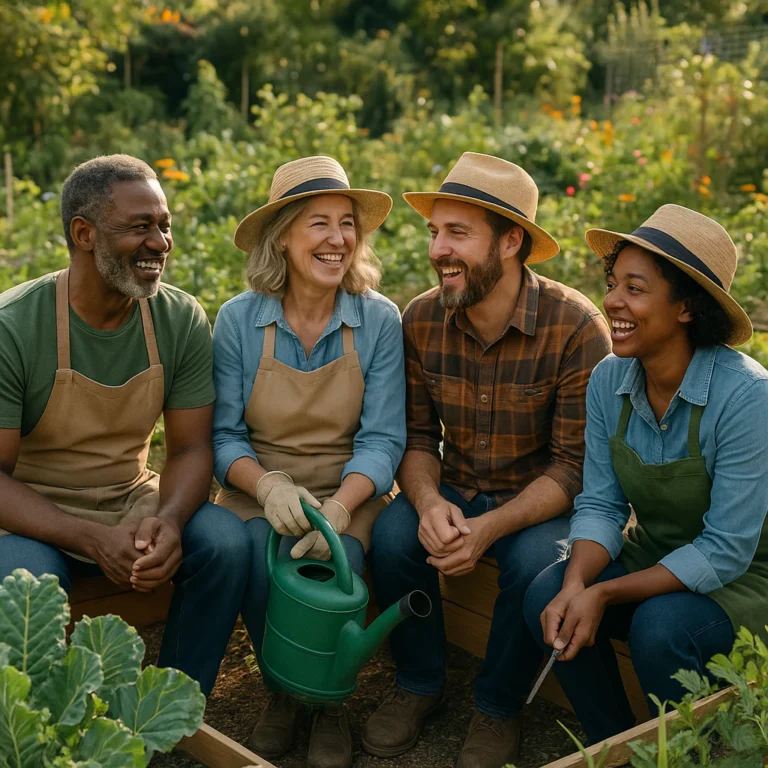
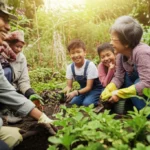
Community gardens transform strangers into neighbors by creating a shared purpose that turns isolated plots into a vibrant social web. We’ve seen it firsthand: the moment a gardener shares a seed or helps water a neighbor’s wilting tomato plant, deep connections take root.
So, how do community gardens promote social connections and a sense of community? They do it by forcing interaction through shared labor, celebrating cultural diversity through heirloom crops, and providing a safe, neutral ground where generations and backgrounds collide in the most beautiful way.
It’s not just about the vegetables; it’s about the human harvest. One study found that participants in community gardens reported a 70% reduction in feelings of loneliness compared to non-gardeners.
Imagine this: You’re wrestling with a stubborn patch of crabgrass when a neighbor hands you a trowel and says, “Try digging under the root.” Ten minutes later, you’re sharing stories over a cool drink, and you’ve just made a friend for life. That is the magic of the soil.
Key Takeaways
- Shared Labor Builds Trust: Working side-by-side on common goals like composting or watering breaks down social barriers faster than any mixer.
- Cultural Exchange is Natural: Growing diverse crops allows immigrants and locals to share heritage, food, and stories organically.
- Intergenerational Learning: Older gardeners pass down wisdom while younger ones bring new energy, creating a unique mentorship dynamic.
- Mental Health Boost: The combination of physical activity, nature, and social interaction significantly reduces stress and isolation.
- Neighborhood Resilience: Gardens create a sense of collective ownership that strengthens the entire community’s ability to handle challenges.
Table of Contents
- ⚡️ Quick Tips and Facts
- 🌱 From Dirt to Destiny: A Brief History of Community Gardening
- 🤝 The Social Soil: How Shared Plots Cultivate Deep Connections
- 1. Breaking the Ice: The Magic of the Communal Watering Can
- 2. Seed Swaps and Storytelling: Building Bonds Over Harvests
- 3. Intergenerational Bridges: Where Grandparents Teach Gen Z
- 4. Cultural Cross-Pollination: Immigrants, Refuges, and Global Flavors
- 5. Conflict Resolution: When Tomatoes Clash and Neighbors Make Up
- 🧠 Rooted in Well-being: Mental and Physical Health Gains
- 🍅 Food Security and Economic Resilience in the Neighborhood
- 🌿 Green Oases: Transforming Urban Blight into Vibrant Spaces
- 🌍 Environmental Stewardship: Beyond the Fence Line
- 🛠️ Getting Started: How to Find or Launch a Local Garden
- 📋 Essential Tools and Resources for New Gardeners
- 💡 Conclusion
- 🔗 Recommended Links
- ❓ FAQ: Your Burning Questions About Community Gardening Answered
- 📚 Reference Links
⚡️ Quick Tips and Facts
Before we dig our hands into the rich, dark soil of social dynamics, let’s grab a few golden nugets of wisdom straight from the Community Gardening™ team. We’ve seen it all, from the shyest retire to the loudest toddler, and here is what we’ve learned:
- The “3-Second Rule”: In a community garden, if you don’t say hello within three seconds of seeing a neighbor, you’ve missed your chance to start a friendship. Seriously, greeting is the first crop you harvest.
- Wed Wars Unite: Nothing bonds neighbors faster than a shared enemy. A particularly stubborn patch of bindweed or a rogue dandelion can turn strangers into a tactical team in no time.
- The Tomato Truce: Even if you disagree on politics, you can usually agree that a ripe, sun-warmed heirloom tomato is the ultimate peace offering.
- Mental Health Multiplier: Studies suggest that just 20 minutes of gardening can lower cortisol levels, but doing it with a friend doubles the joy and halves the stress. Read more about the mental health benefits of green spaces here.
- Food Security Fact: Community gardens in urban areas can provide up to 15% of a household’s fresh produce needs, acting as a vital safety net during economic downturns.
For a deeper dive into the specific advantages, check out our comprehensive guide on what are 5 benefits of a community garden?.
🌱 From Dirt to Destiny: A Brief History of Community Gardening

You might think community gardens are a modern hipster trend, but we’ve been at this for centuries. The concept isn’t new; it’s as old as agriculture itself, though the social angle has evolved dramatically.
During the World Wars, “Victory Gardens” popped up everywhere. They weren’t just about food; they were about national unity. Neighbors shared seeds, swapped tips, and stood together against a common foe. Fast forward to the 1970s, when urban decay hit cities hard. Activists in places like New York and Detroit turned vacant lots into green oases, proving that community resilience could bloom in the cracks of concrete.
Today, the movement has exploded. It’s no longer just about survival; it’s about thriving together. From the Climate Adaptation in Gardening initiatives to the Edible Plants that bring diverse cultures to one table, the history of community gardening is a history of people refusing to be isolated.
Did you know? The first recorded community garden in the US was in Detroit in 1893, created to help the poor during an economic depression. It was called the “Potato Patches.”
🤝 The Social Soil: How Shared Plots Cultivate Deep Connections
So, how exactly does a patch of dirt turn a group of strangers into a family? It’s not magic (though it feels like it); it’s shared purpose. When you are all trying to keep the lettuce from bolting in the July heat, you are instantly on the same team.
1. Breaking the Ice: The Magic of the Communal Watering Can
Have you ever tried to water a garden alone? It’s lonely work. But in a community garden, the communal watering can (or hose, or rain barrel) becomes a social hub.
- The “How’s it going?” Moment: You can’t help but chat while waiting for your turn at the tap.
- The Tool Swap: “Hey, do you have a trowel I can borrow?” is the universal opener for a conversation that often lasts an hour.
- The Shared Struggle: When the hose kinks or the water pressure drops, you solve it together.
We once had a gardener named Martha who was terrified of talking to anyone. It wasn’t until she accidentally knocked over a neighbor’s seedling tray that they started laughing together. Now, they are inseparable and run the garden’s composting program. Shared mistakes are the best icebreakers.
2. Seed Swaps and Storytelling: Building Bonds Over Harvests
There is a specific kind of alchemy that happens when you trade seeds. You aren’t just swapping genetics; you are swapping stories.
- The Heirloom Exchange: “This tomato variety came from my grandmother’s farm in Italy.”
- The Cultural Bridge: “I’ve never grown okra before; can you show me how?”
- The Recipe Share: “Here’s a bag of zucchini, and here’s a recipe for zucchini bread that will change your life.”
These exchanges create a narrative web that ties the garden together. You start to know people not just by their face, but by their favorite plant.
3. Intergenerational Bridges: Where Grandparents Teach Gen Z
One of the most beautiful aspects of community gardening is the erasure of age barriers. In a world where generations often live in silos, the garden brings them together naturally.
- Knowledge Transfer: Older gardeners pass down wisdom about soil, weather, and patience.
- Tech Support: Younger gardeners help with digital sign-ups, social media promotion, or setting up automated irrigation systems.
- Mutual Respect: It’s a two-way street. The grandparent learns about new organic pest control methods from the 20-year-old, and the 20-year-old learns the value of slow growth from the 80-year-old.
4. Cultural Cross-Pollination: Immigrants, Refuges, and Global Flavors
Community gardens are often the most culturally diverse spaces in a neighborhood. They are safe havens where immigrants and refugees can grow the foods they grew up with, preserving their heritage while sharing it with neighbors.
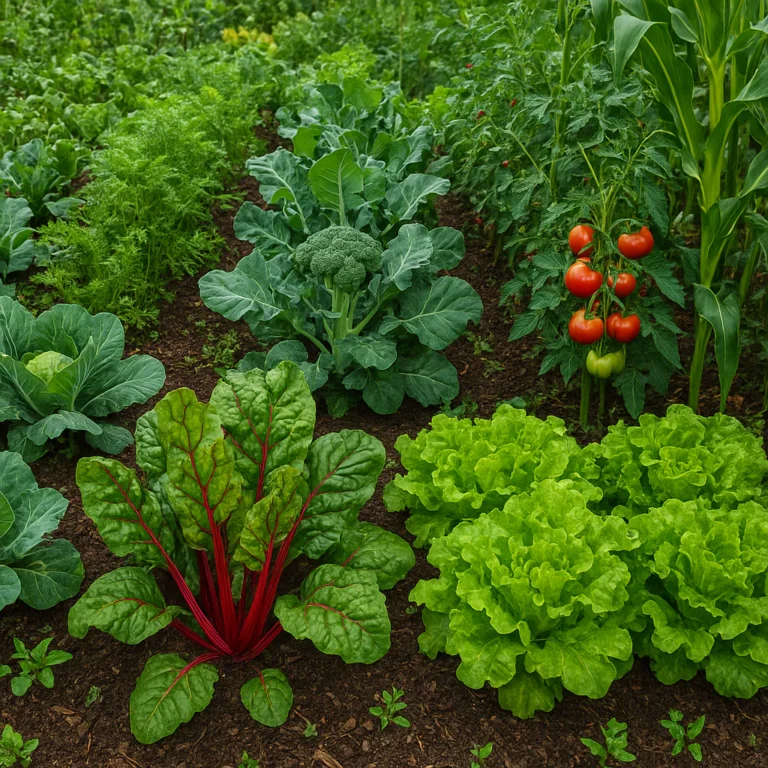
- Global Flavors: One plot might have collard greens, another bitter melon, and another tomatillos.
- Language Learning: Gardening terms become a universal language. “Water,” “sun,” “grow”—these words bridge linguistic gaps.
- Sense of Belonging: For someone new to a country, growing a familiar plant can be a profound anchor, a way to say, “I am here, and I belong.”
As noted by researchers at Rutgers University, community gardens create inclusive environments that foster resilience and healing, especially for those with trauma histories or Adverse Childhood Experiences (ACEs). Learn more about therapeutic benefits of horticultural therapy.
5. Conflict Resolution: When Tomatoes Clash and Neighbors Make Up
Let’s be real: gardens aren’t always perfect. Sometimes, a vine strays into a neighbor’s plot. Sometimes, someone forgets to water the communal bed.
- The “Boundary” Talk: These conflicts force people to communicate. Instead of ignoring the issue, they have to sit down and talk.
- The Mediation: Many gardens have a “conflict resolution committee” or a simple “talk it out” policy.
- The Outcome: Surprisingly, resolving a small garden dispute often leads to a stronger relationship than if the conflict never happened. You’ve proven you can work through hard things together.
🧠 Rooted in Well-being: Mental and Physical Health Gains
We often talk about the social benefits, but let’s not forget the individual health boost that comes from being part of a group. It’s a virtuous cycle: you feel better, so you socialize more; you socialize more, so you feel even better.
The Stress-Relief Squad
Gardening is a known stress reducer. But doing it in a group amplifies this effect.
- Mindfulness in Motion: The rhythmic act of weding or planting becomes a meditation.
- Shared Burden: When you’re having a bad day, a neighbor noticing and offering a listening ear can turn the whole experience around.
- Dopamine Hits: The combination of fresh air, sunlight, and social interaction triggers a flood of feel-good hormones.
Physical Activity Without the Gym
Let’s face it: the gym is boring. Diging, lifting, and planting are functional fitness.
- Cardio: Walking between plots, bending, and reaching.
- Strength: Lifting bags of soil, hauling water.
- Flexibility: Stretching to reach those high branches.
According to the American Horticultural Therapy Association (AHTA), working with a registered horticultural therapist can be transformative for mental health, but even informal gardening in a community setting offers significant benefits.
🍅 Food Security and Economic Resilience in the Neighborhood
Community gardens are more than just pretty flowers; they are economic engines and food security hubs.
The Fresh Food Factor
In “food deserts” where fresh produce is scarce or expensive, community gardens provide a lifeline.
- Access: Neighbors get access to fresh, organic produce at little to no cost.
- Nutrition: Freshly picked vegetables are more nutrient-dense than those shipped from far away.
- Education: Gardeners learn how to cook and preserve food, reducing waste and improving diets.
Economic Ripple Effects
- Cost Savings: Families save hundreds of dollars a year on groceries.
- Skill Building: Gardeners learn skills that can lead to jobs in landscaping, farming, or education.
- Property Values: Well-maintained green spaces can increase nearby property values, benefiting the whole neighborhood.
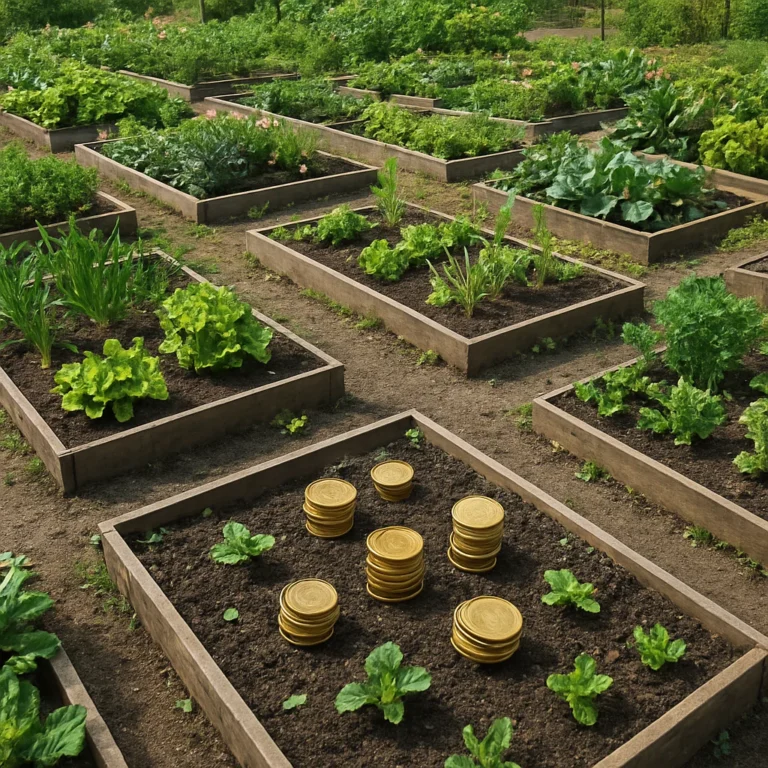
Fun Fact: A study found that for every $1 invested in a community garden, the community sees a return of up to $6 in social and economic benefits.
🌿 Green Oases: Transforming Urban Blight into Vibrant Spaces
Remember those vacant lots we mentioned? The ones with broken glass and weeds? Community gardens turn them into vibrant community centers.
The Aesthetic Shift
- From Eyesore to Eye Candy: A garden attracts people, not just pests.
- Safety: Well-lit, active gardens deter crime. “Eyes on the street” is a real thing.
- Pride: When a neighborhood takes ownership of a space, they take pride in it. This pride spills over into other areas of life.
The Environmental Impact
- Urban Heat Island Effect: Plants cool the air, making neighborhoods more livable in the summer.
- Stormwater Management: Gardens absorb rain, reducing runoff and flooding.
- Biodiversity: Gardens attract bees, butterflies, and birds, bringing nature back to the city.
You can even use tools like the Clean Air Calculator™ from Project EverGreen to measure the environmental impact of your garden. Check out the Clean Air Calculator.
🌍 Environmental Stewardship: Beyond the Fence Line
The lessons learned in the garden don’t stay in the garden. They ripple out into the community.
Teaching Sustainability
- Composting: Gardeners learn to turn waste into gold, reducing landfill use.
- Water Conservation: Techniques like drip irrigation and rainwater harvesting are shared and practiced.
- Pollinator Protection: Planting native flowers supports local ecosystems.
The “Green” Mindset
When people see the positive impact of their actions, they become more likely to engage in other sustainability activities. They start recycling, reducing energy use, and advocating for green policies.
🛠️ Getting Started: How to Find or Launch a Local Garden
Ready to join the movement? Here is your step-by-step guide to finding or starting a garden.
Step 1: Find a Garden Near You
- Search Online: Use directories like the American Community Gardening Association (ACGA) to find gardens in your area.
- Check Local Parks: Many parks have community garden sections.
- Ask Around: Talk to neighbors, local schools, or community centers.
Step 2: Join the Community
- Attend a Meeting: Most gardens have monthly meetings. Go!
- Volunteer: Offer to help with a workday. It’s the best way to meet people.
- Get a Plot: If you want your own space, apply for a plot. Be prepared for a waiting list!
Step 3: Start Your Own Garden
If there isn’t a garden in your neighborhood, why not start one?
- Gather Interest: Talk to neighbors. Is there a vacant lot? A schoolyard?
- Find Land: Contact the city or private owners.
- Form a Committee: You’ll need a team to handle logistics, fundraising, and maintenance.
- Secure Funding: Look for grants, donations, or sponsorships.
- Plan and Plant: Design the garden, get the soil tested, and start planting!
For more on the rules and regulations, check out our Community Garden Policies category.
📋 Essential Tools and Resources for New Gardeners
You don’t need a garage full of equipment to start, but having the right tools makes the social experience much smoother.
Must-Have Tools
- Hand Trowel: For digging small holes and transplanting.
- Pruning Shears: For trimming plants and harvesting.
- Garden Gloves: Protect your hands from thorns and dirt.
- Watering Can or Hose: Essential for hydration.
- Knepad: Your knees will thank you.
Recommended Brands
We’ve tested dozens of tools over the years. Here are our favorites:
- Fiskars: Known for durability and ergonomic design. Their Softouch line is great for those with arthritis.
- Felco: The gold standard for pruning shears. Expensive, but they last a lifetime.
- Gardeners Supply Company: Great for raised beds, compost bins, and unique tools.
👉 Shop Fiskars on:
👉 Shop Felco on:
👉 Shop Raised Beds on:
Books and Resources
- “The Vegetable Gardener’s Bible” by Edward C. Smith: A comprehensive guide to growing food.
- “Braiding Sweetgrass” by Robin Wall Kimer: A beautiful blend of science and indigenous wisdom.
- “The Community Gardening Handbook” by the ACGA: A practical guide to starting and running a garden.
Buy Books on:
💡 Conclusion

So, we started with a simple question: How do community gardens promote social connections and a sense of community?
The answer isn’t just in the soil; it’s in the people. It’s in the shared laughter over a failed crop, the quiet support during a tough time, and the joy of sharing a meal made from food you grew together. Community gardens are living laboratories of connection. They break down barriers, bridge generations, and weave a tapestry of belonging that is stronger than any fence.
Whether you are a seasoned gardener or someone who has never held a trowel, there is a place for you in a community garden. The only thing you need to bring is your willingness to connect.
Remember, the best harvest isn’t the vegetables; it’s the friendships you grow along the way. So, grab your gloves, find your local garden, and let’s grow something beautiful together.
🔗 Recommended Links
Here are some essential resources to help you get started or deepen your knowledge:
- American Community Gardening Association (ACGA): Find a garden near you or learn how to start one. Visit ACGA
- Project EverGreen: Learn about the environmental and social benefits of green spaces. Visit Project EverGreen
- Gardeners Supply Company: High-quality tools and supplies for your garden. Visit Gardeners Supply
- Fiskars: Durable and ergonomic garden tools. Visit Fiskars
- The Vegetable Gardener’s Bible: A must-have book for any gardener. Buy on Amazon
- Braiding Sweetgrass: A profound look at the relationship between humans and nature. Buy on Amazon
❓ FAQ: Your Burning Questions About Community Gardening Answered

How can community gardens be designed to facilitate social interaction and community engagement among gardeners?
Design plays a huge role. Communal spaces like picnic tables, shared tool sheds, and gathering areas encourage people to stop and chat. Pathways should be wide enough for two people to walk side-by-side. Signage that explains the garden’s history or rules can spark conversations. Even the layout of the plots can influence interaction; having plots close together or arranged in a circle fosters more connection than isolated rows.
What role do community gardens play in promoting intergenerational connections and knowledge sharing?
Gardens are natural meeting grounds for all ages. Older gardeners often have decades of experience, while younger gardeners bring fresh ideas and energy. This exchange creates a mutual learning environment. Workshops, mentorship programs, and simply working side-by-side allow knowledge to flow freely, bridging the generation gap.
How can community gardens be used to build relationships and foster a sense of belonging among residents?
By creating a shared identity. When residents work together to maintain a space, they develop a sense of ownership and pride. Events like harvest festivals, potlucks, and workshops provide opportunities for residents to celebrate their achievements and bond over shared experiences. This fosters a deep sense of belonging that extends beyond the garden.
What are the social benefits of community gardening?
The social benefits are vast. They include reduced isolation, increased social support, improved mental health, and stronger neighborhood bonds. Gardeners often report feeling more connected to their community and having a greater sense of purpose.
Read more about “🌱 What Are the Social Impacts of Gardening? (2026)”
How does gardening bring neighbors together?
Gardening creates natural opportunities for interaction. Whether it’s borrowing a tool, sharing a tip, or simply saying hello, the garden provides a low-pressure environment for neighbors to connect. It breaks down the bariers that often exist in urban neighborhoods.
Read more about “🌱 Fostering Community Bonds Through Gardening: 10 Steps to Grow Together (2026)”
In what ways do community gardens reduce social isolation?
For many, especially the elderly or those new to an area, community gardens provide a regular social outlet. They offer a sense of purpose and community, which are key factors in combating isolation. The regular interaction with others helps build a support network that can be crucial for mental well-being.
Read more about “🌱 How Community Gardens Unite Us: 7 Secrets Revealed (2026)”
Why are community gardens important for building neighborhood bonds?
They act as catalysts for community building. By working together on a common goal, residents develop trust and cooperation. This spirit of collaboration often spills over into other areas of neighborhood life, leading to a more cohesive and resilient community.
What are some common challenges in maintaining social connections in a community garden?
Challenges can include conflicts over plot maintenance, scheduling issues, and cultural differences. However, these challenges can be overcome with clear communication, established rules, and a commitment to inclusivity. Regular meetings and social events can help address these issues and strengthen bonds.
How can technology be used to enhance social connections in community gardens?
Technology can be a powerful tool. Social media groups, email newsletters, and online forums can help gardeners stay connected, share updates, and organize events. Apps for scheduling plot maintenance or sharing recipes can also foster interaction.
Read more about “🌱 How Community Gardens Spark Connection (2026)”
📚 Reference Links
- Rutgers New Jersey Agricultural Experiment Station: “Community Gardens: Promoting Social Connections and Mental Well-being.” Read the full article
- Project EverGreen: “Social Connections and Green Spaces.” Read the full article
- American Horticultural Therapy Association: “What is Horticultural Therapy?” Visit AHTA
- American Community Gardening Association: “Benefits of Community Gardening.” Visit ACGA
- National Institutes of Health (NIH): “The Health Benefits of Gardening.” Read the study
- Fiskars: “Ergonomic Garden Tools.” Visit Fiskars
- Felco: “Professional Pruning Shears.” Visit Felco