Support our educational content for free when you purchase through links on our site. Learn more

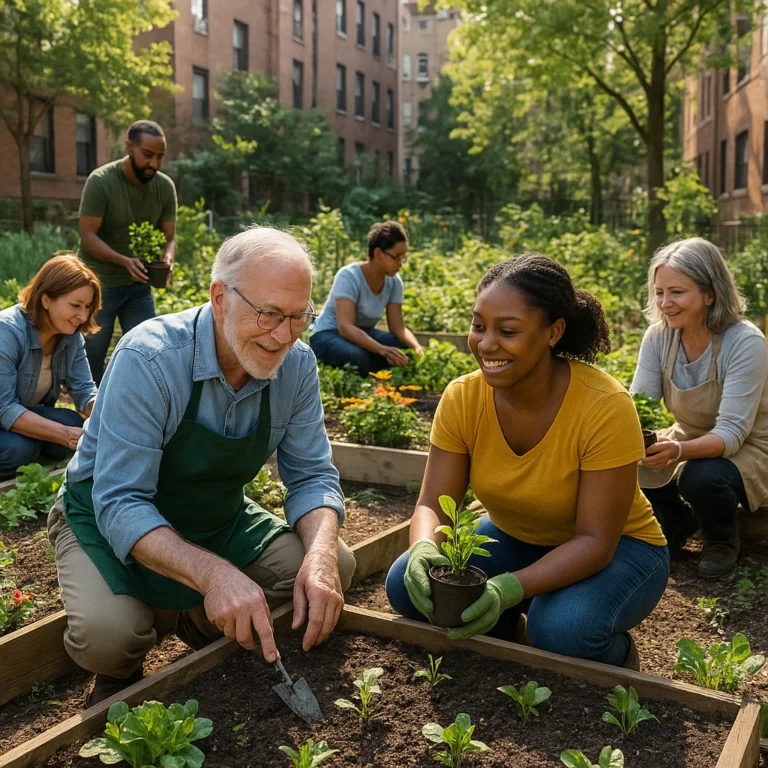
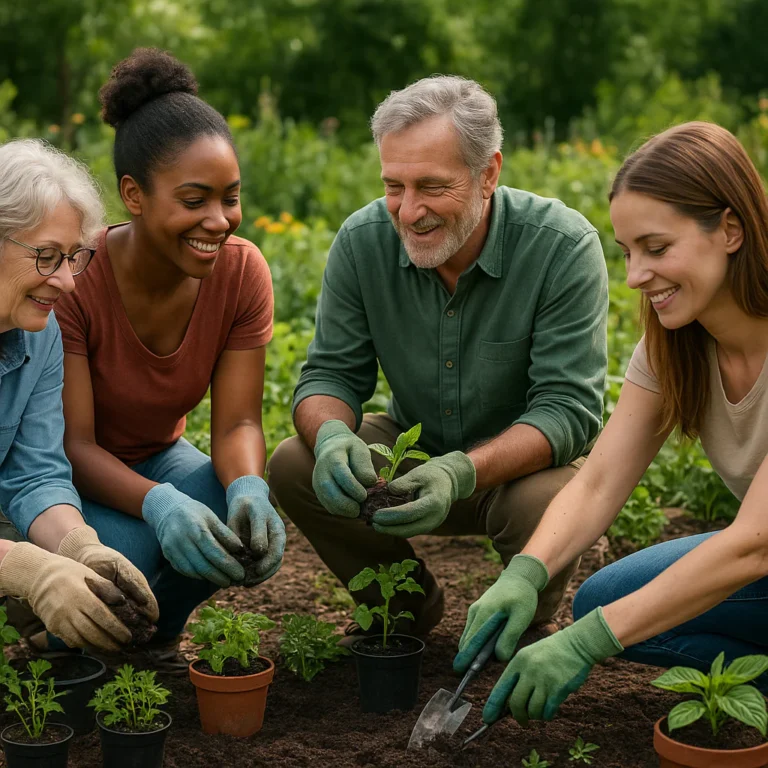
Community gardening and social prescribing programs can connect people with nature, shared purpose, and supportive community—but they work best when activities are accessible, welcoming, and matched to each person’s needs. A garden can complement clinical care, not replace it, while offering something wonderfully practical: a reason to step outside, meet others, and help something grow.
At a Growing Together garden, one member described the welcome simply: “I could come and I could just sit and drink coffee.” No gardening test, no pressure to perform—just a place to start. That flexibility matters: research on gardening-based social prescribing highlights belonging, routine, and peer connection, while also showing that transport, confidence, and accessibility can affect whether people make it through the garden gate.
Key Takeaways
- Gardening is one option within social prescribing, connecting people with community activities that fit their interests and circumstances.
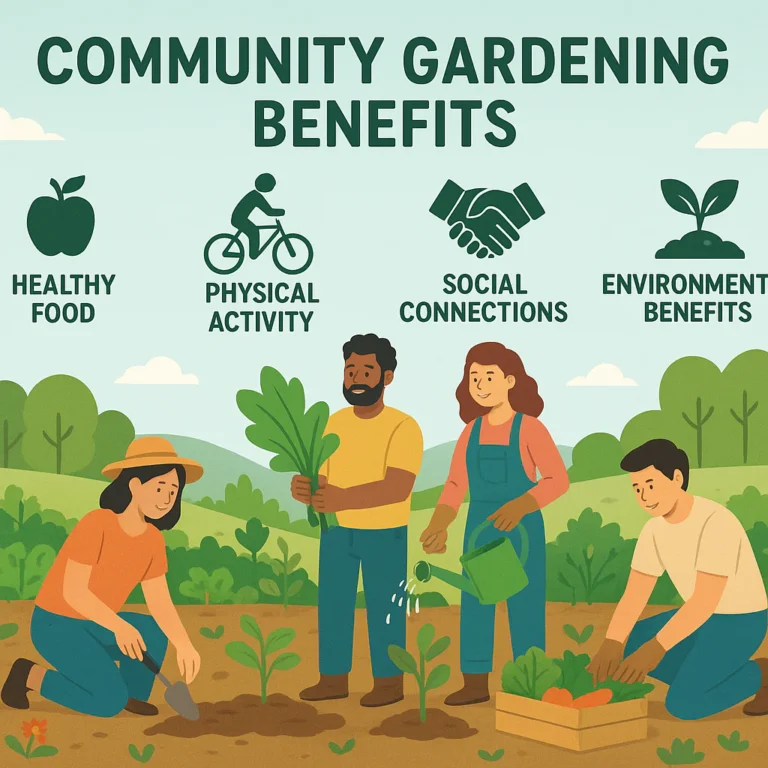
- Potential benefits include social connection, routine, purpose, confidence, and time outdoors—but experiences vary, and gardening is not a replacement for medical care.
- A good referral includes a warm introduction and practical details, such as transport, what to expect, access needs, and whether someone can bring a companion.
- Inclusive gardens offer choices: seated or active tasks, adapted tools, quiet spaces, and ways to participate without digging.
- Strong programs need more than seeds: they rely on partnerships, trained support, safeguarding, sustainable funding, and thoughtful evaluation.
- The best garden is one people can actually reach and feel welcome in.
Table of Contents
- ⚡️ Quick Tips and Facts
- 🌱 What Are Community Gardening and Social Prescribing?
- How Social Prescribing Connects People to Community Support
- What Counts as a Community Garden or Green Activity?
- Community Gardening vs. Therapeutic Horticulture
- 🌿 Roots of Green Social Prescribing
- How Community Gardens Became Part of Social Care
- Green Social Prescribing Around the World
- 💚 Who Can Benefit from Gardening-Based Social Prescribing?
- Mental Health, Loneliness, and Social Isolation
- Long-Term Conditions, Disability, and Healthy Ageing
- Children, Young People, and Families
- When Gardening May Not Be the Right Fit
- 🌻 How Community Gardening Supports Health and Wellbeing
- Physical Activity, Mobility, and Time Outdoors
- Mental Wellbeing, Stress Relief, and Connection with Nature
- Belonging, Friendship, and Community Resilience
- Purpose, Confidence, Skills, and Food Growing
- What the Research Says About Outcomes
- 🪴 12 Community Gardening and Green Social Prescribing Models
- 1. Community Allotment Groups
- 2. Social and Therapeutic Horticulture Sessions
- 3. Link Worker–Supported Garden Referrals
- 4. Nature-on-Prescription Programs
- 5. Garden-Based Mental Health Groups
- 6. Intergenerational Community Gardens
- 7. School and Youth Growing Projects
- 8. Accessible and Adaptive Gardening Programs
- 9. Food-Growing and Nutrition Projects
- 10. Green Voluntering and Conservation Activities
- 11. Culturally Specific Gardening Groups
- 12. Online, Hybrid, and At-Home Gardening Support
- 🔗 How Social Prescribing Referrals Work
- The Role of GPs, Link Workers, and Green Activity Providers
- From First Conversation to First Gardening Session
- Self-Referral, Eligibility, and What to Expect
- Making Referrals Welcoming and Person-Centred
- 🧑 🌾 How to Start a Community Garden Social Prescribing Program
- Build a Local Partnership and Map Community Needs
- Choose a Suitable Site and Garden Format
- Recruit and Support Garden Facilitators
- Plan Activities, Group Size, and Session Schedules
- Create a Referral Pathway with Health and Community Services
- Set Up Safeguarding, Consent, and Data Protection
- Budget for Tools, Training, Transport, and Ongoing Costs
- ♿ Accessibility, Inclusion, and Cultural Safety
- Inclusive Garden Design and Adaptive Tools
- Reducing Bariers for Disabled and Neurodivergent Participants
- Language, Culture, Faith, and Food Traditions
- Transport, Cost, Childcare, and Digital Access
- Trauma-Informed and Anti-Stigma Approaches
- 🛡️ Garden Safety, Risk Management, and Seasonal Planning
- Allergies, Infections, Sun Exposure, and Safe Tool Use
- Soil Testing, Contamination, and Raised Beds
- Weather, Hydration, Toilets, and Emergency Plans
- Safeguarding Children and Vulnerable Adults
- Keeping Activities Going Through Winter and Bad Weather
- 📊 Measuring Program Impact and Demonstrating Value
- Wellbeing, Social Connection, and Physical Activity Measures
- Attendance, Engagement, Retention, and Participant Feedback
- Health Service Use, Cost-Effectiveness, and Social Return
- Practical Evaluation Tools and Ethical Data Collection
- 💷 Funding, Partnerships, and Long-Term Sustainability
- Potential Funding and Commissioning Routes
- Working with Primary Care, Councils, and Voluntary Groups
- Volunteer Wellbeing and Avoiding Burnout
- Land Access, Governance, and Garden Continuity
- ❓ Common Questions About Gardening and Social Prescribing
- Do You Need Gardening Experience to Join?
- Can a GP Prescribe a Community Garden?
- How Often Do Participants Attend?
- Are Gardening Programs a Replacement for Medical Treatment?
- What If Someone Cannot Garden Outdoors?
- 🌼 Conclusion
- 🔎 Recommended Links
- 📚 Reference Links
⚡️ Quick Tips and Facts
Community gardening can be a practical, welcoming part of social prescribing: a way to connect people with nature, meaningful activity, and other people. For more on the broader practice, see our guide to community gardening.
| Quick fact | What it means for you |
|---|---|
| Social prescribing is not a prescription for plants. | A health or community professional can connect you with non-clinical support that fits your goals, often with help from a link worker. |
| Gardening need not mean digging. | Participants may sow seeds, water, make tea, watch wildlife, sit with the group, or take on a task that suits their energy and access needs. |
| The social setting matters. | Gardening groups can combine nature contact, shared purpose, routine, and peer connection. |
| It can complement clinical care. | A garden program is not a substitute for prescribed medication, psychotherapy, or urgent mental-health support. |
| Access takes planning. | Transport, mobility, anxiety about joining, weather, and limited places can affect participation. A referral alone does not remove those barriers. |
| Benefits differ from person to person. | Qualitative research reports experiences such as belonging, confidence, purpose, and enjoyment; it does not prove every participant will have the same outcomes. |
Our gardeners’ quick-start advice: ask what happens on a first visit, whether you can bring someone, what clothing and support are needed, and whether you may start by simply sitting in. One member of the UK Growing Together program said, “I could come and I could just sit and drink coffee.” That small permission can make a big first step feel possible.
For local growing inspiration, browse community garden events, edible plants, and our guide to the benefits of community gardens.
🌱 What Are Community Gardening and Social Prescribing?
Community gardening and social prescribing bring people together around a shared activity, often using a garden as a welcoming place to build routine, connection, and skills. Social prescribing is a broad approach: a health or community professional helps someone find non-medical support that may improve wellbeing and address practical or social needs.
A community garden might be an allotment, a shared growing space, a therapeutic garden, or a small accessible courtyard. The “prescribed” activity could involve tending vegetables, learning propagation, joining a nature walk, or having a cup of tea alongside other people. The point is not to turn every garden into a clinic. It is to offer a meaningful, person-centred option that may work alongside clinical care.
How Social Prescribing Connects People to Community Support
A typical pathway begins with a conversation about what matters to a person. A GP, nurse, social worker, community organization, or other referrer may connect them with a social prescribing link worker. The link worker can explore goals and barriers, then help find a local activity or service.
The UK’s NHS social prescribing overview describes social prescribing as a way to connect people to community support for a range of needs. It is not one standardized program: referral routes, eligibility, funding, and follow-up vary by location.
| Stage | What may happen | A useful question to ask |
|---|---|---|
| Conversation | Someone discusses social, practical, or wellbeing needs | “What would you like to feel or do more of?” |
| Matching | A link worker explores suitable local options | “Does this group fit my interests and access needs?” |
| First contact | The provider explains the group and visit arrangements | “Can I visit first or bring someone with me?” |
| Participation | The person chooses how much to join in | “Can I take a break or do a lighter activity?” |
| Follow-up | The referrer or provider checks how it is going | “What happens if I need to pause or change groups?” |
A referral should be an invitation, not an instruction. Good social prescribing respects a person’s preferences and recognizes that a group that feels restorative to one person may feel daunting to another.
What Counts as a Community Garden or Green Activity?
Programs vary in size and style. Some meet weekly at a large community garden; others use a courtyard, school plot, therapeutic horticulture space, or nearby park. Activities can include:
- Sowing, poting, watering, weding, composting, and harvesting.
- Garden crafts, seed saving, cooking, and shared meals.
- Nature walks, wildlife observation, and quiet time outdoors.
- Volunteer roles such as tool care, welcoming newcomers, or helping with a garden shop.
- Indoor or at-home growing when travel or weather makes outdoor attendance difficult.
The RHS Bridgewater Community Wellbeing Garden is one example of a garden setting associated with wellbeing activity. A garden’s physical form is only part of the story: the welcome, group culture, and flexibility are just as important.
Community Gardening vs. Therapeutic Horticulture
The terms overlap, but they do not always mean the same thing.
| Approach | Typical emphasis | Support and structure |
|---|---|---|
| Community gardening | Shared growing, food, skills, and neighborhood participation | May be volunteer-led or coordinated by a community group |
| Therapeutic horticulture | Using gardening activity to support health or wellbeing goals | May involve trained facilitators and more planned activities |
| Gardening-based social prescribing | Connecting someone to a suitable garden or green activity through a referral or link worker | Depends on the local service; may be informal or professionally supported |
| Clinical horticultural therapy | A structured therapeutic intervention delivered by appropriately qualified practitioners | Goals, assessment, and professional oversight are usually more explicit |
Do not assume that every community garden offers therapy or clinical mental-health support. Ask who runs the group, what training they have, what support is available during sessions, and how the garden coordinates with healthcare services.
🌿 Roots of Green Social Prescribing
Green social prescribing applies social prescribing principles to activities connected with nature. The idea is simple enough to fit on a seed packet: connect people with local, meaningful activities in green or blue spaces, while addressing the real-world barriers to taking part.
A useful Social Connection strategy on nature-based social prescribing describes activities that can range from spending time in nature to active group participation. Community gardening is one option among many—not the universal answer, but a versatile one.
How Community Gardens Became Part of Social Care
Community gardens have long been used for growing food, sharing skills, and strengthening local ties. Social prescribing added a more formal connection between community resources and health or social-care conversations. Instead of treating the garden solely as an amenity, a local system may recognize it as a place where people can build routines, participate, and connect.
A qualitative study of Growing Together, a therapeutic community gardening program run by the South Essex mental-health charity Trust Links, explored how members and stakeholders experienced the program and what helped or hindered referrals and attendance. Researchers interviewed 13 stakeholders and held focus groups with 20 garden members. Members had attended for periods ranging from four months to eight years. The study offers detailed accounts, not a guarantee of a specific clinical outcome.
In the researchers’ article, participants described the group’s value in ways that resist tidy checkboxes. One member said, “We get more from each other than we do from them [staff].” That speaks to peer support, but it also reminds us that staff do not create belonging by themselves. The group’s everyday culture does.
Green Social Prescribing Around the World
Nature-based social prescribing takes different forms across countries and communities. The local version depends on culture, land access, health-system design, and what community organizations already do.
Examples described by the Social Connection strategy include:
- RHS Bridgewater Community Wellbeing Garden in Greater Manchester, where reported activities include gardening, nature walks, and garden crafts.
- Nature Rx at the UC Davis Arboretum and Public Garden, which encourages students to spend time outdoors through campus nature resources.
- Project George, a Cree community initiative connecting youth and elders through traditional practices, as described in the same strategy resource.
- Nature walks, park prescriptions, community conservation, and other green activities that do not require a garden plot.
Local context matters. A garden designed around familiar foods, community languages, or cultural growing traditions may feel much more welcoming than one that assumes everyone shares the same gardening experience. See our resources on community garden policies and climate adaptation in gardening.
💚 Who Can Benefit from Gardening-Based Social Prescribing?
There is no single “right kind” of participant. Programs may welcome people experiencing loneliness, low mood, anxiety, long-term health conditions, life transitions, or a desire for purposeful community activity. Some services accept self-referrals; others need a professional referral or have specific eligibility criteria.
A London ethnographic study followed four social-prescribing groups—including a gardening group—with adults aged 18 to 79. Across the four activities, the researchers observed and interviewed people with varied mental-health experiences, including depression, anxiety, PTSD, schizophrenia, and bipolar disorder. Its findings support considering community groups for people with more complex needs, while also emphasizing that the study involved a small number of established groups and cannot predict outcomes everywhere.
Mental Health, Loneliness, and Social Isolation
A garden group may suit someone who wants a low-pressure reason to leave home, see familiar faces, or contribute to something that grows over time. Nature contact, purposeful tasks, and peer company can combine in a way that feels less formal than a clinic or classroom.
In the Growing Together study, a member described flexible attendance: “I could come and I could just sit and drink coffee.” That flexibility matters for people whose energy, symptoms, confidence, or mobility varies from day to day. A separate ethnographic study of social-prescribing groups found that participants described gardening as a source of routine, purpose, and community connection.
These are reported experiences, not proof that gardening alone treats depression or prevents relapse. A person may benefit while continuing medication, therapy, or other supports. If symptoms are severe, worsening, or urgent, contact a health professional or local crisis service rather than relying on a garden program as the only help.
Long-Term Conditions, Disability, and Healthy Ageing
Gardening can be adapted to different physical abilities, but not every garden is accessible by default. Raised beds, seated tasks, wide paths, accessible toilets, shade, and reliable rest points can make a major difference.
People living with long-term conditions may appreciate activities that can be paced and varied. But gardening tasks can also aggravate pain, fatigue, allergies, or mobility symptoms if they are not adapted. Ask the program about:
- Seated or low-exertion options.
- Tool adaptations and raised planting beds.
- Rest breaks, shade, water, and accessible toilets.
- Whether support people or carers can attend.
- How staff respond if someone becomes unwell.
For ideas on inclusive gardening and environmental planning, explore our climate adaptation in gardening resources.
Children, Young People, and Families
Gardening projects can offer young people and families a shared, hands-on activity, but the program should be designed for their ages, supervision needs, and interests. Some young people may prefer wildlife, cooking, art, or building projects to traditional planting tasks. A garden group should not presume that “outdoors” automatically feels safe or welcoming to everyone.
For children and families, check safeguarding procedures, adult-to-child supervision, consent requirements, accessible facilities, and whether the garden offers family-friendly session times. Schools and community organizations may also connect garden activity with food literacy and environmental learning. Our edible plants guide can help spark ideas for a productive, kid-friendly plot.
When Gardening May Not Be the Right Fit
A good social-prescribing pathway offers choices. Gardening may not suit someone who has strong allergies, a fear of insects or soil, difficulty reaching the site, cultural or personal reasons to avoid a particular setting, or simply no interest in growing things.
A different activity is not a failed referral. A link worker might explore a walking group, choir, peer-support group, sports activity, library program, or another local option. The goal is a suitable connection, not getting everyone to hold a trowel.
🌻 How Community Gardening Supports Health and Wellbeing
The strongest case for community gardening is not that it magically fixes everything. It is that a thoughtfully run garden can bring several potentially helpful ingredients together: nature, movement, social contact, structure, learning, and a visible shared purpose.
Physical Activity, Mobility, and Time Outdoors
Activities such as watering, poting, light weding, and walking around a plot can add movement to a person’s week. Participants can choose a level that fits their body and energy, though the group should avoid assuming that physical effort is suitable for everyone.
The UK Chief Medical Officers’ physical activity guidance gives recommendations tailored to age and health circumstances. A garden group can support enjoyable movement, but it should not claim to meet an individual’s clinical or fitness needs without appropriate assessment.
Our gardeners often suggest offering three levels of participation:
| Participation level | Example | Why it helps |
|---|---|---|
| Gentle | Sit outdoors, observe wildlife, sort seeds, or chat | A low-pressure way to join without physical exertion |
| Moderate | Pot seedlings, water, harvest, or walk through the site | Practical participation with opportunities to pace effort |
| More active | Turn compost, prepare beds, or carry light materials | A choice for participants who feel able and want a challenge |
Mental Wellbeing, Stress Relief, and Connection with Nature
Participants in therapeutic gardening research have described the garden as a place to focus attention, step away from everyday pressures, and notice seasonal change. These experiences can feel grounding for some people. Others may find the noise, unpredictable weather, or busy group setting challenging, which is why choice matters.
In the Growing Together study, stakeholders described nature contact as offering respite, sensory interest, and opportunities for reflection. A member said, “We’re not just doing it for ourselves, you’re doing it for everybody,” linking the work to a wider sense of purpose. That sense of contribution can be as meaningful as the harvest.
Belonging, Friendship, and Community Resilience
A shared garden gives people something to do alongside one another. That can make conversation easier: you can talk while tying up tomatoes, or simply share the task without needing to fill every silence. One participant in the Growing Together research described peer support as central to their experience: “We get more from each other than we do from them [staff].”
The broader evidence base for social connection is not a promise that any one garden will reduce isolation. The World Health Organization’s work on social connection recognizes social connection as relevant to health and wellbeing. A community garden can provide one setting for connection, but program quality, accessibility, and sustained participation all matter.
Purpose, Confidence, Skills, and Food Growing
A seedling is a wonderfully stubborn little teacher. It grows at its own pace; no amount of anxious checking makes it taller by Tuesday. Gardening tasks can provide visible progress, shared responsibility, and opportunities to learn practical skills.
Participants in qualitative studies have described developing confidence, social skills, routines, and a sense of achievement. Some reported taking steps toward volunteering, education, or work. Those accounts are encouraging, but garden participation does not guarantee employment or recovery. It can be one supportive part of a person’s wider journey.
Food-growing can also connect practical skills with nutrition and culture. For crop ideas, visit Edible Plants. For a garden activity that brings neighbors together, look at Community Garden Events.
What the Research Says About Outcomes
Two qualitative studies help explain how participants experience social-prescribing groups, including community gardening:
| Research | Design and scale | What it contributes | What it cannot establish |
|---|---|---|---|
| Growing Together therapeutic community gardening study | Interviews with 13 stakeholders and focus groups with 20 members | Reports themes around mental-health experiences, engagement, referral, and access | Does not prove that gardening caused clinical improvement or that all groups work alike |
| London ethnographic study of four social-prescribing groups | 12 months of observation, over 600 observation hours across groups, and 28 interviews | Explores mechanisms such as routine, purpose, confidence, and social connection; included 150 hours observing the gardening group | Small, context-specific study; not a randomized test of clinical effectiveness |
The two studies broadly agree that people may value purpose, routine, peer contact, and a welcoming activity. They differ in focus: one studied a particular therapeutic gardening program and its referral barriers; the other compared several community groups to explore how social activity may support psychosocial wellbeing. Neither should be read as proof that every participant will experience the same benefits.
An article about nature-based social prescribing may cite estimates of possible public-service savings, but such figures depend on the program and assumptions used. Treat them as early economic estimates, not universal savings guarantees. When evaluating a local program, ask what was measured, over what period, and whether outcomes were compared with a suitable alternative.
🪴 12 Community Gardening and Green Social Prescribing Models
There is no single blueprint for a successful program. Here are twelve models a community or health partnership can adapt to local needs and resources.
1. Community Allotment Groups
Participants share growing tasks on an allotment or garden plot. This model works well when there is a welcoming group culture, clear tasks, and reasonable access. It may be volunteer-led, so confirm what support is available for participants who need additional help.
2. Social and Therapeutic Horticulture Sessions
Facilitators plan gardening tasks around wellbeing, skills, and group participation. Some programs include staff with mental-health or horticultural expertise; others focus on social and practical support. Ask what “therapeutic” means in that particular service.
3. Link Worker–Supported Garden Referrals
A link worker discusses the person’s goals and helps arrange contact with a garden provider. A warm handover—such as introducing the participant directly to a named garden contact—can be more useful than handing over a flyer and hoping for the best.
4. Nature-on-Prescription Programs
A referral may connect someone with gardens, parks, nature walks, or other outdoor activities. The Social Connection strategy recommends nature-based activities as one way to build connection and belonging.
5. Garden-Based Mental Health Groups
These groups may combine growing, peer support, structured wellbeing activities, and staff support. They should complement mental-health treatment, not replace it. Clear referral criteria and escalation plans are essential.
6. Intergenerational Community Gardens
Older adults and young people can share growing knowledge, stories, and practical tasks. Good facilitation helps prevent the group from assuming that everyone has the same abilities, interests, or gardening experience.
7. School and Youth Growing Projects
A youth garden can blend food growing, environmental learning, teamwork, and social connection. Build the program around young people’s ideas; a plot that feels like another compulsory lesson may not be the welcoming green space you hoped to create.
8. Accessible and Adaptive Gardening Programs
These programs offer adapted tools, raised beds, accessible routes, seated tasks, and flexible pacing. The core idea is not to create a separate “special” activity, but to make participation possible for people with varied needs.
9. Food-Growing and Nutrition Projects
Participants grow, harvest, cook, or share food. When food is central to the program, plan for culturally familiar crops, food safety, and clear arrangements about harvest distribution. Browse edible plant ideas.
10. Green Voluntering and Conservation Activities
Some people prefer habitat care, wildlife monitoring, or conservation tasks to vegetable growing. Offering different roles broadens the program without pretending that everyone has the same definition of a good afternoon.
11. Culturally Specific Gardening Groups
Groups may build around shared languages, food traditions, community knowledge, or relationships to land. Co-design with participants and local organizations; do not assume a one-size-fits-all garden is culturally inclusive just because it is outdoors.
12. Online, Hybrid, and At-Home Gardening Support
Video check-ins, seed kits, balcony growing, and phone-based support can help people who cannot reliably travel. These approaches do not replace the social atmosphere of every garden, but they may offer a bridge to participation or an option during illness and bad weather.
🔗 How Social Prescribing Referrals Work
A referral is most useful when it leads to a real connection, not just a name on a sheet of paper. The handoff should help a person understand what to expect and give the garden team enough information—with consent—to make the welcome feel personal.
The Role of GPs, Link Workers, and Green Activity Providers
- GPs and other health professionals may identify social needs, discuss community options, or refer to a link worker.
- Link workers explore a person’s priorities and practical barriers, then help connect them with suitable community support.
- Garden providers explain activities, access, group culture, safety, and the first-visit process.
- Community partners may contribute transport, volunteering, referral support, funding, or space.
The precise roles depend on local arrangements. A useful referral pathway is built through relationships, not just paperwork. The NHS England social prescribing resource describes the broader link-worker model.
From First Conversation to First Gardening Session
Here is a practical step-by-step pathway:
- Talk about the person’s goals. Ask what they want more of—company, routine, confidence, outdoor time, activity, or a new skill.
- Explore preferences. Find out whether they like gardening, would rather try wildlife or craft activities, and what would make a group feel comfortable.
- Check access needs. Discuss transport, mobility, language, sensory needs, health considerations, timing, and whether a companion is needed.
- Make a warm introduction. With consent, connect the person with a named garden contact who can answer questions.
- Explain the first visit. Share directions, what to wear, where to meet, toilet availability, expected activities, and what happens if they want to leave early.
- Offer a low-pressure start. Let the person observe, sit, have a drink, or join one task rather than expecting full participation immediately.
- Follow up. Ask whether the setting felt right and what adjustments or alternatives might help.
The Growing Together study highlighted the importance of reducing uncertainty. A link worker in that research summed up a common challenge: “it’s getting people to go to them that’s the thing, the difficulty.” So what helps bridge that gap? Often it is surprisingly practical: a friendly phone call, a clear map, and a person waiting at the gate.
Self-Referral, Eligibility, and What to Expect
Some gardens accept self-referrals; others work only through health or community partners. Eligibility may depend on age, location, group capacity, funding rules, or the level of support the program can safely provide.
Before you sign up, ask:
- Can I refer myself, or do I need a professional referral?
- Is there a waiting list or introductory visit?
- Can I bring a family member, friend, or support worker?
- What activities are optional?
- Is the site accessible for my needs?
- What personal information will be shared, and with whom?
- Can I pause and return later?
Making Referrals Welcoming and Person-Centred
Good referral language describes what a person may actually do, rather than relying on a label such as “therapeutic gardening.” Some people may hear that phrase and imagine being tested on their ability to grow a prize courgete.
Explain that people might plant, chat, rest, make something, or simply see what the group is like. Share accessible information, inclusive photos, transport guidance, and details about the welcome. The Growing Together research reported that limited awareness among referrers could make it harder to explain the service or match people with it.
A National Academy for Social Prescribing video on Movement on Prescription makes a useful point for green programs too: “Availability is not the same as Accessibility.” A garden can exist nearby and still be out of reach because of cost, transport, confidence, culture, or the first-visit hurdle. That is why pathways work best when the person and local partners help shape them.
🧑 🌾 How to Start a Community Garden Social Prescribing Program
Starting a program means more than finding a patch of soil. The durable version combines a realistic activity plan, reliable relationships, safeguarding, access, and money for the unglamorous essentials. (Yes, toilets and insurance matter. So does the compost.)
Build a Local Partnership and Map Community Needs
Start by asking what local residents and providers already have—and what is missing. Speak with community groups, primary-care teams, link workers, disability organizations, schools, cultural organizations, and current gardeners.
A short mapping exercise can identify:
- Existing gardens, parks, allotments, and indoor growing spaces.
- Local referral routes and social-prescribing services.
- Transport links, accessible facilities, and underserved neighborhoods.
- Community languages, food-growing traditions, and preferred session times.
- Similar programs that could collaborate rather than compete.
Co-design before committing to a model. A garden that matches local interests is more likely to attract participants than a program built around assumptions.
Choose a Suitable Site and Garden Format
Compare sites for practical access, safety, and long-term reliability. A beautiful plot with no accessible toilet or bus stop may be a splendid place for a photograph and a poor place for a program.
| Site feature | Questions to ask |
|---|---|
| Access | Is there step-free access, seating, shade, and a usable toilet? |
| Transport | Can people reach the site without relying on a car? |
| Safety | Are paths, tools, water, and storage managed appropriately? |
| Land security | Is there a written agreement and a plan if the site changes? |
| Activities | Can the site support gardening and non-gardening roles? |
| Seasonality | Is there an indoor or winter option? |
Our community garden policy resources can help teams think through shared expectations and responsibilities.
Recruit and Support Garden Facilitators
A facilitator needs more than plant knowledge. Useful skills include welcoming newcomers, adapting tasks, setting boundaries, responding calmly to distress, and knowing when to seek additional support.
Programs may use a mix of horticultural staff, volunteers, peer supporters, and mental-health professionals. Be clear about each person’s role and what they are not expected to do. Volunteers should not be left to manage clinical crises without training and backup.
Plan Activities, Group Size, and Session Schedules
Plan sessions with choice and pacing built in. A sample session might look like this:
- Arrival and welcome: introduce the day’s options; offer tea, a quiet space, and a chance to settle.
- Short check-in: let people say what they want from the session—or pass.
- Choice of activities: offer a light task, a more active task, and a non-gardening option.
- Shared break: provide time for conversation without requiring anyone to disclose personal details.
- Wrap-up: note what was completed and explain the next session.
- Optional follow-up: check in privately if someone seems worried or has missed several visits.
Use Community Garden Events to find ideas for seasonal gatherings, but avoid making public events the only way participants can feel involved.
Create a Referral Pathway with Health and Community Services
A basic pathway should state:
- Who may refer and whether self-referral is allowed.
- What information is needed and how consent is recorded.
- Who contacts the participant, and within what timeframe.
- What happens if the group is full.
- How access needs and risk concerns are considered.
- How attendance or non-attendance is followed up.
- What alternative options are offered if gardening is not a fit.
A short, clear referral form can help, but personal contact is often what turns referral into attendance. Keep the process understandable for both the referrer and the participant.
Set Up Safeguarding, Consent, and Data Protection
Agree on safeguarding procedures, incident reporting, confidentiality, consent, photography rules, and secure handling of personal data. Explain these in plain language. Participants should know who can access their information and how it may be used.
Data protection requirements depend on your location and organizational role. In the UK, consult the Information Commissioner’s Office guidance and get suitable legal organizational advice. Do not collect sensitive information simply because a form has an empty box.
Budget for Tools, Training, Transport, and Ongoing Costs
A realistic budget looks beyond plants and seed packets. Consider:
- Accessible tools, raised beds, seating, shade, and toilet access.
- Staff time, volunteer support, training, and supervision.
- Insurance, safeguarding checks, first-aid provision, and maintenance.
- Travel support, interpretation, and participant communications.
- Winter activities, indoor space, and emergency repairs.
- Monitoring and evaluation.
Avoid building a program that only works when one enthusiastic volunteer gives every spare evening to it. Enthusiasm is lovely; a sustainable rota is lovelier.
♿ Accessibility, Inclusion, and Cultural Safety
A welcoming sign is not the same as an accessible program. Inclusion is designed into the route, activities, language, timing, costs, and relationships.
Inclusive Garden Design and Adaptive Tools
Useful design features may include:
- Step-free routes and stable, wide paths.
- Raised beds at different heights.
- Seated work areas, resting points, and shade.
- Lightweight or adapted tools.
- Clear signs, contrasting colors, and uncluttered routes.
- Accessible toilet and handwashing facilities.
- A quiet area for anyone who needs a break from group activity.
Ask participants what they need rather than guessing. A feature that looks “accessible” to a planner may still be difficult for the person who uses it.
Reducing Bariers for Disabled and Neurodivergent Participants
Offer clear information before the first visit: what the site looks and sounds like, how long sessions last, what tasks involve, and whether there is a quieter place to pause. Provide flexible participation and avoid treating eye contact, conversation, or visible enthusiasm as proof of engagement.
For people with fluctuating conditions, attendance may vary. A compassionate follow-up can leave the door open without pressure. The Growing Together study described staff checking in when members stopped attending and supporting them to return when ready.
Language, Culture, Faith, and Food Traditions
People may feel more at home when a garden reflects familiar plants, cooking traditions, languages, and ways of gathering. Consult community members before choosing crops or setting expectations about food, dress, prayer, or social interaction.
Inclusive outreach means using images and wording that reflect the communities you want to reach—and working with trusted local organizations. Do not rely on a single translated flyer to solve a deeper issue of trust or access.
Transport, Cost, Childcare, and Digital Access
A “free” activity may still carry costs: bus fare, equipment, missed work, childcare, or time. Ask participants which of these are barriers and explore practical responses such as travel support, a buddy system, family sessions, flexible hours, or near-home satellite activities.
The Growing Together research noted that difficult public transport, mobility needs, and reliance on family lifts could affect attendance. This is one reason program planners should assess the whole journey, from a person’s front door to the garden gate.
Trauma-Informed and Anti-Stigma Approaches
Make the group predictable, respectful, and choice-based. Explain what will happen, ask permission before offering help, and avoid demanding personal disclosure as the price of joining. A person should be able to contribute without being reduced to a diagnosis or referral reason.
Use everyday, welcoming language. The Growing Together study described a “there’s no us and them” culture, with shared activities and a sense of belonging rather than visible divisions between staff and members.
🛡️ Garden Safety, Risk Management, and Seasonal Planning
A safe garden is not a risk-free garden—soil, tools, weather, and people all have their opinions. Good planning identifies reasonable risks and makes participation safer without turning the activity into a laminated rulebook with a flower on it.
Allergies, Infections, Sun Exposure, and Safe Tool Use
Provide basic orientation on tool use, handwashing, hydration, sun protection, and where to get help. Ask participants to flag relevant allergies or health concerns voluntarily and privately. Keep first-aid arrangements clear and ensure people know they may stop any task.
For public-health guidance on heat and sun safety, consult your local health authority; in the United States, the CDC heat and health guidance is a reliable starting point. Adapt advice to local climate and individual needs.
Soil Testing, Contamination, and Raised Beds
Before growing edible crops, check the land’s history and test soil where contamination is a concern. The US Environmental Protection Agency’s urban gardening guidance explains why site assessment matters for urban agriculture. Local rules and testing providers vary.
Raised beds with known clean growing media can help reduce exposure concerns on some sites, but they are not a substitute for assessing the land and managing soil safely. Keep compost, fertilizers, and tools stored and used appropriately.
Weather, Hydration, Toilets, and Emergency Plans
Have a clear plan for heat, cold, rain, poor air quality, and severe weather. Offer drinking water, rest, shade, accessible toilets, and indoor alternatives where possible. Tell participants how cancellations are communicated.
An emergency plan should identify who responds, how to contact emergency services, where first aid is available, and how staff handle a participant becoming distressed or unwell. Match the plan to your activities and local requirements.
Safeguarding Children and Vulnerable Adults
Safeguarding procedures should cover supervision, boundaries, disclosures, incidents, lone working, and reporting concerns. Train staff and volunteers for their roles and ensure the group knows whom to contact. Check local law and organizational policy; requirements differ by jurisdiction.
Keeping Activities Going Through Winter and Bad Weather
Seasonal continuity helps maintain routine. Winter options might include seed planning, tool maintenance, indoor propagation, cooking, garden crafts, nature journaling, or short walks when safe. Share a realistic seasonal calendar so participants know what the garden offers beyond summer tomatoes and heroic zucchini.
For climate-resilient planning, explore Climate Adaptation in Gardening.
📊 Measuring Program Impact and Demonstrating Value
Evaluation can help a garden learn what works, improve access, and explain its value to partners. It should be proportionate: do not bury a volunteer team under forms so it can prove that people enjoyed planting peas.
Wellbeing, Social Connection, and Physical Activity Measures
Choose measures that match the program’s purpose. You might track participant-reported wellbeing, social connection, confidence, activity, or practical skills. Use established tools where appropriate, and be clear that a change in a score does not by itself prove the garden caused that change.
Pair numbers with participant stories and feedback. A measure can tell you whether attendance rose; a conversation can tell you why people came back—or why the path from the bus stop felt impossible.
Attendance, Engagement, Retention, and Participant Feedback
Track more than headcount. Consider:
- Referrals received and the time taken to make first contact.
- First visits, repeat attendance, and reasons for missed sessions.
- Participants’ own goals and whether they feel progress is being made.
- Access needs met or still unmet.
- Feedback from people who leave as well as those who stay.
- Referral sources and whether the participant felt the activity was a good match.
Use feedback to change the program. If people repeatedly struggle to find the entrance, put a sign at the entrance; do not launch a six-month study of the emotional symbolism of gates.
Health Service Use, Cost-Effectiveness, and Social Return
Some nature-based programs have published economic estimates, but results depend on the setting, data, and assumptions. Avoid promising that a garden will reduce GP visits or save public money unless your own evaluation supports that claim.
If you assess costs, include staff, training, transport, space, access improvements, and participant time—not just seeds and tools. Be transparent about what you measured, how long you followed people, and what comparison you used.
Practical Evaluation Tools and Ethical Data Collection
Use short, accessible feedback forms, interviews, observation, or group discussions. Explain consent, keep identifying information secure, and let people skip questions. If collecting health data, consult appropriate data-protection and ethics guidance.
For research context and methods, the Growing Together article is available through PubMed Central. The London ethnographic study is available through PubMed Central, with additional materials recorded on the Open Science Framework.
💷 Funding, Partnerships, and Long-Term Sustainability
A durable program usually has more than one support beam. Community participation is central, but so are dependable land access, staff or volunteer capacity, referral relationships, and resources for access and upkeep.
Potential Funding and Commissioning Routes
Possible routes vary by location and may include local government, health systems, community foundations, grants, charitable giving, universities, insurers, or partnerships with established garden organizations. Treat funding examples as prompts for local research, not a promise that a particular fund is open or suitable.
Build a clear case for the program: who it serves, what activities it offers, how people access it, what it costs to run, and how participants shape it. Avoid claiming clinical savings that have not been demonstrated by your own evidence.
Working with Primary Care, Councils, and Voluntary Groups
Partnerships work best when expectations are explicit. Agree who handles referrals, who contacts participants, how information is shared, what support is available, and how concerns are escalated. Schedule regular conversations so the partnership remains more than a logo on a flyer.
The National Academy for Social Prescribing offers information on social prescribing and related practice in the UK. Local systems should also consult their own primary-care, public-health, and community-sector guidance.
Volunteer Wellbeing and Avoiding Burnout
Set manageable roles, provide training, share responsibility, and make time for debriefs. Volunteers should know their limits and where to get help. If one person is the only keyholder, referral contact, tool fixer, tea maker, and emergency plan, the program has a risk-management problem dressed as a very committed gardener.
Land Access, Governance, and Garden Continuity
Put land-use agreements, responsibilities, decision-making, and exit plans in writing. Include clear procedures for shared tools, harvest distribution, complaints, and conflict resolution. Visit Community Garden Policies for practical planning ideas.
A program’s continuity matters to participants who rely on regular social contact. Plan for staff changes, volunteer turnover, seasonal closures, and possible changes to the site.
❓ Common Questions About Gardening and Social Prescribing
How can community gardening improve mental health and wellbeing?
Community gardening may support wellbeing by combining time outdoors, shared activity, social contact, routine, and opportunities to develop skills. People in qualitative studies have described feeling more purposeful, connected, and confident. These are potential benefits, not guaranteed treatment effects. Gardening should complement—not replace—clinical care when that care is needed.
What is social prescribing, and how can gardening be part of it?
Social prescribing connects people with non-clinical community support that may address wellbeing or social needs. Gardening can be one option: a link worker or other referrer may help someone find a suitable community garden, therapeutic horticulture group, or nature-based activity. Referral arrangements vary by area, and a person’s preferences should guide the match.
How do I find a community garden through a social prescribing program?
Start by asking your GP practice, local social-prescribing service, community center, council, or nearby garden organization whether they know of a gardening group. Ask whether self-referral is possible. Before attending, check the first-visit arrangements, access, transport, activity options, and whether you can bring someone with you.
Who can benefit from community gardening social prescribing programs?
Potential participants include people seeking social connection, routine, outdoor activity, practical skills, or support with wellbeing. Programs differ in who they serve and what support they can safely provide. Ask about eligibility and adaptations rather than assuming a diagnosis, age, or gardening experience is required.
How do community gardens help reduce loneliness and social isolation?
Gardens can create repeated opportunities to see the same people, share tasks, and contribute to a common project. That predictable contact may help build familiarity and belonging. The effect depends on how welcoming and accessible the group is; a garden that people cannot reach or feel comfortable joining will not reduce isolation simply by existing.
How can healthcare providers partner with community gardens?
Providers can map local gardens, build referral relationships, explain programs clearly, and arrange warm handovers with participants’ consent. Garden teams and health partners should agree on eligibility, safeguarding, information sharing, follow-up, and escalation procedures. Co-design the pathway with community members, especially those who face transport, disability, language, or confidence barriers.
What activities do community gardening programs offer to support wellbeing?
Activities may include sowing, poting, watering, harvesting, nature walks, wildlife watching, garden crafts, cooking, shared meals, volunteering, and simply sitting with the group. A well-planned program offers different levels of activity, including options for people who cannot or do not want to garden on a given day.
Do I need gardening experience to join a community garden program?
Usually, no—but check the individual program. Many groups teach tasks as they go and welcome newcomers who have never grown anything beyond a kitchen herb that narrowly survived. You can also ask whether you may visit first or observe before joining in.
Can community gardening replace therapy or medication?
No. A garden group may offer social, practical, or nature-based support, but it should not replace medication, psychotherapy, or other care prescribed by a qualified professional. If you are considering changes to treatment, speak with your healthcare provider.
What if I cannot travel to an outdoor garden?
Ask about accessible transport, a buddy or companion, nearby satellite activities, indoor sessions, balcony or home-growing options, and online check-ins. If the garden cannot meet your needs, a link worker may help identify another suitable community activity. The best fit is the one you can realistically access.
What should a first session feel like?
A first visit should be clear and low-pressure: someone explains where to go, what is happening, and how to take part—or take a break. You should be able to ask questions and decline activities. If the first group is not right for you, that does not mean social prescribing has failed; it means the match needs another look.