Support our educational content for free when you purchase through links on our site. Learn more

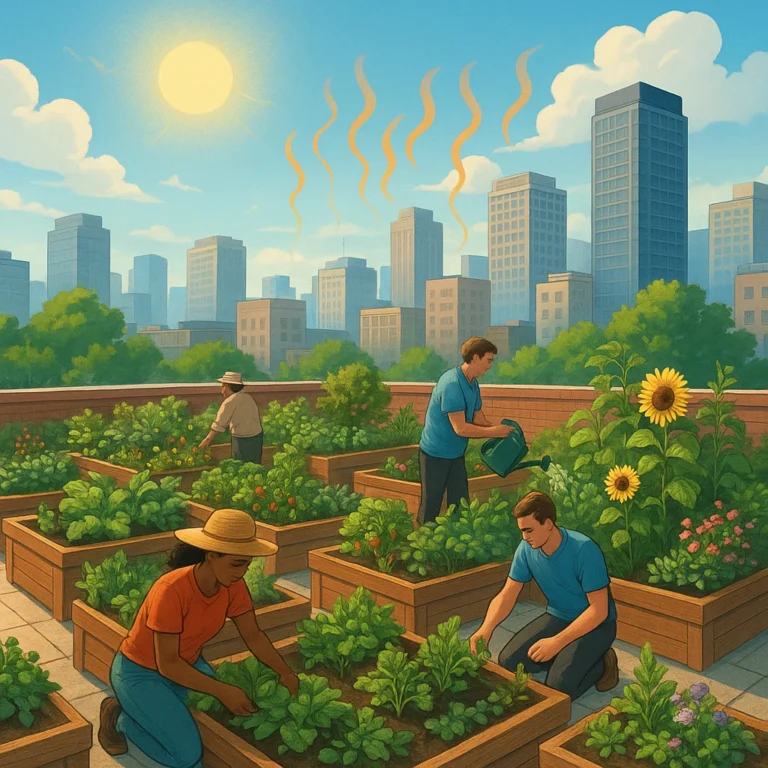
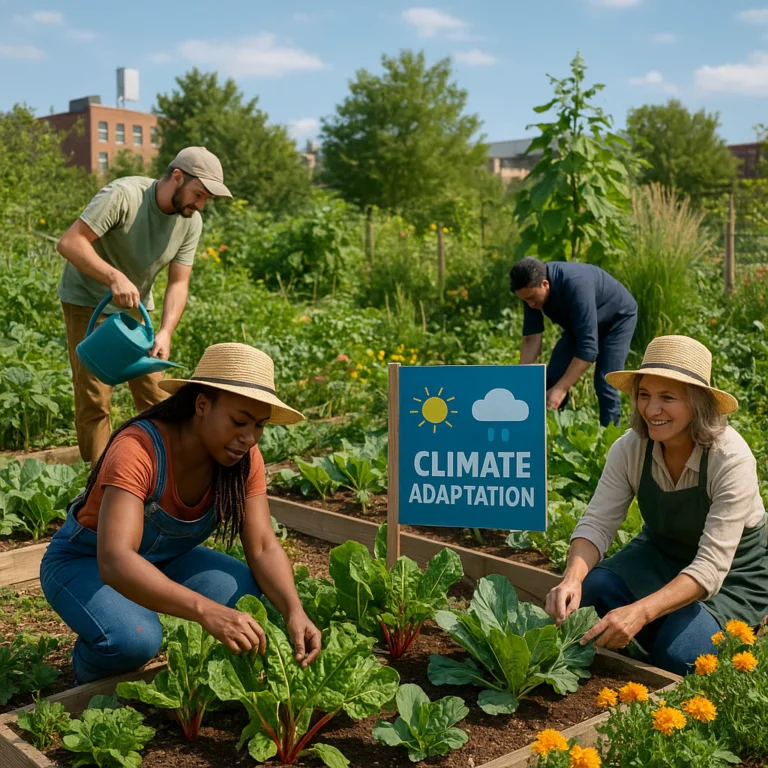
Community gardening and climate-smart agriculture work best when a garden protects soil and water, grows a diverse mix of locally suited crops, and shares decisions and harvests fairly. Start with the climate risks your neighborhood actually faces, then choose practical steps—like mulching, efficient irrigation, composting, and heat-conscious planting—that gardeners can sustain together.
At Community Gardening™, we’ve seen a simple change make a surprisingly big difference: after a hot, dry stretch, one garden team added mulch and adjusted watering to reach the soil rather than spray the leaves. The beds held moisture longer, and volunteers spent less time hauling hoses. It wasn’t a magic fix; it was a shared habit that made the garden more resilient.
That community piece matters. The FAO’s climate-smart agriculture framework connects agricultural practices with climate adaptation, food security, and—in suitable cases—reduced greenhouse-gas emissions. A community garden can put those ideas to work at neighborhood scale while supporting community gardening and local food access.
Key Takeaways
- Plan for local climate risks first: Identify likely heat, drought, flooding, and seasonal shifts before choosing crops or infrastructure.
- Protect soil and conserve water: Compost, keep soil covered with mulch, and water efficiently to help gardens cope with dry spells and heavy rain.
- Build resilience through diversity: Grow locally adapted crops, stagger planting dates, and include pollinator-friendly plants.
- Make climate-smart gardening a shared effort: Set clear roles, accessible rules, and fair ways to share harvests, knowledge, and costs.
- Measure what the garden can realistically improve: Track water use, harvests, compost, and participation to guide the next season’s decisions.
Table of Contents
- ⚡️ Quick Tips and Facts
- 🌱 What Are Community Gardening and Climate-Smart Agriculture?
- How Community Gardens Connect to Climate-Smart Food Systems
- Climate Mitigation, Adaptation, and Food Security
- 📚 Roots of Community Gardening and Climate-Smart Agriculture
- From Victory Gardens to Urban Agriculture
- The Three Pillars of Climate-Smart Agriculture
- 🌍 Why Climate-Smart Community Gardens Matter
- Benefits for Climate, Soil, and Biodiversity
- Benefits for Food Access, Health, and Community Resilience
- Limitations, Trade-Offs, and Equity Considerations
- 🧭 Planning a Climate-Ready Community Garden
- Choosing a Site and Assessing Local Climate Risks
- Testing Soil, Water, Sunlight, and Drainage
- Setting Goals, Roles, and a Garden Budget
- Building an Inclusive Garden Team and Governance Plan
- 🌿 15 Climate-Smart Practices for Community Gardens
- 1. Improve Soil Health with Compost and Organic Matter
- 2. Keep Soil Covered with Mulch and Cover Crops
- 3. Capture Rainwater and Use It Wisely
- 4. Choose Drip Irrigation and Efficient Watering Schedules
- 5. Grow Climate-Resilient Crops and Locally Adapted Varieties
- 6. Extend the Growing Season with Smart Planting Dates
- 7. Diversify Crops with Succession Planting and Polycultures
- 8. Plant Native Flowers and Support Pollinators
- 9. Use Integrated Pest Management Instead of Routine Spraying
- 10. Add Shade, Windbreaks, and Living Fences
- 11. Reduce Food Waste through Composting and Sharing
- 12. Reuse Materials and Choose Low-Impact Garden Supplies
- 13. Protect Gardeners from Heat and Extreme Weather
- 14. Grow Culturally Relevant Crops and Save Seeds
- 15. Track Garden Inputs, Harvests, and Climate Benefits
- 🌦️ Adapting to Drought, Heat, Flooding, and Other Climate Risks
- Drought and Water Restrictions
- Heat Waves, Sunscald, and Smoke
- Heavy Rain, Flooding, and Erosion
- Frost, Hail, Wind, and Unseasonal Weather
- Choosing Adaptation Options for Your Garden
- 🪴 Garden Design for Resilience and Accessibility
- Raised Beds, In-Ground Plots, and Container Gardens
- Pathways, Universal Access, and Safe Tool Storage
- Water-Harvesting Features, Shade, and Habitat Zones
- 🥕 Crop Planning for a Changing Climate
- Vegetables, Herbs, Fruits, and Perennial Food Plants
- Companion Planting, Crop Rotation, and Succession Sowing
- Seed Selection, Seed Saving, and Local Adaptation
- 💧 Soil, Compost, and Water Management
- Building Living Soil and Preventing Compaction
- Composting Food Scraps and Garden Residues Safely
- Rain Barels, Cisterns, and Water-Smart Irrigation
- Urban Soil Contamination and Raised-Bed Safety
- 🤝 Community Leadership, Education, and Garden Governance
- Creating Fair Rules and Shared Responsibilities
- Welcoming New Gardeners and Sharing Skills
- Youth Programs, Intergenerational Learning, and Food Access
- Resolving Conflicts and Sustaining Volunteer Engagement
- 💰 Funding, Partnerships, and Long-Term Garden Stewardship
- Grants, Donations, and In-Kind Support
- Partnering with Schools, Food Banks, and Local Agencies
- Land Access, Insurance, and Garden Agreements
- Planning for Maintenance and Leadership Transitions
- 📊 Measuring Climate-Smart Results
- Simple Metrics for Water, Soil, Harvests, and Waste
- Assessing Emissions, Carbon Storage, and Biodiversity
- Using Results to Improve Garden Practices
- 🛠️ Common Challenges and Practical Solutions
- Limited Land, Water, Tools, or Volunteer Time
- Pests, Diseases, and Crop Failures
- Soil Safety, Neighbor Concerns, and Local Rules
- 🗓️ A Seasonal Climate-Smart Garden Checklist
- Before the Growing Season
- During Planting and Peak Growth
- After Harvest and Before Winter
- 🔎 Recommended Tools and Resources
- Climate and Growing-Season Information
- Soil, Water, and Gardening Guidance
- Community Garden Planning and Funding Resources
- Conclusion
- Recommended Links
- FAQ
- What does climate-smart agriculture mean for a community garden?
- How can a community garden save water during drought?
- Which crops are most resilient to climate change?
- Can community gardens help reduce greenhouse gas emissions?
- How do we make an urban garden safe if soil may be contaminated?
- How can a community garden become more inclusive and equitable?
- What is the best first step for making an existing garden climate-smart?
- Reference Links