Support our educational content for free when you purchase through links on our site. Learn more


Did you know that over 11% of people in places like Wake County, NC, face food insecurity—even in one of the wealthiest countries on Earth? It’s a startling fact that reveals just how complex and urgent the fight against hunger really is. At Community Gardening™, we’ve dug deep into the roots and branches of food security programs—from grassroots community gardens to global initiatives like the World Food Programme. Whether you’re curious about how SNAP benefits can now be used online or want to discover the most effective food security programs worldwide, this comprehensive guide has you covered.
Stick around as we uncover how innovative technologies, sustainable agriculture, and powerful partnerships are revolutionizing the way we ensure no one goes hungry. Plus, we’ll share inspiring stories of communities growing resilience and hope—one garden plot at a time. Ready to explore the future of food security? Let’s get growing!
Key Takeaways
- Food security programs address more than hunger—they focus on nutrition, access, and long-term stability.
- Government initiatives like SNAP, WIC, and school meal programs form the backbone of national food assistance.
- Community-based solutions—like community gardens and food banks—fill critical gaps and empower local neighborhoods.
- Innovative tech, including online SNAP shopping and vertical farming, is transforming food access and sustainability.
- Global programs offer valuable models, from Brazil’s Bolsa Família to Ethiopia’s Productive Safety Net Programme.
- Measuring success goes beyond numbers—it’s about healthier, empowered communities with lasting food resilience.
Table of Contents
- ⚡️ Quick Tips and Facts About Food Security Programs
- 🌱 Understanding the Roots: The History and Evolution of Food Security Programs
- 🍽️ What Are Food Security Programs? Definitions and Core Objectives
- 🌍 Global Food Security Initiatives: Who’s Leading the Charge?
- 🏛️ Government Food Security Programs: Policies, Funding, and Impact
- 🏘️ Community-Based Food Security Programs: Grassroots Solutions That Work
- 🥕 10 Most Effective Food Security Programs Around the World
- 📊 Measuring Success: How Food Security Programs Track Progress and Outcomes
- 🤝 Partnerships and Collaborations: The Power of Public-Private Food Security Alliances
- 🌾 Sustainable Agriculture and Food Security: Growing Solutions for the Future
- 💡 Innovative Technologies Revolutionizing Food Security Programs
- 🛒 Food Security and Supply Chains: Tackling Distribution Challenges
- 👩 🌾 Empowering Farmers: Training and Resources in Food Security Programs
- 📱 Social Media and Awareness Campaigns: Spreading the Word on Food Security
- 💼 Career Opportunities and Volunteering in Food Security Programs
- 🔗 Essential Government and NGO Links for Food Security Resources
- 🎯 Conclusion: The Road Ahead for Food Security Programs
- 🔍 Recommended Links for Further Exploration
- ❓ Frequently Asked Questions (FAQ) About Food Security Programs
- 📚 Reference Links and Credible Sources
Here is the main body of the article, written according to your specifications.
⚡️ Quick Tips and Facts About Food Security Programs
Welcome, fellow gardeners and community builders! Here at Community Gardening™, we know that planting a seed is an act of hope. But what happens when the pantry is bare and the next meal is uncertain? That’s where food security programs come in—they’re the ultimate community garden, writ large. Before we dig deep into the soil of this topic, let’s harvest some quick, bite-sized facts to get you started.
- What is Food Security? It’s more than just having food. Wake County’s program defines it as “having enough food and knowing where your next meal is coming from.” This includes access to nutritious and culturally relevant food.
- The Scale of the Problem: In a place as developed as Wake County, North Carolina, a staggering 11.1% of the population (that’s 126,110 people!) is food insecure.
- The Assistance Gap: Shockingly, in that same county, 51% of food-insecure individuals do not qualify for federal nutrition programs, highlighting a massive gap that community efforts must fill.
- Kids Are Hit Hard: Across the US, millions of children rely on programs like the National School Lunch Program for their daily nutrition. In Wake County alone, 33,550 children live in food-insecure households.
- It’s Not Just About Handouts: Modern programs are about empowerment. The goal of SNAP (Supplemental Nutrition Assistance Program), for instance, is to help families “move towards self-sufficiency.”
- Technology is Changing the Game: You can now use SNAP benefits, via a Michigan Bridge Card, to buy groceries online from retailers like Amazon and Walmart. That’s a huge leap in accessibility! ✅
🌱 Understanding the Roots: The History and Evolution of Food Security Programs

You can’t understand where you’re going unless you know where you’ve been, right? The same goes for food security. The concept isn’t new; for centuries, communities have created systems to share food and prevent starvation. Here at Community Gardening™, we see our work as part of that long tradition of Community Gardening.
The modern era of food assistance, however, really took root during the Great Depression in the 1930s. The US government, faced with widespread hunger and agricultural surpluses, launched the first Food Stamp Program in 1939. It was a classic “two birds, one stone” solution—helping hungry families while supporting struggling farmers.
From there, the garden of food assistance programs grew and diversified:
- 1946: The National School Lunch Act was signed into law by President Truman, recognizing that a nation’s future depends on the health of its children.
- 1960s: The “War on Poverty” saw a major expansion of food assistance, making the Food Stamp Program permanent in 1964.
- 1974: The WIC (Women, Infants, and Children) program was created, a game-changer that focused on the critical nutritional needs of new mothers and young children.
- 2008: The Food Stamp Program was renamed the Supplemental Nutrition Assistance Program (SNAP) to better reflect its focus on nutrition.
This evolution shows a shift from simple commodity distribution to a more holistic approach focusing on nutrition, education, and empowerment.
🍽️ What Are Food Security Programs? Definitions and Core Objectives
So, what exactly are we talking about? At its heart, a food security program is any organized effort—public or private—to ensure people have consistent access to enough food for an active, healthy life. It’s a safety net woven from policy, community action, and a whole lot of heart.
The United Nations’ Food and Agriculture Organization (FAO) outlines four key pillars of food security, which we think of as the essential nutrients for a healthy community:
| Pillar | What It Means | In Our Garden… |
|---|---|---|
| Availability | Having a sufficient quantity of food available on a consistent basis (from production, imports, or aid). | This is the total harvest from all our plots combined. |
| Access | People having sufficient resources (economic, physical) to obtain appropriate foods for a nutritious diet. | It’s not enough to grow the food; people need to be able to get to the garden and afford a plot. |
| Utilization | Proper biological use of food, requiring a diet with sufficient energy and nutrients, potable water, and adequate sanitation. | This is about knowing how to cook a nutritious meal with the zucchini you just picked and having a clean kitchen to do it in. |
| Stability | Ensuring access to adequate food at all times, without losing access due to sudden shocks (like a job loss or natural disaster). | This is why we have a seed bank and a canning workshop—to prepare for the unexpected frost! |
The core objective isn’t just to fill bellies today, but to build a resilient system where everyone can feed themselves with dignity tomorrow.
🌍 Global Food Security Initiatives: Who’s Leading the Charge?
While we focus on our local plots, it’s crucial to remember that food security is a global challenge. Hunger doesn’t respect borders. Thankfully, some incredible organizations are working on a global scale.
- The World Food Programme (WFP): This is the heavyweight champion of the food security world. A branch of the United Nations, the WFP is the world’s largest humanitarian organization, providing food assistance to tens of millions of people in over 80 countries each year.
- Food and Agriculture Organization (FAO): Another UN agency, the FAO focuses on the bigger picture. They work with governments on policy, collect and analyze data on hunger, and promote sustainable agricultural practices to defeat hunger at its source.
- Oxfam International: A global confederation of charitable organizations, Oxfam tackles the root causes of poverty and hunger, advocating for fair trade and empowering local farmers.
- Heifer International: You’ve probably seen their gift catalog! Heifer’s model is unique: they provide families with livestock (like a cow or a flock of chickens) and training. This “living loan” provides not just immediate food, but a sustainable source of income that can be passed on to others.
These organizations are the master gardeners of our planet, working to ensure everyone has a chance to thrive.
🏛️ Government Food Security Programs: Policies, Funding, and Impact
Let’s bring it back home. In the United States, the USDA’s Food and Nutrition Service (FNS) is the main federal body administering 15 different nutrition assistance programs. These programs form the backbone of the nation’s fight against hunger.
SNAP (Supplemental Nutrition Assistance Program)
You probably know it by its old name: food stamps. SNAP is the largest food assistance program in the country. It doesn’t provide cash, but rather benefits on an EBT (Electronic Benefits Transfer) card (like Michigan’s “Bridge Card”) that can be used to purchase groceries. The goal is to supplement a low-income family’s food budget so they can afford healthy food.
As noted in a featured video, programs like SNAP are fascinating because they show how principles of social welfare can be integrated into a market-based economy, creating a safety net that ensures access to a fundamental human need. It’s a bridge, ensuring that even when times are tough, families don’t have to choose between paying rent and eating.
WIC (Women, Infants, and Children)
WIC is a powerhouse program with a very specific, and very important, mission: to safeguard the health of low-income pregnant women, new mothers, and young children up to age 5. It provides:
- Checks or vouchers for specific healthy foods (milk, eggs, whole grains, fruits, veggies).
- Nutrition education.
- Breastfeeding support and counseling.
- Referrals to healthcare services.
The impact of WIC is well-documented, leading to healthier babies, improved infant mortality rates, and better cognitive development in children. It’s an investment that pays dividends for a lifetime.
School Nutrition Programs
“An army marches on its stomach,” and so does a classroom! The National School Lunch Program (NSLP) and the School Breakfast Program (SBP) provide nutritionally balanced, low-cost or free meals to children each school day. For millions of kids, these meals are their most reliable source of nutrition, directly impacting their ability to learn and grow.
🏘️ Community-Based Food Security Programs: Grassroots Solutions That Work
Okay, this is where our hearts really sing! While government programs are essential, the real magic often happens at the grassroots level. This is where neighbors help neighbors, and communities take food security into their own hands. It’s the soul of our work and showcases the incredible Benefits of Community Gardens.
- Food Banks & Pantries: These are the distribution hubs of the community food world. Led by giants like Feeding America, this network of regional food banks supplies thousands of local food pantries, soup kitchens, and shelters. When Wake County calls for food drives, these are the shelves they’re trying to fill.
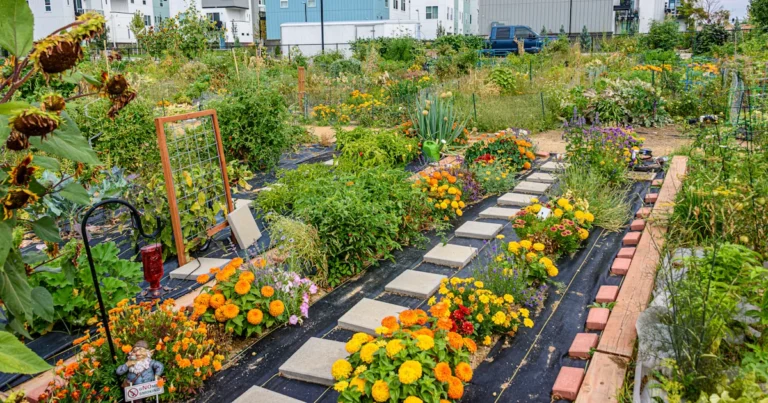
- Community Gardens: A-ha! Our favorite topic. Community gardens do more than just grow food. They cultivate community, provide educational opportunities, and give people direct control over their food source. We’ve seen firsthand how a vacant lot can be transformed into a vibrant hub of fresh produce and friendship. Check out some of our Community Garden Events to see it in action!
- Community Supported Agriculture (CSA): In a CSA model, you buy a “share” in a local farm at the beginning of the season. In return, you get a box of fresh, seasonal produce every week. It’s a fantastic way to support local farmers and eat incredibly fresh food. Many CSAs now have subsidized shares or accept SNAP to make them more accessible.
- Farmers’ Markets: By providing a direct-to-consumer outlet, farmers’ markets help make fresh, local food more available. Many markets now accept SNAP and even offer matching programs, like Michigan’s Double Up Food Bucks, which doubles the value of SNAP dollars spent on fruits and vegetables. ✅
🥕 10 Most Effective Food Security Programs Around the World
It’s inspiring to see how different countries tackle food security. While every context is unique, we can learn a lot from these innovative and impactful programs. Here are ten that stand out:
- Bolsa Família/Auxílio Brasil (Brazil): A conditional cash transfer program that provides money to poor families in exchange for them keeping their kids in school and getting regular health check-ups. It has been credited with dramatically reducing poverty and hunger.
- Midday Meal Scheme (India): The world’s largest school feeding program, it provides free lunches to primary school children in government schools across India, improving nutrition and school attendance.
- Productive Safety Net Programme (PSNP) (Ethiopia): Instead of just giving handouts, this program pays people with food or cash for their work on public infrastructure projects, like building roads or restoring land.
- Oportunidades/Prospera (Mexico): Similar to Brazil’s program, this initiative provides cash transfers to families for keeping their children healthy and in school, with a strong focus on empowering women.
- Food for Education (Bangladesh): This program provides a monthly ration of rice or wheat to low-income families if their children attend school regularly, successfully boosting both nutrition and literacy.
- The “Zero Hunger” (Fome Zero) Strategy (Brazil): A comprehensive set of policies that went beyond cash transfers to include strengthening family farms, creating local food procurement programs, and establishing community restaurants.
- Japan’s School Lunch Program (Shokuiku): This program is legendary. It’s not just about feeding kids; it’s about educating them on nutrition, food origins, and culture. The food is locally sourced, cooked from scratch, and students help serve it.
- The Common Agricultural Policy (CAP) (European Union): A complex and evolving policy, the CAP has historically worked to ensure a stable and affordable food supply for EU citizens while supporting farmers’ incomes.
- The Leket Israel Food Bank: A leader in food rescue, Leket Israel gleans surplus agricultural produce from farms and collects cooked meals from restaurants and corporate kitchens, redistributing it to those in need.
- US SNAP Program: Despite its challenges, the sheer scale and responsiveness of SNAP make it one of the most effective anti-poverty programs in the US, especially during economic downturns.
📊 Measuring Success: How Food Security Programs Track Progress and Outcomes
How do we know if these programs are actually working? It’s a more complex question than you might think. It’s not just about counting the number of meals served or dollars distributed. True success is measured in healthier communities and empowered individuals.
Organizations use a variety of metrics to track their impact:
- Household Food Security Surveys: The USDA uses a standardized survey module to measure food insecurity at the household level, asking questions about whether people have skipped meals, cut portions, or worried about running out of food.
- Nutritional Indicators: Health-focused programs like WIC track outcomes like birth weights, anemia rates in children, and breastfeeding rates.
- Economic Impact: Researchers study how programs like SNAP stimulate the local economy. Every dollar in SNAP benefits generates a “multiplier effect” as it’s spent at local grocery stores.
- Participation Rates: This seems simple, but tracking how many eligible people are actually using a service is key. Low participation can signal barriers like stigma, complex application processes, or lack of awareness. The MI Bridges platform in Michigan is an attempt to streamline this process and make it easier for people to apply and manage their benefits.
🤝 Partnerships and Collaborations: The Power of Public-Private Food Security Alliances
No single group can solve hunger alone. The most successful initiatives are often powerful collaborations between government agencies, non-profits, and private companies. Think of it as companion planting for the community!
- Retail Partnerships: As mentioned, the USDA has partnered with retailers like Amazon, Walmart, and Aldi to allow SNAP participants to purchase groceries online. This is a game-changer for people with transportation or mobility issues.
- Corporate Sponsorship: Many corporations support food security efforts through their philanthropic arms. The Walmart Foundation, for example, is a major funder of Feeding America and other anti-hunger initiatives.
- Food Rescue Collaborations: Companies like Food Rescue US use technology to connect restaurants, caterers, and grocery stores with surplus food to volunteers who can transport it immediately to local shelters and food pantries.
- Farm-to-School Networks: These partnerships connect school cafeterias directly with local farms. Kids get fresher, healthier food; farmers get a reliable market. It’s a win-win that strengthens the entire local food system.
🌾 Sustainable Agriculture and Food Security: Growing Solutions for the Future
Here’s a truth we live by at the garden: you can’t have long-term food security without a healthy planet. The way we grow our food is inextricably linked to our ability to feed everyone in the future. That’s why sustainable agriculture is not just a buzzword; it’s an essential strategy.
This involves:
- Promoting Soil Health: Healthy soil grows healthier, more resilient crops. Practices like composting, cover cropping, and no-till farming are key. This is where our Garden Design Ideas often start—from the ground up!
- Conserving Water: Using techniques like drip irrigation and rainwater harvesting reduces our reliance on precious freshwater resources.
- Enhancing Biodiversity: Planting a variety of crops, including native and heirloom Edible Plants, creates a more resilient ecosystem that’s less vulnerable to pests and disease.
- Reducing Food Waste: An estimated 30-40% of the food supply in the US is wasted. Sustainable food systems focus on reducing waste at every step, from farm to fork, through better harvesting, storage, and distribution, as well as robust composting programs.
By adopting these practices, we’re not just growing food for today; we’re stewarding the land so it can feed generations to come.
💡 Innovative Technologies Revolutionizing Food Security Programs
Gardening might seem old-fashioned, but the world of food security is buzzing with high-tech innovation! Technology is helping us tackle age-old problems in new and exciting ways.
- Precision Agriculture: On large farms, drones, GPS-guided tractors, and soil sensors help farmers use water and fertilizer with incredible precision, boosting yields while reducing environmental impact.
- Mobile Apps: Apps are connecting the dots in the food system. Too Good To Go lets consumers buy surplus food from restaurants at a discount, preventing it from being thrown away.
- Supply Chain Management: Companies are using blockchain technology to create transparent and traceable food supply chains. This can help quickly identify the source of a foodborne illness outbreak and reduce fraud.
- Hydroponics and Vertical Farming: Companies like AeroFarms and Plenty are growing leafy greens indoors in vertical stacks, using a fraction of the water and land of traditional agriculture. This could be a solution for growing fresh produce in urban “food deserts.”
🛒 Food Security and Supply Chains: Tackling Distribution Challenges
You can grow all the kale in the world, but it doesn’t do any good if you can’t get it to the people who need it. The food supply chain—the entire journey from farm to plate—is full of potential roadblocks.
One of the biggest challenges is the existence of food deserts: urban or rural areas where access to affordable, healthy food options is limited or nonexistent. This is often due to a lack of full-service grocery stores. The flip side is a food swamp, an area with an overabundance of high-calorie, low-nutrient fast food options.
How are programs tackling this?
- Mobile Markets: If people can’t get to the grocery store, bring the grocery store to them! Buses or trucks are retrofitted as mobile grocery stores and driven into underserved neighborhoods.
- Subsidizing Grocery Stores: Some cities offer financial incentives for grocery stores to open in food deserts.
- Improving Public Transit: Simply making it easier for people to get to existing stores can have a huge impact.
- Supporting Corner Stores: Initiatives that help small corner stores stock and sell fresh produce can transform them from sources of junk food into oases of healthy options.
👩 🌾 Empowering Farmers: Training and Resources in Food Security Programs
We can’t forget the people who grow our food! Empowering small-scale farmers is one of the most effective ways to bolster food security, especially in developing countries where they produce the majority of the food.
This empowerment comes in many forms:
- Access to Quality Seeds: Providing farmers with access to improved seed varieties that are more resilient to drought, heat, or pests.
- Microfinance and Credit: Small loans can allow a farmer to buy fertilizer, invest in simple irrigation, or purchase better tools, dramatically increasing their yield and income.
- Education and Training: Extension programs, like those run by land-grant universities in the US (such as the NC State Extension associated with Wake County’s program), provide farmers with training on sustainable practices, business management, and new technologies.
- Market Access: Helping farmers form cooperatives so they can aggregate their crops and sell them to larger buyers, ensuring they get a fair price for their hard work. Organizations like the Bill & Melinda Gates Foundation have invested billions in these types of farmer-centric strategies.
📱 Social Media and Awareness Campaigns: Spreading the Word on Food Security
In today’s world, a hashtag can be as powerful as a harvest. Social media has become an indispensable tool for raising awareness, mobilizing volunteers, and changing the conversation around hunger.
- Reducing Stigma: Campaigns like the #SNAPchallenge, where politicians and celebrities try to live on a SNAP budget for a week, can build empathy and highlight the struggles faced by millions.
- Mobilizing Action: When Wake County’s government needs to “replenish pantry shelves,” they use their website and likely social media to put out a call to action for food drives. A well-timed post can lead to a flood of donations.
- Sharing Information: Social media is a fast way to get critical information out. During the pandemic, organizations used it to share updates on food pantry hours, school meal distribution sites, and changes to benefit programs.
- Building Community: Online groups and forums allow people to share resources, recipes for cooking on a budget, and stories of resilience, creating a virtual support network.
💼 Career Opportunities and Volunteering in Food Security Programs
Feeling inspired? Want to roll up your sleeves and get involved? Amazing! The field of food security is vast and needs people with all kinds of skills. Whether you want to make it your career or just lend a hand, there’s a place for you.
Career Paths:
- Non-Profit Program Manager: Oversee the operations of a food bank, community garden, or advocacy group.
- Public Policy Advisor: Work for a government agency or think tank to analyze and shape food policy.
- Nutritionist/Dietitian: Provide nutrition education and counseling in community health clinics or for programs like WIC.
- Supply Chain & Logistics Manager: Figure out the complex puzzle of getting food from point A to point B efficiently.
- Grant Writer/Fundraiser: The essential role of securing the funding that makes all this work possible.
How to Volunteer:
- Local Food Pantry: Your local food pantry almost certainly needs volunteers to sort donations, pack boxes, and help with distribution.
- Community Garden: Join a local community garden! We’re always looking for help with planting, weeding, and harvesting. It’s a great way to learn new skills and meet your neighbors.
- Gleaning: Join a “gleaning” organization that goes to local farms after the main harvest to collect leftover produce that would otherwise go to waste.
- Use a Platform: Websites like VolunteerMatch and Idealist can help you find food security-related volunteer opportunities in your area.
🔗 Essential Government and NGO Links for Food Security Resources
Knowledge is power! Here is a curated list of resources to help you learn more, find help, or get involved.
U.S. Federal Government
- USDA Food and Nutrition Service (FNS): The main hub for all federal nutrition assistance programs.
- Nutrition.gov: A comprehensive source of information on nutrition and food assistance.
- MyPlate.gov: Provides practical information and tips for healthy eating.
State-Level Examples
- Michigan.gov Food Assistance: A great example of a state-level portal for applying for and managing benefits.
- Wake County Food Security Program: Shows how a county-level government is tackling food insecurity locally.
International & Non-Governmental Organizations
- World Food Programme (WFP): The leading global humanitarian organization fighting hunger.
- Feeding America: The largest network of food banks and pantries in the United States.
- Food and Agriculture Organization of the UN (FAO): A global leader in agricultural policy and hunger data.
- Heifer International: An organization focused on ending hunger and poverty through sustainable agriculture.
🎯 Conclusion: The Road Ahead for Food Security Programs

Well, we’ve journeyed through a vast landscape—from the roots of food security programs to the cutting-edge tech revolutionizing how we feed our communities. What’s clear is that food security is a complex, multifaceted challenge that requires collaboration, innovation, and community spirit. Whether it’s a federal program like SNAP, a grassroots community garden, or a global initiative like the World Food Programme, every effort counts.
At Community Gardening™, we’ve seen firsthand how growing together can create not just food, but hope, resilience, and connection. The gaps in federal programs—like the startling fact that over half of food-insecure individuals in Wake County don’t qualify for assistance—remind us that community-based solutions are essential. Our gardens are more than plots of soil; they’re living proof that when neighbors unite, they can nourish both body and soul.
So, what’s the takeaway? Food security programs are evolving, blending policy, technology, and community action to build a future where no one has to wonder where their next meal is coming from. And you? You can be part of this movement—whether by volunteering at your local food pantry, starting a community garden, or simply spreading awareness.
Remember the question we teased earlier: How do we truly measure success in food security? It’s not just about numbers; it’s about empowered families, thriving children, and communities that can weather any storm. And that, dear reader, is a harvest worth cultivating.
🔍 Recommended Links for Further Exploration
Ready to dig deeper or get your hands dirty? Here are some top resources and tools to help you grow your knowledge and impact.
Shop Food Security & Gardening Essentials
-
Michigan Bridge Card (SNAP benefits online shopping):
Amazon | Walmart -
Community Gardening Tools & Supplies:
Fiskars Garden Tools on Amazon | Etsy Community Garden Supplies -
Books on Food Security & Sustainable Agriculture:
❓ Frequently Asked Questions (FAQ) About Food Security Programs

How do community gardens contribute to sustainable food systems and food security?
Community gardens are living classrooms and food hubs that promote sustainable agriculture by encouraging organic practices, biodiversity, and local food production. They reduce reliance on long supply chains, lower carbon footprints, and increase access to fresh produce, especially in urban food deserts. By empowering individuals to grow their own food, community gardens enhance food sovereignty and resilience.
Can community gardening help reduce food waste and improve food distribution?
Absolutely! Community gardens often incorporate composting programs that recycle food scraps into nutrient-rich soil, closing the waste loop. Additionally, surplus harvests are frequently donated to local food pantries or shared among neighbors, improving local food distribution and reducing waste. This grassroots redistribution complements larger food rescue efforts like those by Food Rescue US.
What are some government initiatives for food security programs and how can I access them?
Key government programs include:
- SNAP (Supplemental Nutrition Assistance Program): Provides EBT benefits to purchase groceries. Access via state portals like MI Bridges or local social services offices.
- WIC (Women, Infants, and Children): Offers supplemental foods and nutrition education. Apply through local health departments.
- National School Lunch and Breakfast Programs: Available through public schools.
Eligibility and application processes vary by state, but most have online portals and community assistance centers to help.
How can I start a community garden to support food security in my neighborhood?
Starting a community garden involves:
- Assessing Community Interest: Host meetings to gauge enthusiasm.
- Finding Land: Partner with local governments, schools, or churches to secure a plot.
- Planning and Design: Use sustainable garden design principles; check out our Garden Design Ideas.
- Securing Funding: Apply for grants, seek donations, or hold fundraisers.
- Organizing Volunteers: Build a team for planting, maintenance, and education.
- Launching and Sustaining: Host planting days, workshops, and harvest festivals to keep momentum.
Read more about “How Much Does It Cost to Start a Community Garden? 🌿 (2025)”
What role do community gardens play in addressing food insecurity?
Community gardens provide direct access to fresh, nutritious food for individuals who might otherwise face barriers. They also foster social connections, reduce food costs, and offer educational opportunities on nutrition and gardening skills, empowering people to improve their food security long-term.
Read more about “What Are the 11 Biggest Challenges of Community Gardens? 🌿 (2025)”
What are the benefits of community gardening for food security?
- Improved Access: Fresh produce grown locally.
- Nutrition Education: Hands-on learning about healthy eating.
- Community Building: Strengthens social ties and support networks.
- Economic Savings: Reduces grocery bills.
- Environmental Benefits: Promotes biodiversity and sustainable practices.
Read more about “10 Sensory Gardens for Community Spaces That Spark Joy in 2025 🌿”
What are the most effective food security programs for urban communities?
Programs that combine direct food assistance (like SNAP), community empowerment (community gardens, CSAs), and education (nutrition classes, cooking workshops) tend to be most effective. Urban initiatives that integrate technology—such as online grocery purchasing with SNAP benefits—also improve access.
Read more about “Gardening for Social Change: 7 Powerful Ways to Grow Impact 🌿 (2025)”
How can community gardening contribute to local food security programs?
Community gardens can serve as distribution points for surplus produce, partner with food banks, and provide training and volunteer opportunities. They complement government programs by filling gaps and addressing local cultural food preferences.
Read more about “🌱 13 Ways Community Gardens Build Social Cohesion (2025)”
What role do food security programs play in promoting sustainable agriculture?
Food security programs increasingly emphasize sustainable farming practices to ensure long-term food availability. They support soil health, water conservation, and biodiversity, often providing training and resources to farmers to adopt these methods.
Read more about “Urban Agriculture Initiatives 🌿: 10 Ways Cities Are Growing Food in 2025”
How do food security programs support low-income families?
By providing financial assistance (SNAP), nutritional education (WIC), and access to affordable meals (school lunch programs), these programs reduce the economic burden of food costs and improve health outcomes.
Read more about “What Are the 7 Economic Benefits of Community Gardens? 🌱”
What are the benefits of integrating community gardens into food security initiatives?
Integration creates a multi-layered approach that combines immediate food access with education, empowerment, and sustainability. It fosters community ownership and resilience, making food security efforts more effective and culturally relevant.
Read more about “12 Permaculture Principles for Thriving Community Gardens 🌿 (2025)”
How can schools participate in food security programs through gardening?
Schools can establish school gardens to supplement nutrition programs, provide hands-on learning, and engage students in healthy eating habits. Many schools also participate in federal meal programs and can partner with local farms or CSAs.
Read more about “What Are the 12 Different Types of Community Gardens? 🌿 (2025)”
What funding opportunities are available for community-based food security programs?
Funding can come from:
- Government grants: USDA Community Food Projects, local health departments.
- Foundations: Gates Foundation, Walmart Foundation.
- Crowdfunding: Platforms like GoFundMe.
- Corporate Sponsorships: Local businesses supporting community initiatives.
📚 Reference Links and Credible Sources
- USDA Food and Nutrition Service (FNS): https://www.fns.usda.gov/
- Nutrition.gov Food Assistance Programs: https://www.nutrition.gov/topics/food-security-and-access/food-assistance-programs
- Michigan Food Assistance Programs: https://www.michigan.gov/mdhhs/assistance-programs/food
- Wake County Food Security Program: https://www.wake.gov/departments-government/wake-county-food-security-program
- Feeding America: https://www.feedingamerica.org/
- World Food Programme (WFP): https://www.wfp.org/
- Food and Agriculture Organization (FAO): https://www.fao.org/home/en/
- Heifer International: https://www.heifer.org/
- Food Rescue US: https://foodrescue.us/
- Michigan Double Up Food Bucks: https://www.doubleupfoodbucks.org/
- AeroFarms: https://www.aerofarms.com/
- Plenty: https://www.plenty.ag/
- Walmart Foundation: https://walmart.org/
- VolunteerMatch: https://www.volunteermatch.org/
- Idealist: https://www.idealist.org/en
We hope this comprehensive guide has planted seeds of knowledge and inspiration. Ready to get involved? Check out our Community Gardening™ resources and start growing a better future today! 🌿🌎