Support our educational content for free when you purchase through links on our site. Learn more

Community gardening and urban permaculture design work best when the garden is planned around people, place, and natural cycles—not just rows of vegetables. Start by listening to neighbors, observing the site, and designing practical ways to share water, compost, harvests, and decisions.
At Community Gardening™, we’ve seen a garden’s most useful feature turn out to be something no seed catalog sells: a simple shared routine. One volunteer checks the rain barrel, another spots ripe tomatoes, and someone else teaches a child how to save seeds. Suddenly, a patch of city land is growing food and familiarity.
Permaculture helps make that effort more resilient through thoughtful site design, healthy soil, water-wise planting, biodiversity, and community care. The ideas below show how to build an urban garden that can thrive—and keep bringing people together season after season.
Key Takeaways
- Begin with community needs and site observation. Agree on the garden’s purpose, learn how the space behaves, and confirm land access before building.
- Design for resilience, not just yield. Combine edible crops with composting, water conservation, pollinator habitat, perennial plants, and useful gathering spaces.
- Make soil and safety a first step. Test urban soil before growing food directly in it; use clean raised beds and appropriate growing media if contamination is a concern.
- Plan shared systems that are easy to maintain. Clear roles, accessible paths, simple rules, and realistic watering and harvesting routines help prevent volunteer burnout.
- Grow what neighbors want to eat. Choose climate-suited plants, culturally meaningful crops, and a mix of annuals and perennials.
- Treat the garden as a living design. Track what works, invite feedback, and adapt the layout as the seasons and community needs change.
Table of Contents
- ⚡️ Quick Tips and Facts
- 🌱 What Are Community Gardening and Urban Permaculture?
- Community gardens, shared growing spaces, and urban farms
- Permaculture ethics and design principles
- How community gardening and permaculture work together
- 🏙️ Roots of Urban Permaculture and Community Gardening
- From allotments to neighborhood food forests
- Why cities are embracing regenerative growing
- 🧭 Start with the People: Community Needs, Goals, and Governance
- Listening sessions and inclusive garden planning
- Choosing a governance model and defining roles
- Creating garden rules, shared agreements, and conflict plans
- Making space accessible, welcoming, and culturally relevant
- 📍 Find and Assess an Urban Garden Site
- Land access, leases, permissions, and long-term security
- Sun, shade, wind, slope, and microclimates
- Soil testing, contamination, and safe urban food growing
- Water access, drainage, utilities, and neighborhood conditions
- 🗺️ Design a Community Garden with Permaculture Principles
- Map the site and observe seasonal patterns
- Set goals and prioritize high-impact features
- Use zones, sectors, and efficient garden paths
- Plan for accessibility, safety, and future growth
- 🌳 12 Urban Permaculture Design Features for Community Gardens
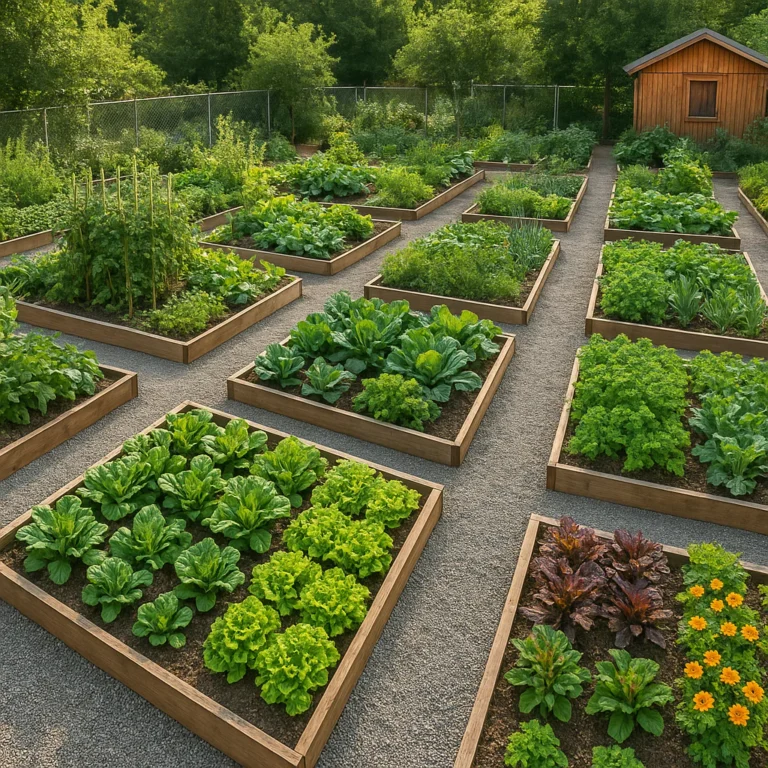
- 1. Raised beds and in-ground growing areas
- 2. Edible forest gardens and guilds
- 3. Fruit trees, berries, and perennial crops
- 4. Pollinator gardens and habitat corridors
- 5. Rain gardens and stormwater catchment
- 6. Rain barrels and water-wise irrigation
- 7. Composting systems and worm bins
- 8. Seed libraries and community nurseries
- 9. Greenhouses, hoop houses, and season extension
- 10. Outdoor kitchens, seating, and gathering spaces
- 11. Tool sheds, wash stations, and shared infrastructure
- 12. Signs, art, and learning spaces
- 🥕 Choose Crops for Urban Permaculture and Community Food Gardens
- Annual vegetables, herbs, and compact crops
- Perennial vegetables and low-maintenance edible plants
- Native plants, pollinator plants, and climate-ready varieties
- Companion planting, crop rotation, and succession planting
- Seed saving and locally adapted crops
- 💧 Build Healthy Soil and Close the Nutrient Loop
- Compost, mulch, and organic matter
- Composting food scraps safely in a shared garden
- No-dig beds, cover crops, and soil life
- Preventing erosion, compaction, and nutrient loss
- 🌦️ Water, Climate Resilience, and Urban Heat
- Harvesting rainwater and reusing water responsibly
- Drip irrigation, watering schedules, and drought planning
- Shade, cooling, wind protection, and heat-resilient design
- Preparing for floods, storms, drought, and changing seasons
- 🐝 Biodiversity and Natural Pest Management
- Atracting beneficial insects and supporting urban wildlife
- Integrated pest management for shared gardens
- Managing weeds, pests, and disease without harming pollinators
- ♿ Make Urban Permaculture Gardens Accessible and Equitable
- Universal design, paths, seating, and reachable beds
- Food access, cultural crops, and community-led distribution
- Avoiding green gentrification and building neighborhood trust
- 📚 A Practical Permaculture Learning and Resource Hub
- Workshops, garden tours, and hands-on skill sharing
- Reliable permaculture educators, networks, and learning resources
- Connecting garden design with culture, resilience, and regeneration
- 🧰 Build, Fund, and Maintain a Community Permaculture Garden
- Phasing the project from first beds to thriving ecosystem
- Tools, materials, volunteers, and work-party planning
- Grants, partnerships, donations, and long-term funding
- Maintenance calendars and shared harvest routines
- 📊 Measure Success and Keep Improving the Garden
- Track harvests, participation, biodiversity, and soil health
- Collect feedback and adapt the design over time
- Common community garden mistakes and how to avoid them
- 🌍 Community Gardening and Urban Permaculture Examples
- Small-space, rooftop, and container garden ideas
- Neighborhood food forests and shared growing projects
- Lessons to borrow from successful urban gardens
- ✅ Quick-Start Checklist for Your Community Garden
- Conclusion
- Recommended Links
- FAQ
- Reference Links