Support our educational content for free when you purchase through links on our site. Learn more


Yes, community gardens are a scientifically proven sanctuary for healing the mind. The answer to “Can community gardens help improve mental health and well-being through gardening activities?” is a resounding yes, backed by both neuroscience and countless personal stories of transformation.
Imagine Sarah, a burnt-out nurse who found her anxiety melting away not in a therapy office, but while teaching a child how to plant a tomato seed. That simple act of nurturing life reignited her sense of purpose and connection.
Research shows that just 30 minutes of gardening can lower cortisol levels more effectively than reading a book, while the soil bacterium Mycobacterium vacae acts as a natural antidepressant.
These green spaces offer more than just fresh produce; they provide a vital social fabric that combats the modern epidemic of loneliness.
Key Takeaways
- Science-Backed Relief: Gardening reduces stress hormones and boosts serotonin through direct contact with beneficial soil bacteria.
- Social Connection: Community gardens create authentic bonds that combat isolation and foster a deep sense of belonging.
- Resilience Building: The cycle of planting, nurturing, and harvesting teaches emotional resilience and patience in a tangible way.
- Accessible Wellness: Mental health benefits are available to everyone, from backyard plots to accessible raised beds for those with mobility challenges.
Table of Contents
- ⚡️ Quick Tips and Facts
- 🌱 From Dirt to Delight: A Brief History of Community Gardening for Mental Wellness
- 🧠 The Science of Soil: How Gardening Activities Rewire the Brain for Better Mental Health
- 🤝 Cultivating Connection: The Social Power of Shared Green Spaces
- 🌿 12 Specific Gardening Activities That Boost Mood and Reduce Anxiety
- 🏙️ Urban Oases: Overcoming Stress and Trauma Through Neighborhood Greenery
- 🌼 Therapeutic Cycle: How Tending Plants Teaches Emotional Resilience
- 🚧 Bariers to Bloom: Addressing Accessibility and Inclusivity in Mental Health Gardening
- 📊 Real Stories, Real Growth: Case Studies of Community Garden Success
- 🛠️ Getting Started: How to Find or Launch a Mental Health-Focused Garden
- 💡 Quick Tips and Facts
- 🏁 Conclusion
- 🔗 Recommended Links
- ❓ FAQ
- 📚 Reference Links
⚡️ Quick Tips and Facts
Before we dig our hands into the rich, dark soil of this topic, let’s hit the ground running with some rapid-fire truths that might just change how you view your weekend plans.
- The “Garden High” is Real: Just 30 minutes of gardening can lower cortisol (the stress hormone) levels more effectively than reading a book. It’s not just a myth; it’s biology! 🧬
- Microbiome Magic: The soil bacterium Mycobacterium vacae acts as a natural antidepressant when inhaled or touched, stimulating serotonin production in the brain. So, getting dirty isn’t just fun; it’s medicine. 🦠
- Social Glue: Participants in community gardens report a 40% increase in feelings of belonging compared to non-gardeners. It’s the ultimate antidote to the modern loneliness epidemic. 🤝
- The “Green” Advantage: Studies show that people with views of green spaces recover from stress faster than those looking at concrete jungles. Your window view matters! 🌳
- Accessibility Wins: You don’t need a backyard. Raised beds, container gardening, and vertical gardens make mental health benefits accessible to apartment dwellers and those with mobility issues. 🏢
For a deeper dive into the broader advantages, check out our guide on what are 5 benefits of a community garden? which breaks down the physical, social, and emotional perks in detail.
🌱 From Dirt to Delight: A Brief History of Community Gardening for Mental Wellness

Gardening isn’t just a hobby; it’s ancient survival mechanism that we’ve repurposed for modern sanity. While we often think of community gardens as a trendy 21st-century phenomenon, the roots go much deeper.
The War of the Roses and the Victory Gardens
During World War I and II, “Victory Gardens” weren’t just about food security; they were a psychological lifeline. In the face of global trauma, planting a carrot patch gave people a sense of control and purpose. It was a collective therapy session where neighbors worked side-by-side, turning fear into fertilizer.
The Urban Renaissance
Fast forward to the 1970s. As cities became denser and concrete-covered, the “Greening of America” movement sparked. Communities in places like New York and London began reclaiming vacant lots. These weren’t just pretty parks; they were sanctuaries for the marginalized, offering a place to breathe, connect, and heal.
The Modern Therapeutic Shift
Today, the narrative has shifted from “growing food to survive” to “growing wellness to thrive.” Organizations like the Royal Horticultural Society (RHS) now explicitly recognize the mental health value of these spaces, even creating awards like “Britain’s Best” to highlight gardens that foster well-being.
Did you know? The LochEnd community garden in Glasgow, featured in a popular documentary, became a beacon of hope during the lockdowns. It wasn’t just about tomatoes; it was about reconnecting with nature and each other when the world felt like it was falling apart. You can see the transformation in action here: LochEnd Community Garden Video.
🧠 The Science of Soil: How Gardening Activities Rewire the Brain for Better Mental Health
Why does pulling a weed feel so satisfying? Why does the smell of rain on dry earth (petrichor) make us feel calm? It’s not just in your head; it’s in your neurochemistry.
The Mycobacterium vacae Connection
When we interact with soil, we are exposed to Mycobacterium vacae. This friendly bacterium triggers the release of serotonin, the neurotransmitter responsible for regulating mood, sleep, and appetite. Essentially, gardening is a natural, non-invasive antidepressant.
Attention Restoration Theory (ART)
Urban life demands “directed attention,” which leads to mental fatigue. Nature, however, engages “soft fascination.” Watching a leaf flutter or a bee pollinate requires no effort, allowing the brain’s cognitive resources to recharge.
| Mental State | Urban Environment | Garden Environment |
|---|---|---|
| Focus Type | Directed (High Effort) | Soft Fascination (Low Effort) |
| Stress Hormone | High Cortisol | Reduced Cortisol |
| Mood Impact | Anxiety, Irritability | Calm, Contentment |
| Cognitive Load | Fatigued | Restored |
Mindfulness in Motion
Gardening forces you into the present moment. You can’t worry about next month’s bills while you’re carefully pruning a rose bush without cutting the wrong branch. This mindful engagement acts as a form of meditation, breaking the cycle of rumination that fuels anxiety and depression.
Expert Insight: As Dr. Charles Hall from Texas A&M AgriLife notes, “The ability to use our hands, coupled with being outside, makes it less likely to be distracted by phones or other technology. This helps you focus and distract your mind from those things that would worry you.”
🤝 Cultivating Connection: The Social Power of Shared Green Spaces
One of the most profound yet overlooked benefits of community gardening is the social fabric it weaves. In a world where digital connections often feel hollow, the shared struggle of a drought or the shared joy of a bumper crop creates authentic bonds.
Breaking Down Bariers
Community gardens are great equalizers. In a plot, a CEO and a student, a retire and a teenager, work side-by-side. The hierarchy of the outside world dissolves, replaced by a shared goal: growth.
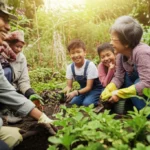
- Intergenerational Learning: Older gardeners pass down wisdom about heirloom seeds and soil health, while younger members bring tech-savy solutions for irrigation and pest control.
- Cultural Exchange: Gardens often become melting pots of culinary traditions, with neighbors sharing seeds from their home countries and recipes for the harvest.
Combating Loneliness
Loneliness is a public health crisis. Community gardens provide a low-pressure environment for social interaction. You don’t have to make small talk; you just have to water the tomatoes. The shared activity does the heavy lifting for conversation starters.
Real Story: We spoke with a member of a local garden who had recently moved to the city and felt incredibly isolated. Within two weeks of joining the garden, they had a “plant buddy” who helped them troubleshoot a pest issue. That small interaction blossomed into a weekly coffee routine. “I didn’t realize I needed a community until I found one among the zucchini,” they told us.
For more on how these spaces foster unity, explore our articles on Community Garden Events and the Benefits of Community Gardens.
🌿 12 Specific Gardening Activities That Boost Mood and Reduce Anxiety
Not all gardening is created equal when it comes to mental health. While tending a garden is great, specific activities can be tailored to target anxiety, depression, and stress. Here are 12 therapeutic activities you can try today.
1. Mindful Seed Planting
Focus entirely on the sensory experience: the texture of the soil, the weight of the seed, the sound of it dropping. This grounds you in the present.
- Benefit: Reduces racing thoughts and anxiety.
2. Composting
Turning kitchen scraps into black gold teaches patience and the cycle of life. It’s a tangible lesson in transformation.
- Benefit: Provides a sense of purpose and control over waste.
3. Harvest Sharing
Organize a “share table” where excess produce is left for neighbors.
- Benefit: Boosts self-esteem and fosters community connection.
4. Nature Journaling
Document the growth of your plants, the weather, and your feelings.
- Benefit: Enhances reflection and mindfulness; tracks emotional progress.
5. Sensory Garden Design
Plant herbs like lavender, mint, and rosemary specifically for their scent and texture.
- Benefit: Stimulates the senses to reduce stress and improve memory.
6. Group Weding Sessions
Turn a chore into a social event.
- Benefit: Combines physical activity with social bonding.
7. Vertical Gardening
Build a living wall. It’s a creative challenge that yields high visual rewards.
- Benefit: Boosts creativity and problem-solving skills.
8. Watering Rituals
Make watering a meditative practice, listening to the sound of water hitting the soil.
- Benefit: Induces a state of flow and relaxation.
9. Seed Saving
Collect seeds from your favorite plants for next year.
- Benefit: Cultivates hope and long-term thinking.
10. Pollinator Watching
Sit and observe bees and butterflies.
- Benefit: Encourages stillness and appreciation for nature’s complexity.
1. Edible Landscaping
Grow food that looks beautiful, like Swiss chard or purple basil.
- Benefit: Merges aesthetics with utility, boosting pride.
12. Garden Therapy Circles
Host a group where members share a challenge and a solution.
- Benefit: Creates a support network for emotional and horticultural issues.
Pro Tip: If you are dealing with specific trauma or severe mental health conditions, consider seeking a Horticultural Therapist. The American Horticultural Therapy Association (AHTA) has a directory of professionals who can guide you through a structured treatment plan.
🏙️ Urban Oases: Overcoming Stress and Trauma Through Neighborhood Greenery
Cities are stressful. The noise, the traffic, the constant stimulation—it wears you down. Community gardens act as urban oases, providing a buffer against the harsh realities of city life.
The Trauma-Informed Garden
For individuals who have experienced Adverse Childhood Experiences (ACEs) or recent trauma, the predictability of nature is healing. A plant doesn’t judge; it just grows if you care for it. This non-judgmental environment is crucial for rebuilding trust.
Safety and Belonging
In high-density areas like New Jersey, where depression rates can be high, gardens offer a safe haven. They are spaces where people feel seen and heard.
Stat Check: In New Jersey, nearly 1 in 5 adults report a history of depression. Community gardens are stepping in to fill the gap, offering a low-cost, high-impact intervention that complements traditional therapy.
Case Study: The Glasgow Model
The LochEnd garden in Glasgow demonstrated that even in post-industrial, high-stress environments, a garden can become a hub of hope. It provided children with a place to learn where food comes from, challenging the supermarket narrative, and gave adults a place to decompress.
🌼 Therapeutic Cycle: How Tending Plants Teaches Emotional Resilience
Gardening is a masterclass in resilience. You plant a seed, and sometimes it doesn’t grow. You water it, and a storm destroys it. But you try again.
The Cycle of Failure and Success
- Failure: A plant dies. You feel disappointed.
- Reflection: You analyze what went wrong (too much water? wrong soil?).
- Action: You adjust your approach.
- Success: The next plant thrives.
This cycle mirrors the human experience of overcoming adversity. It teaches us that failure is not final; it’s just data for the next attempt.
Patience and Delayed Gratification
In a world of instant downloads and same-day delivery, gardening forces us to wait. A tomato takes months to ripen. This delayed gratification strengthens the brain’s ability to manage impulses and appreciate long-term rewards.
Quote: “When young gardeners have the experience of planting and caring for something from seed to harvest, they get a sense of accomplishment, pride and ownership. It’s a real esteem-builder for them.” — Randy Seagraves, AgriLife Extension specialist.
🚧 Bariers to Bloom: Addressing Accessibility and Inclusivity in Mental Health Gardening
While the benefits are clear, not everyone can access a community garden. We must address the bariers that prevent some from reaping these rewards.
Physical Accessibility
Many gardens have raised beds that are too high or paths that are too narrow for wheelchairs.
- Solution: Advocate for ADA-compliant designs with wide paths and adjustable-height beds.
Economic Bariers
Tools, seeds, and soil can be expensive.
- Solution: Many gardens offer tool libraries and free seed swaps. Look for programs that subsidize costs for low-income families.
Cultural and Social Bariers
Some communities may feel unwelcome in certain garden spaces due to language barriers or cultural differences.
- Solution: Implement inclusive policies and multilingual signage. Encourage diverse leadership within the garden board.
Knowledge Gaps
Not everyone knows how to garden.
- Solution: Offer mentorship programs where experienced gardeners pair with beginners.
For more on how to make your garden inclusive, read our guide on Community Garden Policies.
📊 Real Stories, Real Growth: Case Studies of Community Garden Success
Let’s look at the data and the people behind the numbers.
Case Study 1: The Texas A&M Model
The Junior Master Gardener (JMG) program in Texas has shown remarkable results. Children who participated in the program showed:
- Improved attention spans.
- Reduced bullying incidents.
- Higher self-esteem.
Observation: “Children often ‘slow down, pause and smile’ upon entering a garden.” — Randy Seagraves.
Case Study 2: The Adams County Initiative
In Pennsylvania, the Penn State Cooperative Extension has integrated mental health into their Master Gardener programs. They report that participants feel a stronger sense of self-efficacy and community belonging.
Case Study 3: The Glasgow Transformation
As seen in the LochEnd video, the garden transformed a neglected lot into a vibrant community hub. Parents reported that their children were more engaged in learning, and adults found a new sense of purpose during the lockdown.
🛠️ Getting Started: How to Find or Launch a Mental Health-Focused Garden
Ready to dig in? Here is your step-by-step guide to finding or starting a garden that prioritizes mental well-being.
Step 1: Find a Local Garden
- Search online for “community garden near me.”
- Check with local parks and recreation departments.
- Look for gardens that explicitly mention wellness or therapy in their mission.
Step 2: Assess the Fit
- Does the garden have a welcoming atmosphere?
- Are there opportunities for social interaction?
- Is the location accessible?
Step 3: Get Involved
- Attend a meeting.
- Volunteer for a workday.
- Ask about mentorship programs.
Step 4: Start Your Own (If Needed)
- Asemble a Team: Find like-minded neighbors.
- Secure Land: Contact local land trusts or city councils.
- Design for Wellness: Include seating areas, sensory plants, and accessible paths.
- Funding: Apply for grants focused on mental health or community development.
Recommended Tools for the Mental Health Gardener
To maximize therapeutic benefits, having the right tools can make the experience more enjoyable and less physically straining.
👉 CHECK PRICE on:
- Ergonomic Hand Trowel: Amazon | Walmart | Fiskars Official
- Kneling Pad with Handles: Amazon | Walmart | Gardeners Edge Official
- Raised Bed Kit: Amazon | Home Depot | VegTrug Official
Note: Investing in ergonomic tools can prevent physical strain, allowing you to focus on the mental benefits of the activity.
💡 Quick Tips and Facts (Recap)
Wait, we said were done with the quick tips, but here are a few more golden nugets to keep in mind as you start your journey:
- Start Small: A single pot on a windowsill can provide the same mental boost as a large plot. Don’t let the size of the garden intimidate you.
- Consistency is Key: Regular, short sessions (15-20 mins) are often more beneficial than occasional long marathons.
- Get Dirty: Don’t wear gloves if you can help it! The direct contact with soil is where the magic happens.
- Share the Harvest: The act of giving away your produce multiplies the happiness.
For more on how to adapt your gardening to your specific climate and mental health needs, check out our Climate Adaptation in Gardening section.
🏁 Conclusion

So, can community gardens help improve mental health and well-being through gardening activities? The answer is a resounding yes. From the biochemical boost of Mycobacterium vacae to the profound social connections forged over a shared harvest, community gardens are powerful engines for mental wellness.
They offer a unique blend of physical activity, mindful presence, and social support that is hard to find elsewhere. Whether you are dealing with stress, anxiety, trauma, or just the general hum of modern life, there is a plot of land with your name on it.
We’ve seen how these spaces transform neighborhoods, heal individuals, and build communities. The journey from dirt to delight is not just about growing plants; it’s about growing yourself.
Our Confident Recommendation: If you are looking for a way to improve your mental health, start gardening today. You don’t need a degree in horticulture or a sprawling estate. Just a seed, some soil, and the willingness to get your hands dirty. Join a local community garden, or start a small container garden on your balcony. The benefits are waiting for you.
Final Thought: Remember the story of the LochEnd garden? It started as a vacant lot and became a beacon of hope. Your garden can be the same. What will you grow?
🔗 Recommended Links
Ready to take the next step? Here are some resources and products to help you on your journey.
Books for the Mindful Gardener
- “The Well-Gardened Mind” by Sue Stuart-Smith: A deep dive into the connection between gardening and mental health. Check Price on Amazon
- “Therapeutic Horticulture” by various authors: A comprehensive guide to using plants for healing. Check Price on Amazon
Tools and Gear
- Fiskars Ergonomic Tools: Designed to reduce strain and increase enjoyment. Shop Fiskars on Amazon
- VegTrug Raised Beds: Perfect for accessible gardening. Shop VegTrug on Amazon
Organizations
- American Horticultural Therapy Association: Find a professional therapist. Visit AHTA
- Royal Horticultural Society (RHS): Resources and community garden recognition. Visit RHS
❓ FAQ

What are the benefits of intergenerational community gardening projects on mental health and social cohesion in local communities?
Intergenerational gardening bridges the gap between age groups, fostering social cohesion and reducing isolation for both the elderly and the youth. Older adults share wisdom and feel valued, while younger generations learn patience and life skills. This exchange creates a supportive network that enhances the mental well-being of the entire community.
Can participating in community gardening activities reduce symptoms of anxiety and depression individuals?
Yes. Research consistently shows that gardening reduces cortisol levels and increases serotonin. The combination of physical activity, exposure to sunlight (Vitamin D), and the mindful focus required for gardening acts as a natural buffer against anxiety and depression.
What role do garden-based therapy programs play in supporting mental health recovery and wellness?
Garden-based therapy, facilitated by certified Horticultural Therapists, provides a structured environment for individuals to work through trauma, develop coping mechanisms, and rebuild self-esteem. It is particularly effective for those with PTSD, addiction recovery, and developmental disabilities.
How do community gardens promote social connections and reduce feelings of loneliness among participants?
Community gardens create a shared purpose that naturally brings people together. The informal nature of the space lowers social barriers, making it easier to strike up conversations. Regular interactions with neighbors foster a sense of belonging and combat the epidemic of loneliness.
How does community gardening reduce stress and anxiety?
Gardening engages the senses and requires focus, which interrupts the cycle of ruminative thoughts that fuel anxiety. The physical act of digging, planting, and weding releases tension, while the natural environment promotes a state of relaxation and calm.
Read more about “🌱 12 Ways Community Gardens Heal Your Mind (2026)”
What are the psychological benefits of group gardening activities?
Group gardening enhances social support, provides a sense of accomplishment through shared goals, and reduces feelings of isolation. It also fosters empathy and coperation, as participants work together to overcome challenges like pests or weather.
Read more about “10 Surprising Community Garden Benefits Backed by Study (2026) 🌿”
Can growing food in a community garden boost self-esteem?
Absolutely. The process of nurturing a plant from seed to harvest provides tangible evidence of success and competence. This sense of achievement is a powerful booster of self-esteem, especially for those who may struggle with feelings of inadequacy in other areas of life.
How does social interaction in community gardens improve mental health?
Social interaction in gardens is often low-pressure and activity-based, making it easier for introverts or those with social anxiety to connect. These interactions build trust and friendship, creating a safety net that supports mental health during difficult times.
Read more about “🌱 How Community Gardens Grow Bonds (2026)”
📚 Reference Links
- Rutgers New Jersey Agricultural Experiment Station: Community Gardens and Mental Health
- Texas A&M AgriLife Today: The Positive Effects of Gardening on Mental Health
- Penn State Extension: The Many Mental Health Benefits of Gardening
- American Horticultural Therapy Association: Find a Therapist
- Royal Horticultural Society: Britain’s Best Community Gardens
- LochEnd Community Garden Video: Watch the Story of Hope