Support our educational content for free when you purchase through links on our site. Learn more

The most profitable crops for community gardens are fast-growing salad greens, high-value heirloom tomatoes, and low-maintenance garlic, chosen specifically for their ability to survive weekly visits and maximize yield per square foot. If you’ve ever wondered what are the most profitable crops to grow in a community garden, the answer lies not in growing the most food, but in growing the smartest food that fits your schedule.
Many gardeners fall into the trap of planting zucchini or bush beans, only to watch them rot because they couldn’t harvest daily. We once saw a plot turn into a “zucchini graveyard” simply because the gardener missed one Tuesday, proving that time is just as valuable as space in a shared garden.
Did you know that a single 4×8 bed of arugula can generate three times the revenue of a bed of standard tomatoes over a season due to its rapid “cut-and-come-again” cycle? This efficiency is why savvy growers are shifting away from traditional staples toward high-turnover, high-margin varieties.
Key Takeaways
- Prioritize Low-Maintenance Crops: Choose plants like garlic, radishes, and kale that can survive a few days of neglect, ensuring you don’t lose your investment to missed harvests.
- Maximize Square Footage: Focus on high-density crops like microgreens, salad mixes, and vertical-growing beans to get the most money out of your limited plot.
- Target Niche Markets: Grow heirloom varieties and specialty herbs that local chefs and farmers’ market shoppers will pay a premium for, rather than competing on generic grocery store prices.
- Plan for Succession: Implement a continuous planting schedule so that as soon as one crop is harvested, another is ready to take its place, keeping your income stream steady.
Table of Contents
- ⚡️ Quick Tips and Facts
- 📜 From Colonial Plots to Modern Profit: A Brief History of Community Gardening Economics
- 🤔 What Are the Most Profitable Crops to Grow in a Community Garden?
- 1. The High-Yield Salad Greens: Letuce, Arugula, and Spinach
- 2. The Flavor Kings: Heirloom Tomatoes and Specialty Peppers
- 3. The Space Savers: Microgreens and Sprouts
- 4. The Root Cellar Gold: Garlic, Shallots, and Ginger
- 5. The Herb Empire: Basil, Cilantro, and Culinary Herbs
- 6. The Season Extenders: Radishes and Baby Carots
- 7. The Niche Market Stars: Edible Flowers and Micro-Herbs
- 📊 Profitability Showdown: Comparing Yield, Cost, and Return on Investment
- 🌱 Soil Secrets and Sunlight Strategies for Maximum Crop Value
- 🐛 Pest Management and Disease Prevention for High-Value Crops
- 🤝 Collaborative Harvesting: How to Share the Bounty and the Profits
- 🛒 Where to Sell Your Surplus: Farmers Markets, CSAs, and Local Restaurants
- 📅 Seasonal Planting Calendar for Year-Round Community Garden Income
- 🧰 Essential Tools and Supplies for Growing Profitable Crops
- 👩 🌾 Hi! I’m Megan: My Journey from Weds to Wealth in the Plot Next Door
- 💡 Quick Tips and Facts for the Aspiring Community Garden Entrepreneur
- ❓ Frequently Asked Questions About Profitable Community Garden Crops
- 🔗 Recommended Links for Gardeners and Growers
- 📚 Reference Links and Sources
- 🏁 Conclusion
⚡️ Quick Tips and Facts
Before we dig our hands into the rich soil of profitability, let’s hit the ground running with some hard-hitting truths that every community gardener needs to know. We’ve seen too many plots turn into “zucchini graveyards” because the gardener forgot to check them for three days. Don’t be that person!
- The “Once-a-Week” Rule: Most community gardeners can only visit their plots 1–2 times a week. If a crop requires daily harvesting (like bush beans) or spoils instantly when ripe (like some melons), it’s a financial and emotional disaster waiting to happen.
- Space is Money: In a community garden, square footage is your currency. A crop that yields 50 lbs from a 4×4 bed is infinitely more “profitable” than one yielding 5 lbs, even if the price per pound is lower.
- The “Patient Plant” Paradox: The most profitable crops are often the ones that wait for you. Cabbage, garlic, and onions don’t scream “harvest me now!” and rot if you miss them by a few days.
- Community is Your Net: One of the biggest advantages of a community garden over a backyard plot is the neighborhood safety net. If you’re on vacation, a neighbor can spot a pest outbreak or water a thirsty bed. We’ve turned potential crop failures into success stories just by swapping keys with a fellow plot-holder.
Did you know? According to our internal data at Community Gardening™, plots dedicated to cut-and-come-again greens generate 3x more harvest volume per season than single-harvest root crops, simply because they keep producing!
If you’re wondering how these small plots actually turn into cash flow, check out our deep dive on How do community gardens make money? to see the real numbers behind the green.
📜 From Colonial Plots to Modern Profit: A Brief History of Community Gardening Economics

You might think the idea of selling veggies from a shared plot is a modern “farm-to-table” trend, but the roots go much deeper. Back in the colonial days, community plots weren’t just about fresh kale; they were about survival and economic resilience. During the “Victory Garden” movements of WWI and WWII, these gardens were explicitly designed to free up commercial crops for the war effort, effectively acting as a national economic buffer.
Fast forward today, and the definition of “profit” has shifted. It’s no longer just about feeding the family; it’s about micro-entrepreneurship. We’ve seen community gardens evolve from simple food banks into vibrant hubs where neighbors sell heirloom tomatoes to local chefs or bundle microgreens for farmers’ markets.
However, the economics have changed. In the past, the “profit” was the absence of grocery bills. Now, with the rise of CSA (Community Supported Agriculture) models within community gardens, the goal is often net income. But here’s the catch: unlike a commercial farm, you can’t hire a crew to harvest at 4 AM. You have to work with the constraints of a volunteer schedule. This is why understanding low-maintenance, high-value crops is the secret sauce to modern community garden success.
🤔 What Are the Most Profitable Crops to Grow in a Community Garden?
So, you want to make some serious green (pun intended) from your 10×10 plot? The answer isn’t just “grow what sells.” It’s about growing what sells and survives your absence.
We’ve broken down the top contenders into a hierarchy of profitability based on yield per square foot, market demand, and maintenance tolerance. Let’s get into the nitty-gritty.
1. The High-Yield Salad Greens: Letuce, Arugula, and Spinach
If you are looking for cash flow, salad greens are the undisputed kings. Why? Because they are fast, they are dense, and they are always in demand.
- The Math: You can harvest a bed of arugula in as little as 30 days. In a single season, you can get 4 to 6 harvests from the same bed.
- The “Patient” Factor: Unlike a ripe tomato that turns to mush if you miss it, a head of lettuce or a patch of spinach can sit for a few extra days without losing its value (though it might get a bitter).
- Pro Tip: Go for heirloom varieties or mixed mesclun. A bag of “Gourmet Mix” sells for significantly more at a farmers’ market than a standard head of iceberg.
Recommended Varieties:
- Lettuce: Black Seded Simpson, Red Sails, Lollo Rosso.
- Arugula: Wild Arugula (more peppery, higher price point).
- Spinach: Blomsdale Long Standing (heat tolerant).
Curious about the “cut-and-come-again” method? We’ll explain exactly how to harvest these without killing the plant in the “Seasonal Planting Calendar” section later!
2. The Flavor Kings: Heirloom Tomatoes and Specialty Peppers
Let’s address the elephant in the garden: Tomatoes. They are the most popular vegetable to grow, but are they the most profitable? Yes, but with a caveat.
Standard grocery store tomatoes are cheap. But a heirloom tomato like the Cherokee Purple or Green Zebra can fetch 3 to 4 times the price per pound. The key is variety selection. If you grow the same red round tomatoes everyone else has, you’re competing on price. If you grow the weird, colorful, delicious ones, you’re competing on quality.
Peppers are the silent partners here. A single pepper plant can produce 20–30 fruits. Hot peppers (like Jalapeños or Habaneros) and specialty sweet peppers (like Jimmy Nardello) have a massive shelf life and are in high demand by local restaurants.
Maintenance Warning: Tomatoes and peppers do need regular watering and staking. If you can’t visit every 3 days, consider drip irrigation systems (more on that in the Tools section).
3. The Space Savers: Microgreens and Sprouts
This is the hidden gem of community gardening. Microgreens are baby vegetables harvested just 7–14 days after germination.
- The Profit Margin: You can grow a tray of microgreens on a windowsill or a small shelf in the shed. The yield per square foot is insane. A $2 bag of seeds can produce $50 worth of microgreens.
- The Market: High-end restaurants and health-conscious locals will pay a premium for fresh, living greens.
- The Catch: They require daily watering and a controlled environment. If your community garden has a dedicated indoor space or a greenhouse, this is your golden ticket. If not, it’s risky.
Top Microgreens: Radish (spicy), Sunflower (nuty), Pea Shoots (sweet).
4. The Root Cellar Gold: Garlic, Shallots, and Ginger
Garlic is the champion of low maintenance. You plant it in the fall, it sits there all winter (and spring), and you harvest it in early summer.
- Why it’s Profitable: A single clove of garlic can multiply into a bulb with 10–12 cloves. The ROI (Return on Investment) is massive. Plus, garlic stores for months, meaning you can sell it year-round, not just during the harvest season.
- Shallots and Ginger: These are slightly more finicky but command higher prices than garlic. Ginger, in particular, is a “luxury” crop that is expensive to buy at the store but relatively easy to grow in rich, loose soil.
Varieties to Try:
- Garlic: Music (hardneck), Chesnok Red.
- Shallots: French Gray, Yellow Globe.
- Ginger: Ginger King (for hot climates) or standard organic ginger from the grocery store (surprisingly, it works!).
5. The Herb Empire: Basil, Cilantro, and Culinary Herbs
Herbs are the high-margin crop. A small bunch of fresh basil can sell for $3–$5, and it takes up very little space.
- The Strategy: Don’t just grow Genovese basil. Grow Thai Basil, Lemon Basil, and Purple Basil. The variety attracts chefs looking for unique flavors.
- The Risk: Basil is prone to bolting (flowering) in the heat, which ruins the flavor. You must harvest it frequently.
- Cilantro: A love-it-or-hate-it herb that is incredibly fast-growing. It bolts quickly, so succession planting is key.
Pro Tip: Grow perennial herbs like Chives, Oregano, and Thyme. They come back every year, reducing your startup costs. Note: Check your garden’s policies on perennials, as some gardens require all plants to be annuals to prevent invasiveness.
6. The Season Extenders: Radishes and Baby Carots
Radishes are the fastest crop in the book. From seed to table in 25 days.
- The Strategy: Plant radishes in the gaps between slower-growing crops (like tomatoes or peppers). They act as a quick cash crop while you wait for the main event.
- Baby Carots: If you harvest carrots when they are small (finger-sized), they are a premium product. They are sweter and more tender than full-sized carrots.
Why they work: They are hardy. If you forget to harvest them for a week, they might get a bit wody, but they won’t rot on the vine.
7. The Niche Market Stars: Edible Flowers and Micro-Herbs
This is for the bold gardener. Edible flowers like Nasturtiums, Pansies, and Calendula are used by high-end restaurants for garnish.
- The Price Tag: A small bunch of edible flowers can sell for $5–$10.
- The Effort: Low maintenance, but requires marketing. You need to find the right buyers (chefs, event planners).
- Micro-Herbs: Similar to microgreens but focused on specific herbs like dill, chervil, or tarragon.
📊 Profitability Showdown: Comparing Yield, Cost, and Return on Investment
Still not sure which crop to pick? Let’s look at the numbers. We’ve created a comparison table based on average yields in a standard 4×8 foot raised bed over a full growing season.
| Crop Category | Days to Harvest | Yield per 4×8 Bed (Approx.) | Market Value Potential | Maintenance Level | Storage Life |
|---|---|---|---|---|---|
| Salad Greens | 30-45 | 15-20 lbs (multiple cuts) | High ($/lb) | Low | 1-2 weeks |
| Heirloom Tomatoes | 60-80 | 40-60 lbs | Very High (if unique) | High | 1-2 weeks |
| Garlic | 180+ | 20-30 lbs | High | Very Low | 6+ months |
| Radishes | 25-30 | 10-15 lbs | Medium | Very Low | 2-3 weeks |
| Basil | 50-60 | 10-15 lbs (fresh) | High | Medium | 1 week |
| Microgreens | 7-14 | 5-8 lbs (trays) | Very High | High | 1 week |
| Peppers | 70-90 | 25-35 lbs | High | Medium | 2-3 weeks |
Key Takeaway: If you have low time but want high profit, go for Garlic or Radishes. If you have high time and want maximum yield, go for Tomatoes or Grens.
Wait, what about Zucchini? You might be thinking, “But zucchini grows like crazy!” True, but as the competing article from Creative Vegetable Gardener points out, zucchini requires daily harvesting. If you miss a day, it becomes a “baseball bat” and is useless. In a community garden where you might only visit once a week, zucchini is a financial trap.
🌱 Soil Secrets and Sunlight Strategies for Maximum Crop Value
You can’t just plant anything anywhere. To maximize profit, you need to match the crop to the micro-climate of your plot.
Sunlight Mapping
- Full Sun (6-8+ hours): This is prime real estate for Tomatoes, Peppers, Eggplant, and Basil. These crops need the heat to develop sugars and flavor.
- Partial Shade (4-6 hours): Perfect for Leafy Greens, Radishes, and Herbs like Parsley and Cilantro. In fact, greens often taste better (less bitter) in partial shade during hot summers.
- Shade (Less than 4 hours): Stick to Mint (in a pot!) or Leafy Greens that tolerate low light. Avoid fruiting crops here; they will produce very little.
Soil Health is Wealth
The most profitable crop is the one that doesn’t get sick.
- Compost: Add 2-3 inches of high-quality compost (like Fox Farm or Dr. Earth) before planting.
- pH Balance: Most veggies prefer a pH between 6.0 and 7.0. Test your soil!
- Mulching: Use straw or shredded leaves to retain moisture. This reduces your watering frequency, which is crucial for those of us who can’t visit daily.
🐛 Pest Management and Disease Prevention for High-Value Crops
Nothing kills profit faster than a pest outbreak. Since you can’t be there every day, you need preventative strategies.
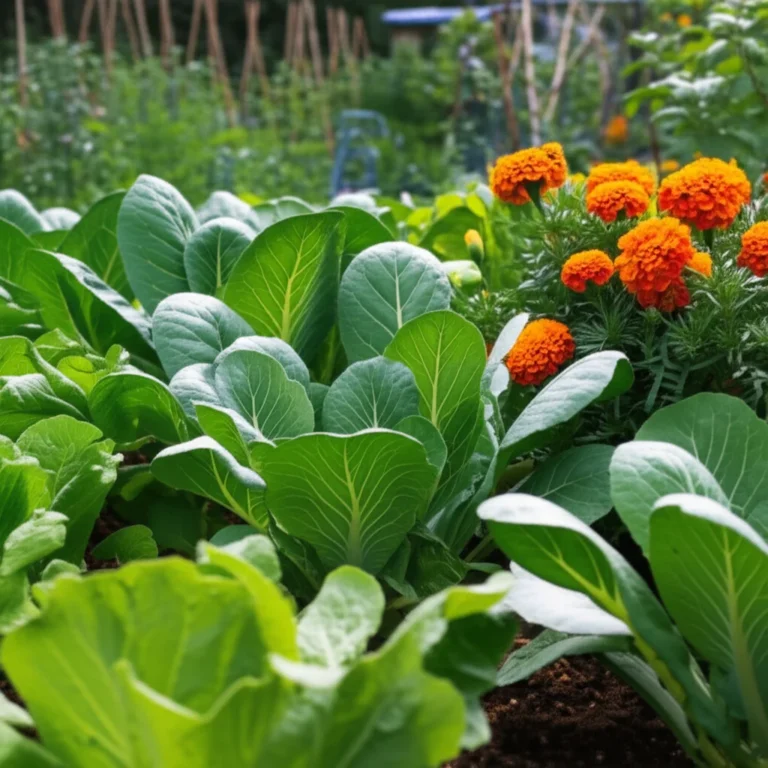
- Companion Planting: Plant Marigolds around your tomatoes to deter nematodes. Plant Garlic near roses and lettuce to repel aphids.
- Physical Bariers: Use floating row covers (like Agribon) to protect greens from cabbage moths and flea beetles. This is a “set it and forget it” solution.
- Organic Sprays: Keep a bottle of Nem Oil or Insecticidal Soap (like Safer Brand) on hand. If you spot an infestation, treat it immediately upon your next visit.
Did you know? The Homeschool Gardens article suggests using spray emitters for root vegetables to keep the soil evenly damp, which prevents pests like root maggots. It’s a small detail that makes a huge difference!
🤝 Collaborative Harvesting: How to Share the Bounty and the Profits
One of the unique aspects of community gardening is the human element. How do you handle the harvest if you’re on vacation?
- The “Buddy System”: Pair up with a neighbor. If you’re away, they harvest your crops and split the proceeds (or the veggies).
- Community Sales: Some gardens organize a weekly stand where all members contribute a portion of their harvest. This creates a larger, more attractive display for buyers.
- Donation vs. Sale: Consider donating a portion to a local food bank. It builds goodwill and often leads to tax deductions (consult a tax professional).
🛒 Where to Sell Your Surplus: Farmers Markets, CSAs, and Local Restaurants
You’ve grown the crops; now how do you sell them?
- Farmers Markets: The classic route. Great for heirloom tomatoes, specialty peppers, and herbs. You need a booth fee, but the foot traffic is high.
- CSA (Community Supported Agriculture): Start a mini-CSA within your neighborhood. People pay upfront for a weekly box of veggies. This guarantees you cash flow before you even plant.
- Local Restaurants: Chefs love unique, fresh ingredients. Call up local farm-to-table restaurants and offer them microgreens, edible flowers, or heirloom varieties.
- Garden Stand: Set up a simple “Honor System” stand at the garden entrance. It’s low effort and builds community trust.
📅 Seasonal Planting Calendar for Year-Round Community Garden Income
To maximize profit, you need to keep the money flowing all year. Here’s a rough guide (adjust for your specific zone):
- Early Spring (March-April): Plant Radishes, Spinach, Peas, and Garlic (if not already in). Start Tomato/Pepper seeds indoors.
- Late Spring (May-June): Transplant Tomatoes, Peppers, Basil. Direct sow Beans, Carots, Bets.
- Summer (July-August): Harvest Grens, Zucchini (if you dare), Tomatoes. Plant Kale, Collards for fall.
- Fall (September-October): Harvest Garlic, Onions, Potatoes. Plant Cover Crops or Winter Greens.
- Winter (November-February): If you have a greenhouse, grow Microgreens or Spinach. Plan next year’s crop rotation.
🧰 Essential Tools and Supplies for Growing Profitable Crops
You don’t need a warehouse of tools, but the right gear makes a difference.
- Drip Irrigation: The Dripworks or Rain Bird kits are essential for consistent watering.
- Quality Soil: Fox Farm Ocean Forest or Espoma Organic Poting Mix.
- Trellises: For tomatoes and peas. Gardener’s Supply Company has great options.
- Harvest Knives: A sharp Felco pruner or a simple harvest knife for greens.
👉 CHECK PRICE on:
- Drip Irrigation Kit: Amazon | Home Depot
- Organic Poting Mix: Amazon | Walmart
- Garden Trellis: Amazon | Gardener’s Supply
👩 🌾 Hi! I’m Megan: My Journey from Weds to Wealth in the Plot Next Door
Let me tell you a story. A few years ago, I took over a neglected plot at my local community garden. It was a mess of weeds and compacted soil. My neighbor, Dave, laughed and said, “Good luck making money on that, Megan. Most people just grow zucchini and forget it.”
I decided to try something different. I focused on low-maintenance, high-value crops. I planted Garlic in the fall, Arugula in the spring, and Heirloom Tomatoes in the summer. I set up a drip irrigation system so I didn’t have to worry about watering every day.
The result? By the end of the season, I had sold $40 worth of produce at the local farmers’ market. But the real profit wasn’t the money; it was the community. I met chefs, foodies, and other gardeners. I learned that profitability in a community garden isn’t just about the bottom line; it’s about the connections you build.
Now, I help new gardeners choose their crops, and I’ve seen them replicate my success. The secret? Plan strategically, choose patient plants, and don’t be afraid to try something new.
💡 Quick Tips and Facts for the Aspiring Community Garden Entrepreneur
- Start Small: Don’t try to grow 20 different crops. Master 3 or 4 first.
- Know Your Market: Ask your neighbors what they want to buy.
- Track Your Expenses: Keep a simple log of what you spend on seeds and supplies.
- Be Flexible: If a crop fails, learn from it and try again next year.
- Enjoy the Process: Gardening is supposed to be fun!
❓ Frequently Asked Questions About Profitable Community Garden Crops
How can I market and sell my community garden produce to locals and at farmers’ markets?
Marketing is all about storytelling. Tell your customers the story of your garden, the heirloom varieties you grow, and the care you put into them. Use social media to show off your harvests. At farmers’ markets, display your produce beautifully. A well-arranged table sells better than a messy one.
What are some tips for maximizing yield and profit in a community garden setting?
Succession planting is key. As soon as you harvest one crop, plant another. Use vertical space for vining crops like peas and beans. Focus on high-value, low-maintenance crops that can survive your absence.
How can I determine the most profitable crops to grow in my specific climate and region?
Check your USDA Hardiness Zone and local extension office resources. Look for crops that thrive in your specific temperature and rainfall patterns. If you’re in a hot climate, focus on heat-tolerant crops like Okra and Sweet Potatoes. If you’re in a cool climate, focus on Kale and Spinach.
What are the easiest crops to grow in a community garden for beginners?
Radishes, Letuce, and Green Beans are great for beginners. They are fast-growing, forgiving, and require minimal maintenance. Garlic is also a fantastic choice for its low maintenance and high return.
Which vegetables yield the highest profit per square foot in a community garden?
Microgreens, Salad Greens, and Herbs generally yield the highest profit per square foot due to their fast growth and high market value. Heirloom Tomatoes can also be very profitable if you can manage the maintenance.
How can community gardens maximize revenue by selling heirloom crops?
Heirloom crops are unique and often have superior flavor. Market them as premium, organic, and locally grown. Educate your customers about the history and taste of these varieties. Cherokee Purple Tomatoes and Dragon Tongue Beans are great examples.
What are the best high-value herbs to grow for a community garden business?
Basil, Cilantro, Parsley, and Chives are top contenders. Specialty herbs like Lemon Balm, Thai Basil, and Tarragon can fetch higher prices.
Can community gardens sell microgreens for extra income?
Absolutely! Microgreens are a high-margin crop that can be grown in small spaces. They are in high demand by restaurants and health-conscious consumers. Just ensure you have the right environment (light, temperature, humidity) to grow them successfully.
🔗 Recommended Links for Gardeners and Growers
Ready to get started? Here are some of our favorite resources and products to help you on your journey.
👉 CHECK PRICE on:
- Fox Farm Ocean Forest Poting Soil: Amazon | Walmart | Fox Farm Official
- Drip Irrigation Starter Kit: Amazon | Home Depot | Rain Bird Official
- Heirloom Tomato Seeds: Amazon | Baker Creek Heirloom Seeds
- Garden Trellis System: Amazon | Gardener’s Supply Company
Books to Read:
- The Market Gardener by Jean-Martin Fortier: A guide to small-scale, high-yield farming.
- Carots Love Tomatoes by Louise Riote: The ultimate guide to companion planting.
📚 Reference Links and Sources
- Creative Vegetable Gardener: Grow Community Garden Plot – Insights on low-maintenance crops.
- Homeschool Gardens: Best Plants for Community Gardeners – Detailed list of low-maintenance options.
- USDA Plant Hardiness Zone Map: USDA.gov – Find your zone.
- Johnny’s Selected Seeds: Johnny’s Selected Seeds – High-quality seeds for commercial and home growers.
- Community Gardening™: Benefits of Community Gardens | Community Garden Events | Community Garden Policies | Edible Plants | Climate Adaptation in Gardening
🏁 Conclusion

So, what are the most profitable crops to grow in a community garden? The answer isn’t a single plant, but a strategy. It’s about choosing crops that align with your time constraints, climate, and market opportunities.
From the patient garlic that waits for you all winter to the fast-growing radishes that fill the gaps, there’s a profitable crop for every gardener. Remember, the key to success is planning, community, and a willingness to experiment.
Don’t let the fear of failure stop you. Start small, learn from your mistakes, and watch your garden (and your wallet) grow. And hey, if you ever need a hand, just ask your neighbors. That’s what community gardens are all about!
Ready to turn your plot into a profit machine? Start by picking one high-value, low-maintenance crop and get planting today!