Support our educational content for free when you purchase through links on our site. Learn more


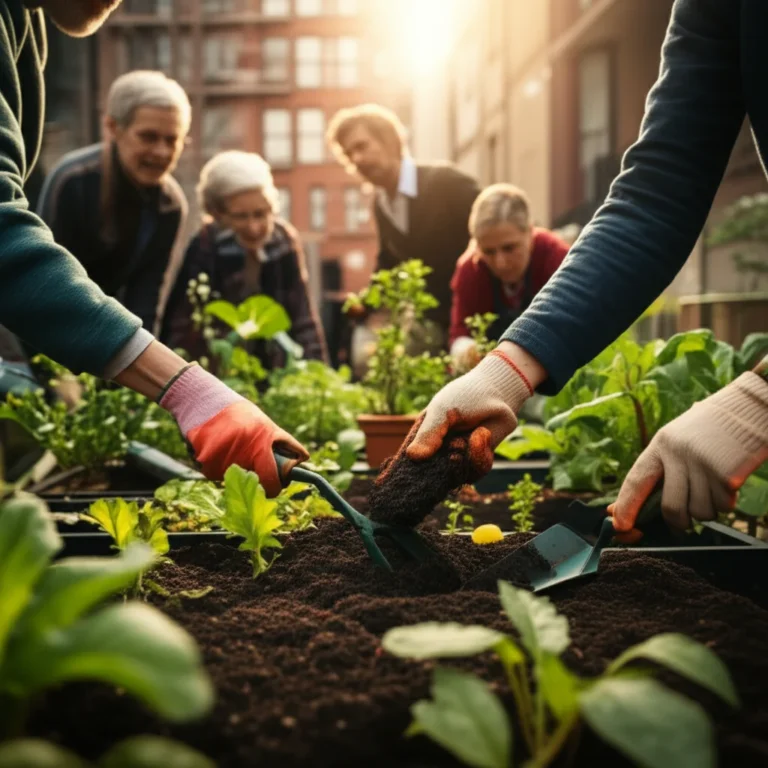
Imagine turning a forgotten city lot into a lush oasis bursting with fresh tomatoes, fragrant herbs, and buzzing pollinators. Urban gardening initiatives are doing just that—revitalizing neighborhoods, tackling food deserts, and reconnecting communities with nature. But this isn’t just about pretty plants on balconies; it’s a powerful movement reshaping how cities feed themselves and thrive sustainably.
In this comprehensive guide, we’ll explore 12 groundbreaking urban gardening projects from Detroit to Singapore, uncover the tech innovations fueling vertical farms, and share insider tips on starting your own community garden. Curious how a rooftop in New York can out-produce acres of farmland? Or how a simple trowel can become your best urban ally? Stick around—we’ve got the dirt on it all.
Key Takeaways
- Urban gardening initiatives are vital for combating food deserts and fostering community resilience.
- Innovative projects like the Michigan Urban Farming Initiative and Brooklyn Grange showcase diverse approaches—from agrihoods to rooftop farms.
- Technology such as hydroponics and vertical farming maximizes limited city space and conserves resources.
- Starting your own community garden requires teamwork, legal know-how, and smart design choices.
- Choosing the right tools, like Fiskars trowels and Smart Pots, can make urban gardening easier and more productive.
Welcome to the green revolution! We are the team at Community Gardening™, and we’ve spent years getting our fingernails dirty so you don’t have to—well, actually, we want you to get them dirty.
Ever looked at a vacant, trash-strewn lot and thought, “That would look better with a tomato plant”? Or wondered if your tiny fire escape could actually sustain a salad habit? You’re in the right place. Urban gardening initiatives are transforming “concrete jungles” into “edible Edens,” and we’re here to give you the dirt on how it’s happening, why it matters, and how you can jump in.
Table of Contents
- ⚡️ Quick Tips and Facts
- 🏙️ From Concrete Jungle to Edible Eden: The Evolution of Urban Agriculture
- 🌱 12 Game-Changing Urban Gardening Initiatives You Need to Know
- 🥦 The “Why”: Solving Food Deserts and Boosting Urban Resilience
- 🛠️ Essential Gear for the City Cultivator
- 🏗️ Navigating the Red Tape: Zoning, Soil Safety, and Squatter’s Rights
- 💧 Tech in the Trenches: Hydroponics and Vertical Farming Technology
- 🤝 How to Start Your Own Community-Led Greening Project
- 🌻 Conclusion
- 🔗 Recommended Links
- ❓ FAQ
- 📚 Reference Links
⚡️ Quick Tips and Facts
Before we dig deep, here’s a “cheat sheet” for the aspiring urban agrarian.
| Feature | Fact / Tip |
|---|---|
| Yield Potential | Urban gardens can produce up to 15 times more per acre than rural farms. |
| Soil Safety | ✅ Always test for lead and heavy metals in city soil before planting in-ground. |
| Watering | ❌ Don’t overhead water; use drip irrigation or self-watering containers to save H2O. |
| Top Brand | We recommend Fiskars for durable hand tools that survive city grit. |
| Space Hack | Use “Verticality”—trellises and wall-planters are your best friends. |
| Cool Fact | The Michigan Urban Farming Initiative has grown over 50,000 lbs of produce for the community! |
🏙️ From Concrete Jungle to Edible Eden: The Evolution of Urban Agriculture
History isn’t just about dusty books; it’s about dusty boots! Urban gardening isn’t a new “hipster” trend (though we do love a good artisanal kale). It’s a survival tactic.
During WWI and WWII, Victory Gardens popped up in backyards and public parks across the US and UK. At one point, these gardens produced nearly 40% of all vegetables consumed in the States! Fast forward to the 1970s in New York City, where Liz Christy and the “Green Guerrillas” started tossing “seed bombs” over fences into derelict lots.
Today, the movement has evolved from rebellious seed-slinging to sophisticated urban food security strategies. We’ve moved from simple raised beds to high-tech rooftop garden benefits like storm-water management and reducing the “Urban Heat Island” effect. We aren’t just growing food; we’re growing cooler, happier cities.
🌱 12 Game-Changing Urban Gardening Initiatives You Need to Know
If you thought the Michigan Urban Farming Initiative was the only player in the game, think again! Here are 12 incredible projects proving that the future of farming is metropolitan.
- Michigan Urban Farming Initiative (MUFI): Based in Detroit, they’ve turned a vacant neighborhood into a “Global Urban Agriculture Model.” They focus on food insecurity and community wealth.
- The Beacon Food Forest (Seattle): A massive “edible arboretum” where anyone can forage for free. It’s a public park you can eat!
- The Ron Finley Project (Los Angeles): The “Gangsta Gardener” himself turned parkways (the dirt strip between the sidewalk and the street) into food forests.
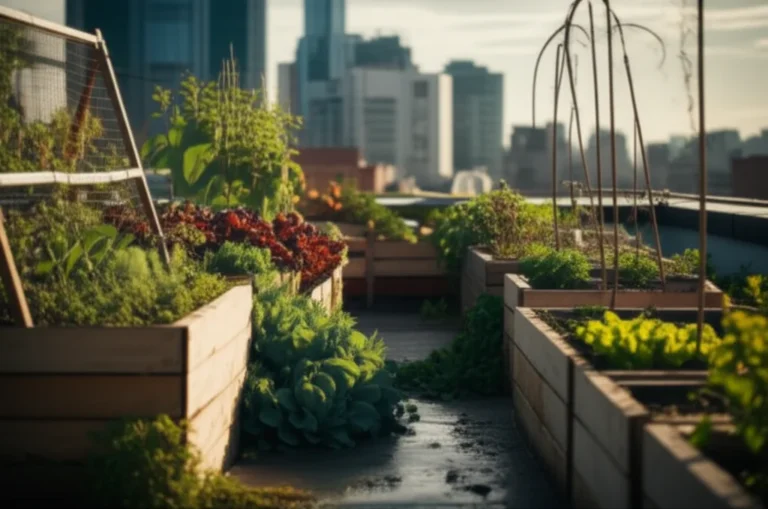
- Brooklyn Grange (NYC): Operating the world’s largest rooftop soil farms. They prove that skyscrapers can be as productive as Iowa cornfields.
- Lufa Farms (Montreal): Pioneers of the world’s first commercial rooftop greenhouse. They deliver fresh veggies to thousands of city dwellers year-round.
- Prinzessinnengarten (Berlin): A mobile garden in the heart of the city where everything is grown in recycled crates, allowing the garden to move if the land is sold.
- Sky Greens (Singapore): The world’s first low-carbon, water-driven, vertical farm. It’s basically a Ferris wheel for bok choy!
- Gotham Greens (Multiple Cities): They use high-tech hydroponic greenhouses to grow lettuce that hits your grocery store shelf hours after harvest.
- Incredible Edible (Todmorden, UK): Their motto? “If you eat, you’re in.” They’ve planted food all over town—even in front of the police station!
- Growing Power (Milwaukee/Chicago): Founded by Will Allen, this initiative revolutionized the use of vermicompost (worm poop!) to grow massive amounts of food in small spaces.
- AgLanta (Atlanta): A city-led initiative aiming to ensure 75% of residents are within a half-mile of fresh food by 2022.
- The Edible Schoolyard Project (Berkeley): Founded by Alice Waters, this initiative integrates gardening and cooking into the school curriculum.
🥦 The “Why”: Solving Food Deserts and Boosting Urban Resilience
Why do we do this? Because many city neighborhoods are food deserts—areas where the only “vegetable” you can find is the limp lettuce on a fast-food burger.
Urban gardening initiatives provide:
- Food Sovereignty: Giving communities control over what they eat.
- Mental Health: We call it “Dirt Therapy.” Getting your hands in the soil reduces cortisol.
- Biodiversity: Creating pollinator corridors for bees and butterflies who are tired of flying over endless asphalt.
🛠️ Essential Gear for the City Cultivator
You don’t need a tractor, but you do need the right kit. We’ve tested these in the toughest conditions (like a 4th-floor walk-up with no elevator).
- The “Indestructible” Trowel: We swear by the Fiskars Ergo Trowel. It won’t bend when you hit a buried brick from 1920.
- Smart Pots: These fabric bags (like Smart Pots) prevent root circling and are light enough to move.
- Indoor Tech: No sun? No problem. The AeroGarden Bounty Elite lets you grow herbs on your kitchen counter using vertical farming technology.
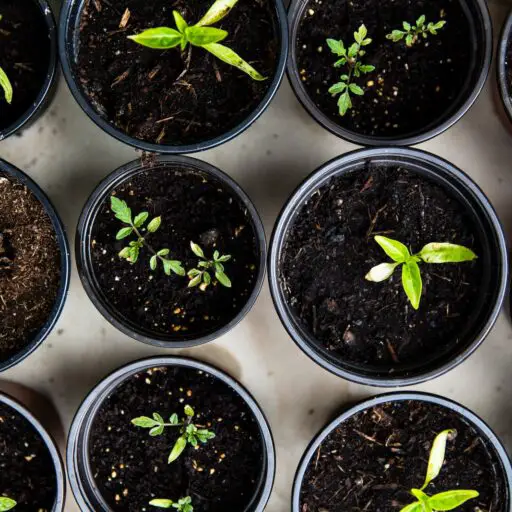
- Seed Starting: We love Back to the Roots for their easy, organic kits that are perfect for beginners.
🏗️ Navigating the Red Tape: Zoning, Soil Safety, and Squatter’s Rights
Here is where we get serious. You can’t just plant corn in the middle of Times Square (well, you could, but it wouldn’t last long).
- Soil Testing: City soil is often “spicy”—and not in a good way. Lead, arsenic, and old motor oil are common. Always use raised beds with a barrier or get a test from your local university extension.
- Zoning Laws: Check your local city ordinances. Some cities have “Right to Farm” acts, while others might fine you for a front-yard vegetable patch.
- Water Access: This is the #1 killer of community gardens. Ensure you have a legal water hookup or a massive rain barrel system.
💧 Tech in the Trenches: Hydroponics and Vertical Farming Technology
If you have more “wall” than “floor,” you need to look up! Vertical farming is the crown jewel of sustainable urban agriculture.
- Hydroponics: Growing plants in nutrient-rich water. It uses 90% less water than traditional farming.
- Aquaponics: A closed-loop system where fish provide the fertilizer for the plants, and the plants clean the water for the fish. It’s a tiny ecosystem in your basement!
🤝 How to Start Your Own Community-Led Greening Project
Ready to be the hero your neighborhood deserves? Here’s our “Quick-Start” guide:
- Find Your Tribe: Don’t do it alone. You need a “Green Team.”
- Identify the Land: Use tools like 596 Acres (if you’re in NYC) to find vacant public land.
- Get Permission: It’s better to have a lease than to have your hard work bulldozed.
- Start Small: A few Miracle-Gro bags and some tomato starts can change a neighborhood’s vibe instantly.
🌻 Conclusion

Urban gardening initiatives are more than just a hobby; they are a vital part of our future. Whether it’s a massive operation like the Michigan Urban Farming Initiative or just you and a pot of basil on your windowsill, you are part of a global movement toward urban food security and greener, more breathable cities.
So, what are you waiting for? The best time to plant a tree was twenty years ago; the second best time is right now (preferably after you finish your coffee). Go out there and turn some grey to green!
🔗 Recommended Links
- USDA Urban Agriculture Portal
- The American Community Gardening Association
- Fiskars Gardening Tools
- The Michigan Urban Farming Initiative Official Site
❓ FAQ

Q: Can I really grow enough food to eat in the city? A: You might not be 100% self-sufficient, but we’ve seen people grow 50 lbs of tomatoes on a single balcony! Focus on high-value crops like herbs, greens, and peppers.
Q: Is urban-grown food safe to eat? A: Yes, provided you manage your soil. If you use raised beds with fresh, organic soil, your veggies will likely be cleaner than the ones that traveled 2,000 miles in a truck.
Q: How do I deal with “human” pests (vandalism/theft)? A: The best defense is a good offense. Make the garden a community hub. When people feel ownership of the space, they protect it. Also, plant a “sacrifice row” near the fence for passersby!
📚 Reference Links
- National Center for Appropriate Technology (NCAT): Urban Agriculture Basics
- EPA: Brownfields and Urban Agriculture
- Journal of Environmental Management: Impact of Urban Gardens on City Microclimates
⚡️ Quick Tips and Facts
Before we dig into the nitty-gritty of soil and soul, here’s a “cheat sheet” for the aspiring urban agrarian. If you’re looking to get your hands dirty right away, check out our guide on the community vegetable garden project to see how a single plot can change a neighborhood.
| Feature | Fact / Tip |
|---|---|
| Yield Potential | Urban gardens can produce up to 15 times more per acre than rural farms due to intensive planting. |
| Soil Safety | ✅ Always test for lead and heavy metals in city soil before planting in-ground. Use raised beds if unsure. |
| Watering | ❌ Don’t overhead water; use drip irrigation or self-watering containers to save H2O and prevent disease. |
| Top Brand | We recommend Fiskars for durable hand tools that survive the rigors of city grit. |
| Space Hack | Use “Verticality”—trellises and wall-planters are your best friends in tight spaces. |
| Cool Fact | The Michigan Urban Farming Initiative has grown over 50,000 lbs of produce for the Detroit community! |
🏙️ From Concrete Jungle to Edible Eden: The Evolution of Urban Agriculture
History isn’t just about dusty books; it’s about dusty boots! Urban gardening isn’t a new “hipster” trend (though we do love a good artisanal kale). It’s a survival tactic that has evolved through necessity.
During WWI and WWII, Victory Gardens popped up in backyards and public parks across the US and UK. At one point, these gardens produced nearly 40% of all vegetables consumed in the States! Fast forward to the 1970s in New York City, where Liz Christy and the “Green Guerrillas” started tossing “seed bombs” over fences into derelict lots. This rebellious spirit birthed the modern movement, highlighting the many Benefits of Community Gardens that we enjoy today.
Today, the movement has shifted from simple survival to sophisticated urban food security strategies. We’ve moved from simple raised beds to high-tech rooftop garden benefits like storm-water management and reducing the “Urban Heat Island” effect. But here’s a question to chew on: Can a city truly feed itself, or are these gardens just a green band-aid on a concrete wound? We’ll explore the answer as we look at the tech driving these changes.
🌱 12 Game-Changing Urban Gardening Initiatives You Need to Know
If you thought the Michigan Urban Farming Initiative was the only player in the game, think again! While MUFI focuses on creating “America’s First Sustainable Agrihood” in Detroit, other organizations take different approaches. For instance, The Urban Garden Initiative (TUGI) focuses heavily on youth empowerment and international chapters.
Here are 12 incredible projects proving that the future of farming is metropolitan:
- Michigan Urban Farming Initiative (MUFI): Based in Detroit, they’ve turned a vacant neighborhood into a “Global Urban Agriculture Model.” They focus on food insecurity and community wealth by transforming distressed properties into productive hubs.
- The Beacon Food Forest (Seattle): A massive “edible arboretum” where anyone can forage for free. It’s a public park you can eat!
- The Ron Finley Project (Los Angeles): The “Gangsta Gardener” himself turned parkways (the dirt strip between the sidewalk and the street) into food forests to combat food deserts.
- Brooklyn Grange (NYC): Operating the world’s largest rooftop soil farms. They prove that skyscrapers can be as productive as Iowa cornfields.
- Lufa Farms (Montreal): Pioneers of the world’s first commercial rooftop greenhouse. They deliver fresh veggies to thousands of city dwellers year-round.
- Prinzessinnengarten (Berlin): A mobile garden in the heart of the city where everything is grown in recycled crates, allowing the garden to move if the land is sold.
- Sky Greens (Singapore): The world’s first low-carbon, water-driven, vertical farm. It’s basically a Ferris wheel for bok choy!
- Gotham Greens (Multiple Cities): They use high-tech hydroponic greenhouses to grow lettuce that hits your grocery store shelf hours after harvest.
- Incredible Edible (Todmorden, UK): Their motto? “If you eat, you’re in.” They’ve planted food all over town—even in front of the police station!
- Growing Power (Milwaukee/Chicago): Founded by Will Allen, this initiative revolutionized the use of vermicompost (worm poop!) to grow massive amounts of food in small spaces.
- AgLanta (Atlanta): A city-led initiative aiming to ensure 75% of residents are within a half-mile of fresh food.
- The Edible Schoolyard Project (Berkeley): Founded by Alice Waters, this initiative integrates gardening and cooking into the school curriculum.
As seen in the featured video, initiatives in NYC are particularly focused on environmental justice. While MUFI focuses on land restoration and TUGI on youth education, the NYC movement emphasizes that “human beings need to be connected to nature” through the common language of food.
🥦 The “Why”: Solving Food Deserts and Boosting Urban Resilience
Why do we do this? Because many city neighborhoods are food deserts—areas where the only “vegetable” you can find is the limp lettuce on a fast-food burger.
According to a systematic review published in the Journal of Public Health, urban gardening initiatives provide:
- Physical Health: Studies show a significant reduction in BMI and an increase in fruit and vegetable intake among participants.
- Mental Well-being: We call it “Dirt Therapy.” The research confirms reduced stress, anxiety, and depression.
- Social Cohesion: Gardening reinforces social ties and community capacity. As the study notes, “Involving citizens in engaging activities like gardening may reinforce social ties.”
- Environmental Impact: TUGI highlights that cities generate up to 70% of greenhouse gas emissions. Urban gardens help mitigate this by reducing food miles and cooling the air.
🛠️ Essential Gear for the City Cultivator
You don’t need a tractor, but you do need the right kit. We’ve tested these in the toughest conditions (like a 4th-floor walk-up with no elevator). Here is how our favorite brands stack up:
Community Gardening™ Pro-Gear Ratings
| Product | Design | Durability | Ease of Use | Urban Versatility | Overall Rating |
|---|---|---|---|---|---|
| Fiskars Ergo Trowel | 9/10 | 10/10 | 9/10 | 8/10 | 9.0 |
| Smart Pots (Fabric) | 7/10 | 8/10 | 10/10 | 10/10 | 8.8 |
| AeroGarden Bounty | 10/10 | 8/10 | 9/10 | 10/10 | 9.3 |
1. The “Indestructible” Trowel: Fiskars Ergo
We swear by the Fiskars Ergo Trowel. It features a cast-aluminum head that won’t bend when you hit a buried brick from a 1920s tenement building. The ergonomic handle reduces hand fatigue, which is vital when you’re digging through compacted city soil.
- Pros: Rust-resistant, lifetime warranty, incredibly strong.
- Cons: A bit heavier than plastic alternatives.
👉 Shop Fiskars on:
- Fiskars Trowel: Amazon | Walmart | Fiskars Official
2. Smart Pots: The Rooftop Savior
If you’re gardening on a balcony or rooftop, weight and drainage are your biggest enemies. Smart Pots are fabric containers that “air prune” roots, preventing them from circling and becoming root-bound.
- Pros: Lightweight, foldable for storage, excellent aeration.
- Cons: Soil dries out faster than in plastic pots; requires more frequent watering.
👉 Shop Smart Pots on:
- Smart Pots: Amazon | Etsy | Smart Pots Official
3. AeroGarden Bounty Elite: Indoor Tech
No sun? No problem. The AeroGarden Bounty Elite uses vertical farming technology to grow herbs and small veggies on your kitchen counter. It’s a “set it and forget it” system that’s perfect for busy city dwellers.
- Pros: High yield in tiny spaces, built-in grow lights, vacation mode.
- Cons: Requires electricity and proprietary seed pods (though you can buy “grow anything” kits).
👉 Shop AeroGarden on:
- AeroGarden: Amazon | Walmart | AeroGarden Official
🏗️ Navigating the Red Tape: Zoning, Soil Safety, and Squatter’s Rights
Here is where we get serious. You can’t just plant corn in the middle of a public plaza without a plan. Understanding Community Garden Policies is the difference between a thriving garden and a legal headache.
The Safety First Protocol
- The Lead Litmus Test: City soil is often “spicy”—and not in a good way. Lead from old paint and arsenic from treated wood are common. Always use a soil testing kit from a reputable lab (like your local University Extension).
- The Raised Bed Solution: If your soil is contaminated, don’t panic. Build raised beds and line the bottom with landscape fabric to prevent roots from reaching the “bad” dirt.
- Zoning & Permits: Some cities, like Detroit (thanks to MUFI’s influence), have become very friendly to urban farms. Others might classify your tomato plants as “weeds” if they grow over a certain height. Check your local municipal code before you dig.
💧 Tech in the Trenches: Hydroponics and Vertical Farming Technology
If you have more “wall” than “floor,” you need to look up! Vertical farming is the crown jewel of sustainable urban agriculture. We love exploring new Garden Design Ideas that utilize every square inch of vertical space.
Comparison: Soil vs. Hydroponics
| Feature | Soil Gardening | Hydroponics |
|---|---|---|
| Water Usage | High (evaporation/runoff) | 90% Lower (recirculating) |
| Growth Rate | Standard | 30-50% Faster |
| Setup Cost | Low | High |
| Flavor | Complex (terroir) | Clean/Consistent |
Hydroponics involves growing plants in a nutrient-rich water solution. It’s how companies like Gotham Greens produce millions of heads of lettuce in the middle of industrial zones. For the home gardener, systems like the Tower Garden allow you to grow 20+ plants in a 2-foot diameter space.
🤝 How to Start Your Own Community-Led Greening Project
Ready to be the hero your neighborhood deserves? We’ve helped dozens of groups get started. It’s a marathon, not a sprint!
Step-by-Step: From Lot to Plot
- Form a “Green Team”: You need at least 3-5 committed people. Gardening alone is hard; gardening with friends is a party. Check out Community Garden Events to find like-minded folks.
- Secure the Land: Use tools like 596 Acres to find vacant public land. Contact the owner and ask for a “License to Use” or a low-cost lease.
- Design for Success: Plan your layout. Include a compost area, a tool shed, and plenty of Edible Plants that are easy for beginners, like radishes and Swiss chard.
- The “Grand Opening”: Host a work-day. Invite the neighbors, play some music, and get those first seeds in the ground.
But wait—what happens when the first winter frost hits or a developer eyes your beautiful green space? We’ll tackle the long-term sustainability of these projects in our final thoughts.
🌻 Conclusion

Urban gardening initiatives are not just a trend—they are a vital movement reshaping how cities feed themselves, build community, and heal the environment. From the pioneering efforts of the Michigan Urban Farming Initiative transforming Detroit’s vacant lots into thriving agrihoods, to high-tech vertical farms like Gotham Greens and AeroGarden systems bringing fresh produce indoors, the spectrum of urban agriculture is vast and inspiring.
We’ve seen how these projects tackle food deserts, boost mental and physical health, and foster social cohesion. The question we posed earlier—Can a city truly feed itself?—finds a nuanced answer here: while full self-sufficiency may be a stretch for mega-cities, urban gardens significantly supplement food access, reduce carbon footprints, and create resilient communities.
For the city gardener, choosing the right tools is crucial. Our top picks—the Fiskars Ergo Trowel, Smart Pots, and AeroGarden Bounty Elite—each shine in their niche. Fiskars offers durability and comfort for tough soil; Smart Pots bring lightweight, breathable containers perfect for balconies; and AeroGarden makes year-round indoor growing a breeze. Each has pros and cons, but together they cover the gamut of urban gardening needs.
Ultimately, urban gardening is a journey of patience, community, and creativity. Whether you’re planting your first tomato seed or spearheading a neighborhood greening project, remember: every leaf turned green is a victory against the concrete. So, grab your trowel, rally your neighbors, and let’s grow together.
🔗 Recommended Links
👉 Shop Essential Urban Gardening Gear:
-
Fiskars Ergo Trowel:
Amazon | Walmart | Fiskars Official Website -
Smart Pots Fabric Grow Bags:
Amazon | Etsy | Smart Pots Official Website -
AeroGarden Bounty Elite Indoor Garden:
Amazon | Walmart | AeroGarden Official Website
Recommended Books for Urban Gardeners:
-
The Urban Farmer by Curtis Stone — A practical guide to growing food in small spaces.
Amazon Link -
Edible City: A Practical Guide to Growing Food in Town by John Riddington — Inspiring stories and how-tos for city dwellers.
Amazon Link -
The Community Garden Cookbook by Ellen Ecker Ogden — Recipes and stories from community gardens worldwide.
Amazon Link
❓ FAQ

What are some successful examples of urban gardening initiatives around the world?
Urban gardening initiatives vary widely but share a common goal: bringing food production into cities. The Michigan Urban Farming Initiative in Detroit revitalizes vacant lots into agrihoods. The Beacon Food Forest in Seattle offers a public edible park. Brooklyn Grange operates massive rooftop farms in NYC, while Sky Greens in Singapore uses vertical farming technology to grow crops in limited space. Each initiative adapts to local needs but collectively demonstrates urban agriculture’s potential to improve food access and community well-being.
How do urban gardening initiatives promote community engagement and social inclusion?
Gardens are natural gathering places. They provide a shared purpose that crosses cultural and socioeconomic divides. According to research from the Journal of Public Health, community gardens improve social ties and build community capacity. Events like planting days, harvest festivals, and educational workshops foster inclusion and empower residents. This social cohesion reduces isolation and builds resilience, turning neighborhoods into supportive ecosystems.
What resources are available to support urban gardening initiatives?
Many nonprofits, government programs, and online platforms provide support. Tools like 596 Acres help locate vacant land. Organizations such as the American Community Gardening Association offer resources on best practices and policies. Local university extensions often provide soil testing and gardening advice. For youth engagement, programs like The Urban Garden Initiative offer educational workshops and leadership opportunities.
How can I start or join an urban gardening initiative in my city?
Start by connecting with local community groups or municipal programs. Attend Community Garden Events to meet gardeners and learn about existing projects. If you want to start your own, form a committed team, identify potential land (public or private), and secure permission or leases. Begin small with raised beds or container gardens, and grow your project organically. Resources like Community Garden Policies can guide you through legal and zoning considerations.
What plants are best suited for urban gardening projects?
Urban gardens thrive with plants that are space-efficient, fast-growing, and resilient. Leafy greens like kale, spinach, and Swiss chard are favorites because they grow quickly and tolerate container life. Herbs such as basil, mint, and parsley add flavor and are easy to manage. Tomatoes, peppers, and radishes also perform well in raised beds or pots. For vertical gardens, peas and beans climb beautifully. Choosing plants adapted to your local climate and season is key to success.
How do urban gardening initiatives promote environmental sustainability?
Urban gardens reduce food miles, lowering greenhouse gas emissions associated with transportation. They improve air quality, increase biodiversity by providing habitats for pollinators, and mitigate urban heat island effects through vegetation cover. Many initiatives incorporate composting, reducing landfill waste, and use rainwater harvesting to conserve water. Vertical and hydroponic systems optimize space and resource use, making urban farming a model of sustainable agriculture.
📚 Reference Links
- National Center for Appropriate Technology (NCAT): Urban Agriculture Basics
- Environmental Protection Agency (EPA): Brownfields and Urban Agriculture
- Journal of Public Health: Community Gardens and Health Outcomes
- The Urban Garden Initiative: Official Website
- Michigan Urban Farming Initiative: About MUFI
- American Community Gardening Association: Community Gardening Resources
- Fiskars: Official Website
- Smart Pots: Official Website
- AeroGarden: Official Website
Ready to dig in? Remember, every seed you plant is a step toward greener, healthier cities. Let’s grow together! 🌿