Support our educational content for free when you purchase through links on our site. Learn more

Imagine stepping into a community garden where every plot bursts with vibrant greens, colorful blooms, and fresh veggies—no matter the season. At Community Gardening™, we’ve witnessed how mastering seasonal planting transforms ordinary soil into a year-round food oasis that feeds bodies and souls alike. Did you know that gardeners who align their crops with seasonal cycles not only boost their harvests but also increase their daily vegetable intake significantly? (A Denver study found an average increase of 0.63 servings per day!) 🌱
In this comprehensive guide, we’ll walk you through everything from the best spring veggies to plant, to clever winter gardening hacks, and even how to organize your community’s planting calendar for maximum success. Plus, we’ll share inspiring stories from gardens worldwide and expert troubleshooting tips to keep your crops flourishing through every frost and heatwave. Ready to dig in and grow together? Let’s get planting!
Key Takeaways
- Seasonal planting aligns crops with climate cycles, boosting yields and garden health.
- Spring, summer, fall, and winter each offer unique crops and strategies for success.
- Tools like raised beds, composters, and garden planner apps make year-round gardening manageable.
- Community collaboration and pollinator-friendly practices enhance productivity and biodiversity.
- Crop rotation and companion planting reduce pests and improve soil fertility naturally.
By embracing these seasonal planting secrets, your community garden can become a vibrant, sustainable hub that nourishes everyone involved—through every season of the year!
Table of Contents
- ⚡️ Quick Tips and Facts for Seasonal Planting in Community Gardens
- 🌱 Growing Roots: The History and Evolution of Seasonal Planting in Community Gardens
- 🌦️ Understanding Seasonal Cycles: How Climate and Weather Shape Community Garden Success
- 🛠️ Essential Tools and Supplies for Year-Round Community Gardening
- 🌿 1. Best Vegetables and Herbs for Spring Planting in Community Gardens
- ☀️ 2. Summer Planting Strategies: Maximizing Growth and Harvest
- 🍂 3. Fall Planting: Extending the Growing Season with Cool-Weather Crops
- ❄️ 4. Winter Gardening in Community Plots: Tips for Cold-Season Success
- 🌍 Soil Health and Seasonal Composting: Building Fertile Ground for Every Season
- 🐝 Pollinators and Seasonal Planting: Boosting Biodiversity in Community Gardens
- 👩🌾 Community Collaboration: Organizing Seasonal Planting Schedules and Volunteer Efforts
- 📅 Planning Your Garden Calendar: Tools and Apps for Seasonal Success
- 🌾 Crop Rotation and Companion Planting: Seasonal Techniques for Pest Control and Soil Fertility
- 💧 Watering Wisely: Seasonal Irrigation Tips for Thriving Community Gardens
- 🌟 Success Stories: Inspiring Seasonal Planting Projects from Community Gardens Around the World
- 🔍 Troubleshooting Seasonal Planting Challenges: Common Problems and Expert Solutions
- 📚 Recommended Resources and Gardening Guides for Seasonal Community Gardens
- 🎯 Conclusion: Mastering the Art of Seasonal Planting in Community Gardens
- 🔗 Recommended Links for Community Garden Enthusiasts
- ❓ FAQ: Your Burning Questions About Seasonal Planting in Community Gardens Answered
- 📖 Reference Links and Further Reading
⚡️ Quick Tips and Facts for Seasonal Planting in Community Gardens
Welcome to the vibrant world of seasonal planting in community gardens! At Community Gardening™, we’ve seen firsthand how timing your crops with the seasons can transform a patch of soil into a thriving oasis of fresh veggies, herbs, and flowers. Here’s a quick hit list to get you growing smart and steady:
- ✅ Seasonal planting boosts vegetable intake: A randomized controlled trial in Denver showed gardeners increased their vegetable servings by 0.63 per day, largely thanks to seasonal eating habits cultivated in community gardens (PMC Article).
- ✅ Choose crops that fit your climate and schedule: Low-maintenance plants like kale, Swiss chard, and garlic are perfect for community plots where daily visits aren’t always possible (Creative Vegetable Gardener).
- ✅ Soil health is king: Seasonal composting and cover crops keep your soil fertile and ready for the next planting cycle.
- ✅ Plan for pollinators: Seasonal blooms attract bees and butterflies, improving yields and biodiversity.
- ✅ Use tools and apps: Garden planners like the Smart Start Garden Planner help you schedule planting and harvesting with precision.
Curious how to juggle all this? Stick with us—we’ll unpack every detail and share stories from our own community plots that will make you want to grab your gloves and get planting today! 🌿
🌱 Growing Roots: The History and Evolution of Seasonal Planting in Community Gardens
Community gardens are more than just shared green spaces—they’re living legacies of food sovereignty, cultural exchange, and ecological stewardship. Seasonal planting has been at the heart of this movement for decades, evolving from wartime victory gardens to vibrant urban hubs.
- Early Roots: During World War II, victory gardens encouraged citizens to grow their own food, often planting seasonally to maximize yields. This spirit of self-reliance laid the groundwork for modern community gardens.
- Urban Renaissance: In the 1970s and ‘80s, community gardens blossomed in cities as a response to urban decay, with seasonal planting schedules helping gardeners adapt to limited space and changing climates.
- Modern Movement: Today, organizations like Denver Urban Gardens emphasize seasonal awareness to foster resilience and local food sovereignty (DUG Article). Seasonal planting is now recognized as a powerful tool for ecological health and community empowerment.
Our own experience echoes this history: we’ve watched plots transform from barren lots into lush, productive gardens by simply respecting the rhythms of the seasons. It’s like nature’s own calendar guiding your green thumb! 📅
🌦️ Understanding Seasonal Cycles: How Climate and Weather Shape Community Garden Success
Before you plant that first seed, understanding your local climate and seasonal cycles is crucial. Seasons dictate what you can grow, when to plant, and how to care for your crops.
Key Seasonal Factors to Consider:
- Frost Dates: Know your last spring frost and first fall frost dates. These are your planting boundaries.
- Temperature Ranges: Some crops thrive in cool weather (like broccoli), others need heat (like tomatoes).
- Rainfall Patterns: Seasonal rains can reduce watering needs but also increase disease risk.
- Daylight Hours: Longer days in summer boost growth; shorter days in winter slow it down.
How This Affects Community Gardens:
- Crop Selection: Choose varieties suited to your zone’s seasonal patterns. For example, kale and Swiss chard tolerate frost, making them fall and winter heroes.
- Planting Schedule: Succession planting—staggering crops to harvest continuously—is a seasonal strategy that keeps your garden productive.
- Soil Preparation: Seasonal composting and cover crops protect soil from erosion and replenish nutrients during off-seasons.
By syncing your garden with nature’s clock, you’ll avoid the heartbreak of frostbitten seedlings or wilted summer crops. It’s like dancing with Mother Nature rather than stepping on her toes! 💃🌱
🛠️ Essential Tools and Supplies for Year-Round Community Gardening
A gardener is only as good as their tools—and in community gardens, where you share space and resources, having the right gear is a game-changer.
| Tool / Supply | Purpose | Recommended Brands / Products | Rating (1-10) |
|---|---|---|---|
| Garden Trowel | Planting, digging small holes | Fiskars Softouch Garden Trowel (Amazon) | 9 |
| Soil Thermometer | Monitor soil temperature | REOTEMP Garden Soil Thermometer (Amazon) | 8 |
| Raised Bed Kits | Improve soil drainage & accessibility | Greenes Fence Cedar Raised Garden Bed (Amazon) | 8 |
| Compost Bin | Seasonal composting | FCMP Outdoor IM4000 Tumbling Composter (Amazon) | 9 |
| Drip Irrigation Kit | Efficient watering | Raindrip R560DP Automatic Watering Kit (Amazon) | 8 |
| Garden Planner App | Scheduling & reminders | Smart Start Garden Planner (Official Site) | 9 |
Why These Tools Matter
- Trowels and soil thermometers help you plant at the perfect depth and temperature, crucial for seasonal success.
- Raised beds warm faster in spring and drain better, extending your growing season.
- Compost bins turn garden waste into nutrient-rich soil amendments, supporting seasonal soil health.
- Drip irrigation conserves water and delivers moisture directly to roots, essential during hot summer months.
- Garden planner apps keep your seasonal schedule on track, reminding you when to plant, water, and harvest.
Our gardeners swear by the Fiskars trowel for its ergonomic grip and durability, and the FCMP tumbler composter has revolutionized our seasonal soil prep. What tools do you rely on? Share with us in the comments! 🛠️🌻
🌿 1. Best Vegetables and Herbs for Spring Planting in Community Gardens
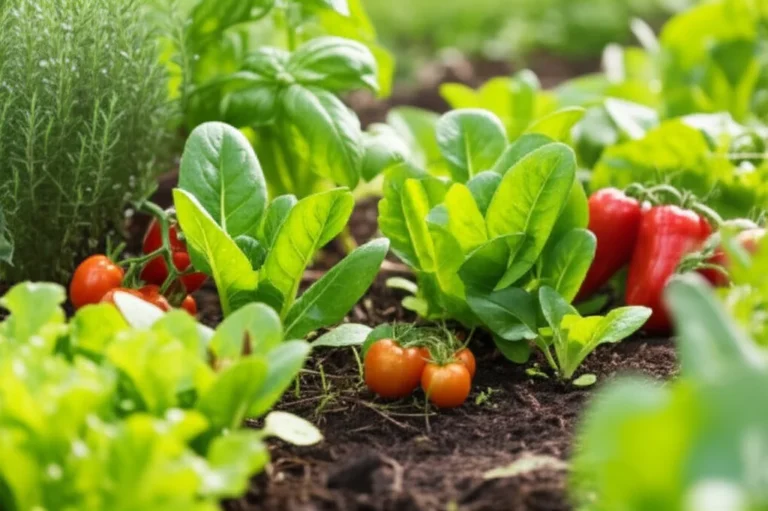
Spring is the season of hope—and the perfect time to kick off your community garden with fresh, fast-growing crops. Here’s our top picks for spring planting that balance ease, yield, and flavor:
| Vegetable / Herb | Days to Harvest | Maintenance Level | Benefits for Community Gardens |
|---|---|---|---|
| Kale | 50-65 | Low | Frost-tolerant, nutrient-dense |
| Radishes | 25-30 | Low | Quick harvest, great for beginners |
| Peas | 60-70 | Medium | Nitrogen-fixing, supports soil health |
| Basil | 60-90 | Medium | Culinary favorite, attracts pollinators |
| Spinach | 40-50 | Low | Cold-hardy, continuous harvest |
| Carrots | 70-80 | Medium | Root crop, stores well |
Tips for Spring Success
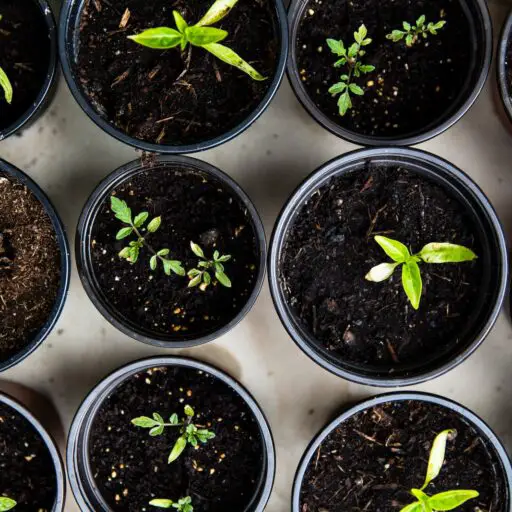
- Start seeds indoors 4-6 weeks before last frost to get a jump on the season.
- Use row covers to protect tender seedlings from late frosts.
- Incorporate compost into beds before planting to boost fertility.
- Plant peas early; they thrive in cool soil and improve nitrogen levels for following crops.
Our community garden’s spring ritual includes planting kale and radishes side by side—radishes mature fast and clear space for kale to flourish. It’s a win-win! 🌱
☀️ 2. Summer Planting Strategies: Maximizing Growth and Harvest
Summer is the time to go big or go home—and in community gardens, that means maximizing your harvest with heat-loving crops and smart watering.
| Crop | Days to Harvest | Water Needs | Maintenance Level | Notes |
|---|---|---|---|---|
| Tomatoes | 60-85 | High | Medium | Choose disease-resistant varieties |
| Peppers | 60-90 | Medium | Medium | Sweet and hot varieties available |
| Eggplant | 70-85 | Medium | Medium | Requires staking |
| Cucumbers | 50-70 | High | Medium | Train on trellis to save space |
| Basil | 60-90 | Medium | Medium | Pinch regularly to prevent flowering |
Summer Care Tips
- Mulch heavily to retain soil moisture and suppress weeds.
- Water deeply and early in the day to reduce evaporation and fungal diseases.
- Use shade cloth during extreme heat waves to protect sensitive plants.
- Practice succession planting with fast growers like bush beans to keep the harvest coming.
One of our gardeners swears by the “Italian Frying Pepper” for summer plots—low maintenance, prolific, and perfect for fresh eating or drying. What’s your summer superstar? 🍅🌶️
🍂 3. Fall Planting: Extending the Growing Season with Cool-Weather Crops
Don’t pack up your tools just yet! Fall planting lets you squeeze extra bounty from your garden with crops that love the crisp air.
| Crop | Days to Harvest | Frost Tolerance | Benefits |
|---|---|---|---|
| Broccoli | 60-100 | High | Nutrient-rich, stores well |
| Cabbage | 70-120 | High | Great for fermentation projects |
| Garlic | 180+ (planted fall) | Very High | Planted in fall, harvested next summer |
| Leeks | 110-120 | High | Long season, minimal space |
| Swiss Chard | 50-60 | High | Continuous harvest, colorful |
Fall Planting Strategies
- Plant garlic cloves in late fall for a summer harvest next year.
- Use cold frames or row covers to protect tender crops from early frost.
- Harvest leafy greens regularly to encourage new growth.
- Consider fermenting cabbage into sauerkraut or curtido to preserve your harvest (Fermentation Guide).
Our community garden’s fall highlight? A kale and cabbage patch that feeds volunteers well into November. Plus, the pride of fermenting your own sauerkraut is unbeatable! 🥬
❄️ 4. Winter Gardening in Community Plots: Tips for Cold-Season Success
Think winter means a garden graveyard? Think again! With the right techniques, you can keep growing through the cold months.
Winter Gardening Essentials
- Cold-hardy crops: Kale, collards, Brussels sprouts, and certain root vegetables thrive in winter.
- Season extension tools: Use hoop houses, cold frames, and mulch to protect plants from frost.
- Soil preparation: Mulch heavily to insulate soil and prevent erosion.
- Crop selection: Choose varieties bred for cold tolerance.
Our experience at the Tony Lenzo Lynbrook Community Garden (see the featured video) shows how layering wood chips and leaves creates a warm bed for winter brassicas like broccoli and kale. Even in December, the garden buzzed with life! ❄️🌿
🌍 Soil Health and Seasonal Composting: Building Fertile Ground for Every Season
Healthy soil is the foundation of any successful seasonal garden. Here’s how to keep your community garden soil rich and ready year-round:
Seasonal Composting Basics
- Collect kitchen scraps, garden waste, and autumn leaves.
- Use a tumbling composter like the FCMP Outdoor IM4000 for faster breakdown (Amazon).
- Turn compost regularly to aerate and speed decomposition.
- Harvest finished compost to amend beds before planting.
Cover Crops and Green Manures
- Plant cover crops like clover or rye in fall to prevent erosion and add nitrogen.
- Incorporate cover crops into soil in spring as green manure.
Our gardeners swear by sheet mulching (cardboard topped with wood chips and leaves) to build soil volume without disturbing fungal networks, as demonstrated in the featured video. This method supports soil life and moisture retention—a win-win! 🌱🪱
🐝 Pollinators and Seasonal Planting: Boosting Biodiversity in Community Gardens
Pollinators are the unsung heroes of your garden’s seasonal success. Without bees, butterflies, and other beneficial insects, many crops wouldn’t produce fruit.
How to Support Pollinators Seasonally
- Plant a variety of flowering plants that bloom throughout the growing season.
- Include native wildflowers and herbs like lavender, echinacea, and basil.
- Avoid pesticides and herbicides that harm beneficial insects.
- Provide water sources and shelter (e.g., bee hotels).
Our gardeners love planting sunflowers in summer—not just for their beauty but because they produce secondary metabolites that help bees heal themselves, a fascinating natural synergy highlighted in the featured video. 🐝🌻
👩🌾 Community Collaboration: Organizing Seasonal Planting Schedules and Volunteer Efforts
Community gardens thrive on teamwork. Organizing planting schedules and volunteer shifts ensures everyone shares the workload and enjoys the harvest.
Tips for Successful Collaboration
- Create a shared calendar with planting, watering, and harvesting dates.
- Assign crop responsibilities based on gardeners’ availability and expertise.
- Host seasonal planting parties to build camaraderie and share knowledge.
- Use online tools like Google Calendar or Trello for coordination.
At Community Gardening™, we’ve found that seasonal planting parties not only boost productivity but also deepen connections—because growing together is about more than just plants! 🌿🤝
📅 Planning Your Garden Calendar: Tools and Apps for Seasonal Success
Keeping track of what to plant and when can be overwhelming. Luckily, technology is here to help.
| Tool / App | Features | Best For | Link |
|---|---|---|---|
| Smart Start Garden Planner | Customizable planting schedules, reminders | Beginners & experienced gardeners | Official Site |
| Gardenate | Regional planting calendars, crop guides | Mobile users | Gardenate Website |
| GrowVeg | Interactive garden planner, crop rotation | Advanced planning | GrowVeg Website |
Using these tools, you can input your location and get tailored planting dates, reminders, and tips—perfect for managing a community garden’s seasonal complexity.
🌾 Crop Rotation and Companion Planting: Seasonal Techniques for Pest Control and Soil Fertility
Seasonal planting isn’t just about timing—it’s also about smart planting patterns that protect your soil and crops.
Crop Rotation
- Rotate plant families each season to reduce pest buildup and nutrient depletion.
- Example rotation: legumes (peas, beans) → leafy greens (lettuce, kale) → root crops (carrots, beets).
Companion Planting
- Plant mutually beneficial crops together, e.g., tomatoes with basil to improve flavor and repel pests.
- Avoid planting antagonistic pairs like onions near beans.
Our gardeners have seen fewer pests and healthier plants by rotating crops annually and using companion planting strategies, making seasonal planting a holistic practice. 🌱🐞
💧 Watering Wisely: Seasonal Irrigation Tips for Thriving Community Gardens
Water needs change with the seasons, and watering wisely can save resources and improve plant health.
Seasonal Watering Guidelines
- Spring: Moderate watering as soil warms; avoid waterlogging seedlings.
- Summer: Deep, early morning watering to combat heat stress and evaporation.
- Fall: Gradually reduce watering as temperatures drop.
- Winter: Minimal watering; focus on protecting soil moisture with mulch.
Drip irrigation kits like the Raindrip R560DP (Amazon) are perfect for community gardens, delivering water efficiently and reducing waste.
🌟 Success Stories: Inspiring Seasonal Planting Projects from Community Gardens Around the World
Nothing inspires like real stories from the soil! Here are a few gems from community gardens embracing seasonal planting:
- Denver Urban Gardens (DUG): Their seasonal planting programs increased vegetable intake and fostered pride and connection among participants (PMC Study).
- Tony Lenzo Lynbrook Community Garden: Using permaculture and sheet mulching, they created a thriving winter garden with brassicas and pollinator-friendly plants (see featured video).
- Creative Vegetable Gardener: Focuses on low-maintenance, seasonally appropriate crops that fit gardeners’ busy lives (Creative Vegetable Gardener).
These stories show how seasonal planting is not just a technique—it’s a community-building, health-boosting, and joy-sparking practice! 🌍🌿
🔍 Troubleshooting Seasonal Planting Challenges: Common Problems and Expert Solutions
Even the best-laid seasonal plans can hit snags. Here’s how to tackle common issues:
| Problem | Cause | Solution |
|---|---|---|
| Seedlings failing to emerge | Cold soil, poor seed quality | Use soil thermometer; start seeds indoors |
| Pest outbreaks | Monoculture, poor crop rotation | Implement companion planting and crop rotation |
| Soil nutrient depletion | Overplanting, lack of compost | Add seasonal compost and cover crops |
| Water stress | Inconsistent watering | Install drip irrigation; mulch to retain moisture |
| Early frost damage | Unexpected weather changes | Use row covers or cold frames |
Our gardeners learned the hard way that planting seedlings directly into uncomposted wood chips slowed growth—so now we plant seedlings into compost mounds to avoid nitrogen competition (see featured video). Lesson learned! 🌱🛠️
📚 Recommended Resources and Gardening Guides for Seasonal Community Gardens
Want to dive deeper? Here are our top picks for expert advice and planning tools:
- Books:
- The Vegetable Gardener’s Bible by Edward C. Smith — comprehensive guide on seasonal planting and soil health.
- Carrots Love Tomatoes by Louise Riotte — classic on companion planting.
- Websites:
- Community Gardening™ — for local events, policies, and design ideas.
- Denver Urban Gardens — resources on food sovereignty and seasonal planting.
- Apps:
- Smart Start Garden Planner (Official Site)
- Gardenate (Gardenate Website)
These resources will help you master seasonal planting and build a thriving community garden that feeds bodies and souls alike. 🌿📖
🎯 Conclusion: Mastering the Art of Seasonal Planting in Community Gardens
We’ve journeyed through the seasons, from the hopeful shoots of spring to the frosty resilience of winter crops, uncovering the secrets that make seasonal planting in community gardens not just a practice, but a way of life. Our Community Gardening™ team has seen how aligning your garden with nature’s rhythms leads to healthier soil, happier plants, and more engaged communities.
Remember the Denver RCT study? It showed that seasonal planting doesn’t just increase vegetable intake—it fosters pride, connection, and a deeper appreciation for food quality (PMC Article). That’s the magic of growing together.
Whether you’re wielding a Fiskars trowel, planning with Smart Start Garden Planner, or nurturing your soil with FCMP composters, these tools and techniques empower you to grow smarter, not harder. And if you ever wondered how to keep your garden thriving year-round, now you know: it’s all about respecting the seasons, collaborating with your community, and embracing the dance of nature.
So, what’s next? Grab your gloves, rally your neighbors, and start planting your way through the seasons. Because in community gardening, every seed sown is a step toward a healthier, more connected world. 🌍🌿
🔗 Recommended Links for Community Garden Enthusiasts
- Fiskars Softouch Garden Trowel: Amazon | Fiskars Official Website
- REOTEMP Garden Soil Thermometer: Amazon
- Greenes Fence Cedar Raised Garden Bed: Amazon
- FCMP Outdoor IM4000 Tumbling Composter: Amazon
- Raindrip R560DP Automatic Watering Kit: Amazon
- Smart Start Garden Planner: Official Site
- Books:
❓ FAQ: Your Burning Questions About Seasonal Planting in Community Gardens Answered
What are the best seasonal crops for community gardens?
The best crops depend on your local climate and the season, but generally:
- Spring: Kale, radishes, peas, spinach, basil, carrots. These are fast-growing and cold-tolerant.
- Summer: Tomatoes, peppers, eggplants, cucumbers, basil. Heat-loving and high-yielding.
- Fall: Broccoli, cabbage, garlic (planted in fall for next summer), leeks, Swiss chard. These extend your harvest into colder months.
- Winter: Cold-hardy greens like kale, collards, and root vegetables with protection like cold frames.
Choosing low-maintenance crops like kale and Swiss chard is especially helpful in community gardens where daily visits may be limited (Creative Vegetable Gardener).
How can seasonal planting improve community garden yields?
Seasonal planting aligns crops with their ideal growing conditions, optimizing growth and reducing stress. This leads to:
- Increased productivity due to better soil temperature and moisture conditions.
- Reduced pest and disease pressure by avoiding off-season vulnerabilities.
- Enhanced soil fertility through crop rotation and seasonal composting.
- Continuous harvests via succession planting, keeping the garden productive year-round.
The Denver study highlighted that seasonal planting also increases gardeners’ vegetable intake and emotional connection to food, which encourages sustained engagement and care (PMC Article).
When is the ideal time to start planting in community gardens?
Ideal planting times depend on your USDA Hardiness Zone and local frost dates:
- Start cool-season crops indoors 4–6 weeks before the last spring frost.
- Direct sow peas and radishes as soon as soil can be worked in early spring.
- Plant warm-season crops like tomatoes and peppers after the last frost date when soil warms.
- For fall crops, plant 8–12 weeks before the first expected frost.
- Garlic is best planted in late fall for a summer harvest next year.
Using tools like the Smart Start Garden Planner can help you pinpoint exact dates based on your location (Smart Start Garden Planner).
What are the benefits of rotating crops seasonally in community gardens?
Crop rotation prevents nutrient depletion and breaks pest and disease cycles by changing plant families in the same soil. Benefits include:
- Improved soil fertility, especially when legumes are included to fix nitrogen.
- Reduced buildup of soil-borne diseases and pests.
- Enhanced biodiversity and soil structure.
Rotation also supports sustainable gardening practices that keep your community garden productive and healthy over many seasons.
How do seasonal changes affect community garden planning?
Seasonal changes dictate:
- What crops can be planted and when.
- Soil preparation and amendments needed for different times of year.
- Watering schedules and irrigation needs.
- Pest and disease management strategies.
Planning with seasonal awareness helps avoid crop failure and maximizes yields. For example, mulch and row covers protect plants during unexpected frosts, while drip irrigation conserves water in summer heat.
What are some tips for successful seasonal planting in community gardens?
- Choose crops suited to your climate and maintenance capacity.
- Use succession planting to ensure continuous harvests.
- Incorporate compost and cover crops to maintain soil health.
- Collaborate with fellow gardeners to share tasks and knowledge.
- Use garden planning apps and tools to stay organized.
- Support pollinators with seasonal flowers and avoid harmful chemicals.
These tips help you grow a resilient, productive garden that benefits everyone involved.
How can community gardens support local food security through seasonal planting?
Community gardens that practice seasonal planting:
- Provide fresh, nutrient-rich produce year-round, improving diet quality.
- Foster food sovereignty by empowering communities to grow their own food.
- Enhance local biodiversity and ecological resilience.
- Build social connections and knowledge-sharing networks around sustainable food production.
As Denver Urban Gardens notes, seasonal awareness in planting fosters resilience and sovereignty in local food systems (DUG Article).
📖 Reference Links and Further Reading
- National Institutes of Health (PMC): Community Gardening and Seasonal Eating Study
- Denver Urban Gardens: Reclaiming Food Sovereignty Through Gardening
- Creative Vegetable Gardener: Grow a Community Garden Plot
- Fiskars Gardening Tools: Official Website
- Smart Start Garden Planner: Official Site
- FCMP Composters: Amazon
- Raindrip Irrigation Kits: Amazon
Ready to dig in? Your community garden awaits! 🌱🌞