Support our educational content for free when you purchase through links on our site. Learn more

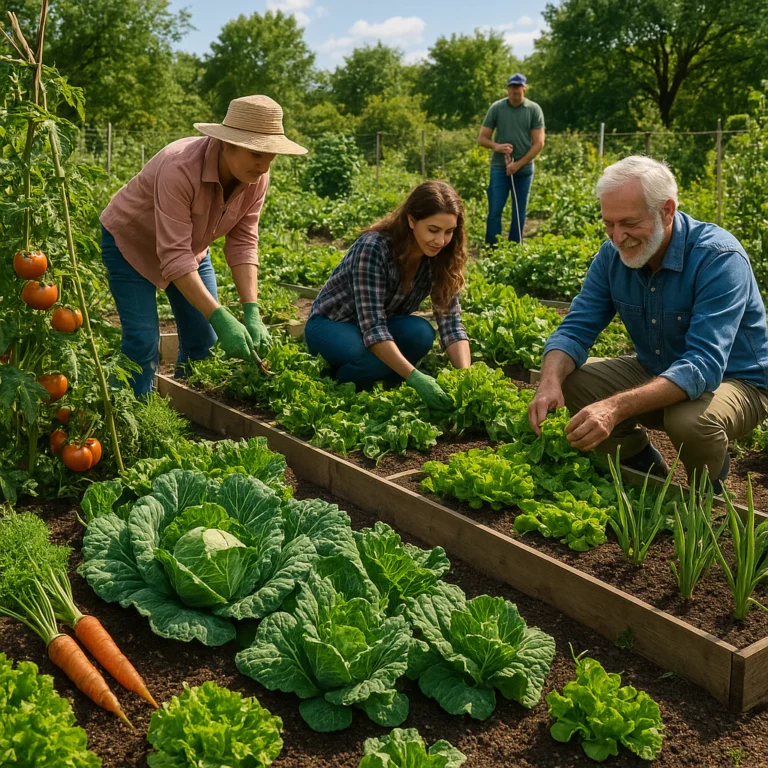
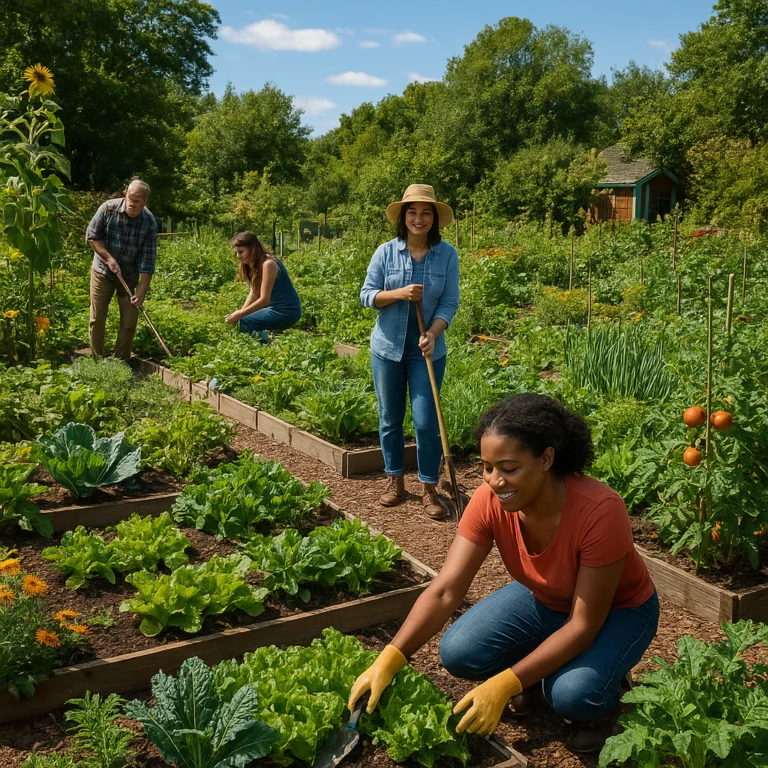
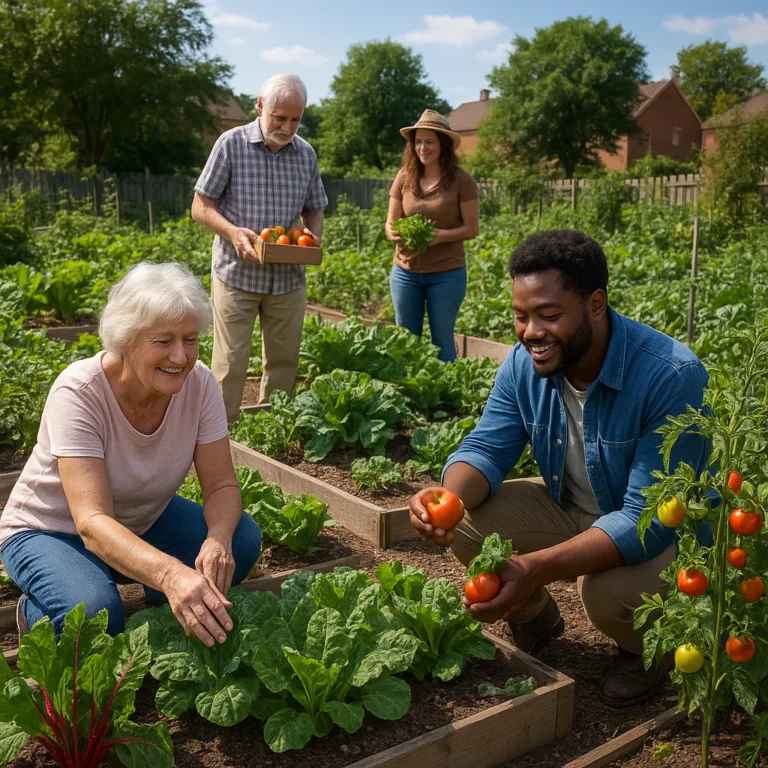
Picture this: a vibrant community garden buzzing with life, laughter, and the satisfying crunch of fresh veggies being harvested. But beneath the surface, tensions simmer—disagreements over plot boundaries, watering schedules, or gardening methods threaten to uproot the harmony. Sound familiar? At Community Gardening™, we’ve seen how even the greenest thumbs can get prickly when conflicts arise. That’s why mastering conflict resolution in community gardens isn’t just nice to have—it’s essential for growing together.
In this comprehensive guide, we’ll dig deep into 7 proven strategies to resolve disputes, foster cooperation, and keep your garden flourishing year-round. From establishing clear rules to leveraging mediation and technology, we share real-life success stories and expert tips that will transform your garden into a peaceful oasis. Curious about how to spot early warning signs or measure your garden’s conflict resolution success? We’ve got you covered. Let’s cultivate peace and productivity, one plot at a time!
Key Takeaways
- Clear rules and open communication are the foundation of conflict-free community gardens.
- Mediation and collaborative decision-making help transform disputes into shared solutions.
- Conflict resolution training and leadership roles empower gardeners to manage disagreements proactively.
- Technology and online forums can support ongoing dialogue and resource sharing.
- Real-world case studies demonstrate that effective conflict management leads to stronger, more inclusive garden communities.
Ready to grow harmony in your garden? Keep reading to uncover all the tools and insights you need!
Table of Contents
- ⚡️ Quick Tips and Facts on Conflict Resolution in Community Gardens
- 🌱 Growing Harmony: The History and Importance of Conflict Resolution in Community Gardens
- 🤝 Understanding Common Conflicts in Community Gardens
- 🛠️ 7 Proven Conflict Resolution Strategies for Thriving Community Gardens
- 1. Establishing Clear Garden Rules and Guidelines
- 2. Effective Communication Techniques for Gardeners
- 3. Mediation and Facilitated Dialogue
- 4. Collaborative Decision-Making Processes
- 5. Conflict Resolution Training and Workshops
- 6. Utilizing Garden Committees and Leadership Roles
- 7. Leveraging Technology for Conflict Management
- 🌿 Case Studies: Real-Life Conflict Resolution Success Stories from Community Gardens
- 📚 Essential Tools and Resources for Conflict Resolution in Community Gardens
- 🔍 How to Spot Early Warning Signs of Conflict in Your Garden
- 💡 Expert Tips for Maintaining Long-Term Peace and Cooperation
- 🌐 Online Communities and Forums for Garden Conflict Support
- 📅 Planning for Conflict Prevention: Scheduling and Space Management
- 🎯 Measuring Success: Evaluating Conflict Resolution Outcomes in Community Gardens
- 🧩 Integrating Conflict Resolution into Garden Culture and Values
- 🏆 Awards and Recognition for Exemplary Conflict Management in Gardens
- 📝 Conclusion: Cultivating Peace and Productivity in Community Gardens
- 🔗 Recommended Links for Further Learning
- ❓ Frequently Asked Questions (FAQ) About Conflict Resolution in Community Gardens
- 📖 Reference Links and Credible Sources
⚡️ Quick Tips and Facts on Conflict Resolution in Community Gardens
As we explore the world of community gardening at Community Gardening, we find that conflict resolution is a crucial aspect of maintaining harmony among gardeners. At Community Gardening™, we specialize in Grow Together through Community Gardening, and we’ve learned that understanding the basics of conflict resolution can make all the difference. Here are some quick tips and facts to get you started:
- Establish clear rules and guidelines: Having a set of rules and guidelines in place can help prevent conflicts from arising in the first place.
- Practice active listening: Make sure to listen carefully to the concerns of all parties involved in a conflict.
- Stay calm and respectful: Keep the conversation calm and respectful, even in the face of disagreement.
- Seek mediation if necessary: If a conflict can’t be resolved through direct communication, consider seeking the help of a neutral mediator.
For more information on community gardening and conflict resolution, check out our articles on Benefits of Community Gardens and Community Garden Policies.
🌱 Growing Harmony: The History and Importance of Conflict Resolution in Community Gardens

Community gardens have a long history of bringing people together to grow food and build relationships. However, with diverse groups of people working together, conflicts can arise. Conflict resolution is essential for maintaining harmony and ensuring the success of community gardens. According to the Greenest City initiative, self-grounding techniques can help individuals manage their reactions during conflicts. By understanding the history and importance of conflict resolution in community gardens, we can better appreciate the need for effective conflict resolution strategies.
🤝 Understanding Common Conflicts in Community Gardens
Conflicts can arise in community gardens for a variety of reasons, including:
- Different gardening styles: Some gardeners may prefer organic methods, while others may use chemical pesticides and fertilizers.
- Space and resource allocation: Gardeners may disagree on how to allocate space and resources, such as water and tools.
- Rules and regulations: Gardeners may have different opinions on rules and regulations, such as hours of operation and noise levels.
By understanding the common conflicts that can arise in community gardens, we can better prepare for and resolve them. For more information on community garden management, check out our article on Garden Design Ideas.
🛠️ 7 Proven Conflict Resolution Strategies for Thriving Community Gardens
Here are 7 proven conflict resolution strategies for thriving community gardens:
1. Establishing Clear Garden Rules and Guidelines
Establishing clear rules and guidelines is essential for preventing conflicts in community gardens. This can include rules on gardening practices, space allocation, and resource use. For example, the NeighborSpace organization provides a conflict resolution plan that includes a clear set of rules and guidelines for gardeners.
2. Effective Communication Techniques for Gardeners
Effective communication is key to resolving conflicts in community gardens. This can include active listening, respectful dialogue, and regular meetings. According to the Portland.gov community gardens resources page, open communication and respectful dialogue are essential for resolving disputes.
3. Mediation and Facilitated Dialogue
Mediation and facilitated dialogue can be effective ways to resolve conflicts in community gardens. This can involve bringing in a neutral third-party mediator to facilitate discussions and help gardeners reach a resolution. For more information on mediation and conflict resolution, check out the Center for Conflict Resolution website.
4. Collaborative Decision-Making Processes
Collaborative decision-making processes can help prevent conflicts in community gardens by involving all gardeners in the decision-making process. This can include regular meetings and discussions on garden management and planning. According to the FoodShare organization, collaborative decision-making is essential for building a strong and inclusive community garden.
5. Conflict Resolution Training and Workshops
Conflict resolution training and workshops can provide gardeners with the skills and knowledge they need to resolve conflicts effectively. This can include training on active listening, respectful dialogue, and mediation. For more information on conflict resolution training, check out the Greenest City initiative.
6. Utilizing Garden Committees and Leadership Roles
Garden committees and leadership roles can play an important role in resolving conflicts in community gardens. This can include establishing a garden committee to oversee garden management and planning, and providing leadership roles for gardeners to take on responsibility for specific tasks. According to the Toronto Urban Growers organization, garden committees and leadership roles can help build a strong and inclusive community garden.
7. Leveraging Technology for Conflict Management
Leveraging technology can be an effective way to manage conflicts in community gardens. This can include using online platforms for communication and collaboration, and providing access to conflict resolution resources and training. For more information on technology and conflict resolution, check out the Community Gardening website.
🌿 Case Studies: Real-Life Conflict Resolution Success Stories from Community Gardens
Here are some real-life conflict resolution success stories from community gardens:
- The Highline Community Garden in New York City used mediation and facilitated dialogue to resolve a conflict between gardeners over space allocation.
- The San Francisco Community Garden used collaborative decision-making processes to resolve a conflict over garden management and planning.
- The Chicago Community Garden used conflict resolution training and workshops to provide gardeners with the skills and knowledge they need to resolve conflicts effectively.
For more information on community garden case studies, check out our article on Community Garden Events.
📚 Essential Tools and Resources for Conflict Resolution in Community Gardens
Here are some essential tools and resources for conflict resolution in community gardens:
- Conflict resolution plan: A clear plan for resolving conflicts, including rules and guidelines, communication protocols, and mediation procedures.
- Mediation training: Training on mediation and conflict resolution, including active listening, respectful dialogue, and facilitation techniques.
- Online platforms: Online platforms for communication and collaboration, including email, social media, and project management tools.
- Conflict resolution books and articles: Books and articles on conflict resolution, including case studies and best practices.
For more information on conflict resolution tools and resources, check out our article on Community Garden Policies.
🔍 How to Spot Early Warning Signs of Conflict in Your Garden
Here are some early warning signs of conflict in community gardens:
- Increased tension: Increased tension or stress among gardeners, including arguments or disagreements.
- Decreased communication: Decreased communication or collaboration among gardeners, including lack of participation in meetings or activities.
- Changes in behavior: Changes in behavior among gardeners, including withdrawal or avoidance.
By recognizing these early warning signs, gardeners can take steps to prevent conflicts from escalating. For more information on conflict prevention, check out our article on Garden Design Ideas.
💡 Expert Tips for Maintaining Long-Term Peace and Cooperation
Here are some expert tips for maintaining long-term peace and cooperation in community gardens:
- Establish clear rules and guidelines: Establish clear rules and guidelines for garden management and planning.
- Practice active listening: Practice active listening and respectful dialogue to resolve conflicts and build strong relationships.
- Provide training and resources: Provide training and resources on conflict resolution and mediation to help gardeners build the skills and knowledge they need to resolve conflicts effectively.
For more information on community garden management, check out our article on Benefits of Community Gardens.
🌐 Online Communities and Forums for Garden Conflict Support
Here are some online communities and forums for garden conflict support:
- Community Gardening Facebook group: A Facebook group for community gardeners to connect, share resources, and ask for advice.
- Gardeners Forum: A forum for gardeners to discuss gardening topics, including conflict resolution and mediation.
- Conflict Resolution subreddit: A subreddit for conflict resolution, including discussions on community garden conflicts.
For more information on online communities and forums, check out our article on Community Garden Events.
📅 Planning for Conflict Prevention: Scheduling and Space Management
Here are some tips for planning for conflict prevention, including scheduling and space management:
- Create a schedule: Create a schedule for garden activities, including planting, harvesting, and maintenance.
- Assign tasks: Assign tasks and responsibilities to gardeners, including leadership roles and committee memberships.
- Manage space: Manage space allocation, including plot assignments and shared spaces.
By planning for conflict prevention, gardeners can reduce the risk of conflicts and build a strong and inclusive community garden. For more information on garden planning, check out our article on Garden Design Ideas.
🎯 Measuring Success: Evaluating Conflict Resolution Outcomes in Community Gardens
Here are some ways to measure success and evaluate conflict resolution outcomes in community gardens:
- Surveys and feedback: Conduct surveys and gather feedback from gardeners to evaluate conflict resolution outcomes.
- Conflict resolution metrics: Track conflict resolution metrics, including the number of conflicts, resolution rates, and satisfaction levels.
- Garden evaluations: Conduct regular garden evaluations to assess the overall health and success of the garden.
By measuring success and evaluating conflict resolution outcomes, gardeners can identify areas for improvement and build a stronger and more resilient community garden. For more information on garden evaluation, check out our article on Community Garden Policies.
🧩 Integrating Conflict Resolution into Garden Culture and Values
Here are some ways to integrate conflict resolution into garden culture and values:
- Conflict resolution training: Provide conflict resolution training and workshops for gardeners.
- Mediation and facilitation: Establish mediation and facilitation procedures for resolving conflicts.
- Garden policies: Develop and implement garden policies that promote conflict resolution and mediation.
By integrating conflict resolution into garden culture and values, gardeners can build a strong and inclusive community garden that values cooperation and mutual respect. For more information on garden culture and values, check out our article on Benefits of Community Gardens.
🏆 Awards and Recognition for Exemplary Conflict Management in Gardens
Here are some awards and recognition for exemplary conflict management in gardens:
- Community Garden Awards: Awards for community gardens that demonstrate exemplary conflict management and resolution.
- Gardeners Recognition: Recognition for gardeners who demonstrate exceptional conflict resolution skills and leadership.
- Conflict Resolution Certification: Certification programs for gardeners who complete conflict resolution training and demonstrate expertise in mediation and facilitation.
By recognizing and rewarding exemplary conflict management in gardens, we can promote a culture of cooperation and mutual respect in community gardens. For more information on awards and recognition, check out our article on Community Garden Events.
📝 Conclusion: Cultivating Peace and Productivity in Community Gardens

Wow, what a journey through the verdant world of conflict resolution in community gardens! 🌿 At Community Gardening™, we’ve seen firsthand how clear communication, shared values, and proactive strategies transform potential disputes into opportunities for growth—both for the garden and the gardeners. Remember those early warning signs we teased earlier? Now you know how to spot them and act swiftly before tensions bloom into full-blown conflicts.
Our exploration revealed that establishing clear rules, fostering respectful dialogue, and involving neutral mediators are not just theoretical ideals—they are practical, proven tools that keep community gardens thriving. From the Highline Community Garden’s mediation success to San Francisco’s collaborative decision-making, real-world examples show us that conflict resolution is the secret ingredient to a flourishing garden community.
So, whether you’re a seasoned garden coordinator or a newbie with a green thumb, embracing conflict resolution is your best bet to cultivate peace and productivity. After all, a garden is more than soil and seeds—it’s a living, breathing community that grows stronger when nurtured with empathy and cooperation.
Ready to dig in and grow together? Let’s keep those garden beds—and relationships—healthy and happy! 🌻
🔗 Recommended Links for Further Learning
Looking to equip yourself with the best tools and knowledge for conflict resolution in your community garden? Here are some top picks from our experience and trusted sources:
-
Books on Conflict Resolution & Community Gardening
-
Conflict Resolution Training & Resources
- Greenest City — Practical workshops and self-grounding techniques
- Center for Conflict Resolution — Mediation services and training
- NeighborSpace Conflict Resolution Plan — Comprehensive conflict management framework
-
Community Gardening Resources
- Community Gardening™ Benefits of Community Gardens
- Community Gardening™ Garden Design Ideas
- Portland.gov Community Garden Resources — City-supported conflict resolution and garden policies
❓ Frequently Asked Questions (FAQ) About Conflict Resolution in Community Gardens

What are best practices for preventing conflicts in shared garden spaces?
Best practices include:
- Clear, written garden rules that everyone agrees on from the start.
- Regular communication through meetings or digital platforms to keep everyone informed.
- Fair space and resource allocation with transparent processes.
- Encouraging respect for diverse gardening styles and cultural practices.
- Early intervention when tensions arise, preventing escalation.
These practices create a foundation of trust and respect, minimizing misunderstandings before they grow into conflicts.
How does conflict resolution contribute to the success of community gardening projects?
Conflict resolution is the soil that nurtures community success. When conflicts are managed effectively:
- Gardeners feel heard and valued, increasing participation and commitment.
- The garden environment remains positive and productive, encouraging collaboration.
- Resources are used more efficiently as disputes over space or tools are minimized.
- The community builds resilience, learning to handle future challenges together.
Without conflict resolution, disputes can fester, leading to disengagement or even garden closure.
What strategies encourage cooperation among diverse community gardeners?
To encourage cooperation:
- Foster inclusive decision-making where all voices are heard.
- Use team-building activities and social events to build relationships.
- Provide conflict resolution training to equip gardeners with communication skills.
- Celebrate diversity as a strength, encouraging gardeners to share their unique knowledge.
- Establish shared goals and values that unite the group.
These strategies transform diversity from a potential source of conflict into a rich resource for innovation and community spirit.
How can garden coordinators mediate conflicts between members effectively?
Garden coordinators can:
- Act as neutral facilitators, listening to all sides without judgment.
- Encourage active listening and empathy during discussions.
- Use structured mediation techniques, such as setting ground rules and focusing on interests rather than positions.
- Refer to written garden policies to guide resolutions.
- When necessary, bring in external mediators from organizations like the Center for Conflict Resolution.
Effective mediation helps gardeners find common ground and rebuild trust.
What role does communication play in conflict resolution in community gardens?
Communication is the lifeblood of conflict resolution. It:
- Enables gardeners to express concerns and expectations clearly.
- Helps uncover underlying issues rather than just surface disagreements.
- Facilitates mutual understanding and respect.
- Prevents misinterpretations and assumptions that can escalate conflicts.
- Supports ongoing dialogue, ensuring conflicts are addressed promptly.
Without open communication, conflicts tend to spiral and damage relationships.
How can community gardens promote teamwork and reduce disputes?
Community gardens can promote teamwork by:
- Creating shared responsibilities and rotating leadership roles.
- Hosting workshops and social events to build camaraderie.
- Establishing clear conflict resolution pathways so gardeners know how to address issues.
- Encouraging peer support and mentorship among gardeners.
- Recognizing and celebrating team achievements to boost morale.
Teamwork transforms the garden into a cooperative ecosystem where disputes are less likely.
What are common conflicts in community gardens and how can they be resolved?
Common conflicts include:
- Space disputes over plot boundaries or shared areas.
- Resource sharing conflicts involving tools, water, or compost.
- Differing gardening methods, such as organic vs. conventional practices.
- Noise or behavior issues during garden hours.
Resolution approaches:
- Use clear, written guidelines to set expectations.
- Facilitate open dialogue to understand concerns.
- Employ mediation for complex disputes.
- Implement fair scheduling and resource management systems.
Early recognition and respectful communication are key to resolution.
How can community gardens promote effective communication among members?
Effective communication can be promoted by:
- Holding regular meetings with clear agendas.
- Using digital tools like group emails, WhatsApp, or Slack for updates.
- Encouraging feedback loops where members can voice concerns anonymously if needed.
- Providing communication and conflict resolution training.
- Creating a culture of openness and respect, where all members feel safe to speak.
These practices ensure everyone stays informed and connected.
What role does mediation play in resolving disputes in community gardens?
Mediation serves as a neutral, confidential process where a trained third party helps gardeners:
- Identify the root causes of conflict.
- Explore mutually acceptable solutions.
- Improve communication and rebuild relationships.
Mediation is especially valuable when direct communication has failed or emotions run high. Organizations like NeighborSpace offer mediation frameworks tailored for community gardens.
How can community gardening foster collaboration and reduce conflicts?
Community gardening fosters collaboration by:
- Building shared ownership of the garden’s success.
- Encouraging knowledge sharing and skill exchanges.
- Creating inclusive spaces where diverse voices are valued.
- Promoting social events that strengthen bonds.
- Implementing transparent decision-making processes.
These elements create a sense of belonging that naturally reduces conflicts.
What strategies can garden coordinators use to manage conflicts among gardeners?
Garden coordinators can:
- Develop and enforce clear garden policies.
- Facilitate regular check-ins to address issues early.
- Provide conflict resolution resources and training.
- Encourage peer mediation and leadership roles.
- Maintain open channels for anonymous feedback.
Proactive management by coordinators keeps the garden community healthy and vibrant.
What are best practices for creating a harmonious community garden environment?
Best practices include:
- Setting shared goals and values at the outset.
- Encouraging respect for diversity and inclusion.
- Maintaining open, honest communication.
- Providing education on conflict resolution.
- Recognizing and celebrating community achievements.
A harmonious garden is a thriving garden—where every member feels valued and empowered.
📖 Reference Links and Credible Sources
- Greenest City — Conflict resolution workshops and resources
- NeighborSpace Conflict Resolution Plan — Comprehensive conflict management framework
- Portland.gov Community Garden Resources — Official city resources on community garden conflict resolution
- Center for Conflict Resolution — Mediation and training services
- FoodShare — Collaborative community gardening initiatives
- Toronto Urban Growers — Community garden leadership and conflict management
- Community Gardening™ Benefits of Community Gardens
- Community Gardening™ Garden Design Ideas
These sources provide authoritative, practical guidance to help you cultivate a peaceful and productive community garden!