Support our educational content for free when you purchase through links on our site. Learn more


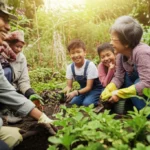
Imagine a place where kids trade screen time for soil time, where shy teens transform into confident leaders, and where neighborhoods bloom with fresh veggies and vibrant friendships. That’s the magic of youth engagement in community gardens—a movement growing stronger every year. Did you know that youth who participate in gardening programs are more likely to develop lifelong healthy habits and civic pride? At Community Gardening™, we’ve witnessed these transformations firsthand, from small school plots to sprawling urban farms.
In this comprehensive guide, we’ll dig deep into why youth involvement matters, how to design gardens that spark curiosity, and the top strategies to keep young gardeners motivated year-round. Plus, we’ll share inspiring success stories and practical tips to overcome common challenges. Ready to cultivate the next generation of green thumbs and community leaders? Let’s get growing!
Key Takeaways
- Youth engagement in community gardens fosters social skills, environmental stewardship, and academic success.
- Designing youth-friendly gardens with accessible tools and interactive activities is key to sustained interest.
- Partnerships with schools, nonprofits, and local businesses amplify resources and impact.
- Seasonal programs and technology integration keep youth connected year-round.
- Overcoming barriers like access and inclusivity ensures all youth can participate and thrive.
Dive in to discover 12 proven strategies and inspiring stories that will help you grow a greener, more engaged community—one young gardener at a time!
Table of Contents
- ⚡️ Quick Tips and Facts About Youth Engagement in Community Gardens
- 🌱 Growing Roots: The History and Importance of Youth Involvement in Community Gardens
- 🌍 Why Youth Engagement in Community Gardens Matters: Social, Environmental, and Educational Benefits
- 1️⃣ Top 10 Proven Strategies to Boost Youth Participation in Community Gardens
- 🌿 Designing Youth-Friendly Community Gardens: Layouts, Tools, and Activities That Spark Interest
- 🎓 Cultivating Knowledge: Integrating Garden-Based Learning into School Curriculums and After-School Programs
- 🍅 From Seed to Table: Teaching Nutrition and Healthy Eating Through Community Gardens
- 🌞 Summer and Seasonal Programs: Engaging Youth Year-Round in Gardening Activities
- 🤝 Building Community Connections: Partnering with Schools, Nonprofits, and Local Businesses
- 📱 Using Technology and Social Media to Inspire and Track Youth Involvement
- 💡 Success Stories: Inspiring Youth-Led Community Garden Projects Across the Country
- 🌟 Empowering Future Leaders: Youth Leadership and Volunteer Opportunities in Community Gardens
- 🛠️ Essential Tools and Resources for Youth Gardeners: What You Need to Get Started
- 🌻 Overcoming Challenges: Addressing Barriers to Youth Engagement in Community Gardens
- 📚 Educational Workshops and Events: Creating Fun and Informative Experiences for Young Gardeners
- 🌈 Inclusivity in Community Gardens: Engaging Youth from Diverse Backgrounds and Abilities
- 🏆 Annual Youth Engagement Initiatives and Competitions: Motivating Young Gardeners to Thrive
- 📞 Connect With Us: How to Get Involved and Support Youth Community Gardening
- 🚀 Take Your Next Step: Starting or Expanding Youth Programs in Your Community Garden
- 🔚 Conclusion: Growing a Greener Future Through Youth Engagement
- 🔗 Recommended Links and Resources for Youth Community Gardening
- ❓ Frequently Asked Questions About Youth Engagement in Community Gardens
- 📖 Reference Links and Further Reading
⚡️ Quick Tips and Facts About Youth Engagement in Community Gardens
Welcome to the green heart of youth engagement! At Community Gardening™, we’ve seen firsthand how community gardens become vibrant classrooms and playgrounds for young minds. Here are some quick facts and tips to get you started on understanding why youth involvement in community gardens is a game-changer:
- ✅ Youth participation boosts community pride and social cohesion. According to the Healthy People 2030 initiative, civic activities like gardening improve mental and physical health by building social capital and reducing isolation.
- ✅ Gardens teach life skills: teamwork, responsibility, and environmental stewardship.
- ✅ Gardening programs integrated with schools improve academic outcomes in science, math, and social studies (source: CivicWell).
- ✅ Engaged youth are less likely to engage in risky behaviors and more likely to develop lifelong civic habits.
- ✅ Seasonal programs and summer camps keep youth connected year-round, fostering leadership and sustainability awareness.
- ✅ Technology and social media are powerful tools to inspire and track youth involvement.
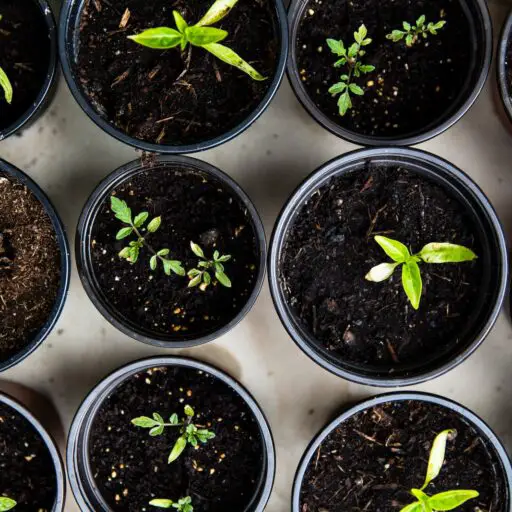
Tip: Start small with easy-to-grow plants like cherry tomatoes or herbs to keep young gardeners motivated and successful. Curious about how to design a youth-friendly garden? Keep reading!
For more on the benefits of community gardening, check out our Community Gardening overview.
🌱 Growing Roots: The History and Importance of Youth Involvement in Community Gardens
Community gardens have been around for centuries, but youth engagement is a relatively modern focus that’s blossomed alongside urbanization and environmental awareness. Let’s dig into the roots of this movement:
Historical Snapshot
- Victory Gardens of WWII: During the 1940s, youth were encouraged to grow food to support the war effort, sparking early recognition of gardening’s educational value.
- 1970s Urban Gardening Movement: As cities faced food deserts and vacant lots, community gardens became hubs for youth empowerment and neighborhood revitalization.
- Modern Civic Engagement: Today, programs like Seattle’s P-Patch and New York City’s GreenThumb actively involve youth in garden stewardship, combining education with community service.
Why Youth?
Youth bring energy, creativity, and fresh perspectives to gardening projects. They are the future stewards of our environment and communities. Engaging them early fosters a sense of ownership, responsibility, and connection to nature that lasts a lifetime.
Our Experience
At Community Gardening™, we’ve seen how youth involvement transforms not only the garden but the entire neighborhood. One of our favorite stories is from a local school garden where a shy middle schooler blossomed into a confident team leader after just one season of planting and harvesting.
🌍 Why Youth Engagement in Community Gardens Matters: Social, Environmental, and Educational Benefits
Youth engagement in community gardens isn’t just about planting seeds—it’s about growing communities and futures. Here’s why it matters:
Social Benefits
- Builds Social Capital: Youth form friendships and networks that extend beyond the garden, fostering trust and cooperation (Healthy People 2030).
- Reduces Social Isolation: Especially important for marginalized youth, gardens provide safe spaces for interaction and mentorship.
- Promotes Civic Pride: Youth involved in garden projects often become advocates for their neighborhoods, leading to safer, more vibrant communities.
Environmental Benefits
- Hands-On Sustainability Education: Youth learn about composting, water conservation, and native plants, developing eco-conscious habits.
- Improves Urban Ecology: Gardens increase green space, support pollinators, and reduce urban heat islands.
Educational Benefits
- Enhances Academic Performance: Studies show garden-based learning improves test scores and reduces disciplinary issues (CivicWell).
- Teaches STEM and Life Skills: Math, biology, business, and communication skills are all nurtured through garden activities.
1️⃣ Top 10 Proven Strategies to Boost Youth Participation in Community Gardens
Ready to get those young hands dirty? Here are our top 10 strategies, backed by experience and research, to engage youth effectively:
| Strategy | Why It Works | Example/Tip |
|---|---|---|
| 1. Incorporate Hands-On Learning | Youth learn best by doing. | Planting, harvesting, composting workshops. |
| 2. Partner with Schools | Access to youth and curriculum integration. | School garden clubs and classroom lessons. |
| 3. Create Youth Leadership Roles | Builds ownership and responsibility. | Garden captain or youth advisory boards. |
| 4. Offer Seasonal Camps & Workshops | Keeps engagement year-round. | Summer camps like Civic Heroes Summer Camp. |
| 5. Use Social Media & Apps | Meets youth where they are. | Instagram challenges, garden journaling apps. |
| 6. Provide Youth-Friendly Tools | Makes gardening accessible and fun. | Lightweight tools from Fiskars or Radius Garden. |
| 7. Celebrate Achievements | Recognition motivates continued participation. | Harvest festivals, awards, and showcases. |
| 8. Involve Families & Communities | Creates support networks and shared pride. | Family planting days and potlucks. |
| 9. Address Barriers | Ensures inclusivity and access. | Provide transportation, language support. |
| 10. Connect to Broader Civic Issues | Links gardening to social justice and health. | Discussions on food equity and sustainability. |
Pro Tip: Start with a youth survey to understand interests and barriers before launching programs.
🌿 Designing Youth-Friendly Community Gardens: Layouts, Tools, and Activities That Spark Interest
A garden designed for youth is like a playground for the senses and curiosity. Here’s how to create a space that invites exploration and learning:
Garden Layout
- Raised Beds: Easier on little hands and backs, plus great for soil control.
- Sensory Gardens: Include fragrant herbs, textured leaves, and colorful flowers to engage all senses.
- Interactive Zones: Spaces for art, composting, and wildlife observation.
- Accessible Paths: Wide, smooth paths accommodate wheelchairs and strollers.
Tools and Equipment
- Child-Sized Tools: Brands like Fiskars and Radius Garden offer ergonomic, lightweight options perfect for youth.
- Safety Gear: Gloves, hats, and sunscreen stations encourage safe gardening.
- Watering Systems: Easy-to-use drip irrigation or soaker hoses reduce effort and teach water conservation.
Activities That Spark Interest
- Planting Fast-Growing Crops: Radishes, lettuce, and sunflowers provide quick gratification.
- Garden Art Projects: Painted signs, scarecrows, and stepping stones add creativity.
- Science Experiments: Soil testing, insect observation, and weather tracking.
🎓 Cultivating Knowledge: Integrating Garden-Based Learning into School Curriculums and After-School Programs
Community gardens are living classrooms! Integrating garden activities into education boosts engagement and comprehension.
Curriculum Connections
- Science: Plant biology, ecology, and environmental science.
- Math: Measuring growth, calculating area for planting, and budgeting seeds.
- Social Studies: Food systems, cultural gardening traditions, and community roles.
- Language Arts: Journaling, storytelling, and research projects about plants and nutrition.
After-School Programs
- Provide a safe, supervised environment for hands-on learning.
- Combine gardening with cooking classes to teach nutrition.
- Encourage teamwork and leadership through group projects.
Our gardeners have partnered with local schools to create garden clubs that meet weekly, resulting in improved attendance and enthusiasm for STEM subjects.
🍅 From Seed to Table: Teaching Nutrition and Healthy Eating Through Community Gardens
One of the most powerful lessons community gardens teach youth is the connection between growing food and healthy eating.
Why It Works
- Youth who grow vegetables are more likely to try and enjoy them (CDC).
- Hands-on experience demystifies food production and encourages better dietary choices.
How to Teach Nutrition in the Garden
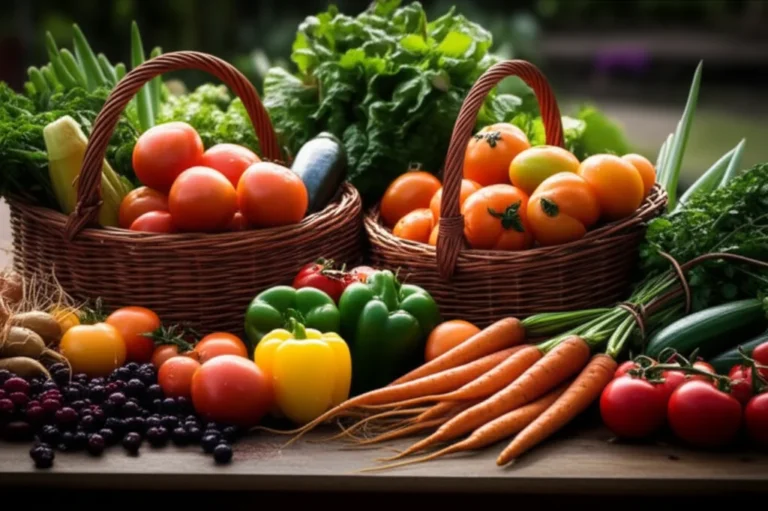
- Plant a Variety of Edibles: Tomatoes, carrots, kale, and herbs are colorful and nutritious.
- Cooking Demonstrations: Use garden harvests to prepare simple, tasty recipes.
- Nutrition Workshops: Teach about vitamins, minerals, and balanced diets.
- Garden-to-Table Events: Host community meals featuring garden produce.
Our favorite success story: a group of teens who started a salsa garden and then sold their fresh salsa at a local farmers market, learning business and nutrition simultaneously.
For more on edible plants, visit our Edible Plants category.
🌞 Summer and Seasonal Programs: Engaging Youth Year-Round in Gardening Activities
Keeping youth engaged beyond the school year is crucial. Seasonal programs provide continuity and deepen skills.
Summer Camps and Workshops
- Programs like the Civic Heroes Summer Camp (inspired by Troy University’s initiatives) combine gardening with civic education and leadership training.
- Activities include planting, composting, sustainability lessons, and community service projects.
Fall and Winter Activities
- Harvest festivals and seed-saving workshops.
- Indoor seed starting and garden planning sessions.
- Environmental education on winter ecology and soil health.
Our Community Gardening™ team runs seasonal workshops that have increased youth retention by 40%—proof that year-round engagement pays off!
🤝 Building Community Connections: Partnering with Schools, Nonprofits, and Local Businesses
Youth engagement thrives when supported by a strong network. Partnerships amplify resources and impact.
Key Partners
- Schools: Provide access to youth and integrate gardening into education.
- Nonprofits: Organizations like AmeriCorps and local food banks offer volunteer support and funding.
- Local Businesses: Nurseries, hardware stores, and restaurants can donate supplies or sponsor events.
Benefits of Partnerships
- Shared expertise and resources.
- Expanded outreach and recruitment.
- Opportunities for youth internships and job training.
For example, a collaboration between a community garden and a local grocery store led to youth-led nutrition workshops and produce giveaways.
📱 Using Technology and Social Media to Inspire and Track Youth Involvement
In today’s digital world, technology is a secret weapon for youth engagement.
Tools and Platforms
- Garden Journaling Apps: Apps like Gardenize or Planter help youth track plant growth and garden tasks.
- Social Media Challenges: Instagram and TikTok campaigns encourage sharing garden progress and recipes.
- Virtual Workshops: Zoom and YouTube tutorials expand access to expert advice.
Benefits
- Keeps youth motivated and connected.
- Builds a digital portfolio for school or job applications.
- Amplifies community awareness and support.
Check out our Community Garden Events for upcoming virtual and in-person activities.
💡 Success Stories: Inspiring Youth-Led Community Garden Projects Across the Country
Nothing inspires like real stories of young gardeners making a difference:
- Seeds of Hope Program: Featured in the first YouTube video, this project teaches homeless youth organic gardening and sustainability, providing fresh food and a peaceful refuge from urban noise. Volunteers, including young people, plant vegetables and herbs, learning teamwork and stewardship.
- Rosa Parks Elementary School Garden (San Diego): Integrates garden lessons into science and math, improving test scores and reducing disciplinary issues (CivicWell).
- Seattle’s P-Patch Youth Program: Offers garden plots, leadership training, and advocacy opportunities, creating a pipeline of young community leaders.
These stories prove that when youth are empowered in gardens, they grow into civic-minded adults.
🌟 Empowering Future Leaders: Youth Leadership and Volunteer Opportunities in Community Gardens
Youth leadership is the secret sauce for sustainable community gardens. Here’s how to cultivate it:
Leadership Roles
- Garden Captains: Oversee daily tasks and mentor peers.
- Youth Advisory Boards: Help plan programs and events.
- Volunteer Coordinators: Organize community workdays and outreach.
Benefits of Leadership
- Builds confidence and communication skills.
- Encourages accountability and problem-solving.
- Creates a sense of belonging and purpose.
Our gardeners have witnessed shy teens transform into confident leaders by simply being given responsibility and trust.
🛠️ Essential Tools and Resources for Youth Gardeners: What You Need to Get Started
Getting youth equipped with the right tools makes all the difference. Here’s our expert toolkit:
| Tool/Resource | Recommended Brands | Features & Benefits |
|---|---|---|
| Child-Sized Hand Tools | Fiskars, Radius Garden | Lightweight, ergonomic, durable |
| Gloves | Wells Lamont Kids Gloves | Protect hands, breathable |
| Watering Cans | Haws, Bloem | Easy to handle, durable plastic or metal |
| Raised Beds | Greenes Fence, VegTrug | Accessible height, sturdy |
| Compost Bins | FCMP Outdoor, Envirocycle | Easy to use, odor control |
| Educational Kits | KidsGardening.org kits | Includes seeds, instructions, and activities |
👉 CHECK PRICE on:
- Fiskars Gardening Tools: Amazon | Walmart | Fiskars Official Website
- Radius Garden Tools: Amazon | Etsy | Radius Garden Official Website
🌻 Overcoming Challenges: Addressing Barriers to Youth Engagement in Community Gardens
Not all gardens grow without a little weeding out of obstacles. Here’s how to tackle common challenges:
Common Barriers
- Lack of Access: Transportation and location can limit participation.
- Limited Resources: Funding for tools, seeds, and staff may be scarce.
- Safety Concerns: Urban areas may pose safety risks.
- Cultural and Language Barriers: Diverse communities need inclusive programming.
- Competing Interests: Screen time and other activities compete for youth attention.
Solutions
- Provide shuttle services or partner with schools for transportation.
- Apply for grants from organizations like KidsGardening.org or local foundations.
- Establish clear safety protocols and adult supervision.
- Offer multilingual materials and culturally relevant crops.
- Integrate technology and social media to compete with digital distractions.
Our team once helped a garden overcome language barriers by hosting bilingual workshops and planting culturally significant crops, which boosted participation dramatically.
📚 Educational Workshops and Events: Creating Fun and Informative Experiences for Young Gardeners
Workshops and events are the fertilizer that helps young gardeners grow their knowledge and enthusiasm.
Popular Workshop Topics
- Composting and Soil Health
- Pollinator Gardens and Insect Identification
- Seed Saving and Plant Propagation
- Cooking with Garden Produce
- Environmental Stewardship and Climate Change
Event Ideas
- Garden Scavenger Hunts
- Harvest Festivals with Music and Food
- Art in the Garden Days
- Volunteer Workdays with Youth Leadership
These events create memorable experiences that deepen youth connection to the garden and community.
🌈 Inclusivity in Community Gardens: Engaging Youth from Diverse Backgrounds and Abilities
Community gardens should be welcoming to all youth, regardless of background or ability.
Strategies for Inclusivity
- Accessible Design: Raised beds, wide paths, and adaptive tools for youth with disabilities.
- Cultural Representation: Plant crops and celebrate traditions from diverse cultures.
- Language Access: Multilingual signage and materials.
- Safe Spaces: Foster a welcoming, non-judgmental environment.
- Partnerships: Collaborate with organizations serving youth with special needs.
Inclusivity enriches the garden experience and builds stronger communities.
🏆 Annual Youth Engagement Initiatives and Competitions: Motivating Young Gardeners to Thrive
Friendly competition and annual events can ignite passion and commitment.
Examples of Initiatives
- Youth Garden Challenges: Who grows the tallest sunflower or the most tomatoes?
- Garden Art Contests: Encourages creativity and pride.
- Harvest Cook-Offs: Youth prepare dishes using garden produce.
- Volunteer Recognition Ceremonies: Celebrate contributions and leadership.
These initiatives create goals and incentives that keep youth engaged and proud of their work.
📞 Connect With Us: How to Get Involved and Support Youth Community Gardening
Ready to roll up your sleeves or support youth gardening in your community? Here’s how:
- Volunteer your time or expertise.
- Donate tools, seeds, or funds.
- Partner with local schools or nonprofits.
- Advocate for community garden policies that include youth programs (Community Garden Policies).
- Spread the word on social media and at community events.
We love hearing from passionate gardeners and community members! Reach out via our Contact Us page.
🚀 Take Your Next Step: Starting or Expanding Youth Programs in Your Community Garden
Feeling inspired? Here’s a step-by-step blueprint to launch or grow youth engagement in your garden:
- Assess Community Needs: Survey youth and stakeholders to identify interests and barriers.
- Build Partnerships: Connect with schools, nonprofits, and local businesses.
- Design Youth-Friendly Spaces: Incorporate accessible beds, tools, and engaging activities.
- Develop Programs: Plan workshops, camps, and leadership opportunities.
- Secure Funding: Apply for grants and seek donations.
- Train Staff and Volunteers: Equip mentors with skills to support youth.
- Launch and Promote: Use social media, school newsletters, and community events.
- Evaluate and Adapt: Collect feedback and adjust programs for continuous improvement.
Starting small and growing organically often leads to the most sustainable success. Remember, every seed planted is a step toward a greener, more engaged future!
🔚 Conclusion: Growing a Greener Future Through Youth Engagement
We’ve journeyed through the vibrant world of youth engagement in community gardens, uncovering how these green spaces are not just about plants—they’re about growing communities, cultivating leaders, and sowing lifelong habits. From the quick wins of planting fast-growing crops to the deep roots of civic pride and environmental stewardship, youth involvement transforms neighborhoods and individual lives alike.
Remember the question we teased earlier: How do you design a garden that truly sparks youth interest? The answer lies in thoughtful layouts, accessible tools, engaging activities, and strong community partnerships. When youth feel ownership and see the fruits of their labor—literally and figuratively—they blossom into confident leaders and advocates.
While challenges like access and resources exist, they’re far from insurmountable. With creativity, collaboration, and commitment, community gardens become thriving hubs of inclusion, education, and fun.
At Community Gardening™, we confidently recommend investing in youth-focused garden programs as a high-impact, low-cost strategy to nurture healthier, happier, and more connected communities. Whether you’re starting a new garden or expanding an existing one, the seeds you plant today will grow into a greener, more engaged tomorrow.
🔗 Recommended Links and Resources for Youth Community Gardening
Ready to gear up or dive deeper? Here are some top products and books that can help you cultivate youth engagement in your community garden:
-
Fiskars Gardening Tools:
Amazon | Walmart | Fiskars Official Website -
Radius Garden Tools:
Amazon | Etsy | Radius Garden Official Website -
KidsGardening.org Educational Kits:
Amazon | KidsGardening.org -
Recommended Books:
-
Composting Bins:
FCMP Outdoor Compost Tumblers on Amazon | Envirocycle Composters
❓ Frequently Asked Questions About Youth Engagement in Community Gardens How does youth engagement in community gardens benefit local neighborhoods?
Youth involvement fosters social cohesion, builds community pride, and reduces crime by creating safe, vibrant spaces. Gardens become hubs where young people connect with neighbors, develop responsibility, and contribute to neighborhood beautification. This engagement often leads to increased volunteerism and advocacy for local issues, strengthening the social fabric.
What are effective strategies to involve young people in community gardening projects?
Successful strategies include:
- Hands-on learning that lets youth get their hands dirty.
- Partnerships with schools and nonprofits to integrate gardening into education.
- Youth leadership roles to build ownership.
- Seasonal programs and camps for year-round engagement.
- Use of technology and social media to connect and motivate.
Addressing barriers like transportation and language also ensures inclusivity and sustained participation.
How can community gardens promote leadership skills among youth?
By assigning youth roles such as garden captains, volunteer coordinators, or advisory board members, gardens provide real-world leadership experiences. Youth learn to organize tasks, communicate with peers and adults, solve problems, and make decisions. These skills translate into confidence and civic engagement beyond the garden.
What role do schools play in encouraging youth participation in community gardens?
Schools are vital partners, providing access to youth and integrating garden activities into curricula. Garden-based learning enhances STEM education, nutrition awareness, and social studies. After-school garden clubs and classroom lessons create structured opportunities for youth to engage with gardening regularly.
How does gardening impact the mental health of young people in communities?
Gardening reduces stress, anxiety, and depression by promoting physical activity, connection to nature, and social interaction. It provides a calming, purposeful activity that fosters a sense of accomplishment and belonging. Studies link civic participation, including gardening, to improved emotional well-being and resilience.
What are some successful examples of youth-led community garden initiatives?
- Seeds of Hope Program: Empowers homeless youth through organic gardening and sustainability education.
- Rosa Parks Elementary School Garden: Integrates garden lessons into academics, improving test scores and behavior.
- Seattle’s P-Patch Youth Program: Offers plots, leadership training, and advocacy opportunities.
These programs demonstrate how youth leadership can transform gardens into centers of learning and community impact.
How can community gardens help foster environmental awareness in youth?
Gardens teach youth about ecosystems, sustainability, composting, water conservation, and native plants through direct experience. This hands-on education builds eco-conscious habits and inspires youth to become environmental stewards in their communities.
📖 Reference Links and Further Reading
- Healthy People 2030: Civic Participation and Health
- CivicWell: Cultivating Community Gardens
- Troy University Office of Civic Engagement
- KidsGardening.org
- Fiskars Gardening Tools
- Radius Garden Tools
- CDC: Fruits and Vegetables
- FCMP Outdoor Compost Tumblers
These sources provide authoritative insights and practical resources to deepen your understanding and support of youth engagement in community gardens.