Support our educational content for free when you purchase through links on our site. Learn more

Imagine a patch of green in the heart of a bustling city where neighbors gather, seeds sprout, and friendships bloom. Community gardens are not just about growing vegetables—they’re about cultivating connection, health, and hope. Did you know that over 800 community gardens thrive in cities across the U.S., transforming vacant lots into vibrant hubs of sustainability and social change? In this article, we’ll dig deep into what community gardens really are,
explore their rich history, and uncover 10 powerful benefits that might just inspire you to join or start one yourself.From the roots of wartime victory gardens to modern urban oases, community gardens offer a unique blend of environmental, social, and economic advantages. We’ll also walk you through how these gardens operate, share inspiring success stories, and provide practical tips for getting involved. Curious about how these green spaces can boost your neighborhood’s health and happiness? Keep reading—you’ll find everything you need to know to grow together through community gardening.
Key Takeaways
- Community gardens are shared spaces that foster social bonds, improve mental and physical health, and enhance urban environments.
- They have a rich history rooted in community resilience and food security, evolving through wartime efforts and modern sustainability movements.
- Benefits include increased access to fresh produce, environmental improvements, educational opportunities, and economic savings.
- Joining or starting a community garden involves simple steps like finding land, forming a team, and engaging your neighborhood.
- Challenges such as soil quality and volunteer burnout can be overcome with planning, communication, and community support.
Ready to dig in and discover how you can be part of this green revolution? Let’s get growing!
Table of Contents
- ⚡️ Quick Tips and Facts
- What Exactly Is a Community Garden? Unearthing the Definition
- A Rooted History: The Evolution of Shared Green Spaces
- Why Dig In? The Myriad Benefits of Community Gardening
- Different Plots, Different Folks: Exploring Community Garden Models
- How Does a Community Garden Actually Work? From Seed to Harvest
- Ready to Get Your Hands Dirty? How to Join a Community Garden
- Dreaming of Your Own Green Oasis? A Step-by-Step Guide to Starting a Community Garden
- Weeding Out the Worries: Common Challenges & How to Overcome Them
- Beyond the Fence: Inspiring Community Garden Success Stories
- Essential Tools & Resources for the Aspiring Community Gardener
- The Future is Green: The Enduring Impact & Sustainability of Community Gardens
- Conclusion: Your Green Thumb Awaits!
- Recommended Links: Dig Deeper!
- FAQ: Your Burning Garden Questions Answered!
- Reference Links: Our Sources & Further Reading
⚡️ Quick Tips and Facts
- A community garden is a shared growing space; it may use individual plots, communal beds, or both.
- Governance, land permission, water access, soil safety, accessibility, and ongoing maintenance should be planned before planting.
- Garden models vary by owner and purpose, including neighborhood, school, housing, donation, therapy, and training gardens.
- Local cooperative extension offices can provide region-specific guidance on soil testing, crops, pests, and growing practices.
- Clear rules for plots, shared areas, conflicts, harvests, and volunteer work help a garden remain usable over time.
The rest of this guide explains the main models, benefits, operating decisions, and first steps without assuming that one design fits every community.
What Exactly Is a Community Garden?
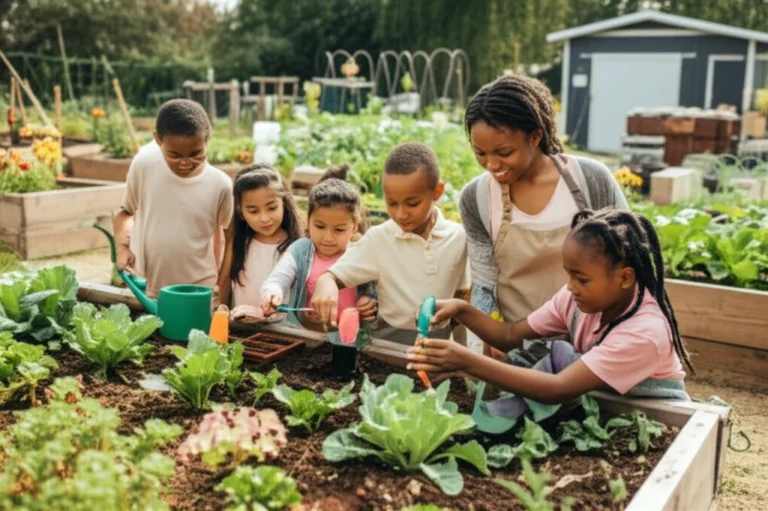
A community garden is land used by a group to grow plants. Participants may maintain individual plots, work shared beds, or combine the two. The site may be managed by residents, a nonprofit, school, housing organization, faith community, municipality, or another landholder.
Core Features
- Permission to use the land through ownership, a lease, license, or written agreement.
- A defined operating model for plots, communal areas, harvests, and decision-making.
- Essential infrastructure such as suitable soil or raised beds, water, paths, storage, and waste handling.
- Shared expectations for access, safety, maintenance, conflicts, and seasonal turnover.
Why the Definition Is Broad
A neighborhood allotment garden, a school teaching garden, and a donation garden can all be community gardens while serving different people and goals. The useful question is not whether a site matches one ideal model, but whether its purpose, participants, responsibilities, and land rights are clear.
A Rooted History: The Evolution of Shared Green Spaces

Community gardens have a rich history, sprouting from necessity and blossoming into vibrant social movements.
The Three Waves of Community Gardening in North America
- Industrial Revolution Era: Known as Jardin d’ouvrier or workers’ gardens, these provided urban laborers with fresh produce and a break from factory life.
- World Wars I & II: The famous “Liberty Gardens” and “Victory Gardens” encouraged citizens to grow food to support the war effort and ease food shortages.
- 1970s Resurgence: Triggered by the 1973 oil crisis and rising food insecurity, community gardens re-emerged as symbols of self-reliance and ecological awareness.
Global Blossoms
- Australia: Over 800 community gardens as of 2025, with roots dating back to 1977.
- Singapore: More than 2,000 gardens under the ‘Community in Bloom’ initiative.
- West Africa (Mali): Gardens play a vital role in nutrition and inclusive development.
- Japan: Rooftop gardens on train stations, with plots rented annually.
Why It Matters Today
With climate change, urbanization, and social isolation on the rise, community gardens are more relevant than ever. They offer solutions to food deserts, environmental degradation, and social fragmentation. As Tulane University’s Public Health blog highlights, these gardens are “outdoor spaces managed and cultivated by community members” that provide a wealth of benefits.
Why Dig In? The Myriad Benefits of Community Gardening
Community gardens are like Swiss Army knives for urban life — multifunctional and indispensable. Let’s dig into the key benefits:
1. Cultivating Connection: Social & Community Building 🌱
- Fosters belonging: Gardening side-by-side creates bonds and combats urban isolation.
- Multicultural exchange: Diverse gardeners share techniques and stories, enriching the community fabric.
- Safety & pride: Beautified spaces reduce crime and foster neighborhood pride.
“Engaging in community gardening fosters a sense of belonging and social connectedness,” says a study cited by Wikipedia.
2. Harvesting Health: Physical & Mental Well-being 🍎
- Exercise: Gardening is a low-impact workout that improves strength and flexibility.
- Mental health: Time in green spaces reduces stress, anxiety, and depression.
- Nutrition: Access to fresh produce increases fruit and vegetable intake, improving diet quality.
A 2013 study found that children participating in community gardens improved their BMI, and adults had lower BMI than non-gardeners.
3. Growing Green: Environmental Impact & Biodiversity 🐝
- Urban greening: Gardens increase green space, reduce heat islands, and improve air quality.
- Habitat: Provide refuge for pollinators and beneficial insects.
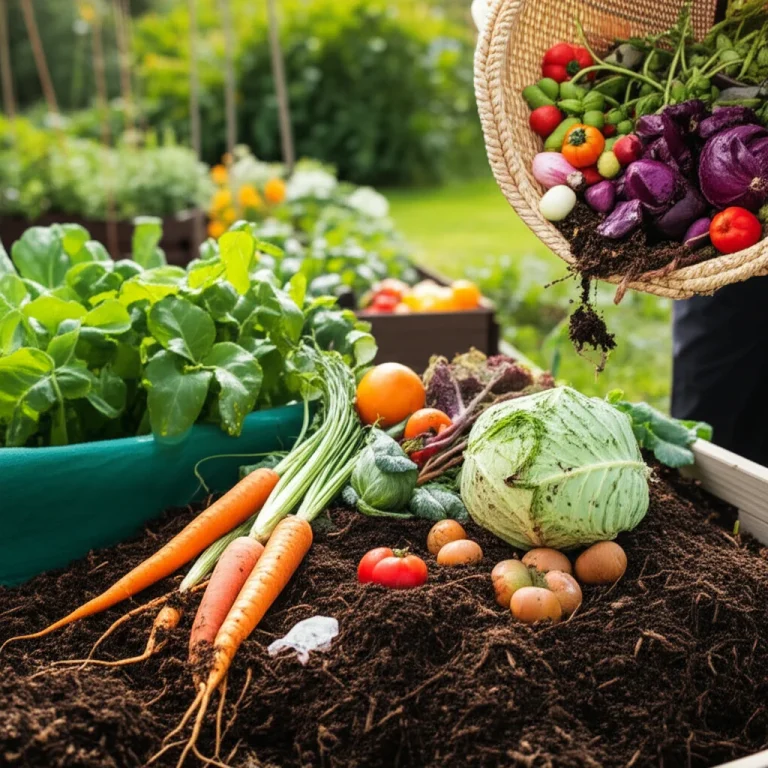
- Sustainability: Reduce food miles and waste through composting.
4. Sowing Knowledge: Education & Skill Development 📚
- Hands-on learning about soil, plant biology, and sustainable growing practices.
- Intergenerational mentorship and community workshops.
- Fosters environmental stewardship and food literacy.
5. Reaping Rewards: Food Security & Economic Perks 💰
- Provides affordable, fresh produce in food deserts.
- Reduces grocery bills and reliance on industrial agriculture.
- Some gardens generate income through sales or donations.
For more on the benefits, explore our Benefits of Community Gardens category.
Different Plots, Different Folks: Exploring Community Garden Models
Community gardens come in many flavors, each tailored to community needs:
- Neighborhood Gardens: Most common; individual plots rented or assigned.
- Residential Gardens: Shared spaces in apartment complexes or assisted living facilities.
- Institutional Gardens: Attached to schools, hospitals, or rehabilitation centers for therapy and education.
- Demonstration Gardens: Showcase sustainable practices and offer workshops.
Each model has unique management styles and community dynamics. For example, institutional gardens often have structured leadership, while neighborhood gardens rely heavily on volunteer coordination.
How Does a Community Garden Actually Work? From Seed to Harvest
Plot Allocation & Management: Who Gets What?
- Many gardens assign plots via lottery or first-come-first-served systems.
- Plot sizes vary; common dimensions in the U.S. range from 10×10 ft to 10×20 ft.
- Some gardens offer raised beds for accessibility and soil control.
Shared Responsibilities & Common Areas: Weeding Out Confusion
- Common areas (paths, tool sheds, compost bins) require collective upkeep.
- Gardeners often rotate duties like watering, weeding, and maintenance.
- Communication is key: regular meetings and clear schedules help avoid conflicts.
Rules of the Root: Ensuring Harmony & Productivity
- Most gardens have written guidelines covering:
- Allowed plants (e.g., no invasive species)
- Organic practices encouraged or required
- Plot maintenance standards
- Harvest sharing policies (if collective)
- These rules maintain fairness and garden health.
Ready to Get Your Hands Dirty? How to Join a Community Garden
Joining a community garden is easier than you think! Here’s how to get started:
- Find a garden near you: Use local government websites, community centers, or platforms like the American Community Gardening Association’s Garden Finder.
- Attend an orientation or meeting: Meet the gardeners, learn the rules, and get a feel for the community vibe.
- Apply for a plot: Many gardens have waitlists, so be patient and persistent.
- Volunteer: Even if no plots are available, volunteering helps build connections and learn the ropes.
- Start small: Bring seeds or seedlings, basic tools, and enthusiasm!
Joining is not just about gardening; it’s about growing friendships and community resilience.
Dreaming of Your Own Green Oasis? A Step-by-Step Guide to Starting a Community Garden
Starting a community garden can seem daunting, but with the right plan, it’s a rewarding journey. Here’s our detailed roadmap:
1. Forming Your Core Team: The Seed Planters
- Gather passionate neighbors or friends who share your vision.
- Assign roles: coordinator, treasurer, communications lead, etc.
- Connect with local gardening groups or nonprofits for advice.
2. Finding the Perfect Patch: Site Selection & Land Acquisition
- Look for vacant lots, schoolyards, church grounds, or rooftops.
- Check soil quality and sunlight exposure (aim for 6+ hours of sun).
- Ensure water access and safety (test for contaminants if near industrial areas).
- Secure permission from landowners or local authorities.
3. Securing the Green: Funding & Grants for Your Garden
- Explore grants from organizations like the American Community Gardening Association, local governments, or foundations.
- Fundraise through community events, sponsorships, or crowdfunding.
- Consider partnerships with local businesses for donations of tools or materials.
4. Designing Your Dream: Layout & Infrastructure Planning
- Plan plot sizes, pathways, compost areas, tool sheds, and seating.
- Incorporate accessibility features like raised beds and wide paths.
- Think about water systems: rain barrels, drip irrigation, or hoses.
- Use permaculture principles for sustainability and biodiversity.
5. Community Engagement: Spreading the Word & Recruiting Gardeners
- Host informational meetings and garden tours.
- Use social media, flyers, and local media to attract diverse participants.
- Offer workshops to build skills and enthusiasm.
Starting a garden is planting a seed for community growth — and we’re here to help you every step of the way!
Weeding Out the Worries: Common Challenges & How to Overcome Them
Every garden faces hurdles. Here’s how to tackle the most common:
| Challenge | Why It Happens | Expert Tips to Overcome |
|---|---|---|
| Land Tenure Insecurity | Landowners may reclaim or sell the land | Negotiate long-term leases; engage local officials; document agreements |
| Soil Contamination | Urban soils may contain heavy metals or toxins | Conduct soil tests; use raised beds with clean soil; add organic matter |
| Volunteer Burnout | Uneven workload leads to fatigue | Rotate tasks; celebrate milestones; recruit new helpers regularly |
| Pests & Diseases | Urban wildlife and plant diseases | Use integrated pest management; plant companion species; encourage beneficial insects |
| Funding Shortages | Limited resources for tools and supplies | Apply for grants; host fundraisers; partner with local businesses |
| Conflict Among Gardeners | Differing expectations or communication gaps | Establish clear rules; hold regular meetings; mediate disputes promptly |
Remember, every challenge is an opportunity to grow stronger as a community!
How to Learn From a Community Garden Example
Before copying another garden’s approach, verify the garden’s location, climate, land tenure, operating organization, participants, budget, and reporting period. A named example is most useful when it links to the garden or managing organization and explains what was measured.
- Look for comparable constraints: water, soil, accessibility, growing season, and volunteer capacity.
- Separate observation from outcome: a pleasant site visit does not prove a health, food-access, or financial result.
- Ask what persisted: check whether the program and its funding continued after the featured season.
- Adapt, do not copy: pilot one practice and measure participation, workload, costs, and results locally.
Stories From Our Community Gardening Network
We love sharing stories that inspire. These examples come from our Community Gardening™ network:
- The Green Haven Garden, Chicago: neighbors converted a vacant lot into a community hub with more than 50 active gardeners, monthly potlucks, and skill-sharing workshops.
- Sunnyvale Rooftop Garden, San Francisco: a nonprofit developed raised beds and solar-powered irrigation on a rooftop, supplies produce to a local food bank, and hosts children’s education programs.
- The Butterfly Patch, New York City: the garden focuses on native plants and pollinator habitat while helping urban residents learn about biodiversity.
In our experience, the transferable lesson is not a single size or program. Each garden aligned its physical space, stewardship model, and community purpose. Our team sees these gardens as living legacies that nurture plants, relationships, and resilience together.
Essential Tools & Resources for the Aspiring Community Gardener
To get your garden growing, here’s a checklist of must-have tools and resources:
| Tool/Resource | Purpose | Recommended Brands/Resources |
|---|---|---|
| Hand Trowel & Fork | Planting, digging, weeding | Fiskars, Corona, Ames |
| Pruning Shears | Trimming plants and harvesting | Felco, Fiskars |
| Watering Can / Hose | Irrigation | Dramm, Gilmour |
| Compost Bin | Organic waste recycling | FCMP Outdoor, Envirocycle |
| Raised Beds | Soil control and accessibility | Greenes Fence, VegTrug |
| Gardening Gloves | Hand protection | Atlas, Bionic Gloves |
| Soil Test Kit | Checking pH and contaminants | Luster Leaf, Rapitest |
| Seeds & Seedlings | Planting material | Burpee, Johnny’s Selected Seeds |
| Gardening Books | Knowledge and inspiration | “The Vegetable Gardener’s Bible” by Edward C. Smith; “All New Square Foot Gardening” by Mel Bartholomew |
Online Resources & Communities
- American Community Gardening Association: communitygarden.org
- Community Gardening™ Blog: community-gardening.org
- Local Cooperative Extensions: For region-specific advice and soil testing.
For tools and seeds, check out these shopping options:
- Fiskars Tools: Amazon | Walmart
- Burpee Seeds: Amazon | Burpee Official Website
The Future is Green: The Enduring Impact & Sustainability of Community Gardens
Community gardens are not just a fad—they’re a sustainable solution to many urban challenges:
- Climate Resilience: Gardens reduce urban heat, improve stormwater absorption, and sequester carbon.
- Food Sovereignty: Empower communities to control their food sources, reducing dependence on industrial agriculture.
- Social Equity: Provide access to fresh food and green space in underserved neighborhoods.
- Education & Innovation: Serve as hubs for learning about sustainable agriculture, permaculture, and environmental stewardship.
Long-term value depends on secure land access, realistic maintenance, inclusive governance, and a plan for leadership transitions.
Conclusion: Your Green Thumb Awaits!

So, what is a community garden? It’s a vibrant, living tapestry woven from soil, sweat, and shared dreams — a place where neighbors grow food, friendships, and resilience. From its humble roots in wartime victory gardens to today’s urban green sanctuaries, community gardening offers a powerful antidote to isolation, food insecurity, and environmental degradation.
We’ve uncovered how these gardens nurture health, foster social bonds, and contribute to sustainability. Whether you’re joining an existing garden or planting your own patch of paradise, remember: it’s not just about growing plants, but growing community. 🌻
If you’ve ever wondered how to get started or worried about challenges like soil quality or volunteer burnout, rest assured: with clear planning, open communication, and a sprinkle of patience, your community garden can flourish. And the rewards? Fresh veggies, new friends, and a greener, happier neighborhood.
Ready to dig in? Your green thumb is just a seed away!
Recommended Links: Dig Deeper!
Disclosure: As an Amazon Associate, we may earn from qualifying purchases. References are included only when they are relevant to starting or maintaining a community garden.
Looking to equip your garden or deepen your knowledge? Here are some top picks from Community Gardening™:
- Fiskars Garden Tools: Amazon | Walmart | Fiskars Official Website
- Burpee Seeds: Amazon | Burpee Official Website
- FCMP Outdoor Compost Bin: Amazon | Walmart
- “The Vegetable Gardener’s Bible” by Edward C. Smith: Amazon
- “All New Square Foot Gardening” by Mel Bartholomew: Amazon
FAQ: Your Burning Garden Questions Answered!

What should be included in a community garden?
A well-rounded community garden includes:
- Individual or shared plots for planting vegetables, fruits, and flowers.
- Common areas such as pathways, compost bins, tool sheds, and seating.
- Water access via hoses, rain barrels, or irrigation systems.
- Soil testing and amendments to ensure safe, fertile ground.
- Rules and governance documents to guide fair use and maintenance.
- Educational signage or workshops to support learning.
Including these elements ensures the garden is productive, accessible, and welcoming.
Read more about “10 Game-Changing Food Security Programs You Need to Know (2025) 🌾”
What is the purpose of the community garden?
Community gardens serve multiple purposes:
- Food production: Providing fresh, local produce to gardeners and the community.
- Social connection: Building relationships and reducing isolation.
- Education: Teaching sustainable gardening, nutrition, and environmental stewardship.
- Environmental benefits: Increasing green space, supporting biodiversity, and reducing urban heat.
- Economic support: Lowering grocery costs and sometimes generating income through sales or donations.
They are dynamic spaces that nourish both people and the planet.
Read more about “How Do Community Gardens Work? 🌿 Unlocking Their Secrets (2025)”
How do community gardens benefit neighborhoods?
Neighborhoods gain in many ways:
- Beautification: Transforming vacant or neglected lots into attractive green spaces.
- Safety: Increased community presence deters crime.
- Health: Improved access to fresh produce and opportunities for physical activity.
- Community pride: Shared ownership fosters stewardship and civic engagement.
- Cultural exchange: Gardens bring together diverse populations, enriching social fabric.
These benefits contribute to stronger, healthier, and more resilient communities.
Read more about “Gardening for Social Change: 7 Powerful Ways to Grow Impact 🌿 (2025)”
What are the best plants to grow in a community garden?
The best plants depend on climate and soil, but generally:
- Easy, nutritious crops: Kale, radishes, snow peas, strawberries, and blueberries thrive in many moderate climates.
- Fast growers: Lettuce, spinach, and herbs provide quick harvests.
- Pollinator-friendly plants: Native flowers and herbs attract beneficial insects.
- Companion plants: Tomatoes with basil, beans with corn, to maximize space and health.
Selecting a mix ensures diversity, continuous harvest, and ecological balance.
Read more about “How Do Community Gardens Help Climate Change? 15 Powerful Ways (2025) 🌿”
How can I start a community garden in my area?
Starting a garden involves:
- Gathering a committed team of neighbors or friends.
- Finding and securing land through permission or lease agreements.
- Testing soil and planning layout for accessibility and sustainability.
- Securing funding via grants, donations, or fundraising.
- Recruiting gardeners and volunteers through outreach and events.
- Establishing governance and rules to guide operations.
- Launching with a kickoff event to build enthusiasm.
Our detailed guide above walks you through each step with tips and resources.
Read more about “18 Sustainable Gardening Practices to Transform Your Garden in 2025 🌿”
What are the social and environmental impacts of community gardening?
Socially, community gardens:
- Reduce loneliness and foster inclusion.
- Build skills and empower marginalized groups.
- Enhance neighborhood safety and pride.
Environmentally, they:
- Increase urban green space and biodiversity.
- Reduce carbon emissions by localizing food production.
- Improve soil health and manage stormwater.
Together, these impacts create healthier, more connected, and sustainable urban environments.
Read more about “Unlocking the Power of Community Garden Programs in 2025 🌿”
Reference Links: Our Sources & Further Reading
For verification and further exploration, check out these authoritative sources:
- Wikipedia: Community Gardening
- Tulane University Public Health: Benefits of Community Gardens
- American Community Gardening Association: communitygarden.org
- EcoLife Dictionary: Community Garden Definition
- Public Health Benefits of Community Gardens – School of Public Health: Tulane University Blog
These sources provide deep dives into the history, benefits, and practicalities of community gardening, complementing our expert insights here at Community Gardening™.
Ready to cultivate your own patch of community magic? 🌻 Let’s grow together!