Support our educational content for free when you purchase through links on our site. Learn more

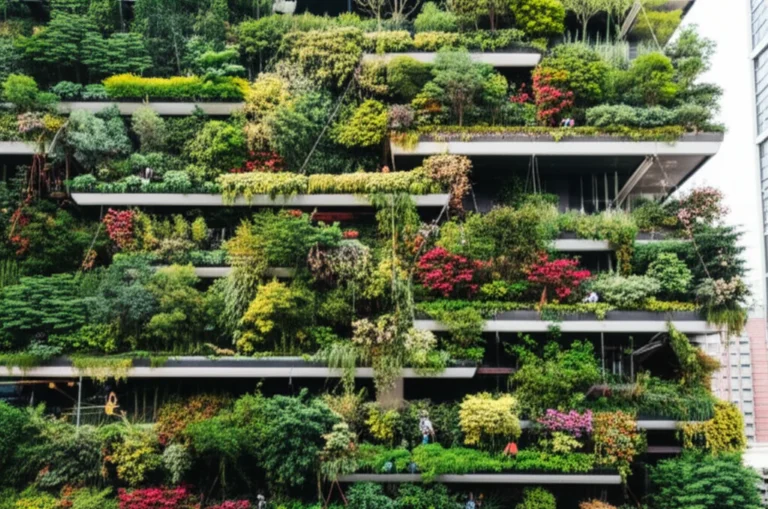
Ever been wowed by those lush, towering vertical gardens and thought, “I want one!”? We get it—vertical gardens are the ultimate space-savers and eye candy for urban gardeners. But before you start drilling into your wall or ordering that fancy hydroponic kit, here’s a little secret from the Community Gardening™ team: vertical gardens come with a host of hidden challenges that can turn your dream garden into a maintenance marathon.
Did you know that a vertical farm growing just one pound of lettuce can generate up to eight pounds of CO2? Or that water management in these gardens can be a constant headache? Later in this article, we’ll unravel 12 hard truths about vertical gardens—from structural weight worries to pest invasions and energy guzzling costs—that you won’t want to miss. By the end, you’ll know if a vertical garden is your perfect fit or if it’s better to stick with traditional beds.
Key Takeaways
- Vertical gardens save space but require careful planning and maintenance.
- High startup costs and ongoing energy use can surprise new gardeners.
- Watering and irrigation are tricky due to gravity and drainage issues.
- Not all plants thrive vertically—stick to shallow-rooted, compact varieties.
- Structural support and moisture damage are critical considerations.
- Pests and diseases can spread rapidly in the close quarters of vertical setups.
- Indoor vertical gardens demand manual pollination and significant energy input.
Ready to dig deeper? Let’s climb up and explore the full story behind vertical gardens’ disadvantages!
Table of Contents
- ⚡️ Quick Tips and Facts
- 🌿 Unearthing the Roots: A Brief History and Evolution of Vertical Gardening
- ⬆️ The Allure of Upward Growth: Why Vertical Gardens Captivate Us
- 📉 The Downside Up: Unpacking the Real Disadvantages of Vertical Gardens
- 1. 💸 The Hefty Price Tag: Initial Investment & Ongoing Costs
- 2. 💧 Thirsty Work: Water Management & Irrigation Challenges
- 3. ☀️ The Light Fantastic (or Lack Thereof): Uneven Light Distribution
- 4. 🏗️ Structural Integrity & Weight Worries: Is Your Wall Up to It?
- 5. 🐞 Pest Patrol & Disease Dilemmas: A Vertical Battleground
- 6. 🧪 Nutrient Niggles: Precision Feeding & System Clogs
- 7. 🌱 Plant Pickiness: Limited Crop Selection & Compatibility
- 8. 🛠️ Maintenance Marathon: Accessibility & Upkeep Headaches
- 9. 💡 Energy Drain: The Hidden Costs of Pumps, Fans, and Lights
- 10. 🏡 The DIY Dilemma: Common Pitfalls for Home Enthusiasts
- 11. 🌍 Environmental Footprint: When “Green” Isn’t Always Greener
- 12. 🏢 Scaling Up: Challenges for Commercial Vertical Farms
- 🪜 Beyond the Wall: Specific Challenges for Different Vertical Garden Types
- ✅ Mitigating the Minuses: Strategies to Overcome Vertical Garden Drawbacks
- 🤔 Is a Vertical Garden Right for You? Weighing the Pros and Cons
- 🎯 Conclusion: The Vertical Garden Verdict
- 🔗 Recommended Links: Dive Deeper into Vertical Gardening
- ❓ FAQ: Your Vertical Garden Questions Answered
- 📚 Reference Links: Our Sources & Further Reading
Here we go! Let’s dig into the nitty-gritty of vertical gardens.
⚡️ Quick Tips and Facts
Jumping in headfirst? Hold your trowels! Before you commit to a towering garden paradise, here are some rapid-fire realities we’ve learned the hard way at Community Gardening™.
- Weight is a BIG deal: A fully watered, soil-filled vertical garden can weigh a ton (sometimes literally!). Always check the structural integrity of the wall or fence you plan to use.
- Water physics is a thing: Gravity is your friend and foe. Water naturally runs downwards, meaning top plants can dry out while bottom ones get waterlogged. Proper irrigation design is non-negotiable.
- Not all plants play nice vertically: Forget sprawling watermelons or deep-rooted carrots. Vertical gardens favor shallow-rooted, compact plants like lettuces, herbs, and strawberries.
- High-cost alert: The initial setup for a sophisticated vertical garden, especially hydroponic systems, can be surprisingly expensive. As Mottech points out, “setting up a vertical farm can be quite expensive, and the returns can be unpredictable.”
- Pest superhighways: While some claim vertical gardens have fewer pests, we’ve seen the opposite. Once pests like spider mites find a home, the close proximity of plants can create a superhighway for infestation.
- Carbon Footprint Conundrum: Indoor vertical farms, in particular, can be energy hogs. One study highlighted in GROW magazine found that growing one pound of lettuce in a vertical farm can produce 8 pounds of CO2, a shocking figure compared to field-grown alternatives.
🌿 Unearthing the Roots: A Brief History and Evolution of Vertical Gardening

Think vertical gardening is a trendy new fad born from tiny urban apartments? Think again! The concept of growing upwards is as old as the hills—or, more accurately, the legendary Hanging Gardens of Babylon, one of the Seven Wonders of the Ancient World. While we don’t have concrete archaeological proof, the idea of terraced, elevated gardens has captivated humanity for centuries.
Fast forward to the modern era. The concept was revitalized in the early 20th century, but it was landscape architect and botanist Patrick Blanc who truly revolutionized the game in the 1980s with his stunning “Mur Végétal” (Vegetal Wall). He pioneered hydroponic systems that allowed lush vegetation to cling to buildings, turning concrete jungles into living, breathing ecosystems.
Today, vertical gardening has branched into two main streams:
- The Home & Community Gardener: Using systems from brands like GreenStalk or DIY pallet gardens to maximize space on balconies and in shared plots. This is where many of our Community Garden Events have focused lately!
- The Commercial Vertical Farm: Massive indoor facilities using advanced hydroponics and LED lighting to grow food year-round, aiming to solve food security issues.
But as with any innovation, the glossy photos don’t tell the whole story. Is it all a bed of vertically-stacked roses? Or are there some thorny issues to consider?
⬆️ The Allure of Upward Growth: Why Vertical Gardens Captivate Us
Before we dive into the dirt, let’s be fair. The appeal of vertical gardens is undeniable. We’ve dedicated a whole article to exploring What are the Advantages and Disadvantages of Vertical Gardens? 2024 🌱, but here’s the short version of why we love them:
- Space-Saving Superstars: They are a godsend for urbanites with limited square footage. A balcony, a patio wall, even a sunny kitchen window can become a productive garden.
- Accessibility for All: Raised to a comfortable height, they can reduce the need for bending and kneeling, making gardening more accessible for people with mobility issues.
- Water-Wise (Sometimes): Sophisticated recirculating systems, as noted by Mottech, can use “up to 95% less water than a traditional farmer.”
- Aesthetic Appeal: Let’s be honest, a living wall is a stunning piece of natural art! It’s one of our favorite Garden Design Ideas.
But… and it’s a big but… are these benefits blinding us to some serious drawbacks? Let’s pull back the curtain.
📉 The Downside Up: Unpacking the Real Disadvantages of Vertical Gardens
Alright, let’s get real. We’ve built, managed, and troubleshooted enough vertical gardens to know they’re not the magic bullet solution they’re often portrayed to be. Here are the twelve hard truths we’ve learned.
1. 💸 The Hefty Price Tag: Initial Investment & Ongoing Costs
That sleek, modular vertical garden system you’ve been eyeing online? It can come with a hefty price tag. While a DIY pallet project can be cheap, a quality pre-made system with self-watering features can set you back a pretty penny.
- Initial Outlay: This includes the structure itself, growing medium (coco coir, perlite, etc.), pumps, timers, and sometimes specialized nutrient solutions.
- Ongoing Costs: Think electricity for pumps and lights, replacement parts, and nutrient refills. These small costs add up over time.
For a simple, multi-tiered planter, you might look at something like the GreenStalk Vertical Planter or the Garden Tower 2. For wall-mounted systems, brands like WallyGro offer modular pockets.
- GreenStalk Vertical Planter: Amazon | Walmart | GreenStalk Official Website
- Garden Tower 2: Amazon | Garden Tower Project Official Website
- WallyGro Eco Planters: Amazon | Walmart | WallyGro Official Website
2. 💧 Thirsty Work: Water Management & Irrigation Challenges
This is, without a doubt, one of the biggest hurdles.
- Uneven Watering: As mentioned, gravity pulls water down. The top pockets of a fabric wall planter will dry out much faster than the bottom ones. This requires constant monitoring or a sophisticated drip irrigation system.
- Moisture & Mold: As the experts at Gardening Know How warn, vertical gardens against walls can “drip and harbor moisture that can damage the structure.” We’ve seen this firsthand on a wooden fence at one of our community plots—it led to rot and discoloration. ❌
- System Clogs: Drip emitters and hydroponic systems can get clogged with mineral deposits or algae, leading to plant death if not caught quickly.
3. ☀️ The Light Fantastic (or Lack Thereof): Uneven Light Distribution
Unless your vertical garden is on a spinning platform (which some are!), one side will likely get more sun than the other. Taller structures can also “cast a shadow that prevents lower-growing plants from getting enough sun,” a key point from Gardening Know How. This means you have to be a master strategist, placing sun-loving plants at the top and more shade-tolerant varieties at the bottom. It’s a constant game of musical plants!
4. 🏗️ Structural Integrity & Weight Worries: Is Your Wall Up to It?
Never underestimate the weight of wet soil and mature plants.
| Component | Estimated Weight (for a 3’x5′ system) |
|---|---|
| Structure/Frame | 15-50 lbs |
| Saturated Soil/Medium | 100-200 lbs |
| Plants & Water in Reservoirs | 20-50 lbs |
| Total Estimated Weight | 135-300+ lbs |
Before you hang anything, you must ensure your wall, fence, or balcony railing can handle the load. This might mean anchoring it directly to wall studs, not just drywall. When in doubt, consult a professional! This is a critical part of our Community Garden Policies for shared structures.
5. 🐞 Pest Patrol & Disease Dilemmas: A Vertical Battleground
While Mottech suggests indoor farms can avoid pests, our outdoor experience tells a different story. The close quarters of a vertical garden can be a breeding ground for trouble.
- Rapid Spread: If one plant gets spider mites or powdery mildew, the infection can spread to its neighbors above, below, and to the side with alarming speed.
- Water-Borne Pathogens: Gardening Know How correctly points out that splashing water can spread germs, and in hydroponic systems, a single source of contaminated water can wipe out an entire crop. This is a key challenge highlighted in the featured video on this topic, which notes that disease can “spread rapidly in water-based systems.”
6. 🧪 Nutrient Niggles: Precision Feeding & System Clogs
In soil-based systems, nutrients can wash out quickly due to the vertical drainage, requiring more frequent fertilization. In hydroponics, it’s a science experiment. You have to be a part-time chemist, constantly monitoring pH and nutrient levels. Get the mix wrong, and you’ll see deficiencies or nutrient burn almost overnight.
7. 🌱 Plant Pickiness: Limited Crop Selection & Compatibility
Your dreams of growing giant pumpkins or a sprawling zucchini patch vertically are, sadly, just dreams. The small pockets and shallow soil depth limit you to specific types of Edible Plants.
- ✅ Good Choices: Lettuces, spinach, kale, most herbs, strawberries, petunias, pansies.
- ❌ Bad Choices: Root vegetables (carrots, potatoes), large vining plants (melons, squash), top-heavy plants (broccoli, cauliflower), and anything with a deep, extensive root system.
As the GROW article and the featured video both emphasize, this limitation is a major economic barrier for commercial vertical farms, which are often stuck with low-calorie, high-value greens.
8. 🛠️ Maintenance Marathon: Accessibility & Upkeep Headaches
Think a vertical garden is “set it and forget it”? Think again. They often require more maintenance.
- Accessibility: Reaching the plants at the very top or in the middle of a large wall can be a literal pain in the neck.
- Pruning & Harvesting: Constant pruning is needed to ensure airflow and prevent plants from over-shading their neighbors.
- Hand Pollination: For indoor gardens growing fruiting plants like strawberries, you have to play the role of the bee, painstakingly pollinating each flower by hand with a small brush. The featured video correctly identifies this as a “time-consuming and costly” task.
9. 💡 Energy Drain: The Hidden Costs of Pumps, Fans, and Lights
This is the elephant in the room, especially for indoor setups. The reliance on artificial lighting, pumps for water circulation, and fans for air movement can lead to a shockingly high electricity bill. This is the core argument from the GROW article regarding the high carbon footprint of vertical farms. Even for a small home setup, the cost of running a powerful grow light for 12-16 hours a day adds up.
10. 🏡 The DIY Dilemma: Common Pitfalls for Home Enthusiasts
We love a good DIY project, but vertical gardens are tricky. Common mistakes we see include:
- Poor Material Choice: Using untreated wood that rots quickly or plastics that degrade in the sun.
- Inadequate Drainage: Not drilling enough holes, leading to root rot.
- Ignoring Wind: A tall, slender garden acts like a sail in a storm. We’ve seen more than one DIY tower topple over in a strong gust.
11. 🌍 Environmental Footprint: When “Green” Isn’t Always Greener
This one hurts, but it’s true. While they can save water, the materials and energy required can offset the benefits.
- Plastics: Most systems are made of plastic, which has its own environmental lifecycle cost.
- Energy Use: As discussed, the energy consumption for indoor farms is a major environmental concern.
- Growing Media: Many systems use non-renewable resources like peat moss or rockwool.
The argument that greenhouses are a more “environmentally friendly and cost-effective ‘buy-local’ option” from the GROW article is a powerful one that challenges the eco-friendly narrative of vertical farming.
12. 🏢 Scaling Up: Challenges for Commercial Vertical Farms
While our focus is on community and home gardening, it’s worth noting the commercial challenges. High start-up costs, massive energy consumption, and limited crop viability have led to many high-profile vertical farm companies struggling financially. It’s a tough business model that is still finding its footing.
🪜 Beyond the Wall: Specific Challenges for Different Vertical Garden Types
Not all vertical gardens are created equal. The problems you’ll face depend heavily on the type of system you choose.
🌊 Hydroponic & Aeroponic Vertical Systems: Unique Hurdles
These soil-free systems are futuristic and efficient, but they bring a unique set of headaches.
- Total Reliance on Technology: If your pump fails or the power goes out, your plants’ roots can dry out and die in a matter of hours. There is no soil to act as a buffer.
- Steep Learning Curve: As the featured video points out, there’s a significant “initial learning curve” in mastering nutrient solutions and system mechanics.
- Sanitation is Key: Water-based systems must be kept sterile. An algae bloom or bacterial infection can ruin your entire setup.
🪴 Soil-Based Vertical Gardens: Weight, Drainage, and Compaction Concerns
These are more traditional but have their own gravity-induced issues.
- Soil Compaction: Over time, the soil in the individual cells or pockets can become compacted, restricting root growth.
- Nutrient Leaching: Water running through the system washes away essential nutrients, requiring you to fertilize more often than you would for an in-ground garden.
- The Weight: We’ll say it again because it’s so important—soil is heavy, and wet soil is even heavier! This is the primary drawback compared to lightweight hydroponic media.
🏠 Indoor vs. Outdoor Vertical Gardens: Environmental Variables
Where you place your garden dramatically changes the challenges.
| Challenge | Indoor Vertical Gardens | Outdoor Vertical Gardens |
|---|---|---|
| Lighting | 100% reliant on artificial (and costly) grow lights. | Subject to natural sun patterns, shadows, and seasonal changes. |
| Pests | Fewer pests overall, but infestations (like fungus gnats) can thrive in controlled environments. | Exposed to all local pests, from aphids to squirrels. |
| Pollination | Requires manual, labor-intensive hand-pollination for fruiting plants. | Natural pollinators (bees, wind) do the work for you. ✅ |
| Climate Control | Requires fans for airflow and potentially heating/cooling to maintain optimal temperature. | Exposed to wind, rain, heatwaves, and frost. |
✅ Mitigating the Minuses: Strategies to Overcome Vertical Garden Drawbacks
Feeling a bit discouraged? Don’t be! We’re not here to crush your vertical dreams, just to ground them in reality. With smart planning, you can overcome many of these disadvantages.
✨ Smart Design Choices: Planning for Success
- Choose the Right System: Don’t just buy the prettiest one. If you’re a beginner, start with a simple, soil-based tiered planter like the GreenStalk rather than a complex hydroponic wall.
- Location, Location, Location: Observe the sun in your chosen spot for a full day before you install anything. Ensure it’s protected from strong winds.
- Plan Your Plants: Create a map of what you’ll plant where, putting drought-tolerant herbs like rosemary and thyme at the top, and moisture-loving plants like mint and lettuce at the bottom.
💰 Budgeting Wisely: Cost-Saving Tips
- Start Small: You don’t need a 6-foot living wall to start. Begin with a small, manageable system and see if you enjoy the process.
- DIY Smartly: If you go the DIY route, use durable, food-safe materials. There are great tutorials online for building systems out of recycled materials.
- Make Your Own Compost: Cut down on fertilizer costs by creating rich compost tea to feed your soil-based vertical garden. It’s a cornerstone of our Benefits of Community Gardens program.
🛡️ Pest & Disease Prevention: Proactive Measures
- Inspect Regularly: Check your plants daily for any signs of trouble. The sooner you catch an issue, the easier it is to treat.
- Encourage Airflow: Don’t overcrowd your plants. Prune them regularly to allow air to circulate, which is the best defense against fungal diseases like powdery mildew.
- Use Companion Planting: Tuck in plants like marigolds and nasturtiums, which can help deter pests naturally.
💡 Optimizing Light & Water: Efficiency Hacks
- Install Drip Irrigation: A simple drip irrigation kit with a timer is the single best investment you can make for a vertical garden. It delivers water slowly and directly to the roots where it’s needed. Brands like Rain Bird and DIG offer great starter kits.
- Use Mulch: Even in a small pocket, a layer of mulch (like fine bark or pea straw) on top of the soil can help retain moisture.
- Rotate Your Garden: If you have a freestanding tower, give it a quarter turn every few days to ensure all sides get some sun.
🤔 Is a Vertical Garden Right for You? Weighing the Pros and Cons
So, what’s the final call? Have we scared you away from scaling new horticultural heights? We hope not!
The truth is, a vertical garden is a fantastic tool, but it’s not the right tool for every job or every gardener.
A vertical garden might be perfect for you if:
- You are critically short on horizontal space.
- You want to grow a small selection of herbs, greens, or strawberries.
- You enjoy the aesthetic of a living wall and are prepared for the maintenance.
- You have physical limitations that make traditional gardening difficult.
You might want to reconsider (or start small) if:
- You are on a tight budget.
- You are a “low-maintenance” type of gardener.
- You want to grow a wide variety of vegetables, especially root crops or large plants.
- You’re not prepared to deal with potential water damage, structural support, or technical troubleshooting.
Ultimately, as Gardening Know How wisely advises, it’s essential to “assess all aspects, both good and bad, of any particular garden method before jumping in head first.” The key is to go in with your eyes wide open, ready for the challenges as well as the rewards.
🎯 Conclusion: The Vertical Garden Verdict

Well, fellow green thumbs, after peeling back the layers of vertical gardening, what’s the final word? Vertical gardens are undeniably captivating — they promise space-saving, aesthetic beauty, and a fresh way to grow your favorite herbs and greens. But as we’ve uncovered, they come with a fair share of challenges: from hefty startup costs and complex water management to structural concerns and limited crop choices.
If you’re dreaming of a lush vertical oasis, go for it—but with your eyes wide open. Start small, plan carefully, and be prepared for a bit of a learning curve. Remember, not every plant thrives in a vertical setup, and maintenance can be more demanding than traditional gardening. But for those willing to invest time, effort, and a bit of cash, the rewards can be spectacular.
For community gardeners, vertical gardens can be a fantastic way to maximize limited space and engage more people in growing food together. Just be sure to factor in the extra maintenance and structural considerations in your garden policies and planning.
In short: vertical gardens are a powerful tool in your gardening toolbox—but not a magic bullet. With smart design and realistic expectations, they can flourish beautifully. 🌿
🔗 Recommended Links: Dive Deeper into Vertical Gardening
Ready to start your vertical garden journey? Here are some top picks for products and resources to help you grow upwards with confidence:
Shop Vertical Garden Systems & Accessories
-
GreenStalk Vertical Planter:
Amazon | Walmart | GreenStalk Official Website -
Garden Tower 2:
Amazon | Garden Tower Project Official Website -
WallyGro Eco Planters:
Amazon | Walmart | WallyGro Official Website -
Drip Irrigation Kits (Rain Bird & DIG):
Rain Bird on Amazon | DIG on Amazon
Must-Read Books on Vertical Gardening & Urban Farming
- Vertical Gardening: Grow Up, Not Out, for More Vegetables and Flowers in Much Less Space by Derek Fell — Amazon Link
- The Vertical Farm: Feeding the World in the 21st Century by Dr. Dickson Despommier — Amazon Link
- Edible Green Roofs and Walls by Nigel Dunnett & James Hitchmough — Amazon Link
❓ FAQ: Your Vertical Garden Questions Answered

What are the disadvantages of vertical gardens?
Vertical gardens often come with higher initial costs, complex water management, and structural weight concerns. They require more frequent maintenance, careful plant selection, and sometimes costly equipment like pumps and grow lights. Additionally, they can have a higher environmental footprint due to energy use and material inputs. Moisture buildup can damage walls, and pests can spread quickly in the close quarters.
Read more about “What Are 10 Disadvantages of a Community Garden? 🌿 (2025)”
What are the cons of vertical gardening?
Beyond the financial and maintenance challenges, vertical gardening can limit the types of plants you can grow—root vegetables and heavy vines generally don’t do well. Light distribution can be uneven, leading to plant stress. There’s also the risk of water damage to structures and the need for manual pollination indoors. Plus, the energy consumption for indoor vertical farms can be surprisingly high.
Read more about “25 Must-Grow Community Gardening Plants to Transform Your Plot 🌿 (2025)”
What challenges do vertical gardens face in community gardening settings?
In community gardens, vertical gardens can present structural liability issues, especially when installed on shared walls or fences. Maintenance responsibilities may become unclear, leading to neglect. Water runoff can affect neighboring plots, and pest or disease outbreaks can spread rapidly due to plant proximity. Community garden policies must address these challenges to ensure safety and sustainability.
Read more about “What Plants Are Best for Urban Gardening? 🌿 Top 15 Picks for 2025”
How do maintenance requirements of vertical gardens impact community gardening projects?
Vertical gardens demand regular watering, pruning, pest monitoring, and sometimes manual pollination, which can be labor-intensive. In community settings, this requires clear coordination among members. Without dedicated caretakers, vertical gardens may decline quickly, affecting the overall garden health and morale.
Are vertical gardens less effective for growing certain plants in shared garden spaces?
Yes. Vertical gardens are best suited for shallow-rooted, compact plants like herbs, leafy greens, and strawberries. Root crops, large fruiting plants, and sprawling vines generally don’t thrive vertically. This limitation can restrict crop diversity in community gardens relying heavily on vertical systems.
What are the cost implications of installing vertical gardens in community gardens?
Costs include initial setup (structures, irrigation, growing media), ongoing maintenance (water, nutrients, electricity), and potential repairs due to water damage or structural strain. Community gardens must budget for these expenses and possibly share costs among members. Grants or fundraising may help offset costs, but realistic budgeting is essential.
Read more about “10 Proven Ways to Monetize Community Garden Plots in 2025 🌿💰”
How can energy consumption be minimized in indoor vertical gardens?
Using energy-efficient LED grow lights, timers, and optimizing light schedules can reduce electricity use. Incorporating natural light where possible and using solar-powered pumps or fans can also help. Planning for energy efficiency is crucial to lower the carbon footprint and operating costs.
What are the best plants for vertical gardens in urban community settings?
Herbs like basil, thyme, and mint, leafy greens such as lettuce and spinach, and small fruits like strawberries are excellent choices. These plants have shallow roots and compact growth habits, making them ideal for vertical systems.
Read more about “12 Expert Tips to Design a Community Garden for Max Space & Productivity 🌿 (2025)”
📚 Reference Links: Our Sources & Further Reading
-
Mottech. Understanding the Pros and Cons of Vertical Farming
https://mottech.com/news/understanding-the-pros-and-cons-of-vertical-farming/ -
Gardening Know How. Vertical Gardening Pros and Cons
https://www.gardeningknowhow.com/gardening-pros-cons/vertical-gardening-pros-and-cons-2 -
University of Wisconsin-Madison, Six Hard Truths about Vertical Farming – GROW magazine
https://grow.cals.wisc.edu/departments/front-list/six-hard-truths-about-vertical-farming -
Patrick Blanc’s Official Website – Vertical Garden Pioneer
https://www.verticalgardenpatrickblanc.com/ -
GreenStalk Vertical Planter Official Website
https://greenstalkgarden.com/ -
Garden Tower Project Official Website
https://www.gardentowerproject.com/ -
WallyGro Official Website
https://wallygro.com/ -
Rain Bird Drip Irrigation
https://www.rainbird.com/ -
DIG Corporation Drip Irrigation
https://www.digcorp.com/
We hope this deep dive helps you decide if vertical gardening is your next green adventure! Remember, growing together through community gardening means sharing not just the harvest, but the knowledge and challenges too. Happy gardening! 🌱