Support our educational content for free when you purchase through links on our site. Learn more


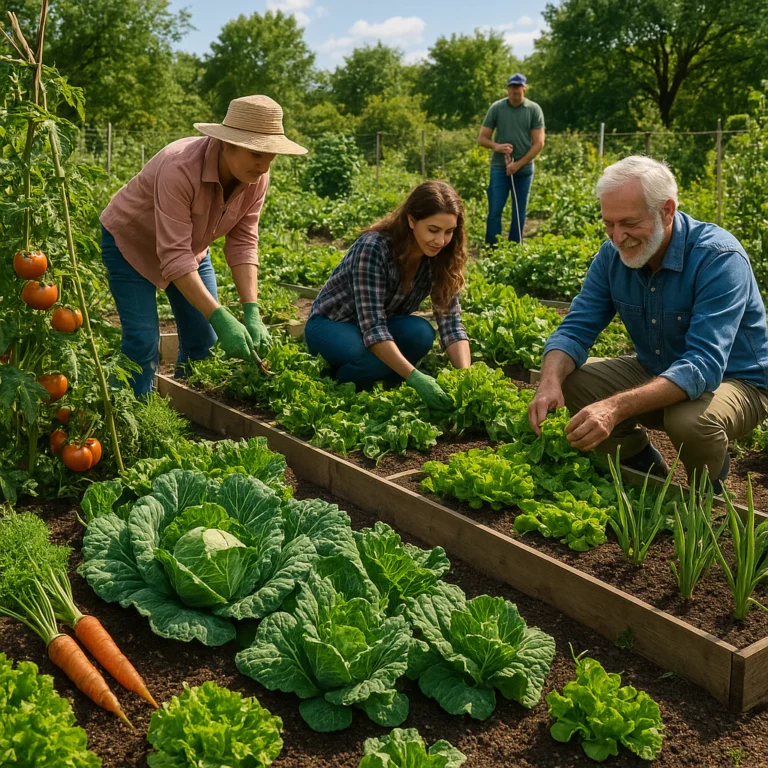
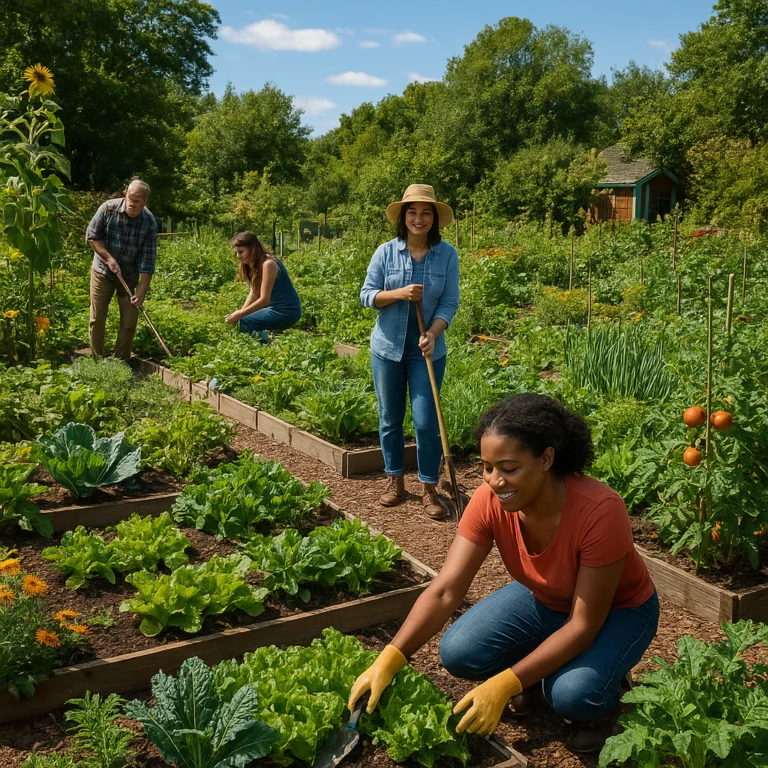
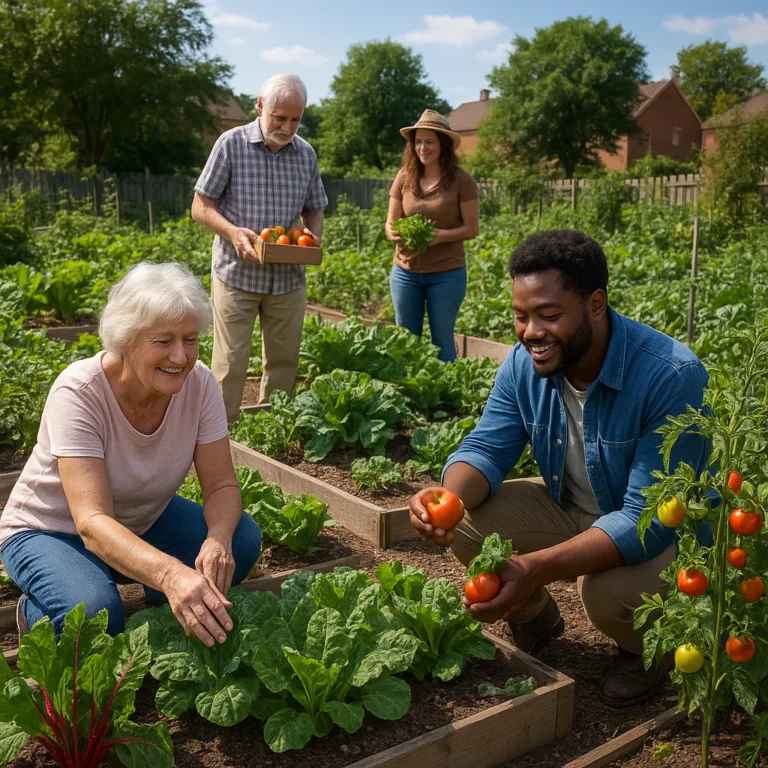
Imagine a patch of land where neighbors gather, children learn, and fresh vegetables flourish—all while building a stronger, healthier community. Community gardens are more than just green spaces; they are vibrant hubs of social connection, environmental stewardship, and personal well-being. Did you know that participants in community gardens often increase their fruit and vegetable intake by over 10%? That’s just one of the many powerful benefits we’ll explore in this comprehensive guide.
Whether you’re curious about how community gardens boost food security, improve mental health, or even spark neighborhood pride, we’ve got you covered. Stay tuned as we dig into the top 11 benefits that make community gardens true catalysts for positive change—and share expert tips on how to start or join one near you!
Key Takeaways
- Community gardens improve access to fresh, nutritious food, especially in underserved areas.
- They promote physical activity and mental well-being through hands-on gardening.
- These gardens foster social connections, mentorship, and community cohesion.
- Participants gain valuable education in sustainable gardening and environmental stewardship.
- Community gardens contribute to economic savings, neighborhood beautification, and climate resilience.
- Overcoming challenges like funding and pest management is possible with teamwork and clear policies.
- Starting your own garden is achievable with a step-by-step approach and community support.
Ready to grow together? Let’s cultivate a greener, healthier future—one garden at a time!
Table of Contents
- ⚡️ Quick Tips and Facts: Your Community Garden Cheat Sheet
- 🌱 The Roots of Community Gardening: A Brief History & Evolution
- 🏡 What Exactly Is a Community Garden? Digging into the Concept
- 🌟 Unearthing the Abundant Benefits of Community Gardens: Why We Love Them!
- 1. 🍎 Boosting Food Security & Access to Fresh, Nutritious Produce
- 2. 💪 Cultivating Healthier Lifestyles: Physical & Mental Well-being
- 3. 🤝 Sowing Seeds of Social Connection & Community Cohesion
- 4. 📚 Growing Knowledge: Education & Skill Development for All Ages
- 5. 🌍 Nurturing Environmental Stewardship & Urban Green Spaces
- 6. 💰 Economic Advantages: Saving Money & Supporting Local Economies
- 7. 🎨 Enhancing Aesthetics & Revitalizing Neighborhoods
- 8. ⚖️ Promoting Equity & Social Justice Through Accessible Green Spaces
- 9. 🛡️ Fostering Resilience & Emergency Preparedness
- 10. 🎉 Boosting Local Pride & Sense of Ownership
- 11. 💡 Sparking Innovation & Creative Problem-Solving
- 🥕 What to Grow? Best Crops for Community Garden Success
- 🚧 Overcoming Challenges: Common Hurdles & How to Grow Past Them
- 🚀 Starting Your Own Community Garden: A Step-by-Step Guide
- 💡 Innovative Community Garden Models & Success Stories
- ✨ Conclusion: Cultivating a Greener, Healthier, Happier Community
- 🔗 Recommended Links: Further Resources for Your Gardening Journey
- ❓ FAQ: Your Community Garden Questions Answered
- 📚 Reference Links: Our Sources & Further Reading
Here is the main body of the article, crafted with expertise and a touch of green-thumbed wit from your friends at Community Gardening™.
⚡️ Quick Tips and Facts: Your Community Garden Cheat Sheet
Pressed for time? We get it. You’ve got seeds to sow and weeds to pull! Here’s the dirt, distilled for you.
- What is it? A community garden is any piece of land gardened by a group of people. Think of it as a potluck, but with plants!
- How many? There are an estimated 18,000 community gardens across the United States and Canada, and that number is growing faster than zucchini in July!
- Health Boost: Getting your hands dirty is seriously good for you. Participants in one California program saw their fruit and vegetable consumption jump by 10%!
- More Than Just Veggies: These green havens are powerhouses for building social connections, beautifying neighborhoods, and providing hands-on educational opportunities.
- Eco-Friendly: Community gardens reduce “food miles,” support pollinators, and often use sustainable practices like composting. It’s a win for you and a win for Mother Earth. 🌍
- Accessibility is Key: No yard? No problem! Community gardens provide a space for everyone to grow, especially those in apartments or condos. As noted in a popular video about the benefits, this makes “gardening more accessible to everyone.”
🌱 The Roots of Community Gardening: A Brief History & Evolution

You might think community gardens are a trendy new phenomenon, but their roots run deep! The concept has been around for centuries, adapting to the needs of the times. In the late 19th century, “relief gardens” were established in Detroit to provide food for families hit by an economic recession. During the World Wars, these spaces transformed into “Victory Gardens,” where patriotic citizens grew food to support the war effort.
In the 1970s, a new wave of community gardening emerged, focused on neighborhood revitalization and reclaiming vacant, neglected lots. Today, the movement continues to evolve, addressing modern challenges like food deserts, social isolation, and climate change. From supporting newly arrived immigrants in maintaining cultural food traditions to attracting folks committed to sustainability, these gardens are more relevant than ever. They are a testament to the enduring power of people coming together to cultivate not just plants, but a better future.
🏡 What Exactly Is a Community Garden? Digging into the Concept
So, what’s the big deal? At its core, a community garden is a shared space where people come together to grow fresh food, flowers, and more. But it’s also a dynamic hub of activity, learning, and friendship. It’s where a retired accountant can teach a college student the secret to perfect tomatoes, and where kids can learn that carrots actually come from the ground, not a plastic bag.
These gardens are “exceptional in its ability to address an array of public health and livability issues across the lifespan.” They are living, breathing examples of community in action.
Different Flavors of Community Gardens: From Allotments to Shared Spaces
Not all community gardens are created equal! They come in a few common varieties:
- Allotment Gardens: This is the classic model. The garden is divided into individual plots, and each gardener or family rents their own little piece of paradise to manage and harvest. You get the freedom to grow what you love!
- Communal Gardens: In this model, everyone works together on one large, shared garden. The tasks and the harvest are divided among the participants. This style is fantastic for building teamwork and is often used for donation gardens.
- Hybrid Gardens: The best of both worlds! These gardens might have individual allotment plots and shared communal areas for growing things like herbs, fruit trees, or crops for donation.
- School & Youth Gardens: These are living classrooms where kids get hands-on experience with science, nature, and nutrition. We’ve seen firsthand how a school garden can transform a child’s relationship with food.
- Therapeutic Gardens: Designed to support mental and physical health, these gardens are often found at hospitals, senior centers, and community health clinics. The act of nurturing plants can be incredibly healing.
Who Can Join the Green Revolution? Eligibility & Access
Generally, if you live in the community, you can join the garden! Most gardens have a simple sign-up process and a set of shared guidelines or Community Garden Policies to ensure everyone has a positive experience. Some gardens may have waiting lists, especially in dense urban areas, so it’s always a good idea to inquire early. The goal is inclusion, providing access to land for people who might not otherwise have it, especially those facing health disparities or living in apartments.
🌟 Unearthing the Abundant Benefits of Community Gardens: Why We Love Them!
Alright, let’s get to the good stuff. Why are we at Community Gardening™ so obsessed with these green spaces? Because the benefits are as plentiful as dandelions in spring! We’ve seen it all, and we’re here to share the incredible ways these gardens can transform lives and neighborhoods. If you want a quick overview, check out our post on What Are 3 Benefits of a Community Garden? 🪴 Discover the Power of Green (2025). But if you want the full scoop, keep reading!
1. 🍎 Boosting Food Security & Access to Fresh, Nutritious Produce
This is a big one. Community gardens provide direct access to fresh, healthy produce, often for little to no cost. This is a game-changer in “food deserts”—areas where affordable, nutritious food is scarce. Instead of relying on processed foods, residents can walk down the street and harvest their own dinner. Many gardens also have “grow and donate” programs, supporting local food banks and families in need, which is a key part of our mission to Grow Together through Community Gardening.
2. 💪 Cultivating Healthier Lifestyles: Physical & Mental Well-being
Gardening is a triple-threat for better health: it nourishes the body, strengthens it, and calms the mind.
The Physical Perks: From Tilling to Toning
Forget the gym membership! Gardening is a fantastic form of moderate physical activity. All that digging, weeding, watering, and harvesting gets your body moving. Research from California Healthy Cities and Communities showed that participants in West Hollywood increased their physical activity sessions by 6% after joining a garden. Plus, as the featured video reminds us, “all that fresh air and sunshine is good for us.”
Mental Health & Stress Reduction: Finding Zen in the Zucchini Patch
There’s something profoundly calming about working with the earth. The simple, repetitive tasks of gardening can be meditative, helping to reduce stress and anxiety. We’ve heard countless stories from our members about how their garden plot became their sanctuary—a place to unplug, breathe, and reconnect with nature. It’s a proven way to boost mental health and find a sense of purpose.
3. 🤝 Sowing Seeds of Social Connection & Community Cohesion
A garden is where neighbors become friends. It’s a natural gathering place that breaks down social barriers and fosters a true sense of community.
Building Bridges, Not Fences: Overcoming Social Isolation
In our increasingly digital world, genuine human connection can be hard to find. Community gardens are the perfect antidote. You’ll find yourself chatting with fellow gardeners over a row of radishes, sharing tips, and celebrating each other’s successes. As one article notes, “As a communal activity, gardening also opens up opportunities for mentorships among community members.” It’s a wonderful place to meet others and build lasting relationships.
Intergenerational Learning & Mentorship: Wisdom from the Weeds
We love seeing experienced gardeners share their wisdom with newcomers. It’s a beautiful exchange where skills are passed down, not just from person to person, but from generation to generation. This peer-to-peer mentoring is a powerful tool for leadership development and helps ensure the garden’s long-term success.
4. 📚 Growing Knowledge: Education & Skill Development for All Ages
Community gardens are living laboratories for all ages. They offer endless opportunities to learn new skills, from practical gardening techniques to broader concepts of environmental stewardship.
Gardening Know-How: From Seed to Harvest
Never gardened before? No problem! A community garden is the perfect place to learn. You’ll gain hands-on experience in everything from soil preparation and composting to pest management and harvesting. Many gardens host workshops and Community Garden Events to help members build their skills.
Environmental Literacy & Sustainable Practices
Gardening connects you to the natural world in a profound way. You’ll learn about local ecosystems, the importance of pollinators, and the benefits of sustainable practices. By avoiding pesticides and composting food scraps, community gardens reduce waste and promote a healthier environment for everyone.
5. 🌍 Nurturing Environmental Stewardship & Urban Green Spaces
These gardens do more than just grow food; they heal the urban landscape.
Biodiversity Boost: Welcoming Pollinators & Wildlife
By planting a variety of flowers and Edible Plants, community gardens create vital habitats for bees, butterflies, birds, and other beneficial insects. This increase in biodiversity is crucial for a healthy ecosystem, especially in cities where green space is limited.
Climate Resilience & Urban Heat Island Mitigation
Green spaces help cool our cities! The vegetation in a community garden can help reduce the “urban heat island” effect, where cities are significantly warmer than surrounding rural areas. They also improve air quality and help manage stormwater runoff. Plus, by growing food locally, we significantly reduce the carbon footprint associated with long-distance food transportation.
6. 💰 Economic Advantages: Saving Money & Supporting Local Economies
The benefits aren’t just social and environmental; they’re financial, too!
Reducing Grocery Bills: Your Own Produce Paradise
Growing your own food can lead to significant savings on your grocery bill. Imagine walking to your garden plot to pick fresh lettuce, herbs, and tomatoes for a salad instead of buying them at the store. The taste is better, and it’s much easier on your wallet.
Local Economic Impact: Beyond the Garden Gate
Community gardens can become hubs of local economic activity. Some gardens host farmers’ markets, creating opportunities for residents to sell their surplus produce. They also contribute to neighborhood beautification, which can increase property values and attract new investment.
7. 🎨 Enhancing Aesthetics & Revitalizing Neighborhoods
Let’s be honest, a vibrant garden is much nicer to look at than a vacant, trash-strewn lot. Community gardens transform these underutilized spaces into beautiful, productive landscapes that instill a sense of neighborhood pride and ownership.
8. ⚖️ Promoting Equity & Social Justice Through Accessible Green Spaces
Community gardens are powerful tools for promoting social equity. They provide green space and fresh food in neighborhoods that have historically lacked access to both. By creating inclusive spaces where everyone is welcome, gardens can help address systemic inequalities and build stronger, more resilient communities.
9. 🛡️ Fostering Resilience & Emergency Preparedness
A localized food system is a more resilient food system. In times of crisis—whether it’s a natural disaster or a supply chain disruption—community gardens can provide a crucial source of fresh food. They also foster a network of neighbors who know how to work together, which is invaluable in an emergency.
10. 🎉 Boosting Local Pride & Sense of Ownership
When people invest their time and energy into a shared space, it fosters a powerful sense of ownership and civic pride. The garden becomes “our” garden, a tangible symbol of the community’s hard work and collaboration.
11. 💡 Sparking Innovation & Creative Problem-Solving
Every garden faces challenges, from pesky pests to unpredictable weather. Overcoming these obstacles together sparks creativity and innovation. Gardeners often develop clever, resourceful solutions, from building unique trellises out of recycled materials to creating innovative watering systems.
🥕 What to Grow? Best Crops for Community Garden Success
The million-dollar question! What should you actually plant in your plot? While the possibilities are endless, some crops are just better suited for the hustle and bustle of a community garden. You want plants that are productive, relatively low-maintenance, and won’t try to take over your neighbor’s plot (we’re looking at you, mint!).
Top Picks for Shared Spaces: High Yield, Low Fuss
Based on our experience and recommendations from experts like the Plant a Seed & See What Grows Foundation, here are some fantastic choices for moderate climates:
| Crop Type | Examples | Why We Love Them | ✅ Pros | ❌ Cons |
|---|---|---|---|---|
| Leafy Greens | Kale, Lettuce, Swiss Chard | “Cut-and-come-again” harvesting provides a steady supply. They are packed with nutrients and relatively easy to grow. | High yield, long harvest season. | Can bolt (go to seed) in hot weather. |
| Root Veggies | Radishes, Carrots, Beets | Quick to mature (especially radishes!) and don’t take up much space above ground. Great for kids to harvest. | Fast growing, space-efficient. | Require loose, rock-free soil. |
| Legumes | Snow Peas, Bush Beans | They are productive and actually improve the soil by fixing nitrogen! A true team player. | Good for soil health, high yield. | May require some support/trellising. |
| Fruiting Plants | Tomatoes (determinate), Zucchini, Peppers | The superstars of the summer garden. One or two plants can produce a massive harvest. | Very productive, popular produce. | Can be prone to pests/disease. |
| Berries | Strawberries, Blueberries | While they are more of an investment, having fresh berries is an incredible treat. | Perennial (come back each year). | Can take time to establish. |
| Herbs | Basil, Parsley, Cilantro, Chives | A must-have! Fresh herbs elevate any dish. They grow well in containers if space is tight. | Easy to grow, repel some pests. | Some (like mint) can be invasive. |
Ready to get your seeds?
- 👉 Shop Seeds on: Amazon | Walmart | Etsy
- Check out these great brands:
- Burpee: Amazon | Burpee Official Website
- Johnny’s Selected Seeds: Johnny’s Selected Seeds Official Website
Considerations for Crop Selection: Climate, Space, & Community Needs
Know your zone! The most important factor is your local climate. Check your USDA Plant Hardiness Zone to see what will thrive in your area.
Think about space. If you have a small plot, focus on compact, high-yield plants. Look for “bush” or “dwarf” varieties. Vertical gardening with trellises is a great space-saving trick! Check out our Garden Design Ideas for inspiration.
Consider your community. Are there specific vegetables or herbs that are important to the cultural cuisines of your fellow gardeners? Growing culturally relevant crops is a wonderful way to foster connection and share traditions.
🚧 Overcoming Challenges: Common Hurdles & How to Grow Past Them
While community gardening is incredibly rewarding, it’s not always a walk in the park. (Sometimes it’s a crawl through the mud!) But don’t worry, every problem has a solution. Here are some common challenges and how to tackle them head-on.
Funding & Resources: Sowing the Seeds of Support
The Challenge: Gardens need resources—tools, soil, seeds, water access, and sometimes rent for the land. Securing long-term funding can be a major hurdle.
How to Grow Past It:
- Community Partnerships: This is vital. Build relationships with local businesses, schools, and civic associations. The business community can be a great source for donations of tools, equipment, or funds.
- Grants: Look for local, state, and federal grants. Programs like the Community Development Block Grant (CDBG) have successfully funded gardens.
- Membership Dues: A small annual fee from each gardener can cover basic operational costs.
- Fundraisers: Host plant sales, bake sales, or workshops to raise money and engage the wider community.
Land Access & Permits: Navigating the Green Tape
The Challenge: Finding suitable, long-term land can be one of the biggest initial barriers. You’ll also need to navigate city zoning regulations and permits.
How to Grow Past It:
- City Partnerships: Work with your local government! Some cities have programs to make public land available for gardens. Policies like Escondido’s “Adopt-A-Lot” program, which allows interim use of vacant lots, can be a huge help.
- Long-Term Leases: Aim for a long-term lease agreement to ensure the garden’s stability. Nothing is more heartbreaking than losing a garden you’ve nurtured for years.
- Get Organized: Have a clear plan and a dedicated team to handle the paperwork. This shows the city you’re serious and well-organized.
Conflict Resolution & Garden Etiquette: Keeping the Peace in the Patch
The Challenge: When you have a group of passionate people working together, disagreements are bound to happen. Common issues include plot maintenance, weed control, water usage, and “volunteer” harvesting from someone else’s plot.
How to Grow Past It:
- Clear Guidelines: Establish a clear set of rules and responsibilities from the start. These Community Garden Policies should be developed with input from the gardeners and posted clearly.
- Communication: Create open channels for communication, like a bulletin board, a group chat, or regular meetings.
- Leadership Team: Have a designated leadership committee or garden coordinator to mediate disputes fairly and consistently.
Pest & Disease Management: Natural Solutions for a Healthy Harvest
The Challenge: Pests and diseases don’t care about your hard work! Managing them in a shared space, especially when everyone wants to avoid harsh chemicals, can be tricky.
How to Grow Past It:
- Integrated Pest Management (IPM): This is a smart, sustainable approach. Focus on prevention first: build healthy soil, choose resistant plant varieties, and encourage beneficial insects (like ladybugs!).
- Education: Host workshops on organic pest control methods. Teach gardeners how to identify common pests and use solutions like neem oil, insecticidal soap, or companion planting.
- Teamwork: If one plot has a major pest problem (hello, squash bugs!), it can quickly spread. Encourage gardeners to work together to monitor and manage pests for the health of the entire garden.
🚀 Starting Your Own Community Garden: A Step-by-Step Guide
Feeling inspired? Ready to turn a neglected patch of land into a thriving community hub? Fantastic! Starting a garden is a big project, but by breaking it down into manageable phases, you can make it happen.
Phase 1: Vision & Planning – Dreaming Big, Starting Small
- Form a Core Group: You can’t do this alone! Gather a few like-minded, dedicated neighbors to form a planning committee.
- Define Your “Why”: What is the main goal of your garden? Is it to provide food for families, create an educational space for kids, or simply to beautify the neighborhood? A clear mission will guide all your future decisions.
- Gauge Community Interest: Hold an interest meeting. Post flyers, use social media, and talk to your neighbors. You need to know that people will actually use the garden!
- Identify Potential Sites: Scout your neighborhood for potential locations. Look for vacant lots, underutilized park space, or land owned by schools or places of worship. Key factors are sunlight (at least 6-8 hours a day), water access, and soil quality.
Phase 2: Gathering Support & Resources – Building Your Green Team
- Secure a Sponsor: Partnering with a local organization (like a nonprofit or a city department) can provide stability and help with things like insurance and fundraising.
- Get Land Permission: This is the crucial step. Once you have a site, you need to get written permission from the landowner. This is where a long-term lease is ideal.
- Develop a Budget: What will it cost to get started? List out expenses for soil, tools, lumber for raised beds, water lines, fencing, etc.
- Fundraise: Start seeking those grants, business sponsorships, and community donations you planned for!
Phase 3: Design & Implementation – From Blueprint to Bloom
- Design the Garden: This is the fun part! Work with the gardeners to create a layout. Consider the size and number of plots, pathways, a tool shed location, a compost area, and a communal gathering space. Check out our Garden Design Ideas for inspiration.
- Develop Rules & Procedures: Create your garden guidelines. How will plots be assigned? What are the rules about maintenance, water use, and organic practices?
- Organize a Build Day: This is where the magic happens! Rally your volunteers for a big workday to build raised beds, spread soil, and install infrastructure. This is a powerful community-building event.
- Assign Plots & Get Planting! Hold a sign-up day, assign the plots, and let the growing begin!
Phase 4: Sustaining Your Garden – Nurturing Long-Term Growth
- Maintain Strong Leadership: A committed leadership team is critical for long-term success.
- Keep Communicating: Hold regular meetings, send out newsletters, and keep everyone informed and engaged.
- Celebrate Successes: Host Community Garden Events like potlucks, harvest festivals, or workshops. Celebrating your hard work keeps morale high.
- Ongoing Education: As noted in studies, “Ongoing, interactive learning opportunities help sustain garden momentum.” Keep offering workshops and skill-building opportunities to keep gardeners engaged and learning.
💡 Innovative Community Garden Models & Success Stories
Community gardens are constantly evolving. Here are a few innovative models that are making a huge impact.
School Gardens: Learning Beyond the Classroom
Gardens on school grounds are incredible living classrooms. They provide hands-on lessons in biology, math, nutrition, and environmental science. In San Bernardino, a school gardening program led to a 20% increase in the number of students who started gardening at home. That’s a lesson that truly takes root!
Therapeutic Gardens: Healing Through Horticulture
Horticultural therapy is a recognized practice that uses gardening to improve mental and physical health. Therapeutic gardens are designed to be safe, accessible, and calming spaces for people in hospitals, senior centers, and rehabilitation facilities. The act of caring for a plant can foster a sense of purpose and provide gentle physical exercise.
Food Forest Initiatives: Permaculture in Practice
Imagine a public park where you can forage for your own food! That’s the idea behind a food forest. These are gardens designed to mimic natural ecosystems, with a mix of fruit and nut trees, berry bushes, perennial vegetables, and herbs. They are low-maintenance once established and provide a sustainable source of free, healthy food for the community.
✨ Conclusion: Cultivating a Greener, Healthier, Happier Community

So, what have we learned on this verdant journey? Community gardens are so much more than just plots of dirt—they are powerful catalysts for positive change. They nourish bodies and minds, build bridges between neighbors, and breathe new life into neighborhoods. From boosting food security to fostering environmental stewardship, the benefits are as diverse as the plants growing in your garden bed.
Remember the question we teased earlier—what exactly makes these gardens so transformative? It’s the combination of access to fresh food, physical activity, social connection, education, and empowerment. When people come together to tend a shared space, magic happens: communities grow stronger, healthier, and more resilient.
If you’re thinking about starting your own garden or joining one nearby, know that the challenges—funding, land access, pest control—are surmountable with teamwork, creativity, and persistence. The rewards? Well, they’re as sweet as a sun-ripened tomato plucked fresh from the vine.
We wholeheartedly recommend diving in, whether you’re a seasoned gardener or a curious newbie. The garden is waiting, and so is your community.
🔗 Recommended Links: Further Resources for Your Gardening Journey
Ready to get growing? Here are some top products and resources to help you start or enhance your community garden:
-
Vegetable & Herb Seeds:
-
Gardening Tools & Supplies:
-
Books to Deepen Your Knowledge:
- The Community Garden Handbook by Ben Raskin — Amazon Link
- All New Square Foot Gardening by Mel Bartholomew — Amazon Link
- The Urban Farmer by Curtis Stone — Amazon Link
-
Composting & Soil Health:
❓ FAQ: Your Community Garden Questions Answered

How does community gardening improve mental health?
Community gardening offers a natural form of therapy. The act of nurturing plants provides a sense of purpose and accomplishment, which can combat feelings of depression and anxiety. The repetitive tasks involved in gardening, such as weeding or watering, have meditative qualities that reduce stress. Additionally, exposure to sunlight boosts vitamin D levels, which is linked to improved mood. Social interaction within the garden also combats loneliness, fostering a supportive environment that enhances overall well-being.
Read more about “12 Surprising Benefits of Community Gardening on Quality of Life (2025) 🌿”
What social benefits come from participating in a community garden?
Community gardens are vibrant social hubs. They foster social cohesion by bringing together people of diverse backgrounds to work toward a common goal. This collaboration builds trust, reduces social isolation, and encourages cultural exchange. Gardens often become venues for mentorship, intergenerational learning, and community events, strengthening neighborhood ties and creating a shared sense of ownership and pride.
Read more about “What Is a Community Garden? 🌿 Unlocking 10 Surprising Benefits (2025)”
Can community gardens help promote sustainable living?
Absolutely! Community gardens encourage sustainable practices such as organic growing methods, composting, water conservation, and biodiversity enhancement. By growing food locally, they reduce the carbon footprint associated with transportation and packaging. Gardens also educate participants about environmental stewardship, fostering lifelong habits that contribute to sustainability beyond the garden gates.
Read more about “15 Most Profitable Crops to Grow in a Community Garden (2025) 🌱💰”
How do community gardens contribute to local food security?
Community gardens increase access to fresh, nutritious produce, especially in urban areas and food deserts where grocery options are limited. They empower individuals and families to grow their own food, reducing dependence on external food systems. Gardens often donate surplus harvests to food banks or community kitchens, further supporting vulnerable populations. This localized food production enhances resilience against supply chain disruptions and economic challenges.
Read more about “10 Game-Changing Food Security Programs You Need to Know (2025) 🌾”
What are the best crops to grow in a community garden?
The best crops are those that are productive, easy to grow, and suited to your local climate. Leafy greens like kale and lettuce, root vegetables such as radishes and carrots, legumes like snow peas, and fruiting plants including tomatoes and zucchini are popular choices. Herbs are also a must-have for flavor and pest control. Consider cultural preferences of your community and space constraints when selecting crops.
Read more about “What Are 3 Benefits of a Community Garden? 🌿 Discover the Power of Green (2025)”
How can a community garden overcome challenges like pests and conflicts?
Successful gardens rely on clear communication, shared guidelines, and community leadership. For pest control, integrated pest management (IPM) techniques emphasizing prevention, biological controls, and organic treatments are effective. Conflict resolution benefits from transparent rules, regular meetings, and a designated coordinator to mediate disputes. Building a culture of respect and cooperation is key to overcoming challenges.
Read more about “Are Community Gardens Successful? 12 Surprising Wins in 2025 🌿”
📚 Reference Links: Our Sources & Further Reading
- Tulane University School of Public Health and Tropical Medicine: Benefits of Community Gardens
- National Center for Biotechnology Information (NCBI): Community Gardens: Lessons Learned From California Healthy Cities and Communities
- Plant Hardiness Zone Map: USDA
- Burpee Seeds Official Website: Burpee
- Johnny’s Selected Seeds: Johnny’s Selected Seeds
- Community Gardening™ Categories:
We hope this guide inspires you to dig in and discover the many joys and benefits of community gardening. Remember, every seed you plant is a step toward a healthier, happier, and more connected community. Happy gardening! 🌿🌻