Support our educational content for free when you purchase through links on our site. Learn more

Urban gardening is no longer just a niche hobby—it’s a full-blown movement reshaping how we live, eat, and connect in cities worldwide. Did you know that over 60% of the global population now lives in urban areas, and many are turning rooftops, balconies, and even walls into thriving green spaces? From high-tech smart gardens to bold tropical plant displays, the trends we’re seeing in 2026 are as innovative as they are inspiring.
At Community Gardening™, we’ve watched neighborhoods bloom with vertical gardens, community farms, and edible landscapes that feed both body and soul. Curious about how to maximize your tiny city plot or how smart sensors can take the guesswork out of watering? Stick around—later, we’ll dive into the best tools, sustainable practices, and even how urban gardening is fighting climate change and food insecurity. Ready to turn your concrete jungle into a lush oasis? Let’s dig in!
Key Takeaways
- Vertical gardening and living walls are revolutionizing space use in cities, turning bare walls into green masterpieces.
- Edible landscaping blends beauty with utility, letting you grow fresh food even in the smallest spaces.
- Smart gardening technologies like automated watering and soil sensors simplify plant care for busy urbanites.
- Community gardens foster social connections, food security, and environmental stewardship.
- Sustainable practices such as composting and native planting are essential for eco-friendly urban gardening.
- Urban gardening plays a vital role in climate action, cooling cities and supporting biodiversity.
Ready to start your own urban garden revolution? Keep reading for expert tips, product recommendations, and inspiring stories from the front lines of city gardening!
Table of Contents
- ⚡️ Quick Tips and Facts About Urban Gardening Trends
- 🌱 Urban Gardening Evolution: From Rooftops to Revolution
- 1. Vertical Gardening and Living Walls: Maximizing City Space
- 2. Bold Displays of Tropical and Exotic Plants in Urban Settings
- 3. The Rise of Edible Landscaping: Growing Food in Small Spaces
- 4. The Ever-Growing Houseplant Phenomenon: Indoor Jungle Craze
- 5. Biodiversity in the City: Bringing Wildlife Back Through Gardening
- 6. Smart Gardening Technologies: From Sensors to Automated Watering
- 7. Community Gardening and Urban Farming: Growing Together
- 8. Sustainable Gardening Practices: Composting, Rainwater, and More
- 9. Gardening Influencers and Social Media: Spreading the Green Gospel
- 10. Growing the Future: Urban Gardening’s Role in Climate Action
- 🌿 PHS and Community Initiatives: Cultivating Green Spaces for All
- 🌎 Urban Gardening and Global Food Security: A Vital Link
- 🛠️ Essential Tools and Supplies for Urban Gardeners
- 🌞 Seasonal Urban Gardening: What to Plant and When
- 🌟 Conclusion: Embracing the Urban Gardening Movement
- 🔗 Recommended Links for Urban Gardeners
- ❓ FAQ: Your Urban Gardening Questions Answered
- 📚 Reference Links and Further Reading
⚡️ Quick Tips and Facts About Urban Gardening Trends
Welcome to the vibrant world of urban gardening trends—where concrete jungles meet lush green oases! At Community Gardening™, we’ve seen firsthand how city dwellers are transforming balconies, rooftops, and even windowsills into thriving gardens. Here are some quick nuggets to get you started:
- Urban gardening is booming: Over 60% of the world’s population lives in cities, and many are turning to gardening for fresh food, stress relief, and community connection. (UN Habitat)
- Vertical gardening and living walls maximize tiny spaces and boost air quality.
- Smart gardening tech like soil sensors and automated watering systems make plant care easier than ever.
- Native and drought-resistant plants are trending for sustainability and low maintenance.
- Community gardens are more than green spaces—they’re social hubs that foster cooperation and food security.
- Edible landscaping is growing in popularity, blending beauty and utility.
Curious about how these trends can fit your urban lifestyle? Stick with us—we’ll unpack everything from tech gadgets to tropical plant displays, and even how to grow your own food in a shoebox-sized balcony! 🌿
For a deep dive into the benefits of gardening together, check out our Community Gardening overview.
🌱 Urban Gardening Evolution: From Rooftops to Revolution
Urban gardening isn’t just a fad—it’s a green revolution reshaping city life. From humble beginnings in community plots to high-tech vertical farms, the movement has roots as deep as the plants themselves.
The Roots of Urban Gardening
Historically, urban gardening emerged during wartime “Victory Gardens” and economic hardships, when growing your own food was a necessity. Today, it’s a lifestyle choice driven by environmental awareness, health, and community spirit.
The Modern Urban Garden
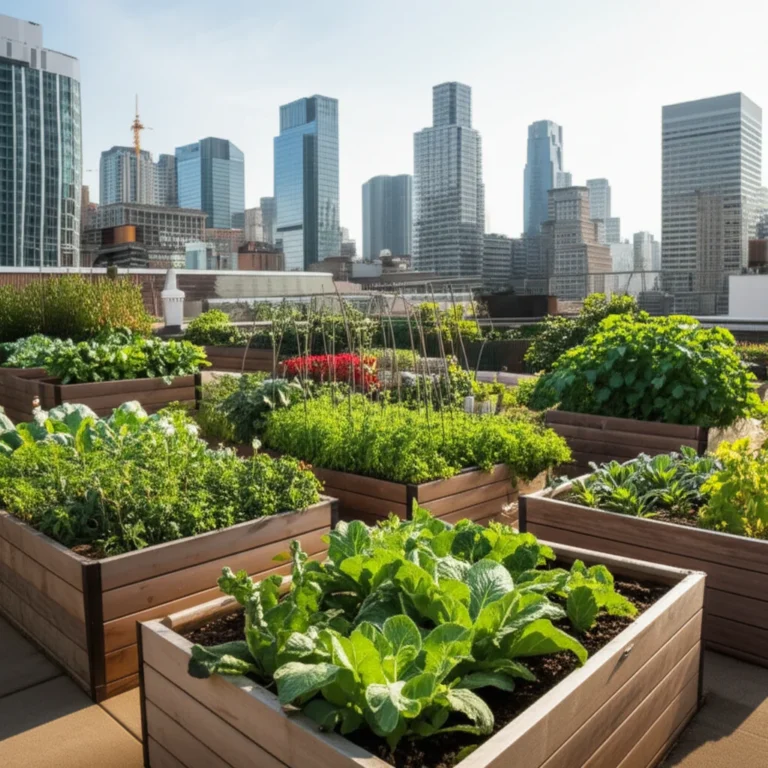
- Rooftop farms like Brooklyn Grange in NYC show how unused spaces can become productive farms.
- Vertical farms use aeroponics and hydroponics to grow crops indoors with minimal water and space.
- Community gardens create shared green spaces that improve mental health and social bonds.
According to PHS Online, urban gardening is transforming cityscapes into “lush, productive spaces” that benefit both people and the planet.
1. Vertical Gardening and Living Walls: Maximizing City Space
If you’re short on horizontal space, vertical gardening is your new best friend. Think walls, fences, and even stair railings covered in greenery—an eye-catching way to grow more in less space.
Why Go Vertical?
- Space efficiency: Perfect for balconies, patios, and tiny yards.
- Improved air quality: Plants filter pollutants and cool the air.
- Aesthetic appeal: Living walls add texture and color to urban environments.
Popular Vertical Gardening Systems
| Product Name | Design (1-10) | Functionality (1-10) | Ease of Installation (1-10) | Durability (1-10) |
|---|---|---|---|---|
| Woolly Pocket Living Wall | 9 | 8 | 7 | 8 |
| GreenStalk Vertical Planter | 8 | 9 | 8 | 7 |
| Click and Grow Smart Garden | 7 | 9 | 9 | 6 |
Woolly Pocket Living Wall
- Made from recycled plastic, lightweight, and breathable.
- Modular design lets you customize the size.
- Great for herbs, succulents, and small veggies.
GreenStalk Vertical Planter
- Stackable planter with built-in irrigation channels.
- Durable and weather-resistant.
- Ideal for beginners and those wanting a low-maintenance setup.
Click and Grow Smart Garden
- Automated watering and light system with app control.
- Perfect for tech-savvy urbanites wanting herbs indoors.
Tips for Success
- Choose plants suited for vertical growth (e.g., strawberries, lettuce, herbs).
- Ensure proper drainage to avoid root rot.
- Use lightweight soil mixes to reduce weight on walls.
Want to see these in action? Check out our Garden Design Ideas for inspiration!
2. Bold Displays of Tropical and Exotic Plants in Urban Settings
Who says city gardens can’t be a tropical paradise? Urban gardeners are embracing bold, exotic plants to add drama and lushness to their spaces.
Why Tropical Plants?
- They bring vibrant colors and unique textures.
- Many thrive indoors or in sheltered balconies.
- They create a mini-escape from the urban hustle.
Popular Tropical Choices
- Bird of Paradise (Strelitzia reginae): Iconic orange flowers that scream “vacation.”
- Monstera deliciosa: The trendy “Swiss cheese” leaf plant beloved by influencers.
- Fiddle Leaf Fig (Ficus lyrata): A statement piece for any room or patio.
Care Considerations
- Tropical plants often need high humidity and consistent watering.
- Many prefer indirect sunlight—perfect for urban apartments with filtered light.
- Watch out for pests like spider mites and scale insects.
Our team at Community Gardening™ once transformed a drab rooftop into a tropical oasis with a mix of palms, bromeliads, and ferns. The neighbors couldn’t believe the transformation! 🌴
3. The Rise of Edible Landscaping: Growing Food in Small Spaces
Why settle for just pretty plants when your garden can also feed you? Edible landscaping blends beauty and utility, turning every inch of your urban garden into a food source.
What Is Edible Landscaping?
It’s the practice of integrating fruits, vegetables, herbs, and edible flowers into ornamental garden designs.
Benefits
- Fresh, organic produce at your doorstep.
- Saves money and reduces food miles.
- Encourages healthy eating habits.
Popular Edible Plants for Urban Gardens
- Herbs: Basil, mint, thyme, and cilantro thrive in containers.
- Leafy greens: Kale, spinach, and arugula grow quickly and densely.
- Compact fruit: Strawberries, dwarf citrus trees, and cherry tomatoes.
Design Tips
- Combine edible plants with ornamentals for visual appeal.
- Use raised beds or containers for soil control and mobility.
- Incorporate companion planting to deter pests naturally.
For more on edible plants, explore our Edible Plants category.
4. The Ever-Growing Houseplant Phenomenon: Indoor Jungle Craze
If you’ve noticed your Instagram feed flooded with lush indoor jungles, you’re not alone. The houseplant craze is more than a trend—it’s a lifestyle.
Why Are Houseplants So Popular?
- They improve air quality and mental health.
- Offer a creative outlet and interior design boost.
- Perfect for city dwellers with limited outdoor space.
Top Trending Houseplants
- Monstera deliciosa: The “it” plant for its dramatic leaves.
- Snake Plant (Sansevieria): Nearly indestructible and great for beginners.
- Pothos: Fast-growing vine that thrives in low light.
Care Tips from Our Experts
- Avoid overwatering—most houseplants prefer to dry out between watering.
- Use well-draining soil and pots with drainage holes.
- Rotate plants regularly to ensure even light exposure.
Our team’s favorite? The ZZ Plant for its resilience and glossy leaves—perfect for busy urbanites.
5. Biodiversity in the City: Bringing Wildlife Back Through Gardening
Urban gardens aren’t just for humans—they’re vital habitats for pollinators, birds, and beneficial insects. The movement to bring biodiversity home is gaining momentum.
Why Biodiversity Matters
- Supports pollination and healthy ecosystems.
- Controls pests naturally, reducing chemical use.
- Enhances garden resilience and beauty.
How to Attract Wildlife
- Plant native flowers and shrubs that provide nectar and shelter.
- Include water features like birdbaths or small ponds.
- Avoid pesticides and opt for organic pest control.
According to GrowDirector, urban gardens can become “green sanctuaries” that nurture both people and wildlife.
6. Smart Gardening Technologies: From Sensors to Automated Watering
Tech meets dirt in the exciting world of smart gardening. If you’ve ever wished your plants could tell you when they’re thirsty, your wish is now reality.
Product Ratings Table
| Product | Design (1-10) | Functionality (1-10) | Ease of Use (1-10) | Price Range |
|---|---|---|---|---|
| Click and Grow Smart Garden | 8 | 9 | 9 | Mid |
| Edyn Garden Sensor | 7 | 8 | 7 | Higher |
| Parrot Flower Power | 7 | 7 | 8 | Mid |
Features & Benefits
- Soil Moisture Sensors: Alert you when plants need water, preventing over- or under-watering.
- Automated Watering Systems: Timers and drip irrigation systems keep plants hydrated with minimal effort.
- App Integration: Monitor plant health and get care tips on your phone.
Drawbacks
- Initial setup can be technical for some.
- Some devices require subscription services or app updates.
- Battery life varies; some need frequent charging or replacement.
Our Community Gardening™ team loves the Click and Grow Smart Garden for beginners—its plug-and-play design makes growing herbs indoors foolproof.
👉 Shop smart garden products on:
7. Community Gardening and Urban Farming: Growing Together
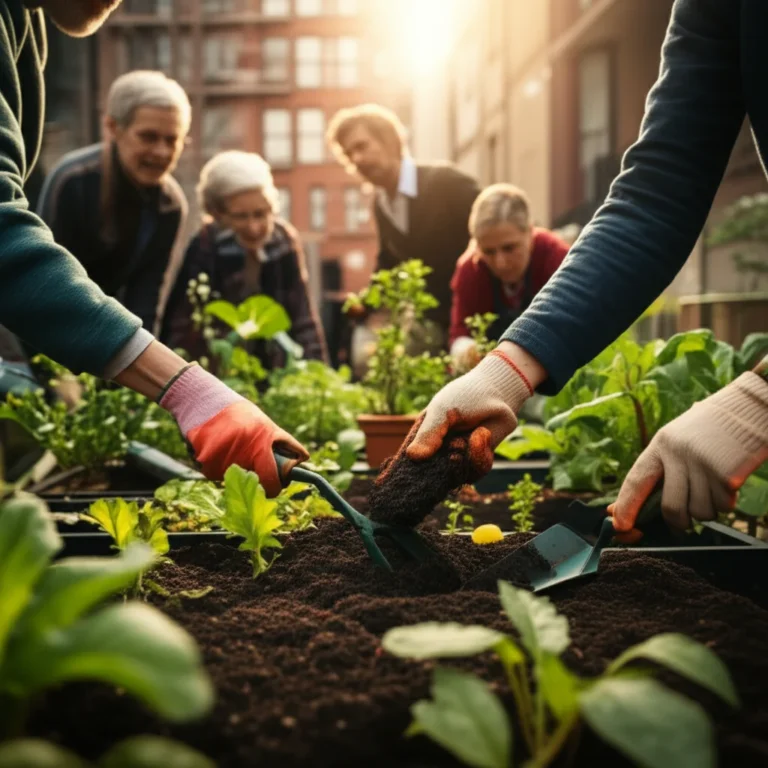
Nothing beats the joy of growing together. Community gardens are the heartbeats of urban neighborhoods, fostering food security, education, and social bonds.
Why Join or Start a Community Garden?
- Access to gardening space for those without yards.
- Shared knowledge, tools, and seeds.
- Builds neighborhood pride and cooperation.
How to Get Involved
- Find local gardens via city websites or platforms like American Community Garden Association.
- Volunteer or rent a plot.
- Attend events to learn and connect.
Our gardeners recall a winter seed swap event that sparked friendships and inspired new gardeners to start their own balconies gardens. Check out our Community Garden Events for upcoming opportunities!
8. Sustainable Gardening Practices: Composting, Rainwater, and More
Sustainability isn’t just a buzzword—it’s the backbone of urban gardening. From composting kitchen scraps to harvesting rainwater, every little eco-friendly step counts.
Key Sustainable Practices
- Composting: Reduces waste and enriches soil. Compact bins like the Envirocycle Compost Bin are perfect for apartments.
- Rainwater Harvesting: Collects water for irrigation, reducing reliance on municipal supplies.
- Organic Pest Control: Using beneficial insects and companion planting instead of chemicals.
- Native Planting: Saves water and supports local ecosystems.
Tips for Urban Gardeners
- Start small with a worm bin or bokashi compost system.
- Use mulch to retain moisture and suppress weeds.
- Choose drought-tolerant plants to conserve water.
Want to learn more? Our Community Garden Policies section covers sustainable practices in shared spaces.
9. Gardening Influencers and Social Media: Spreading the Green Gospel
From Instagram to TikTok, gardening influencers are turning urban gardening into a viral sensation. Their tips, tutorials, and plant hauls inspire millions to pick up a trowel.
Why Influencers Matter
- They make gardening accessible and fun.
- Showcase trending plants and products.
- Foster online communities for support and advice.
Popular Urban Gardening Influencers
- Summer Rayne Oakes (@homesteadbrooklyn): Focuses on sustainable urban gardening and plant care.
- Hilton Carter (@hiltoncarter): Known for bold tropical plant styling.
- PlantKween (@plantkween): Shares easy care tips and plant humor.
Our team often turns to these creators for fresh ideas and motivation—plus, their enthusiasm is contagious!
10. Growing the Future: Urban Gardening’s Role in Climate Action
Urban gardening isn’t just about pretty plants—it’s a powerful tool in the fight against climate change and food insecurity.
Environmental Benefits
- Carbon sequestration: Plants absorb CO2, helping reduce greenhouse gases.
- Heat island mitigation: Green spaces cool cities by shading and evapotranspiration.
- Stormwater management: Gardens absorb rain, reducing runoff and flooding.
Social and Economic Impact
- Improves food access in underserved communities.
- Creates green jobs and educational opportunities.
- Builds resilient neighborhoods prepared for climate challenges.
The USDA’s recent investments in urban agriculture projects underscore the growing recognition of urban gardening’s role in sustainability. (USDA Urban Agriculture)
🌿 PHS and Community Initiatives: Cultivating Green Spaces for All
The Pennsylvania Horticultural Society (PHS) is a shining example of how organizations can empower urban gardeners. Their programs promote community engagement, education, and environmental stewardship.
PHS Highlights
- Offers grants and resources for community gardens.
- Hosts workshops on sustainable gardening and urban farming.
- Advocates for policies supporting green space access.
Their mantra, “garden for the greater good,” resonates with our Community Gardening™ philosophy—because growing together means growing stronger.
🌎 Urban Gardening and Global Food Security: A Vital Link
Urban gardening is more than a local hobby—it’s part of a global solution to feeding a growing population sustainably.
How Urban Gardens Help
- Increase local food production, reducing dependence on long supply chains.
- Provide fresh, nutritious produce in food deserts.
- Educate communities on healthy eating and self-sufficiency.
According to GrowDirector, urban agriculture is “a revolution in how we interact with our cities and feed our growing populations.”
🛠️ Essential Tools and Supplies for Urban Gardeners
Ready to get your hands dirty? Here’s a rundown of must-have tools and supplies for thriving urban gardens:
| Tool/Supply | Purpose | Recommended Brand(s) | Notes |
|---|---|---|---|
| Hand Trowel | Planting and transplanting | Fiskars, Corona | Ergonomic handles reduce fatigue |
| Pruning Shears | Trimming and shaping plants | Felco, Fiskars | Sharp blades for clean cuts |
| Self-Watering Containers | Maintain moisture levels | Lechuza, Bloem | Great for busy gardeners |
| Compost Bin | Organic waste recycling | Envirocycle, OXO | Compact designs for small spaces |
| Soil Moisture Sensor | Monitor soil hydration | Edyn, Parrot Flower Power | Helps prevent overwatering |
| Grow Lights | Supplemental light for indoors | Spider Farmer, Viparspectra | Adjustable spectrum for plant needs |
Pro Tip: Invest in quality tools—they last longer and make gardening more enjoyable!
👉 Shop tools on:
🌞 Seasonal Urban Gardening: What to Plant and When
Timing is everything in gardening, especially in urban environments where microclimates and space constraints come into play.
Spring
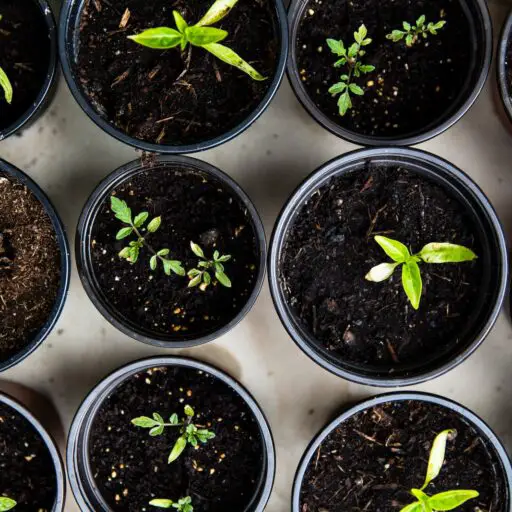
- Start seeds indoors or in greenhouses.
- Plant cool-season crops like lettuce, peas, and radishes.
Summer
- Transplant warm-season veggies like tomatoes, peppers, and beans.
- Maintain consistent watering and pest monitoring.
Fall
- Grow hardy greens like kale and spinach.
- Prepare soil with compost for winter.
Winter
- Focus on indoor gardening with houseplants and herbs under grow lights.
- Plan next year’s garden and order seeds.
Our Community Gardening™ team swears by keeping a garden journal to track planting dates and successes. It’s a game-changer!
🌟 Conclusion: Embracing the Urban Gardening Movement
Urban gardening is no longer just a hobby; it’s a transformative lifestyle that reconnects city dwellers with nature, community, and sustainability. From vertical gardens that turn walls into lush tapestries, to smart tech that makes plant care a breeze, the trends we’ve explored show how innovation and tradition blend beautifully in urban settings.
We’ve seen how bold tropical plants can turn a balcony into a mini-jungle, how edible landscaping feeds both body and soul, and how community gardens foster friendships and food security. The rise of smart sensors and automated watering systems like the Click and Grow Smart Garden makes gardening accessible even for the busiest urbanites.
But beyond aesthetics and convenience, urban gardening is a powerful climate action tool—cooling cities, sequestering carbon, and promoting biodiversity. Organizations like the Pennsylvania Horticultural Society (PHS) exemplify how community initiatives can amplify these benefits.
So, whether you’re a seasoned green thumb or a curious beginner, urban gardening offers endless opportunities to grow together, sustainably and joyfully. Remember, every plant you nurture is a step toward a greener, healthier city—and a better future for all.
Ready to dig in? Your urban garden adventure awaits! 🌿
🔗 Recommended Links for Urban Gardeners
👉 CHECK PRICE on:
- Woolly Pocket Living Wall: Amazon | Woolly Pocket Official Website
- GreenStalk Vertical Planter: Amazon | GreenStalk Official Website
- Click and Grow Smart Garden: Amazon | Click and Grow Official Website
- Envirocycle Compost Bin: Amazon | Envirocycle Official Website
- Fiskars Hand Trowel & Pruning Shears: Amazon | Fiskars Official Website
- Spider Farmer Grow Lights: Amazon
Recommended Books:
- The Urban Gardener: Growing Food and Beauty in Small Spaces by David Tracey — Amazon
- Vertical Gardening: Grow Up, Not Out, for More Vegetables and Flowers in Much Less Space by Derek Fell — Amazon
- The Edible Balcony: Growing Fresh Food in Small Spaces by Alex Mitchell — Amazon
❓ FAQ: Your Urban Gardening Questions Answered
What tools and techniques are popular in modern urban gardening?
Modern urban gardeners favor compact, ergonomic tools like Fiskars hand trowels and pruning shears for ease of use in tight spaces. Techniques such as vertical gardening, container gardening, and hydroponics maximize limited areas. Smart technologies like soil moisture sensors and automated watering systems (e.g., Click and Grow) help maintain plant health with minimal effort, making gardening accessible to all skill levels.
How do urban gardening trends support environmental awareness?
Urban gardening encourages sustainable practices such as composting, rainwater harvesting, and planting native or drought-resistant species, which conserve resources and reduce waste. By increasing green spaces, urban gardens mitigate heat islands, improve air quality, and support biodiversity, aligning with broader environmental goals.
What are effective ways to start a community garden in a city?
Begin by identifying a suitable space, such as vacant lots or underutilized parks. Engage local stakeholders and city officials to secure permissions and support. Organize interested community members, establish clear guidelines, and seek resources or grants from organizations like PHS. Hosting workshops and events fosters engagement and knowledge sharing. For more, see our Community Garden Policies.
How does urban gardening impact local food sustainability?
Urban gardening reduces reliance on long supply chains by producing fresh food locally, decreasing carbon footprints. It improves food security, especially in underserved areas, by providing access to nutritious produce. Edible landscaping and rooftop farms contribute significantly to local food systems, enhancing resilience against disruptions.
What plants are best for urban community gardens?
Plants that thrive in small spaces and variable conditions are ideal, including herbs (basil, mint), leafy greens (kale, spinach), compact fruits (strawberries, cherry tomatoes), and native flowering plants that support pollinators. Choosing drought-tolerant and pest-resistant varieties reduces maintenance and resource use.
How can urban gardening promote community bonding?
Shared gardening spaces foster cooperation, knowledge exchange, and social interaction. Events like seed swaps, workshops, and harvest festivals build relationships and a sense of ownership. Gardening together also improves mental health and reduces social isolation.
What are the latest urban gardening trends for community spaces?
Community gardens are integrating smart irrigation systems, vertical growing towers, and edible landscaping to maximize productivity and sustainability. There’s also a growing focus on inclusive design to ensure accessibility and cultural relevance, along with partnerships with local schools and nonprofits for education.
How can community gardening promote sustainability in cities?
By encouraging composting, water conservation, and organic pest control, community gardens reduce urban waste and chemical runoff. They create habitats for wildlife, enhance soil health, and serve as living classrooms for sustainable practices, fostering environmental stewardship.
What are the benefits of vertical gardening in urban areas?
Vertical gardening maximizes limited space, improves air quality, and adds aesthetic value. It allows for higher yields per square foot and can be adapted to various surfaces, including walls and fences. This method also reduces soil-borne diseases and makes harvesting easier.
How do urban gardening trends support local food production?
Trends like rooftop farms, container gardening, and hydroponics increase food production capacity within cities. Smart technology optimizes growth conditions, while edible landscaping integrates food into everyday environments, making fresh produce more accessible.
What tools and technologies are popular in modern urban gardening?
Popular tools include ergonomic hand tools (Fiskars), self-watering containers (Lechuza), and compact compost bins (Envirocycle). Technologies such as smart sensors (Edyn, Parrot Flower Power), automated irrigation, and grow lights (Spider Farmer) help optimize plant health and growth in urban settings.
How can community gardens improve social connections in neighborhoods?
Community gardens act as social hubs where neighbors collaborate, share resources, and celebrate harvests. They reduce social isolation, encourage cultural exchange, and empower residents through shared goals and successes.
What plants are best suited for urban gardening in small spaces?
Compact, fast-growing, and low-maintenance plants like herbs (thyme, chives), salad greens (arugula, lettuce), dwarf fruit trees, and container-friendly vegetables (radishes, peppers) thrive in small urban gardens. Succulents and air plants are also popular for vertical and indoor setups.
📚 Reference Links and Further Reading
- Pennsylvania Horticultural Society (PHS)
- American Community Garden Association
- United Nations Urban Agriculture Overview
- USDA Urban Agriculture Initiatives
- GrowDirector: Urban Agriculture in 2025: A Growing Trend with Deep Roots
- Click and Grow Official Website
- Woolly Pocket Living Walls
- GreenStalk Vertical Planters
- Envirocycle Compost Bins
- Fiskars Gardening Tools
- Spider Farmer Grow Lights
Ready to turn your urban space into a green sanctuary? Dive into the resources above and start growing today! 🌿