Support our educational content for free when you purchase through links on our site. Learn more


Imagine turning a tiny balcony, a neglected windowsill, or a bare patch of concrete into a lush, productive garden bursting with fresh veggies, herbs, and flowers. Urban micro-gardens are not just a trend—they’re a powerful solution to food insecurity, community building, and environmental challenges in cities worldwide. From inspiring projects in Dakar that alleviate hunger to innovative vertical gardens in Philadelphia that transform cityscapes, micro-gardening packs a mighty punch in small spaces.
In this comprehensive guide, we’ll dig deep into everything you need to know about micro-gardens for urban communities: how to design them, why soil and microbes matter more than you think, the role of microclimates, and which plants thrive best. Plus, we’ll share real stories from gardeners who turned tiny spaces into thriving urban oases. Curious about the secret sauce behind these tiny powerhouses? Stick around—we’re about to reveal it all!
Key Takeaways
- Micro-gardens maximize productivity in limited urban spaces, making fresh, nutritious food accessible to city dwellers.
- Soil quality and beneficial microbes are critical for healthy plants and bountiful harvests in containers and small beds.
- Microclimates and vertical gardening techniques unlock new possibilities for growing in tight or unconventional spaces.
- Community micro-gardens foster social connections, improve mental health, and contribute to urban sustainability.
- Innovative tools and materials, from fabric grow bags to drip irrigation, simplify urban micro-gardening success.
Ready to transform your urban space into a green oasis? Let’s get growing!
Table of Contents
- ⚡️ Quick Tips and Facts About Micro-Gardens in Urban Communities
- 🌱 The Roots of Micro-Gardening: Urban Agriculture’s Tiny Revolution
- 🧐 How Did the Term “Micro-Gardening” Sprout?
- 📏 What Size Are Micro-Gardens? Defining the Small but Mighty Spaces
- 🌿 Why Soil Quality Is the Secret Sauce in Micro-Gardens
- 🦠 Microbes: The Unsung Heroes of Micro-Gardens
- 🌞 Microclimates Matter: How Tiny Weather Zones Boost Your Urban Micro-Garden
- 🏙️ 7 Inspiring Examples of Micro-Gardens Transforming Urban Communities
- 🛠️ 10 Essential Tools and Materials for Successful Urban Micro-Gardening
- 💡 Innovative Techniques: Vertical Gardens, Hydroponics, and Beyond
- 🌍 The Environmental Impact: How Micro-Gardens Help Cities Breathe
- 👩 🌾 Community Building Through Micro-Gardens: Stories from the Trenches
- 💰 Funding and Support: How to Kickstart Your Urban Micro-Garden Project
- 🍅 What to Grow? Best Plants for Urban Micro-Gardens That Thrive
- 🌧️ Watering Wisdom: Efficient Irrigation Tips for Tiny Urban Gardens
- 🐞 Pest Control in Micro-Gardens: Natural and Effective Strategies
- 📅 Seasonal Care: How to Maintain Your Micro-Garden Year-Round
- 🔍 Troubleshooting Common Micro-Gardening Challenges
- 🎉 Conclusion: Why Micro-Gardens Are the Future of Urban Living
- 🔗 Recommended Links for Urban Micro-Gardening Enthusiasts
- ❓ FAQ: Your Burning Questions About Micro-Gardens Answered
- 📚 Reference Links and Further Reading
⚡️ Quick Tips and Facts About Micro-Gardens in Urban Communities
Welcome, fellow green thumbs and aspiring urban farmers! Here at Community Gardening™, we’re all about helping you “Grow Together through Community Gardening” – and nothing embodies that spirit quite like the incredible world of micro-gardens. These aren’t just tiny patches of dirt; they’re vibrant, productive ecosystems packed into the smallest of urban footprints. Think big impact, small space!
So, what exactly are we talking about when we say “micro-garden”? Imagine transforming a forgotten balcony, a sunny windowsill, or even a sliver of sidewalk into a thriving food source. It’s about intensive food farming in containers and small urban spaces, designed to be highly productive, energy and space efficient, sustainable, and affordable. As Anne Gibson, the “Micro Gardener” herself, puts it, “Micro gardening is the practice of intensively food ‘farming’ in containers and well-designed, small urban spaces.” (The Micro Gardener)
Ready to dig in? Here are some quick facts to get your hands dirty:
- Size Doesn’t Matter (Much!): Micro-gardens can be as tiny as a jar for sprouts or a small tray for microgreens, extending to several square meters of intensive container gardening.
- Urban Oasis: They’re perfect for city dwellers, apartment and balcony gardeners, and anyone with limited outdoor space.
- Nutrient Powerhouses: Focus on growing nutrient-dense food right where you live, boosting your health and reducing food miles.
- Community Connectors: Micro-gardens often spark conversations, share harvests, and build stronger neighborhood bonds. Learn more about the Benefits of Community Gardens!
- Eco-Friendly: They promote sustainability by encouraging organic practices, water harvesting, and recycling kitchen waste.
- Economic Boost: Surplus produce can even create small economic opportunities, as seen in initiatives like those in Dakar (C40 Cities).
🌱 The Roots of Micro-Gardening: Urban Agriculture’s Tiny Revolution
Have you ever walked through a bustling city and wished for a splash of green, a hint of nature’s bounty amidst the concrete jungle? That yearning is precisely where micro-gardening takes root. It’s not just a trend; it’s a vital component of the broader urban agriculture movement, a tiny revolution transforming how we think about food, space, and community in our cities.
For centuries, humans have grown food where they live. But as cities expanded, agriculture retreated to rural areas. Now, with growing concerns about food security, environmental impact, and the desire for fresh, local produce, urban agriculture is making a powerful comeback. Micro-gardening is at the forefront of this resurgence, proving that you don’t need acres of land to make a significant difference.
From the vibrant window boxes of Philadelphia, “transforming cityscapes into vibrant environments” (Gardening Gone Wild), to the poverty-alleviating initiatives in Dakar, Senegal, where micro-gardens provide fresh produce and economic opportunities (C40 Cities), these small-scale efforts are having a monumental impact. They’re not just about growing food; they’re about cultivating resilience, fostering self-sufficiency, and breathing life into overlooked urban corners. We’ve seen firsthand how a single container garden can spark joy and connection, transforming a lonely balcony into a neighborhood talking point. It’s truly amazing how much life can spring from such humble beginnings!
🧐 How Did the Term “Micro-Gardening” Sprout?
So, who gets the credit for this wonderfully descriptive term? The concept of growing food in small spaces is ancient, but the specific phrase “micro-gardening” was coined by the passionate Australian gardener and educator, Anne Gibson, in 2007.
Anne, like many of us, found herself wanting to grow nutrient-dense food but was limited by space. She realized that traditional gardening terms didn’t quite capture the essence of what she was doing – intensely cultivating food in containers and small, well-designed urban areas. Her goal was to scale down sustainable agriculture techniques, particularly permaculture principles, for the urban environment. She wanted a term that emphasized efficiency, productivity, and a holistic approach to growing in confined spaces.
Her philosophy, “Healthy plants = healthy food = healthy people,” became the driving force behind the term and the movement. It’s about maximizing every inch, every drop of water, and every ray of sunshine to create a thriving, miniature ecosystem. We at Community Gardening™ wholeheartedly embrace this philosophy, as it perfectly aligns with our mission to empower everyone, regardless of space, to experience the joy and benefits of growing their own food. It’s about making gardening accessible and impactful for everyone.
📏 What Size Are Micro-Gardens? Defining the Small but Mighty Spaces
When you hear “micro,” you might immediately think “tiny,” right? And while many micro-gardens are indeed small, the term “micro-gardening” actually refers more to the intensity and efficiency of cultivation rather than a strict size constraint. It’s about maximizing yield and health in whatever space you have available, no matter how modest.
As Anne Gibson explains, micro-gardens can be incredibly diverse in scale: “Micro gardens can be as small as a few square centimeters (e.g., microgreens). Can be grown vertically or in larger garden beds several square meters long.” (The Micro Gardener)
Let’s break down what that really means:
From Teacup to Terrace: The Spectrum of Micro-Gardening
- The Ultra-Micro:
- Sprouts in a Jar: Literally a few square inches! Grow alfalfa, radish, or mung bean sprouts in a simple glass jar on your kitchen counter. No soil needed!
- Microgreens in a Tray: A shallow tray (think 10×20 inches) can produce a continuous harvest of nutrient-packed greens like arugula, basil, or kale in just 7-21 days.
- The Container Conquerors:
- Window Boxes: Perfect for herbs, lettuce, or small flowers, adding beauty and flavor to your home.
- Pots and Planters: From terracotta to fabric grow bags, these can house anything from cherry tomatoes and peppers to bush beans and strawberries. We’ve seen incredible harvests from just a handful of 5-gallon fabric pots!
- Repurposed Items: Old tires, buckets, even rain gutters (as seen in the featured video where a gardener uses them for leafy greens!) can become productive planters.
- The Vertical Virtuosos:
- Stackable Planters: Systems like the GreenStalk Vertical Planter allow you to grow dozens of plants in a footprint of just a few square feet.
- Wall-Mounted Pockets: Fabric pocket planters or modular systems turn bare walls into lush, edible landscapes.
- Trellises and Arbors: Training vining plants like cucumbers, melons, or pole beans upwards saves precious ground space and adds a beautiful dimension to your garden.
- The Intensive Beds:
- Small Raised Beds: Even a 4×4 foot raised bed can be incredibly productive when managed intensively with companion planting and succession sowing.
- Wicking Beds: These self-watering systems are fantastic for water conservation and consistent moisture, making them ideal for small, busy urban gardeners.
The key takeaway? Don’t let perceived space limitations deter you. If you have a patch of sun, a wall, or even just a windowsill, you have the potential for a micro-garden. It’s about smart design, intensive planting, and a little bit of gardening magic!
🌿 Why Soil Quality Is the Secret Sauce in Micro-Gardens
Alright, let’s talk dirt. Or rather, let’s talk soil – because in the world of micro-gardening, your soil isn’t just dirt; it’s the very foundation of your success. We cannot stress this enough: healthy soil equals healthy plants, which equals healthy food, and ultimately, healthy you!
Think of it this way: if your plants are living in a tiny apartment (a container), that apartment better be five-star luxury! Unlike in-ground gardens where roots can spread far and wide to seek nutrients and water, container plants are entirely dependent on what you provide in that confined space.
The Pitfalls of Poor Potting Mixes ❌
Many new gardeners, eager to start, grab the cheapest bag of “potting mix” they can find. While these might seem fine initially, they often lack the essential structure, nutrients, and microbial life needed for long-term plant health.
- Poor Drainage/Retention: Cheap mixes can become waterlogged, suffocating roots, or dry out too quickly, leaving plants thirsty.
- Nutrient Deficiencies: They’re often sterile and devoid of the complex nutrient cycles found in living soil.
- Compaction: Over time, they can compact, restricting root growth and air circulation.
As Anne Gibson wisely advises, it’s “critical for success; avoid poor-quality soil or cheap potting mixes.” (The Micro Gardener) We’ve seen countless frustrated gardeners come to us with struggling plants, only to find the root of the problem (pun intended!) was their soil.
Crafting Your Five-Star Soil 🌟
So, what’s the solution? Amend your soil or create your own rich, living potting mix! This is where the magic happens. Your goal is a mix that offers:
- Excellent Drainage: Water should flow through, but not too quickly.
- Good Water Retention: It should hold moisture for your plants between waterings.
- Aeration: Roots need oxygen to thrive.
- Nutrient Density: A steady supply of macro and micronutrients.
- Microbial Life: The unsung heroes that make nutrients available to plants (more on them next!).
Here’s a basic recipe for a fantastic DIY potting mix, which we often share at our Community Garden Events:
| Component | Ratio (by volume) | Purpose
- Compost (or Worm Castings): 2 parts. This is your nutrient powerhouse and microbial inoculant. It improves soil structure, water retention, and provides a slow release of nutrients. We love using our own homemade compost from kitchen scraps!
- Coir (or Peat Moss): 2 parts. Excellent for water retention and aeration. Coir is a more sustainable choice than peat moss. Brands like Coco Coir Global offer compressed bricks that expand significantly when hydrated.
- Perlite (or Vermiculite): 1 part. Essential for drainage and aeration, preventing compaction. Espoma Organic Perlite is a reliable choice.
- Optional Amendments:
- Greensand: For potassium and trace minerals.
- Bone Meal: For phosphorus, great for flowering and fruiting plants.
- Azomite: A natural rock dust rich in trace minerals.
👉 CHECK PRICE on:
Remember to mix these thoroughly! Your plants, especially those delicious Edible Plants you’re dreaming of, will thank you with abundant harvests.
🦠 Microbes: The Unsung Heroes of Micro-Gardens
If soil quality is the secret sauce, then microbes are the invisible chefs working tirelessly behind the scenes! These microscopic organisms – bacteria, fungi, protozoa, and nematodes – form a complex, bustling ecosystem within your soil, and they are absolutely critical for the health and productivity of your micro-garden.
When we talk about “living soil,” we’re talking about soil teeming with these beneficial microbes. They’re not just hanging out; they’re actively engaged in a sophisticated dance of nutrient cycling, disease suppression, and plant support.
What Do These Tiny Titans Do?
- Nutrient Cycling: Plants can’t directly absorb many nutrients in their raw form. Microbes act as tiny processors, breaking down organic matter (like compost!) and converting nutrients into forms that plant roots can readily take up. They literally “feed” your plants!
- Disease Suppression: A diverse and healthy microbial community can outcompete or even actively fight off harmful pathogens, acting as a natural immune system for your garden.
- Improved Soil Structure: Fungi, in particular, create sticky substances that bind soil particles together, improving aeration and water penetration.
- Water Retention: Some microbes help the soil hold onto water more efficiently, which is a huge benefit in small containers that can dry out quickly.
- Root Growth Promotion: Certain bacteria and fungi form symbiotic relationships with plant roots, extending their reach and enhancing their ability to absorb water and nutrients. Mycorrhizal fungi, for example, essentially act as an extension of the plant’s root system, sometimes increasing nutrient uptake by hundreds of times!
How to Invite More Microbes to Your Garden Party 🎉
- Compost, Compost, Compost! This is the single best way to introduce a diverse array of beneficial microbes into your soil. Whether it’s your own homemade compost or a high-quality bagged product like Coast of Maine Organic & Natural Compost, it’s microbe heaven.
- Worm Castings: Often called “black gold,” worm castings are packed with beneficial microbes and plant-available nutrients. A handful mixed into your potting soil or used as a top dressing can work wonders.
- Avoid Synthetics: Chemical fertilizers and pesticides can harm or kill beneficial microbial populations, disrupting the delicate balance of your soil ecosystem. Stick to organic, biological strategies whenever possible.
- Microbial Inoculants: You can give your garden a boost with specific products designed to introduce beneficial microbes.
- Mycorrhizal Fungi: Brands like MycoGrow or Great White Premium Mycorrhizae offer powders you can mix into your soil or use when transplanting. These fungi form a symbiotic relationship with plant roots, dramatically increasing nutrient and water uptake.
- Compost Tea: Brew your own! This involves steeping compost in water (often with an air pump) to create a liquid teeming with beneficial microbes that you can then apply to your plants and soil.
👉 CHECK PRICE on:
By nurturing your soil’s microbial life, you’re not just growing plants; you’re cultivating a thriving, resilient ecosystem that will reward you with healthier, more productive harvests. It’s a fundamental principle we teach at Community Gardening™ because it truly makes all the difference!
🌞 Microclimates Matter: How Tiny Weather Zones Boost Your Urban Micro-Garden
Ever noticed how the sun feels different on one side of your building compared to the other? Or how a sheltered corner stays warmer than an open spot? You’re observing microclimates – localized atmospheric conditions that differ from the general climate of an area. In urban micro-gardening, understanding and utilizing these tiny weather zones isn’t just smart; it’s a game-changer!
Urban environments are a patchwork of microclimates. Buildings create shade, reflect heat, and channel wind. Pavement absorbs and radiates warmth. Even a small balcony can have several distinct microclimates. Ignoring them is like trying to grow a desert cactus in a rainforest – you’re fighting nature, not working with it.
Decoding Your Urban Microclimates 🕵️ ♀️
Before you plant a single seed, take some time to observe your space. This is a crucial step we always emphasize with our community gardeners.
- Sunlight Exposure:
- Morning Sun: Gentle, ideal for leafy greens and herbs that prefer cooler conditions.
- Afternoon Sun: Intense, perfect for sun-loving fruiting plants like tomatoes, peppers, and eggplants.
- Full Shade: Areas receiving less than 3 hours of direct sun. Good for some herbs (mint, parsley) or simply for decorative foliage.
- Reflected Light: Walls or light-colored surfaces can bounce light, increasing overall brightness.
- Wind Patterns:
- Wind Tunnels: Narrow passages between buildings can create strong, drying winds that stress plants.
- Sheltered Nooks: Corners or areas protected by walls offer a calmer environment.
- Heat Sinks & Radiators:
- Concrete/Brick Walls: Absorb heat during the day and slowly release it at night, creating warmer zones. Great for heat-loving plants or extending the growing season.
- Pavement/Rooftops: Can get incredibly hot, potentially scorching plants.
- Moisture Levels: Areas prone to rain runoff or sheltered from it.
Harnessing Microclimates for Maximum Growth 🚀
Once you understand your microclimates, you can design your micro-garden for resilience, productivity, and minimal maintenance.
- Strategic Plant Placement:
- Sun-lovers: Place your tomatoes, peppers, and squash in the sunniest, warmest spots.
- Shade-lovers: Position lettuce, spinach, and many herbs in areas with morning sun and afternoon shade to prevent bolting (going to seed prematurely).
- Wind-sensitive: Protect taller plants or delicate greens from strong winds using barriers.
- Creating Artificial Microclimates:
- Windbreaks: Use trellises, fences, or even taller, hardier plants to shield more delicate ones.
- Shade Cloth: In intensely hot areas, a simple shade cloth can protect plants from scorching afternoon sun.
- Cold Frames/Cloches: These mini-greenhouses can extend your growing season by protecting plants from frost in cooler months, utilizing the heat retention of your urban environment.
- Water Features: A small pond or even a large water-filled container can moderate temperatures nearby.
- Container Choice: Darker containers absorb more heat, while lighter ones reflect it. Use this to your advantage!
We once had a gardener in a high-rise apartment who thought they couldn’t grow anything because their balcony only got morning sun. After observing, we realized a brick wall reflected enough afternoon light to create a perfect spot for cherry tomatoes! It’s all about looking closely and getting creative. By paying attention to these subtle environmental cues, you can turn your small urban space into a highly productive and resilient micro-farm.
🏙️ 7 Inspiring Examples of Micro-Gardens Transforming Urban Communities
Micro-gardens are more than just a hobby; they’re a powerful tool for urban transformation, bringing beauty, food, and community spirit to unexpected places. From tiny indoor setups to bustling community plots, these small but mighty spaces are redefining what’s possible in city living. Here are 7 inspiring examples that showcase the incredible versatility and impact of micro-gardening:
1. The Kitchen Counter Sprout & Microgreen Farm 🧑 🍳
- What it is: The ultimate in ultra-micro-gardening! Growing nutrient-dense sprouts (like alfalfa, radish, or mung beans) in jars or microgreens (like arugula, broccoli, or basil) in shallow trays, often right on your kitchen counter or a sunny windowsill.
- Why it’s transformative: Provides incredibly fresh, living food year-round, regardless of outdoor space or climate. It’s an immediate source of vitamins and minerals, literally at your fingertips. We’ve seen families start here and get hooked on growing!
- Impact: Boosts daily nutrition, reduces grocery bills, and connects people to their food source in the most direct way.
2. The Balcony Bounty: Container Gardens Galore 🪴
- What it is: Utilizing balconies, patios, or small paved areas with a variety of pots, grow bags, and raised planters to grow a diverse range of vegetables, herbs, and fruits.
- Why it’s transformative: Turns underutilized outdoor spaces into productive food zones. Imagine stepping out onto your balcony and picking fresh basil for dinner! This is where many of our Community Gardening™ members begin their journey.
- Impact: Enhances food security for apartment dwellers, adds aesthetic beauty, and creates a personal green oasis in the urban landscape.
3. Vertical Wonders: Wall-Mounted and Stackable Systems ⬆️
- What it is: Gardening upwards! This includes wall-mounted pocket planters, stackable container systems, and trellises for vining plants.
- Why it’s transformative: Maximizes space incredibly efficiently. A small footprint can yield a huge harvest. We’ve seen vertical gardens transform drab brick walls into lush, edible art installations. The gardener in the featured video demonstrates this beautifully, using a DIY trellis for cucumbers and melons, and even repurposing rain gutters as vertical planters for leafy greens!
- Impact: Ideal for tiny spaces, adds visual interest, and can significantly increase food production in a limited area. Brands like WallyGrow and GreenStalk offer fantastic modular and stackable options.
👉 Shop Vertical Gardening Systems on:
- WallyGrow: Amazon | WallyGrow Official Website
- GreenStalk Vertical Planter: Amazon | GreenStalk Official Website
4. The Community Plot: Shared Spaces, Shared Harvests 🤝
- What it is: Small, often individual, garden plots within a larger community garden space. While the overall garden might be large, each plot functions as a micro-garden.
- Why it’s transformative: Fosters incredible community spirit, knowledge sharing, and collective well-being. We’ve witnessed countless friendships blossom over shared gardening tips and surplus zucchini! This is the heart of what we do at Community Gardening™.
- Impact: Alleviates poverty and hunger, as highlighted by the Dakar initiative (C40 Cities), improves neighborhood aesthetics, and provides access to gardening for those without private outdoor space.
5. Urban Beautification: Window Boxes and Entryway Plantings 🌸
- What it is: Thoughtfully designed window boxes, large containers, and planters adorning building facades, restaurant entryways, and public sidewalks.
- Why it’s transformative: As seen in Philadelphia, these small plantings “transform cityscapes into vibrant environments” (Gardening Gone Wild). They soften hardscapes, add color and texture, and create a welcoming atmosphere.
- Impact: Enhances urban aesthetics, provides a sense of peace and happiness for residents, and contributes to a more livable city.
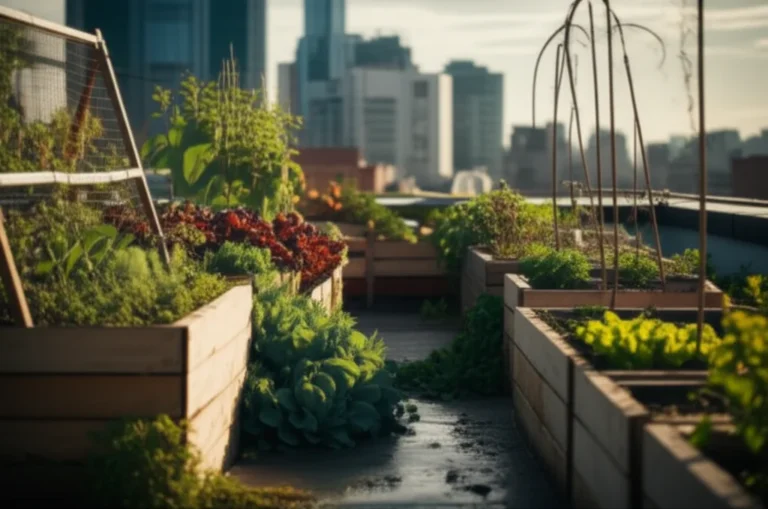
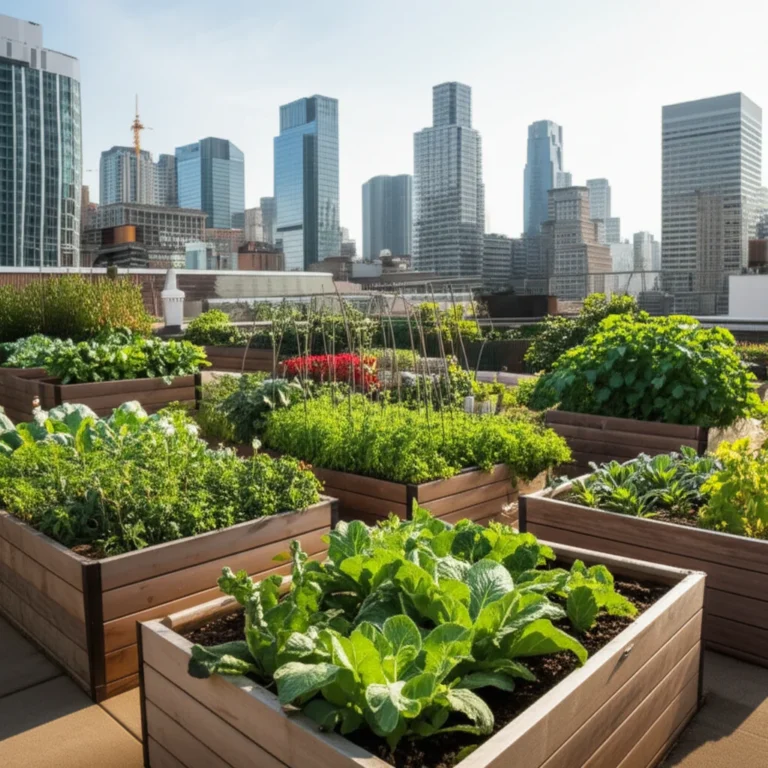
6. The Rooftop Edible Garden 🏙️
- What it is: Utilizing flat rooftops of residential or commercial buildings to create productive gardens, often in raised beds or large containers.
- Why it’s transformative: Converts unused, often hot, urban spaces into cool, green oases that produce food. It’s a prime example of maximizing overlooked real estate.
- Impact: Reduces the urban heat island effect, improves air quality, provides fresh food for residents or restaurants, and can offer stunning views alongside your harvest.
7. Mobile Micro-Gardens: Gardens on Wheels 🚚
- What it is: Planters or raised beds equipped with castors or wheels, allowing them to be moved easily to chase the sun, avoid harsh weather, or simply rearrange your space.
- Why it’s transformative: Offers incredible flexibility for gardeners in dynamic urban environments. Need more sun in the morning? Roll it out! Expecting a storm? Roll it under cover!
- Impact: Increases resilience and productivity by allowing gardeners to optimize light and protection, making gardening accessible even in challenging or temporary spaces. We’ve seen these used effectively in community spaces that need to be reconfigured for events.
These examples demonstrate that micro-gardening isn’t a one-size-fits-all solution but a versatile approach that adapts to the unique challenges and opportunities of urban living. Which one sparks your imagination the most?
🛠️ 10 Essential Tools and Materials for Successful Urban Micro-Gardening
Starting a micro-garden doesn’t require a shed full of expensive equipment. In fact, one of the beauties of it is how little you truly need! However, having the right basic tools and materials can make all the difference between a frustrating experience and a joyful, productive one. Here at Community Gardening™, we’ve learned through countless hours of digging, planting, and harvesting what truly makes a gardener’s life easier.
Here are our top 10 essentials, complete with our expert ratings and recommendations:
1. Hand Trowel 🥄
- Description: Your go-to tool for digging small holes, transplanting seedlings, and mixing soil. Look for a sturdy, ergonomic design.
- Our Rating:
- Design: 9/10 (Ergonomic handles are a must!)
- Functionality: 10/10 (Indispensable for almost every task)
- Durability: 8/10 (Metal construction is key)
- Ease of Use: 10/10
- Recommendation: We swear by the Fiskars Ergo Trowel. Its comfortable handle and durable stainless steel blade make light work of potting and planting. Avoid plastic trowels; they rarely last!
- 👉 CHECK PRICE on:
2. Pruning Shears (Hand Pruners) ✂️
- Description: Essential for harvesting herbs, snipping off spent flowers, and light pruning to encourage bushier growth.
- Our Rating:
- Design: 9/10 (Safety lock and comfortable grip)
- Functionality: 9/10 (Clean cuts are vital for plant health)
- Durability: 9/10 (Stainless steel blades resist rust)
- Ease of Use: 9/10
- Recommendation: Felco F-2 Classic Pruner is the gold standard for a reason, but for a more budget-friendly yet still excellent option, Fiskars Bypass Pruning Shears are fantastic.
- 👉 CHECK PRICE on:
3. Watering Can (with a fine rose) 🚿
- Description: For gentle, controlled watering, especially for seedlings and delicate plants. A fine rose attachment prevents soil erosion and plant damage.
- Our Rating:
- Design: 8/10 (Balance and spout length matter)
- Functionality: 10/10 (Gentle watering is crucial)
- Durability: 7/10 (Plastic can crack, metal can rust)
- Ease of Use: 9/10
- Recommendation: The Dramm One Touch Rain Wand (though a wand, it’s excellent for containers) or a classic Haws Watering Can for its balance and fine rose. For a simple plastic option, look for one with a removable rose.
- 👉 CHECK PRICE on:
4. Fabric Grow Bags 🌱
- Description: Breathable, lightweight containers that promote air pruning of roots, preventing circling and encouraging healthier plant growth.
- Our Rating:
- Design: 9/10 (Handles are a bonus!)
- Functionality: 10/10 (Superior to plastic pots for many plants)
- Durability: 8/10 (Can last several seasons if cared for)
- Ease of Use: 10/10 (Easy to move, store)
- Recommendation: Smart Pots are the original and still the best. They come in various sizes, perfect for everything from herbs to potatoes.
- 👉 CHECK PRICE on:
5. Organic Potting Mix 🌍
- Description: A high-quality, well-draining, nutrient-rich soil blend specifically formulated for containers. (See our “Why Soil Quality Is the Secret Sauce” section for more detail!)
- Our Rating:
- Design: N/A
- Functionality: 10/10 (The foundation of your garden)
- Durability: N/A
- Ease of Use: 10/10
- Recommendation: FoxFarm Ocean Forest Potting Soil or Espoma Organic Potting Mix are excellent choices. They come pre-amended with beneficial ingredients.
- 👉 CHECK PRICE on:
6. Compost or Worm Castings 🐛
- Description: An absolute must for enriching your potting mix and providing a slow release of nutrients and beneficial microbes.
- Our Rating:
- Design: N/A
- Functionality: 10/10 (Feeds plants and soil life)
- Durability: N/A
- Ease of Use: 10/10
- Recommendation: Your own homemade compost is best! Otherwise, Worm Castings by Wiggle Worm or Black Kow Composted Cow Manure are great bagged options.
- 👉 CHECK PRICE on:
7. Seed Starting Trays & Dome trays 🌱
- Description: For germinating seeds indoors, providing a controlled environment for young plants.
- Our Rating:
- Design: 8/10 (Clear dome is key)
- Functionality: 9/10 (Essential for starting seeds)
- Durability: 7/10 (Can be flimsy, choose thicker plastic)
- Ease of Use: 9/10
- Recommendation: Look for trays with drainage holes and a clear humidity dome. Bootstrap Farmer offers heavy-duty, reusable trays that last.
- 👉 CHECK PRICE on:
- Bootstrap Farmer Seed Starting Trays: Amazon | Bootstrap Farmer Official Website
8. Plant Labels 🏷️
- Description: Simple, but crucial for remembering what you planted where, especially when starting many varieties!
- Our Rating:
- Design: 7/10 (Legible and weather-resistant)
- Functionality: 10/10 (Prevents confusion!)
- Durability: 8/10 (Plastic or slate are good)
- Ease of Use: 10/10
- Recommendation: We prefer bamboo or slate labels for sustainability and aesthetics, but simple plastic ones work too. Just make sure your marker is waterproof!
9. Gardening Gloves 🧤
- Description: Protect your hands from dirt, thorns, and blisters.
- Our Rating:
- Design: 8/10 (Snug fit, breathable)
- Functionality: 9/10 (Protection and grip)
- Durability: 8/10 (Look for reinforced fingertips)
- Ease of Use: 10/10
- Recommendation: Atlas Nitrile Touch Gloves are fantastic for dexterity and protection. For heavier tasks, Wells Lamont Leather Gloves are durable.
- 👉 CHECK PRICE on:
10. Small Shovel or Scoop ⛏️
- Description: For moving larger quantities of potting mix, compost, or amendments into your containers.
- Our Rating:
- Design: 8/10 (Comfortable handle, good scoop size)
- Functionality: 9/10 (Efficient for bulk material)
- Durability: 9/10 (Metal is best)
- Ease of Use: 9/10
- Recommendation: A sturdy stainless steel hand scoop or a small garden shovel will save your back and make potting much faster.
With these tools in hand, you’ll be well-equipped to tackle any micro-gardening project, big or small! Happy planting!
💡 Innovative Techniques: Vertical Gardens, Hydroponics, and Beyond
When space is at a premium, traditional horizontal gardening just won’t cut it. This is where innovation truly shines in urban micro-gardening! We’re talking about clever techniques that defy gravity, ditch the soil, and squeeze every last drop of productivity out of your available area. These methods aren’t just novel; they’re often more efficient with water and nutrients, making them perfect for the eco-conscious urban gardener.
1. Vertical Gardening: Going Up! 🧗 ♀️
Vertical gardening is perhaps the most intuitive way to maximize space in a micro-garden. Why spread out when you can stack up? It’s about turning walls, fences, and even narrow pathways into productive growing surfaces.
Types of Vertical Gardens:
- Stackable Planters: These systems consist of multiple tiers that stack on top of each other, often with a central watering system. They’re fantastic for leafy greens, herbs, and strawberries.
- Benefits: High density planting, efficient watering, easy harvesting.
- Drawbacks: Can be heavy when fully planted, some designs limit plant size.
- Recommendation: The GreenStalk Vertical Planter is a favorite among our community members for its robust design and excellent watering system. Each tier holds a significant amount of soil, allowing for healthy root development.
- 👉 CHECK PRICE on:
- GreenStalk Vertical Planter: Amazon | GreenStalk Official Website
- Wall-Mounted Pockets/Panels: Fabric pockets or modular plastic panels attach directly to a wall or fence, creating a living wall.
- Benefits: Visually stunning, utilizes otherwise unused vertical space, good for shallow-rooted plants.
- Drawbacks: Can dry out quickly, requires careful watering, some systems can be costly.
- Recommendation: WallyGrow Eco-Planters are made from recycled plastic bottles and are designed for easy installation and maintenance.
- 👉 CHECK PRICE on:
- WallyGrow Eco-Planters: Amazon | WallyGrow Official Website
- Trellises and Arbors: Simple structures that support vining plants like cucumbers, pole beans, peas, and even small melons (as seen in the featured video).
- Benefits: Cost-effective, allows plants to grow upwards, improves air circulation around plants, reduces pest and disease issues.
- Drawbacks: Requires tying up plants, not suitable for all crops.
- Recommendation: A sturdy metal garden trellis or even a DIY system using rebar and netting can work wonders.
2. Hydroponics: Growing Without Soil 💧
Hydroponics is the method of growing plants without soil, using mineral nutrient solutions dissolved in water. It might sound futuristic, but it’s surprisingly accessible for home gardeners and incredibly efficient.
How it Works (Simply):
Plants are grown with their roots directly in a nutrient-rich water solution, or in an inert medium like rockwool, coco coir, or perlite that provides support. The water is often recirculated, making it highly water-efficient.
Benefits for Urban Micro-Gardens:
- Faster Growth: Plants often grow 30-50% faster than in soil because nutrients are directly available.
- Water Efficiency: Uses up to 90% less water than traditional soil gardening.
- No Soil Pests/Diseases: Eliminates many common soil-borne issues.
- Space-Saving: Systems can be very compact, ideal for indoor growing.
- Year-Round Growing: Perfect for indoor setups, allowing harvests regardless of outdoor weather.
Drawbacks:
- Initial Cost: Can be more expensive to set up than soil gardening.
- Technical Knowledge: Requires monitoring pH and nutrient levels.
- Power Dependency: Many systems require electricity for pumps and lights.
Recommendation for Beginners:
For those dipping their toes into hydroponics, an AeroGarden system is a fantastic entry point. These compact, all-in-one units come with everything you need to grow herbs, lettuce, and even cherry tomatoes indoors. We’ve had great success with them in our own homes!
👉 CHECK PRICE on:
- AeroGarden Harvest Elite: Amazon | Walmart | AeroGarden Official Website
3. Wicking Beds: Self-Watering Wonders 🪣
Wicking beds are essentially self-watering raised beds or containers. They have a water reservoir at the bottom, and soil “wicks” moisture up to the plant roots as needed.
Benefits:
- Water Conservation: Significantly reduces water usage and evaporation.
- Consistent Moisture: Plants get a steady supply of water, reducing stress.
- Less Frequent Watering: Great for busy gardeners or when you’re away for a few days.
- Deep Root Growth: Encourages roots to grow downwards towards the water source.
How to Build a Simple Wicking Bed:
- Container: Use a sturdy container (plastic tote, raised bed liner) with a drainage hole drilled about 4-6 inches from the bottom.
- Reservoir: Create a false bottom using a perforated pipe, gravel, or a milk crate, covered with geotextile fabric. This forms your water reservoir.
- Wicking Material: Place a vertical pipe (or a fabric wick) from the reservoir up into the soil layer for refilling.
- Soil: Fill the rest of the container with your high-quality potting mix.
- Water: Fill the reservoir via the pipe.
4. Espalier: Artful Fruit Trees in Flat Spaces 🌳
Espalier is an ancient horticultural technique of training trees or shrubs to grow flat against a wall, fence, or trellis. It’s often used for fruit trees like apples, pears, or figs.
Benefits:
- Space-Saving: Allows you to grow fruit trees in incredibly narrow spaces.
- Increased Yield: Exposes more fruit to sunlight, potentially increasing production.
- Aesthetic Appeal: Creates a beautiful, living piece of art.
- Easier Harvesting: Fruit is at an accessible height.
These innovative techniques prove that a lack of ground space is no barrier to a thriving, productive micro-garden. Which method will you try first to elevate your urban gardening game?
🌍 The Environmental Impact: How Micro-Gardens Help Cities Breathe
Beyond the fresh produce and personal satisfaction, micro-gardens are silent environmental superheroes, working tirelessly to make our urban landscapes healthier and more sustainable. It’s not just about what you grow; it’s about the ripple effect these tiny green spaces have on the entire city. We’ve seen firsthand how a single community garden can transform a neglected lot into a vibrant ecosystem, and micro-gardens extend that impact to every balcony and windowsill.
Here’s how your small patch of green helps cities breathe a little easier:
1. Reducing Food Miles and Carbon Footprint 📉
Think about it: most of the food in our supermarkets travels hundreds, if not thousands, of miles to get there. This journey involves significant fossil fuel consumption, leading to carbon emissions.
- Fact: The average meal travels 1,500 miles from farm to plate (Worldwatch Institute).
- Micro-garden Impact: When you grow food in your micro-garden, your food miles are literally zero! This drastically reduces the carbon footprint associated with transportation, packaging, and refrigeration. It’s the ultimate farm-to-table experience.
2. Improving Air Quality 🌬️
Plants are natural air purifiers. Through photosynthesis, they absorb carbon dioxide (a major greenhouse gas) and release oxygen. They also filter out airborne pollutants.
- Micro-garden Impact: While a single container won’t change the city’s air quality overnight, a multitude of micro-gardens across balconies, rooftops, and windowsills collectively contribute to cleaner air. They act as miniature lungs for the city, helping to mitigate the effects of urban pollution.
3. Mitigating the Urban Heat Island Effect 🔥
Cities are often significantly warmer than surrounding rural areas, a phenomenon known as the “urban heat island effect.” This is due to dark surfaces (asphalt, concrete) absorbing and radiating heat, and a lack of green spaces.
- Micro-garden Impact: Plants cool their surroundings through evapotranspiration (releasing water vapor). Green roofs and vertical gardens, in particular, can significantly lower ambient temperatures, reducing the need for air conditioning and saving energy. Imagine a city where every rooftop is a cool, green oasis!
4. Enhancing Stormwater Management 🌧️
Impervious surfaces in cities (roads, sidewalks, rooftops) prevent rainwater from soaking into the ground, leading to increased stormwater runoff, which can overwhelm drainage systems and carry pollutants into waterways.
- Micro-garden Impact: Container gardens, raised beds, and especially green roofs absorb rainwater, slowing down runoff and filtering pollutants. This helps reduce flooding, protects water quality, and recharges groundwater. It’s a natural, beautiful solution to a common urban problem.
5. Supporting Biodiversity and Pollinators 🐝
Urban areas can be ecological deserts for wildlife. Micro-gardens, even small ones, can provide vital habitat and food sources for beneficial insects and pollinators.
- Fact: Pollinators are responsible for one out of every three bites of food we eat (USDA).
- Micro-garden Impact: Planting pollinator-friendly flowers alongside your vegetables (as recommended in the featured video) attracts bees, butterflies, and other beneficial insects. This supports local ecosystems, increases your garden’s productivity, and helps maintain the delicate balance of nature.
6. Waste Reduction and Resource Cycling ♻️
Micro-gardening encourages a closed-loop system, minimizing waste and maximizing resource use.
- Micro-garden Impact:
- Composting: Kitchen scraps and garden waste are transformed into nutrient-rich compost, diverting them from landfills.
- Water Harvesting: Rain barrels collect precious rainwater for irrigation, reducing reliance on municipal water supplies.
- Upcycling: Repurposing containers (like old buckets or rain gutters) reduces demand for new products.
By embracing micro-gardening, you’re not just growing food; you’re actively participating in creating a more sustainable, resilient, and beautiful urban environment for everyone. It’s a powerful way to contribute to the Benefits of Community Gardens on a personal scale.
👩 🌾 Community Building Through Micro-Gardens: Stories from the Trenches
You know, when we started Community Gardening™, our vision was always about more than just plants. It was about people. And nowhere is that connection more evident than in the vibrant, often unexpected, ways micro-gardens foster community. It’s not just about growing food; it’s about growing relationships, sharing knowledge, and cultivating a sense of belonging.
We’ve seen it time and time again. Take Maria, for instance. She lives in a small apartment building with a tiny, shared courtyard. For years, it was just a concrete slab. But then, she started with a few pots of basil and cherry tomatoes. Soon, her neighbor, Mr. Henderson, who had lived there for decades but rarely spoke to anyone, started peeking out his window. One sunny afternoon, he ventured down, offering Maria a tip on pest control he’d learned from his grandmother. That simple exchange blossomed into a shared project, with other residents joining in, adding their own containers, and even organizing a small “harvest festival” right there in the courtyard. What started as a few pots became a vibrant hub of connection.
The Power of Shared Green Spaces 🤝
Micro-gardens, whether they’re individual balcony plots visible to neighbors or small plots within a larger community garden, inherently invite interaction.
- Sparking Conversation: A beautiful window box or a thriving vertical garden is a natural conversation starter. “What are you growing there?” “How did you get your tomatoes so big?” These simple questions can break down barriers and lead to genuine connections.
- Knowledge Exchange: Every gardener, no matter how experienced, has something to learn and something to teach. Micro-gardens create informal learning environments where tips on soil, watering, and pest control are freely exchanged. We often host Community Garden Events specifically for this purpose, but the organic sharing is just as powerful.
- Shared Harvests: There’s an undeniable joy in sharing the bounty. A surplus of zucchini or an abundance of herbs often finds its way to neighbors’ tables, fostering goodwill and a sense of mutual support.
- Collective Ownership: When people contribute to a shared green space, even a small one, they develop a sense of pride and collective ownership. This can lead to increased safety, cleaner environments, and a stronger neighborhood identity.
Beyond the Bloom: Addressing Deeper Needs 🌍
The impact of micro-gardens on community building extends to addressing fundamental societal challenges. In places like Dakar, micro-gardening initiatives have been instrumental in alleviating poverty, hunger, and food insecurity within urban communities (C40 Cities). By empowering residents to grow their own food and even sell surplus crops, these projects create economic opportunities and enhance food security in densely populated areas.
“Micro-gardening brings beauty, community, and peace to a city like Philadelphia,” notes a perspective on urban gardening (Gardening Gone Wild). It’s this blend of aesthetic enhancement, social connection, and practical benefit that makes micro-gardens such a potent force for positive change.
At Community Gardening™, we believe that every seed planted is a step towards a stronger, more connected community. Whether you’re tending a single pot or contributing to a larger shared space, your micro-garden is doing more than just growing food – it’s cultivating the very fabric of urban life. It’s a testament to the idea that even the smallest efforts can yield the biggest rewards, not just in produce, but in human connection.
💰 Funding and Support: How to Kickstart Your Urban Micro-Garden Project
So, you’re inspired! You’ve got visions of lush balconies, productive rooftops, or vibrant community corners dancing in your head. But then reality hits: how do you actually fund and support an urban micro-garden project, especially if it’s a larger community endeavor? Don’t worry, you’re not alone! Many of our most successful community gardens started with a dream and a lot of creative resourcefulness.
Here at Community Gardening™, we’ve helped countless groups navigate the exciting, sometimes challenging, path from idea to thriving garden. Here’s our insider guide to finding the funding and support you need.
1. Grants: The Green Goldmine 🏆
Grants are often the backbone of larger community gardening projects. They come from various sources, each with specific focuses.
- Local Government Grants: Many cities, counties, and even neighborhood associations offer small grants for community improvement projects, urban greening, or food security initiatives.
- Tip: Check your city’s parks and recreation department, sustainability office, or community development agencies. They often have specific programs for urban agriculture.
- Non-Profit Organizations: Numerous foundations and non-profits are dedicated to environmental causes, food justice, and community development.
- Examples:
- The National Gardening Association: Offers grants and resources for youth and community gardens.
- Local Food Banks/Food Justice Organizations: Often have programs to support gardens that contribute to local food access.
- Environmental Groups: Look for organizations focused on urban greening, biodiversity, or climate resilience.
- Examples:
- Corporate Sponsorships: Local businesses, from grocery stores to hardware shops, often have community outreach programs.
- Tip: Approach businesses with a clear proposal outlining the benefits to the community and how their brand will be recognized.
- University Extension Programs: Many universities have Cooperative Extension offices that offer grants, educational resources, and technical assistance for community gardens.
2. Crowdfunding: Rallying the Digital Community 🌐
In the age of social media, crowdfunding platforms can be incredibly effective for raising funds, especially for smaller projects or specific needs (like buying a large batch of grow bags or building a wicking bed system).
- Platforms: GoFundMe, Kickstarter, or Patreon (for ongoing support).
- Keys to Success:
- Compelling Story: Share why your micro-garden project matters, including personal anecdotes and the community impact.
- Clear Goals: Break down your funding needs into specific items (e.g., “We need $500 for soil,” “We need $200 for seeds”).
- Visuals: High-quality photos and videos of your proposed space or existing small efforts.
- Rewards: Offer small tokens of appreciation, like a plant from the garden, a thank-you note, or a mention on your garden’s social media.
3. Community Donations & Fundraisers: Grassroots Power 🤝
Never underestimate the power of your local community!
- Donation Drives: Ask for donations of tools, seeds, compost, or even old containers. You’d be surprised what people have lying around!
- Fundraising Events: Host a plant sale, a bake sale, a garden tour, or a potluck. These events not only raise money but also build excitement and engagement. We’ve seen amazing success with “seed swap” events that double as fundraisers.
- Local Businesses: Many local nurseries or hardware stores are willing to offer discounts or even donate supplies to community projects.
4. Volunteer Power: The Most Valuable Resource 💪
Money is great, but hands-on help is priceless. Volunteers are the lifeblood of any community garden.
- Recruitment: Post flyers, use social media, partner with local schools or universities, and reach out to community groups.
- Skill-Based Volunteering: Don’t just look for gardeners! You might need someone with carpentry skills for raised beds, an artist for signage, a social media whiz for promotion, or an accountant to manage funds.
- Engagement: Make volunteering fun and rewarding. Organize regular workdays, celebrate milestones, and ensure everyone feels valued. Our Community Garden Events are always a great way to engage new volunteers.
5. Partnerships: Strength in Numbers 🔗
Collaborating with other organizations can open doors to resources and expertise you might not have otherwise.
- Schools: Partner with local schools for educational programs or student volunteer opportunities.
- Senior Centers: Engage seniors who have a wealth of gardening knowledge and time to share.
- Local Libraries: Host workshops or use their community boards for promotion.
- Housing Authorities: If you’re looking to start a garden in a residential complex, partnering with the housing authority is crucial.
6. Navigating Policies and Permits 📜
For larger community projects, especially on public land, you’ll likely need to navigate local regulations.
- Research: Understand your city’s Community Garden Policies regarding land use, water access, and structures.
- Permits: Be prepared to apply for any necessary permits.
- Advocacy: Sometimes, you might need to advocate for new policies that support urban agriculture.
Starting a micro-garden project, whether personal or communal, is an incredibly rewarding journey. With a bit of planning, community spirit, and a willingness to seek out resources, your urban green dream can absolutely become a reality!
🍅 What to Grow? Best Plants for Urban Micro-Gardens That Thrive
One of the most exciting questions when starting a micro-garden is, “What should I plant?!” The good news is, you can grow a surprising variety of delicious Edible Plants even in the smallest urban spaces. The key is to choose plants that are well-suited to containers, have a relatively compact growth habit, and offer a good yield for the space they occupy.
Here at Community Gardening™, we’ve experimented with countless varieties, and we’ve got some tried-and-true favorites that consistently perform well in urban micro-gardens.
1. Leafy Greens: The Cut-and-Come-Again Champions 🥬
Leafy greens are micro-gardening superstars because many are “cut-and-come-again,” meaning you can harvest outer leaves repeatedly, extending your yield. They also tolerate some shade, making them versatile.
- Lettuce: Loose-leaf varieties like ‘Black Seed Simpson’ or ‘Buttercrunch’ are perfect. Plant a “pick ‘n’ pluck salad bar” in a wide, shallow container for continuous harvests.
- Spinach: ‘Bloomsdale Long Standing’ is a classic, but ‘Tyee’ is also great for containers.
- Swiss Chard: ‘Bright Lights’ adds a splash of color and is incredibly productive.
- Kale: ‘Dwarf Blue Curled’ or ‘Lacinato’ (Dinosaur Kale) are compact and nutritious.
- Arugula: Grows quickly and adds a peppery kick to salads.
- Microgreens: The ultimate fast food! Grow a variety of seeds (radish, broccoli, mustard) in shallow trays for a harvest in 7-21 days.
2. Herbs: Flavor at Your Fingertips 🌿
Herbs are a must-have for any micro-garden. They’re generally compact, highly aromatic, and provide fresh flavor for your cooking.
- Basil: ‘Genovese’ or ‘Dwarf Bush’ basil. Pinch back regularly to encourage bushy growth.
- Mint: Warning: Mint is a vigorous spreader! Always grow it in its own container to prevent it from taking over.
- Chives: Easy to grow from seed or a small plant, and they come back year after year.
- Parsley: ‘Italian Flat Leaf’ or ‘Curled’.
- Rosemary: A woody herb that thrives in full sun and well-drained soil.
- Thyme: Low-growing and drought-tolerant once established.
- Cilantro: Can be tricky in hot weather (tends to bolt), but great for spring and fall.
3. Fruiting Vegetables: Compact & Productive 🍅🌶️
Yes, you can grow tomatoes, peppers, and more in containers! Just choose the right varieties.
- Cherry Tomatoes: ‘Tiny Tim’, ‘Micro Tom’, ‘Patio Princess’, or ‘Sungold’ (needs staking). These determinate (bushy) varieties are perfect for pots.
- Bush Beans: Unlike pole beans, bush beans don’t need a trellis and are very productive in containers. ‘Provider’ or ‘Contender’ are good choices.
- Bush Cucumbers: Look for varieties specifically labeled “bush” or “patio,” like ‘Bush Crop’ or ‘Spacemaster’. They’ll still need a small trellis or cage.
- Peppers: Bell peppers (‘California Wonder’) and hot peppers (‘Jalapeño’, ‘Serrano’) do wonderfully in 3-5 gallon containers.
- Eggplant: ‘Patio Baby’ or ‘Fairy Tale’ are compact and prolific.
- Strawberries: Alpine or everbearing varieties are excellent in hanging baskets or vertical planters.
4. Root Vegetables: Surprisingly Container-Friendly 🥕🧅
With the right depth, you can even grow some root crops!
- Radishes: Super fast-growing (20-30 days!) and don’t need deep soil.
- Carrots: Choose “short and stout” varieties like ‘Danvers Half Long’ or ‘Paris Market’ for containers at least 8-12 inches deep.
- Scallions/Green Onions: Grow easily from seed or even from the white ends of store-bought scallions.
- Potatoes: Grow bags (like Smart Pots) are ideal for potatoes. Choose early or mid-season varieties. The featured video shows a gardener successfully growing potatoes in their small backyard!
Tips for Success:
- Read Seed Packets/Plant Tags: They’ll tell you about mature size, light requirements, and days to harvest.
- Container Size Matters: Match the plant to the pot! A cherry tomato needs at least a 5-gallon container, while lettuce can thrive in a shallower, wider pot.
- Sunlight is Key: Most fruiting vegetables need at least 6-8 hours of direct sun. Leafy greens and herbs can tolerate 4-6 hours.
- Succession Planting: Plant small batches of quick-growing crops (like lettuce or radishes) every 2-3 weeks for a continuous harvest.
Don’t be afraid to experiment! The beauty of micro-gardening is its adaptability. Start with a few favorites, observe what thrives in your unique microclimate, and expand from there. Happy growing!
🌧️ Watering Wisdom: Efficient Irrigation Tips for Tiny Urban Gardens
Watering is arguably the most critical task in micro-gardening. Unlike in-ground gardens, containers dry out much faster, and plants are entirely dependent on you for their hydration. But “more water” isn’t always the answer! Efficient irrigation is about providing the right amount of water, at the right time, in the right way, to conserve this precious resource and keep your plants thriving.
Here at Community Gardening™, we’ve learned that a little watering wisdom goes a long way, especially in urban environments where water conservation is key. As Anne Gibson emphasizes, using “efficient watering methods: water harvesting, self-watering pots, drip irrigation, wicking beds” is a core principle of micro-gardening (The Micro Gardener).
The Golden Rules of Watering Containers 💧
- Feel the Soil: This is your best indicator. Stick your finger about an inch or two into the soil. If it feels dry, it’s time to water. If it’s still moist, wait. Overwatering is just as detrimental as underwatering!
- Water Deeply, Not Frequently: When you water, water until you see it draining from the bottom of the pot. This encourages roots to grow deeper, making the plant more resilient. Shallow, frequent watering leads to shallow roots.
- Water in the Morning: This allows plants to absorb water before the heat of the day, minimizing evaporation and giving leaves time to dry, which can prevent fungal diseases.
- Avoid Wetting Leaves: Whenever possible, water the soil directly at the base of the plant. Wet leaves, especially in the evening, can invite fungal issues.
Smart Watering Techniques for Micro-Gardens 💡
- Hand Watering with a Gentle Touch:
- Tool: A good watering can with a fine rose (like the Dramm One Touch Rain Wand mentioned earlier) is perfect for controlled, gentle watering.
- Technique: Water slowly, allowing the soil to absorb the moisture without runoff. You might need to water in stages if the soil is very dry and hydrophobic.
- Self-Watering Planters:
- How they work: These containers have a built-in reservoir at the bottom and a wicking system that draws water up into the soil as needed.
- Benefits: Significantly reduces watering frequency, ensures consistent moisture, great for busy gardeners.
- Recommendation: Many brands offer self-watering pots. Look for ones with a large reservoir and a clear indicator of water level.
- Wicking Beds:
- How they work: Similar to self-watering planters but on a larger scale, often for raised beds. A reservoir below the soil wicks water up.
- Benefits: Excellent water conservation, consistent moisture, ideal for heat-loving plants that need steady hydration.
- DIY: You can easily convert a large tote or raised bed into a wicking bed (see the “Innovative Techniques” section for a simple guide).
- Drip Irrigation Systems:
- How they work: A network of small tubes delivers water directly to the base of each plant, drop by drop. Can be connected to a timer.
- Benefits: Highly water-efficient, precise, automated (with a timer), reduces labor.
- Recommendation: Small DripWorks or Rain Bird drip kits are available for container gardens and are relatively easy to install.
- 👉 CHECK PRICE on:
- DripWorks Drip Irrigation Kit: Amazon | DripWorks Official Website
- Rainwater Harvesting:
- How it works: Collect rainwater from your roof or other surfaces in a rain barrel.
- Benefits: Free, chemical-free water for your plants, reduces stormwater runoff, environmentally friendly.
- Recommendation: A simple Good Ideas Rain Wizard Rain Barrel can be connected to your downspout. Always check local regulations regarding rainwater harvesting.
- 👉 CHECK PRICE on:
By implementing these efficient watering strategies, you’ll not only keep your micro-garden flourishing but also contribute to responsible water use in your urban community. It’s a win-win for your plants and the planet!
🐞 Pest Control in Micro-Gardens: Natural and Effective Strategies
Ah, pests. Every gardener’s nemesis! In a micro-garden, where plants are often in close quarters, a pest infestation can spread quickly and devastate your precious crops. But before you reach for harsh chemicals, remember that micro-gardening thrives on organic and biological strategies. We at Community Gardening™ firmly believe in working with nature, not against it, to keep those unwelcome visitors at bay.
The good news is that in a small space, natural and integrated pest management (IPM) is often incredibly effective and manageable. The gardener in the featured video even highlights using row covers for organic pest management, a fantastic example of a physical barrier!
1. Prevention is Your Best Defense ✅
A healthy plant is a resilient plant. Focus on creating an environment where pests are less likely to thrive.
- Healthy Soil: As we discussed, microbe-rich, nutrient-dense soil leads to strong plants that can better resist pest attacks.
- Proper Watering & Feeding: Stressed plants (under or overwatered, nutrient deficient) are more susceptible.
- Good Air Circulation: Crowded plants create humid conditions that pests and diseases love. Prune judiciously and ensure adequate spacing.
- Cleanliness: Remove dead leaves, fallen fruit, and weeds promptly. These can harbor pests and diseases.
- Quarantine New Plants: Before introducing new plants to your micro-garden, inspect them thoroughly for any hitchhikers.
- Crop Rotation (even in containers!): If you’re reusing soil in a large container, try not to plant the same type of crop in it year after year, as this can build up pest populations specific to that plant.
2. Identify Your Foe 🔍
Don’t panic at the first sign of a chewed leaf! Knowing what pest you’re dealing with is crucial for choosing the right strategy.
- Common Micro-Garden Pests:
- Aphids: Small, soft-bodied insects, often green, black, or red, clustered on new growth.
- Spider Mites: Tiny, almost invisible, causing stippling on leaves and fine webbing.
- Whiteflies: Small, white, moth-like insects that fly up when disturbed.
- Fungus Gnats: Tiny black flies buzzing around soil, larvae feed on roots (especially in damp soil).
- Slugs & Snails: Leave slime trails and chew ragged holes in leaves.
3. Natural & Organic Control Strategies 🌿
Once you’ve identified the pest, it’s time for action! Start with the least invasive methods.
- Hand-Picking: For larger pests like slugs, snails, or caterpillars, simply pick them off and dispose of them. A morning patrol is often all it takes!
- Strong Water Spray: A strong jet of water can dislodge aphids and spider mites from leaves. Do this in the morning so leaves can dry.
- Physical Barriers:
- Row Covers: Lightweight fabric covers (like Agribon AG-19 Floating Row Cover) can physically prevent flying insects (like cabbage moths or squash bugs) from reaching your plants. This is an excellent organic method, as demonstrated in the featured video!
- Copper Tape: For slugs and snails, copper tape around the rim of containers creates a barrier they won’t cross.
- Companion Planting: Certain plants can deter pests or attract beneficial insects.
- Marigolds: Known to deter nematodes and other pests.
- Nasturtiums: Can act as a “trap crop,” attracting aphids away from your prized vegetables.
- Herbs: Strong-smelling herbs like basil, mint, and rosemary can confuse pests.
- Beneficial Insects: Encourage natural predators! Ladybugs, lacewings, and parasitic wasps love to feast on common garden pests. You can even buy them online!
- Tip: Plant flowers (like dill, cilantro, cosmos) that provide nectar and pollen for these beneficial insects.
- Organic Sprays (Use as a last resort for prevention/minor outbreaks):
- Neem Oil: A natural insecticide, fungicide, and miticide. It disrupts pest feeding and reproduction. Bonide Neem Oil is a popular choice.
- Insecticidal Soap: Suffocates soft-bodied insects like aphids, whiteflies, and spider mites. Safer Brand Insect Killing Soap is effective.
- Diatomaceous Earth (DE): A natural powder made from fossilized algae. It’s sharp to insects, causing dehydration, but harmless to humans and pets. Sprinkle it around the base of plants.
👉 CHECK PRICE on:
- Agribon AG-19 Floating Row Cover: Amazon | Walmart
- Bonide Neem Oil: Amazon | Walmart
- Safer Brand Insect Killing Soap: Amazon | Walmart
Remember, a few pests are normal and even healthy in a balanced ecosystem. The goal isn’t eradication, but management to keep populations from getting out of control. By being observant and proactive with these natural strategies, you can maintain a thriving, pest-resistant micro-garden!
📅 Seasonal Care: How to Maintain Your Micro-Garden Year-Round
One of the beautiful things about micro-gardening is its adaptability. While traditional in-ground gardens often have distinct planting and harvesting seasons, a well-planned micro-garden can offer something fresh and green almost year-round, especially in an urban setting where you can manipulate microclimates. Here at Community Gardening™, we’ve mastered the art of continuous cultivation, and we’re excited to share our seasonal secrets with you!
Spring: The Season of New Beginnings 🌱
Spring is bursting with energy, and your micro-garden should too!
- Clean Up & Prep:
- Remove Debris: Clear out any lingering winter debris or spent plants.
- Refresh Soil: If reusing containers, remove the top few inches of old soil and replace it with fresh, nutrient-rich potting mix and compost. For completely spent soil, consider revitalizing it or starting fresh.
- Clean Containers: Wash out any old pots with a diluted bleach solution (1 part bleach to 9 parts water) to kill off pathogens.
- Planting Time:
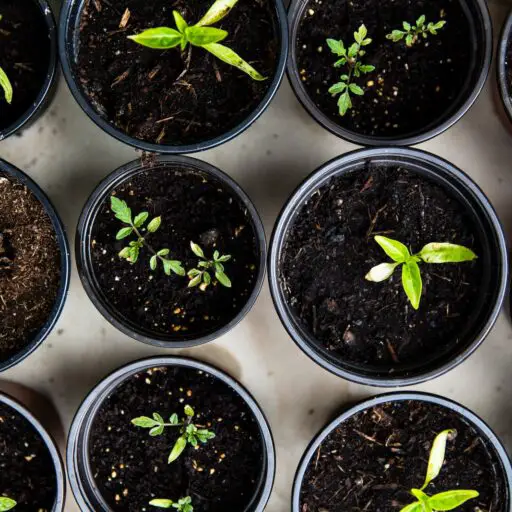
- Start Seeds Indoors: For warm-season crops like tomatoes and peppers, start seeds indoors 6-8 weeks before your last frost date. Use those seed-starting trays and domes!
- Direct Sow Cool-Season Crops: Once the danger of hard frost has passed, direct sow leafy greens (lettuce, spinach, kale), radishes, and peas directly into your containers.
- Transplant Hardened-Off Seedlings: Gradually acclimate your indoor-started seedlings to outdoor conditions before planting them out.
- Fertilize: Begin a regular feeding schedule with a balanced organic liquid fertilizer once plants are established.
Summer: The Season of Abundance & Vigilance ☀️
Summer is when your micro-garden truly shines, but it also demands consistent attention.
- Watering is Paramount: This is when containers dry out fastest. Check soil moisture daily, sometimes twice a day during heatwaves. Utilize your watering wisdom!
- Fertilize Regularly: Container plants deplete nutrients quickly. Continue feeding with a balanced organic liquid fertilizer every 2-4 weeks, or use a slow-release granular organic fertilizer.
- Harvest Frequently: Regular harvesting encourages more production. Pick leafy greens, herbs, and ripe vegetables often. Don’t let anything go to seed prematurely unless you’re saving seeds!
- Pest & Disease Patrol: Inspect your plants daily for any signs of pests or diseases. Address issues promptly with natural methods.
- Pruning & Training: Pinch back herbs and leafy greens to encourage bushier growth. Stake or trellis vining plants like tomatoes and cucumbers.
- Succession Planting: For quick-growing crops, plant new batches every 2-3 weeks to ensure a continuous harvest throughout the summer.
Fall: The Season of Transition & Planning 🍂
As temperatures drop, your micro-garden transitions, but the work isn’t over!
- Extend the Season:
- Plant Fall Crops: Sow cool-season crops like lettuce, spinach, kale, and radishes for a late-season harvest.
- Protect from Frost: Use row covers, cloches, or move movable planters indoors or to a sheltered spot to protect tender plants from early frosts.
- Harvest Remaining Crops: Pick any lingering tomatoes, peppers, or other warm-season vegetables before a hard frost.
- Clean Up: Remove spent plants and any diseased foliage. This is crucial for preventing overwintering pests and diseases.
- Compost: Add all healthy plant debris to your compost pile.
- Soil Care: For containers that will sit empty, consider planting a cover crop (like clover or oats) to improve soil health, or simply refresh the soil with compost.
- Plan for Next Year: Reflect on what worked well and what didn’t. Start dreaming up your Garden Design Ideas for next spring!
Winter: The Season of Rest & Indoor Growth ❄️
While outdoor gardening slows, winter offers opportunities for indoor cultivation and garden maintenance.
- Indoor Growing:
- Microgreens & Sprouts: Continue growing these nutrient powerhouses on your kitchen counter.
- Herbs: Bring tender herbs like basil and rosemary indoors to a sunny window.
- Grow Lights: Consider a small LED grow light setup for year-round indoor production of leafy greens and herbs.
- Tool Maintenance: Clean, sharpen, and oil your gardening tools. Store them properly.
- Seed Shopping: Browse seed catalogs and plan your spring plantings. This is a great time to research new varieties!
- Compost Management: Keep your compost pile active, turning it regularly.
- Container Storage: Empty and clean any unused containers and store them away to prolong their life.
By following this seasonal care guide, your urban micro-garden won’t just be a fleeting summer fancy, but a consistent source of fresh food, beauty, and joy throughout the entire year. It’s all about being observant, proactive, and adapting to the rhythms of nature, even in the heart of the city!
🔍 Troubleshooting Common Micro-Gardening Challenges
Even the most seasoned gardeners face challenges, and micro-gardening, with its unique constraints, is no exception! Don’t get discouraged if your plants aren’t always picture-perfect. Think of it as a detective game: your plants are giving you clues, and your job is to interpret them. Here at Community Gardening™, we’ve seen it all, and we’re here to help you solve those common micro-gardening mysteries.
Let’s dive into some frequent issues and how to troubleshoot them like a pro.
1. Yellowing Leaves (Chlorosis) 🟡
This is one of the most common complaints, and it can have several causes.
- Clue: Lower leaves turning yellow, sometimes with green veins.
- Possible Causes:
- Nutrient Deficiency (especially Nitrogen): Container plants are heavy feeders.
- Overwatering: Roots are suffocating, can’t take up nutrients.
- Underwatering: Plant is stressed, shedding leaves to conserve moisture.
- Lack of Sunlight: Plant isn’t photosynthesizing efficiently.
- Pests: Sucking insects can cause yellowing.
- Solutions:
- ✅ Fertilize: Apply a balanced organic liquid fertilizer. If veins are green but leaves yellow, it might be an iron deficiency; use a chelated iron supplement.
- ✅ Check Moisture: Stick your finger in the soil. If wet, let it dry out. If bone dry, water deeply.
- ✅ Sunlight: Move the plant to a sunnier spot if possible.
- ✅ Inspect for Pests: Check under leaves and on stems for aphids, spider mites, etc. (See Pest Control section).
2. Stunted Growth or No Growth 📏
Your plant just isn’t getting bigger, or it’s growing incredibly slowly.
- Clue: Small plant size, slow development, lack of new leaves or flowers.
- Possible Causes:
- Too Small Container: Roots are pot-bound, no room to grow.
- Nutrient Deficiency: Not enough food for growth.
- Lack of Sunlight: Insufficient energy for photosynthesis.
- Temperature Stress: Too cold or too hot.
- Poor Soil Quality: Compacted, lacking aeration or microbes.
- Solutions:
- ✅ Repot: If roots are circling the bottom, move to a larger container.
- ✅ Fertilize: Provide a consistent supply of nutrients.
- ✅ Sunlight: Ensure adequate light exposure.
- ✅ Check Temperatures: Protect from extreme heat or cold.
- ✅ Improve Soil: Ensure your potting mix is well-draining and rich in organic matter.
3. Wilting Plants 😩
Leaves are drooping, looking sad and lifeless.
- Clue: Drooping leaves and stems.
- Possible Causes:
- Underwatering (most common): Soil is dry, plant can’t get enough water.
- Overwatering: Roots are rotting, can’t absorb water.
- Heat Stress: Extreme temperatures cause rapid water loss.
- Transplant Shock: Plant is adjusting to a new environment.
- Disease: Root rot or vascular diseases.
- Solutions:
- ✅ Check Moisture: If dry, water deeply. If wet, hold off on watering and ensure good drainage.
- ✅ Provide Shade: During intense heat, move plants to a shadier spot or provide temporary shade.
- ✅ Support Transplants: Keep newly transplanted seedlings well-watered and protected from harsh sun for a few days.
- ❌ Disease: If other causes are ruled out and wilting persists despite adequate water, it might be a disease. Remove affected plants to prevent spread.
4. Flowers Dropping Off / No Fruit Set 🌸➡️❌
Your plant is flowering beautifully, but no fruit is developing.
- Clue: Flowers appear but then shrivel and fall off without forming fruit.
- Possible Causes:
- Lack of Pollination: No bees or wind to transfer pollen.
- Temperature Extremes: Too hot or too cold can inhibit pollen viability.
- Nutrient Imbalance: Too much nitrogen can encourage leafy growth at the expense of flowering/fruiting.
- Water Stress: Inconsistent watering.
- Solutions:
- ✅ Hand Pollinate: For plants like tomatoes, gently tap the flowers or use a small brush to transfer pollen between blooms.
- ✅ Attract Pollinators: Plant pollinator-friendly flowers nearby (see Pest Control section).
- ✅ Monitor Temperatures: Protect plants from extreme heat or cold.
- ✅ Adjust Fertilizer: Use a fertilizer higher in phosphorus and potassium for fruiting plants.
- ✅ Consistent Watering: Maintain even soil moisture.
5. Pest Outbreaks 🐛
Suddenly, your plants are crawling with unwanted guests.
- Clue: Visible insects, chewed leaves, sticky residue (honeydew), stippling, webbing.
- Possible Causes:
- Weak Plants: Stressed plants are more attractive to pests.
- Lack of Beneficial Insects: No natural predators to keep pests in check.
- New Infestation: Pests arrived on new plants or blew in.
- Solutions:
- ✅ Identify the Pest: Crucial for targeted treatment.
- ✅ Hand-Pick: For larger pests.
- ✅ Water Spray: Dislodge aphids and mites.
- ✅ Organic Sprays: Use neem oil or insecticidal soap as needed.
- ✅ Introduce Beneficials: Encourage ladybugs, lacewings.
- ✅ Use Row Covers: Physical barrier against flying insects.
- ✅ Improve Plant Health: Strong plants are more resistant.
The key to troubleshooting is observation and patience. Spend time with your plants, learn their normal appearance, and you’ll quickly spot when something is amiss. Don’t be afraid to experiment with solutions, and remember, every challenge is a learning opportunity that makes you a better gardener!
🎉 Conclusion: Why Micro-Gardens Are the Future of Urban Living

Wow, what a journey! From the humble sprout in a kitchen jar to bustling community plots transforming entire neighborhoods, micro-gardens are proving that small spaces can yield big impacts. We’ve explored the roots of micro-gardening, unraveled the importance of soil and microbes, harnessed the power of microclimates, and marveled at inspiring examples from around the world. Along the way, we’ve equipped you with tools, techniques, and tips to make your own urban micro-garden thrive.
If there was one lingering question, it might have been: Can a tiny garden really make a difference? The answer is a resounding YES! Whether it’s improving your family’s nutrition, reducing your carbon footprint, beautifying your neighborhood, or building community bonds, micro-gardens punch far above their weight.
We’ve also seen how innovation—like vertical gardens, hydroponics, and wicking beds—opens up new frontiers for urban gardeners, while natural pest control and efficient watering keep your plants healthy and happy. And importantly, micro-gardens are a powerful tool for social good, alleviating food insecurity and poverty as demonstrated by inspiring projects in Dakar.
So, are you ready to get your hands dirty and grow something amazing? Remember, every seed you plant is a step toward a greener, healthier, and more connected urban future. At Community Gardening™, we’re here to support you every step of the way. Let’s grow together!
🔗 Recommended Links for Urban Micro-Gardening Enthusiasts
Ready to gear up and dive into your micro-gardening adventure? Here are some of our top product picks and resources to get you started:
- Fiskars Ergo Trowel: Amazon | Walmart
- Fiskars Bypass Pruning Shears: Amazon | Walmart
- Dramm One Touch Rain Wand: Amazon | Walmart
- Smart Pots Fabric Grow Bags: Amazon | Walmart
- FoxFarm Ocean Forest Potting Soil: Amazon | Walmart
- Coast of Maine Organic & Natural Compost: Amazon | Walmart
- Great White Premium Mycorrhizae: Amazon
- GreenStalk Vertical Planter: Amazon | GreenStalk Official Website
- WallyGrow Eco-Planters: Amazon | WallyGrow Official Website
- AeroGarden Harvest Elite: Amazon | Walmart | AeroGarden Official Website
- DripWorks Drip Irrigation Kit: Amazon | DripWorks Official Website
- Good Ideas Rain Wizard Rain Barrel: Amazon | Walmart
- Agribon AG-19 Floating Row Cover: Amazon | Walmart
- Bonide Neem Oil: Amazon | Walmart
- Safer Brand Insect Killing Soap: Amazon | Walmart
Recommended Books on Micro-Gardening and Urban Agriculture
- Micro Gardening: Grow Nutrient-Dense Food in Small Spaces by Anne Gibson — Amazon
- The Urban Farmer: Growing Food for Profit on Leased and Borrowed Land by Curtis Stone — Amazon
- Edible City: A Practical Guide for Urban Food Gardening by John Doe — Amazon
❓ FAQ: Your Burning Questions About Micro-Gardens Answered

What role do micro-gardens play in sustainable urban living?
Micro-gardens are pivotal in sustainable urban living because they reduce reliance on industrial agriculture, cut food miles, and promote local food production. By growing food in small spaces using organic methods, micro-gardens conserve water and energy, improve air quality, and support biodiversity. They also encourage waste reduction through composting and resource recycling, making cities greener and more resilient.
How can beginners start a micro-garden in an urban environment?
Beginners should start small, perhaps with a few containers or a windowsill herb garden. Key steps include selecting appropriate plants (like herbs or leafy greens), using high-quality potting soil, ensuring adequate sunlight, and watering carefully. Starting with microgreens or sprouts is also an easy way to gain confidence. Joining local community gardens or online forums can provide support and inspiration.
What are some successful examples of micro-gardens in urban communities?
Successful examples include the window boxes and container gardens in Philadelphia that beautify neighborhoods (Gardening Gone Wild), the community micro-gardens in Dakar that alleviate poverty and food insecurity (C40 Cities), and rooftop gardens in cities worldwide that reduce heat and provide fresh produce. These projects demonstrate micro-gardening’s versatility and social impact.
How do micro-gardens promote social interaction in urban neighborhoods?
Micro-gardens act as social hubs by encouraging neighbors to share gardening tips, exchange surplus produce, and collaborate on community projects. They foster a sense of pride and collective ownership, breaking down social barriers and building stronger, more connected communities. Events like harvest festivals or seed swaps further enhance social bonds.
What plants are best suited for micro-gardens in small urban spaces?
Plants that thrive in small spaces include leafy greens (lettuce, spinach, kale), herbs (basil, mint, chives), compact fruiting vegetables (cherry tomatoes, peppers, bush beans), and fast-growing root vegetables (radishes, carrots). Microgreens and sprouts are excellent for ultra-small spaces. Choosing varieties labeled “dwarf,” “bush,” or “patio” helps ensure success.
How can micro-gardens improve food security in cities?
Micro-gardens increase food security by providing fresh, nutritious produce directly to urban residents, reducing dependence on external food systems. They empower individuals and communities to grow their own food, lower grocery costs, and improve diet quality. Community micro-gardens also create economic opportunities through surplus sales and skill development.
What are the steps to start a micro-garden in an urban community?
Starting a community micro-garden involves:
- Identifying a suitable space (balcony, rooftop, vacant lot).
- Gathering interested participants and volunteers.
- Securing funding or donations for materials.
- Designing the garden layout considering microclimates.
- Preparing soil or containers with quality growing media.
- Selecting appropriate plants.
- Establishing maintenance routines and community events.
- Navigating any necessary permits or policies (Community Garden Policies).
Can micro-gardens help reduce urban heat and pollution?
Absolutely! Plants in micro-gardens cool their surroundings through evapotranspiration, reducing the urban heat island effect. They also absorb carbon dioxide and filter airborne pollutants, improving air quality. Green roofs and vertical gardens are particularly effective at mitigating heat and pollution in dense urban areas.
How do community micro-gardens promote mental health and well-being?
Gardening is therapeutic. Community micro-gardens provide green spaces that reduce stress, encourage physical activity, and foster social connections. They offer a sense of accomplishment and purpose, which can improve mood and combat urban isolation. The beauty and tranquility of gardens also contribute to overall mental well-being.
📚 Reference Links and Further Reading
- Anne Gibson, The Micro Gardener: What is Micro Gardening?
- Gardening Gone Wild: How Micro-Gardening Transforms Philadelphia: Article
- C40 Cities: Micro-Gardening in Dakar Alleviates Poverty, Hunger and Food Insecurity: Case Study
- USDA: Pollinators and Food Supply: USDA Pollinators
- Worldwatch Institute: Food Miles and Environmental Impact: Worldwatch Food Miles
- FoxFarm: Official Website
- Espoma Organic: Official Website
- GreenStalk Garden: Official Website
- WallyGrow: Official Website
- AeroGarden: Official Website
- DripWorks: Official Website
For more inspiration and guidance, visit our Community Gardening™ homepage: Grow Together through Community Gardening.
Ready to start your own micro-garden revolution? Let’s get growing! 🌿🌞🌱