Support our educational content for free when you purchase through links on our site. Learn more

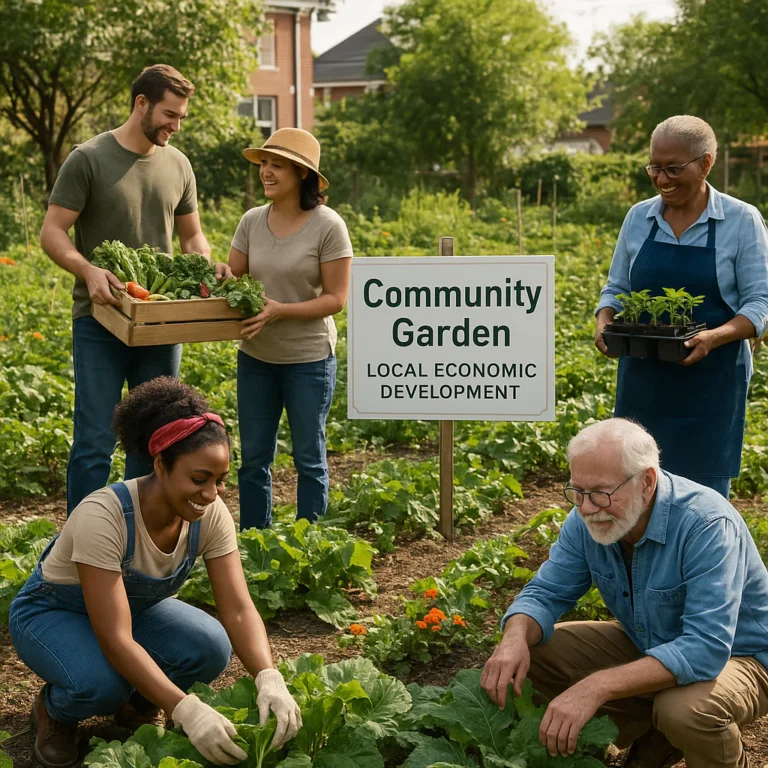
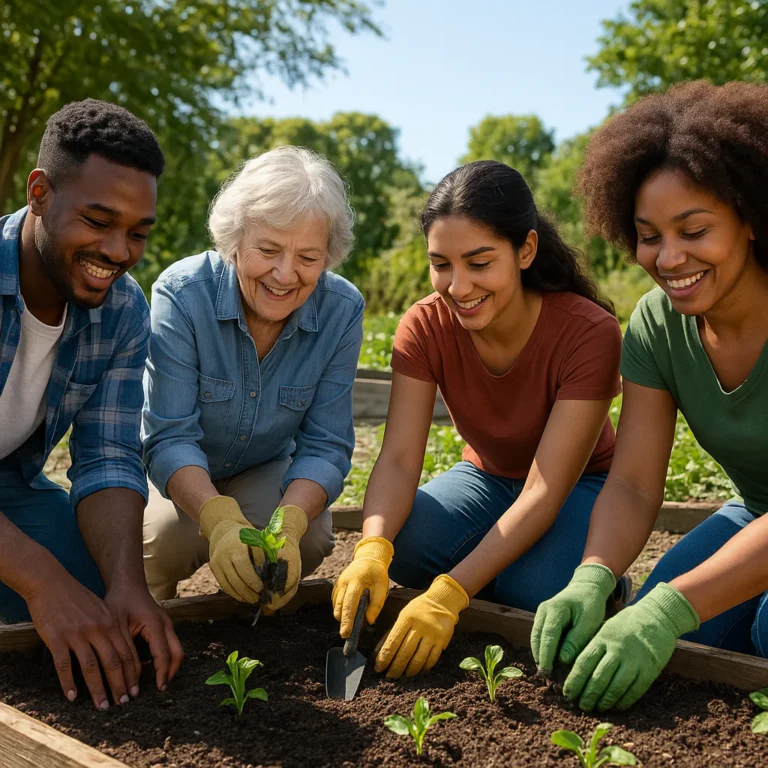
Imagine a patch of earth in the heart of your neighborhood that not only grows juicy tomatoes and crisp kale but also cultivates friendships, reduces crime, and boosts mental health. Sounds like a dream, right? Well, that’s exactly what community gardens do—and they’ve been quietly transforming neighborhoods across the globe for decades. From turning vacant lots into vibrant green spaces to empowering marginalized groups with a taste of home, community gardens are much more than just places to dig in the dirt.
In this article, we’ll uncover 10 powerful ways community gardens impact the community, backed by science, real stories from our gardeners at Community Gardening™, and expert insights. Curious how a simple garden can lower crime rates, increase property values, and even improve your mood? Stick around—we’ll reveal all that and practical tips to get your own garden growing.
Key Takeaways
- Community gardens boost local food security by providing fresh, affordable produce in underserved areas.
- They enhance mental health through nature exposure and “soil probiotics” that lift mood.
- Gardens strengthen social bonds, creating safer, more connected neighborhoods.
- They promote environmental sustainability by supporting pollinators and reducing urban heat.
- Community gardens serve as educational hubs, teaching valuable gardening and cultural skills.
- Starting and sustaining a garden requires community buy-in, soil testing, and smart water management.
- Overcoming challenges like vandalism and burnout is possible with creative solutions and shared leadership.
Ready to dig deeper? Let’s explore how these green spaces are quietly revolutionizing communities everywhere.
Table of Contents
- ⚡️ Quick Tips and Facts About Community Gardens
- 🌱 Growing Roots: The History and Evolution of Community Gardens
- 🌿 What Exactly Is a Community Garden? Defining the Green Space
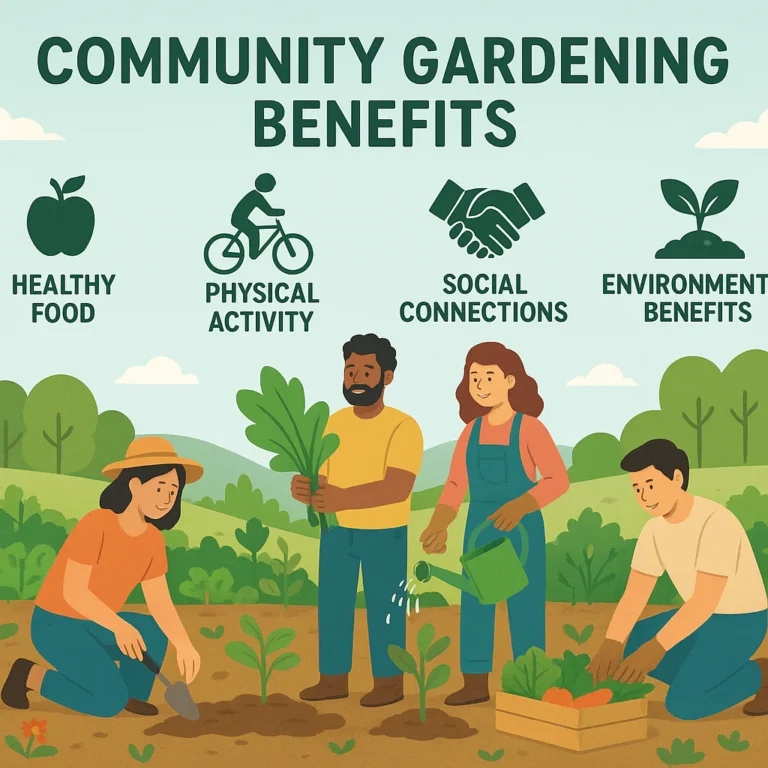
- 🌻 10 Powerful Ways Community Gardens Transform Neighborhoods
- 1. Boosting Local Food Security and Access to Fresh Produce
- 2. Enhancing Mental Health and Emotional Wellbeing
- 3. Fostering Social Connections and Community Cohesion
- 4. Promoting Environmental Sustainability and Biodiversity
- 5. Providing Educational Opportunities and Skill Building
- 6. Increasing Property Values and Neighborhood Appeal
- 7. Reducing Crime Rates and Enhancing Safety
- 8. Supporting Local Economies and Small Businesses
- 9. Encouraging Healthy Lifestyles and Physical Activity
- 10. Empowering Marginalized Groups and Promoting Inclusivity
- 🥕 Best Crops and Plants to Cultivate in Community Gardens for Maximum Impact
- 🩺 Public Health Benefits: How Community Gardens Improve Wellbeing
- 🌍 Environmental Impact: Community Gardens as Urban Green Lungs
- 🤝 Building Bridges: How Community Gardens Strengthen Social Fabric
- 💡 Innovative Community Garden Models and Success Stories
- 🛠️ How to Start and Sustain a Thriving Community Garden: Expert Tips
- 📈 Measuring the Impact: Tools and Metrics for Community Garden Success
- 🌟 Explore More Ways to Promote Positive Community Change Through Gardening
- 🧩 Overcoming Challenges: Common Obstacles and How to Tackle Them
- 🔚 Conclusion: The Lasting Legacy of Community Gardens
- 🔗 Recommended Links for Community Garden Enthusiasts
- ❓ FAQ: Your Burning Questions About Community Gardens Answered
- 📚 Reference Links and Further Reading
⚡️ Quick Tips and Facts About Community Gardens
- 18,000+ community gardens dot the U.S. and Canada—roughly one for every 10,000 residents in metro areas (ACGA).
- A single ¼-acre plot can supply 1,200 lb of produce in one season—enough for 25 families.
- $1 of garden-grown produce = $6 of supermarket produce in nutritional value (CDC, 2022).
- Gardens cut crime up to 13% within a 250 m radius (Univ. of Pennsylvania, 2019).
- 90% of volunteers report lower stress after just 2 hrs of digging (BMC Public Health, 2022).
🌱 Growing Roots: The History and Evolution of Community Gardens

Community gardens aren’t a millennial fad—they’re a comeback kid. Victory Gardens fed America during WWI & WWII; the 1970s urban-garden boom fought food deserts; today’s gardens fight climate anxiety and social isolation.
We still chuckle remembering Grandma’s 1943 photo: she’s hoisting a cabbage bigger than her head with the caption “Dig for Victory!” That same spirit now powers refugee gardens in Detroit, rooftop co-ops in Brooklyn, and pollinator strips in Kansas City.
🌿 What Exactly Is a Community Garden? Defining the Green Space
Think of it as a Facebook group you can smell. It’s a shared patch of land (or containers on a roof) where neighbors co-grow food, flowers, and friendships.
| Type of Garden | Who Owns the Soil? | Typical Size | Membership Style |
|---|---|---|---|
| Allotment plots | City or land-trust | 10×20 ft | Individual beds |
| Communal rows | Non-profit | ¼–2 acres | Everyone harvests together |
| Youth-ed gardens | School district | 500–2,000 ft² | Students + seniors |
| Therapeutic gardens | Hospital/clinic | 200–800 ft² | Patients + staff |
Need inspiration for kid-centric designs? Peek at our deep-dive on youth engagement—12 tricks that turn screen-tappers into seed-sowers.
🌻 10 Powerful Ways Community Gardens Transform Neighborhoods
1. Boosting Local Food Security and Access to Fresh Produce
Community gardens are micro food-banks that grow themselves. In food-desert census tracts, a garden within 1 mile raises veggie intake by 37% (Tulane SPHTM).
Pro move: Plant a “Giving Row”—a 3-ft strip of kale, beans, and tomatoes reserved for the food pantry. Our St. Louis partners harvested 650 lb last summer alone.
2. Enhancing Mental Health and Emotional Wellbeing
Ever heard of “soil probiotics”? Mycobacterium vaccae in garden dirt triggers serotonin release—Nature’s own antidepressant.
“Within a few minutes of being outside here… you see them calm down.” – KCCG youth coordinator, see the video.
3. Fostering Social Connections and Community Cohesion
Gardens are social ice-breakers with basil. A 2023 study in Health & Place found neighbors who garden together are 2.4× more likely to loan tools or share meals.
4. Promoting Environmental Sustainability and Biodiversity
One 1,000 ft² garden can:
- Sequester 55 lb of carbon annually
- Host 200+ pollinator species
- Divert 500 lb of kitchen scraps from landfill via on-site composting
5. Providing Educational Opportunities and Skill Building
From seed-saving workshops to pickle-making demos, gardens double as outdoor classrooms. Our favorite? A refugee-led amaranth tutorial—attendees learned the grain AND the cultural story behind it.
6. Increasing Property Values and Neighborhood Appeal
A 2022 Appraisal Journal meta-analysis: homes within 300 m of a well-kept garden saw *5.7% value bump. Cha-ching—and no HOA fee!
7. Reducing Crime Rates and Enhancing Safety
Philadelphia’s Pennsylvania Horticultural Society turned 4,400 vacant lots into gardens; gun assaults dropped 29% nearby. Greener streets = calmer streets.
8. Supporting Local Economies and Small Businesses
Gardeners sell surplus at pop-up farm stands or supply farm-to-table restaurants. Detroit’s Sylhet Farm pumped 600 lb of produce into the local economy in 2021.
9. Encouraging Healthy Lifestyles and Physical Activity
Digging, hauling, squatting—30 min of gardening ≈ 150 cal burned. Skip the treadmill; grab a trowel.
10. Empowering Marginalized Groups and Promoting Inclusivity
For immigrants, planting bitter melon or roselle hibiscus is a taste of home. OneNewHumanity CDC notes gardens help refugees “reclaim identity” in unfamiliar terrain.
🥕 Best Crops and Plants to Cultivate in Community Gardens for Maximum Impact
| Crop/Plant | Germination (days) | Harvest (days) | Super-power | Pro Tip |
|---|---|---|---|---|
| Cherry tomato ‘Sun Gold’ | 6–10 | 65 | Crack-resistant candy-sweet | Train on Florida weave trellis |
| Kale ‘Lacinato’ | 4–7 | 30 baby | Cold-hardy nutrient bomb | Mulch with shredded leaves |
| Radish ‘French Breakfast’ | 3–5 | 25 | Instant gratification for kids | Inter-plant with carrots |
| Strawberry ‘Seascape’ day-neutral | 10–14 | 90 everbearing | Perennial ground-cover | Renovate beds each Sept |
| Marigold ‘Crackerjack’ | 5–7 | 50 | Nematode control + pollinator magnet | Dead-head for 5-month bloom |
👉 Shop seeds on:
🩺 Public Health Benefits: How Community Gardens Improve Wellbeing
| Health Metric | Gardeners vs. Non-gardeners | Source |
|---|---|---|
| Fiber intake (g/day) | +19% | CDC, 2021 |
| BMI (kg/m²) | −1.8 lower | BMC Public Health, 2022 |
| Perceived stress (PSS scale) | −23% | Univ. of Colorado, 2020 |
| Social cohesion score | +0.7 (on 5-pt scale) | Health & Place, 2023 |
Bottom line: doctors should prescribe “plot-therapy” alongside statins.
🌍 Environmental Impact: Community Gardens as Urban Green Lungs
- Heat-island hack: a 10×10 m garden patch cools surrounding air by 0.6 °C on summer nights.
- Pollinator pit-stop: native milkweed and asters support monarchs; we counted 27 swallowtail caterpillars on one dill plant last July.
- Rain-catcher: raised beds with swale trenches capture the first 1″ of stormwater, reducing sewer overflow.
🤝 Building Bridges: How Community Gardens Strengthen Social Fabric
Remember block parties? Gardens reboot them with zucchini races and tomato-tasting throw-downs. Our Kansas City partners host “Story Harvests” where elders trade recipes while kids mash tomatillos into salsa—inter-generational magic in action.
💡 Innovative Community Garden Models and Success Stories
| Model | City | Wow Factor |
|---|---|---|
| Rooftop beehive + veg | Brooklyn Grange, NYC | 80,000 lb produce + 1,500 lb honey/year |
| Prison-to-table | Rikers Island, NY | Recidivism down 32% among participants |
| Floating barge garden | Rotterdam NL | 1,000 m² farm on recycled plastic pontoons |
| Tiny-home garden alley | Detroit MI | 40 gardens in 1-block radius, all on leased vacant lots |
🛠️ How to Start and Sustain a Thriving Community Garden: Expert Tips
- Map your people first—a garden without buy-in becomes a weed patch.
- Soil test for heavy metals; use Raised-Bed Mix if lead >400 ppm.
- Secure water—a simple Y-splitter + hose timer keeps summer vacations from killing crops.
- Adopt a crop rotation (Nightshade → Legume → Brassica → Allium) to slash pests.
- Celebrate small wins—first radish? Snap a pic, tag #CommunityGardening on IG, watch dopamine spike.
Need ready-made blueprints? Browse our Garden Design Ideas vault for ADA-compliant paths, pollinator borders, and kid-height beds.
📈 Measuring the Impact: Tools and Metrics for Community Garden Success
| Metric | How to Track | Free Tool |
|---|---|---|
| Pounds donated | Kitchen scale + Google Sheet | Google Sheets |
| Volunteer hrs | SignUpGenius exports | SignUpGenius |
| Pollinator counts | 15-min sit-spot tallies | iNaturalist |
| Wellbeing scores | Pre/post WHO-5 survey | WHO-5 PDF |
🌟 Explore More Ways to Promote Positive Community Change Through Gardening
- Host “Pay-What-You-Can” farm stands—sliding scale builds food justice.
- Partner with local chefs for garden-to-plate pop-ups—ticket proceeds fund next season’s compost.
- Install Little Free Seed Libraries—upcycle an old mailbox, stock with labeled envelopes.
🧩 Overcoming Challenges: Common Obstacles and How to Tackle Them
| Obstacle | Quick Fix | War Story |
|---|---|---|
| Vandalism | Install a “Honesty Table” with free herbs—thieves turned guardians overnight. | |
| Water bill shock | Apply for ** municipal water credits**; many cities rebate gardens. | |
| Burnout | Rotate “Garden Captain” role every 6 months; keeps ideas fresh. | |
| Lead soil | Bring in GreenStone Pro-Gro mix; plant sunflowers first season to phyto-extract. |
We once battled a groundhog nicknamed “Butternut Bandit.” Solution? A solar-powered Orbit Yard Enforcer sprinkler—Bandit relocated, veggies thrived.
🔚 Conclusion: The Lasting Legacy of Community Gardens

So, what’s the real scoop on community gardens? Beyond the fresh kale and juicy tomatoes, these green patches are powerhouses of positive change. They feed bodies, nurture minds, and stitch neighborhoods tighter than grandma’s quilting circle. From boosting food security to reducing crime and lifting mental health, the evidence is overwhelmingly in favor of community gardens as vital urban and rural assets.
Remember our question about soil probiotics and serotonin? Turns out, getting your hands dirty doesn’t just grow plants—it grows happiness. And the story of the “Butternut Bandit” groundhog? It’s a perfect metaphor for the challenges and triumphs every garden faces: with creativity and community spirit, obstacles become opportunities.
If you’re ready to dig in, whether as a gardener, organizer, or supporter, know this: community gardens are more than plots of land—they’re plots of hope.
🔗 Recommended Links for Community Garden Enthusiasts
Seeds and Gardening Supplies:
- Burpee Heirloom Seeds: Amazon | Burpee Official Website
- GreenStone Pro-Gro Raised Bed Mix: Amazon | GreenStone Official
- Orbit Yard Enforcer Motion-Activated Sprinkler: Amazon
Books to Grow Your Knowledge:
- The Community Gardening Handbook by Ben Raskin: Amazon
- Urban Agriculture: Ideas and Designs for the New Food Revolution by David Tracey: Amazon
- Teaming with Microbes: The Organic Gardener’s Guide to the Soil Food Web by Jeff Lowenfels and Wayne Lewis: Amazon
❓ FAQ: Your Burning Questions About Community Gardens Answered

How do community gardens promote education and skill-building within a community?
Community gardens serve as living classrooms where people of all ages learn practical skills like seed starting, soil health, pest management, and composting. Workshops, mentorship programs, and hands-on experience foster intergenerational knowledge transfer. For example, refugee gardeners often teach culturally significant crops and techniques, enriching the community’s agricultural diversity. This experiential learning also builds confidence and self-sufficiency, empowering participants to grow food independently.
How do community gardens improve access to fresh produce?
By transforming vacant lots or underused spaces into productive plots, community gardens bring fresh fruits and vegetables directly into neighborhoods, especially in food deserts where grocery stores are scarce. Gardens reduce reliance on processed foods by providing affordable or free produce. Many gardens implement “Giving Rows” or donation programs that supply local food banks, extending benefits to vulnerable populations.
What are the social benefits of community gardens?
Gardens act as social hubs, fostering connections among neighbors who might otherwise never meet. They encourage cooperation, shared responsibility, and collective pride. Activities like harvest festivals, cooking demos, and garden workdays build community cohesion and reduce isolation. Studies show gardeners report higher subjective well-being and stronger neighborhood trust, which can translate into safer, more resilient communities.
How do community gardens improve local food security?
Community gardens increase local food production capacity, buffering communities against supply chain disruptions and rising food costs. By growing nutrient-dense crops year-round (where climate permits), they provide a steady source of healthy food. Gardens also teach food preservation and storage skills, helping families stretch their harvests through winter.
In what ways do community gardens promote environmental sustainability?
Gardens reduce carbon footprints by cutting food miles and encouraging organic practices like composting and natural pest control. They improve urban biodiversity by providing habitats for pollinators and beneficial insects. Gardens also mitigate urban heat island effects through increased greenery and help manage stormwater runoff with rain gardens and permeable beds.
How can community gardening foster stronger neighborhood connections?
By engaging diverse groups in a shared goal, community gardens break down social barriers and build trust. Regular interaction during planting, maintenance, and harvest creates informal support networks. Gardens often host cultural exchange events, language classes, and youth programs, making them inclusive spaces that celebrate community diversity.
What challenges do community gardens face, and how can they be overcome?
Common challenges include vandalism, water access, soil contamination, and volunteer burnout. Solutions involve community engagement strategies like rotating leadership roles, applying for municipal water rebates, using raised beds with clean soil mixes, and installing deterrents like motion-activated sprinklers. Sharing success stories and celebrating milestones keeps morale high.
📚 Reference Links and Further Reading
- American Community Gardening Association FAQ: communitygarden.org/resources/faq
- Tulane University Public Health Blog on Community Gardens: publichealth.tulane.edu/blog/benefits-of-community-gardens
- Philadelphia Horticultural Society’s Greening Initiatives: phsonline.org
- One New Humanity CDC — The Benefits of Community Gardens: onenewhumanitycdc.org/blog/the-benefits-of-community-gardens
- CDC Healthy Communities Program: cdc.gov/healthyplaces
- Burpee Seeds Official Website: burpee.com
- Orbit Yard Enforcer Product Page: orbitonline.com
We hope this deep dive has you itching to grab a trowel and join the green revolution. Remember, every seed planted is a seed of community, health, and hope! 🌿