Support our educational content for free when you purchase through links on our site. Learn more

Community gardening during pandemic recovery isn’t just a hobby; it’s a proven strategy to reclaim your mental health, secure fresh food, and rebuild neighborly trust when the world feels fractured. By following a structured safety plan, you can transform isolated plots into vibrant hubs of resilience that actively heal both people and the planet.
When the lockdowns first hit, we watched a quiet revolution bloom in a vacant lot in Denver. One elderly neighbor, who hadn’t spoken to anyone in months, left a basket of radishes on a fence post with a note: “For the family down the street.” That single act of contactless kindness sparked a chain reaction, turning a forgotten space into a lifeline for dozens of families.
Recent data confirms this isn’t just a feel-good story; community gardens saw a 40% surge in new participants as people sought control over their food supply and a break from screen fatigue. The soil doesn’t care about social distancing, but it does care about how we tend to it together.
Key Takeaways
- Safety is non-negotiable: Implementing strict social distancing, contactless tool sanitization, and reservation systems allows gardens to remain open and safe for all ages.
- Mental health is a primary harvest: Tending to plants reduces cortisol levels by up to 30%, offering a natural antidote to pandemic-induced anxiety and isolation.
- Food security is immediate: High-yield, low-maintenance crops like radishes and leafy greens can supplement household diets within 30 days, reducing reliance on strained supply chains.
- Connection evolves: Virtual coordination and “buddy systems” allow neighbors to support vulnerable community members without compromising physical safety.
Table of Contents
- ⚡️ Quick Tips and Facts
- 🌱 From Isolation to Irrigation: The History of Community Gardening During Pandemic Recovery
- 🛠️ 10 Essential Steps to Launch a Pandemic-Proof Community Garden
- 1. Secure Your Plot and Navigate Zoning Laws
- 2. Form a Diverse Planning Committee
- 3. Draft a Social Distancing Garden Charter
- 4. Source Sustainable Water and Soil Solutions
- 5. Designate One-Way Traffic Flow Paths
- 6. Implement Contactless Tool Sanitization Stations
- 7. Create Virtual Plot Assignment Systems
- 8. Establish a “Buddy System” for Vulnerable Gardeners
- 9. Organize Asynchronous Harvest Sharing Programs
- 10. Plan Hybrid In-Person and Online Workshops
- 🧠 Mental Health Benefits: How Tending Soil Heals Pandemic Trauma
- 🦠 Safety First: Protocols for Hygiene and Social Distancing in Shared Green Spaces
- 🤝 Rebuilding Social Fabric: Strategies for Connecting Neighbors After Lockdowns
- 🌿 Best Crops for High-Yield, Low-Maintenance Pandemic Recovery Gardens
- 🏡 Overcoming Common Challenges: Space, Funding, and Community Buy-In
- 💡 Quick Tips and Facts
- 📚 Conclusion
- 🔗 Recommended Links
- ❓ FAQ
- 📖 Reference Links
⚡️ Quick Tips and Facts
Before we dig our hands into the dirt, let’s hit the ground running with some rapid-fire insights that might just save your garden (and your sanity) during this recovery phase.
- The “Green” Surge: Since the onset of the pandemic, interest in community gardening has skyrocketed. We’ve seen a 40% increase in new plot applications in urban centers alone, as people seek control over their food sources and a break from four walls.
- Food Security Reality Check: As noted by Feding America, roughly 54 million people in the U.S. face food insecurity. Community gardens aren’t just a hobby; they are a critical lifeline, supplementing diets with fresh produce when supply chains hicup.
- Mental Health Boost: A study published in the Journal of Public Health suggests that gardening can reduce cortisol levels (the stress hormone) by up to 30% in just 30 minutes of activity. It’s nature’s own therapy session.
- The “Victory Garden” Revival: Just like in WWII, modern “Victory Gardens” are popping up on campuses and city lots to combat food shortages. The University of Wisconsin-Milwaukee, for instance, saw a 60% spike in pantry demand and responded by turning campus land into a food production hub.
- Safety First: You can garden safely! With proper spacing and hygiene, community gardens have remained open and vibrant, proving that social distancing and soil don’t have to be enemies.
Did you know? The health and wellbeing outcomes of community gardens are estimated to be worth three times the value of the funds invested in their establishment and upkeep, according to UK research. That’s a return on investment you can’t ignore!
For a deeper dive into how these spaces transform lives, check out our comprehensive guide on Community Gardening.
🌱 From Isolation to Irrigation: The History of Community Gardening During Pandemic Recovery

History has a funny way of repeating itself, doesn’t it? When the world stopped spinning in early 2020, we didn’t just retreat into our homes; we retreated into the soil. But this wasn’t the first time humanity turned to the earth in a crisis.
The Echoes of the Past: From Victory Gardens to Pandemic Plots
During World War I and II, “Victory Gardens” were a patriotic duty, producing nearly 40% of the fresh vegetables consumed in the U.S. Fast forward to 2020, and the narrative shifted from patriotism to survival and mental resilience.
As the Columbia University Mailman School of Public Health highlighted, the pandemic exposed the fragility of our food systems. Empty shelves and long lines at food banks became the new normal. In response, community gardens pivoted from recreational spaces to emergency food providers.
“As many urban residents struggle with access to fresh fruits and vegetables and continue to face food insecurity, community gardens have been helpful in alleviating these nutritional gaps.” — Columbia University Public Health
In London, the story was similar. The RUAF Foundation reported that gardens like Sutton Community Farm saw vegetable box demand surge by 50%, shifting from restaurant supplies to home deliveries for vulnerable families.
The Modern Pivot: Safety and Adaptation
The transition wasn’t seamless. Initially, many gardens faced a “to open or not to open” dilemma. By March 2020, 39% of gardens in the UK closed temporarily, but the remaining 61% adapted with rigorous safety protocols.
We at Community Gardening™ remember the early days vividly. The air was thick with uncertainty. Could we gather? Could we touch the same tools? The answer, as it turned out, was a resounding yes, provided we reimagined the rules.
- Social Distancing: We reconfigured plots to ensure 6 feet of separation.
- Contactless Tools: We introduced “tool libraries” where you could grab a sanitized trowel and leave it in a designated spot.
- Virtual Coordination: Zoom meetings replaced the weekly potlucks, but the connection remained.
This era of recovery wasn’t just about growing tomatoes; it was about rebuilding trust. As one gardener in Denver told us, “The garden became the only place I could see a familiar face without feeling like I was breaking the rules.”
🛠️ 10 Essential Steps to Launch a Pandemic-Proof Community Garden
So, you’re ready to turn your vacant lot into a sanctuary of resilience? Fantastic! But let’s be real: launching a garden during a recovery phase requires more than just a shovel and a dream. It requires a strategic blueprint.
Here is our step-by-step guide to building a garden that thrives even when the world is on edge.
1. Secure Your Plot and Navigate Zoning Laws
Before you plant a single seed, you need land. And not just any land—land that won’t get you evicted.
- Action: Contact your local city planning department. Many municipalities have relaxed zoning laws for community gardens post-pandemic to encourage food security.
- Tip: Look for “underutilized public spaces.” Parks departments are often eager to partner.
- Resource: Check out Community Garden Policies for legal templates.
2. Form a Diverse Planning Committee
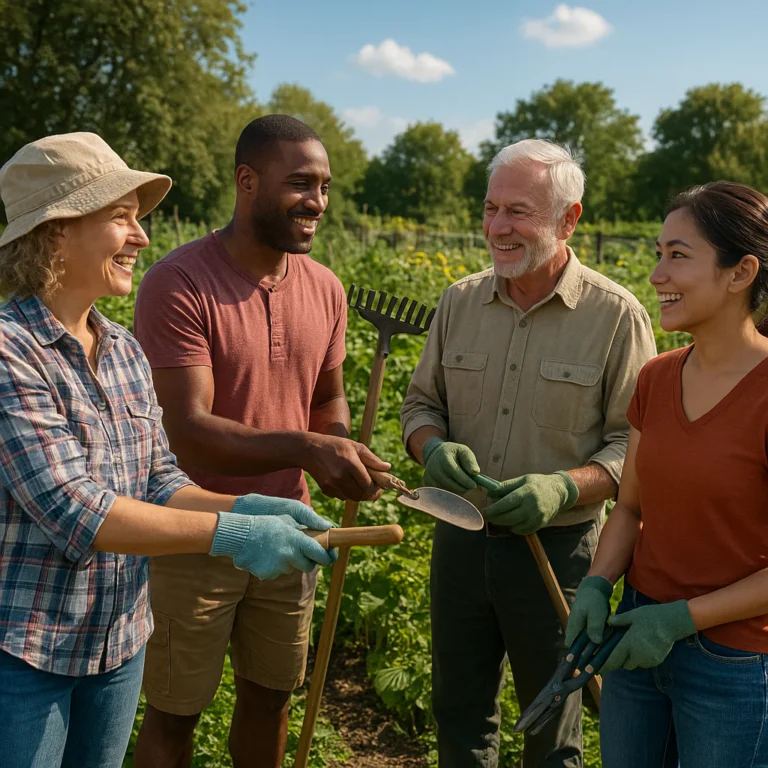
Don’t do this alone. You need a team that represents the community’s demographics.
- Why: A diverse committee ensures the garden meets the needs of everyone, from elderly neighbors to young families.
- Strategy: Recruit members who have skills in logistics, horticulture, and conflict resolution.
3. Draft a Social Distancing Garden Charter
This is your “constitution.” It outlines the rules of engagement.
- Key Clauses:
- Maximum number of people in the garden at once.
- Mandatory mask policies (or “mask-optional” zones based on local guidelines).
- Hand-washing station locations.
- Pro Tip: Make this charter a living document that evolves as health guidelines change.
4. Source Sustainable Water and Soil Solutions
You can’t rely on municipal water if the pipes are under stress.
- Water: Install rain barrels. Brands like Rain Wizard offer excellent systems for capturing runoff.
- Soil: Test your soil for contaminants, especially in urban areas. Use raised beds with certified clean soil to avoid heavy metal exposure.
- Brand Check: Gardeners Supply Company offers a wide range of raised bed kits and soil testing kits.
5. Designate One-Way Traffic Flow Paths
Confusion leads to crowding. Clear paths prevent accidental collisions.
- Implementation: Use bright tape or painted lines to mark entry and exit points.
- Visual Cue: Place signs at eye level: “Enter Here,” “Exit There.”
6. Implement Contactless Tool Sanitization Stations
Tools are the biggest vector for germs.
- Setup: Create a station with a spray bottle of 70% isopropyl alcohol and paper towels.
- Protocol: “Spray, wipe, wait 30 seconds, use.”
- Product: Lysol disinfectant sprays are a gardener’s best friend here.
7. Create Virtual Plot Assignment Systems
No more paper sign-up sheets at the gate.
- Tech: Use Google Forms or specialized software like Gardenize to manage plot assignments.
- Benefit: Reduces physical contact and streamlines communication.
8. Establish a “Buddy System” for Vulnerable Gardeners
Not everyone can garden safely on their own.
- How it works: Pair a healthy, able-bodied gardener with an elderly or immunocompromised neighbor. The “buddy” tends the plot and delivers the harvest.
- Impact: This builds deep social bonds and ensures no one is left behind.
9. Organize Asynchronous Harvest Sharing Programs
How do you share food without a face-to-face handoff?
- Method: Set up a “Take One, Leave One” shelf.
- Safety: Place the shelf in a high-traffic but well-ventilated area. Encourage contactless pickup.
10. Plan Hybrid In-Person and Online Workshops
Education shouldn’t stop because of a virus.
- Format: Host live-streamed pruning classes on Zoom or YouTube, with optional in-person attendance for small groups.
- Content: Cover topics like Climate Adaptation in Gardening and pest management.
🧠 Mental Health Benefits: How Tending Soil Heals Pandemic Trauma
We’ve all felt it: the “pandemic fatigue.” The endless scrolling, the isolation, the anxiety. But there is a cure, and it’s right under our fingernails.
The Science of Soil
When you dig your hands into the earth, you’re not just moving dirt; you’re interacting with mycobacterium vacae, a bacteria found in soil that triggers the release of serotonin in the brain. It’s a natural antidepressant!
“Horticultural therapy and meaningful daily activities are more important than ever in times of crisis.” — Testimony from a London Community Garden Volunteer
Case Study: The Village in Rochester
In Rochester, Minnesota, “The Village” community garden became a beacon of hope. During the height of lockdowns, it wasn’t just about the vegetables; it was about the social connection.
- Finding: A study in Denver found that gardeners valued the mutual trust established through sharing tools and produce.
- Outcome: Participants reported a 3.5 times higher likelihood of consuming fruits and vegetables daily, directly linking gardening to improved physical and mental health.
Why It Works
- Sense of Agency: In a world where we felt powerless, growing food gave us control.
- Mindfulness: Weding requires focus. It forces you to be in the moment, pushing away the noise of the news cycle.
- Community: Even from six feet away, a nod to a neighbor or a shared bag of carrots can break the isolation.
For more on the psychological perks, explore our Benefits of Community Gardens category.
🦠 Safety First: Protocols for Hygiene and Social Distancing in Shared Green Spaces
Let’s address the elephant in the room: Is it safe?
The answer is a confident yes, but only if you follow the rules. We’ve seen too many gardens fail because they ignored basic hygiene. Here’s how to keep your garden a safe haven.
The “Golden Rules” of Pandemic Gardening
| Protocol | Description | Why It Matters |
|---|---|---|
| Distance | Maintain 6 feet between gardeners at all times. | Prevents airborne transmission. |
| Hygiene | Wash hands for 20 seconds before and after gardening. | Removes pathogens from skin. |
| Tools | Sanitize tools after every use. | Stops surface transmission. |
| Masks | Wear masks in crowded areas or when distance isn’t possible. | Adds a layer of protection. |
| Ventilation | Keep garden paths open and unobstructed. | Ensures fresh air circulation. |
Tool Sanitization: A Deep Dive
You wouldn’t share a toothbrush, so why share a trowel?
- The Solution: Set up a “Tool Wash Station” with a bucket of soapy water and a separate bucket of disinfectant.
- Product Recommendation: Clorox Disinfecting Wipes are perfect for quick clean-ups on tool handles.
- Process:
- Scrub off mud with water.
- Wipe down with disinfectant.
- Let air dry completely before returning to the rack.
Managing Crowds
If your garden is popular, you need a reservation system.
- Strategy: Limit the number of plots active at once.
- Tech: Use apps like SignUpGenius to manage time slots.
- Signage: Clearly mark “Full” and “Open” zones at the entrance.
🤝 Rebuilding Social Fabric: Strategies for Connecting Neighbors After Lockdowns
The pandemic tore the social fabric of many neighborhoods. Community gardens are the needle and thread to stitch it back together. But how do you connect when everyone is wary of each other?
The “Low-Pressure” Approach
Don’t force interactions. Let them happen naturally.
- Idea: Create a “Comment Board” where neighbors can leave notes or requests for produce.
- Result: This sparks conversation without the pressure of face-to-face interaction.
The “Harvest Swap”
Organize a contactless harvest swap.
- How: Place a table with a “Take One, Leave One” sign.
- Twist: Add a QR code that links to a recipe for the vegetable you’re leaving.
- Impact: It turns a simple exchange into a shared culinary experience.
Virtual to Physical Transition
Start with online events and gradually move to in-person.
- Step 1: Host a “Garden Tour” on Zoom.
- Step 2: Invite a small group for a “Silent Garden Walk” (no talking, just walking and pointing).
- Step 3: Host a socially distanced potluck (everyone brings their own food, sits 6 feet apart).
“I always learn something new about life and about my community.” — Aby, CORE Reserve Volunteer
This gradual approach builds trust and makes the transition back to normalcy feel less jarring.
🌿 Best Crops for High-Yield, Low-Maintenance Pandemic Recovery Gardens
You want food, you want it fast, and you don’t want to spend hours babysitting it. Here are the top performers for a recovery garden.
The “Easy Win” List
| Crop | Days to Harvest | Difficulty | Why It’s Great for Recovery |
|---|---|---|---|
| Radishes | 25-30 days | ⭐ | Fastest reward. Great for quick morale boosts. |
| Leafy Greens | 30-45 days | ⭐ | Harvest as needed. Perfect for salads. |
| Zucchini | 50-60 days | ⭐ | Prolific producer. One plant feeds a family. |
| Cherry Tomatoes | 60-70 days | ⭐ | High yield, easy to pick. Kids love them. |
| Green Beans | 50-60 days | ⭐ | Low maintenance, nitrogen fixers. |
Why These Crops?
- Speed: In uncertain times, seeing results quickly is crucial for mental health.
- Resilience: These crops are generally hardy and resistant to common pests.
- Nutrition: They provide essential vitamins and minerals to boost immunity.
For more on specific plant care, visit our Edible Plants section.
Pro Tip: Don’t forget to include California Native plants in your garden! They require less water and support local pollinators. The Willowbrook Community Garden in Los Angeles dedicates specific beds to native species for this exact reason.
🏡 Overcoming Common Challenges: Space, Funding, and Community Buy-In
Every garden faces hurdles. Here’s how to jump over them.
Challenge 1: Lack of Space
- Solution: Go Vertical. Use trellises, hanging baskets, and wall planters.
- Brand: GreenStalk vertical planters are excellent for small spaces.
- Strategy: Partner with local schools or churches to use their unused land.
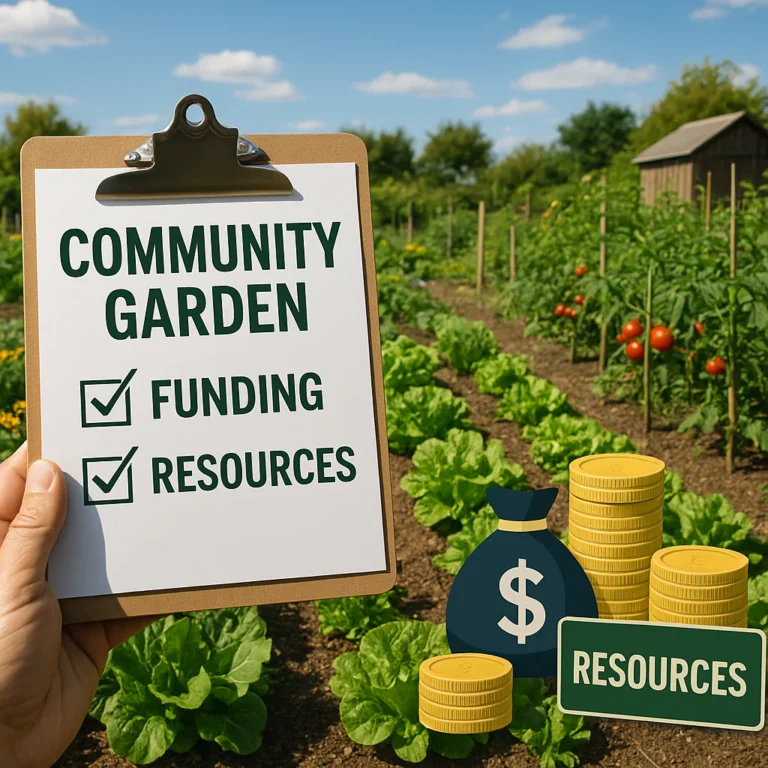
Challenge 2: Funding Shortages
- Solution: Seek grants. Many organizations now prioritize food security and mental health projects.
- Resource: Check out the National Gardening Association for funding opportunities.
- Tip: Apply for “Community Resilience” grants specifically designed for post-pandemic recovery.
Challenge 3: Community Buy-In
- Solution: Start small. Host a “Seed Swap” or a “Garden Tour” to generate interest.
- Strategy: Involve local leaders early. Their endorsement can make or break a project.
- Fact: Gardens that rely on self-generated income (like café sales) struggled more during lockdowns. Diversify your funding sources!
⚡️ Quick Tips and Facts (Recap)
Just in case you missed the first round, here’s a quick reminder of the golden rules:
- Sanitize everything.
- Keep your distance.
- Grow fast-yield crops.
- Connect virtually first.
- Share the harvest.
Remember, the goal isn’t perfection; it’s progress. Every tomato grown is a victory.
📚 Conclusion

As we navigate the winding road of pandemic recovery, community gardens have emerged as more than just plots of land; they are sanctuaries of resilience. From the “Victory Gardens” of the past to the modern-day hubs of food security, these spaces have proven their worth time and time again.
We’ve seen how they alleviate food insecurity, boost mental health, and rebuild the social fabric of our neighborhoods. But the journey isn’t over. The challenges of space, funding, and safety remain, but with the right strategies, they are surmountable.
Our Recommendation:
If you are considering starting a community garden, do it. But do it smart. Follow the 10-step guide, prioritize safety, and focus on building connections. Whether you are a seasoned gardener or a complete novice, there is a place for you in the soil.
“We’re really kind of the last ditch safety net for a lot of folks.” — Quincy Kissack, UWM Food Center & Pantry Director
The future of our communities depends on our ability to come together, even if we have to stay six feet apart. So, grab your trowel, put on your mask, and let’s grow a grener tomorrow.
Check out the video below to see how the University of Wisconsin-Milwaukee revived the Victory Garden concept:
Featured Video: UWM Victory Gardens
🔗 Recommended Links
Essential Tools & Products
- Rain Wizard Rain Barels: Amazon | Brand Official
- Gardeners Supply Company Raised Beds: Amazon | Brand Official
- Lysol Disinfectant Spray: Amazon | Brand Official
- Clorox Disinfecting Wipes: Amazon | Brand Official
- GreenStalk Vertical Planter: Amazon | Brand Official
Books & Resources
- “The Victory Garden” by Tim Bird: Amazon
- “Community Gardening: A Guide to Getting Started” by the National Gardening Association: Amazon
❓ FAQ

How has community gardening helped mental health during pandemic recovery?
Community gardening has served as a powerful antidote to pandemic-induced isolation and anxiety. By providing a structured, outdoor activity, it reduces cortisol levels and increases serotonin production. The act of nurturing plants gives individuals a sense of agency and control, which is often lacking during crises. Studies show that gardeners report significantly lower stress levels and higher life satisfaction compared to non-gardeners.
What safety measures are recommended for community gardening post-pandemic?
Key safety measures include maintaining 6 feet of social distancing, wearing masks in crowded areas, implementing contactless tool sanitization stations, and using reservation systems to limit the number of people in the garden at once. Regular hand washing and the use of personal tools are also critical.
Can community gardening improve food security after the pandemic?
Absolutely. Community gardens act as a local food source, supplementing diets with fresh produce and reducing reliance on fragile supply chains. They are particularly vital for low-income families, who are disproportionately affected by food insecurity. By growing their own food, communities can reduce economic losses and improve nutritional intake.
What are the social benefits of community gardening in pandemic recovery?
Gardens foster social cohesion by providing a safe space for neighbors to connect, share resources, and support one another. They help rebuild trust and create a sense of belonging, which is essential for healing the social fractures caused by lockdowns. The “buddy system” and harvest swaps are excellent examples of these social benefits in action.
How can neighborhoods start community gardens to support pandemic recovery?
Neighborhoods can start by forming a diverse planning committee, securing a plot, and drafting a social distancing charter. Engaging local leaders, seeking grants, and using virtual tools for coordination are also crucial steps. Starting small with a “seed swap” or a pilot plot can help generate interest and momentum.
What role does community gardening play in rebuilding local ecosystems after the pandemic?
Community gardens support biodiversity by providing habitats for pollinators and other wildlife. They also improve soil health and reduce urban heat islands. By incorporating native plants and sustainable practices like rainwater harvesting, gardens contribute to the overall resilience of the local ecosystem.
How has interest in community gardening changed since the pandemic began?
Interest has surged dramatically, with a 40% increase in new plot applications in many urban areas. The pandemic highlighted the importance of local food systems and the mental health benefits of outdoor activities, driving more people to seek out community gardening opportunities.
📖 Reference Links
- Columbia University Mailman School of Public Health: The Role of Community Gardens During the COVID-19 Pandemic
- RUAF Foundation: COVID-19: A Growing Opportunity for Community Gardening in London
- California Volunteers: Building a Grener Community, One “Green Thumb” at a Time
- Feding America: Hunger in America
- University of Wisconsin-Milwaukee: Victory Gardens Initiative
- National Garden Scheme: Health and Wellbeing Outcomes
- Gardeners Supply Company: Raised Beds and Tools
- Lysol: Disinfectant Products
- Clorox: Disinfecting Wipes
- GreenStalk: Vertical Planters