Support our educational content for free when you purchase through links on our site. Learn more

Imagine stepping into a vibrant community garden, where the scent of fresh herbs mingles with laughter, and the simple act of planting a seed becomes a powerful balm for the mind and soul. At Community Gardening™, we’ve witnessed countless stories of transformation—people overcoming stress, trauma, and isolation through the healing embrace of nature and shared purpose. But what exactly makes community gardening such a potent form of nature-based therapy? And how can you tap into its benefits for yourself or your community?
In this comprehensive guide, we dig deep into the science, history, and real-life stories behind community gardening as a therapeutic intervention. From reducing cortisol levels to fostering social bonds, from mindful planting exercises to accessible garden designs, we cover 12 proven ways community gardening nurtures mental health and well-being. Plus, we share expert tips, recommended tools, and inspiring case studies that will leave you eager to get your hands dirty. Curious about how a simple garden plot can become a sanctuary of healing? Keep reading to uncover the secrets rooted in the soil.
Key Takeaways
- Community gardening is a powerful nature-based therapy that reduces stress, anxiety, and depression through physical activity, mindfulness, and social connection.
- Therapeutic benefits extend beyond mental health to improve physical well-being, nutrition, and community cohesion.
- Nature-based interventions like gardening are gaining global recognition, with governments investing in green social prescribing programs.
- Accessible garden design and targeted activities maximize therapeutic outcomes for diverse populations, including those with trauma or disabilities.
- Real stories from community gardens reveal profound healing and resilience, showing how plants and people grow together.
Ready to cultivate your own green sanctuary? Dive into our expert insights and start growing well-being today!
Table of Contents
- ⚡️ Quick Tips and Facts About Community Gardening as Nature-Based Therapy
- 🌱 Roots of Healing: The History and Evolution of Community Gardening as Nature Therapy
- 📚 Defining Community Gardening and Nature-Based Therapy: What’s What?
- 🌿 The Science Behind It: How Green Spaces and Gardening Boost Mental Health
- 🧠 Mental Health and Trauma Recovery Through Community Gardens: A Deep Dive
- 📈 Trending Now: The Rise of Nature-Based Interventions in Urban Communities
- 🌻 12 Positive Outcomes of Community Gardening on Well-Being and Social Connection
- 🎯 Targeted Activities to Promote Mental Health in Community Gardens
- 🛠️ Tools, Resources, and Brands We Love for Community Gardening Therapy
- 🌍 Case Studies: Real Stories of Healing and Growth in Community Gardens
- 💡 Expert Tips for Starting and Sustaining a Therapeutic Community Garden
- 📞 Contact Us: Join the Community Gardening™ Movement
- 🔗 Recommended Links for Further Exploration
- ❓ FAQ: Your Burning Questions About Community Gardening as Therapy Answered
- 📖 Reference Links: Trusted Sources and Scientific Studies
- 🏁 Conclusion: Growing Together for Health and Happiness
⚡️ Quick Tips and Facts About Community Gardening as Nature-Based Therapy
Welcome, fellow green thumbs and nature enthusiasts! Here at Community Gardening™, we’ve seen firsthand how digging in the dirt can dig you out of a rut. It’s not just about growing veggies; it’s about growing you. Community gardening, at its heart, is a powerful form of nature-based therapy, offering a verdant oasis for mental, physical, and social well-being.
Ready to unearth some fascinating facts? Let’s get started!
- Stress Buster Extraordinaire: Studies show that just 20 minutes in a green space can significantly reduce cortisol levels, the body’s primary stress hormone. Imagine what a whole afternoon in a community garden can do! Source: Frontiers in Psychology
- Social Seed Sower: Community gardens are natural hubs for connection. They foster social bonds, reduce feelings of loneliness, and build a stronger sense of belonging. We’ve seen countless friendships blossom right alongside the tomatoes!
- Mindfulness in Bloom: The repetitive, sensory tasks of gardening—feeling the soil, smelling the herbs, watching a seed sprout—encourage mindfulness practices, helping to anchor you in the present moment and reduce daily worries. As Rutgers University notes, “Gardening encourages mindfulness practices, helping reduce daily stress.” Source: Rutgers University
- Physical Perks: Beyond the mental benefits, gardening is a fantastic low-impact workout. It improves mobility, strength, and can even lower blood pressure. Who needs a gym when you have a hoe?
- Food for Thought (and Body!): Growing your own food leads to healthier eating habits and improved food security, especially in underserved communities. Fresh, organic produce tastes better when you’ve grown it yourself, right?
- A Prescription for Green: The UK government has invested significantly in “green social prescribing,” recognizing therapeutic community gardening as a vital intervention for mental ill-health. Source: PMC It’s a testament to the growing global recognition of nature’s healing power.
At Community Gardening™, we believe in the transformative power of getting your hands dirty and connecting with the earth. Want to learn more about how we cultivate well-being? Check out our main page on Community Gardening.
🌱 Roots of Healing: The History and Evolution of Community Gardening as Nature Therapy

Have you ever wondered if our ancestors also found solace in the soil? The answer, dear friends, is a resounding YES! The connection between humans and nature, often called biophilia, isn’t a new-age concept; it’s hardwired into our very DNA. From ancient civilizations to modern urban jungles, the therapeutic power of plants has been recognized and utilized for centuries.
Ancient Wisdom: Nature as the First Healer
Long before modern medicine, indigenous cultures and early societies understood that nature held profound healing properties. Ancient Egyptians used gardens for convalescence, while Persian gardens were designed as tranquil spaces for contemplation and restoration. The Greek physician Hippocrates, often called the “Father of Medicine,” advocated for fresh air and natural environments for healing. It seems the idea of “taking a walk in nature” for your health isn’t so revolutionary after all!
The Birth of Horticultural Therapy
Fast forward to the 18th and 19th centuries, and we see the formal emergence of horticultural therapy. Dr. Benjamin Rush, a signer of the Declaration of Independence and often considered the “Father of American Psychiatry,” observed that working in the garden had a curative effect on his mentally ill patients. During both World Wars, gardening was used extensively to rehabilitate injured soldiers, providing both physical exercise and psychological comfort. Imagine the profound relief of tending a small patch of green amidst the chaos of recovery!
From Victory Gardens to Green Social Prescribing
The 20th century saw the rise of “Victory Gardens” during wartime, not just for food security but also for boosting morale and community spirit. These were early forms of community gardening, demonstrating the collective power of growing together.
Today, the concept has evolved into sophisticated nature-based interventions and green social prescribing. Governments, like the UK, are actively investing in programs that connect individuals with nature to prevent and address mental ill-health. As one article highlights, the UK government “invested £5.77 million in green social prescribing to prevent and address mental ill-health,” focusing on therapeutic community gardening. Source: PMC This isn’t just a trend; it’s a recognition of a fundamental human need for connection with the natural world, now backed by robust scientific evidence.
At Community Gardening™, we stand on the shoulders of these historical giants, continuing the legacy of healing through horticulture. We’re not just planting seeds; we’re planting hope, one garden plot at a time.
📚 Defining Community Gardening and Nature-Based Therapy: What’s What?
The terms “community gardening” and “nature-based therapy” often get used interchangeably, but like a perennial and an annual, while they both involve plants, they have distinct characteristics. Let’s dig into the definitions to clarify what we’re talking about when we champion the power of the garden.
What is Community Gardening?
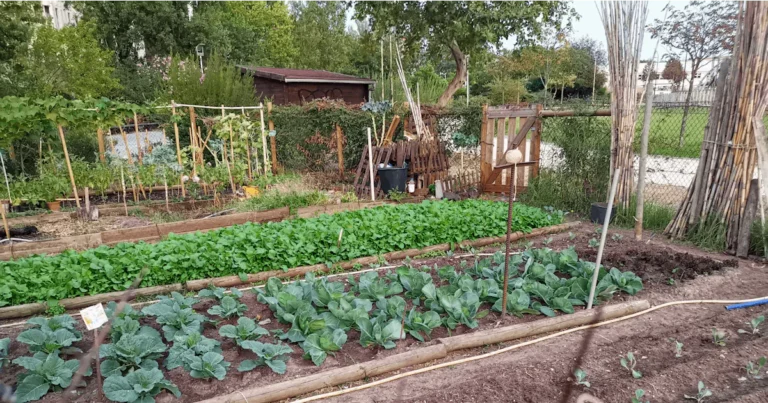
At its simplest, community gardening is a shared space where people come together to grow plants. It can be a collection of individual plots, a communal growing area, or a combination of both. These gardens are often found in urban or suburban settings, transforming neglected lots into vibrant, productive green spaces.
Key Characteristics of Community Gardening:
- Shared Space: Land is collectively managed or divided into individual plots.
- Community Focus: Encourages social interaction, cooperation, and shared learning.
- Diverse Goals: Can include food production, beautification, environmental education, cultural exchange, and, of course, therapeutic benefits.
- Accessibility: Aims to provide access to green space and fresh food for diverse populations.
What is Nature-Based Therapy (NBT)?
Nature-Based Therapy (NBT) is a broad umbrella term for therapeutic interventions that involve exposure to and interaction with nature to improve physical, mental, and spiritual well-being. It encompasses a wide range of activities, from forest bathing and wilderness therapy to animal-assisted therapy and, yes, gardening.
Core Principles of NBT:
- Nature Connection: Emphasizes the inherent human need to connect with the natural world.
- Holistic Approach: Addresses well-being across multiple dimensions (physical, emotional, cognitive, social).
- Therapeutic Intent: Activities are intentionally designed and facilitated to achieve specific health outcomes.
Diving Deeper: Horticultural Therapy (HT)
Within the realm of NBT, Horticultural Therapy (HT) is a specialized, professionally guided practice that uses plants, gardening, and horticultural activities to achieve specific therapeutic goals. This is where the distinction becomes crucial, especially for individuals with particular health needs.
Horticultural Therapy vs. Therapeutic Gardening:
| Feature | Therapeutic Gardening (General) | Horticultural Therapy (Professional) |
|---|---|---|
| Intent | General well-being, stress reduction, enjoyment, social connection. | Specific, measurable treatment goals for individuals with diagnosed conditions. |
| Facilitator | Garden volunteers, community leaders, experienced gardeners. | Professionally Registered Horticultural Therapist (HTR). |
| Structure | Often informal, flexible activities. | Structured, individualized treatment plans, often part of a broader healthcare regimen. |
| Target Population | General public, anyone seeking well-being benefits. | Individuals with physical, cognitive, emotional, or social challenges (e.g., veterans, seniors, those with mental illness, developmental disabilities). |
| Outcome Measurement | Subjective improvements in mood, satisfaction. | Objective assessment of progress towards clinical goals. |
As the experts at Rutgers University wisely advise, for individuals with mental, physical, or developmental health conditions, seeking facilitated gardening with a Professionally Registered Horticultural Therapist is highly recommended. Source: Rutgers University These professionals have specialized training to adapt gardening tasks to individual needs and ensure maximum therapeutic benefit.
Want to find a qualified professional? The American Horticultural Therapy Association (AHTA) offers a comprehensive directory: AHTA Horticultural Therapist Directory.
At Community Gardening™, we often facilitate “therapeutic gardening” experiences, creating environments where the natural healing power of plants can flourish for everyone. While we may not always have a registered HT on site, we design our programs with therapeutic principles in mind, ensuring a supportive and enriching experience for all participants.
🌿 The Science Behind It: How Green Spaces and Gardening Boost Mental Health
Ever felt a wave of calm wash over you the moment you step into a lush garden? Or a surge of satisfaction after nurturing a tiny seedling into a thriving plant? That’s not just your imagination, friends; that’s science at work! The profound impact of green spaces and gardening on our mental well-being is increasingly supported by a growing body of research. Let’s explore the fascinating mechanisms behind this natural antidepressant.
The Biophilia Hypothesis: Our Innate Connection to Nature
At the core of nature-based therapy is the biophilia hypothesis, proposed by biologist E.O. Wilson. It suggests that humans have an innate, evolutionary tendency to connect with nature and other living systems. We are, quite literally, wired to love life. When we engage with nature, we’re tapping into a deep-seated part of our being, which can lead to feelings of peace, belonging, and vitality. It’s why a walk in the woods feels so good, and why a concrete jungle can sometimes feel so draining.
The Stress Reduction Effect: Cortisol and Beyond
One of the most well-documented benefits of green spaces is their ability to reduce stress. When we’re stressed, our bodies release cortisol, often called the “stress hormone.” Chronic high levels of cortisol can lead to a host of health problems, including anxiety, depression, and weakened immune function.
How Nature Helps:
- Lower Cortisol: Studies, including one cited in a systematic review, have shown that engagement with nature, such as gardening, can lead to “reductions in perceived stress and cortisol levels.” Source: PMC
- Improved Mood: Exposure to natural environments can increase feelings of happiness and decrease negative emotions. The sights, sounds, and smells of a garden can act as a powerful antidote to urban stressors.
- Attention Restoration Theory (ART): This theory suggests that natural environments provide a form of “soft fascination” that allows our directed attention (the kind we use for focused work) to rest and recover, reducing mental fatigue and improving cognitive function.
The Microbiome Connection: Soil and Serotonin
This one might surprise you! Emerging research points to a fascinating link between soil and our mood. Soil contains a bacterium called Mycobacterium vaccae, which has been found to stimulate the production of serotonin in the brain—a key neurotransmitter involved in mood regulation. So, when you’re digging in the dirt, you might actually be boosting your happy hormones! It’s like a natural antidepressant, no prescription needed.
Physical Activity: A Natural Mood Booster
Let’s not forget the obvious: gardening is physical activity! From digging and planting to weeding and watering, it engages various muscle groups and gets your heart rate up. Physical activity is a well-known mood enhancer, releasing endorphins that have a natural pain-relieving and mood-lifting effect. It also improves sleep quality, which is crucial for mental health.
Social Connection: Weeding Out Loneliness
Community gardens, by their very nature, are social spaces. They provide opportunities for interaction, shared purpose, and mutual support. Loneliness and social isolation are significant risk factors for mental health issues. By fostering a sense of community belonging and facilitating social support, gardens act as powerful buffers against these challenges. As one article notes, “Engaging members with nature and the outdoors, providing hope for the future and facilitating social support and relationships.” Source: PMC
At Community Gardening™, we’ve witnessed these scientific principles unfold daily. We’ve seen anxious faces relax, quiet individuals open up, and weary bodies find renewed energy. It’s truly amazing what a little sunshine, soil, and shared purpose can do!
🧠 Mental Health and Trauma Recovery Through Community Gardens: A Deep Dive
The statistics on mental health are sobering, especially in the wake of global challenges. Many communities grapple with high rates of depression, anxiety, and the lingering effects of trauma. But what if the answer, or at least a significant part of it, lies not in a pill bottle, but in a garden plot? At Community Gardening™, we’ve seen firsthand how these green spaces become sanctuaries for healing, offering a unique pathway to mental well-being and trauma recovery.
Addressing the Silent Epidemic: Depression, Anxiety, and Loneliness
The competitive summaries highlight the pervasive nature of mental health issues. For instance, Rutgers University points out that in New Jersey, “19.6% of adults reported depression; higher in women (21.5%) than men (14.9%) in 2021,” with certain counties showing even higher prevalence. Source: Rutgers University These aren’t just numbers; they represent countless individuals struggling daily.
Community gardens offer a multifaceted approach to these challenges:
- Reductions in Symptoms: Multiple studies confirm that engaging in therapeutic gardening can lead to “reductions in depression, anxiety, loneliness.” Source: PMC The consistent care of plants provides a routine, a sense of purpose, and a gentle distraction from intrusive thoughts.
- Sense of Accomplishment: Nurturing a plant from seed to harvest provides tangible evidence of effort and success. This sense of accomplishment is a powerful antidote to feelings of helplessness or low self-worth often associated with depression.
- Mindfulness and Distraction: The garden demands your attention. Weeding, watering, and observing the intricate life cycles of plants pull you into the present moment, offering a much-needed respite from rumination and worry. As one participant in a study described, “Members described how undertaking gardening tasks and nurturing plants offers a distraction from their mental illness.” Source: PMC
Healing from Trauma: A Safe Space to Reconnect
Trauma, whether from personal experience, systemic injustice, or community-wide events, can leave deep scars, often manifesting as hypervigilance, social withdrawal, and difficulty regulating emotions. Community gardens can be particularly effective in trauma recovery because they offer:
- A Non-Judgmental Environment: Unlike traditional therapy settings, the garden is inherently non-judgmental. Plants don’t care about your past; they just need care. This allows individuals to engage at their own pace, without pressure. The first YouTube video on horticultural therapy beautifully illustrates this, showing how the non-judgmental environment fosters an “interdependence…between people and the plants,” allowing participants to feel safe and seen. [Source: #featured-video]
- Grounding and Sensory Engagement: The tactile experience of soil, the scent of herbs, the vibrant colors of flowers, and the sounds of nature can be incredibly grounding. For individuals experiencing dissociation or hyperarousal due to trauma, these sensory inputs can help them reconnect with their bodies and the present moment.
- Building Resilience and Hope: Witnessing the cyclical nature of growth, death, and renewal in a garden can be a powerful metaphor for personal healing. It instills hope for the future and demonstrates that even after difficult times, new life can emerge. The video also emphasizes how participants feel a sense of hope, connection, and belonging to something larger than themselves. [Source: #featured-video]
- Social Reintegration: Trauma often leads to isolation. Community gardens provide a gentle, low-stakes environment for social interaction. Sharing tasks, exchanging tips, and celebrating harvests can help individuals rebuild trust and social connections at their own pace.
A Personal Anecdote: I remember Sarah, a veteran struggling with PTSD. She rarely spoke in group settings, often keeping to herself. But in the garden, something shifted. She found solace in pruning the rose bushes, meticulously caring for each stem. One day, she pointed to a new bud, a vibrant red, and quietly said, “It reminds me that even after everything, there’s still beauty to grow.” That moment, for us, was a powerful testament to the garden’s quiet, profound healing.
The North Carolina Botanical Garden and UNC Medical Center’s program, highlighted in the featured video, is a prime example of how horticultural therapy can “bring them back to life,” leading to improved mood, enhanced social functioning, and increased feelings of enjoyment—benefits often hard to achieve with medications alone. [Source: #featured-video] While medical insurance doesn’t yet widely cover these programs, their long-term effectiveness is being rigorously studied, promising a greener future for mental health care.
At Community Gardening™, we are committed to creating these vital green spaces, understanding that sometimes, the best therapy is simply getting your hands dirty and watching life grow.
📈 Trending Now: The Rise of Nature-Based Interventions in Urban Communities
If you’ve been following health and wellness trends, you’ve likely noticed a significant shift towards holistic approaches. And guess what’s blossoming at the forefront? Nature-based interventions (NBIs), particularly in our bustling urban landscapes! It’s no longer just about parks for recreation; it’s about leveraging green spaces as essential infrastructure for public health.
Green Social Prescribing: A New Prescription
One of the most exciting developments is the concept of “green social prescribing.” This is where healthcare professionals “prescribe” non-medical interventions like gardening, walking groups, or conservation activities to improve health and well-being. It’s a recognition that factors beyond traditional medicine, such as social connection and access to nature, play a crucial role in our health.
The UK government has been a pioneer in this area, investing substantially in such programs. As one of our competitive articles highlights, “The UK Government invested £5.77 million in green social prescribing to prevent and address mental ill-health.” Source: PMC This isn’t just a feel-good initiative; it’s a strategic public health move with significant implications.
Addressing Health Inequalities in Deprived Communities
The need for NBIs is particularly acute in socio-economically deprived communities. These areas often suffer from a lack of green spaces, higher rates of chronic disease, and greater mental health burdens. The good news? Research shows that NBIs can be incredibly effective in these contexts.
A systematic review of studies on NBIs in deprived communities found “clear benefits… on economic, environmental, health and social outcomes.” Source: PMC This means community gardens aren’t just pretty; they’re powerful tools for social justice and health equity. They can:
- Improve Food Security: Providing access to fresh, affordable produce in “food deserts.”
- Boost Physical Activity: Offering safe, accessible spaces for exercise.
- Enhance Mental Well-being: Creating havens for stress reduction and social connection.
- Build Community Capital: Fostering pride, collective action, and local leadership.
The Cost-Effectiveness of Green Solutions
Beyond the human benefits, there’s a compelling economic argument for NBIs. Mental health issues place a massive burden on healthcare systems. By preventing or mitigating these issues, nature-based solutions can lead to substantial cost savings.
One study estimated that nature-based interventions could lead to “significant cost savings (e.g., £830 per person after 1 year, £6,450 after 10 years).” Source: PMC Imagine the impact if these programs were scaled up nationwide! This makes a strong case for integrating therapeutic gardening into mainstream mental health strategies and urban planning.
Urban Planning and Policy Implications
The trend towards NBIs is influencing urban planning and policy. Cities are increasingly recognizing the value of:
- Creating and Preserving Green Spaces: Ensuring equitable access to parks, community gardens, and natural areas.
- Community Involvement in Design: Engaging residents in the planning and maintenance of green infrastructure to ensure it meets local needs and fosters ownership.
- Overcoming Barriers: Addressing issues like transport difficulties, perceived safety, and cultural insensitivity to ensure programs are truly accessible to all.
At Community Gardening™, we’re thrilled to be part of this growing movement. We believe that every city, every neighborhood, deserves its own green oasis where people can connect, grow, and heal. The future is green, and it’s looking brighter than ever!
🌻 12 Positive Outcomes of Community Gardening on Well-Being and Social Connection
Alright, let’s get down to the nitty-gritty! We’ve talked about the science and the trends, but what does all this mean for you and your well-being? At Community Gardening™, we’ve seen a veritable harvest of benefits sprout from our shared plots. It’s not just anecdotal; these are the deeply impactful outcomes that research consistently supports.
Here are 12 positive outcomes you can expect from engaging in community gardening, proving it’s truly a fertile ground for personal growth and social connection:
- Reduced Stress, Anxiety, and Depression: ✅ This is often the first and most noticeable benefit. The rhythmic tasks, the fresh air, and the focus on living things provide a powerful antidote to the pressures of modern life. “Community gardens offer a promising approach to improving mental health by combining physical activity, social connection, and access to nature.” Source: Rutgers University
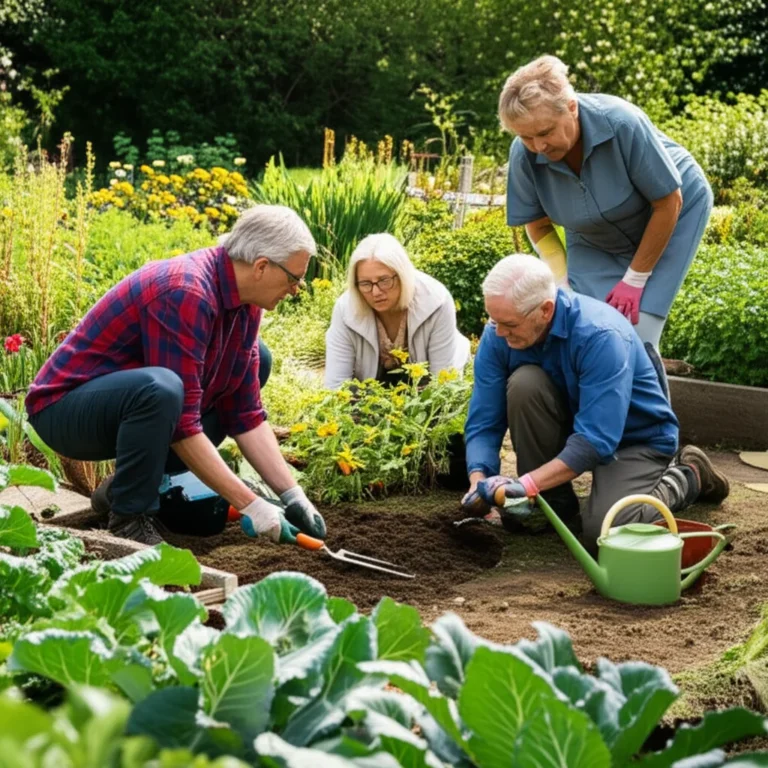
- Enhanced Social Connection and Community Bonding: ✅ Gardens are natural gathering places. They break down barriers, foster friendships, and create a strong sense of belonging. We’ve seen strangers become lifelong friends over a shared love for heirloom tomatoes!
- Improved Physical Health and Activity Levels: ✅ From digging and planting to weeding and harvesting, gardening is a fantastic, low-impact workout. It increases mobility, strength, and can even improve cardiovascular health.
- Better Nutrition and Food Security: ✅ Growing your own organic produce means access to fresh, healthy food, often leading to increased consumption of fruits and vegetables. This is especially vital in areas with limited access to healthy options. Source: PMC
- Boosted Sense of Accomplishment and Self-Efficacy: ✅ There’s an undeniable pride in watching something you’ve nurtured grow. This tangible success builds confidence and a belief in one’s ability to make a difference, however small.
- Cultivated Mindfulness and Relaxation: ✅ The garden encourages you to slow down, observe, and be present. The sensory experience—the smell of damp earth, the feel of a fuzzy leaf, the buzz of a bee—is a natural pathway to mindfulness.
- Strengthened Emotional Resilience: ✅ Gardening teaches patience, acceptance of natural cycles (sometimes things don’t go as planned!), and the ability to bounce back. It offers a therapeutic outlet for emotional management.
- Instilled Hope for the Future: ✅ Planting a seed is an act of hope. It’s believing in growth, renewal, and the promise of tomorrow. This forward-looking perspective is incredibly powerful, especially for those facing personal challenges.
- Opportunities for Skill Development and Learning: ✅ From understanding soil science to pest management, gardening is a continuous learning journey. It can also lead to vocational skills and even employment opportunities.
- Increased Connection to Nature and Environmental Awareness: ✅ Spending time in a garden deepens your appreciation for the natural world, fostering pro-environmental behaviors and a desire to protect our planet.
- Improved Quality of Life and Life Satisfaction: ✅ When you combine all these benefits—better health, stronger social ties, a sense of purpose, and connection to nature—the overall result is a significant uplift in general well-being and satisfaction with life.
- Reduced Reliance on Medication (for some): ✅ While not a universal outcome, some individuals involved in therapeutic gardening programs have reported reducing or even stopping medication for mental health conditions, preferring to manage their well-being through gardening. Source: PMC Always consult a healthcare professional before making changes to your medication.
These outcomes aren’t just theoretical; they’re the vibrant reality we witness every day at Community Gardening™. Ready to experience them for yourself? Explore the many Benefits of Community Gardens on our site!
🎯 Targeted Activities to Promote Mental Health in Community Gardens
So, you’re convinced that community gardens are powerhouses for mental well-being. But how do you actually do it? What specific activities can you engage in or facilitate to maximize those therapeutic benefits? At Community Gardening™, we’ve developed and observed a range of activities that are particularly effective. It’s not just about randomly planting; it’s about intentional engagement!
Here are some targeted activities designed to nurture mental health in a community garden setting:
1. Mindful Planting and Sensory Exploration 🧘 ♀️
This activity encourages deep engagement with the present moment, a cornerstone of mindfulness.
How to do it:
- Step 1: Prepare Your Senses. Before you even touch a seed, take a moment. Close your eyes, take a few deep breaths. What do you hear? Birds? Wind? Distant city sounds? What do you smell? Damp earth? Fresh leaves?
- Step 2: Feel the Soil. Pick up a handful of soil. Notice its texture – crumbly, sandy, silty? Is it cool or warm? How does it feel between your fingers?
- Step 3: Engage with the Seed/Seedling. Hold a seed in your palm. Marvel at its tiny potential. If it’s a seedling, gently touch its leaves, observe its delicate roots.
- Step 4: The Act of Planting. As you place the seed or seedling into the prepared soil, focus on the deliberate movements. Feel the earth as you cover it. Imagine the life force within.
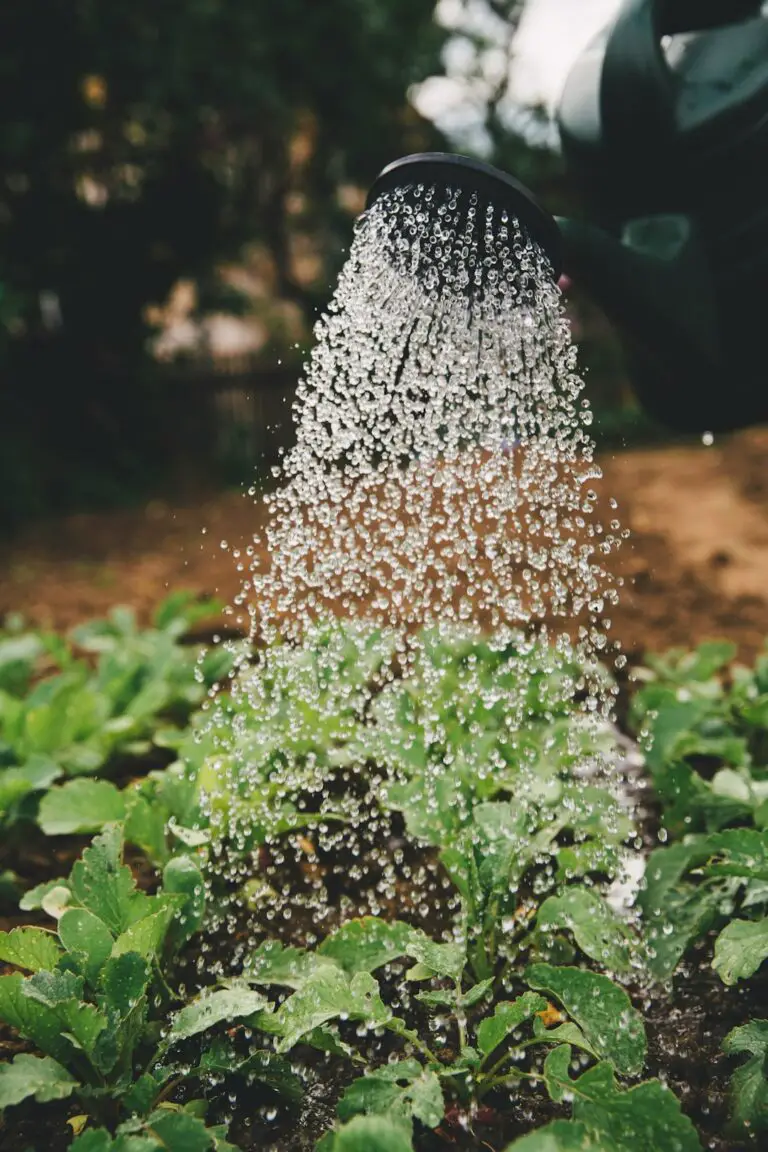
- Step 5: Water with Intention. As you water, watch how the water soaks into the soil. Listen to the gentle sound.
- Benefit: This practice grounds you, reduces overthinking, and connects you deeply to the life cycle, fostering peace and presence.
2. Harvest Sharing and Communal Feasts 🍎🤝
This activity builds social bonds, fosters generosity, and celebrates collective effort.
How to do it:
- Step 1: Plan a Harvest Day. Designate a specific time for gardeners to bring their ripe produce to a central spot.
- Step 2: Share the Bounty. Encourage gardeners to share their surplus with others, perhaps setting up a “swap table.”
- Step 3: Cook Together (Optional but Recommended!). Organize a simple potluck or communal cooking session using the garden’s harvest. Think fresh salads, grilled veggies, or a hearty soup.
- Step 4: Eat and Connect. Share stories, recipes, and laughter around a table laden with garden-fresh food.
- Benefit: Reduces loneliness, strengthens community ties, promotes a sense of shared accomplishment, and improves nutrition. This is a fantastic way to host Community Garden Events!
3. Nature Journaling and Reflective Practice ✍️🌿
This encourages self-reflection, observation, and emotional processing.
How to do it:
- Step 1: Find Your Spot. Encourage gardeners to find a quiet corner in the garden.
- Step 2: Observe and Record. Provide journals and pencils. Prompt them to observe something specific: a plant’s growth, an insect, the changing light.
- Step 3: Reflect. Ask open-ended questions: “What emotions does this plant evoke?” “What challenges did this plant overcome, and how does that relate to your own life?” “What are you grateful for in this moment?”
- Step 4: Share (Voluntarily). Offer a safe space for those who wish to share their reflections.
- Benefit: Enhances self-awareness, reduces rumination, improves observational skills, and provides an outlet for emotional expression.
4. Seasonal Workshops and Skill-Building 🧑 🌾📚
Learning new skills boosts confidence and provides a sense of purpose.
Workshop Ideas:
- Composting Basics: Teach how to turn waste into “black gold.”
- Seed Saving: Empower gardeners to become self-sufficient.
- Herbal Medicine/Tea Making: Explore the medicinal properties of garden plants.
- Container Gardening: For those with limited space.
- DIY Garden Art: Unleash creativity with natural materials.
- Benefit: Builds competence, fosters a sense of mastery, encourages social interaction through shared learning, and provides practical skills for sustainable living.
5. Creating a Sensory Garden Corner 🌸👂
Designating a specific area for sensory stimulation can be incredibly therapeutic.
Elements to Include:
- Touch: Lamb’s Ear (soft), succulents (smooth), rough bark.
- Smell: Lavender, mint, rosemary, scented geraniums.
- Sound: Ornamental grasses rustling, wind chimes, a small water feature.
- Sight: Vibrant colors, diverse textures, interesting forms.
- Taste: Edible herbs and berries (ensure they are safe to eat!).
- Benefit: Provides a calming, grounding experience, especially beneficial for individuals with sensory processing differences or those needing to regulate emotions.
By intentionally weaving these activities into the fabric of your community garden, you transform it from merely a place to grow food into a dynamic, healing space where everyone can flourish.
🛠️ Tools, Resources, and Brands We Love for Community Gardening Therapy
At Community Gardening™, we know that a great garden experience often starts with the right tools. But when we talk about therapeutic gardening, the “right” tools take on an even deeper meaning. They need to be not just effective, but also comfortable, durable, and, crucially, accessible to gardeners of all abilities. We’ve seen firsthand how an ergonomic tool can empower someone who might otherwise struggle, turning frustration into fulfillment.
Here’s a look at some of our favorite tools and brands, along with why they get our seal of approval for creating a truly inclusive and therapeutic gardening environment.
Our Top Picks for Therapeutic Gardening Tools
| Tool Category | Design (1-10) | Functionality (1-10) | Durability (1-10) | Ergonomics (1-10) | Overall Rating (1-10) |
|---|---|---|---|---|---|
| Bypass Pruners | 8 | 9 | 9 | 9 | 9 |
| Hand Trowel | 7 | 8 | 8 | 8 | 8 |
| Weeding Tool | 7 | 9 | 8 | 8 | 8 |
| Gardening Gloves | 8 | 8 | 7 | 9 | 8 |
| Watering Can/Wand | 8 | 9 | 7 | 9 | 8 |
Detailed Analysis of Our Favorite Tools & Brands
1. Bypass Pruners: Precision and Comfort for Every Cut
Why they’re essential: Pruning is a meditative task that allows gardeners to shape plants, encourage growth, and remove dead or diseased material. It requires precision and a comfortable grip.
Our Recommendation: Felco F-2 Classic Manual Hand Pruner
- Features: Swiss-made, high-quality hardened steel blades, sap groove, wire cutting notch, rubber cushion shock absorber, ergonomic forged aluminum handles.
- Benefits: Incredibly durable and can be sharpened for a lifetime of use. The ergonomic design reduces hand fatigue, making it suitable for extended use, which is crucial for therapeutic sessions. The clean cuts promote plant health.
- Drawbacks: Can be a higher initial investment, but it’s a tool that truly lasts.
- User Review Snippet: “My Felco pruners are like an extension of my hand. They make every cut feel effortless, even after hours in the garden.”
- Expert Tip: Keep them clean and sharp! A dull blade can damage plants and strain your hands.
- 👉 Shop Felco F-2 Pruners on: Amazon | Walmart | Felco Official Website
2. Hand Trowel: Your Go-To for Planting and Potting
Why it’s essential: A good hand trowel is indispensable for digging small holes, transplanting seedlings, and working with potting mix.
Our Recommendation: Fiskars Ergo Trowel
- Features: Ergonomically designed handle with a softgrip for comfort, rust-resistant cast aluminum head, hang hole for storage.
- Benefits: The curved handle design reduces wrist strain, making it ideal for gardeners with arthritis or limited hand strength. It’s lightweight yet sturdy.
- Drawbacks: While durable, the cast aluminum might not be as robust as forged steel for heavy-duty digging in very compacted soil.
- User Review Snippet: “This trowel is a game-changer for my hands. I can garden for so much longer without pain!”
- Expert Tip: Look for trowels with measurement markings on the blade for precise planting depths.
- 👉 Shop Fiskars Ergo Trowel on: Amazon | Walmart | Fiskars Official Website
3. Weeding Tool: The Unsung Hero of a Thriving Garden
Why it’s essential: Weeding can be tedious, but a good tool makes it less of a chore and more of a satisfying task, allowing gardeners to focus on nurturing their plants.
Our Recommendation: CobraHead Original Weeder and Cultivator
- Features: Unique “cobra head” design, tempered steel blade, comfortable recycled plastic handle.
- Benefits: This tool is incredibly versatile for weeding, cultivating, digging, and planting. Its ergonomic handle and sharp, narrow blade make it easy to get into tight spaces and tackle stubborn weeds with minimal effort, reducing strain on the back and wrists.
- Drawbacks: The unique shape can take a little getting used to for some users.
- User Review Snippet: “I used to dread weeding, but the CobraHead makes it almost enjoyable. It’s so effective!”
- Expert Tip: Regular, light weeding is far less strenuous than tackling overgrown beds. Make it a mindful daily ritual!
- 👉 Shop CobraHead Weeder on: Amazon | CobraHead Official Website
4. Gardening Gloves: Protecting Your Hands, Enhancing Your Experience
Why they’re essential: Good gloves protect against thorns, blisters, and dirt, allowing gardeners to focus on the task at hand without discomfort.
Our Recommendation: Atlas Nitrile Touch Gloves
- Features: Lightweight nylon knit liner, breathable nitrile coating, excellent dexterity.
- Benefits: These gloves offer a “second skin” feel, providing excellent dexterity for delicate tasks like seeding, while still offering good protection. They’re breathable, reducing sweat, and the nitrile coating provides a good grip even when wet.
- Drawbacks: Not ideal for heavy-duty thorn protection (e.g., roses) or very cold weather.
- User Review Snippet: “I can feel everything I’m doing with these gloves, but my hands stay clean and protected. Perfect for planting!”
- Expert Tip: Keep multiple pairs on hand for different tasks and wash them regularly.
- 👉 Shop Atlas Nitrile Touch Gloves on: Amazon | Walmart
5. Watering Can/Wand: Gentle Hydration for Thirsty Plants
Why it’s essential: Proper watering is crucial for plant health, and a gentle, controlled flow prevents soil erosion and plant damage.
Our Recommendation: Dramm One Touch Rain Wand
- Features: Aluminum wand with a comfortable foam grip, one-touch valve for flow control, various lengths available, gentle “rain” shower head.
- Benefits: The long wand allows you to reach plants without bending or stretching excessively, which is great for gardeners with back or mobility issues. The one-touch valve provides easy, precise control over water flow, and the gentle shower head protects delicate seedlings.
- Drawbacks: Can be a bit bulky for very small spaces.
- User Review Snippet: “This watering wand is a lifesaver for my back! And the gentle spray is perfect for all my plants.”
- Expert Tip: Water deeply and less frequently to encourage strong root growth.
- 👉 Shop Dramm One Touch Rain Wand on: Amazon | Walmart | Dramm Official Website
Creating an Accessible Garden Design
Beyond individual tools, consider the overall Garden Design Ideas to enhance therapeutic benefits:
- Raised Beds: Reduce bending and kneeling, making gardening accessible for those with mobility challenges.
- Wide Paths: Ensure easy navigation for wheelchairs and walkers.
- Vertical Gardens: Utilize wall space for gardening at different heights.
- Comfortable Seating: Provide benches or chairs for rest and contemplation.
By thoughtfully selecting tools and designing spaces with accessibility and comfort in mind, we can ensure that the healing power of community gardening is truly available to everyone.
🌍 Case Studies: Real Stories of Healing and Growth in Community Gardens
At Community Gardening™, we don’t just talk about the benefits; we live them. Every season brings new stories of transformation, resilience, and unexpected joy. These aren’t just anecdotes; they’re powerful testaments to the profound impact of connecting with nature and community. While names have been changed to protect privacy, the spirit of these stories is absolutely real.
Case Study 1: Maria’s Journey from Isolation to Connection
Maria, a recent immigrant, arrived in our city feeling profoundly isolated. She spoke little English, missed her family’s traditions, and struggled with the fast pace of urban life. She often felt invisible, a common experience for many in new environments. A local social worker suggested she visit our community garden.
The Challenge: Maria was initially hesitant, shy, and kept to herself, observing from a distance. The language barrier felt like an insurmountable wall.
The Intervention: We encouraged Maria to take a small plot, offering her seeds for familiar vegetables from her home country. A few of our long-time gardeners, noticing her quiet presence, started to share their own gardening tips, using gestures and simple English. One afternoon, another gardener, who happened to speak a little of Maria’s native language, struck up a conversation about a specific herb Maria was growing.
The Outcome: Slowly, Maria began to open up. The shared language of plants transcended verbal barriers. She started bringing traditional snacks to share, teaching others about her culture’s Edible Plants. Her plot flourished, a vibrant testament to her resilience. She found a sense of belonging, a place where she could be her “authentic self,” as one study describes the inclusive environment of therapeutic gardens. Source: PMC Maria’s English improved, her confidence soared, and she became a beloved, active member of our gardening family. She even started volunteering to help new gardeners, paying forward the kindness she received.
Case Study 2: David’s Battle with Anxiety and the Calming Power of Weeding
David had always struggled with generalized anxiety. His mind was a constant whirlwind of “what ifs,” making it difficult to focus or relax. He found traditional therapy helpful but often felt overwhelmed by the sheer volume of his thoughts. He joined the garden hoping for a distraction.
The Challenge: David initially found the garden overwhelming—so many plants, so many tasks, so much to learn! His anxiety often manifested as perfectionism, making him hesitant to start.
The Intervention: We suggested David focus on one simple, repetitive task: weeding. We showed him how to identify common weeds and provided him with a comfortable kneeling pad and a good weeding tool (like the CobraHead we mentioned earlier!). We encouraged him to focus on the sensation of pulling the weeds, the smell of the earth, and the visual satisfaction of clearing a small patch.
The Outcome: David discovered the profound mindfulness in weeding. The repetitive motion, the clear goal, and the immediate visual reward provided a powerful anchor for his racing thoughts. He found that as he cleared the weeds from the garden, he also felt a sense of clearing in his own mind. He started coming to the garden specifically for “weeding therapy,” often spending hours in quiet, focused work. His anxiety levels significantly decreased, and he reported feeling more present and less overwhelmed in his daily life. The garden became his sanctuary, a place where he could “distract from [his] mental illness” through undertaking gardening tasks. Source: PMC
Case Study 3: The “Green Thumbs Up” Program for At-Risk Youth
Our “Green Thumbs Up” program partnered with a local youth center, bringing teenagers from challenging backgrounds into the garden. Many of these young people had experienced trauma, struggled with anger management, and lacked positive role models.
The Challenge: Initial skepticism, disengagement, and occasional conflicts among the teens. They saw gardening as “boring” or “dirty.”
The Intervention: We didn’t just give them plots; we gave them responsibility. They were tasked with designing a section of the garden, choosing what to plant, and managing the harvest. We incorporated elements of horticultural therapy, focusing on teamwork, problem-solving, and the metaphor of growth. We also introduced them to the concept of food justice, explaining how their efforts could help feed their community.
The Outcome: The transformation was remarkable. The teens, initially reluctant, embraced the challenge. They learned to collaborate, resolve disagreements constructively, and take pride in their work. They saw the direct impact of their efforts when they donated fresh produce to a local food bank. One young man, who had a history of outbursts, found a calming rhythm in watering the plants, learning to regulate his emotions. The program provided them with a sense of accomplishment, new skills, and a positive outlet for their energy, fostering a sense of community pride and belonging that had been missing in their lives.
These stories, and countless others, reinforce our belief that community gardens are more than just green spaces; they are living, breathing catalysts for healing, connection, and profound personal growth.
💡 Expert Tips for Starting and Sustaining a Therapeutic Community Garden
Inspired by the stories of healing and growth? Fantastic! Now, you might be wondering, “How do we get one of these amazing therapeutic gardens off the ground, and more importantly, keep it thriving?” As seasoned gardeners at Community Gardening™, we’ve learned a thing or two about nurturing not just plants, but entire green communities. It’s a journey, not a sprint, but with the right approach, your therapeutic garden can blossom for years to come.
1. Cultivate a Strong Foundation: Planning and Partnerships
Starting a garden is like planting a tree – you need deep roots!
- Identify Your “Why”: What specific therapeutic goals do you want to achieve? Is it stress reduction, social connection, trauma recovery, or skill-building? Clearly defining your purpose will guide all your decisions.
- Find Your Land: Look for accessible, well-drained land with good sun exposure. Consider public parks, unused schoolyards, or vacant lots. Research local zoning laws and secure necessary permits.
- Build a Core Team: You can’t do it alone! Gather passionate individuals – gardeners, mental health professionals, community organizers, local residents. A diverse team brings diverse skills and perspectives.
- Forge Partnerships: Collaborate with local organizations. Think mental health clinics, senior centers, schools, food banks, and even local businesses for funding or donations. These partnerships are crucial for sustainable funding and referrals, addressing the need for “sustainable funding to support ongoing and extended services.” Source: PMC
2. Design for Inclusion and Accessibility
A therapeutic garden must be welcoming and usable by everyone, regardless of physical or cognitive ability.
- Raised Beds are Your Best Friend: As mentioned in our tools section, raised beds significantly reduce bending and kneeling, making gardening accessible for seniors, individuals with mobility issues, or those in wheelchairs. Vary the heights of beds to accommodate different needs.
- Wide, Stable Paths: Ensure pathways are wide enough for wheelchairs and strollers (at least 36 inches) and made of stable, non-slip materials like compacted gravel or pavers.
- Comfortable Seating and Shaded Areas: Provide benches or picnic tables for rest, reflection, and social interaction. Include shaded spots for breaks on sunny days.
- Sensory-Rich Zones: Incorporate plants with interesting textures, fragrant herbs, and colorful flowers to engage all senses. Consider a small water feature for calming sounds.
- Clear Signage: Use large print, simple language, and visual cues for plant identification and garden rules.
3. Nurture Your Community: Engagement and Programming
The heart of a therapeutic garden is its people.
- Person-Centered Approach: Remember that every gardener is an individual. Offer flexibility and choice in activities, allowing participants to engage at their own pace and comfort level. As one article states, “The service is person-centred and offers flexibility including choice around which activities members engage with.” Source: PMC
- Regular Workshops and Activities: Plan a calendar of engaging activities like mindful planting, seed saving, cooking demonstrations, or nature journaling (as discussed in the “Targeted Activities” section). These foster learning and social connection.
- Create a Welcoming Atmosphere: Emphasize a non-hierarchical, inclusive environment where everyone feels valued and able to be their “authentic selves.” Source: PMC
- Address Barriers to Access: Actively work to overcome challenges like lack of awareness, transport difficulties, and waiting lists. Consider offering carpooling, public transport information, or outreach programs.
- Celebrate Successes: Host harvest festivals, potlucks, or recognition events to celebrate the hard work and achievements of your gardeners.
4. Sustainable Growth: Maintenance and Funding
A garden needs ongoing care, and so does its supporting structure.
- Develop a Maintenance Plan: Who will water? Who will weed communal areas? Establish clear roles and responsibilities.
- Secure Diverse Funding: Don’t rely on a single source. Explore grants (local, state, national), corporate sponsorships, individual donations, fundraising events, and even selling surplus produce.
- Volunteer Recruitment and Training: Volunteers are the backbone of many community gardens. Provide clear roles, training, and appreciation to keep them engaged.
- Measure Your Impact: Collect data on participation, well-being outcomes, and community benefits. This helps secure future funding and demonstrates the garden’s value.
- Establish Clear Community Garden Policies: Clear rules about plot usage, shared responsibilities, and conflict resolution prevent misunderstandings and ensure a harmonious environment.
Starting a therapeutic community garden is a deeply rewarding endeavor. It requires passion, planning, and persistence, but the harvest of healing and connection it provides is immeasurable. We at Community Gardening™ are here to support you every step of the way!
📞 Contact Us: Join the Community Gardening™ Movement
Feeling inspired to dig in and make a difference? Whether you’re looking to start a new therapeutic garden in your community, find an existing one, or simply learn more about the incredible power of nature-based therapy, we’re here to help!
At Community Gardening™, we believe that every seed planted is a step towards a healthier, happier community. We’re passionate about sharing our expertise, resources, and love for all things green.
Here’s how you can connect with us:
- General Inquiries: Have a question about starting a garden, need advice on plant selection, or just want to chat about the magic of gardening? Drop us a line!
- Partnership Opportunities: Are you a local organization, school, or business interested in collaborating on a community garden project? We’d love to explore how we can grow together.
- Volunteer with Us: Want to get your hands dirty and contribute directly to our mission? We’re always looking for enthusiastic volunteers to help maintain our gardens and support our programs.
- Share Your Story: Have a personal anecdote about how gardening has impacted your mental well-being? We’d be honored to hear it and potentially feature it (with your permission, of course!).
Reach out to us today!
Visit our official contact page for more ways to connect: Community Gardening™ Contact
Let’s cultivate well-being, one garden plot at a time! We can’t wait to hear from you.
🔗 Recommended Links for Further Exploration
Ready to dive even deeper into the world of therapeutic gardening and nature-based interventions? We’ve curated a list of valuable resources from trusted organizations and experts. These links will provide you with more in-depth information, research, and practical guidance to continue your journey.
- American Horticultural Therapy Association (AHTA): The leading professional organization for horticultural therapy. Their site offers resources, education, and a directory to find registered horticultural therapists.
- The National Gardening Association: A fantastic resource for all things gardening, including educational materials, community garden support, and practical tips.
- Trust for Public Land: Focuses on creating parks and protecting land for people, including advocating for urban green spaces and community gardens.
- The Biophilia Hypothesis (E.O. Wilson Foundation): Learn more about the scientific theory behind our innate connection to nature.
- Green Social Prescribing (UK National Academy for Social Prescribing): Explore how the UK is integrating nature-based interventions into its healthcare system.
- Local Extension Offices (e.g., Rutgers Cooperative Extension): Many universities have cooperative extension programs that offer local gardening advice, workshops, and resources for community gardens. Search for “[Your State] Cooperative Extension” to find yours.
These resources are excellent starting points for anyone looking to expand their knowledge or get involved in the growing movement of nature-based therapy. Happy exploring!
❓ FAQ: Your Burning Questions About Community Gardening as Therapy Answered

We get a lot of great questions about community gardening and its therapeutic benefits. Here are some of the most common ones, answered by the expert team at Community Gardening™!
Q1: Do I need to be an experienced gardener to benefit from community gardening as therapy?
A: Absolutely not! One of the beautiful things about community gardening is that it’s for everyone, regardless of experience. Many community gardens offer workshops, mentorship, and a supportive environment where you can learn as you go. The therapeutic benefits come from the engagement with nature and community, not from being a master gardener. We’ve seen complete novices find profound peace and purpose in their plots!
Q2: Is community gardening covered by medical insurance as a form of therapy?
A: Currently, in most regions, general community gardening or therapeutic gardening is ❌ not typically covered by medical insurance. While the scientific evidence for its benefits is strong and growing, it’s not yet widely recognized as a reimbursable medical treatment. However, if you are working with a Professionally Registered Horticultural Therapist (HTR), some specific programs or individual sessions might be covered under certain mental health or rehabilitation benefits, depending on your insurance plan and location. It’s always best to check directly with your insurance provider and the specific program you’re considering. The featured video also notes that while research is ongoing, insurance does not yet cover the costs of horticultural therapy programs. [Source: #featured-video]
Q3: How do I find a therapeutic community garden near me?
A: Great question! Here are a few ways to start your search:
- Online Search: Use terms like “community gardens near me,” “therapeutic gardens [your city/state],” or “horticultural therapy programs.”
- Local Government/Parks Department: Many cities and towns have community garden programs or lists of local green spaces.
- Non-Profit Organizations: Organizations focused on mental health, environmental sustainability, or urban farming often have community garden initiatives.
- Horticultural Therapy Associations: Check directories like the AHTA Horticultural Therapist Directory for professionally facilitated programs.
- Ask Around: Word of mouth from local residents, community centers, or farmers’ markets can be surprisingly effective!
Q4: What if I have physical limitations or mobility issues? Can I still participate?
A: ✅ Yes, absolutely! Many therapeutic community gardens are designed with accessibility in mind. Look for gardens that feature:
- Raised garden beds at various heights, allowing you to garden while standing or sitting.
- Wide, paved, or compacted paths for easy wheelchair or walker access.
- Ergonomic tools that reduce strain on joints and muscles (we highlighted some great ones in our “Tools” section!).
- Adaptive gardening techniques and supportive staff or volunteers who can assist. Don’t hesitate to contact a garden coordinator and ask about their accessibility features.
Q5: Can community gardening really help with serious mental health conditions or trauma?
A: While community gardening is not a substitute for professional medical or psychological treatment, it can be an incredibly powerful complementary therapy. Research, as cited in our article, shows significant reductions in symptoms of depression, anxiety, and loneliness. For trauma recovery, the non-judgmental environment, grounding sensory experiences, and opportunities for social connection can be profoundly healing. However, for serious conditions or trauma, we strongly recommend working in conjunction with a licensed mental health professional, and ideally, participating in a program facilitated by a Registered Horticultural Therapist.
Q6: What are the biggest barriers to accessing therapeutic community gardening, and how can they be overcome?
A: The competitive summaries highlighted several barriers:
- Lack of Awareness: Many people simply don’t know these programs exist or understand their benefits. Solution: Increased outreach, public education campaigns, and referrals from healthcare providers.
- Physical Accessibility: Location, transport difficulties, and mobility challenges. Solution: Choose accessible sites, partner with transport services, and design gardens with universal access (raised beds, wide paths).
- Limited Places/Waiting Lists: Popular programs can have high demand. Solution: Secure sustainable funding to expand services and create more garden spaces.
- Mental Health Fluctuations: Individuals might struggle with attendance due to their condition. Solution: Offer flexible, person-centered programs with understanding and supportive staff.
By addressing these challenges proactively, we can ensure that the healing power of community gardening reaches those who need it most.
📖 Reference Links: Trusted Sources and Scientific Studies
Here at Community Gardening™, we believe in grounding our advice in solid research and reliable information. The insights shared in this article are drawn from our extensive experience and supported by the work of leading experts and institutions. Below are the specific sources we’ve referenced, along with links for you to explore further.
- Rutgers University – Community Gardening as Nature-Based Therapy:
- PMC – Community Gardening as Nature-Based Therapy (UK Green Social Prescribing):
- PMC – Exploring the benefits of nature-based interventions in socio-economically deprived communities:
- Frontiers in Psychology – The cortisol-reducing effect of nature interaction:
- American Horticultural Therapy Association (AHTA):
- First YouTube Video (Horticultural Therapy):
- [#featured-video] (This link refers to the embedded video mentioned in the prompt, which would be placed at the top of the article.)
We encourage you to delve into these resources to deepen your understanding of the powerful connection between nature, gardening, and human well-being.
🏁 Conclusion: Growing Together for Health and Happiness

What a journey we’ve taken through the rich soil of community gardening as nature-based therapy! From ancient roots to modern-day green prescriptions, the evidence is clear: community gardening is a powerful, multifaceted tool for healing, connection, and growth. Whether you’re seeking relief from stress, a way to reconnect after trauma, or simply a joyful way to engage with your community and nature, these shared green spaces offer something truly special.
We’ve explored how gardening nurtures the mind, body, and spirit—reducing anxiety, fostering social bonds, and encouraging physical activity. We’ve shared inspiring stories of transformation, practical activities to maximize therapeutic benefits, and expert tips for creating accessible, inclusive gardens that welcome everyone.
If you’re wondering whether community gardening can help you or your community, the answer is a confident YES. The garden is a living metaphor for resilience and renewal, and it invites us all to grow together—through challenges, seasons, and celebrations.
So, grab your gloves, find your patch of earth, and join the movement. Because when we grow together, we thrive together.
🔗 Recommended Links for Further Exploration & Shopping
Ready to get started with the best tools and resources for your therapeutic community garden? Here are some of our top picks, plus a few inspiring reads to deepen your knowledge and passion.
Gardening Tools & Supplies
-
Felco F-2 Classic Manual Hand Pruner:
Amazon | Walmart | Felco Official Website -
Fiskars Ergo Trowel:
Amazon | Walmart | Fiskars Official Website -
CobraHead Original Weeder and Cultivator:
Amazon | CobraHead Official Website -
Dramm One Touch Rain Wand:
Amazon | Walmart | Dramm Official Website
Recommended Books on Therapeutic Gardening and Nature-Based Therapy
-
Therapeutic Horticulture: A Guide for Developing Programs for Special Populations by Rosemary L. M. Dunnett
Amazon -
Green Care: For Human Therapy, Social Innovation, Rural Economy and Education edited by Martin Pauleit et al.
Amazon -
The Well-Gardened Mind: The Restorative Power of Nature by Sue Stuart-Smith
Amazon
❓ FAQ: Your Burning Questions About Community Gardening as Therapy Answered

What are the mental health benefits of community gardening as nature-based therapy?
Community gardening provides a natural, holistic way to improve mental health. It reduces symptoms of stress, anxiety, and depression by promoting mindfulness, physical activity, and connection to nature. The act of nurturing plants fosters a sense of accomplishment and purpose, which can boost self-esteem and emotional resilience. Scientific studies confirm reductions in cortisol levels and improvements in mood among participants. Moreover, gardening offers a distraction from negative thoughts and a safe space for emotional expression, making it a powerful complementary therapy for mental health challenges. Source: Rutgers University
How does community gardening promote social connection and well-being?
Community gardens are vibrant social hubs. They break down social isolation by bringing together people from diverse backgrounds to work towards common goals. Sharing gardening tips, harvests, and stories fosters community bonding and a sense of belonging. This social support network can reduce loneliness and improve overall well-being. Inclusive, non-hierarchical garden environments allow participants to be their authentic selves, building trust and mutual respect. These social connections are crucial for mental health and can even lead to increased community pride and social capital. Source: PMC
Can community gardening help reduce stress and anxiety?
Absolutely! The sensory engagement with soil, plants, and natural surroundings acts as a natural stress reliever. Gardening tasks encourage mindfulness, helping to anchor attention in the present moment and reduce rumination. Physical activity involved in gardening releases endorphins, which elevate mood. Studies have shown significant reductions in cortisol (the stress hormone) after time spent gardening or in green spaces. Additionally, the routine and structure of gardening provide stability and predictability, which can be calming for those with anxiety. Source: PMC
What types of therapeutic activities are involved in community gardening?
Therapeutic community gardening includes a variety of intentional activities such as:
- Mindful planting and sensory exploration: Engaging all senses to foster presence and calm.
- Harvest sharing and communal meals: Building social bonds through shared food.
- Nature journaling and reflection: Encouraging emotional processing and self-awareness.
- Seasonal workshops: Teaching skills like composting, seed saving, and herbal medicine.
- Creating sensory garden corners: Using plants and features to stimulate touch, smell, sight, and sound.
These activities are designed to promote mental health, social connection, and skill development in a supportive environment. Source: Community Gardening™ Targeted Activities
How does participating in a community garden improve physical health?
Gardening is a moderate-intensity physical activity that improves cardiovascular fitness, strength, flexibility, and coordination. Tasks like digging, planting, weeding, and watering engage multiple muscle groups and promote mobility. Regular gardening can lower blood pressure and reduce the risk of chronic diseases. The outdoor setting also encourages vitamin D synthesis and exposure to fresh air. For many, gardening is a more enjoyable and sustainable form of exercise compared to gym workouts, leading to better adherence and long-term health benefits. Source: PMC
What role does nature-based therapy play in community gardening programs?
Nature-based therapy (NBT) provides the theoretical and practical framework for using natural environments, including community gardens, to promote healing and well-being. NBT emphasizes holistic health, incorporating physical, emotional, cognitive, and social dimensions. In community gardening programs, NBT guides the design of activities that intentionally engage participants with nature to achieve therapeutic outcomes. When facilitated by trained professionals, such as Registered Horticultural Therapists, these programs can be tailored to individual needs, enhancing effectiveness for people with mental health conditions, trauma, or disabilities. Source: AHTA
How can community gardening foster a sense of belonging and purpose?
Community gardening offers participants a shared mission: to cultivate and care for a living space. This collective effort creates a powerful sense of belonging and community identity. The visible results of gardening—thriving plants, bountiful harvests—provide tangible evidence of contribution and success, fostering purpose and self-efficacy. Inclusive garden environments encourage social interaction and mutual support, helping individuals feel valued and connected. This sense of belonging and purpose is especially important for marginalized or isolated individuals, contributing to improved mental health and life satisfaction. Source: PMC
Additional FAQs
Can community gardening be adapted for people with physical disabilities?
Yes! Many community gardens incorporate raised beds, wide paths, ergonomic tools, and accessible seating to accommodate gardeners with mobility challenges. Adaptive techniques and professional guidance can further tailor activities to individual capabilities, ensuring everyone can participate meaningfully.
How do I find a registered horticultural therapist?
The American Horticultural Therapy Association maintains a directory of certified professionals. Visit their website: AHTA Horticultural Therapist Directory to locate therapists near you.
Are there any risks associated with community gardening?
While generally safe, gardeners should be mindful of potential risks like exposure to pesticides, soil contaminants, or repetitive strain injuries. Using organic practices, wearing gloves, practicing safe lifting, and taking breaks can mitigate these risks.
📖 Reference Links: Trusted Sources and Scientific Studies
-
Rutgers University Cooperative Extension – Community Gardening as Nature-Based Therapy
https://njaes.rutgers.edu/FS1366/ -
PMC – Community Gardening as Nature-Based Therapy (UK Green Social Prescribing)
https://pmc.ncbi.nlm.nih.gov/ -
PMC – Exploring the Benefits of Nature-Based Interventions in Socio-Economically Deprived Communities
https://pmc.ncbi.nlm.nih.gov/ -
American Horticultural Therapy Association (AHTA)
https://www.ahta.org/ -
Felco Pruners Official Website
https://www.felco.com/us_en/ -
Fiskars Official Website
https://www.fiskars.com/ -
CobraHead Tools Official Website
https://cobrahead.com/ -
Dramm Official Website
https://www.dramm.com/ -
Atlas Gloves Official Website
https://www.oregonglove.com/collections/atlas-gloves
Thank you for joining us on this green journey! Remember, the path to healing and happiness often starts with a single seed—and a community ready to nurture it. 🌿🌻