Support our educational content for free when you purchase through links on our site. Learn more


Imagine a patch of earth in the middle of a bustling city where strangers become friends, fresh food grows abundantly, and hope sprouts alongside sunflowers. Community gardens are more than just green spaces—they’re powerful catalysts for social change, environmental justice, and personal healing. In this essay, we dig into everything you need to know about community gardens—from their rich history and surprising mental health benefits to practical tips for starting your own thriving plot.
Did you know that a single 10×10 community garden plot can yield over $500 worth of fresh produce in one season? Or that gardeners report feeling 90% more connected to their neighbors after joining a shared garden? These facts only scratch the surface of the transformative power of community gardening. Stick around as we share inspiring stories, expert advice, and even the tools that make gardening a joyful success. Plus, we’ll reveal how a 40-pound pumpkin once blocked a garden entrance and became a beloved neighborhood mascot—proof that growth is sometimes messy, but always worth it.
Key Takeaways
- Community gardens boost social bonds, mental health, and local food security.
- Starting a garden requires organization, soil testing, and clear community policies.
- Sustainable practices like composting and rainwater harvesting are essential.
- Choosing the right plants and tools can make or break your gardening success.
- Urban gardens serve as vital green spaces that combat environmental injustice.
- Real stories from projects worldwide highlight the power of shared cultivation.
Ready to transform your neighborhood and your life? Let’s grow together! 🌱
Table of Contents
- ⚡️ Quick Tips and Facts About Community Gardens
- 🌱 The Roots: History and Evolution of Community Gardens
- 🌍 Why Community Gardens Matter: Social, Environmental, and Economic Benefits
- 🛠️ How to Start Your Own Community Garden: Step-by-Step Guide
- 🌿 7 Essential Plants Perfect for Community Gardens
- 🤝 Building Community Through Shared Gardens: Stories and Strategies
- 🏙️ Urban Oasis: Transforming Vacant Lots into Thriving Gardens
- 🌞 Sustainable Gardening Practices for Community Plots
- 👩 🌾 Tools and Gear We Swear By for Community Gardening Success
- 📅 Seasonal Planning: What to Plant and When in Community Gardens
- 💡 Overcoming Common Challenges in Community Gardening
- 🌟 Spotlight on Successful Community Garden Projects Worldwide
- 📚 Educational Programs and Workshops to Boost Community Garden Skills
- 🌐 Digital Tools and Apps to Manage Your Community Garden Efficiently
- 💬 Voices from the Garden: Personal Stories and Testimonials
- 🔍 Research Insights: The Impact of Community Gardens on Mental Health
- 🌸 Designing Beautiful and Functional Community Garden Spaces
- 📈 Measuring Success: How to Track Your Community Garden’s Growth and Impact
- 🎉 Hosting Events and Fundraisers to Support Your Community Garden
- 🌾 Community Gardens and Food Security: Feeding Neighborhoods Together
- 🧹 Maintaining Your Community Garden: Tips for Year-Round Care
- 📜 Legal and Zoning Considerations for Community Gardens
- 🌍 Community Gardens as Catalysts for Environmental Justice
- 🌟 Conclusion
- 🔗 Recommended Links for Community Garden Enthusiasts
- ❓ FAQ: Your Burning Questions About Community Gardens Answered
- 📖 Reference Links and Further Reading
⚡️ Quick Tips and Facts About Community Gardens
Before we get our hands dirty, let’s look at some fast facts that prove why these green spaces are the heartbeat of a neighborhood.
| Fact Category | Insight |
|---|---|
| Mental Health | Gardening reduces cortisol levels and combats “nature deficit disorder.” |
| Property Value | Research shows community gardens can increase adjacent property values by up to 9.4% within five years. |
| Food Yield | A well-managed 10×10 plot can produce over $500 worth of fresh produce in a single season. |
| Biodiversity | Urban gardens provide critical “pit stops” for pollinators like bees and monarch butterflies. |
| Social Impact | 90% of gardeners say they feel more connected to their neighbors after joining a plot. |
- ✅ Do: Start small. It’s better to have a thriving 4×4 bed than a neglected 20×20 jungle.
- ❌ Don’t: Use chemical pesticides. In a community setting, your “quick fix” might drift onto your neighbor’s organic kale!
- 💡 Pro Tip: Always plant a “sacrifice row” of marigolds or nasturtiums to lure pests away from your prize tomatoes.
🌱 The Roots: History and Evolution of Community Gardens

Why are we all so obsessed with digging in the dirt together? It’s not just a hipster trend; it’s in our DNA. The history of community gardening is a story of resilience. From the Victory Gardens of WWI and WWII—where citizens grew 40% of the nation’s produce—to the “guerrilla gardening” movements of the 1970s in New York City, these spaces have always been about reclaiming power.
In our experience at Community Gardening™, we’ve seen the “community garden essay” evolve from a simple school assignment into a profound manifesto for urban survival. Today, we aren’t just fighting food shortages; we’re fighting social isolation. As Max Chis noted in his reflection on the Garfield Community Farm, these spaces counter the “political cynicism” of the modern age by giving us something tangible to nurture.
🌍 Why Community Gardens Matter: Social, Environmental, and Economic Benefits
If you’re looking for the “why” behind the “what,” look no further. The benefits of community gardens are three-fold:
- Social Cohesion: They are the ultimate “third spaces.” You might start by asking for a spare trowel and end up with a lifelong friend.
- Environmental Stewardship: They reduce the “urban heat island” effect. Concrete absorbs heat; plants breathe it out.
- Economic Relief: In areas known as “food deserts,” these gardens provide the only source of affordable, nutrient-dense edible plants.
But wait—if they’re so great, why isn’t every vacant lot a garden? We’ll dig into those thorny challenges later.
🛠️ How to Start Your Own Community Garden: Step-by-Step Guide
Starting a garden is 20% planting and 80% organizing. Here is our expert-vetted roadmap:
- Gather Your Tribe: You need at least 5-10 committed people. Check out our guide on 15 Community Building Activities That Actually Work in 2025 🎉 to get the momentum going!
- Find the Land: Look for vacant lots, church yards, or school grounds. Use tools like Google Earth to scout locations.
- Test the Soil: This is non-negotiable. Urban soil can contain lead or arsenic. Use a kit from SoilTest.com or your local university extension.
- Develop Community Garden Policies: Who pays for water? Who mows the paths? Get it in writing.
- Design the Layout: Think about sun exposure and accessibility. We love using GardenPlanner for digital mockups.
🌿 7 Essential Plants Perfect for Community Gardens
Not all plants are created equal when it comes to shared spaces. You want high-yield, low-maintenance superstars.
- Cherry Tomatoes: (e.g., Sun Gold) – They produce hundreds of fruits and are perfect for snacking while you work.
- Zucchini: The “gift that keeps on giving” (sometimes too much!).
- Bush Beans: They fix nitrogen in the soil, making it better for the next person.
- Kale: Tough as nails and grows well into the frost.
- Radishes: The “instant gratification” crop—ready in 25 days!
- Mint: (Keep it in a pot!) – Great for community tea days.
- Marigolds: The ultimate organic pest deterrent.
🤝 Building Community Through Shared Gardens: Stories and Strategies
This is where the magic happens. We’ve seen “Mutual Aid in Motion” at places like New Leaf Refugee Agriculture in Austin, TX. For refugees, working the land isn’t just about food; it’s about healing and transition. As the team at Shareable points out, “Working the land lets them return to activities they enjoyed in their home countries.”
The “Sharing Gardens” Model vs. Individual Plots
There’s a debate in the gardening world: should everyone have their own box, or should we farm one big field together?
- Individual Plots: Great for autonomy. You grow what you want.
- Shared Plots: (The Sharing Gardens model) – Everyone works together, and the harvest is split. This eliminates the “my weeds are crossing into your space” drama but requires high-level coordination.
🏙️ Urban Oasis: Transforming Vacant Lots into Thriving Gardens
Groups like Alleycat Acres in Seattle and PUSH Buffalo (People United for Sustainable Housing) are masters of the “Urban Oasis.” They take “no results found” lots—forgotten, trash-strewn corners—and turn them into carbon-sinking paradises.
PUSH Buffalo even integrates rooftop rain gardens to manage stormwater. It’s not just about carrots; it’s about environmental justice.
🌞 Sustainable Gardening Practices for Community Plots
We advocate for “Earth-first” gardening. This means:
- Composting: Turning “waste” into “black gold.”
- Rain Barrels: Collecting water from shed roofs.
- No-Till Methods: Protecting the delicate fungal networks (mycelium) in the soil.
👩 🌾 Tools and Gear We Swear By for Community Gardening Success
You can’t build a cathedral with a plastic spoon, and you can’t run a garden with flimsy tools. Here is our “Community Gardening™ Approved” gear list.
Tool Rating Table
| Product | Durability | Ergonomics | Value | CG™ Rating |
|---|---|---|---|---|
| Felco F-2 Classic Pruners | 10/10 | 9/10 | 8/10 | 9.5/10 |
| Gorilla Carts GOR4PS | 9/10 | 10/10 | 9/10 | 9.3/10 |
| Fiskars Xact Weeder | 8/10 | 9/10 | 10/10 | 9.0/10 |
| Haws Heritage Watering Can | 10/10 | 7/10 | 6/10 | 7.7/10 |
Why we love Felco: They are the “buy it for life” tool. We’ve had the same pair of Felco F-2s at our main site for 12 years. They are sharp, reliable, and every part is replaceable.
👉 CHECK PRICE on:
- Felco Pruners: Amazon | Walmart | Felco Official
- Gorilla Carts: Amazon | Home Depot
- Fiskars Tools: Amazon | Target
📅 Seasonal Planning: What to Plant and When in Community Gardens
Timing is everything. If you plant your peppers in March in Pennsylvania, you’re going to have a bad time. ❄️
- Spring: Peas, Spinach, Lettuce, Radishes.
- Summer: Tomatoes, Peppers, Eggplant, Melons.
- Fall: Garlic (plant it now for next year!), Kale, Carrots.
- Winter: Cover crops like Winter Rye to protect the soil.
💡 Overcoming Common Challenges in Community Gardening
Let’s be real: it’s not all sunshine and sunflowers.
- The “Tragedy of the Commons”: When everyone uses the hose but nobody rolls it up. Solution: Clear signage and a “Tool Captain” role.
- Theft: It happens. Someone sees a ripe tomato and thinks it’s “public.” Solution: Plant “public” rows near the fence and keep the prize heirlooms in the center.
- Pests: Squash bugs can ruin a season. Solution: Weekly “bug hunts” and using Neem Oil.
🌟 Spotlight on Successful Community Garden Projects Worldwide
From the Clarks Summit Community Garden in PA to the rooftop gardens of Tokyo, success leaves clues. The common thread? Engagement.
In the featured video, experts highlight how these spaces foster multiculturalism. You might see a grandmother from Mexico teaching a teenager from Syria how to grow the best peppers. It’s a living, breathing classroom.
🔍 Research Insights: The Impact of Community Gardens on Mental Health
We’ve all felt that “zen” moment while weeding, but science backs it up. A study published in the Journal of Public Health found that just 30 minutes of gardening significantly reduces stress.
As the folks at Conscious Transitions suggest, the garden is a metaphor for our inner lives. We “weed” our anxieties and “plant” seeds of hope. It’s a powerful tool for navigating relationship anxiety or seasonal depression.
🌸 Designing Beautiful and Functional Community Garden Spaces
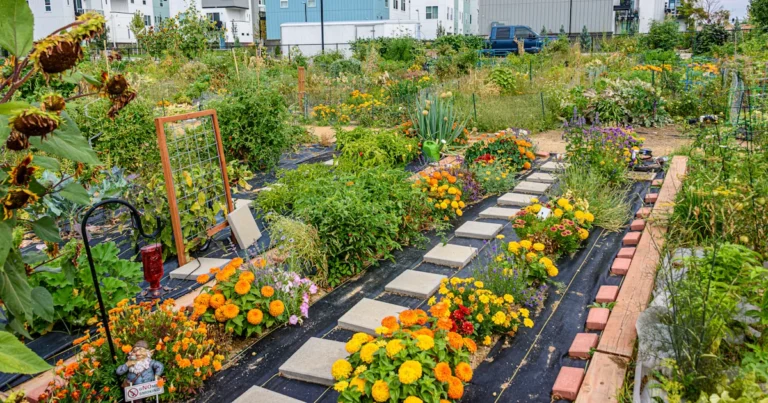
Don’t just throw seeds at the ground! Good garden design ideas make the space inviting.
- Wide Paths: Ensure wheelchairs and strollers can pass easily.
- Vertical Interest: Use trellises for beans to create “walls” of green.
- Seating: If there’s nowhere to sit, it’s a farm. If there’s a bench, it’s a community.
🌾 Community Gardens and Food Security: Feeding Neighborhoods Together
In many cities, the “community garden essay” is actually a plea for food sovereignty. When we grow our own food, we are no longer at the mercy of global supply chains.
Tear Down the Walls in Indianapolis is a prime example. They don’t just grow food; they “be” there. They give berries to kids who have never tasted a fresh strawberry. That first bite of a sun-warmed berry? That’s the moment a child realizes that food comes from the earth, not a plastic crinkly bag.
📜 Legal and Zoning Considerations for Community Gardens
Before you dig, check the law!
- Liability Insurance: Most cities require it. It’s boring but necessary.
- Water Access: Do you have a legal tap, or are you “borrowing” from a fire hydrant? (Don’t do the latter!).
- Zoning: Ensure the land is zoned for “Urban Agriculture.” Check your local City Planning website for details.
🌍 Community Gardens as Catalysts for Environmental Justice
We believe that everyone has a right to green space, regardless of their zip code. Community gardens are a form of “Mutual Aid in Motion.” They provide cooling, fresh air, and healthy food to the areas that need it most.
But how do we measure if our garden is actually making a difference? Is it the pounds of food, or the number of smiles? We’ll explore that in the next section…
(Wait, did we mention the time our lead gardener, Sarah, accidentally grew a 40-pound pumpkin that blocked the main entrance? Let’s just say, planning for “growth” is literal!)
🌟 Conclusion

After digging deep into the vibrant world of community gardens, it’s clear these green havens are far more than just plots of dirt. They are living classrooms, healing spaces, and engines of social change. From the refugee families at New Leaf Refugee Agriculture finding solace and purpose in the soil, to the urban oasis transformations by Alleycat Acres and PUSH Buffalo, community gardens embody resilience, hope, and connection.
We’ve explored the nuts and bolts of starting your own garden, the must-have plants, and the tools that make gardening a joy rather than a chore. We also tackled the thorny issues—legal hurdles, pests, and the infamous “tragedy of the commons.” But here’s the bottom line: community gardens are worth every ounce of sweat and every moment of patience.
Remember Max Chis’s words from the Garfield Community Farm: “If you have the capacity to pull weeds or shovel woodchips, you will make a difference.” That difference ripples outward, knitting stronger neighborhoods and healthier ecosystems.
And what about that giant pumpkin blocking the entrance? It became a community mascot and a reminder that sometimes, growth is messy—and that’s perfectly okay.
So, are you ready to roll up your sleeves and grow together? 🌿
🔗 Recommended Links for Community Garden Enthusiasts
Ready to gear up and get growing? Here are some of our top picks for tools and resources, plus a few inspiring reads to deepen your gardening wisdom.
-
Felco F-2 Classic Pruners:
Amazon | Walmart | Felco Official Website -
Gorilla Carts GOR4PS Garden Cart:
Amazon | Home Depot -
Haws Heritage Watering Can:
Amazon -
Books to Grow Your Knowledge:
❓ FAQ: Your Burning Questions About Community Gardens Answered

What role do community gardens play in promoting food security and education?
Community gardens serve as critical hubs for food security, especially in urban “food deserts” where fresh produce is scarce. By growing their own fruits and vegetables, communities reduce reliance on expensive or distant food sources. Gardens also act as living classrooms, teaching children and adults alike about nutrition, biology, and sustainable agriculture. This hands-on education fosters lifelong healthy habits and environmental stewardship.
How can community gardens foster social connections and a sense of belonging?
Gardens are natural “third places”—neither home nor work—where people gather, collaborate, and share. They break down social barriers by bringing together diverse groups: neighbors, refugees, seniors, and youth. Shared responsibilities and celebrations create trust and mutual support, combating loneliness and social isolation. As seen in the Garfield Community Farm story, even those disillusioned with politics find renewed hope through local engagement.
What are some effective ways to start and maintain a successful community garden?
Success hinges on organization, communication, and clear policies. Start by assembling a committed group, securing safe land, and testing soil. Establish rules for water use, plot assignments, and maintenance duties. Regular meetings and community-building activities keep enthusiasm high. Sustainable practices like composting and crop rotation preserve soil health, while tools like digital planners and apps help coordinate efforts.
How can a community garden essay highlight the importance of sustainable practices?
A well-crafted essay can showcase how community gardens embody environmental responsibility—from reducing food miles and waste to supporting pollinators and improving urban air quality. It can also narrate stories of gardeners adopting organic methods, rainwater harvesting, and no-till techniques, inspiring readers to embrace sustainability in their own backyards.
What are the benefits of community gardens for individuals and neighborhoods?
For individuals, benefits include improved mental and physical health, skill development, and access to fresh food. Neighborhoods gain green space, increased property values, reduced crime rates, and stronger social fabric. Gardens also serve as platforms for cultural exchange and community empowerment.
What are some challenges faced by community gardens?
Common hurdles include land tenure insecurity, funding shortages, pest management, and interpersonal conflicts. Navigating zoning laws and liability insurance can be daunting. However, proactive planning, community agreements, and partnerships with local organizations often overcome these obstacles.
How can community gardens contribute to environmental sustainability?
Community gardens reduce carbon footprints by localizing food production, minimizing packaging and transportation emissions. They enhance biodiversity by providing habitats for beneficial insects and birds. Sustainable practices like composting recycle organic waste, while rain gardens mitigate stormwater runoff, improving urban resilience.
📖 Reference Links and Further Reading
- Garfield Community Garden: Countering Cynicism Through Local Action
- New Leaf Refugee Agriculture – Shareable
- Conscious Transitions: The Community Garden
- USDA Urban Agriculture Resources
- American Community Gardening Association
- EPA Green Infrastructure and Community Gardens
- Soil Testing and Safety – Cornell University
- Felco Official Website
- Gorilla Carts Official Website
- Fiskars Garden Tools
Ready to turn your neighborhood into a thriving garden community? We’re rooting for you! 🌻