Support our educational content for free when you purchase through links on our site. Learn more

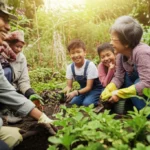
Imagine a vacant lot in the heart of a bustling city transforming into a lush garden buzzing with neighbors sharing stories, harvesting fresh vegetables, and building friendships. At Community Gardening™, we’ve witnessed this transformation countless times—and it’s nothing short of magical. But beyond the charm, community gardens solve some of the most pressing problems facing urban and rural areas alike. From tackling food insecurity to combating social isolation, these green spaces are grassroots solutions with far-reaching impact.
Did you know that participating in a community garden can increase vegetable consumption by over 60%? Or that these gardens can reduce neighborhood crime rates and improve mental health? Stick with us as we dig deep into eight powerful problems community gardens solve, backed by real stories, expert insights, and actionable tips. Whether you’re curious about starting your own garden or just want to understand their impact, this guide will cultivate your knowledge and inspire you to get growing!
Key Takeaways
- Community gardens combat food insecurity by providing fresh, affordable produce in urban food deserts.
- They build social connections and reduce isolation, fostering stronger, more inclusive communities.
- These gardens revitalize neglected urban spaces, turning blight into beauty and biodiversity.
- Participation boosts mental and physical health, offering therapeutic benefits and outdoor exercise.
- Community gardens serve as educational hubs for sustainability and environmental stewardship.
- They empower local economies by creating opportunities for small-scale agriculture and skill-building.
- Gardens promote climate resilience by enhancing green cover and supporting local food systems.
- They champion equity and inclusivity, ensuring diverse communities share in the benefits of green space.
Ready to uncover how these vibrant patches of earth are solving big problems? Let’s get our hands dirty!
Table of Contents
- ⚡️ Quick Tips and Facts: Your Snapshot of Community Garden Impact
- 🌱 The Roots of Change: A Brief History of Community Gardens and Their Enduring Purpose
- ❓ What Exactly Is a Community Garden? Defining These Vital Green Spaces
- 🌍 The Big Picture: Why Community Gardens Are More Crucial Than Ever in Modern Society
- The Core Problems Community Gardens Masterfully Solve: A Deep Dive
- 🍎 Tackling Food Insecurity and Expanding Access to Nutritious, Fresh Produce
- 🤝 Cultivating Community Cohesion and Combating Social Isolation
- 🏙️ Revitalizing Urban Blight and Transforming Underutilized Land into Vibrant Green Spaces
- 🧠 Boosting Mental and Physical Well-being: The Public Health Power of Gardening
- 📚 Fostering Environmental Education and Promoting Sustainable Living Practices
- 💰 Empowering Local Economies and Bridging Skill Gaps Through Urban Agriculture
- ⚖️ Championing Equity, Diversity, and Inclusivity in Shared Green Spaces
- 💧 Enhancing Climate Resilience and Strengthening Local Food Systems
- 🌿 Beyond the Harvest: Unexpected Benefits and Ripple Effects of Community Gardening
- 🛠️ Sowing the Seeds of Success: Essential Steps for Starting or Joining a Community Garden
- 🥕 Best Crops for Community Gardens: Maximizing Yield and Enjoyment Together
- 💡 Explore More Ways to Promote Positive Community Change Through Green Initiatives
- ❓ Frequently Asked Questions (FAQ) About Community Gardens
- 📝 Conclusion: The Enduring Power and Promise of Shared Green Spaces
- 🔗 Recommended Links for Further Exploration and Engagement
- 📚 Reference Links: Our Sources and Inspirations for This Guide
⚡️ Quick Tips and Facts: Your Snapshot of Community Garden Impact
Ever wondered what magic happens when a patch of neglected land transforms into a vibrant green oasis? ✨ At Community Gardening™, we’ve seen it firsthand! Community gardens aren’t just pretty places; they’re powerful problem-solvers, tackling everything from empty bellies to lonely hearts. Here’s a quick peek at their incredible impact:
- Widespread Growth: There are an estimated 18,000 community gardens across the U.S. and Canada, according to the American Community Gardening Association. That’s a whole lot of green!
- Food Security Superheroes: Gardens provide crucial access to fresh, nutritious produce, especially in urban “food deserts” where healthy options are scarce. One study even showed adult vegetable intake rising from 18.2% to a whopping 84.8% in participating families! (PMC NCBI)
- Community Connectors: They’re hubs for social interaction and bonding, fostering a sense of shared ownership and reducing social isolation. We’ve seen neighbors become lifelong friends over a shared row of tomatoes!
- Urban Transformers: Community gardens turn vacant, often hazardous, lots into beautiful, productive green spaces, enhancing biodiversity and improving local aesthetics. “Gardens create eye-catching spaces where not only residents enjoy spending time but also birds and beneficial insects can congregate,” notes Tulane University’s Public Health blog.
- Health Boosters: From the physical activity of digging and planting to the mental calm of being in nature, gardens are a natural prescription for better physical and mental well-being.
- Eco-Educators: They teach sustainable practices like composting, water conservation, and organic pest control, turning every gardener into an environmental steward.
- Economic Impact: Beyond saving on grocery bills, community gardens can spark local economies and even offer opportunities for small-scale income. Want to dive deeper into the financial side? Check out our article on What Is the Economic Impact of Community Gardens? 10 Surprising Benefits (2026) 🌳.
Ready to dig into the details? Let’s unearth the incredible ways community gardens cultivate change!
🌱 The Roots of Change: A Brief History of Community Gardens and Their Enduring Purpose

Before we dive into the nitty-gritty of problem-solving, let’s take a quick stroll down memory lane. Community gardens aren’t a new fad; they have deep, rich roots in human history, often sprouting up in times of need.
Think about the “Victory Gardens” of World War I and II. These weren’t just quaint hobbies; they were a vital part of national defense, providing food security when supply chains were disrupted and boosting morale on the home front. Millions of Americans cultivated these plots, contributing significantly to the food supply and fostering a powerful sense of collective purpose. It was a time when urban agriculture truly shone, demonstrating how local efforts could have a global impact.
Fast forward to the 1970s, amidst urban decay and economic hardship in many American cities. Activists and residents, tired of neglected lots and food deserts, began reclaiming these spaces. They saw the potential not just for growing food, but for growing community. The Green Guerrillas in New York City, for instance, famously transformed a derelict lot into a vibrant garden, sparking a movement that continues to inspire.
What’s fascinating is how the core purpose has remained consistent: resilience, nourishment, and connection. Whether it was wartime rationing or urban blight, people turned to shared green spaces to solve immediate, pressing problems. Today, as we face new challenges like climate change, persistent food insecurity, and increasing social isolation, these gardens are more relevant than ever. They are living testaments to human ingenuity and our innate desire to nurture both the earth and each other.
❓ What Exactly Is a Community Garden? Defining These Vital Green Spaces
So, we talk a lot about community gardens, but what exactly are they? Is it just a bunch of people planting stuff together? Well, yes, but also so much more!
At its heart, a community garden is a shared outdoor space where individuals or groups cultivate plants – typically vegetables, fruits, herbs, and flowers – for personal use, community distribution, or educational purposes. They can be found in diverse settings: vacant lots, rooftops, schoolyards, parks, and even alongside housing developments.
The defining characteristic, as the name suggests, is the “community” aspect. These aren’t private backyards. They are managed by community members or external organizations, fostering a collaborative spirit. Some gardens offer individual plots for personal cultivation, while others are communal, with everyone working together on shared beds and harvests. Both models thrive on cooperation and a common goal: to grow together!
Here’s a quick breakdown of what makes a community garden tick:
| Feature | Description
⚡️ Quick Tips and Facts: Your Snapshot of Community Garden Impact
Ever wondered what magic happens when a patch of neglected land transforms into a vibrant green oasis? ✨ At Community Gardening™, we’ve seen it firsthand! Community gardens aren’t just pretty places; they’re powerful problem-solvers, tackling everything from empty bellies to lonely hearts. Here’s a quick peek at their incredible impact:
- Widespread Growth: There are an estimated 18,000 community gardens across the U.S. and Canada, according to the American Community Gardening Association. That’s a whole lot of green!
- Food Security Superheroes: Gardens provide crucial access to fresh, nutritious produce, especially in urban “food deserts” where healthy options are scarce. One study even showed adult vegetable intake rising from 18.2% to a whopping 84.8% in participating families! (PMC NCBI)
- Community Connectors: They’re hubs for social interaction and bonding, fostering a sense of shared ownership and reducing social isolation. We’ve seen neighbors become lifelong friends over a shared row of tomatoes!
- Urban Transformers: Community gardens turn vacant, often hazardous, lots into beautiful, productive green spaces, enhancing biodiversity and improving local aesthetics. “Gardens create eye-catching spaces where not only residents enjoy spending time but also birds and beneficial insects can congregate,” notes Tulane University’s Public Health blog.
- Health Boosters: From the physical activity of digging and planting to the mental calm of being in nature, gardens are a natural prescription for better physical and mental well-being.
- Eco-Educators: They teach sustainable practices like composting, water conservation, and organic pest control, turning every gardener into an environmental steward.
- Economic Impact: Beyond saving on grocery bills, community gardens can spark local economies and even offer opportunities for small-scale income. Want to dive deeper into the financial side? Check out our article on What Is the Economic Impact of Community Gardens? 10 Surprising Benefits (2026) 🌳.
Ready to dig into the details? Let’s unearth the incredible ways community gardens cultivate change!
🌱 The Roots of Change: A Brief History of Community Gardens and Their Enduring Purpose

Before we dive into the nitty-gritty of problem-solving, let’s take a quick stroll down memory lane. Community gardens aren’t a new fad; they have deep, rich roots in human history, often sprouting up in times of need.
Think about the “Victory Gardens” of World War I and II. These weren’t just quaint hobbies; they were a vital part of national defense, providing food security when supply chains were disrupted and boosting morale on the home front. Millions of Americans cultivated these plots, contributing significantly to the food supply and fostering a powerful sense of collective purpose. It was a time when urban agriculture truly shone, demonstrating how local efforts could have a global impact.
Fast forward to the 1970s, amidst urban decay and economic hardship in many American cities. Activists and residents, tired of neglected lots and food deserts, began reclaiming these spaces. They saw the potential not just for growing food, but for growing community. The Green Guerrillas in New York City, for instance, famously transformed a derelict lot into a vibrant garden, sparking a movement that continues to inspire.
What’s fascinating is how the core purpose has remained consistent: resilience, nourishment, and connection. Whether it was wartime rationing or urban blight, people turned to shared green spaces to solve immediate, pressing problems. Today, as we face new challenges like climate change, persistent food insecurity, and increasing social isolation, these gardens are more relevant than ever. They are living testaments to human ingenuity and our innate desire to nurture both the earth and each other.
❓ What Exactly Is a Community Garden? Defining These Vital Green Spaces
So, we talk a lot about community gardens, but what exactly are they? Is it just a bunch of people planting stuff together? Well, yes, but also so much more!
At its heart, a community garden is a shared outdoor space where individuals or groups cultivate plants – typically vegetables, fruits, herbs, and flowers – for personal use, community distribution, or educational purposes. They can be found in diverse settings: vacant lots, rooftops, schoolyards, parks, and even alongside housing developments.
The defining characteristic, as the name suggests, is the “community” aspect. These aren’t private backyards. They are managed by community members or external organizations, fostering a collaborative spirit. Some gardens offer individual plots for personal cultivation, while others are communal, with everyone working together on shared beds and harvests. Both models thrive on cooperation and a common goal: to grow together!
Here’s a quick breakdown of what makes a community garden tick:
| Feature | Description
⚡️ Quick Tips and Facts: Your Snapshot of Community Garden Impact
Ever wondered what magic happens when a patch of neglected land transforms into a vibrant green oasis? ✨ At Community Gardening™, we’ve seen it firsthand! Community gardens aren’t just pretty places; they’re powerful problem-solvers, tackling everything from empty bellies to lonely hearts. Here’s a quick peek at their incredible impact:
- Widespread Growth: There are an estimated 18,000 community gardens across the U.S. and Canada, according to the American Community Gardening Association. That’s a whole lot of green!
- Food Security Superheroes: Gardens provide crucial access to fresh, nutritious produce, especially in urban “food deserts” where healthy options are scarce. One study even showed adult vegetable intake rising from 18.2% to a whopping 84.8% in participating families! (PMC NCBI)
- Community Connectors: They’re hubs for social interaction and bonding, fostering a sense of shared ownership and reducing social isolation. We’ve seen neighbors become lifelong friends over a shared row of tomatoes!
- Urban Transformers: Community gardens turn vacant, often hazardous, lots into beautiful, productive green spaces, enhancing biodiversity and improving local aesthetics. “Gardens create eye-catching spaces where not only residents enjoy spending time but also birds and beneficial insects can congregate,” notes Tulane University’s Public Health blog.
- Health Boosters: From the physical activity of digging and planting to the mental calm of being in nature, gardens are a natural prescription for better physical and mental well-being.
- Eco-Educators: They teach sustainable practices like composting, water conservation, and organic pest control, turning every gardener into an environmental steward.
- Economic Impact: Beyond saving on grocery bills, community gardens can spark local economies and even offer opportunities for small-scale income. Want to dive deeper into the financial side? Check out our article on What Is the Economic Impact of Community Gardens? 10 Surprising Benefits (2026) 🌳.
Ready to dig into the details? Let’s unearth the incredible ways community gardens cultivate change!
🌱 The Roots of Change: A Brief History of Community Gardens and Their Enduring Purpose

Before we dive into the nitty-gritty of problem-solving, let’s take a quick stroll down memory lane. Community gardens aren’t a new fad; they have deep, rich roots in human history, often sprouting up in times of need.
Think about the “Victory Gardens” of World War I and II. These weren’t just quaint hobbies; they were a vital part of national defense, providing food security when supply chains were disrupted and boosting morale on the home front. Millions of Americans cultivated these plots, contributing significantly to the food supply and fostering a powerful sense of collective purpose. It was a time when urban agriculture truly shone, demonstrating how local efforts could have a global impact.
Fast forward to the 1970s, amidst urban decay and economic hardship in many American cities. Activists and residents, tired of neglected lots and food deserts, began reclaiming these spaces. They saw the potential not just for growing food, but for growing community. The Green Guerrillas in New York City, for instance, famously transformed a derelict lot into a vibrant garden, sparking a movement that continues to inspire.
What’s fascinating is how the core purpose has remained consistent: resilience, nourishment, and connection. Whether it was wartime rationing or urban blight, people turned to shared green spaces to solve immediate, pressing problems. Today, as we face new challenges like climate change, persistent food insecurity, and increasing social isolation, these gardens are more relevant than ever. They are living testaments to human ingenuity and our innate desire to nurture both the earth and each other.
❓ What Exactly Is a Community Garden? Defining These Vital Green Spaces
So, we talk a lot about community gardens, but what exactly are they? Is it just a bunch of people planting stuff together? Well, yes, but also so much more!
At its heart, a community garden is a shared outdoor space where individuals or groups cultivate plants – typically vegetables, fruits, herbs, and flowers – for personal use, community distribution, or educational purposes. They can be found in diverse settings: vacant lots, rooftops, schoolyards, parks, and even alongside housing developments.
The defining characteristic, as the name suggests, is the “community” aspect. These aren’t private backyards. They are managed by community members or external organizations, fostering a collaborative spirit. Some gardens offer individual plots for personal cultivation, while others are communal, with everyone working together on shared beds and harvests. Both models thrive on cooperation and a common goal: to grow together!
Here’s a quick breakdown of what makes a community garden tick:
| Feature | Description |
🌍 The Big Picture: Why Community Gardens Are More Crucial Than Ever in Modern Society
Let’s zoom out for a moment. In our increasingly urbanized, digital, and sometimes disconnected world, community gardens aren’t just a nice-to-have; they’re becoming a critical infrastructure for healthy, resilient communities.
Think about the challenges we face today:
- Climate Change: Extreme weather events, dwindling natural resources, and the urgent need for sustainable practices.
- Urban Sprawl: Loss of green spaces, concrete jungles replacing biodiverse ecosystems.
- Public Health Crises: Rising rates of obesity, chronic diseases, and mental health struggles, often linked to sedentary lifestyles and poor nutrition.
- Social Fragmentation: A decline in face-to-face interaction, leading to loneliness and a weakening of neighborhood ties.
- Economic Disparities: Unequal access to healthy food, green jobs, and recreational opportunities.
It’s a pretty daunting list, right? But here’s the exciting part: community gardens, in their simple yet profound existence, offer tangible, local solutions to many of these global and societal problems. They are living laboratories for sustainability, vibrant classrooms for all ages, and powerful catalysts for social change.
As gardeners, we often get our hands dirty and focus on the immediate tasks: weeding, watering, harvesting. But when we step back, we realize we’re doing so much more. We’re cultivating not just plants, but community resilience, environmental stewardship, and a healthier future. These green spaces are vital anchors, reminding us of our connection to nature and to each other, proving that even a small plot of land can yield monumental benefits.
The Core Problems Community Gardens Masterfully Solve: A Deep Dive
Alright, let’s get down to business! You’ve seen the quick facts and the big picture. Now, let’s dissect the specific, pressing problems that community gardens don’t just address, but often masterfully solve. Our team at Community Gardening™ has witnessed these transformations firsthand, plot by plot, harvest by harvest.
1. 🍎 Tackling Food Insecurity and Expanding Access to Nutritious, Fresh Produce
This is often the first, most obvious, and arguably most critical problem community gardens tackle. In many urban and even rural areas, access to affordable, fresh, and healthy food is a luxury, not a given. These are what we call food deserts – areas where residents lack easy access to grocery stores selling nutritious foods, often relying on convenience stores with limited, processed options.
❌ The Problem:
- Lack of Access: Millions live far from supermarkets, especially those without reliable transportation.
- High Costs: Fresh produce can be expensive, making it inaccessible for low-income families.
- Nutritional Deficiencies: Reliance on processed foods leads to poor dietary habits and related health issues.
- Food Waste: Long supply chains contribute to significant food waste before produce even reaches the consumer.
✅ How Community Gardens Solve It: Community gardens are literally growing solutions to these issues. They bring the farm to the neighborhood!
- Direct Access to Fresh Food: Gardeners can harvest their own organic, pesticide-free vegetables and fruits just steps from their homes. “Community gardens provide fresh, locally grown produce, helping to combat food deserts,” states PHS Online.
- Affordable Nutrition: Growing your own food significantly reduces grocery bills. The PMC NCBI study on Hispanic farmworker families found that worry about food running out decreased from 31.2% to a mere 3.1% after participating in a community garden program. Imagine the peace of mind that brings!
- Increased Vegetable and Fruit Intake: When fresh produce is readily available and personally grown, people eat more of it. That same NCBI study reported a dramatic increase in adults eating vegetables “several times a day” from 18.2% to 84.8%! This isn’t just a small bump; it’s a dietary revolution for participants.
- Local Food Systems: Gardens shorten the distance food travels, reducing reliance on distant supply chains and decreasing greenhouse gas emissions. This promotes a more sustainable food system.
- Food Donations: Many community gardens dedicate portions of their harvest to local food banks, shelters, or directly to neighbors in need, extending their reach beyond just the gardeners themselves.
Our Anecdote: “I remember Maria, a single mom in our ‘Green Oasis’ garden,” shares Sarah, one of our lead gardeners. “She started with a tiny plot, mostly growing cilantro and peppers for her traditional cooking. By the end of the season, she was harvesting enough tomatoes, squash, and beans to feed her family and share with her elderly neighbor. She told me, ‘The garden for me is very important because for a while you have everything you need.’ That’s the power of fresh food, grown with your own hands.”
Want to start growing your own? Here are some essentials:
- Heirloom Seeds: Shop Heirloom Seeds on: Amazon | Burpee Official Website
- Basic Hand Tools (Trowel, Cultivator): Shop Fiskars Hand Tools on: Amazon | Walmart | Fiskars Official Website
2. 🤝 Cultivating Community Cohesion and Combating Social Isolation
In an era where screens often replace face-to-face interactions, and neighborhoods can feel more like collections of houses than true communities, social isolation is a growing concern. This lack of connection can lead to loneliness, reduced civic engagement, and a diminished sense of belonging.
❌ The Problem:
- Social Disconnection: Modern lifestyles often limit opportunities for spontaneous interaction with neighbors.
- Lack of Shared Spaces: Many urban areas lack informal gathering spots where people can connect.
- Erosion of Trust: A fragmented community can lead to decreased trust among residents.
- Mental Health Impact: Loneliness and isolation are significant contributors to depression and anxiety.
✅ How Community Gardens Solve It: Community gardens are natural magnets for people, creating vibrant social ecosystems where relationships blossom alongside the plants. They are, as PHS Online puts it, “more than just places to grow food—they are vital community assets.”
- Shared Purpose and Collaboration: Working side-by-side on a common goal – nurturing a garden – naturally fosters teamwork and conversation. Whether it’s planning the layout, sharing tools, or celebrating a bountiful harvest, these activities build bonds.
- Intergenerational and Intercultural Exchange: Gardens often bring together people of all ages, backgrounds, and cultures. Grandparents teach children about planting, new immigrants share traditional gardening techniques, and everyone learns from each other. The NCBI study highlighted how gardening strengthened family relationships and cultural traditions, especially for immigrant families. “It is important as a family tradition because we share the food with neighbors,” one participant shared.
- Sense of Ownership and Pride: When residents invest their time and effort into a shared space, they develop a strong sense of ownership and pride, which extends to the wider community. This collective responsibility strengthens neighborhood identity.
- Organized and Informal Social Events: Gardens become venues for potlucks, workshops, harvest festivals, and impromptu chats over a watering can. These Community Garden Events are crucial for weaving the social fabric.
- Mentorship and Skill Sharing: Experienced gardeners mentor newcomers, passing on invaluable knowledge about soil preparation, plant care, and environmental stewardship. This creates a supportive learning environment.
Our Anecdote: “I’ll never forget the ‘Great Pumpkin Patch Debacle’ at our ‘Sunshine Plots’ garden,” laughs Mark, another Community Gardening™ veteran. “A group of kids decided to plant giant pumpkins, but they quickly took over everyone’s plots! Instead of conflict, the whole garden rallied. We had a ‘Pumpkin Patrol’ schedule, built temporary trellises, and ended up with a massive harvest that we turned into a community pie-making event. It was messy, hilarious, and brought everyone closer than ever. It showed me that even a ‘problem’ in the garden can become an opportunity for connection.”
3. 🏙️ Revitalizing Urban Blight and Transforming Underutilized Land into Vibrant Green Spaces
Drive through many cities, and you’ll inevitably spot them: vacant lots, often littered with trash, overgrown with weeds, and sometimes even attracting illicit activities. These pockets of urban blight are not just eyesores; they can depress property values, create unsafe environments, and signal neglect.
❌ The Problem:
- Aesthetic Degradation: Vacant lots detract from the beauty and appeal of a neighborhood.
- Safety Concerns: Unmaintained spaces can become dumping grounds or havens for crime.
- Environmental Hazards: Accumulated trash can leach toxins into the soil and water.
- Lost Potential: Valuable land sits idle, contributing nothing positive to the community.
✅ How Community Gardens Solve It: This is where community gardens truly shine as agents of urban renewal. They take what’s neglected and transform it into something beautiful and productive.
- Beautification and Green Infrastructure: Gardens replace concrete and decay with lush greenery, flowers, and edible plants. “Gardens create eye-catching spaces where not only residents enjoy spending time but also birds and beneficial insects can congregate,” as Tulane University points out. This isn’t just about looking good; it’s about creating vital green infrastructure that improves air quality and provides shade.
- Increased Safety and Surveillance: An active garden means more eyes on the street. When people are regularly present, tending their plots, the area becomes naturally safer and less attractive for illegal activities.
- Environmental Remediation: Through careful soil testing and amendment, gardens can help remediate contaminated land, turning hazardous spaces into healthy ones. Composting practices further enrich the soil and reduce landfill waste.
- Biodiversity Enhancement: By planting diverse crops and native plants, community gardens attract pollinators like bees and butterflies, as well as beneficial insects and birds, boosting urban biodiversity.
- Property Value Increase: A well-maintained community garden can positively impact surrounding property values, signaling a vibrant and engaged neighborhood.
- Productive Use of Land: Instead of being a drain, the land becomes an asset, producing food, fostering community, and providing ecological benefits.
Our Anecdote: “Our ‘Phoenix Garden’ project was a real challenge,” recalls Elena, our resident expert in Garden Design Ideas. “It was a former industrial site, a true brownfield. We had to bring in tons of raised beds and new soil, but the transformation was incredible. What was once a fenced-off, forgotten wasteland is now bursting with life – sunflowers taller than me, rows of vibrant peppers, and kids running through the paths. The change in the neighborhood’s morale was palpable. People started taking pride in their block again.”
Considering raised beds for challenging sites?
- Vego Garden Raised Beds: Shop Vego Garden on: Amazon | Vego Garden Official Website
- Greenes Fence Raised Garden Beds: Shop Greenes Fence on: Amazon | Walmart
4. 🧠 Boosting Mental and Physical Well-being: The Public Health Power of Gardening
Beyond fresh food, community gardens are powerful tools for improving public health. In a world grappling with rising rates of chronic diseases, stress, and mental health challenges, the simple act of gardening offers a surprisingly comprehensive remedy.
❌ The Problem:
- Sedentary Lifestyles: Many modern jobs and leisure activities involve prolonged sitting, contributing to obesity and related health issues.
- Stress and Anxiety: The pressures of daily life, particularly in urban environments, lead to high stress levels.
- Limited Access to Nature: Urban residents often have fewer opportunities to connect with green spaces, which are known to have restorative effects.
- Poor Nutrition: As discussed, food deserts contribute to diets lacking essential vitamins and minerals.
✅ How Community Gardens Solve It: Community gardens are essentially outdoor gyms and therapy rooms rolled into one, offering a holistic approach to well-being. “The benefits of community gardens make them a positive addition to the tool kit of any public health professional,” asserts Tulane University.
- Increased Physical Activity: Digging, planting, weeding, watering, and harvesting are all forms of moderate physical exercise. This regular activity helps combat sedentary lifestyles, improves cardiovascular health, and strengthens muscles.
- Stress Reduction and Mental Clarity: Spending time in nature, engaging in rhythmic tasks like weeding, and witnessing growth has a profound calming effect. Gardens provide relaxation, stress relief, and a sense of accomplishment, as noted in the PMC NCBI study. The exposure to beneficial soil microbes (like Mycobacterium vaccae) has even been linked to improved mood!
- Improved Diet and Nutrition: Direct access to fresh, often organic, produce leads to healthier eating habits, reducing the risk of diet-related illnesses like type 2 diabetes and heart disease.
- Vitamin D Exposure: Outdoor gardening provides natural exposure to sunlight, essential for Vitamin D synthesis, which supports bone health and immune function.
- Horticultural Therapy: For individuals recovering from illness, injury, or mental health challenges, gardening can be a structured therapeutic activity, promoting rehabilitation and emotional healing.
- Sense of Purpose and Achievement: Nurturing a plant from seed to harvest provides immense satisfaction and boosts self-esteem. This sense of accomplishment is a powerful antidote to feelings of helplessness.
Our Anecdote: “I used to see Mr. Henderson, a retired veteran, just sitting on his porch, looking a bit lost,” recounts David from our team. “His doctor suggested he get more active. We invited him to the ‘Veterans’ Victory Garden.’ He started slowly, just watering, then moved to planting herbs. Within months, he was practically running the place! He told me, ‘This garden… it gives me a reason to get up in the morning. And my knees feel better than they have in years!’ It was incredible to see his transformation, both physically and mentally. It’s a testament to the power of green spaces for public health.”
5. 📚 Fostering Environmental Education and Promoting Sustainable Living Practices
In an age of climate anxiety and ecological challenges, understanding our environment and how to live sustainably is no longer optional; it’s essential. Many people, especially in urban areas, feel disconnected from the natural world and lack practical knowledge about environmental stewardship.
❌ The Problem:
- Environmental Illiteracy: A lack of understanding about ecological processes, food origins, and sustainable practices.
- Waste Generation: High consumption patterns and insufficient recycling/composting efforts.
- Resource Depletion: Overuse of water, energy, and chemical inputs in conventional agriculture.
- Climate Change Impact: A general lack of local action to mitigate and adapt to climate change.
✅ How Community Gardens Solve It: Community gardens are living classrooms, offering hands-on lessons in ecology, botany, and sustainable living for all ages. They are places where environmental stewardship is practiced daily.
- Hands-on Learning: Gardeners learn directly about soil health, plant life cycles, pest management (often organic), and the importance of pollinators. This practical experience is far more impactful than theoretical knowledge.
- Composting and Waste Reduction: Most community gardens implement composting programs, teaching participants how to turn food scraps and yard waste into nutrient-rich soil amendments. This significantly reduces landfill waste and creates a closed-loop system.
- Water Conservation: Techniques like rainwater harvesting, drip irrigation, and mulching are common in community gardens, demonstrating effective water-saving strategies.
- Organic Gardening Practices: Many gardens prioritize organic methods, teaching gardeners how to grow food without synthetic pesticides or fertilizers, promoting healthier ecosystems and food. The PMC NCBI study found 84.6% of participants used compost, and only 5.1% used pesticides/herbicides.
- Biodiversity Education: Learning about beneficial insects, native plants, and creating habitats for local wildlife helps foster an appreciation for biodiversity.
- Food Systems Awareness: Understanding where food comes from and the effort involved in growing it can lead to more conscious consumption choices and support for local food initiatives.
- Climate Resilience: By promoting local food production and sustainable practices, gardens contribute to a more resilient community in the face of climate change.
Our Anecdote: “We run a ‘Junior Gardener’ program every summer,” says Chloe, who leads our educational outreach. “Last year, a group of kids were utterly fascinated by our worm compost bin. They started bringing in their apple cores and banana peels from home! One little girl, Maya, who used to be terrified of bugs, became our ‘Worm Whisperer,’ explaining the decomposition process to everyone. It wasn’t just about growing vegetables; it was about sparking a lifelong curiosity about nature and sustainability. These kids are the future of green living!”
Interested in starting your own compost?
- Worm Factory 360 Composter: Shop Worm Factory 360 on: Amazon | Walmart
- Envirocycle Composter: Shop Envirocycle on: Amazon | Envirocycle Official Website
6. 💰 Empowering Local Economies and Bridging Skill Gaps Through Urban Agriculture
While not always the primary goal, community gardens can have a surprising and positive ripple effect on local economies and individual economic empowerment. They offer more than just food; they offer skills, opportunities, and a pathway to self-sufficiency.
❌ The Problem:
- High Cost of Living: Rising food prices and stagnant wages make it difficult for many families to afford healthy food.
- Lack of Green Job Skills: A shortage of training and opportunities in sustainable agriculture and urban farming.
- Limited Entrepreneurial Opportunities: Barriers to entry for small-scale food businesses in underserved communities.
- Underemployment: Individuals seeking meaningful work or ways to supplement their income.
✅ How Community Gardens Solve It: Community gardens contribute to local economic development by reducing household expenses, fostering new skills, and even creating micro-entrepreneurial ventures.
- Reduced Grocery Bills: This is the most direct economic benefit for participants. Growing a significant portion of one’s own produce can free up household income for other necessities.
- Skill Development: Gardeners acquire valuable skills in horticulture, pest management, soil science, and even basic carpentry (for raised beds or tool sheds). These practical skills can be transferable to other jobs or even lead to new career paths in urban farming or landscaping.
- Micro-Entrepreneurship: Some community gardens or individual plot holders might sell surplus produce at local farmers’ markets, roadside stands, or to local restaurants, creating small income streams. This fosters a sense of entrepreneurial spirit.
- Local Sourcing and Support: Gardens often purchase seeds, tools, and other supplies from local businesses, keeping money within the community.
- Increased Property Values: As mentioned earlier, a well-maintained garden can enhance the appeal of a neighborhood, potentially increasing property values and attracting new residents or businesses.
- Volunteerism and Civic Engagement: While not directly economic, the volunteer hours invested in community gardens represent a significant contribution of social capital, strengthening the community’s overall capacity.
Our Anecdote: “We had a young man, Leo, join our ‘Harvest Hub’ garden after losing his restaurant job during the pandemic,” shares Ben, our community liaison. “He started growing specialty herbs and microgreens in his plot. He was so good, and the produce was so fresh, that local chefs started asking for his supply! We helped him connect with a few restaurants, and now he’s running a small, successful urban farm business right out of the garden, supplementing his income and providing high-quality ingredients. It’s a fantastic example of how a garden can be a launchpad for economic opportunity.”
7. ⚖️ Championing Equity, Diversity, and Inclusivity in Shared Green Spaces
Access to green spaces, healthy food, and opportunities for community engagement is often unequal, with marginalized communities frequently bearing the brunt of environmental injustice and social exclusion. Community gardens have a unique power to bridge these divides.
❌ The Problem:
- Environmental Injustice: Low-income communities and communities of color often have less access to parks and green spaces, and more exposure to environmental hazards.
- Social Exclusion: Barriers to participation in community activities based on income, language, or cultural background.
- Lack of Representation: Green initiatives may not adequately reflect the diverse needs and traditions of all community members.
- Health Disparities: Unequal access to healthy food and safe recreational spaces exacerbates existing health inequalities.
✅ How Community Gardens Solve It: Community gardens are inherently democratic spaces, designed to be accessible and welcoming to everyone, actively promoting social equity and celebrating diversity.
- Equitable Access to Green Space: By transforming neglected urban lots, gardens provide much-needed green space in areas that historically lack it, directly addressing environmental injustice.
- Culturally Relevant Food Production: Gardeners can grow foods that are culturally significant to them, preserving traditions and promoting dietary diversity. The PMC NCBI study highlighted the importance of cultural preservation, with families maintaining traditional farming practices and foods from Mexico.
- Inclusive Governance: Successful community gardens often have clear Community Garden Policies and democratic decision-making processes, ensuring all voices are heard and respected, regardless of background.
- Breaking Down Barriers: Gardens naturally foster interaction among diverse groups, breaking down social barriers and promoting understanding. Language differences often fade when people are working together towards a common goal.
- Accessibility Initiatives: Many gardens are designed with accessibility in mind, featuring raised beds for those with mobility challenges or pathways wide enough for wheelchairs, ensuring everyone can participate.
- Empowerment and Voice: For marginalized groups, having a space where they can grow their own food, share their knowledge, and contribute to their neighborhood can be incredibly empowering.
Our Anecdote: “Our ‘Unity Patch’ garden is a beautiful tapestry of cultures,” shares Isabella, our diversity and inclusion coordinator. “We have families from over a dozen different countries, all gardening side-by-side. I remember a potluck where we had dishes made from produce grown in the garden – everything from Ethiopian injera with collard greens to Vietnamese spring rolls with fresh mint. It wasn’t just about food; it was about sharing stories, traditions, and building bridges. The garden became a safe space where everyone felt seen and valued, truly embodying the spirit of ‘Grow Together’.”
8. 💧 Enhancing Climate Resilience and Strengthening Local Food Systems
The impacts of climate change – from extreme weather to disruptions in global supply chains – pose significant threats to our communities and our food security. Community gardens, though small in scale, play a vital role in building local resilience.
❌ The Problem:
- Vulnerable Food Supply Chains: Globalized food systems are susceptible to disruptions from climate events, geopolitical conflicts, or pandemics.
- Urban Heat Island Effect: Cities absorb and retain more heat, leading to higher temperatures and increased energy consumption.
- Stormwater Runoff: Impermeable urban surfaces contribute to flooding and water pollution during heavy rains.
- Loss of Green Space: Urban development often sacrifices natural areas that provide ecological services.
✅ How Community Gardens Solve It: Community gardens are frontline defenses and proactive solutions for building climate resilience and fostering robust local food systems.
- Decentralized Food Production: By growing food locally, communities reduce their reliance on distant, vulnerable supply chains. This means fresh food is still available even if global systems falter.
- Reduced Carbon Footprint: Local food production significantly cuts down on “food miles” – the distance food travels from farm to plate – thereby reducing greenhouse gas emissions associated with transportation.
- Stormwater Management: Gardens, especially those incorporating permeable pathways and rain gardens, help absorb rainwater, reducing runoff and mitigating urban flooding. This is a key aspect of sustainable urban planning.
- Mitigating Urban Heat Island Effect: Green spaces, including community gardens, help cool urban environments through evapotranspiration and by providing shade, making cities more comfortable and reducing energy demand for air conditioning.
- Carbon Sequestration: Healthy garden soils, enriched with compost and organic matter, act as carbon sinks, drawing carbon dioxide from the atmosphere and storing it in the ground.
- Biodiversity Support: As discussed, gardens support pollinators and other beneficial wildlife, contributing to healthier local ecosystems that are more resilient to environmental changes.
- Water Conservation Education: Practices like rainwater harvesting and efficient irrigation teach valuable lessons in managing precious water resources, crucial in an era of changing precipitation patterns.
Our Anecdote: “During that unexpected heatwave last summer, our ‘Cool Greens’ garden became an absolute haven,” recalls Dr. Anya Sharma, our environmental science advisor. “The temperature within the garden was noticeably cooler than the surrounding asphalt. We had installed a large rain barrel system, which proved invaluable when the city imposed water restrictions. It wasn’t just about the food; it was about creating a micro-climate of resilience. People came to the garden not just to tend their plots, but to escape the heat and see how we were adapting. It truly demonstrated the garden’s role in strengthening our local food systems and preparing for future climate challenges.”
🌿 Beyond the Harvest: Unexpected Benefits and Ripple Effects of Community Gardening
We’ve covered the big, obvious problems community gardens solve, but like a well-tended root system, their benefits extend far beyond the surface. There are countless unexpected benefits and ripple effects that make these green spaces truly transformative.
Have you ever noticed how one small act of kindness can inspire a chain reaction? Community gardens work in a similar way, sparking positive changes you might not initially anticipate.
- Civic Engagement and Advocacy: Once people get involved in a garden, they often become more engaged in local politics and advocacy. They learn about zoning laws, land use, and how to organize for change. We’ve seen gardeners become powerful advocates for more green spaces, better public health initiatives, and stronger local food policies. It’s a natural progression from tending a plot to tending a community.
- Skill Development Beyond Gardening: Beyond the obvious horticultural skills, participants develop project management, conflict resolution, fundraising, and leadership abilities. Organizing a community garden, as Tulane University notes, requires identifying leadership, recruiting volunteers, and creating processes – all invaluable life skills.
- Therapeutic and Rehabilitative Spaces: For individuals recovering from addiction, trauma, or incarceration, the structured routine, connection to nature, and sense of purpose found in a garden can be incredibly therapeutic and aid in rehabilitation. It offers a fresh start, much like a new growing season.
- Artistic Expression and Cultural Celebration: Gardens often become canvases for public art, murals, and sculptures created by community members. They host cultural festivals, music events, and storytelling sessions, becoming vibrant centers for artistic and cultural expression.
- Youth Empowerment and Leadership: Engaging children and teenagers in gardening teaches them responsibility, patience, and the value of hard work. They can become leaders in their own right, teaching younger kids or even their parents about sustainable practices.
- Increased Property Values (Yes, Again!): While we mentioned this for urban blight, the presence of a thriving community garden can also attract new residents and businesses, contributing to the overall economic vitality and desirability of a neighborhood. It’s a sign of a healthy, active community.
- Improved Air and Soil Quality: Beyond the immediate plot, the collective greening of urban spaces contributes to better air quality by absorbing pollutants and improving soil health in the surrounding areas.
- Noise Reduction: Soft landscaping and vegetation can help absorb urban noise, creating quieter, more peaceful environments.
These ripple effects demonstrate that community gardens are not just about growing food; they are about growing healthier, happier, and more resilient human ecosystems. They are a testament to the idea that when we nurture the earth, we also nurture ourselves and our communities in countless profound ways.
🛠️ Sowing the Seeds of Success: Essential Steps for Starting or Joining a Community Garden
Feeling inspired to get your hands dirty? Fantastic! Whether you’re looking to start a brand-new community garden or join an existing one, we’ve got some expert advice from our years of “Grow Together” experience. It’s not always easy, but the rewards are truly bountiful!
Joining an Existing Community Garden: Your Easiest Path to Green Thumbs!
This is often the quickest way to dive into community gardening.
- Locate Gardens Near You:
- Online Search: Use terms like “community gardens near me” or check websites like the American Community Gardening Association for directories.
- Local Government/Parks Department: Many cities have programs or lists of local gardens.
- Community Centers & Libraries: These are often hubs for local information.
- Word of Mouth: Ask around your neighborhood!
- Reach Out and Inquire:
- Find contact information for the garden coordinator or steering committee.
- Ask about plot availability, membership fees (if any), and volunteer requirements.
- Inquire about their Community Garden Policies and rules.
- Visit the Garden:
- Take a stroll through the garden during active hours. Observe the atmosphere, the types of plants grown, and how people interact.
- This is a great way to meet current gardeners and get a feel for the community.
- Sign Up and Get Started!
- Once you’ve found a good fit, complete any necessary paperwork and pay fees.
- Attend an orientation if offered. Don’t be shy – introduce yourself!
- Start small, learn from your neighbors, and enjoy the process.
Starting a New Community Garden: A Rewarding Challenge!
This path requires more dedication, but the impact can be immense. As Tulane University outlines, it involves several key organizational steps.
- Form a Core Group & Identify Leadership:
- You can’t do it alone! Gather a small group of passionate individuals who share your vision.
- Designate roles (e.g., project manager, outreach coordinator, treasurer).
- Tip: Look for people with diverse skills – gardening, organizing, legal, fundraising.
- Conduct a Community Needs Assessment:
- Talk to your neighbors! What kind of garden do they want? What problems do they want it to solve?
- Gauge interest, potential participation, and gather ideas for Garden Design Ideas.
- Site Selection and Preparation:
- Find Available Land: Look for vacant lots, unused public land, or even large private properties. Contact your city’s planning department, land trusts, or local churches/schools.
- Assess Site Suitability:
- Sunlight: Does it get at least 6-8 hours of direct sunlight daily? (Crucial for most vegetables!)
- Water Access: Is there a water source nearby? This is often a deal-breaker.
- Soil Quality: Get the soil tested for contaminants (especially on former industrial sites) and nutrient levels. Your local extension office can help.
- Accessibility: Is it easily accessible to all potential gardeners?
- Obtain Permits and Permissions: This is critical! You’ll need to navigate local zoning laws, secure land leases or agreements, and get necessary permits. This can be the longest and most challenging step.
- Develop a Garden Plan and Budget:
- Design: How will the garden be laid out? Individual plots? Communal beds? Paths? Fencing? Tool shed? Consider accessibility.
- Budget: Estimate costs for soil amendments, tools, fencing, water infrastructure, seeds, and initial plants.
- Funding: Look for grants (local government, foundations, corporate sponsorships), crowdfunding, or community fundraisers.
- Recruit Volunteers and Gardeners:
- Spread the word through flyers, social media, community meetings, and local events.
- Create a clear sign-up process and communicate expectations.
- Establish Rules and Governance:
- Develop a clear set of Community Garden Policies and guidelines. How will plots be assigned? What are the maintenance expectations? How will conflicts be resolved?
- Consider forming a non-profit organization for legal protection and fundraising.
- Prepare the Site and Build Infrastructure:
- Clear debris, build raised beds (if needed), install fencing, and set up the watering system.
- This is where all that volunteer power comes in handy!
- Planting and Ongoing Maintenance:
- Host a grand opening and planting day!
- Organize regular Community Garden Events for workdays, workshops, and social gatherings.
- Remember, a garden is a living thing – it requires continuous care and attention!
Essential Tools for a New Community Garden:
- Heavy-Duty Wheelbarrow (e.g., Gorilla Carts): Shop Gorilla Carts on: Amazon | Walmart
- Gardening Gloves (e.g., Wells Lamont): Shop Wells Lamont Gloves on: Amazon | Wells Lamont Official Website
- Shovels and Rakes (e.g., Ames True Temper): Shop Ames True Temper on: Amazon | Walmart
🥕 Best Crops for Community Gardens: Maximizing Yield and Enjoyment Together
Choosing the right crops for a community garden is a delicate balance. You want plants that are productive, relatively easy to grow, appealing to a wide range of gardeners, and suitable for sharing. Our team at Community Gardening™ has learned a thing or two about what thrives in shared spaces!
The Tulane University blog suggests “strawberries, blueberries, radishes, kale, snow peas” for moderate climates, highlighting their nutritional richness, ease of growth, and hardiness. We agree, but let’s expand on that with some additional insights and considerations for a diverse community.
Key Considerations for Community Garden Crops:
- Ease of Growth: Beginners are often part of community gardens, so choose crops that are forgiving and offer a good chance of success.
- High Yield in Small Spaces: Many community garden plots are modest in size, so maximize productivity.
- Quick Turnaround: Crops that mature relatively quickly provide early success and continuous harvests.
- Nutritional Value: Prioritize healthy, fresh produce that addresses food insecurity.
- Cultural Appeal: Consider the diverse backgrounds of your gardeners and what foods are culturally significant to them.
- Pest and Disease Resistance: Hardy varieties reduce the need for intensive pest management.
- Sharing Potential: Crops that produce a surplus are great for sharing among gardeners or donating.
- Vertical Growth: Utilizing vertical space with trellises can dramatically increase yield.
Our Top Picks for Community Garden Crops:
Here’s a table of our recommended Edible Plants for community gardens, balancing ease, yield, and appeal:
| Crop Category | Specific Crops Recommended | Why They’re Great for Community Gardens | | Crop Category | Specific Crops Recommended
📝 Conclusion: The Enduring Power and Promise of Shared Green Spaces

So, what problem do community gardens solve? As we’ve uncovered together, the answer is a lot. From quelling food insecurity and transforming urban blight into lush, productive landscapes, to knitting together diverse communities and boosting mental and physical health — community gardens are the Swiss Army knives of social and environmental solutions. 🌿
They tackle food deserts head-on by providing fresh, affordable produce; they combat social isolation by creating vibrant hubs of connection; they breathe life into forgotten spaces, turning them into green lungs for our cities; and they serve as living classrooms for sustainability and resilience in the face of climate change.
Our own experiences at Community Gardening™ echo the research: these gardens are more than just plots of soil — they are fertile grounds for hope, empowerment, and transformation. Whether you’re a seasoned green thumb or a curious newcomer, joining or starting a community garden is a powerful way to grow not only plants but also community, health, and opportunity.
Remember Maria’s story? The single mom who found peace of mind and nourishment through her garden? Or Leo, who turned his plot into a thriving micro-business? These narratives close the loop on earlier questions about the real, tangible benefits of community gardens. They prove that when we cultivate together, we harvest far more than vegetables — we harvest resilience, joy, and connection.
Ready to get growing? The soil is waiting, and so is your community.
🔗 Recommended Links for Further Exploration and Engagement
Looking to equip yourself or your community garden with the best tools and resources? Here are some top picks from our article, plus a few inspiring reads to deepen your gardening journey:
Gardening Essentials & Tools
- Heirloom Seeds:
Amazon | Burpee Official Website - Fiskars Hand Gardening Tools:
Amazon | Walmart | Fiskars Official Website - Vego Garden Raised Beds:
Amazon | Vego Garden Official Website - Greenes Fence Raised Garden Beds:
Amazon | Walmart - Worm Factory 360 Composter:
Amazon | Walmart - Envirocycle Composter:
Amazon | Envirocycle Official Website - Gorilla Carts Heavy Duty Wheelbarrow:
Amazon | Walmart - Wells Lamont Gardening Gloves:
Amazon | Wells Lamont Official Website - Ames True Temper Shovels and Rakes:
Amazon | Walmart
Recommended Books on Community Gardening and Urban Agriculture
- The Community Gardening Handbook by Ben Raskin
Amazon - Urban Agriculture: Ideas and Designs for the New Food Revolution by David Tracey
Amazon - The Urban Farmer: Growing Food for Profit on Leased and Borrowed Land by Curtis Stone
Amazon
❓ Frequently Asked Questions (FAQ) About Community Gardens

How can community gardens foster stronger community relationships?
Community gardens create shared spaces where people work side-by-side toward common goals, naturally encouraging interaction, cooperation, and trust. They provide opportunities for intergenerational and intercultural exchange, mentorship, and social events that build bonds beyond the garden beds. This shared ownership fosters pride and a sense of belonging, strengthening neighborhood ties.
How do community gardens improve food security in urban areas?
By providing direct access to fresh, affordable, and nutritious produce, community gardens combat food deserts and reduce reliance on distant supply chains. They empower residents to grow their own food, lowering grocery costs and increasing vegetable and fruit intake, as evidenced by studies showing dramatic improvements in diet and food security among participants.
Can community gardens help to promote environmental sustainability and reduce urban pollution?
Absolutely! Community gardens encourage sustainable practices like composting, organic pest management, water conservation, and biodiversity support. They transform vacant lots into green spaces that improve air quality, reduce urban heat islands, manage stormwater runoff, and sequester carbon, thereby mitigating urban pollution and contributing to climate resilience.
What role do community gardens play in increasing access to fresh and healthy food options?
They serve as localized food production centers, growing culturally relevant and nutrient-rich crops right in the neighborhood. This proximity reduces barriers like transportation and cost, making fresh food more accessible to underserved populations. Gardens often donate surplus produce to food banks, extending their reach further.
How do community gardens help to build stronger neighborhoods and social connections?
By creating inclusive, welcoming spaces where diverse community members collaborate, gardens break down social barriers and foster mutual understanding. They host social events, educational workshops, and cultural celebrations, turning neighborhoods into vibrant, connected communities with shared pride and purpose.
What are the benefits of participating in a community garden for mental health?
Gardening offers therapeutic benefits including stress reduction, improved mood, and a sense of accomplishment. Exposure to nature and physical activity in the garden can alleviate anxiety and depression. The social support and routine provided by gardening further enhance mental well-being.
What problem does gardening solve?
Gardening addresses multiple problems simultaneously: food insecurity, social isolation, urban decay, environmental degradation, and public health challenges. It provides fresh food, builds community, revitalizes spaces, educates about sustainability, and promotes physical and mental health.
How do community gardens improve food security?
They increase local food production, reduce dependence on costly and distant food sources, and provide fresh, healthy options that improve nutrition. Gardens also foster food-sharing networks and community support systems that bolster food access for vulnerable populations.
What social benefits do community gardens provide?
They encourage social interaction, community engagement, cultural exchange, and intergenerational learning. Gardens reduce loneliness, build trust, and empower residents to take collective action, enhancing social cohesion and neighborhood resilience.
Can community gardens help reduce urban pollution?
Yes. By increasing green cover, gardens improve air quality, reduce heat islands, manage stormwater, and promote organic practices that minimize chemical runoff. They also help remediate contaminated soils and support urban biodiversity, contributing to healthier urban ecosystems.
How do community gardens promote mental health and well-being?
Gardening combines physical activity, nature exposure, social connection, and purposeful work, all of which are proven to boost mental health. It reduces stress hormones, enhances mood, fosters mindfulness, and provides a supportive community, making it a holistic wellness practice.
📚 Reference Links: Our Sources and Inspirations for This Guide
- American Community Gardening Association – communitygarden.org
- Tulane University Public Health Blog: Benefits of Community Gardens
- National Center for Biotechnology Information (PMC): Community Gardens and Food Security Study
- Public Health Solutions Online: Benefits of Community Gardens
- Burpee Seeds – burpee.com
- Fiskars Gardening Tools – fiskars.com
- Vego Garden Raised Beds – vegogarden.com
- Envirocycle Composters – envirocycle.com
- Wells Lamont Gloves – wellslamont.com
- Community Gardening™ Categories:
Benefits of Community Gardens |
Community Garden Events |
Community Garden Policies |
Garden Design Ideas |
Edible Plants
Dive deeper into the multifaceted benefits of community gardens and join the movement to grow together! 🌻