Support our educational content for free when you purchase through links on our site. Learn more

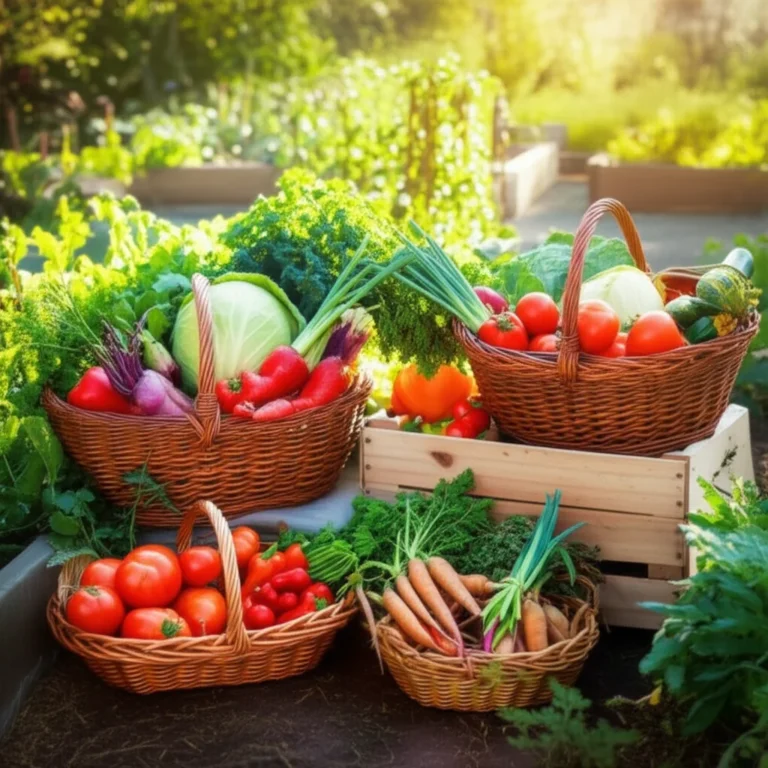
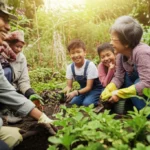
Imagine turning a forgotten vacant lot into a vibrant oasis where neighbors share fresh tomatoes, kids learn about nature, and the whole community breathes a little easier. Sounds like a dream? It’s the magic of community gardens — and their value goes far beyond just growing food. From boosting mental health to increasing property values and even reducing crime, these green spaces are quietly transforming neighborhoods across the globe.
In this article, we’ll dig deep into 10 powerful reasons why community gardens are priceless assets for urban and rural areas alike. Curious how a simple garden can save the planet, build social bonds, and even improve your wallet? We’ll reveal inspiring success stories, expert tips for starting your own garden, and how to measure the true impact of these leafy sanctuaries. Ready to grow together? Let’s get planting!
Key Takeaways
- Community gardens improve public health by increasing access to fresh produce and reducing stress through therapeutic horticulture.
- They boost neighborhood safety and social cohesion, turning neglected spaces into thriving community hubs.
- Gardens contribute significantly to environmental sustainability by reducing food miles, sequestering carbon, and supporting biodiversity.
- Starting a community garden requires planning, collaboration, and clear policies to ensure long-term success and protection.
- Measuring garden impact through produce yield, volunteer hours, and community engagement helps demonstrate their undeniable value.
Ready to cultivate change? Keep reading to discover how community gardens can transform your neighborhood and your life!
Table of Contents
- ⚡️ Quick Tips and Facts About Community Gardens
- 🌱 Growing Roots: The History and Evolution of Community Gardens
- 🤔 What Exactly Is a Community Garden? Defining the Green Space
- 🌿 10 Powerful Benefits of Community Gardens for Urban and Rural Areas
- 🥕 Best Crops to Cultivate in Community Gardens: From Leafy Greens to Heirloom Tomatoes
- 💪 How Community Gardens Boost Public Health and Wellness
- 🌍 Environmental Impact: How Community Gardens Help Save the Planet
- 🤝 Building Bonds: The Social and Economic Value of Community Gardens
- 🏙️ Transforming Neighborhoods: Community Gardens as Catalysts for Urban Renewal
- 🛠️ Starting Your Own Community Garden: Step-by-Step Guide and Expert Tips
- 🌟 Success Stories: Inspiring Community Garden Projects Around the World
- 📈 Measuring the Value: How to Quantify the Benefits of Community Gardens
- 🌐 Explore More Ways to Promote Positive Community Change Through Gardening
- 📝 Conclusion: Why Community Gardens Are Worth Every Seed Planted
- 🔗 Recommended Links for Community Garden Enthusiasts
- ❓ Frequently Asked Questions About Community Gardens
- 📚 Reference Links and Further Reading
Before we dig into the dirt, you might be wondering, what is the goal of a community garden? At its heart, it’s about more than just kale and carrots; it’s about cultivating a sense of belonging while filling our plates with the freshest produce imaginable. 🥕
⚡️ Quick Tips and Facts About Community Gardens
If you’re looking for the “TL;DR” of why these green spaces are the ultimate neighborhood upgrade, we’ve got you covered. Here’s a snapshot of the value they bring to the table (literally).
| Feature | Impact/Fact | Why It Matters |
|---|---|---|
| Prevalence | Over 18,000 gardens in the US & Canada | It’s a massive, growing movement! 📈 |
| Nutrition | 4x increase in vegetable intake | Better health for kids and adults alike. ✅ |
| Property Value | Can increase nearby home values | Greenery is a literal gold mine for neighborhoods. 💰 |
| Crime Reduction | Transforms vacant lots into active hubs | Busy gardens mean fewer “shady” spots. 👮 ♂️ |
| Mental Health | Significant reduction in cortisol (stress) | It’s cheaper than therapy and you get tomatoes! 🍅 |
Pro Tip: If you’re just starting, don’t try to grow everything at once. Focus on high-yield, easy-to-manage edible plants like radishes or bush beans to get that “win” early on!
🌱 Growing Roots: The History and Evolution of Community Gardens

We didn’t just wake up one day and decide to plant zucchini in the middle of the Bronx. The history of community gardening is a saga of resilience. During World War I and II, “Victory Gardens” were the ultimate patriotic flex. The USDA estimates that these gardens produced nearly 40% of all fruits and vegetables consumed in the U.S. at the time. 🇺🇸
In the 1970s, as urban centers faced decay, pioneers like Liz Christy in New York City began tossing “seed bombs” into vacant lots. This wasn’t just gardening; it was “guerrilla gardening.” Today, the American Community Gardening Association (ACGA) oversees a network that has evolved from survivalist plots to sophisticated hubs of urban agriculture.
🤔 What Exactly Is a Community Garden? Defining the Green Space
Is it a park? Is it a farm? Is it a social club? Yes, yes, and yes!
A community garden is any piece of land gardened by a group of people. According to the Tulane University School of Public Health, these spaces are versatile. They can be:
- Allotment Gardens: Where you rent your own little “kingdom” (plot) for a season.
- Collective Gardens: Where everyone works the whole space together and shares the harvest.
- Youth/School Gardens: Where the next generation learns that carrots don’t actually grow in plastic bags. 🥕
While we often focus on the food, these spaces are governed by specific community garden policies to ensure everyone plays nice in the sandbox.
🌿 10 Powerful Benefits of Community Gardens for Urban and Rural Areas
The folks at One New Humanity CDC argue that these gardens are vital for resilience. We’ve rounded up the top 10 reasons why you need one in your life:
- Food Security: Provides fresh produce in “food deserts” where the only “fruit” available is a Fruit Loop. 🥣
- Physical Exercise: Gardening is a full-body workout. Squatting, digging, and hauling mulch beats a treadmill any day!
- Mental Wellness: Dirt has “good” bacteria (Mycobacterium vaccae) that can actually trigger serotonin release. 🧠
- Social Cohesion: It’s the original social network. No Wi-Fi required.
- Environmental Cooling: Plants reduce the “Urban Heat Island” effect. It’s like nature’s air conditioning. ❄️
- Stormwater Management: Soil absorbs rain that would otherwise flood our sewers.
- Biodiversity: A haven for bees, butterflies, and the occasional confused squirrel. 🦋
- Economic Savings: A $20 investment in seeds can yield hundreds of dollars in organic produce.
- Cultural Expression: Immigrants and refugees use gardens to grow “tastes of home” that aren’t in local aisles.
- Crime Deterrence: Active, well-lit green spaces make neighborhoods safer. ❌
🥕 Best Crops to Cultivate in Community Gardens: From Leafy Greens to Heirloom Tomatoes
Not all plants are created equal when you’re sharing space. You want “bang for your buck” crops. We recommend checking out garden design ideas to maximize your square footage.
Top Performers for Shared Spaces:
- Cherry Tomatoes: Like the Sun Gold variety from Burpee Seeds. They produce like crazy and are perfect for snacking while you weed.
- Leafy Greens: Kale and Swiss Chard are the “terminators” of the garden—they just keep coming back.
- Radishes: The “instant gratification” crop. They go from seed to salad in 25 days! 🥗
- Zucchini: Warning: One plant will feed a small village. Be prepared to leave “anonymously” on neighbors’ porches.
CHECK PRICE on Seeds & Starters:
- Burpee Heirloom Seeds: Amazon | Walmart | Burpee Official
- Miracle-Gro Potting Mix: Amazon | Walmart | Miracle-Gro Official
💪 How Community Gardens Boost Public Health and Wellness
We’ve seen it firsthand: a community garden can be a literal lifesaver. The Pennsylvania Horticultural Society (PHS) notes that gardening reduces stress and promotes “therapeutic horticulture.”
But wait, is the evidence actually there? While some researchers at Tulane suggest that “verified evidence” is still catching up to the hype, a study published in The Lancet Planetary Health found that community gardeners significantly increased their fiber intake and decreased their anxiety levels compared to non-gardeners.
The “Dirty” Secret to Health: It’s not just the eating; it’s the doing. The act of nurturing something from a seed to a fruit provides a sense of agency that is often missing in our high-stress, digital lives.
🌍 Environmental Impact: How Community Gardens Help Save the Planet
If you want to be an eco-warrior, put down the protest sign and pick up a trowel. Community gardens are tiny powerhouses of sustainability.
- Carbon Sequestration: Plants breathe in CO2 and lock it in the soil.
- Reduced Food Miles: When your salad travels 50 feet instead of 1,500 miles, the planet breathes a sigh of relief. 🚛
- Composting: Turning “trash” (food scraps) into “black gold” (compost) reduces methane emissions from landfills.
We love using the FCMP Outdoor Dual Body Tumbling Composter for community settings. It’s fast, keeps critters out, and is easy for everyone to turn.
Product Rating: FCMP Outdoor Tumbling Composter
| Aspect | Rating (1-10) | Notes |
|---|---|---|
| Durability | 9 | Heavy-duty BPA-free plastic. |
| Ease of Use | 8 | Tumbling action is smooth, but assembly takes a minute. |
| Efficiency | 9 | Dual chambers allow for continuous composting. |
| Design | 7 | Functional, though not exactly “garden art.” |
👉 Shop Composters on:
🤝 Building Bonds: The Social and Economic Value of Community Gardens
“Engagement in community gardening may be superior to individual gardening,” says the team at One New Humanity. Why? Because you can’t talk to a tomato (well, you can, but it won’t talk back).
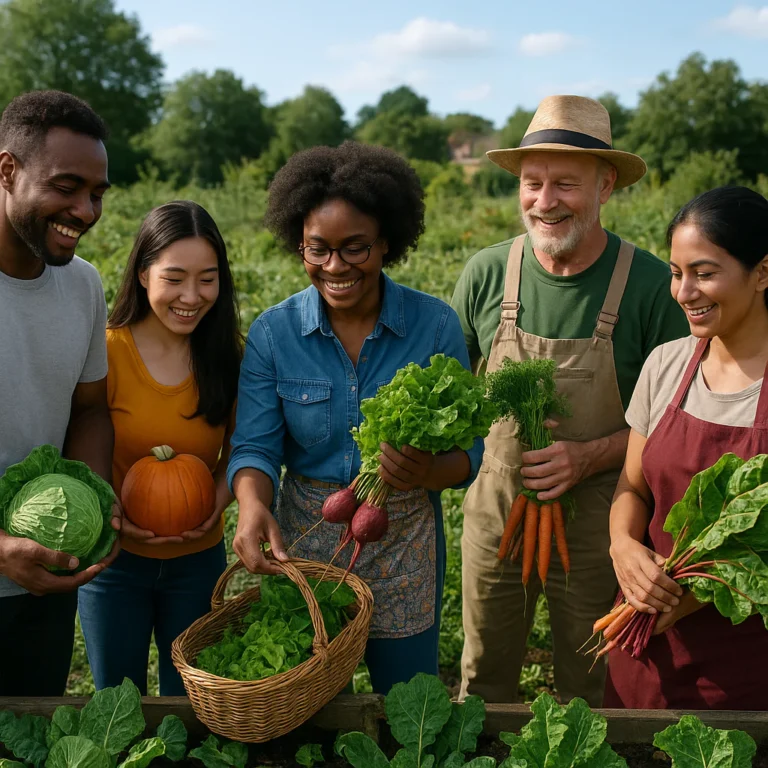
In a community garden, you meet the neighbor you’ve lived next to for ten years but never spoke to. You share tips, you swap seeds, and you build social capital.
The Economic Ripple Effect:
- Grocery Bill Relief: Families can save hundreds of dollars a year.
- Job Training: Many gardens, like the Sylhet Farm in Detroit, offer skill-building in food production and business.
- Property Values: Research shows that being within 1,000 feet of a community garden can boost property values by as much as 9.4% over five years! 🏠
🏙️ Transforming Neighborhoods: Community Gardens as Catalysts for Urban Renewal
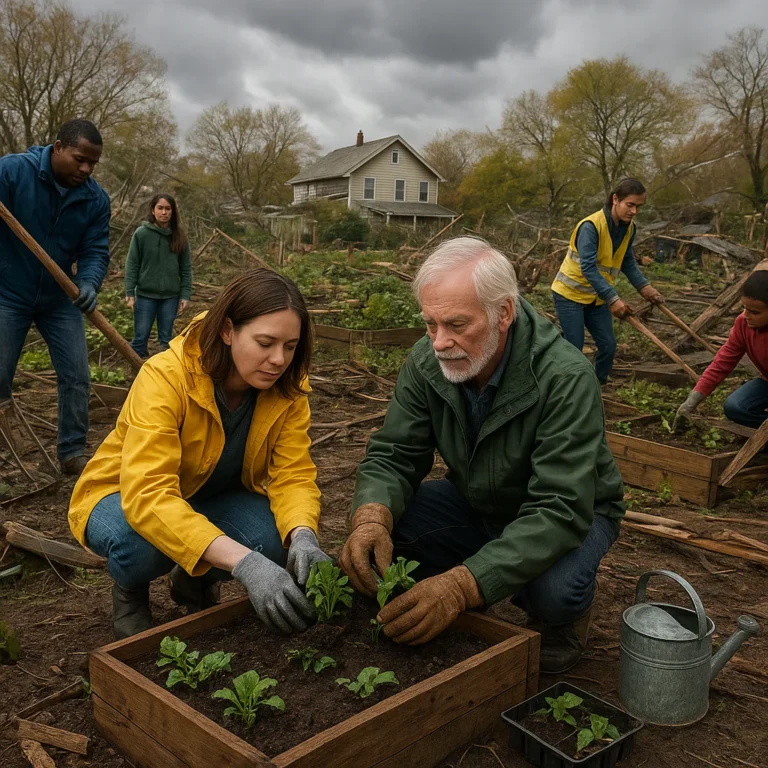
Have you ever seen a vacant lot full of rusted cans and overgrown weeds? It’s a “broken window” for the neighborhood. But when a group of residents clears that lot and installs raised beds, the vibe changes instantly.
This is what we call benefits of community gardens in action. It signals that people care. As mentioned in the #featured-video, these spaces are “very, very important” because they show “that we are always growing.” This “Talk@10” perspective emphasizes that gardens are not just about plants, but about the “many, many opportunities” for community development.
🛠️ Starting Your Own Community Garden: Step-by-Step Guide and Expert Tips
Ready to get your hands dirty? Don’t just start digging holes! Follow our battle-tested roadmap:
- Gather Your Tribe: Find at least 5-10 dedicated neighbors. You can’t do this alone!
- Find the Land: Look for sun (6+ hours), water access, and a supportive landlord or city council.
- Test the Soil: Urban soil can contain lead or other nasties. Use a kit from your local University Extension office.
- Design the Layout: Include paths wide enough for a wheelbarrow. We swear by the Gorilla Carts GOR4PS Heavy-Duty Poly Yard Dump Cart.
- Set the Rules: Who gets a plot? How is weeding handled? Put it in writing!
CHECK PRICE on Garden Carts:
- Gorilla Carts: Amazon | Walmart | Gorilla Carts Official
🌟 Success Stories: Inspiring Community Garden Projects Around the World
From the Ron Finley Project in South Central LA (the “Gangsta Gardener”) to the Sylhet Farm in Detroit, these projects prove that gardens change lives.
In Detroit, Sylhet Farm produced roughly 600 lbs of produce in a single year, distributing it to immigrant and low-income communities. It’s not just food; it’s a lifeline. These stories remind us that even in the “concrete jungle,” life finds a way. 🌿
📈 Measuring the Value: How to Quantify the Benefits of Community Gardens
How do you prove to a skeptical city council that your garden is worth the water bill? You measure it!
- Pounds of Produce: Keep a scale in the shed. ⚖️
- Volunteer Hours: Track the “sweat equity” invested.
- Participant Surveys: Ask members about their stress levels and vegetable intake.
- Event Attendance: Keep track of how many people show up for community garden events.
When you show that your garden produced 500 lbs of organic food and hosted 20 educational workshops, the “value” becomes undeniable.
🌐 Explore More Ways to Promote Positive Community Change Through Gardening
Gardening is just the gateway drug to community activism. Once you’ve mastered the tomato, why not try:
- Seed Libraries: Sharing seeds at the local library.
- Tool Sharing: A “library of things” for lawnmowers and tillers.
- Pollinator Corridors: Planting native flowers to help our bee friends. 🐝
But wait—what happens when the season ends? Or when a developer wants to buy the land? We’ll tackle those “thorny” issues and more as we wrap up our deep dive into the true worth of these green sanctuaries. Stay tuned!
📝 Conclusion: Why Community Gardens Are Worth Every Seed Planted

After digging through the dirt and data, it’s crystal clear: community gardens are much more than just patches of soil. They are vibrant ecosystems of health, hope, and harmony. From boosting public health by increasing fresh produce intake and reducing stress, to transforming neighborhoods into safer, greener, and more connected places, the value of a community garden is truly priceless.
Remember our earlier tease about what happens when the season ends or developers eye the land? The answer lies in community ownership and advocacy. Gardens that build strong social networks and clear governance structures are best positioned to protect their green spaces from being paved over. This is why starting with solid policies and community buy-in is crucial.
If you’re considering composting as part of your garden’s sustainability efforts, the FCMP Outdoor Dual Body Tumbling Composter is a standout choice for durability and efficiency, though it’s not the prettiest. For garden mobility, the Gorilla Carts GOR4PS Heavy-Duty Poly Yard Dump Cart is a reliable workhorse. Both tools help make gardening easier and more enjoyable, empowering your community to grow together.
In short: whether you’re seeking better health, stronger social ties, or a greener planet, community gardens deliver on all fronts. So grab your gloves, rally your neighbors, and plant the seeds of change — because the value of a community garden is as rich as the soil it grows in. 🌻
🔗 Recommended Links for Community Garden Enthusiasts
👉 Shop Garden Essentials:
-
Burpee Heirloom Seeds:
Amazon | Walmart | Burpee Official Website -
Miracle-Gro Potting Mix:
Amazon | Walmart | Miracle-Gro Official Website -
Gorilla Carts GOR4PS Heavy-Duty Poly Yard Dump Cart:
Amazon | Walmart | Gorilla Carts Official Website
Books to Grow Your Knowledge:
-
The Community Gardening Handbook by Ben Raskin — A practical guide to starting and sustaining community gardens.
Amazon Link -
Urban Gardening: How to Grow Food in the City by David Tracey — Perfect for urban gardeners looking to maximize small spaces.
Amazon Link -
Carrots Love Tomatoes by Louise Riotte — Companion planting secrets for a thriving garden.
Amazon Link
❓ Frequently Asked Questions About Community Gardens
How can participating in a community garden enhance mental health and well-being?
Community gardening offers a unique combination of physical activity, social interaction, and connection to nature — all proven to reduce stress, anxiety, and depression. The act of nurturing plants releases serotonin, a natural mood booster, while the social bonds formed in the garden foster a sense of belonging and purpose. Studies, including those cited by One New Humanity CDC, show gardeners report improved mood and reduced feelings of isolation compared to non-gardeners.
What specific mental health benefits have been observed?
- Reduction in cortisol levels (stress hormone)
- Improved mood regulation and decreased anxiety
- Enhanced feelings of accomplishment and self-efficacy
In what ways do community gardens promote environmental sustainability?
Community gardens reduce food miles by growing produce locally, which cuts down on greenhouse gas emissions from transportation. They encourage composting, which diverts organic waste from landfills and enriches soil health. By increasing green space, they help mitigate urban heat islands, improve air quality, and support biodiversity by providing habitats for pollinators like bees and butterflies.
How do composting and native plantings contribute?
- Composting recycles nutrients and reduces methane emissions from organic waste.
- Native plants support local ecosystems and require less water and pesticides.
What social benefits do community gardens provide to neighborhoods?
They foster social cohesion by bringing diverse groups together to work towards common goals. Gardens create safe, welcoming spaces that reduce crime and increase neighborhood pride. They also serve as educational hubs where people share knowledge, skills, and cultural traditions, strengthening community resilience.
How do gardens impact neighborhood safety?
Active, well-maintained gardens discourage vandalism and illicit activities by increasing foot traffic and community presence.
Can community gardens help to increase food security and access to fresh produce in urban areas?
Absolutely. Community gardens provide affordable or free access to fresh fruits and vegetables, especially in food deserts where grocery stores are scarce. They empower residents to grow culturally relevant foods and improve nutrition, contributing to better overall health.
Are there examples of successful food security initiatives?
Yes! Sylhet Farm in Detroit, for example, produced over 600 lbs of produce in a year, distributing it to immigrant and low-income communities, demonstrating how gardens can be lifelines in urban food systems.
What are the physical and mental health benefits of participating in a community garden?
Physically, gardening improves strength, endurance, flexibility, and balance. Mentally, it reduces stress and promotes mindfulness. The combination of outdoor activity, social connection, and purposeful work creates holistic health benefits.
How do community gardens promote social cohesion and neighborhood engagement?
By creating shared spaces where people collaborate, communicate, and celebrate, gardens build trust and mutual support. They often host events, workshops, and festivals that bring neighbors together beyond the garden beds.
How do community gardens benefit local neighborhoods economically?
They reduce grocery bills, create opportunities for skill-building and entrepreneurship, and can increase property values. Gardens often stimulate local economies by attracting visitors and encouraging local markets.
What social impacts do community gardens have on residents?
They reduce social isolation, increase civic participation, and promote cultural exchange. Gardens provide safe spaces for marginalized groups, including immigrants and refugees, to connect with their heritage and community.
How can community gardening improve mental and physical health?
By combining moderate physical activity with exposure to nature and social interaction, community gardening supports cardiovascular health, reduces depression, and enhances overall well-being.
📚 Reference Links and Further Reading
- American Community Gardening Association — https://www.communitygarden.org/
- Tulane University Public Health Blog on Community Gardens — https://publichealth.tulane.edu/blog/benefits-of-community-gardens/
- Pennsylvania Horticultural Society — https://phsonline.org/for-gardeners/gardeners-blog/benefits-of-community-gardens
- One New Humanity CDC: The Benefits of Community Gardens — https://www.onenewhumanitycdc.org/blog/the-benefits-of-community-gardens
- USDA Victory Gardens History — https://www.usda.gov/about-usda/news/blog/small-agriculture-national-agricultural-librarys-newest-digital-exhibit
- The Lancet Planetary Health Study on Gardening and Mental Health — https://www.thelancet.com/journals/lanplh/article/PIIS2542-5196(22)00303-5/fulltext
- Miracle-Gro Official Website — https://www.miraclegro.com/
- Burpee Seeds Official Website — https://www.burpee.com/
- Gorilla Carts Official Website — https://gorillacarts.com/
Ready to roll up your sleeves and grow your own community oasis? We’re here to help every step of the way! 🌻