Support our educational content for free when you purchase through links on our site. Learn more

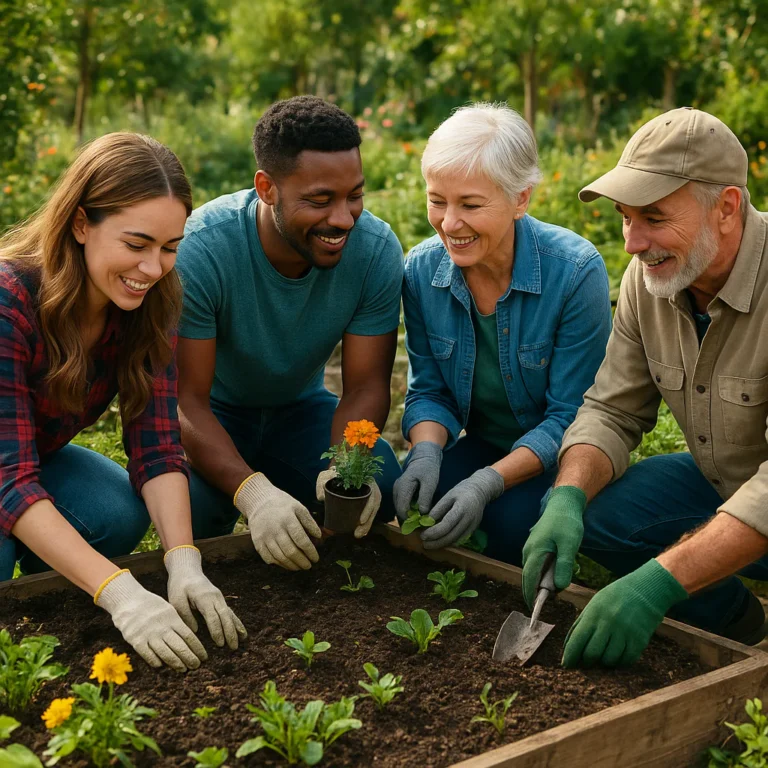
Imagine a patch of earth buzzing with life, laughter, and the rich aroma of fresh herbs—a community garden that not only feeds bodies but also nourishes souls. At Community Gardening™, we’ve seen firsthand how a well-tended garden can transform neighborhoods, build friendships, and promote sustainability. But what does it take to keep such a vibrant space thriving year after year?
Did you know that community gardens can increase local food security, reduce urban heat, and even improve mental health? Yet, maintaining one is no small feat. From soil health to volunteer engagement, water conservation to conflict resolution, there’s a lot to juggle. In this article, we unveil 15+ expert tips that cover every aspect of sustaining a flourishing community garden. Curious about how to turn weeds into compost gold or how to design an accessible garden that welcomes all? Keep reading—we’ve got you covered!
Key Takeaways
- Healthy soil and smart watering are the foundation of a productive garden. Composting and drip irrigation save time and resources.
- Community engagement and clear communication keep gardeners motivated and conflicts minimal.
- Sustainable practices like crop rotation, native plants, and organic pest management protect the environment and boost yields.
- Thoughtful design ensures accessibility and beauty, inviting participation from all ages and abilities.
- Ongoing education, record keeping, and succession planning are vital for long-term success and resilience.
Ready to cultivate a garden that grows more than just plants? Let’s dig in!
Table of Contents
- ⚡️ Quick Tips and Facts
- 🌱 The Roots of Success: A Brief History of Community Gardening & Its Enduring Appeal
- The Blueprint for Bloom: Laying the Groundwork for a Thriving Garden
- Our Top 15+ Expert Tips for Sustained Garden Glory!
- Nourish Your Soil, Nurture Your Harvest: The Art of Soil Health & Fertility
- Water Wisely, Grow Abundantly: Smart Irrigation & Water Conservation
- Befriend the Bugs: Integrated Pest Management (IPM) for a Healthy Ecosystem
- Strategic Planting for Peak Performance: Crop Rotation & Biodiversity
- Cultivating Community: Engaging Gardeners & Resolving Spats
- Tool Time! Essential Gear & Shared Resources for Every Gardener
- Weeding Out the Worries: Proactive Weed Management Techniques
- Designing for Delight: Layout, Accessibility & Aesthetics
- Funding Your Flora: Grants, Donations & Creative Fundraising
- Educating & Empowering: Workshops, Mentorship & Knowledge Sharing
- Waste Not, Want Not: Sustainable Practices & Resourcefulness
- Record Keeping & Reflection: Learning from Every Season
- Dealing with the Unexpected: Problem-Solving & Resilience
- The Long Game: Succession Planning & Future-Proofing Your Garden
- Horticultural Therapy: Growing Wellness in the Garden
- Conclusion: Harvesting Happiness & Sustaining Success
- 🔗 Recommended Links: Dive Deeper into the Green World
- ❓ Frequently Asked Questions (FAQ): Your Burning Garden Queries Answered!
- 📚 Reference Links: Our Trusted Sources for Garden Wisdom
⚡️ Quick Tips and Facts
Welcome to the green heart of community gardening! Before we dig deep, here are some quick, expert-tested tips from the Community Gardening™ team to set you on the path to a thriving, sustainable garden:
- Location is everything! Aim for at least 6 hours of sunlight daily for most vegetables.
- Soil health is your garden’s foundation. Test your soil annually and amend with organic compost.
- Water smart, not hard. Drip irrigation and rainwater harvesting save water and time.
- Build community, not just beds. Engage gardeners in decision-making and events to foster ownership.
- Keep clear, fair rules. Define plot responsibilities, tool sharing, and conflict resolution upfront.
- Celebrate often! Potlucks, plant swaps, and harvest festivals keep spirits high and volunteers motivated.
Did you know? According to the American Community Gardening Association, community gardens improve food security, mental health, and neighborhood cohesion. Curious how to weave all these threads into your own garden tapestry? Let’s get growing!
For a great primer on community vegetable gardens, check out our detailed community vegetable garden project article.
🌱 The Roots of Success: A Brief History of Community Gardening & Its Enduring Appeal

Community gardening isn’t just a trend—it’s a time-tested tradition rooted in resilience and togetherness. From the “Victory Gardens” of WWII to urban farms today, people have long turned to shared plots to grow food, build community, and reclaim green space.
- Early 20th Century: Urbanization sparked the need for local food sources. Community gardens sprouted in cities like New York and Chicago.
- WWII Victory Gardens: Millions grew their own vegetables to support the war effort, boosting morale and food supply.
- Modern Movement: Today’s community gardens emphasize sustainability, education, and social justice, often serving underserved neighborhoods.
Our team at Community Gardening™ loves how these gardens are living legacies—places where history, ecology, and culture intertwine. They’re not just about plants; they’re about people growing together.
Want to see how history informs modern practice? The NC State Extension Gardener Handbook offers a fantastic overview of youth and therapeutic gardening’s evolution.
The Blueprint for Bloom: Laying the Groundwork for a Thriving Garden
Before you plant your first seed, you need a solid plan. This section is your garden’s blueprint—the foundation for success and sustainability.
Establishing a Clear Vision & Mission: What’s Your Garden’s North Star? 🌟
Every flourishing garden starts with a shared purpose. Is your garden about food security? Education? Beautification? Therapy? Defining your mission helps align goals and attract the right participants.
- Host an initial community meeting to gather ideas and build consensus.
- Draft a mission statement that reflects your community’s values and needs.
- Use this vision to guide decisions on crops, events, and partnerships.
Crafting Fair & Flexible Garden Guidelines: The Social Contract of the Soil 📜
Clear rules keep gardens running smoothly and fairly. Consider:
- Plot allocation and maintenance expectations
- Tool sharing and storage policies
- Conflict resolution procedures
- Membership fees or fundraising commitments
Our experience shows that transparency and flexibility in guidelines prevent misunderstandings and foster respect.
Explore more on garden policies at Community Gardening™’s Community Garden Policies category.
Building a Stellar Leadership Team: Cultivating Your Core Crew 🤝
A garden is only as strong as its leaders. Assemble a team with diverse skills:
- Gardening expertise
- Organizational and communication skills
- Fundraising and grant writing experience
- Conflict mediation abilities
Distribute responsibilities through committees—planning, outreach, maintenance—to share the load and build ownership.
Our Top 15+ Expert Tips for Sustained Garden Glory!
Ready for the nitty-gritty? Here are our 15+ expert tips to keep your community garden thriving season after season.
1. Nourish Your Soil, Nurture Your Harvest: The Art of Soil Health & Fertility
Healthy soil = happy plants. We can’t stress this enough.
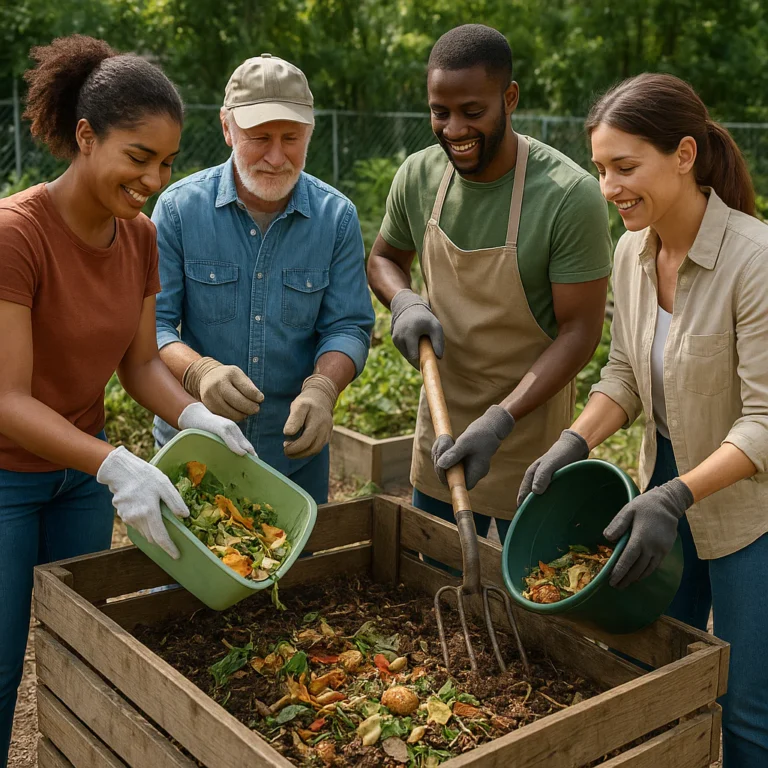
Composting Like a Pro: Black Gold for Your Beds 🖤
- Use kitchen scraps, garden waste, and shredded paper to create rich compost.
- Turn piles regularly to aerate and speed decomposition.
- Avoid meat, dairy, and diseased plants to keep pests and pathogens away.
Our favorite compost bins come from Envirocycle—durable, easy to turn, and great for community use.
Understanding Soil Amendments: What Your Dirt Really Needs 🧪
- Test soil pH and nutrient levels annually (kits from Luster Leaf are reliable).
- Amend with organic matter like aged manure, bone meal, or greensand as needed.
- Avoid synthetic fertilizers to protect soil life and water quality.
The Magic of No-Till Gardening: Disturb Less, Grow More! ✨
- No-till preserves soil structure and microbial life.
- Use mulch layers and cover crops instead of digging.
- Saves labor and boosts long-term fertility.
2. Water Wisely, Grow Abundantly: Smart Irrigation & Water Conservation
Water is precious! Here’s how to make every drop count.
Drip, Don’t Drown: Efficient Irrigation Systems 💦
- Drip irrigation delivers water directly to roots, reducing evaporation.
- Brands like Rain Bird offer affordable kits perfect for community gardens.
- Automate with timers to water early mornings or late evenings.
Rainwater Harvesting: Catching Every Precious Drop 🌧️
- Install rain barrels to collect roof runoff.
- Use filtered water for irrigation to reduce municipal water use.
- Check local regulations for rainwater harvesting guidelines.
Choosing Drought-Tolerant Plants: Green Thumbs for Dry Spells 🌵
- Incorporate native and Mediterranean plants that thrive with less water.
- Examples: lavender, rosemary, echinacea, and certain heirloom tomatoes.
- Reduces irrigation needs and supports local pollinators.
3. Befriend the Bugs: Integrated Pest Management (IPM) for a Healthy Ecosystem
Not all bugs are villains! IPM balances pest control with ecosystem health.
Companion Planting: Nature’s Bodyguards in the Garden 🌼
- Plant marigolds near tomatoes to repel nematodes.
- Basil near peppers enhances flavor and deters aphids.
- Check out Mother Earth News’ companion planting guide for more combos.
Organic Pest Control Solutions: Gentle Yet Effective 💪
- Use neem oil, insecticidal soaps, or diatomaceous earth.
- Apply early morning or late evening to avoid harming beneficial insects.
- Rotate treatments to prevent resistance.
Welcoming Beneficial Insects: Your Tiny Garden Allies 🦋
- Attract ladybugs, lacewings, and parasitic wasps with diverse flowering plants.
- Avoid broad-spectrum pesticides that harm these helpers.
- Build insect hotels or leave some leaf litter for habitat.
4. Strategic Planting for Peak Performance: Crop Rotation & Biodiversity
Keep your soil and plants happy with smart planting strategies.
The Power of Crop Rotation: Keeping Soil & Plants Happy 😊
- Rotate families (e.g., nightshades, legumes, brassicas) yearly to prevent nutrient depletion and disease buildup.
- Use a simple 3- or 4-year rotation plan.
Embracing Biodiversity: A Rich Tapestry of Life 🐝
- Mix vegetables, herbs, flowers, and native plants.
- Supports pollinators and natural pest predators.
- Enhances garden resilience.
Native Plants: Local Heroes for Local Ecosystems 🌳
- Incorporate natives like coneflowers, milkweed, and goldenrod.
- They require less water and provide food for native wildlife.
- Check Lady Bird Johnson Wildflower Center for regional native plant guides.
5. Cultivating Community: Engaging Gardeners & Resolving Spats
A garden is a community, not just a collection of plots.
Effective Communication Channels: Keeping Everyone in the Loop 📣
- Use email lists, WhatsApp groups, or Facebook pages for updates.
- Post a community bulletin board onsite for announcements.
- Hold regular meetings and social events.
Conflict Resolution Strategies: From Tiff to Teamwork 🤝
- Establish a clear process for addressing disputes.
- Encourage mediation by neutral garden leaders.
- Promote empathy and shared goals.
Celebrating Successes: Potlucks, Workshops & Garden Parties 🎉
- Host seasonal harvest festivals or seed exchanges.
- Invite guest speakers or hold skill-sharing workshops.
- These events build camaraderie and attract new members.
6. Tool Time! Essential Gear & Shared Resources for Every Gardener
Sharing tools saves money and space but requires organization.
Must-Have Hand Tools: Your Garden’s Best Friends 🧤
| Tool | Purpose | Recommended Brand | Durability Rating (1-10) |
|---|---|---|---|
| Hand Trowel | Planting, transplanting | Fiskars | 9 |
| Pruning Shears | Trimming, harvesting | Felco | 10 |
| Garden Fork | Soil aeration, turning compost | Ames | 8 |
| Watering Can | Targeted watering | Haws | 7 |
Shared Equipment & Maintenance: Keeping Things Shipshape ⚙️
- Schedule regular maintenance days.
- Assign tool stewards to oversee inventory and repairs.
- Label tools with garden logos to prevent loss.
Storage Solutions: Tidy Sheds, Happy Gardeners 🏡
- Use lockable sheds or weatherproof containers.
- Organize with shelves, hooks, and bins.
- Keep a logbook for tool checkouts.
7. Weeding Out the Worries: Proactive Weed Management Techniques
Weeds can be relentless, but you can outsmart them.
Mulching Marvels: Suppressing Weeds, Retaining Moisture 🍂
- Use organic mulches like straw, wood chips, or leaves.
- Apply 2-4 inches thick around plants.
- Mulch also improves soil as it decomposes.
Manual Weeding Wisdom: The Zen of Hand-Pulling 🧘
- Weed regularly before plants set seed.
- Use hand tools like hoes or weeders to ease the task.
- Make it a social activity to keep spirits high.
Cover Cropping: Nature’s Green Blanket for Your Beds 🌾
- Plant cover crops like clover or rye in off-seasons.
- They outcompete weeds, fix nitrogen, and protect soil.
- Turn them into the soil before planting next crop.
8. Designing for Delight: Layout, Accessibility & Aesthetics
A well-designed garden invites participation and care.
Pathways & Plot Design: Flow & Functionality 🚶 ♀️
- Paths should be at least 36 inches wide for easy access.
- Use permeable materials like wood chips or gravel.
- Arrange plots to maximize sunlight and water access.
Accessibility for All: Inclusive Gardening Spaces ♿
- Incorporate raised beds 24-30 inches high for wheelchair users.
- Provide wide, firm pathways and seating areas.
- Use ergonomic tools and container gardens.
Learn more about accessible garden design in our Garden Design Ideas section.
Adding Artistic Touches: Beauty Beyond the Bounty 🖼️
- Include murals, sculptures, or painted signs.
- Plant colorful flowers to attract pollinators and delight eyes.
- Create themed garden zones (e.g., butterfly garden, herb spiral).
9. Funding Your Flora: Grants, Donations & Creative Fundraising
Money matters, but creativity wins the day.
Grant Writing Essentials: Unlocking Resources for Growth 📝
- Identify local, state, and national grants (e.g., USDA Community Food Projects).
- Write clear proposals highlighting community impact and sustainability.
- Include detailed budgets and timelines.
Community Partnerships: Local Businesses & Organizations 🤝
- Partner with nurseries, hardware stores, and nonprofits.
- Seek in-kind donations like seeds, tools, or expertise.
- Collaborate on events to boost visibility.
Creative Fundraising Ideas: From Bake Sales to Plant Swaps 🪴
- Host seasonal plant sales or seed exchanges.
- Organize garden tours or workshops with entry fees.
- Launch crowdfunding campaigns highlighting your garden’s story.
10. Educating & Empowering: Workshops, Mentorship & Knowledge Sharing
Knowledge is the fertilizer of community spirit.
Hands-On Workshops: Learning by Doing 🧑 🌾
- Teach skills like seed starting, pruning, and composting.
- Invite local experts or Master Gardeners.
- Use interactive formats to engage all ages.
Mentorship Programs: Passing Down Green Wisdom 🦉
- Pair experienced gardeners with novices.
- Encourage sharing of tips, stories, and encouragement.
- Track progress and celebrate milestones.
Youth Gardening Initiatives: Growing Future Gardeners 👧
- Create school partnerships and summer camps.
- Design kid-friendly plots and activities.
- Foster environmental stewardship early.
For inspiration, see the Youth Community and Therapeutic Gardening guide.
11. Waste Not, Want Not: Sustainable Practices & Resourcefulness
Sustainability is the heartbeat of community gardens.
Reducing Garden Waste: From Scraps to Soil 🗑️
- Compost all organic waste.
- Avoid plastic mulch and single-use plastics.
- Donate excess produce to food banks.
Upcycling & Repurposing: Giving Old Items New Life 🔄
- Turn pallets into raised beds or compost bins.
- Use old tires for planters.
- Repurpose containers for seed trays.
Local Sourcing: Supporting Sustainable Suppliers 🛒
- Buy seeds and plants from local nurseries.
- Choose organic and heirloom varieties.
- Support businesses with eco-friendly practices.
12. Record Keeping & Reflection: Learning from Every Season
Tracking progress helps your garden grow smarter each year.
Garden Journals & Digital Logs: Tracking Your Triumphs & Trials ✍️
- Record planting dates, varieties, weather, and pest issues.
- Use apps like Gardenize or simple spreadsheets.
- Share logs with the community for collective learning.
Harvest Tracking: Measuring Your Bounty 📈
- Weigh and record yields per plot or crop.
- Analyze trends to optimize future planting.
- Celebrate collective harvest totals to boost morale.
Annual Reviews & Planning: Setting Goals for Next Year 🗓️
- Hold end-of-season meetings to discuss successes and challenges.
- Adjust guidelines, crop plans, and events accordingly.
- Plan for infrastructure improvements or expansions.
13. Dealing with the Unexpected: Problem-Solving & Resilience
Gardens are living systems—sometimes unpredictable!
Weather Woes: Protecting Your Plants from Extremes ☀️❄️
- Use shade cloths during heatwaves.
- Install row covers or cold frames for frost protection.
- Mulch heavily to moderate soil temperature.
Wildlife Management: Coexisting with Critters 🦊
- Use fencing or netting to deter deer and rabbits.
- Employ humane deterrents like motion-activated sprinklers.
- Encourage natural predators like owls and snakes.
Addressing Vandalism & Theft: Security & Community Watch 🚨
- Install signage and lighting to deter vandals.
- Build strong community bonds to foster stewardship.
- Consider surveillance cameras if needed.
14. The Long Game: Succession Planning & Future-Proofing Your Garden
Sustainability means planning beyond today.
Developing New Leaders: Nurturing the Next Generation 🌱
- Identify and train potential leaders early.
- Rotate leadership roles to build skills and prevent burnout.
- Celebrate leadership milestones.
Expanding Your Garden’s Reach: New Projects & Partnerships 🌍
- Explore adding pollinator gardens, orchards, or educational zones.
- Partner with schools, health centers, and local businesses.
- Apply for grants to fund expansion.
Ensuring Financial Stability: A Sustainable Future 🏦
- Build a reserve fund from dues and fundraising.
- Maintain transparent financial records.
- Regularly revisit budgets and funding strategies.
15. Horticultural Therapy: Growing Wellness in the Garden
Community gardens can be powerful spaces for healing and wellness.
The Healing Power of Green Spaces: Mental & Physical Benefits 💚
- Gardening reduces stress, anxiety, and depression.
- Physical activity improves mobility and strength.
- Social interaction combats loneliness.
Therapeutic Garden Design: Creating Calming Retreats 🏞️
- Include sensory plants with soothing scents and textures.
- Design quiet zones with seating and shade.
- Use gentle pathways accessible to all.
Programs for All Abilities: Inclusive Wellness 🧑 🦽
- Adapt tools and beds for people with disabilities.
- Offer guided sessions tailored to different needs.
- Partner with local health organizations.
For more on this, see the Extension Gardener Handbook’s chapter on therapeutic gardening.
Throughout this guide, we’ve woven in insights from top experts and real-world community gardeners. Remember the wise words from the Turlock Community Gardens conference: “Community organizing is successful when a community has taken charge of the process and project.” Your garden’s success depends on your community’s passion and persistence.
And if you’re wondering how to kick off this whole adventure, don’t miss the first YouTube video embedded above—it’s packed with practical tips on planning, community involvement, and celebrating your garden’s milestones.
Ready to dig in? Let’s keep growing together! 🌿
Conclusion: Harvesting Happiness & Sustaining Success

Wow, what a journey through the vibrant world of community gardening! From the roots of history to the tips for thriving soil, from watering wisely to nurturing community spirit, we’ve covered every essential ingredient for cultivating a successful and sustainable garden that truly grows together.
Remember, the secret sauce isn’t just in the compost or irrigation system—it’s in building a community that cares. When gardeners share leadership, knowledge, and joy, the garden becomes a living classroom, a sanctuary, and a beacon of sustainability.
We answered the big questions you might have had: how to design for accessibility, how to manage conflicts with empathy, and how to keep your garden financially and ecologically healthy for years to come. The narrative of community gardening is one of resilience, inclusivity, and continuous learning.
So, whether you’re starting your first plot or stewarding a well-established garden, lean into collaboration, embrace sustainable practices, and celebrate every harvest—because every seed sown is a step toward a greener, stronger community.
Ready to get your hands dirty? Let’s grow together! 🌿
🔗 Recommended Links: Dive Deeper into the Green World
Looking to gear up or deepen your gardening know-how? Here are some top picks from our toolkit and bookshelf:
- Envirocycle Compost Bin:
Amazon | Envirocycle Official Website - Fiskars Hand Trowel:
Amazon | Fiskars Official Website - Felco Pruning Shears:
Amazon | Felco Official Website - Rain Bird Drip Irrigation Kit:
Amazon | Rain Bird Official Website - Luster Leaf Soil Test Kit:
Amazon | Luster Leaf Official Website - Gardenize App:
Gardenize Official Website
Books to Grow Your Knowledge:
- The Community Garden Handbook by Ben Raskin — Amazon
- Gaia’s Garden: A Guide to Home-Scale Permaculture by Toby Hemenway — Amazon
- Teaming with Microbes: The Organic Gardener’s Guide to the Soil Food Web by Jeff Lowenfels & Wayne Lewis — Amazon
❓ Frequently Asked Questions (FAQ): Your Burning Garden Queries Answered!

What are the best plants to grow for a thriving community garden year-round?
Answer: Selecting plants that suit your climate and seasonality is key to year-round success. Cool-season crops like kale, spinach, and carrots thrive in fall and winter, while warm-season favorites such as tomatoes, peppers, and beans flourish in spring and summer. Incorporate native plants and perennials to provide continuous blooms and habitat for pollinators. Rotate crops annually to maintain soil health and reduce pests. For detailed planting calendars, check local extension services or resources like the USDA Plant Hardiness Zone Map.
How do you ensure environmental sustainability in a community garden project?
Answer: Sustainability hinges on practices that protect and enhance the ecosystem. Use organic soil amendments like compost and avoid synthetic chemicals. Implement water conservation through drip irrigation and rainwater harvesting. Promote biodiversity by planting a mix of vegetables, herbs, flowers, and native species. Incorporate cover crops and no-till methods to preserve soil structure. Finally, reduce waste by composting and upcycling materials. These practices create a resilient garden that supports both people and planet.
What are effective strategies for organizing volunteers in a community garden?
Answer: Successful volunteer management blends clear communication, meaningful roles, and appreciation. Start with a welcome orientation to set expectations and introduce the garden’s mission. Use tools like email lists, WhatsApp groups, or Facebook pages to keep everyone informed. Assign roles based on skills and interests—planting, tool maintenance, event planning, etc. Schedule regular workdays and social events to build camaraderie. Recognize contributions publicly through newsletters or celebrations to keep motivation high.
How can community gardening promote social connections and local engagement?
Answer: Community gardens are natural hubs for social interaction. They provide a shared purpose that brings diverse people together. Hosting events like potlucks, workshops, and harvest festivals encourages relationship-building. Gardens often partner with schools, nonprofits, and local businesses, expanding networks and resources. This engagement fosters a sense of belonging and pride, which can ripple out to strengthen neighborhoods and improve quality of life.
What are some strategies for managing conflicts and ensuring inclusivity within a community garden setting?
Answer: Conflicts are inevitable but manageable with proactive policies. Establish clear, fair rules and a transparent conflict resolution process. Encourage open communication and active listening. Use mediation by neutral garden leaders to resolve disputes. Promote inclusivity by designing accessible plots, offering tools for gardeners with disabilities, and welcoming diverse cultural practices. Regularly revisit policies with community input to ensure they evolve with members’ needs.
How can community gardens be used as a tool for social change and building stronger neighborhoods?
Answer: Community gardens empower residents by providing access to fresh food, green space, and educational opportunities. They can address food deserts, promote environmental justice, and foster youth development. By involving marginalized groups in leadership and decision-making, gardens become platforms for equity and empowerment. The shared stewardship nurtures trust and cooperation, creating safer, more connected neighborhoods.
What are the most important factors to consider when designing a sustainable community garden layout?
Answer: Prioritize sunlight exposure (minimum 6 hours daily), water access, and soil quality. Design wide, firm pathways (at least 36 inches) for accessibility. Incorporate raised beds for gardeners with mobility challenges. Plan for tool storage, composting areas, and communal spaces for gatherings. Use permeable materials for paths to reduce runoff. Include native plants and pollinator habitats to enhance biodiversity and ecosystem health.
How can I get my community involved in a local garden project and encourage participation?
Answer: Start by hosting informational meetings and inviting diverse stakeholders. Use social media, flyers, and local events to spread the word. Offer hands-on workshops and volunteer days to lower barriers to entry. Highlight the garden’s benefits—fresh food, social connections, education—to appeal to different interests. Celebrate milestones publicly to build momentum and pride.
How can our community garden project be used as an educational tool to teach people about gardening, sustainability, and environmental stewardship, and what workshops or classes can we offer to achieve this goal?
Answer: Community gardens are living classrooms. Offer workshops on composting, seed starting, pest management, and water conservation. Partner with local schools for youth programs. Host talks on climate change, pollinator protection, and nutrition. Use demonstration plots to showcase sustainable practices like crop rotation and companion planting. Encourage participants to share their own knowledge, creating a vibrant learning community.
What types of plants and crops are best suited for a community garden, and how can we promote biodiversity and sustainable gardening practices?
Answer: Choose a mix of vegetables, herbs, fruits, and native flowering plants to support a balanced ecosystem. Include nitrogen-fixing legumes (peas, beans) to enrich soil naturally. Rotate crops to prevent pest buildup and nutrient depletion. Incorporate pollinator-friendly flowers like coneflowers and milkweed. Use organic mulches and compost to maintain soil health. Promote heirloom and open-pollinated varieties to preserve genetic diversity.
What are the most effective ways to manage and allocate plots in a community garden to ensure fairness and accessibility for all members?
Answer: Develop a transparent plot allocation system, such as lotteries or first-come-first-served with priority for underserved groups. Clearly communicate plot sizes, responsibilities, and renewal policies. Offer accessible plots with raised beds or container options. Regularly review plot use and reassign abandoned plots fairly. Maintain an up-to-date waiting list and encourage gardeners to mentor newcomers.
How can I get my community involved in a local gardening project to foster a sense of togetherness and cooperation?
Answer: Encourage shared activities like group planting days, tool maintenance, and harvest celebrations. Create committees or workgroups to involve members in decision-making. Use storytelling and social media to highlight individual gardeners’ experiences. Foster an atmosphere of respect and inclusivity by celebrating cultural diversity in plant choices and garden traditions. Remember, a garden is a community in miniature—nurture it with care and connection.
📚 Reference Links: Our Trusted Sources for Garden Wisdom
- American Community Gardening Association – Benefits of Community Gardens
- NC State Extension Gardener Handbook – Youth, Community, and Therapeutic Gardening
- Fruit Growers Supply – How to Start and Maintain a Community Garden
- California State University, Stanislaus – Turlock Community Gardens Among Good IDEAS
- USDA Plant Hardiness Zone Map
- Mother Earth News – Companion Planting Guide
- Lady Bird Johnson Wildflower Center – Native Plant Database
- Envirocycle Compost Bins
- Fiskars Tools
- Felco Pruning Shears
- Rain Bird Irrigation
- Luster Leaf Soil Test Kits
- Gardenize App
We hope this guide inspires you to cultivate not just plants, but community, sustainability, and joy. Happy gardening! 🌻