Support our educational content for free when you purchase through links on our site. Learn more

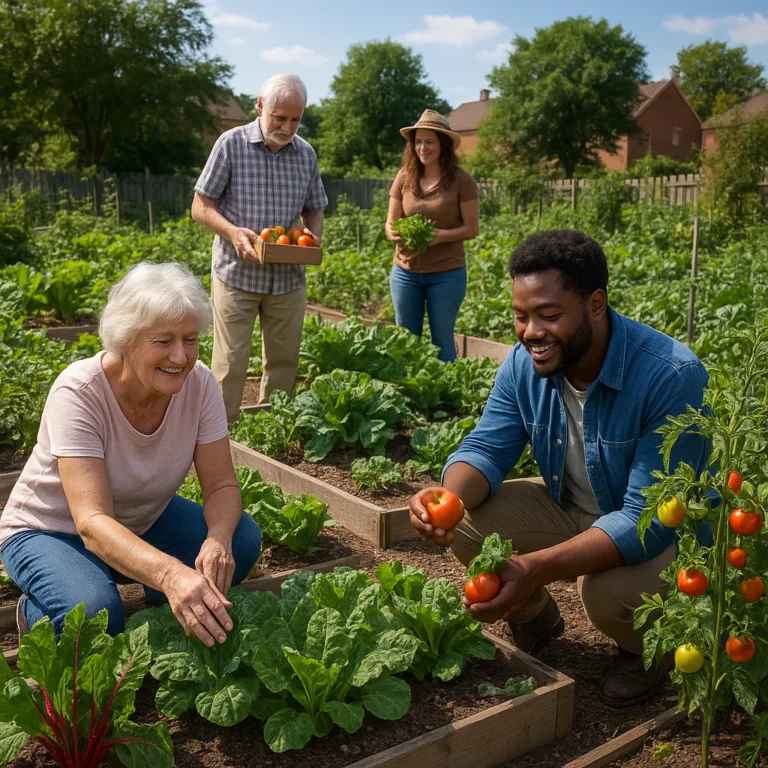
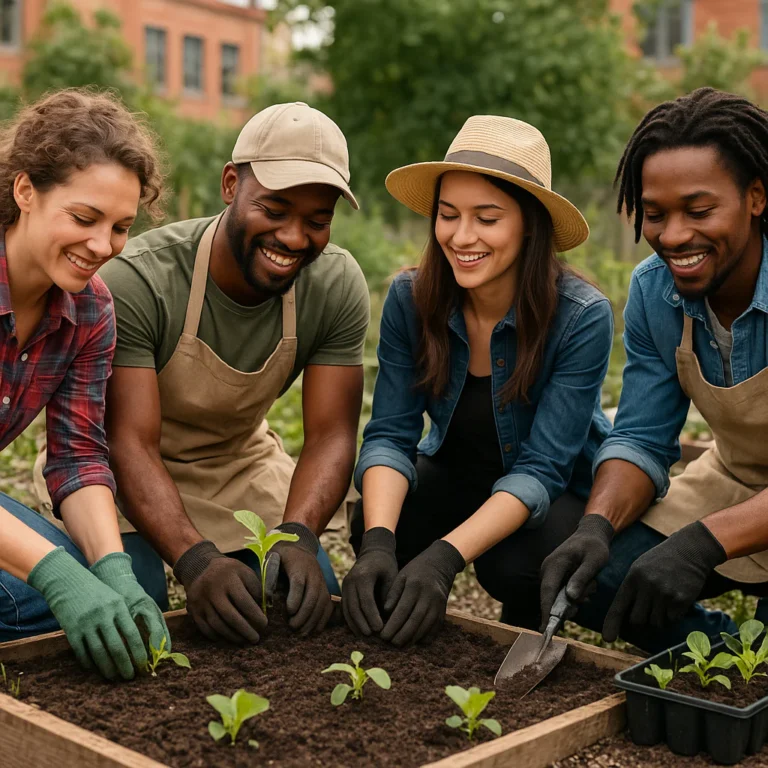
Imagine turning a vacant lot in your neighborhood into a vibrant oasis bursting with fresh tomatoes, buzzing pollinators, and neighbors sharing stories over homegrown basil pesto. That’s the magic of local food systems and community gardens—a grassroots revolution reshaping how we eat, connect, and care for our planet.
In this comprehensive guide, we’ll dig deep into the history, benefits, and practical steps to start or enhance your own community garden. From cutting-edge urban farming innovations to inspiring success stories from around the globe, you’ll discover why these green spaces are more than just patches of dirt—they’re powerful engines of social change, environmental resilience, and economic opportunity. Plus, we’ll share expert tips on tools, techniques, and community engagement strategies that can help your garden thrive.
Did you know that community gardens can reduce neighborhood crime and improve mental health, all while boosting local economies? Stick around to uncover these surprising benefits and learn how you can become part of this growing movement.
Key Takeaways
- Local food systems connect communities to fresh, nutritious food while reducing environmental impact and supporting local economies.
- Community gardens foster social cohesion, improve public health, and empower residents through shared stewardship.
- Starting a thriving community garden involves careful planning, securing land, engaging diverse stakeholders, and sustainable gardening practices.
- Innovations like vertical gardens and smart irrigation are expanding the possibilities for urban agriculture.
- Overcoming challenges such as land access and funding requires collaboration, advocacy, and community spirit.
Ready to grow your own green legacy? Let’s get started!
Table of Contents
- ⚡️ Quick Tips and Facts About Local Food Systems and Community Gardens
- 🌱 The Roots: Understanding the History and Evolution of Local Food Systems and Community Gardens
- 🌍 What Are Local Food Systems? Exploring Their Role in Sustainable Communities
- 🏡 Community Gardens 101: How They Work and Why They Matter
- 🍅 13 Benefits of Local Food Systems and Community Gardens You Can’t Ignore
- 🌿 Growing Together: How to Start and Maintain a Thriving Community Garden
- 🛠️ Tools, Tips, and Techniques: Gardening Gear and Best Practices for Local Food Success
- 🤝 Building Community: Social and Economic Impacts of Local Food Systems
- 🌦️ Climate and Environmental Benefits: Why Local Gardens Are Green Heroes
- 📈 Scaling Up: How Local Food Systems Can Influence Urban Planning and Policy
- 🍽️ From Garden to Table: Connecting Local Food Systems with Nutrition and Health
- 💡 Innovative Models: Urban Farming, Vertical Gardens, and Tech in Local Food Systems
- 🌟 Success Stories: Inspiring Community Gardens and Local Food Projects Around the World
- 🚧 Challenges and Solutions: Overcoming Obstacles in Local Food Systems and Community Gardens
- 🔍 How to Measure the Impact of Your Local Food System or Community Garden
- 🎯 Tips for Engaging Your Community and Growing Participation
- 📚 Recommended Links for Deepening Your Knowledge
- ❓ Frequently Asked Questions (FAQ) About Local Food Systems and Community Gardens
- 📖 Reference Links and Resources
- 🏁 Conclusion: Cultivating a Greener, Healthier Future Together
⚡️ Quick Tips and Facts About Local Food Systems and Community Gardens
Welcome to the lush world of local food systems and community gardens! At Community Gardening™, we’ve dug into the dirt, sweat under the sun, and tasted the fruits of these grassroots efforts—and boy, do we have some juicy tips and facts to share. Whether you’re a seasoned green thumb or just curious about growing your own veggies, here’s a quick harvest of essentials to get you started:
-
Local food systems are networks that connect food production, processing, distribution, and consumption within a specific geographic area, reducing the carbon footprint and boosting local economies. Learn more from ATTRA’s comprehensive guide.
-
Community gardens serve as vital hubs for fresh produce, education, and social cohesion. They’re not just about growing food—they’re about growing community. As one EPA initiative puts it, they “build food systems, improve equitable access to healthy food, create job opportunities, and enhance environmental protection efforts.” EPA Local Foods, Local Places.
-
Food deserts—areas with limited access to fresh, healthy food—can be tackled by community gardens, bringing nutritious options right to the neighborhood doorstep.
-
Community gardens increase access to fresh produce, empower residents, and provide educational platforms for sustainable farming practices. (Source: Taylor & Lovell, 2014)
-
Starting a community garden? Consider soil testing, securing land tenure, and involving diverse community members early on.
-
Tools of the trade: From ergonomic trowels like the Fiskars Softouch Garden Tool Set to raised bed kits from Greenes Fence, having the right gear makes gardening a breeze.
-
Did you know? Community gardens can reduce neighborhood crime rates by fostering social ties and pride in the local environment.
-
Gardening is a workout! It improves mental health, reduces stress, and connects you with nature’s rhythms.
Curious how all these pieces fit together? Stick around as we dig deeper into the roots and branches of local food systems and community gardens. 🌿
🌱 The Roots: Understanding the History and Evolution of Local Food Systems and Community Gardens

Let’s rewind the clock and trace the origins of local food systems and community gardens. Spoiler alert: they’re older than your grandma’s heirloom tomatoes!
Early Beginnings: From Victory Gardens to Urban Farms
-
Victory Gardens during World Wars I and II were early examples of community-driven food production, encouraging citizens to grow their own vegetables to support the war effort and ease food shortages.
-
Post-war urbanization led to a decline in local food production, but the 1970s environmental movement sparked renewed interest in urban agriculture and community gardening.
-
Today, community gardens are part of a broader local food movement emphasizing sustainability, food sovereignty, and resilience.
Evolution of Local Food Systems
-
The term “local food system” gained traction in the 1990s alongside growing concerns about industrial agriculture’s environmental and social impacts.
-
These systems prioritize short supply chains, connecting farmers directly with consumers via farmers markets, CSAs (Community Supported Agriculture), and community gardens.
-
The EPA’s Local Foods, Local Places initiative (since 2014) has helped over 125 communities revitalize neighborhoods through local food projects, showing how policy and grassroots efforts intertwine.
Why History Matters
Understanding this history helps us appreciate how local food systems and community gardens are not just trendy—they’re a return to roots that reconnects us with our food, our neighbors, and the earth.
Want to see how this plays out today? Check out our Community Gardening™ overview for modern stories and inspiration.
🌍 What Are Local Food Systems? Exploring Their Role in Sustainable Communities
You’ve heard the buzzword—local food system—but what exactly does it mean? Let’s unpack this green gem.
Defining Local Food Systems
A local food system is a collaborative network that connects sustainable food production, processing, distribution, consumption, and waste management within a specific geographic area. It’s about keeping food close to home, reducing environmental impact, and supporting local economies.
Key Components
-
Urban agriculture and community gardens: Growing food in cities and neighborhoods.
-
Farmers markets and food hubs: Places where local producers sell directly to consumers.
-
Farm-to-school and farm-to-institution programs: Bringing fresh local food into schools, hospitals, and other institutions.
-
Composting and waste reduction programs: Closing the loop on food waste.
Why Local Food Systems Matter
-
Environmental benefits: Reduced transportation means lower greenhouse gas emissions.
-
Economic benefits: Supports family farmers and local jobs.
-
Social benefits: Builds community connections and food security.
-
Nutritional benefits: Fresher food means more nutrients and better health outcomes.
Perspectives from the Field
Our team at Community Gardening™ has seen firsthand how local food systems transform neighborhoods. One of our gardeners, Maria, shares: “When we started our community garden, it wasn’t just about growing tomatoes—it was about growing trust and friendships.”
For a deep dive into these benefits, check out our Benefits of Community Gardens category.
🏡 Community Gardens 101: How They Work and Why They Matter
Community gardens are the beating heart of local food systems. But what makes them tick?
What Is a Community Garden?
A community garden is a shared space where people come together to grow fruits, vegetables, herbs, and flowers. They can be on vacant lots, rooftops, or even schoolyards.
Types of Community Gardens
-
Allotment gardens: Individual plots leased to gardeners.
-
Communal gardens: Shared plots tended by a group.
-
Educational gardens: Focused on teaching gardening and nutrition.
How Community Gardens Benefit You and Your Neighborhood
-
Access to fresh produce: Especially important in food deserts.
-
Community building: Gardens foster social ties and cultural exchange.
-
Environmental stewardship: Gardens improve urban biodiversity and reduce heat islands.
-
Health and wellness: Gardening promotes physical activity and mental health.
Getting Started: The Basics
-
Find a site: Look for accessible, sunny land with good soil.
-
Secure permissions: Work with local authorities or landowners.
-
Organize your group: Form a committee to manage the garden.
-
Plan your garden: Decide what to grow and how to share responsibilities.
-
Gather resources: Tools, seeds, soil amendments, and funding.
For detailed design ideas, visit our Garden Design Ideas section.
🍅 13 Benefits of Local Food Systems and Community Gardens You Can’t Ignore
Ready for a power-packed list? Here are 13 compelling benefits that make local food systems and community gardens absolute game changers:
| Benefit Number | Benefit Description | Why It Matters |
|---|---|---|
| 1 | Improved Food Security | Ensures access to fresh food in vulnerable areas. |
| 2 | Enhanced Nutrition | Fresher food retains more vitamins and minerals. |
| 3 | Economic Development | Supports local farmers and creates jobs. |
| 4 | Environmental Sustainability | Reduces food miles and carbon footprint. |
| 5 | Community Engagement and Empowerment | Builds social capital and pride. |
| 6 | Educational Opportunities | Teaches sustainable agriculture and healthy eating. |
| 7 | Mental and Physical Health Benefits | Gardening reduces stress and promotes exercise. |
| 8 | Biodiversity and Habitat Creation | Supports pollinators and urban wildlife. |
| 9 | Waste Reduction and Composting | Closes the nutrient loop and reduces landfill waste. |
| 10 | Cultural Preservation | Gardens celebrate diverse food traditions. |
| 11 | Resilience to Supply Chain Disruptions | Local systems buffer against global shocks. |
| 12 | Youth Engagement and Leadership | Involves young people in meaningful activities. |
| 13 | Beautification and Crime Reduction | Green spaces improve neighborhood safety and aesthetics. |
We’ve seen these benefits firsthand in our own community garden projects. One of our favorite stories is from a garden in East St. Louis, where youth leadership programs have transformed vacant lots into thriving food hubs, echoing the EPA’s success stories.
🌿 Growing Together: How to Start and Maintain a Thriving Community Garden
So, you’re ready to roll up your sleeves and get growing? Here’s your step-by-step guide to planting the seeds of success.
Step 1: Assemble Your Dream Team
-
Gather neighbors, local organizations, schools, and businesses.
-
Hold a kickoff meeting to share visions and assign roles.
Step 2: Secure Your Garden Site
-
Identify available land—vacant lots, parks, or schoolyards.
-
Work with local government or landowners to get permission.
-
Test soil for contaminants—especially in urban areas.
Step 3: Plan Your Garden Layout
-
Decide on plot sizes, pathways, compost areas, and tool storage.
-
Consider raised beds for better soil control and accessibility.
-
Incorporate native plants and pollinator-friendly flowers.
Step 4: Gather Resources and Funding
-
Seek grants from organizations like the USDA or local foundations.
-
Host fundraising events or partner with local businesses.
-
Collect donations of tools, seeds, and soil amendments.
Step 5: Plant and Maintain
-
Choose crops suited to your climate and season.
-
Rotate crops to maintain soil health.
-
Schedule regular workdays and community events.
-
Use sustainable practices: composting, rainwater harvesting, organic pest control.
Step 6: Celebrate and Share the Harvest
-
Organize potlucks, cooking demos, or farmer’s markets.
-
Share produce with food banks or neighbors in need.
Our gardener Tom recalls, “The first year was all about learning curves, but once we hit our stride, the garden became a neighborhood heartbeat.”
For more inspiration, check out our Community Garden Events page.
🛠️ Tools, Tips, and Techniques: Gardening Gear and Best Practices for Local Food Success
Let’s talk gear! The right tools and techniques can turn your garden from a patch of dirt into a flourishing oasis.
Essential Tools We Swear By
| Tool Name | Function | Rating (1-10) | Why We Love It |
|---|---|---|---|
| Fiskars Softouch Garden Tool Set | Ergonomic hand tools (trowel, cultivator, transplanter) | 9 | Comfortable grip, durable, versatile |
| Gardener’s Supply Company Raised Bed Kit | Easy-to-assemble raised beds | 8 | Great for soil control and accessibility |
| Drip Irrigation Kit by Rain Bird | Efficient watering system | 9 | Saves water and time |
| Johnny’s Selected Seeds | High-quality, organic seeds | 10 | Reliable germination and variety |
| Gardener’s Supply Compost Bin | On-site composting | 8 | Reduces waste and enriches soil |
Pro Tips from the Community Gardening™ Team
-
Start small: Don’t overwhelm yourself; a few raised beds or containers can be enough.
-
Use mulch: It conserves moisture, suppresses weeds, and improves soil.
-
Rotate crops annually: Prevents pests and nutrient depletion.
-
Incorporate companion planting: Like tomatoes with basil to improve growth and flavor.
-
Water wisely: Early morning watering reduces evaporation and disease risk.
Sustainable Techniques to Try
-
No-dig gardening: Preserves soil structure and reduces labor.
-
Vertical gardening: Maximizes space in urban settings.
-
Season extension: Use cold frames or row covers to grow longer.
Where to Shop
-
Amazon has a great selection of garden tools and seeds: Search for garden tools on Amazon
-
Gardener’s Supply Company offers innovative garden products: Gardener’s Supply Official Website
-
Johnny’s Selected Seeds is a favorite for organic seeds: Johnny’s Selected Seeds Official Website
👉 Shop Gardening Gear on:
🤝 Building Community: Social and Economic Impacts of Local Food Systems
Local food systems and community gardens are about more than just veggies—they’re about people power.
Social Benefits
-
Strengthening social ties: Gardens bring together diverse groups, fostering friendships and cultural exchange.
-
Empowerment and ownership: Residents gain control over their food sources and neighborhood spaces.
-
Youth engagement: Programs like the JJK Food, Agriculture, and Nutrition Innovation Center in East St. Louis empower young leaders.
-
Crime reduction: Green spaces encourage community pride and deter vandalism.
Economic Benefits
-
Job creation: From urban farming to farmers markets, local food systems generate employment.
-
Supporting local businesses: Farmers markets and co-ops keep money circulating locally.
-
Affordable fresh food: Reduces grocery bills and improves nutrition.
-
Revitalizing neighborhoods: Vacant lots transformed into gardens increase property values and attract investment.
Our own experience echoes the EPA’s findings: “Local Foods, Local Places is a great example of how federal and local partners can come together to support community efforts that build food systems, improve equitable access to healthy food, create job opportunities, and enhance environmental protection efforts.”
🌦️ Climate and Environmental Benefits: Why Local Gardens Are Green Heroes
If you care about the planet, local food systems and community gardens are your allies.
Reducing Carbon Footprint
-
Shorter food miles mean less fuel burned transporting food.
-
Less packaging waste compared to supermarket produce.
Enhancing Biodiversity
-
Gardens provide habitat for pollinators like bees and butterflies.
-
Native plants improve soil health and water retention.
Waste Reduction
-
Composting garden waste closes nutrient loops and reduces landfill methane emissions.
-
Food recovery programs connect surplus local food to those in need.
Climate Resilience
-
Urban gardens help mitigate heat islands by cooling neighborhoods.
-
Diverse crops increase resilience to pests and weather extremes.
Our gardener Sarah notes, “Every compost bin we add feels like a small victory against climate change.”
For more on environmental benefits, explore our Community Garden Policies section.
📈 Scaling Up: How Local Food Systems Can Influence Urban Planning and Policy
Local food systems are no longer just grassroots—they’re shaping cities and policies.
Urban Planning Integration
-
Cities are incorporating urban agriculture zones and community garden spaces into master plans.
-
Green infrastructure projects include gardens for stormwater management and heat reduction.
-
Transit-oriented food hubs improve access to fresh food.
Policy Support
-
Grants and technical assistance programs, like the EPA’s Local Foods, Local Places, help communities develop local food strategies.
-
Zoning reforms allow for farmers markets, urban farms, and food processing in more areas.
-
Policies support food sovereignty and equitable access.
Challenges and Opportunities
-
Land access and tenure remain hurdles.
-
Funding and long-term maintenance require community and governmental collaboration.
-
Success stories, like the Urban Agriculture Park in Las Vegas, showcase innovative models.
Our team recommends engaging local officials early and advocating for policies that support community gardening and local food systems.
🍽️ From Garden to Table: Connecting Local Food Systems with Nutrition and Health
Eating fresh from the garden isn’t just tasty—it’s transformative.
Nutritional Advantages
-
Fresher produce retains more nutrients than supermarket counterparts.
-
Diverse crops encourage balanced diets rich in vitamins and minerals.
Health Outcomes
-
Increased fruit and vegetable consumption reduces risk of chronic diseases.
-
Gardening promotes physical activity and mental well-being.
Educational Impact
-
School gardens teach children about nutrition and food origins.
-
Cooking demonstrations at community gardens encourage healthy eating habits.
Community Stories
Marcus Kar, an urban farmer featured in the #featured-video, shares how community gardens in North Minneapolis provide fresh produce and foster social well-being in food deserts.
💡 Innovative Models: Urban Farming, Vertical Gardens, and Tech in Local Food Systems
Innovation is sprouting everywhere in local food systems!
Urban Farming
-
Uses rooftops, vacant lots, and indoor spaces to grow food.
-
Examples: Hydroponics, aquaponics, and greenhouse farming.
Vertical Gardens
-
Maximize space by growing upwards.
-
Great for dense urban areas with limited land.
Technology Integration
-
Smart irrigation systems save water.
-
Apps connect consumers with local producers.
-
Data analytics optimize crop yields and pest management.
Success Stories
-
The Urban Agriculture Park in Las Vegas combines vertical farming, education, and retail co-op models.
-
Food hubs streamline distribution and marketing for small farmers.
Curious about how tech can boost your garden? Our Garden Design Ideas section has some cutting-edge inspiration.
🌟 Success Stories: Inspiring Community Gardens and Local Food Projects Around the World
Nothing motivates like a good success story! Here are a few shining examples:
-
International Garden of Many Colors (Sacramento, CA): A vibrant community garden that doubles as a cultural hub.
-
JJK Food, Agriculture, and Nutrition Innovation Center (East St. Louis, IL): Youth-led urban farm with demonstration kitchen and educational spaces.
-
Deep Roots Project (North Minneapolis, MN): Combines urban farming with art and community healing (featured in #featured-video).
-
Culebra, Puerto Rico: Organic composting and urban gardening to combat food insecurity post-hurricanes.
-
Norfolk, VA: Mobile farmers market converted from a transit bus, bringing fresh food and nutrition education to underserved areas.
These projects show how local food systems can be tailored to community needs and strengths.
🚧 Challenges and Solutions: Overcoming Obstacles in Local Food Systems and Community Gardens
Every garden faces weeds—literal and figurative. Here’s how to tackle common hurdles:
| Challenge | Description | Solutions |
|---|---|---|
| Land Access | Difficulty securing long-term garden sites | Partner with local government, use vacant lots, negotiate leases |
| Funding | Limited financial resources | Apply for grants, host fundraisers, seek donations |
| Soil Contamination | Urban soils may contain heavy metals or toxins | Conduct soil tests, use raised beds, add clean soil |
| Vandalism and Theft | Risk of damage or theft of tools and crops | Install fencing, build community watch, increase visibility |
| Community Engagement | Sustaining volunteer interest and participation | Host events, create leadership roles, communicate regularly |
| Policy Barriers | Zoning or regulations limiting gardening | Advocate for supportive policies, work with local officials |
Our experience shows that community involvement and partnerships are key to overcoming these challenges.
🔍 How to Measure the Impact of Your Local Food System or Community Garden
You’ve built your garden—now how do you know it’s making a difference?
Metrics to Track
-
Food production volume: Pounds of produce grown and distributed.
-
Participation rates: Number of active gardeners and volunteers.
-
Economic impact: Jobs created, money generated locally.
-
Environmental benefits: Soil health improvements, water saved, waste diverted.
-
Social outcomes: Surveys on community cohesion, health improvements.
Tools and Resources
-
Use simple spreadsheets or apps like Garden Manager or Veggie Garden Planner.
-
Partner with local universities or nonprofits for evaluation support.
-
Collect stories and testimonials to capture qualitative impact.
Why Measure?
-
Demonstrates value to funders and policymakers.
-
Identifies areas for improvement.
-
Celebrates successes with your community.
🎯 Tips for Engaging Your Community and Growing Participation
A garden thrives on people as much as plants. Here’s how to get your community involved:
-
Host fun events: Potlucks, workshops, and harvest festivals.
-
Create inclusive leadership: Encourage diverse voices and roles.
-
Communicate regularly: Newsletters, social media, and bulletin boards.
-
Partner with schools and organizations: Tap into existing networks.
-
Offer educational programs: Gardening classes, nutrition demos.
-
Celebrate milestones: Recognize volunteers and successes.
Remember Marcus Kar’s words from the #featured-video: “It’s not just the food, it’s the work itself.” Engaging your community means sharing that work—and the joy it brings.
📚 Recommended Links for Deepening Your Knowledge
Ready to dig deeper? Here are some top resources we recommend:
-
ATTRA Local Food Systems Guide — Comprehensive resource on building sustainable local food systems.
-
EPA Local Foods, Local Places — Federal initiative supporting local food projects.
-
Community Gardening™ Benefits of Community Gardens — Explore social, economic, and environmental benefits.
-
Johnny’s Selected Seeds — Trusted source for organic seeds.
-
Gardener’s Supply Company — Innovative gardening tools and supplies.
-
Urban Agriculture Network — Connect with urban farming initiatives worldwide.
❓ Frequently Asked Questions (FAQ) About Local Food Systems and Community Gardens

Q1: How much space do I need to start a community garden?
A: Even a small plot or a few raised beds can make a difference. Community gardens often start with as little as 500 square feet.
Q2: Can community gardens help with food insecurity?
A: ✅ Absolutely! They increase access to fresh produce, especially in underserved areas.
Q3: What crops grow best in community gardens?
A: Leafy greens, tomatoes, peppers, herbs, and root vegetables are popular and relatively easy to grow.
Q4: How do I get my local government to support a community garden?
A: Engage early, present benefits, and align with local policies on urban agriculture. Use success stories like those from the EPA’s Local Foods, Local Places program.
Q5: Are community gardens sustainable long-term?
A: ✅ Yes, with strong community engagement, proper planning, and ongoing support.
📖 Reference Links and Resources
-
Taylor, J.R., & Lovell, S.T. (2014). Urban home food gardens in the Global North: Research traditions and future directions. Local Environment, 19(2), 147-171. https://www.tandfonline.com/doi/abs/10.1080/13549839.2011.569537
-
ATTRA Sustainable Agriculture Program. (n.d.). Local Food Systems. https://attra.ncat.org/local-food-systems/
-
U.S. Environmental Protection Agency. (2023). EPA Commits to Helping 13 Communities Revitalize Neighborhoods Developing Local Food Systems. https://www.epa.gov/newsreleases/epa-commits-helping-13-communities-revitalize-neighborhoods-developing-local-food
-
Community Gardening™ Official Website. https://www.community-gardening.org/community-gardening/
Stay tuned for the conclusion where we wrap up this green journey and share how you can cultivate a greener, healthier future with us!
🏁 Conclusion: Cultivating a Greener, Healthier Future Together

Wow, what a journey through the vibrant world of local food systems and community gardens! From their rich history to the cutting-edge innovations shaping urban agriculture today, we’ve uncovered how these grassroots efforts are much more than just places to grow veggies—they’re powerful engines of community resilience, environmental stewardship, and social empowerment.
Remember Maria’s story about how her neighborhood garden blossomed into a hub of trust and friendship? That’s the magic of growing together. And as we saw, the benefits are undeniable: improved nutrition, economic uplift, climate action, and a stronger sense of belonging.
If you’ve been wondering how to start your own community garden or get involved, the steps are clear—assemble your team, secure your site, plan thoughtfully, and nurture both plants and people. Challenges like land access or funding? They’re real, but with community spirit and smart partnerships, they’re absolutely surmountable.
Our gardeners at Community Gardening™ wholeheartedly recommend embracing local food systems as a way to reconnect with your food, your neighbors, and the planet. Whether you’re planting your first tomato or launching a city-wide urban farm, every seed sown is a step toward a healthier, more sustainable future.
So, what are you waiting for? Let’s get growing! 🌱
📚 Recommended Links for Deepening Your Knowledge and Shopping
Ready to gear up and dive deeper? Here are some top picks for tools, seeds, and books to help you cultivate your green dreams:
Gardening Tools & Supplies
-
Fiskars Softouch Garden Tool Set:
Amazon | Gardener’s Supply Company -
Gardener’s Supply Company Raised Bed Kit:
Gardener’s Supply Company | Amazon -
Rain Bird Drip Irrigation Kit:
Amazon -
Johnny’s Selected Seeds (Organic Seeds):
Johnny’s Selected Seeds Official Website | Amazon -
Gardener’s Supply Compost Bin:
Gardener’s Supply Company | Amazon
Recommended Books
-
The Community Garden Handbook by Ben Raskin — A practical guide to starting and sustaining community gardens.
Amazon -
Urban Agriculture: Ideas and Designs for the New Food Revolution by David Tracey — Explores innovative urban farming techniques and success stories.
Amazon -
Carrots Love Tomatoes by Louise Riotte — Companion planting wisdom for healthy gardens.
Amazon -
The Vegetable Gardener’s Bible by Edward C. Smith — Comprehensive vegetable gardening resource.
Amazon
❓ Frequently Asked Questions (FAQ) About Local Food Systems and Community Gardens

How do local food systems benefit community health?
Local food systems improve community health by increasing access to fresh, nutritious produce, which is often lacking in food deserts. They encourage consumption of fruits and vegetables, reducing risks of chronic diseases such as diabetes and heart disease. Additionally, community gardens promote physical activity through gardening and enhance mental well-being by fostering social connections and reducing stress. Educational programs linked to local food systems also teach healthy eating habits, amplifying long-term health benefits.
What are the environmental impacts of community gardens?
Community gardens contribute positively to the environment by reducing the carbon footprint associated with long-distance food transportation. They enhance urban biodiversity by providing habitats for pollinators and other beneficial wildlife. Gardens improve soil health through organic practices and composting, reduce urban heat islands by increasing green cover, and help manage stormwater runoff. Moreover, they divert organic waste from landfills, lowering methane emissions. These environmental benefits collectively support urban sustainability and climate resilience.
How can community gardens support local food security?
Community gardens increase local food security by producing fresh, affordable food within neighborhoods, especially in underserved areas. They diversify food sources, reducing dependence on global supply chains vulnerable to disruption. Gardens empower residents to take ownership of their food supply, fostering resilience. They also serve as educational platforms, teaching skills in food production and preservation, which further strengthens food sovereignty.
What are the steps to start a community garden in my neighborhood?
Starting a community garden involves several key steps:
- Assemble a group of interested community members and stakeholders.
- Identify and secure a suitable site, ensuring access to sunlight and safe soil.
- Test the soil for contaminants, especially in urban areas.
- Develop a garden plan, including layout, crops, and management structure.
- Obtain permissions and permits from landowners or local authorities.
- Gather resources such as tools, seeds, and funding through grants or donations.
- Organize workdays and events to maintain the garden and build community.
- Establish governance to sustain the garden long-term.
Community Gardening™ offers detailed guides and support to help you through each step.
How do community gardens promote social connections and inclusivity?
Community gardens are vibrant social spaces where people from diverse backgrounds come together to collaborate, share knowledge, and celebrate cultural traditions. They foster inclusive participation by offering accessible gardening options, educational programs, and community events. Gardens often serve as safe spaces for marginalized groups, youth, and elders, promoting intergenerational learning and social cohesion. This sense of belonging strengthens neighborhood ties and collective action.
What role do local food systems play in sustainable urban development?
Local food systems are integral to sustainable urban development by integrating food production into city planning, reducing environmental impacts, and enhancing community well-being. They support green infrastructure, improve food access, create local jobs, and reduce waste. By promoting resilience against supply chain disruptions and climate change, local food systems contribute to healthier, more equitable, and vibrant urban environments.
How can schools integrate community gardening into their curriculum?
Schools can integrate community gardening by establishing on-site gardens that serve as living classrooms for science, nutrition, and environmental education. Gardening activities teach students about plant biology, ecology, and sustainability while promoting healthy eating habits. Partnerships with local farmers and organizations can enrich programs with workshops and farm-to-school initiatives. Community Gardening™ provides resources to help schools develop successful garden-based learning.
📖 Reference Links and Resources
-
Taylor, J.R., & Lovell, S.T. (2014). Urban home food gardens in the Global North: Research traditions and future directions. Local Environment, 19(2), 147-171. https://www.tandfonline.com/doi/abs/10.1080/13549839.2011.569537
-
ATTRA Sustainable Agriculture Program. Local Food Systems. https://attra.ncat.org/local-food-systems/
-
U.S. Environmental Protection Agency. EPA Commits to Helping 13 Communities Revitalize Neighborhoods Developing Local Food Systems. https://www.epa.gov/newsreleases/epa-commits-helping-13-communities-revitalize-neighborhoods-developing-local-food
-
Community Gardening™ Official Website. https://www.community-gardening.org/community-gardening/
Thanks for growing with us! Stay tuned for more tips, stories, and inspiration to cultivate your community garden and local food system dreams. 🌻