Support our educational content for free when you purchase through links on our site. Learn more


Ever wondered what it takes to turn a patch of dirt into a thriving community garden buzzing with life, laughter, and fresh veggies? Structuring a community garden is more than just dividing plots and planting seeds—it’s about building a vibrant ecosystem of people, plants, and purpose. Did you know that every $1 invested in a community garden can yield up to $6 worth of produce? That’s some serious green magic!
In this article, we’ll walk you through five essential steps to structure your community garden for long-term success—from choosing the perfect sunny spot and designing smart layouts to organizing governance and sourcing tools sustainably. Plus, we’ll share insider tips from our Community Gardening™ experts and inspiring stories that prove a well-structured garden can transform neighborhoods. Curious about how to handle tricky challenges like soil contamination or gardener dropouts? We’ve got you covered later on!
Key Takeaways
- Location matters: Secure land with good sunlight, water access, and safe soil to set your garden up for success.
- Design with purpose: Plan plots, paths, and communal spaces that balance individual needs and community spirit.
- Governance is key: Clear roles, rules, and communication keep your garden thriving and conflict-free.
- Resource smart: Use durable tools from trusted brands like Fiskars and Gorilla Carts, and tap into local donations and grants.
- Grow together: Engage your community with events, workshops, and shared responsibilities to build lasting connections.
Ready to get your hands dirty and grow something amazing? Let’s dive in!
Table of Contents
- ⚡️ Quick Tips and Facts About Structuring a Community Garden
- 🌱 The Roots: Understanding the History and Evolution of Community Gardens
- 🌿 Why Community Gardens Matter: Exploring the Benefits for Neighborhoods and Individuals
- 🌻 Types of Community Gardens: Which One Fits Your Neighborhood Best?
- 🛠️ How to Start a Community Garden: Step-by-Step Guide to Planning and Launching
- 1. Selecting the Perfect Location: Soil, Sunlight, and Accessibility
- 2. Designing the Garden Layout: Beds, Paths, and Communal Spaces
- 3. Organizing Governance: Roles, Rules, and Community Involvement
- 4. Sourcing Materials and Tools: Sustainable and Budget-Friendly Options
- 5. Plant Selection and Crop Planning: What to Grow and When
- 🌧️ Weathering the Storm: Potential Challenges and Smart Solutions
- 🤝 Building Community Spirit: Events, Workshops, and Engagement Strategies
- 🌎 Environmental Impact: How Community Gardens Promote Sustainability
- 📊 Tracking Success: Metrics and Tools to Measure Your Garden’s Impact
- 📚 Expert Insights and Case Studies: Learning from Successful Community Gardens
- 🧰 Appendices: Templates, Checklists, and Resources for Gardeners
- 🔗 Recommended Links for Community Garden Enthusiasts
- ❓ Frequently Asked Questions About Structuring Community Gardens
- 📖 Reference Links and Further Reading
- 🎉 Conclusion: Growing Together for a Greener Tomorrow
Howdy, green thumbs and welcome back to the Community Gardening™ blog! We’re your friendly neighborhood gardeners, and today we’re digging into a big topic: How do you structure a community garden? It sounds like a simple question, but oh boy, it’s like asking how to build a house. There are a million ways to do it, but a solid foundation and a good blueprint are non-negotiable.
Whether you’re turning a forgotten vacant lot into a vibrant oasis or organizing a few neighbors to grow together, the structure is what separates a thriving, long-lasting garden from a patch of ambitious weeds. We’ve seen it all, from gardens that fizzled out after one season to those that have become the beating heart of their neighborhood for decades. What’s the secret sauce? Let’s get our hands dirty and find out!
⚡️ Quick Tips and Facts About Structuring a Community Garden
Pressed for time? Here’s the dirt, distilled. Structuring a community garden is all about people, planning, and plots. Get these right, and you’re halfway to a bountiful harvest.
| Quick Fact 🧑🌾 | The Nitty-Gritty Details 📝 – |
|---|---|
| Economic Impact 💰 | Every $1 invested in a community garden can yield an estimated $6 worth of produce. Plus, the presence of a garden can increase surrounding property values by up to 9.4% within five years. – |
| Food Production 🥕 | An average community garden can produce about 20.4 servings of fresh produce per 11 square feet. This significantly boosts access to fresh food, with community gardeners eating 37.5% more fruits and veggies than non-gardeners. – |
| Community & Health ❤️ | Community gardens can slash household food security worries by a staggering 90%. They also foster social connections, reduce feelings of depression, and provide a great source of physical activity. – |
| Getting Started 🚀 | A strong start requires a core group of 3-5 committed individuals or about five families. This planning committee is the backbone of the entire project, responsible for everything from finding land to setting rules. – |
🌱 The Roots: Understanding the History and Evolution of Community Gardens
Community gardens aren’t a newfangled hipster trend; they have deep roots in history, often sprouting during times of economic hardship and social change. The movement in the United States kicked off in the 1890s when cities like Detroit converted vacant lots into gardens to help families struggling through a recession.
This idea blossomed during the World Wars with the famous “Victory Gardens,” which at their peak produced up to 40% of the fresh vegetables consumed in the U.S.! Talk about a powerful grassroots movement. The 1970s saw another resurgence, this time driven by environmental consciousness and a desire to reclaim neglected urban spaces. Groups like the Green Guerillas in New York City started by tossing “seed bombs” into derelict lots, a rebellious act of beautification that sparked a nationwide movement.
Today, community gardens are more popular than ever, recognized for their power to build community, promote health, and create sustainable green spaces in our concrete jungles.
🌿 Why Community Gardens Matter: Exploring the Benefits for Neighborhoods and Individuals
So, why all the fuss? What makes a shared patch of dirt so special? At Community Gardening™, we believe the Benefits of Community Gardens are as diverse as the plants we grow.
- Health & Nutrition Boost: It’s simple: when you grow your own food, you eat better. Studies show that community gardeners and their families eat significantly more fruits and vegetables. This access to fresh, affordable produce is especially crucial in “food deserts” where grocery stores are scarce.
- Social Connection: Gardens are natural gathering places. They bring together people of all ages and backgrounds, fostering friendships and a stronger sense of community. We’ve seen lifelong friendships start over a shared love for tomatoes!
- Environmental Wins: Community gardens are little ecological powerhouses. They improve air and soil quality, reduce food miles to zero, create habitats for pollinators, and help manage stormwater runoff. Many gardens also champion sustainable practices like composting, turning neighborhood waste into black gold.
- Economic Perks: Beyond saving money on groceries, community gardens can boost the local economy. They can increase nearby property values and even provide entrepreneurial opportunities for folks to sell their produce at local markets.
- Mental Well-being: There’s something deeply therapeutic about digging in the dirt. Gardening is a proven stress-reducer, and turning a neglected space into something beautiful and productive can reduce feelings of depression and make neighborhoods safer.
🌻 Types of Community Gardens: Which One Fits Your Neighborhood Best?
Not all community gardens are structured the same way. The model you choose will depend on your community’s goals, space, and resources. Here are the most common types, as outlined by experts like the NC State Extension.
| Garden Type | Description | Best For… – |
|---|---|---|
| Plot Gardens | The classic model. A larger piece of land is divided into individual plots (typically 100-500 sq. ft.) that are rented to individuals or families. Each gardener manages their own plot. | Neighborhoods where people want their own space to grow what they like. It fosters a sense of ownership and individual creativity. – |
| Cooperative Gardens | The entire garden is managed as one large plot by all members. Everyone works together, and the harvest is shared among the participants or donated. | Groups with a strong collective spirit, like faith communities or service organizations. It’s great for large-scale donations to food banks. – |
| Youth & School Gardens | Located at schools, these gardens serve as outdoor classrooms for teaching science, nutrition, and responsibility. | Educational settings where kids can get hands-on experience with nature and learn where their food comes from. – |
| Entrepreneurial Gardens | These gardens focus on growing produce to sell at local markets or to restaurants, teaching business skills along the way. | Communities looking to create economic opportunities and job training, especially for youth and adults. – |
| Therapeutic Gardens | Designed to be accessible and used for horticulture therapy to improve well-being in places like hospitals or nursing homes. | Healthcare and assisted living facilities. The focus is on the healing power of gardening, both physically and mentally. – |
🛠️ How to Start a Community Garden: Step-by-Step Guide to Planning and Launching
Alright, let’s get down to the brass tacks. Starting a garden from scratch is a big project, but don’t be intimidated! We’ll walk you through it. As the University of Minnesota Extension puts it, “The most important step is to simply start.”
1. Selecting the Perfect Location: Soil, Sunlight, and Accessibility
Your garden’s success hinges on its location. You can’t just plop it down anywhere.
- Sunlight: Veggies need at least 6-8 hours of direct sunlight per day. Scout potential spots at different times of the day to see how the sun moves.
- Water Access: This is a non-negotiable. You need a reliable and affordable water source. Hauling water is a quick way to burn out volunteers. Check for existing spigots or the feasibility of installing one.
- Soil Quality: Don’t just assume the dirt is good to go! It’s crucial to test your soil for nutrient levels and, more importantly, for contaminants like lead, especially in urban areas. Previous land use can leave behind nasty surprises. If the soil is contaminated or you’re on a paved lot, raised beds are your best friend.
- Land Tenure: “Securing land is often one of the biggest hurdles,” notes the University of Minnesota Extension. Find out who owns the land and negotiate a lease or written agreement for at least 3-5 years. This gives your garden security to put down roots, literally.
2. Designing the Garden Layout: Beds, Paths, and Communal Spaces
Now for the fun part: designing your green haven! A good design is both functional and beautiful. Check out our Garden Design Ideas for inspiration.
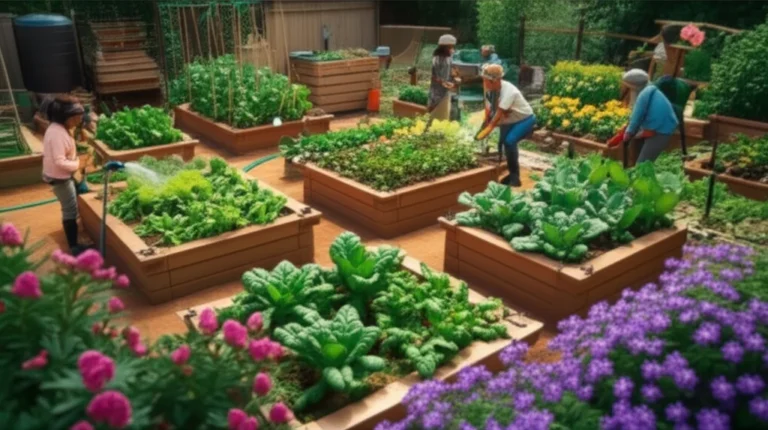
- Plots and Beds: Decide on the size of your plots. Raised beds should be no more than 4 feet wide so you can reach the middle from either side. In-ground plots can range from 100 to 400 square feet.
- Pathways: Don’t skimp on path width! They should be at least 3-4 feet wide to allow for wheelbarrows and easy movement.
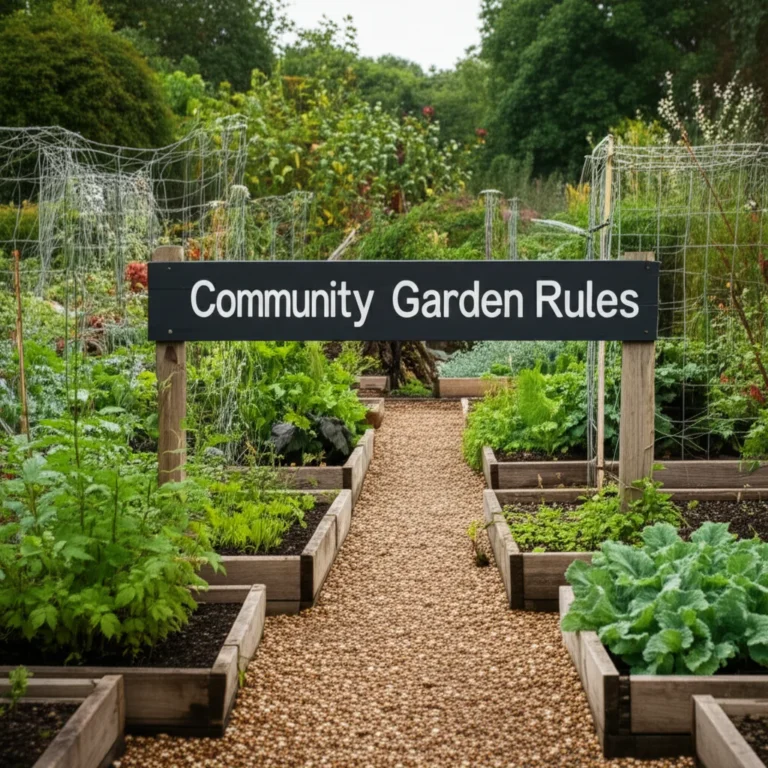
- Communal Areas: Plan for shared spaces from the start. This includes a tool shed, a composting area, a seating area for socializing, and a bulletin board for communication.
- Advanced Techniques: For those looking to level up, consider permaculture techniques. As shown in the featured video about the Tony Lenzo Lynbrook Community Gardens, methods like sheet mulching (layering cardboard and organic matter) and hugelkultur (building beds on top of rotting wood) can create incredibly fertile, low-water beds over time. The gardener in the video wisely used existing “weeds” as a nitrogen-fixing cover crop, layering cardboard right on top to build the soil in place. This is a fantastic, sustainable approach!
3. Organizing Governance: Roles, Rules, and Community Involvement
This is the “structure” part of structuring a garden. A lack of clear rules and leadership is one of the biggest What Are the 11 Biggest Challenges of Community Gardens? 🪴 (2025).
- Form a Committee: You need a core team. The Alabama Cooperative Extension suggests a minimum of five interested families. This group will make key decisions and divide up tasks.
- Create Bylaws & Rules: This is your garden’s constitution. It should be simple, clear, and created with input from all members. Key things to cover in your Community Garden Policies:
- ✅ Membership fees and what they cover.
- ✅ How plots are assigned and what happens if a plot is abandoned.
- ✅ Rules on watering, weeding, and common area maintenance.
- ✅ Policies on pesticide/herbicide use (many gardens choose to be organic).
- ✅ A process for resolving conflicts.
- Define Roles: Who’s in charge of what? Having a coordinator, a treasurer, and a communications lead can make things run much more smoothly.
4. Sourcing Materials and Tools: Sustainable and Budget-Friendly Options
Gardens need stuff! From soil and seeds to shovels and sheds. A basic garden can cost a few thousand dollars to start, but there are many ways to be resourceful.
- Budgeting & Fundraising: Create a detailed budget. Then, seek donations, apply for grants, or hold community fundraisers like bake sales or plant sales. Approach local businesses for sponsorships—many are happy to support a community cause.
- Tools: You don’t need top-of-the-line everything, but investing in a few quality, durable tools will pay off. We’re big fans of Fiskars for their ergonomic hand tools and DeWalt for reliable power tools if you’re doing a lot of building. A sturdy wheelbarrow like those from Gorilla Carts is a must-have.
- Sustainable Sourcing: Use recycled materials when you can! Wood pallets can be used to build compost bins. Ask local arborists for free wood chips for your paths.
👉 Shop Garden Essentials on:
- Fiskars Hand Tools: Amazon | Walmart
- DeWalt Power Tools: Amazon | Walmart
- Gorilla Carts Wheelbarrows: Amazon | Walmart
5. Plant Selection and Crop Planning: What to Grow and When
What will you grow in your beautiful new garden? The possibilities are endless!
- Choose Wisely: Select plants that are well-suited to your climate and sun conditions. It’s also fun to grow culturally relevant foods that might not be available in local stores. For a great selection of seeds, check out companies like Burpee or the heirloom varieties from Seed Savers Exchange.
- Plan Together: If you have communal plots, plan your crops together to ensure a diverse and continuous harvest. For individual plots, encourage gardeners to share their plans to avoid everyone growing 50 zucchini plants at once (we’ve all been there).
- Edible Education: Use the garden as a place to learn! Host workshops on what Edible Plants grow best in your area and when to plant them.
🌧️ Weathering the Storm: Potential Challenges and Smart Solutions
Even the best-laid garden plans can hit a snag. The key is to anticipate problems and have solutions ready. The NC State Extension provides a fantastic list of common issues and fixes.
- Problem: Gardener Drop-Out & Abandoned Plots 😥
- Solution: ✅ Have clear rules in your agreement about plot maintenance. Charge a small, refundable deposit to cover potential cleanup costs if a gardener ghosts you.
- Problem: Weeds Gone Wild 🌿
- Solution: ✅ Mulch, mulch, mulch! It’s the best way to suppress weeds. Schedule regular community workdays to tackle common areas together. Early intervention is key!
- Problem: Theft & Vandalism 😠
- Solution: ✅ Good signage identifying the garden as a neighborhood project can deter troublemakers. Some gardens plant a “help yourself” plot near the entrance. Fencing is a key element of success, and fostering good relationships with neighbors who can keep an eye out is invaluable.
- Problem: Arguments Between Gardeners 🗣️
- Solution: ✅ A clear set of rules and a proactive coordinator can prevent most disputes. Wide pathways and clearly marked plot boundaries also help keep the peace. If conflicts arise, have a simple mediation process in place.
🤝 Building Community Spirit: Events, Workshops, and Engagement Strategies
A garden is about more than just plants; it’s about people. Nurturing your community is just as important as watering your seedlings.
- Communicate, Communicate, Communicate: Keep everyone in the loop with a bulletin board, an email list, or a social media group. Good communication is the fertilizer for a strong community.
- Host Events: Don’t just work together—celebrate together! Host planting parties, mid-summer potlucks, and harvest festivals. These Community Garden Events are what turn neighbors into friends.
- Share Knowledge: Create a learning environment by hosting workshops. Invite local experts to teach about composting, pest control, or food preservation. This empowers your gardeners and builds their skills.
🌎 Environmental Impact: How Community Gardens Promote Sustainability
Community gardens are powerful tools for positive environmental change, transforming urban landscapes one plot at a time.
- Boosting Biodiversity: By planting a variety of flowers, herbs, and vegetables, gardens create vital habitats for pollinators like bees and butterflies and other beneficial insects.
- Improving Air and Soil Quality: Plants are natural air purifiers, absorbing carbon dioxide and pollutants. The act of gardening itself, especially when using organic methods and compost, revitalizes depleted urban soil.
- Water Conservation: Gardens can help reduce stormwater runoff by allowing rain to soak into the ground instead of overwhelming sewer systems. Many gardens also use water-wise techniques like rainwater harvesting with barrels.
- Reducing Food Miles: The ultimate “farm-to-table” experience is walking a few feet to harvest your dinner. This drastically cuts down on the carbon footprint associated with transporting food long distances.
📊 Tracking Success: How to Measure Your Garden’s Impact
How do you know if your garden is truly successful? Success isn’t just about the size of your tomatoes. While the simplest measure is sustainability—is the garden still thriving years later?—there are other ways to track your impact.
- Tangible Metrics:
- Harvest Weight: Weighing the produce you grow can be a powerful way to show funders and politicians the value of your garden.
- Volunteer Hours: Track the time community members contribute. This demonstrates engagement and the collective effort invested.
- Number of Participants: Keep a running list of members and people on your waitlist.
- Intangible Metrics:
- Community Feedback: Collect stories and testimonials from gardeners. How has the garden impacted their lives?
- Social Events: The number of people attending your potlucks and workshops is a great indicator of community spirit.
- Aesthetics: A beautiful, well-maintained garden that transforms a formerly blighted lot is a success story in itself.
There are even comprehensive resources like the Farming Concrete toolkit that provide user-friendly methods and online tools to help you track everything from food production to the number of good moods your garden inspires.
📚 Expert Insights and Case Studies: Learning from Successful Community Gardens
We can learn a lot by looking at gardens that have flourished. Across the country, from Philadelphia’s extensive network supported by the Pennsylvania Horticultural Society to Detroit’s Michigan Urban Farming Initiative that produces 20,000 pounds of produce annually, the stories are inspiring.
A key takeaway from a Philadelphia case study is the power of partnerships. Successful gardens often collaborate with local government, non-profits, and businesses.
A Story from Our Community: We once helped a group in a dense urban neighborhood that was struggling with an abandoned, trash-filled lot. The core group of five neighbors was passionate but overwhelmed. By following these steps—forming a committee, securing a lease from the city for $1 a year, and getting a local hardware store to donate lumber for raised beds—they transformed the space. The first year, they only built ten beds. But the visible change inspired more neighbors to join. Five years later, the “Phoenix Garden” has 50 plots, a waiting list, a beautiful mural on the adjacent wall, and hosts a weekly “salad social” all summer long. It’s a testament to starting small, building momentum, and focusing on community.
🧰 Appendices: Templates, Checklists, and Resources for Gardeners
To give you a running start, a full guide should include helpful templates and checklists. Look for resources online that provide:
- Sample Bylaws and Gardener Agreements: No need to reinvent the wheel! Adapt existing templates to fit your garden’s needs.
- Garden Layout Grid Paper: For sketching out your design ideas.
- Budgeting Worksheets: To help you plan your startup costs and ongoing expenses.
- New Member Welcome Packet: A friendly guide to help new gardeners get acquainted with the rules and culture of your garden.
🔗 Recommended Links for Community Garden Enthusiasts
- American Community Gardening Association (ACGA): An incredible resource for finding gardens, getting advice, and connecting with the national movement.
- Your Local University Extension Office: These offices provide localized, research-based gardening advice, soil testing services, and often have Master Gardener programs.
- Seed Savers Exchange: A non-profit dedicated to preserving heirloom seeds, offering a fantastic catalog for unique and historic plant varieties.
❓ Frequently Asked Questions About Structuring Community Gardens
1. How much does it cost to start a community garden?
Costs can vary widely, but a basic garden can range from $2,500 to $7,500 for things like tools, soil, lumber for raised beds, and water access. However, with community donations and resourceful sourcing, it can be done for much less.
2. What’s the biggest challenge for community gardens?
Securing long-term access to land is often the biggest hurdle. Beyond that, maintaining volunteer participation and managing interpersonal dynamics are common challenges.
3. Do I need to be an expert gardener to start one?
Absolutely not! You just need to be a good organizer and passionate about bringing people together. A successful garden needs people with diverse skills, including organizers, fundraisers, and communicators, not just green thumbs.
4. How are plots typically assigned?
This is up to the garden’s rules. Some use a first-come, first-served basis, while others might use a lottery system or prioritize residents based on proximity or need. Many gardens maintain a waitlist.
5. What if the soil on our site is contaminated?
If soil tests show contamination, the safest and most effective solution is to build raised beds at least 12-24 inches deep and fill them with clean, imported topsoil and compost. This creates a safe barrier between your plants and the contaminated ground.
📖 Reference Links and Further Reading
For those who want to dig even deeper, we highly recommend these comprehensive guides that we’ve referenced throughout our article:
- How to Organize a Community Garden – NC State Extension Publications
- A Guide to Starting a Community Garden – Alabama Cooperative Extension System
- 7 Effective Steps to Start a Community Garden – University of Minnesota
🎉 Conclusion: Growing Together for a Greener Tomorrow

Well, there you have it — the full scoop on how to structure a community garden that not only grows plants but also grows friendships, skills, and community spirit. From securing that perfect sunny patch of earth to organizing your team and setting clear rules, every step is a seed planted toward a thriving, sustainable garden.
Remember, the magic ingredient is people. A garden designed with the community, not for the community, is the one that flourishes season after season. Whether you’re dreaming of individual plots bursting with heirloom tomatoes or a cooperative garden feeding your local food bank, the key is clear structure, open communication, and shared commitment.
And about those lingering questions — like how to handle abandoned plots or what to do if the soil is contaminated? Raised beds and clear agreements are your trusty tools. Conflicts? Transparent bylaws and a proactive coordinator will keep things growing smoothly.
At Community Gardening™, we’ve seen firsthand how a well-structured garden becomes a neighborhood’s pride and joy. So, grab your gloves, rally your neighbors, and start planting the seeds of a greener, healthier, and happier community today!
🔗 Recommended Links for Community Garden Enthusiasts
Ready to gear up? Here are some of our favorite trusted brands and resources to get you started:
-
Burpee Seeds:
Amazon | Burpee Official Website -
Seed Savers Exchange:
Seed Savers Official Website -
Recommended Books on Community Gardening:
❓ Frequently Asked Questions About Structuring Community Gardens
What are the key steps to planning a successful community garden?
Planning a successful community garden involves several critical steps:
- Form a Core Group: Gather 3-5 committed individuals or families who are passionate and ready to lead. This group will be responsible for decision-making and organizing.
- Define Vision and Goals: Clarify what you want the garden to achieve—whether it’s food production, education, beautification, or social connection.
- Secure Land: Identify a suitable site with adequate sunlight, water access, and safe soil. Negotiate a lease or agreement for long-term use.
- Develop Governance: Create bylaws and rules that cover membership, plot assignments, maintenance responsibilities, and conflict resolution.
- Design the Layout: Plan plots, pathways, communal areas, and infrastructure like tool sheds and compost bins.
- Source Materials and Funding: Budget carefully and seek donations, grants, or fundraising opportunities.
- Recruit Gardeners and Launch: Advertise, assign plots, and organize initial workdays to prepare the site.
Each step builds on the last, creating a solid foundation for a thriving garden.
How can you involve local residents in community garden planning?
Involving local residents is essential for buy-in and sustainability:
- Host Community Meetings: Invite neighbors early to share ideas and voice concerns. This fosters ownership and ensures the garden meets local needs.
- Conduct Surveys: Use simple questionnaires to gauge interest, preferred garden types, and volunteer availability.
- Create Inclusive Committees: Ensure diverse representation in your planning team, including different ages, backgrounds, and abilities.
- Communicate Transparently: Use flyers, social media, and local bulletin boards to keep everyone informed.
- Offer Volunteer Opportunities: From design to planting to events, provide multiple ways for residents to contribute.
- Celebrate Together: Organize social events that build relationships beyond gardening tasks.
This approach turns a garden from a project into a community movement.
What materials and tools are essential for starting a community garden?
Essential materials and tools include:
- Raised Bed Materials: Lumber or recycled pallets for building beds, especially if soil quality is poor.
- Soil and Compost: Quality topsoil and compost to enrich planting areas.
- Basic Hand Tools: Shovels, hoes, rakes, trowels, pruning shears. We recommend ergonomic tools like those from Fiskars.
- Watering Equipment: Hoses, watering cans, and possibly drip irrigation systems.
- Wheelbarrows: For transporting soil, compost, and tools; Gorilla Carts are a durable choice.
- Storage Solutions: A locked tool shed or container to secure communal tools.
- Pathway Materials: Mulch, gravel, or wood chips to create accessible walkways.
- Signage and Communication Boards: To display rules, schedules, and announcements.
Starting with quality, durable tools helps reduce frustration and keeps gardeners motivated.
How do you organize maintenance and responsibilities in a community garden?
Clear organization is the backbone of garden maintenance:
- Establish Roles: Assign coordinators for watering, weeding, tool maintenance, and composting.
- Create a Maintenance Schedule: Use calendars or sign-up sheets for regular group workdays.
- Set Expectations: Include plot upkeep requirements in gardener agreements or bylaws.
- Encourage Shared Responsibility: Communal areas should have designated caretakers or rotate duties among members.
- Conflict Resolution: Have a simple process for addressing issues promptly.
- Celebrate Contributions: Recognize volunteers’ efforts to keep morale high.
This structure ensures the garden stays healthy and that no one burns out.
📖 Reference Links and Further Reading
- How to Organize a Community Garden – NC State Extension
- A Guide to Starting a Community Garden – Alabama Cooperative Extension System
- 7 Effective Steps to Start a Community Garden – University of Minnesota
- American Community Gardening Association (ACGA)
- Seed Savers Exchange
- Fiskars Official Website
- DeWalt Official Website
- Gorilla Carts Official Website
Happy gardening, and remember: together, we grow stronger! 🌿🌻🌎