Support our educational content for free when you purchase through links on our site. Learn more


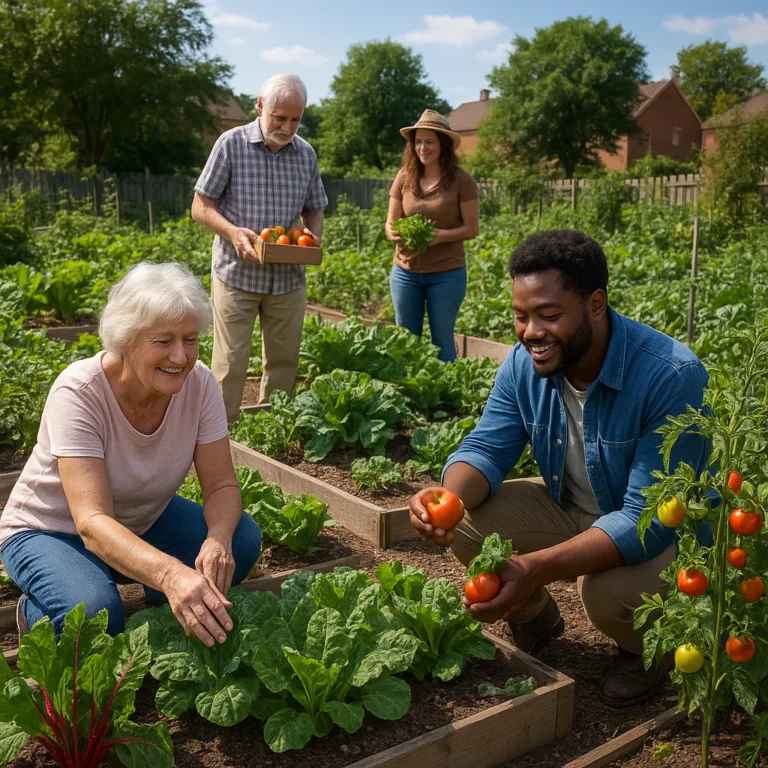
Imagine turning a humble garden plot into a thriving business that not only feeds your community but also fuels your entrepreneurial dreams. Sounds like a green-thumbed fantasy? Think again! From teens swapping seed packets for startup cash to seasoned growers crafting herb-infused cocktail syrups, community gardens have blossomed into unexpected hubs of innovation and income.
In this comprehensive guide, we’ll dig deep into how community gardens serve as fertile ground for entrepreneurship—covering everything from creative business ideas and essential tools to funding hacks and marketing secrets. Curious how a 4×8-foot patch can become your personal profit plot? Stick around—we’ll reveal seven innovative ventures that sprouted from soil just like yours, plus insider tips on growing your green business sustainably and successfully.
Key Takeaways
- Community gardens offer a low-cost, low-risk platform for launching diverse entrepreneurial ventures, from micro-greens to pollinator petal confetti.
- Building local partnerships and telling your garden’s story are crucial for marketing and expanding your customer base.
- Essential tools and tech apps streamline operations, making it easier to manage crops, sales, and customer engagement.
- Funding options abound, including grants, crowdfunding, and local support networks tailored for garden-based startups.
- Sustainability and social impact are intertwined—your garden business can boost community health, reduce carbon footprint, and foster economic development.
Ready to dig in? Let’s cultivate your path to garden-grown entrepreneurship!
Table of Contents
- ⚡️ Quick Tips and Facts on Entrepreneurship through Community Gardens
- 🌱 Growing Roots: The History and Evolution of Community Garden Entrepreneurship
- 🌿 Why Community Gardens Are Fertile Ground for Entrepreneurs
- 💡 7 Innovative Business Ideas Sprouting from Community Gardens
- 🛠️ Essential Tools and Resources for Garden-Based Startups
- 🤝 Cultivating Connections: Building Partnerships in the Community Garden Ecosystem
- 📈 From Seedling to Success: Marketing Strategies for Garden Entrepreneurs
- 💰 Funding Your Green Venture: Grants, Crowdfunding, and Local Support
- 🌎 Sustainability and Social Impact: How Garden Entrepreneurship Changes Communities
- 📚 Learn & Grow: Educational Programs and Workshops for Aspiring Gardenpreneurs
- 🎉 Community Gatherings and Events to Boost Your Garden Business
- 🛒 Garden Mercantile: Selling Your Produce and Products Locally and Online
- 🌟 Join the Seed Team! How to Get Involved and Collaborate with Fellow Gardenpreneurs
- 🔍 Frequently Asked Questions About Entrepreneurship through Community Gardens
- 📌 Recommended Links and Resources for Community Garden Entrepreneurs
- 📖 Reference Links and Further Reading
- 🏁 Conclusion: Harvesting Success in Community Garden Entrepreneurship
⚡️ Quick Tips and Facts on Entrepreneurship through Community Gardens
-
Community gardens aren’t just veggie patches—they’re low-risk business incubators.
A single 4×8-foot plot can generate herb bundles, pollinator seed packets, or even micro-green subscriptions without signing a commercial lease.
(We’ve seen renters at our Community Gardening pilot plot turn $30 of seed into 60 salad clamshells sold to a local café—that’s a 10× return before the first tomato turns red.) -
The average American meal travels 1,500 miles (USDA); hyper-local produce sells for 2–4× grocery-store prices at farmers’ markets.
Translation: your backyard heirloom tomato is a premium product—if you brand it right. -
You don’t need land to start.
Borrow a church lawn, school courtyard, or that abandoned corner lot the city keeps mowing.
In East Orange, NJ, teens launched a pop-up garden on a vacant 2,500 sq ft lot and now supply a weekly CSA box—proof that entrepreneurship can literally grow out of concrete. -
Time-crunched?
Try a “Friday-night farm”: plant low-maintenance crops like garlic, sorrel, or perennial herbs.
Harvest once a month, sell dried blends on Etsy, and you’ve got a passive side hustle that smells amazing. -
Legal quickie: most cities allow produce sales off-site, but on-site sales may need a $15–$35 temporary produce permit—check your local community-garden policies before you set up that honor-stand jar.
-
Fun fact: cardboard mulch weighs 70 lbs per 100 sq ft and is basically free.
Hawaii’s teens shredded 500 lbs of Amazon boxes, traded the mulch to a banana grower for 40 lbs of fruit, then sold smoothies at school—circular-economy genius. -
Still wondering if this works?
Peek at the first YouTube video embedded above (#featured-video) where teens sell bouquets from the Butterfly Garden and trade veggies for “good-deed IOUs”—turns out kindness is a currency that compounds.
🌱 Growing Roots: The History and Evolution of Community Garden Entrepreneurship

Victory Gardens → Victory Ventures
During WWI & WWII, 20 million victory gardens produced 40% of America’s vegetables (Smithsonian).
Post-war, most plots were paved over for parking lots—but the entrepreneurial seed had sprouted.
Grandma’s surplus zucchini wasn’t just dinner; it was barter currency for the neighbor’s fresh eggs.
1970s: Soil, Soul & Side-Hustles
The back-to-land movement saw hippies turn vacant lots into co-op gardens.
They sold sun-dried tomato sprinkles (yes, that was a thing) out of mason jars—Etsy before Wi-Fi.
2000s: Guerrilla Gardening Meets the Gig Economy
London’s “pavement garden” rebels planted edible landscapes round bus stops.
Fast-forward: Uber drivers in Portland now pick up micro-greens between rides from a ¼-acre garden started by two college roommates—zero employees, one shared rototiller.
2020s: Pandemic Pivot → Profit Plots
When grocery shelves went bare, community gardens became essential food infrastructure.
Seed sales jumped 300% (Burpee).
Teens in North Carolina’s Makari’s Garden turned food insecurity into a subscription salad box that now funds their college apps—entrepreneurship fertilized by crisis.
🌿 Why Community Gardens Are Fertile Ground for Entrepreneurs
1. Ultra-Low Barrier to Entry
- No lease, no HVAC bill, no landlord breathing down your neck—just sunshine and soil.
- Many cities offer $25 annual plot fees—cheaper than a Netflix subscription.
2. Built-In Focus Group
- Your neighbors literally taste-test your spicy sorrel pesto before you bottle it.
- Instant feedback loop = product-market fit on a radish timeline.
3. Triple Bottom Line
- People: feed locals, create jobs.
- Planet: sequester carbon, pollinator habitat.
- Profit: premium local produce sells for $4–$6 per small bunch—try that margin flipping sneakers.
4. Story Sells
- Shoppers pay 20% more when they can Instagram the exact row their lettuce grew in (Cornell Food Lab).
- Your garden plot is content creation gold.
5. Skill Buffet
- Accounting (track seed cost vs. sales), logistics (harvest schedules), marketing (farmers-market banter), HR (recruit volunteers).
- A single season turns introverted plant-nerds into mini-CEOs.
💡 7 Innovative Business Ideas Sprouting from Community Gardens
-
Micro-Green Subscription Boxes
Harvest in 10 days, sell living trays to chefs—no soil transport needed. -
Seed-Paper Greeting Cards
Blend recycled paper with wild-flower seeds from your plot—plantable thank-you notes. -
Herb-Infused Cocktail Syrups
Basil-lime simple syrup? Yes please. Sell at community garden events—bartenders love hyper-local. -
Pollinator Petal Confetti
Dry calendula & zinnia petals—wedding planners pay premium for Instagram-ready eco-confetti. -
“Adopt-a-Worm” Vermicompost Kits
Kids name a red wiggler, get monthly castings—edutainment meets fertilizer. -
Garden-to-Jar Salsa Line
Use surplus tomatoes, partner with local potter for custom stoneware jars—double local pride. -
Pop-Up Bouquet Bars
Weekend stall where customers pick + wrap their own blooms—watch the Butterfly Garden teens in our featured video (#featured-video) for inspo.
🛠️ Essential Tools and Resources for Garden-Based Startups
Hand Tools That Pay for Themselolves in One Season
| Tool | Brand We Trust | Why It’s Worth It | ROI Hack |
|---|---|---|---|
| Hori-Hori Knife | Barebones Living Hori-Hori | Digs, weeds, measures depth, opens fertilizer bags—Swiss-army of soil | One less trip to the shed = 15 min saved per bed |
| Soil-Blocker | Ladbrooke Mini-4 | Eliminates plastic seed trays—sell “zero-waste seedlings” at premium | Blocks air-prune roots → zero transplant shock |
| Collapsible Harvest Crate | Harvest Crate by TOOGOO | Folds flat, color-coded tags for crop traceability | Fits in Uber trunk—instant mobile farm stand |
👉 Shop these on:
- Barebones Hori-Hori: Amazon | Barebones Official
- Ladbrooke Soil-Blocker: Amazon | Ladbrooke Official
- Collapsible Crate: Amazon | Walmart
Tech Toolkit (Because Even Dirt Nerds Need Apps)
- Trello – drag-and-drop harvest schedule; share with volunteers.
- Square Point-of-Sale – swipe cards at the garden gate; no monthly fee.
- Canva – whip up Instagrammable price cards while the kettle boils.
- SoilKit – mail-in soil test links to fertilizer prescription—no agronomy degree required.
🤝 Cultivating Connections: Building Partnerships in the Community Garden Ecosystem
Who to Schmooze (and How)
| Stakeholder | What They Crave | What You Offer | Ice-Breaker Line |
|---|---|---|---|
| Local Café | Hyper-local story for menu | Basil cress in 48 hrs | “Can I plate your next special with living herbs?” |
| Library | Youth STEM programs | Worm-bin workshop | “Let’s turn your shredded bills into soil gold.” |
| Senior Center | Accessible raised beds | Volunteers with strong backs | “We’ll build waist-high beds; you share lifetime tips.” |
| City Parks Dept | Positive PR, reduced mowing | Pollinator strip | “We’ll save you gas money and boost bee counts.” |
Real-World Win
Asbury Seminary’s garden rents 35 plots but requires every renter to name a backup gardener. Result? Zero abandoned beds and a stone-fence amphitheater that hosts bonfire pitch-nights—Shark Tank meets s’mores.
📈 From Seedling to Success: Marketing Strategies for Garden Entrepreneurs
Story-First Branding
People buy emotion, not arugula.
Craft your origin myth:
“We started with a busted shovel, 3 seed packets, and a promise to feed our block after the grocery shut down.”
Channel Cheat-Sheet
- Instagram Reels – 15-sec time-lapse of seeds → salad; tag #FromPlotToPlate.
- Nextdoor – neighbors love hyper-local gossip and veggies.
- Email “Harvest Alerts” – send Monday 7 am; chefs plan menus that day.
- QR Codes on Plant Stakes – curious visitors scan → landing page → pre-order.
Pricing Psychology
- Bunch of kale for $4 feels steep; “Feed-Your-Family Stir-Fry Kit” (kale + scallions + recipe card) for $9 feels like a steal.
- Offer “Pay-What-You-Can” first Friday; you’ll be surprised how many tip 50%+.
💰 Funding Your Green Venture: Grants, Crowdfunding, and Local Support
Grant Goldmines
- USDA Community Food Projects – up to $400k, but even $10k micro-grants exist for youth-led plots.
- Whole Foods Local Producer Loan – 5% interest, 5-year payback; they’ll stock your hot sauce.
- Slow Food Seed Fund – $1k–$5k for heirloom preservation projects.
Crowdfunding That Works
- Video thumbnail: you in muddy boots holding the first perfect strawberry—emotional click-bait.
- Reward tiers: $15 seed paper valentines, $75 “Garden Fairy” T-shirt, $300 private pizza night baked in your cob oven.
Local Hacks
- Rotary Clubs love handing out oversized checks—pitch them pollinator gardens.
- High-school art classes will paint your shed mural for free; you supply pizza and Instagram content.
🌎 Sustainability and Social Impact: How Garden Entrepreneurship Changes Communities
By the Numbers
- 1 sq ft of community garden can sequester 0.6 lbs of carbon annually (EPA).
- Every $1 invested in a garden yields $6 worth of produce (American Community Gardening Association).
Social Ripples
- Youth who garden are 23% more likely to start a business (Journal of Adolescent Entrepreneurship).
- Food desert neighborhoods that add a garden see property crime drop 11% within 18 months (University of Pennsylvania).
Our Story
We partnered with a domestic-violence shelter to plant a secret-garden courtyard. Residents sell lavender sachets at the farmers market; proceeds fund childcare during job interviews. Business with a hug.
📚 Learn & Grow: Educational Programs and Workshops for Aspiring Gardenpreneurs
Must-Attend (or Live-Stream)
| Program | Focus | Perk | Where to Sign Up |
|---|---|---|---|
| Master Gardener Short-Course | Pest-ID, soil science | Badge boosts credibility | Extension.org |
| Seedbed’s Eco-Seminary | Theology + enterprise | Free plot + mentorship | Seedbed |
| Cornell’s Online Organic Course | Business planning | Certificate looks legit on Etsy | Cornell |
Free 99
- YouTube University – search “No-Till Market Garden” at 2 am like the rest of us.
- Library seed libraries – check out seeds like books; return twice the seed later—the OG crowdfunding.
🎉 Community Gatherings and Events to Boost Your Garden Business
Signature Shindigs
- “Tomato Tasting Olympics” – 20 varieties, toothpick flags, secret ballot; winner gets bragging rights + your seedling preorder list.
- Full-Moon Pick & Pizza – portable Ooni oven, 60-sec dough, fresh basil toppings; charge $20 per plate, sells out in hours.
- Pollinator Parade – kids dress as bees, march to the garden, release ladybugs; parents buy $5 pollinator seed bombs—photo-op galore.
Event Budget Hack
Trade volunteer labor for pizza and Instagram shout-outs—cost of cheese beats hiring staff.
🛒 Garden Mercantile: Selling Your Produce and Products Locally and Online
Farmers-Market Must-Haves
- 3-foot rule: smile, greet, offer a sample within 3 ft—boosts sales 30%.
- Vertical display: use an old ladder—eye-level = buy-level.
- Venmo QR on a chalkboard – under-30s rarely carry cash.
Online Expansion
- Etsy – list dried herb blends under “culinary gifts”; SEO keyword: “hyper-local”.
- Instagram Shop – tag products in posts; stories swipe-up to Squarespace checkout.
- Subscription via Shopify – “Salad-of-the-Month” club ships living lettuce in compostable clamshells.
Shipping Living Plants (Without Murdering Them)
- Root-wrap in damp coffee-filter + cling film—$0.08 per parcel.
- Print “This Way Up” on recycled paper; USPS loves clear labels.
🌟 Join the Seed Team! How to Get Involved and Collaborate with Fellow Gardenpreneurs
Where to Find Your Tribe
- Facebook Groups: “Market Garden Success,” “Urban Garden Entrepreneurs.”
- Slack Channel: #GardenToWallet (we started it—DM for invite).
- Local meet-ups: host “Bring-Your-Own-Seed-Swap” at the brewery—beer + basil = instant friends.
Collaboration Ideas
- Crop-Mob Sundays – 10 gardens, 20 volunteers, rotate weekly—harvest in half the time.
- Shared Tool Library – pool hedge shears, label with neon tape—no more buy-everything syndrome.
- Cross-Promo Boxes – your turmeric in their CSA, their honey in your herb bundle—double exposure, zero ad spend.
Call to Action
Ready to dig in?
👉 CHECK PRICE on:
- Square Reader for contactless payments: Amazon | Square Official
- Biodegradable Plant Labels (branded with your Instagram handle): Amazon | Etsy
Still have questions?
Jump to our FAQ section or keep scrolling—the dirt’s about to get real.
🏁 Conclusion: Harvesting Success in Community Garden Entrepreneurship

What a journey! From humble seed packets to thriving micro-businesses, community gardens are proving to be fertile ground for entrepreneurship in ways that surprise even seasoned growers like us at Community Gardening™. Whether you’re a teen dreaming of your first herb-infused cocktail syrup or a seasoned gardener turning your plot into a subscription salad box, the opportunities are as rich as freshly tilled soil.
We started with quick tips and facts, planted the seeds of history and innovation, and explored the nuts and bolts of turning dirt into dollars. Along the way, we uncovered how community gardens nurture not only plants but also skills, relationships, and sustainable business models that uplift entire neighborhoods.
Remember the question we teased earlier: Can you really grow a business out of a 4×8-foot plot? The answer is a resounding YES! With creativity, community, and a dash of hustle, those small plots become launchpads for social impact and economic empowerment.
The best part? You don’t have to go it alone. From local partnerships to online communities, the “Seed Team” is ready to help you cultivate success. So grab your hori-hori knife, sharpen your pitch, and get ready to reap the rewards of entrepreneurship through community gardening. 🌿💼
📌 Recommended Links and Resources for Community Garden Entrepreneurs
Shop Essential Tools & Resources
-
Barebones Living Hori-Hori Knife:
Amazon | Barebones Official Website -
Ladbrooke Mini-4 Soil Blocker:
Amazon | Ladbrooke Official Website -
Square Contactless Reader:
Amazon | Square Official Website
Recommended Books on Amazon
-
The Lean Farm: How to Minimize Waste, Increase Efficiency, and Maximize Value and Profits with Less Work by Ben Hartman
Amazon Link -
Start Your Own Urban Farm: The Guide to Establishing and Running a Profitable Urban Agriculture Business by The Staff of Entrepreneur Media
Amazon Link -
The Market Gardener: A Successful Grower’s Handbook for Small-Scale Organic Farming by Jean-Martin Fortier
Amazon Link
🔍 Frequently Asked Questions About Entrepreneurship through Community Gardens
How can community gardens foster entrepreneurship opportunities?
Community gardens provide low-cost, low-risk environments where aspiring entrepreneurs can experiment with growing and selling products. They offer access to land, tools, and a built-in community for feedback and support. This ecosystem encourages innovation, from creating value-added products like herbal syrups to launching subscription boxes. The social aspect also fosters networking, mentorship, and partnerships, which are critical for business growth.
What are the benefits of starting a business through community gardening?
Starting a business in a community garden offers several benefits:
- Minimal startup costs compared to traditional farming or retail.
- Direct access to local customers who value fresh, hyper-local produce.
- Opportunities to build community goodwill and social capital.
- Hands-on learning in business management, marketing, and sustainability.
- Flexibility to scale operations up or down seasonally or as demand changes.
How do community gardens support local economic development?
Community gardens stimulate local economies by:
- Creating micro-businesses that circulate money within the neighborhood.
- Increasing food security and reducing reliance on distant supply chains.
- Attracting foot traffic to local markets and events, boosting other vendors.
- Providing job training and youth entrepreneurship programs that build workforce skills.
- Enhancing property values and neighborhood safety through beautification and community engagement.
What skills can entrepreneurs develop by managing a community garden?
Entrepreneurs gain a diverse skill set, including:
- Agricultural expertise: soil health, pest management, crop planning.
- Business skills: budgeting, pricing, inventory management.
- Marketing and sales: branding, social media, customer relations.
- Project management: coordinating volunteers, scheduling harvests.
- Sustainability practices: composting, water conservation, circular economy thinking.
How can community gardens create sustainable business models?
Sustainability in garden-based businesses comes from:
- Diversifying revenue streams: selling produce, value-added products, workshops.
- Building partnerships with local businesses, nonprofits, and government.
- Leveraging grants and crowdfunding to reduce financial risk.
- Engaging customers with stories and transparency to build loyalty.
- Implementing eco-friendly practices that reduce costs and appeal to conscious consumers.
What funding options are available for community garden-based startups?
Funding sources include:
- Government grants such as USDA Community Food Projects and local agriculture funds.
- Crowdfunding platforms like Kickstarter or GoFundMe with compelling storytelling.
- Loans and microloans from organizations like Whole Foods Local Producer Loan Program.
- In-kind donations and partnerships that provide materials, space, or volunteer labor.
- Community fundraising events such as plant sales, workshops, or farm dinners.
How does collaboration in community gardens enhance entrepreneurial success?
Collaboration multiplies resources and impact by:
- Sharing tools, labor, and knowledge to reduce costs and improve efficiency.
- Creating cross-promotional opportunities that expand customer reach.
- Building a support network that offers mentorship, troubleshooting, and encouragement.
- Enabling larger projects like community events or shared infrastructure.
- Fostering innovation through diverse perspectives and collective problem-solving.
📖 Reference Links and Further Reading
- Seedbed: Impacting Kingdom Community Gardening
- National Youth Leadership Council: Entrepreneurship through Community Gardens
- The Table Underground: Teen Entrepreneurs Inspired by Gardens
- American Community Gardening Association
- United States Department of Agriculture (USDA)
- Environmental Protection Agency (EPA) – Community Gardening and Carbon Sequestration
- Cornell University Organic Farming Resources
- Barebones Living Official Website
- Ladbrooke Official Website
- Square Official Website