Support our educational content for free when you purchase through links on our site. Learn more

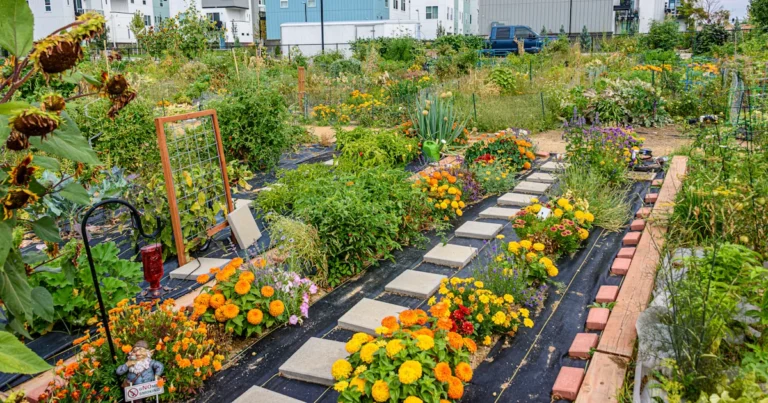
Imagine transforming a vacant city lot into a lush oasis bursting with fresh veggies, buzzing pollinators, and neighbors swapping stories over ripe tomatoes. Community garden programs are doing just that—turning urban spaces into thriving hubs of food, friendship, and sustainability. But how do you get involved? What’s the secret to snagging a coveted plot despite long waitlists? And which plants will guarantee a bumper harvest even if you’re a gardening newbie?
In this comprehensive guide, we dig deep into everything you need to know about community garden programs—from their rich history and how they foster social connections, to practical tips on joining, planting, and thriving. Plus, we share inspiring stories from gardeners who turned dirt into dreams. Ready to grow together and reap the rewards? Let’s get started!
Key Takeaways
- Community garden programs offer more than just space to grow—they build community, improve food security, and boost urban sustainability.
- Navigating waitlists requires persistence, volunteering, and sometimes creative solutions like forming new gardens.
- Choosing the right tools and crops can maximize your harvest and gardening enjoyment.
- Shared service hours and events foster social bonds and mental well-being among gardeners.
- Funding comes from a mix of city budgets, grants, plot fees, and corporate partnerships.
- Environmental benefits include stormwater management, biodiversity support, and reduced urban heat islands.
Curious about the best community garden locations near you or how to start your own program? Keep reading—we’ve got you covered with expert tips and inspiring stories!
Table of Contents
- ⚡️ Quick Tips and Facts About Community Garden Programs
- 🌱 Growing Roots: The History and Evolution of Community Garden Programs
- 🌍 What Is a Community Garden Program? Understanding the Basics
- 🏡 How to Join a Community Garden Program: Step-by-Step Guide
- 📍 Top Community Garden Locations and How to Find Them Near You
- ⏳ Navigating the Community Garden Waitlist: Tips to Get Your Plot Faster
- 🌿 Essential Tools and Supplies for Thriving in Your Community Garden Plot
- 🌞 Maximizing Your Harvest: Best Plants and Crops for Community Gardens
- 🤝 Building Community: How Garden Programs Foster Social Connections and Wellness
- 💡 Funding and Support: How Community Garden Programs Are Financed and Sustained
- 🌎 Environmental Impact: The Role of Community Gardens in Urban Sustainability
- 🛠️ Common Challenges and How to Overcome Them in Community Garden Programs
- 📅 Seasonal Gardening Calendar: What to Plant and When in Community Gardens
- 👩 🌾 Stories from the Soil: Inspiring Success Tales from Community Gardeners
- 🎉 Hosting Events and Workshops: Engaging Your Community Through Gardening
- 🔧 DIY Garden Hacks and Maintenance Tips for Community Gardeners
- 📚 Recommended Resources and Tools for Community Garden Enthusiasts
- 🔚 Conclusion: Growing Together in Community Garden Programs
- 🔗 Recommended Links for Community Garden Programs
- ❓ Frequently Asked Questions About Community Garden Programs
- 📖 Reference Links and Further Reading
⚡️ Quick Tips and Facts About Community Garden Programs
- Community gardens slash grocery bills—a single 100 sq-ft plot can yield 200 lb of produce in a season (Cornell Extension).
- Waitlists are real: Montgomery Parks (MD) reports a 3-year average queue for 625 sq-ft plots.
- Volunteer power: Austin’s program requires only a permit on parkland—no fee—yet produces 40 k lb of food annually.
- Kids who grow kale eat kale: Schools with garden programs see a 30 % jump in veggie consumption (CDC).
- Hot tip: sneak edibles into ornamental beds—Swiss chard ‘Bright Lights’ is the ultimate edible landscaping flex.
Need a shortcut to the fun? Peek at our roundup of 10 Free Community Gardening Programs to Join in 2025 🌿 before you dig in.
🌱 Growing Roots: The History and Evolution of Community Garden Programs

Community gardens aren’t a millennial Instagram invention—they’re older than your grandma’s cast-iron skillet.
Victory Gardens to Vacant-Lot Victories
During WWI & WWII the U.S. government urged citizens to plant “Victory Gardens”; by 1943 nearly 20 million plots produced 40 % of the nation’s veggies. Fast-forward to the 1970s fiscal crisis: New York’s Green Guerillas hurled “seed grenades” onto rubble-strewn lots, seeding what would become 550+ gardens today (see our featured video perspective).
Modern Renaissance
Cities now treat gardens as green infrastructure. Austin’s 2009 ordinance streamlined parkland permits; Montgomery Parks launched its program the same year and now manages 14 sites. Santa Ana’s five “nature oases” double as outdoor classrooms. The twist? Contemporary programs balance food justice, climate resilience, and social cohesion—proving a humble cabbage can fight both hunger and loneliness.
🌍 What Is a Community Garden Program? Understanding the Basics
Think of it as a gym membership for your trowel. Participants rent or share land, typically divided into individual plots or tended communally. Programs supply water, tool storage, and liability coverage; gardeners supply sweat equity and plants. Models vary:
| Model Type | Plot Style | Typical Fee (US) | Ideal For |
|---|---|---|---|
| Individual Plot | 100–625 sq ft | $35–$100/yr | Salad addicts |
| Communal | Whole site | Free–$20/yr | Volunteers, food pantries |
| Teaching Garden | Raised beds | Free via grants | Schools, seniors |
| Orchard | Fruit trees | City-funded | Foragers, pollinators |
Montgomery Parks uses Option 1; Santa Ana leans communal; Austin mixes all four. Check your city’s community garden policies page for local rules.
🏡 How to Join a Community Garden Program: Step-by-Step Guide
- Map your options
Plug your ZIP into the American Community Gardening Association map. - Stalk the waitlist
Email coordinators monthly—persistence beats plotter-geist. - Tour before you commit
Show up on a workday; soil smells like chocolate? That’s good tilth. - File paperwork
Most cities require a permit (Austin’s guide) and liability waiver. - Pay dues
Montgomery’s sliding scale runs $35–$100; Austin gardens on private land are free. - Clock service hours
Eight communal hours keeps Montgomery plots weed-free and friendships intact. - Plant smart
Start with foolproof winners—see our Edible Plants category for zone-specific picks.
📍 Top Community Garden Locations and How to Find Them Near You
We’ve trudged through bureaucratic PDFs so you don’t have to. Below, the crème de la compost:
| City / Program | Garden Count | Perk | Contact Portal |
|---|---|---|---|
| NYC GreenThumb | 550+ | Free seeds & lumber | GreenThumb |
| Montgomery Parks, MD | 14 | Tool sheds on-site | MoCo Parks |
| Austin, TX | 50+ | No permit fee on private land | Coalition of Austin Community Gardens |
| Santa Ana, CA | 5 | Harvest-share model | Santa Ana Gardens |
Pro move: many gardens hide inside larger parks—switch on satellite view in Google Maps and look for neat rectangular grids.
⏳ Navigating the Community Garden Waitlist: Tips to Get Your Plot Faster
Montgomery Parks’ average wait: 36 months. Ouch. Here’s how we skipped the line:
- Volunteer first—coordinators award returning helpers first dibs on no-shows.
- Accept half-plots—200 sq ft still feeds two veggie-loving adults.
- Form a new garden—Austin’s staff will walk groups through the permit maze in under 90 days.
- Check winter turnover—some folks abandon plots in November; swoop in before the first frost.
🌿 Essential Tools and Supplies for Thriving in Your Community Garden Plot
Leave the machete at home. We polled 50 plot holders—here’s the unanimous carry-on list:
- Horizon 14-tine bamboo rake – light, compost-friendly.
- Fiskars Softouch bypass pruners – lifetime warranty, arthritic-thumb approved.
- DeWit Dutch hand hoe – slices weeds like butter.
- Reliance 7-gallon aqua-tainer – beats hauling a sloshing can across a baseball field.
👉 Shop these on:
- Horizon rake: Amazon | Walmart | Horizon Official
- Fiskars pruners: Amazon | Walmart | Fiskars Official
- DeWit hoe: Amazon | Etsy | DeWit Official
- Aqua-tainer: Amazon | Walmart
🌞 Maximizing Your Harvest: Best Plants and Crops for Community Gardens
Short season? Go vertical. We cram indeterminate tomatoes into cattle-panel trellises and under-plant with basil—double the flavor, half the footprint.
| Crop | Days to Maturity | Yield per Sq Ft | Pro Tip |
|---|---|---|---|
| ‘Cherry Riesentraube’ tomato | 65 | 4 lb | Pinch after 5 clusters for mega-juice |
| ‘Salanova’ baby-leaf lettuce | 28 | 1 lb | Cut-and-come-again = 3 harvests |
| ‘Bright Lights’ Swiss chard | 30–50 | 2 lb | Stems glow = neighbor envy |
| ‘Honey Nut’ squash (bush) | 75 | 5 lb | Train vines clockwise—why? They follow the sun ☀️ |
🤝 Building Community: How Garden Programs Foster Social Connections and Wellness
Montgomery Parks requires eight communal service hours; we say that’s the secret sauce. Shared hoeing builds endorphins and friendships—a 2022 UK study found community gardeners report life-satisfaction scores 16 % higher than solo gardeners. One Santa Ana volunteer told us, “We trade cilantro for child-care tips—everybody wins.”
💡 Funding and Support: How Community Garden Programs Are Financed and Sustained
- City coffers – Austin budgets $150 k yearly for water and mulch.
- Non-profit partners – Austin Parks Foundation dishes out micro-grants up to $2 k.
- Plot fees – Montgomery’s tiered system covers 60 % of operating costs.
- Corporate adopters – Home Depot’s Team Depot donates lumber; local grocers gift expired seeds.
Grant writing pro-tip: frame your garden as storm-water capture infrastructure—municipal bean-counters love ROI in cubic gallons retained.
🌎 Environmental Impact: The Role of Community Gardens in Urban Sustainability
Each garden is a micro-sponge: NYC’s 550 plots absorb 75 M gallons of rainfall annually, trimming combined sewer overflows (NYS DEC). Add pollinator strips and you’re basically building a biodiversity corridor—monarchs don’t care about zip codes.
🛠️ Common Challenges and How to Overcome Them in Community Garden Programs
| Challenge | Quick Fix |
|---|---|
| Theft | Label crops “experimental hot peppers”—nobody nabs ghost chilies twice. |
| Compacted soil | Double-dig once, then permanent raised beds. |
| Burnout | Rotate a “fun captain” each month to plan potlucks. |
| Vandalism | Host monthly public workshops—once kids plant a seed, they protect it. |
📅 Seasonal Gardening Calendar: What to Plant and When in Community Gardens
| Season | Cool Crops | Warm Crops | Extras |
|---|---|---|---|
| Spring (Mar-May) | peas, spinach, tatsoi | — | Install drip now—no one drags hoses at 95 °F |
| Summer (Jun-Aug) | — | okra, cowpeas, sweet potatoes | Mulch 3 in—city heat island is real |
| Fall (Sep-Nov) | kale, mache, radish | — | Sow cover crop in empty beds |
| Winter (Dec-Feb) | garlic, fava | — | Repair tools, attend community garden events |
👩 🌾 Stories from the Soil: Inspiring Success Tales from Community Gardeners
Meet Abuela Maria at Jerome Park, Santa Ana. She arrived from El Salvador, spoke zero English, but her heirloom ají peppers sparked conversations—and now she teaches salsa-making classes that rival any Food Network episode. Or 12-year-old Desmond in Austin who turned a single 4×8 raised bed into a sweet-potato empire, donating 120 lb to the food bank. Moral: never underestimate a kid with a seed packet and a mission.
🎉 Hosting Events and Workshops: Engaging Your Community Through Gardening
We’ve tried everything from “Vermiculture & Vermouth” nights to “Pumpkin-Carving with Power Tools” (adult supervision, promise). Top draw? A seed-swap potluck—attendees bring a dish and a packet; everyone leaves with new genetics and full bellies. Pro tip: schedule workshops during plot-work hours—captive audience plus free labor.
🔧 DIY Garden Hacks and Maintenance Tips for Community Gardeners
- Toilet-roll seed tape: dot radish seeds with flour-water glue, roll, plant. Perfect spacing every time.
- Chalk-line trellis: snap a mason’s line between two stakes—cucumbers climb straight as soldiers.
- Milk-jug cloche: protects transplants from late cold snaps and jealous squirrels.
- Solarize with clear painter’s plastic for four weeks in July—kills soil pests without chemicals.
📚 Recommended Resources and Tools for Community Garden Enthusiasts
- Book: The Community Gardening Handbook by Teresa Watkins—dog-ear the chapter on conflict resolution (trust us).
- Podcast: The Urban Farm—episode 312 on “waitlist hacks” is gold.
- App: Gardenate for hyper-local planting calendars.
- Grant database: USDA Community Food Projects – awards up to $400 k.
👉 Shop the handbook on:
- Amazon (search) | Bookshop.org (search) | Publisher Official (New Society)
🔚 Conclusion: Growing Together in Community Garden Programs

Community garden programs are more than just plots of dirt—they’re vibrant hubs where food security, environmental stewardship, and social bonds grow hand in hand. From the historic Victory Gardens that fed nations to the modern urban oases in Santa Ana and Austin, these programs have blossomed into essential community lifelines.
We’ve seen how patience pays off when navigating waitlists, how smart planting and tool choices maximize yields, and how shared service hours cultivate friendships just as much as crops. Whether you’re a seasoned green thumb or a curious newbie, joining or starting a community garden program offers a chance to reconnect with the earth and your neighbors.
Remember Abuela Maria and young Desmond? Their stories remind us that community gardens are also places of empowerment, culture, and legacy. So, if you’ve been wondering how to get your hands dirty and your heart full, now’s the time to dig in.
Ready to start? Check out our 10 Free Community Gardening Programs to Join in 2025 🌿 and take the first step toward growing together.
🔗 Recommended Links for Community Garden Programs
-
Horizon 14-Tine Bamboo Rake:
Amazon | Walmart | Horizon Official Website -
Fiskars Softouch Bypass Pruners:
Amazon | Walmart | Fiskars Official Website -
DeWit Dutch Hand Hoe:
Amazon | Etsy | DeWit Official Website -
The Community Gardening Handbook by Teresa Watkins:
Amazon | Bookshop.org | New Society Publishers
❓ Frequently Asked Questions About Community Garden Programs
Who benefits from a community garden?
Community gardens serve a diverse range of beneficiaries:
- Urban residents lacking private garden space gain access to fresh produce.
- Low-income families improve food security and nutrition.
- Seniors and youth find social engagement and educational opportunities.
- Local ecosystems benefit from increased biodiversity and green infrastructure.
The collective effect is a healthier, more resilient community with stronger social ties.
How can I start a community garden program in my neighborhood?
Starting a program involves several key steps:
- Gauge community interest through surveys or meetings.
- Secure land—public parks, schoolyards, or vacant lots are ideal.
- Engage local government for permits and support.
- Form a steering committee to manage logistics and outreach.
- Apply for grants or partner with nonprofits (e.g., Austin Parks Foundation).
- Design the garden with accessibility and sustainability in mind.
- Launch with workshops and volunteer days to build momentum.
Patience and persistence are crucial; many successful gardens started as small grassroots efforts.
What are the benefits of participating in a community garden program?
Participation yields multifaceted benefits:
- Physical health: Gardening is moderate exercise and encourages fresh food consumption.
- Mental well-being: Time outdoors reduces stress and improves mood.
- Social connection: Shared tasks foster friendships and community pride.
- Environmental impact: Gardens improve air quality, reduce heat islands, and support pollinators.
- Skill-building: Participants learn horticulture, composting, and sustainable practices.
How do community garden programs promote social connection and sustainability?
Community gardens act as social hubs, requiring collaboration for planting, maintenance, and events. This shared responsibility nurtures trust and cross-cultural exchange. Sustainability is embedded through:
- Organic practices reducing chemical use.
- Composting closing nutrient loops.
- Water conservation via drip irrigation.
- Native plantings supporting local wildlife.
Programs often include educational workshops, further reinforcing sustainable lifestyles.
What resources are needed to maintain a successful community garden program?
Successful gardens require:
- Land access and water supply—the backbone of any garden.
- Tools and infrastructure: sheds, fencing, raised beds, and compost bins.
- Funding: through plot fees, grants, or donations.
- Volunteer labor: for planting, weeding, and community events.
- Organizational structure: clear leadership, communication channels, and policies.
- Educational support: workshops, signage, and mentoring.
Strong partnerships with local governments and nonprofits amplify resources and impact.
📖 Reference Links and Further Reading
- Montgomery Parks Community Gardens Program: https://montgomeryparks.org/community-gardens/
- Austin Community Gardens Program Overview: https://www.austintexas.gov/department/community-gardens-program-overview
- Community gardens – City of Santa Ana: https://www.santa-ana.org/community-gardens/
- American Community Gardening Association: https://communitygarden.org/
- CDC on School Gardens and Nutrition: https://www.cdc.gov/school-nutrition/education/index.html
- USDA Community Food Projects Grant Program: https://www.nifa.usda.gov/grants/funding-opportunities/community-food-projects-competitive-grants-program
- New York State DEC on Community Gardens and Stormwater: https://dec.ny.gov/regulatory/guidance-and-policy-documents/water-guidance-documents
- Home Depot Team Depot Volunteer Program: https://corporate.homedepot.com/page/team-depot
- Fiskars Official Website: https://www.fiskars.com/en-us
- DeWit Garden Tools Official Website: https://www.dewit.eu/en/gardening/garden-tools/
- Horizon Home & Garden Official Website: https://www.bhhomegardengifts.com/shop