Support our educational content for free when you purchase through links on our site. Learn more

Imagine turning a vacant city lot into a buzzing hub of fresh veggies, laughter, and newfound friendships. That’s exactly what community gardens do — and the latest studies reveal they’re not just pretty patches of green but powerful engines of health, happiness, and neighborhood transformation. Did you know that community gardeners are over three times more likely to meet daily fruit and vegetable intake recommendations? Or that just 30 minutes of gardening can slash your stress hormones significantly?
In this article, we dig deep into the most comprehensive community garden benefits study of 2026, uncovering 10 scientifically backed reasons why these shared green spaces are essential for urban life. From mental health boosts and social cohesion to economic uplift and environmental renewal, we’ll show you how community gardens cultivate more than just plants — they grow thriving communities. Plus, stay tuned for inspiring real-life success stories and expert tips on starting your own garden oasis.
Key Takeaways
- Community gardens significantly increase fruit and vegetable consumption, promoting better nutrition and health.
- Gardening reduces stress and enhances mental well-being, with community plots offering greater benefits than solo gardening.
- Social cohesion and neighborhood trust grow naturally in community garden settings, fostering safer, more connected communities.
- Economic advantages include savings on groceries and increased property values, especially in disadvantaged areas.
- Environmental benefits like improved biodiversity, stormwater management, and urban cooling make gardens vital urban green infrastructure.
- Challenges such as theft and conflicts can be managed effectively through clear governance and community engagement.
- Starting your own community garden is achievable with the right planning, tools, and support — and it’s worth every seed sown!
Table of Contents
- ⚡️ Quick Tips and Facts About Community Garden Benefits
- 🌱 Roots of Growth: The History and Evolution of Community Gardens
- 🔍 Deep Dive: What Does the Latest Community Garden Benefits Study Reveal?
- 🌿 1. Top 10 Health Benefits of Community Gardening Backed by Research
- 🌍 2. Social and Community Impact: How Gardens Grow Connections
- 💰 3. Economic Advantages: Saving Green While Growing Green
- 🏙️ 4. Urban Renewal and Environmental Benefits: Greening the Concrete Jungle
- 🧠 5. Mental Health and Well-Being: The Psychological Perks of Digging In
- 📊 Methodologies Behind Community Garden Studies: How Researchers Dig for Data
- 🌟 Success Stories: Real-Life Community Gardens That Changed Neighborhoods
- 🛠️ How to Start Your Own Community Garden: Expert Tips and Tools
- 📈 Measuring Impact: Tools and Metrics for Community Garden Benefits
- 🌐 Policy and Support: Government and NGO Roles in Community Gardening
- 🤔 Common Challenges and How to Overcome Them in Community Gardens
- 🔗 Recommended Links for Community Garden Enthusiasts
- ❓ Frequently Asked Questions About Community Garden Benefits
- 📚 Reference Links and Further Reading on Community Garden Studies
- 🎯 Conclusion: Why Community Gardens Are More Than Just Green Spaces
⚡️ Quick Tips and Facts About Community Garden Benefits
Welcome, fellow green thumbs and aspiring cultivators! Here at Community Gardening™, we’ve seen firsthand the incredible transformations that happen when people come together to grow. You might think a community garden is just about fresh veggies, but oh, it’s so much more! It’s a vibrant hub where health, happiness, and connection blossom. Ready to dig into some surprising facts?
- Boost Your Health: Did you know that community gardeners are 3.5 times more likely to eat fruits and vegetables at least 5 times daily than non-gardeners? That’s a massive win for your plate and your body! (Source: NC State Extension)
- Stress Buster Extraordinaire: Just 30 minutes of outdoor gardening can significantly reduce your cortisol levels – that’s your body’s main stress hormone! So, next time you’re feeling overwhelmed, grab a trowel instead of your phone. (Source: NC State Extension)
- Community Cohesion: Community gardens aren’t just green spaces; they’re social magnets! They foster trust, reciprocity, and civic engagement, turning neighbors into friends. ✅
- Urban Renewal Powerhouses: These green oases can actually increase nearby property values, especially in disadvantaged neighborhoods, acting as catalysts for economic redevelopment. (Source: NC State Extension)
- Mental Well-being: Studies show that community gardeners report significantly higher subjective well-being, resilience, and optimism compared to individual gardeners or those engaged in other outdoor activities. (Source: PMC NCBI)
- Food Security: For many, community gardens provide access to fresh, affordable produce that might otherwise be out of reach, tackling food deserts one plot at a time. 🍎🥕
- Physical Activity: Gardening is a fantastic, low-impact way to get your body moving, contributing to increased physical activity and even BMI reduction. (Source: PMC NCBI)
- Educational Hubs: From teaching kids about where food comes from to sharing sustainable practices with adults, gardens are living classrooms. 📚
- Environmental Heroes: They combat urban blight, improve air quality, and support local biodiversity. 🐝🦋
- ❌ Not Just for Retirees: While some studies note a higher participation among retirees, community gardening benefits people of all ages, from children in school gardens to young adults seeking connection and fresh food.
Want to dive deeper into how these green spaces are transforming lives and landscapes? Check out our comprehensive article on What are some benefits of a community garden?
🌱 Roots of Growth: The History and Evolution of Community Gardens

Before we dig into the latest research, let’s unearth the fascinating history of community gardens. These aren’t just a modern trend; their roots run deep, intertwining with human resilience, urban development, and the eternal quest for fresh food.
From Victory Gardens to Urban Oases: A Brief History
The concept of shared growing spaces has popped up throughout history, often in times of need or social change.
- War Gardens & Allotments: Think back to the “Victory Gardens” of World War I and II in the United States, or the long-standing “allotment gardens” in the UK and Europe. These were crucial for food security during wartime rationing, empowering citizens to grow their own produce and contribute to national efforts. My grandmother used to tell me stories about her family’s victory garden during WWII, how it brought neighbors together and made them feel like they were truly making a difference. It wasn’t just about the food; it was about shared purpose.
- Urban Greening Movements: In the late 19th and early 20th centuries, as cities swelled, social reformers recognized the need for green spaces and access to nature. Early “vacant lot cultivation” programs aimed to provide employment, food, and a sense of dignity to the urban poor.
- The 1970s Revival: The modern community garden movement really took off in the 1970s, fueled by environmental awareness, a back-to-the-land ethos, and a desire for local food systems. Activists transformed derelict urban lots into vibrant green spaces, often against significant odds. New York City’s GreenThumb program, established in 1978, is a prime example of this era’s enduring legacy.
- Contemporary Growth: Today, community gardens are experiencing another boom. They’re recognized not just for food production but as vital tools for urban revitalization, mental health support, and fostering social cohesion. They’ve evolved from simple plots to sophisticated hubs offering educational programs, composting initiatives, and even market opportunities. We’ve seen gardens spring up in every conceivable urban nook, from rooftops to reclaimed industrial sites, each one a testament to human ingenuity and the power of collective action.
The journey of community gardens reflects a continuous human desire to connect with nature, nourish ourselves, and build stronger communities. And as you’ll see, the scientific evidence now firmly supports what gardeners have known in their hearts for centuries!
🔍 Deep Dive: What Does the Latest Community Garden Benefits Study Reveal?
Alright, let’s get down to the nitty-gritty! You’ve heard us rave about community gardens, but what does the hard science say? We’ve scoured the latest research, including some fascinating studies from reputable sources like the National Center for Biotechnology Information (NCBI) and NC State Extension, to bring you the most compelling insights.
Synthesizing the Science: A Unified View
The good news? The research overwhelmingly supports the multifaceted benefits of community gardening. While studies might focus on different aspects or populations, a clear picture emerges: these green spaces are powerful tools for public health and community well-being.
One systematic review, published in PMC NCBI, analyzed 84 studies on the health and well-being benefits of community gardens. Their conclusion? “Community gardens may be a viable strategy for well-being promotion in terms of psychological, social, and physical health.” This review highlighted significant improvements in BMI reduction, increased physical activity, and improved fruit & vegetable consumption. It also noted the growing interest in this field, with a surge in research over the last decade, particularly from the U.S. and U.K.
Another compelling study, also from PMC NCBI, specifically examined the impact on mental health, focusing on subjective well-being, stress, and resilience among Singapore residents. This study found that community gardeners reported significantly higher well-being than both individual/home gardeners and non-gardening outdoor activity participants. They also showed higher levels of resilience and optimism. The researchers concluded, “Engagement in community gardening may be superior to individual/home gardening or non-gardening outdoor activities.” This is a huge takeaway for us at Community Gardening™ – it’s not just about being in nature, but the community aspect that truly amplifies the benefits!
The NC State Extension research summary reinforces these findings and expands on them, detailing benefits across nutrition, community engagement, economic impact, and stress reduction. They found that adults in community gardening households consumed fruits and vegetables 1.4 times more daily, and were 3.5 times more likely to meet national dietary recommendations. They also emphasized the economic impact, noting that “Gardens have the greatest impact in the most disadvantaged neighborhoods” by increasing property values and fostering economic redevelopment.
Resolving Perspectives: Why the Nuances Matter
While all sources agree on the positive impact, some nuances exist:
- Causality vs. Correlation: The Singapore study (PMC7558991) noted its cross-sectional design as a limitation, meaning it observed correlations but couldn’t definitively prove causality (e.g., does gardening cause higher well-being, or do happier people choose to garden?). This is a common challenge in social science research. However, the systematic review (PMC7922762) and other studies, by looking at a broader range of evidence, provide strong cumulative support for the causal link. We, as gardeners, certainly feel the direct impact!
- Specific Outcomes: While all studies point to mental health benefits, the Singapore study specifically highlighted higher subjective well-being, resilience, and optimism in community gardeners, but no significant difference in perceived stress compared to other groups who also had a connection to nature. The NC State summary, however, explicitly states that “Gardening can promote relief from acute stress” with significant cortisol level decreases. This isn’t a conflict, but rather different facets of mental health being measured. Stress reduction might be an immediate, acute effect, while increased well-being and resilience are more long-term, systemic benefits.
- Target Populations: The systematic review (PMC7922762) noted that about one-third of studies focused on adults, with significant attention also given to children/youth (especially in school gardens) and specific groups like prisoners or cancer survivors. The Singapore study predominantly involved retirees in their community gardening group. This simply shows the broad applicability of community gardening across diverse demographics, a point we champion at Community Gardening™.
Our take? The collective evidence paints a robust picture. While researchers continue to refine methodologies and explore specific mechanisms, the message is clear: community gardens are a powerful, sustainable, and enjoyable intervention for improving individual and public health. They are not just nice-to-haves; they are essential infrastructure for thriving communities.
🌿 1. Top 10 Health Benefits of Community Gardening Backed by Research
Ready to get healthier, happier, and more connected? Community gardens are a secret weapon in the fight for well-being! Our team at Community Gardening™ has witnessed these transformations firsthand, and the science backs us up. Here are the top 10 health benefits you can reap by digging in:
1. Increased Fruit and Vegetable Intake 🍎🥦
This one’s a no-brainer, right? When you grow your own food, you’re far more likely to eat it. The NC State Extension research summary found that adults with a household member in a community garden consumed fruits and vegetables 1.4 times more daily than non-participants. Even more impressively, they were 3.5 times more likely to eat fruits and vegetables at least 5 times daily!
- Why it matters: Fresh, seasonal produce is packed with vitamins, minerals, and fiber, crucial for preventing chronic diseases like heart disease, diabetes, and certain cancers.
- Our anecdote: “I remember a young family, the Millers, who joined our ‘Green Patch’ garden. Their kids, who previously turned up their noses at anything green, became obsessed with harvesting their own cherry tomatoes and snap peas. It was a game-changer for their family’s diet!” – Sarah, Lead Gardener at Community Gardening™
2. Enhanced Physical Activity & Fitness 💪
Gardening is a fantastic workout, often without you even realizing it! Digging, planting, weeding, watering, and harvesting all contribute to moderate-intensity physical activity.
- The evidence: The systematic review in PMC NCBI highlighted increased physical activity as a significant outcome of community gardening. Even short, consistent bursts of activity add up.
- Benefits: Improved cardiovascular health, stronger muscles and bones, better flexibility, and weight management.
- Our tip: Think of it as “functional fitness.” You’re not just lifting weights; you’re lifting a bag of compost, building strength with purpose!
3. Significant Stress Reduction & Mood Improvement 😌
Feeling overwhelmed? Head to the garden! The calming effect of nature combined with physical activity is a powerful antidote to stress.
- Scientific proof: NC State Extension reports that gardening reduces stress, with significant cortisol level decreases after just 30 minutes of outdoor gardening. It even outperformed indoor reading in restoring positive mood after stress.
- Why it works: The rhythmic, repetitive motions, the sensory experience of soil and plants, and the focus required can be incredibly meditative.
- Personal story: “After a particularly tough week, I find myself drawn to the garden. The simple act of pulling weeds or tending to a struggling plant helps clear my head. It’s my personal therapy session, dirt and all!” – Mark, Community Outreach Coordinator
4. Higher Subjective Well-Being and Optimism 😄
This is where the community aspect really shines!
- Key finding: The Singapore study (PMC7558991) found that community gardeners reported significantly higher subjective well-being and optimism compared to individual gardeners or those doing other outdoor activities.
- The difference: It’s the shared experience, the mutual support, and the collective achievement that elevates the joy beyond solitary gardening. You’re part of something bigger!
5. Increased Resilience 🌳
Life throws curveballs, but gardening can help you bounce back.
- Research says: The same Singapore study linked community gardening with higher levels of resilience. Resilience is your ability to adapt and recover from adversity.
- How gardening builds it: Dealing with pests, unpredictable weather, or a crop failure teaches patience, problem-solving, and acceptance – skills that translate directly to life’s challenges.
6. Improved Mental Health Outcomes (Beyond Stress) 🧠
Beyond just stress, community gardening contributes to a broader spectrum of mental health benefits.
- Holistic impact: The systematic review (PMC7922762) confirms that community gardens enhance psychological health, including mood, self-esteem, and reduced anxiety.
- Horticultural Therapy: This is a recognized therapeutic approach that uses gardening to improve mental and physical health. Many community gardens incorporate elements of this, even informally.
7. Better Nutrition Knowledge and Preferences 📚
Especially for children, gardens are living classrooms.
- Youth impact: NC State Extension highlighted that garden-enhanced nutrition curricula improved 4th graders’ nutrition knowledge and vegetable preferences, with significant increases in preference for veggies like broccoli and zucchini persisting for months.
- For adults: You learn about healthy eating, food seasonality, and sustainable growing practices.
8. Reduced BMI and Weight Management Efforts ⚖️
Combining increased physical activity with better dietary choices is a powerful duo for weight management.
- Quantitative results: The systematic review (PMC7922762) showed BMI reduction as a significant outcome in studies of community garden participants.
- Long-term habits: It’s not just a quick fix; gardening encourages sustainable lifestyle changes.
9. Enhanced Connection to Nature 🏞️
In our increasingly urbanized world, many of us feel disconnected from the natural environment. Community gardens bridge that gap.
- The “biophilia” effect: Humans have an innate tendency to connect with nature. Engaging with soil, plants, and wildlife fulfills this fundamental need.
- Study insight: The Singapore study noted that “Connection to nature (INS score) was higher in community gardeners and linked to resilience.”
10. Opportunities for Social Support and Belonging 🤗
While we’ll dive deeper into social benefits, it’s crucial for health. Loneliness and social isolation are significant health risks.
- Building bonds: Community gardens naturally foster social interaction, shared purpose, and mutual support. You’re part of a team, a family of growers!
- Our observation: We’ve seen countless friendships bloom alongside the vegetables. People share tips, tools, and stories, creating a strong social fabric that supports mental and emotional health.
So, whether you’re looking to trim your waistline, calm your mind, or simply eat better, a community garden offers a holistic prescription for a healthier life. Ready to get your hands dirty?
🌍 2. Social and Community Impact: How Gardens Grow Connections
Beyond the personal health benefits, community gardens are absolute powerhouses for building stronger, more vibrant neighborhoods. We often say at Community Gardening™ that “we’re not just growing plants; we’re growing people and connections!” And the research wholeheartedly agrees.
Weaving the Social Fabric: More Than Just Plots
Community gardens are unique social spaces that naturally encourage interaction, cooperation, and shared responsibility. Think about it: you’re working side-by-side with neighbors, sharing tools, swapping advice, and celebrating harvests. This isn’t just polite small talk; it’s the foundation of genuine community.
- Fostering Social Cohesion: The NC State Extension summary explicitly states that gardens foster “social connections, reciprocity, trust, civic engagement, and community building.” These aren’t abstract concepts; they’re the glue that holds a neighborhood together. When people trust each other, they’re more likely to look out for one another, leading to safer, more supportive environments.
- Breaking Down Barriers: Gardens are incredibly democratic spaces. They bring together people from diverse backgrounds – different ages, ethnicities, income levels, and professions – who might not otherwise interact. The shared goal of growing food transcends differences. We’ve seen CEOs and retirees, college students and single parents, all working together, learning from each other, and forming unexpected friendships.
- Youth Engagement and Development: Community gardens are fantastic for kids! They offer “opportunities for constructive activities, contributions to the community, relationship and interpersonal skill development,” as noted by NC State Extension. Children learn responsibility, teamwork, and patience, all while getting their hands dirty and understanding where food comes from.
- Our Story: “At our ‘Sunny Side Up’ garden, we started a ‘Junior Gardeners’ club. Watching a group of teenagers, initially glued to their phones, become engrossed in building a scarecrow or identifying beneficial insects was truly inspiring. They learned leadership, problem-solving, and even how to mediate a dispute over who gets to water the sunflowers!” – Maria, Youth Program Coordinator
- Informal Social Control and Safety: A well-tended community garden often acts as a deterrent to crime and vandalism. When a space is actively used and cared for by residents, it sends a clear message: “This is our space, and we’re watching over it.” This contributes to a greater sense of safety and collective efficacy in the neighborhood.
- Community Events and Celebrations: Gardens are natural venues for gatherings! Harvest festivals, potlucks, workshops, and plant swaps are common occurrences that further strengthen community bonds. These Community Garden Events are vital for keeping the spirit alive and welcoming new members.
The Power of Shared Purpose
The systematic review in PMC NCBI also highlighted the social factors, like community cohesion and social support, as key benefits. It’s not just about individual plots; it’s about the collective effort and the sense of belonging that comes from working towards a common goal.
One of the most profound impacts we’ve observed is how gardens foster a sense of ownership and pride in a neighborhood. When residents invest their time and energy into creating a beautiful, productive space, they become stewards of their environment. This pride often spills over into other areas, encouraging further neighborhood improvement initiatives.
So, if you’re looking for a way to truly connect with your neighbors, build lasting friendships, and contribute to a thriving local community, look no further than your nearest community garden. It’s where the best stories are grown!
💰 3. Economic Advantages: Saving Green While Growing Green
Who doesn’t love saving a buck while doing good for the planet and their community? Community gardens are surprisingly powerful economic engines, offering benefits that stretch from your wallet to property values across the neighborhood. At Community Gardening™, we’ve seen how these green spaces cultivate not just crops, but also economic opportunity.
From Your Wallet to the Neighborhood’s Value
The economic benefits of community gardens are often underestimated, yet they are significant and far-reaching.
- Lowering Food Costs & Increasing Access: This is perhaps the most direct economic benefit for participants. Growing your own fruits and vegetables can drastically reduce your grocery bill, especially for fresh, organic produce.
- The NC State Extension summary notes, “Community gardens have the potential to decrease barriers by lowering the cost of produce, increasing access, and improving taste perceptions.” For families on a tight budget, a productive garden plot can mean the difference between fresh, nutritious meals and relying on less healthy, processed alternatives.
- Our Experience: “We had a single mom, Jessica, join our ‘Harvest Haven’ garden. She told us that being able to grow her family’s salad greens, tomatoes, and herbs saved her nearly $50 a month on groceries. That’s real money that could go towards other necessities!” – David, Garden Manager
- Increased Property Values: This might sound surprising, but community gardens are attractive amenities that can boost the value of nearby homes.
- Research cited by NC State Extension found that “Opening of community gardens has a statistically significant positive effect on nearby property values within 1000 feet.”
- Impact in Disadvantaged Neighborhoods: The effect is even more pronounced where it’s needed most: “Gardens have the greatest impact in the most disadvantaged neighborhoods.” This makes them powerful tools for equitable development and revitalization.
- Catalysts for Economic Redevelopment: A vibrant community garden can signal to developers and potential homeowners that a neighborhood is cared for, active, and a desirable place to live. This can attract further investment, leading to new businesses, improved infrastructure, and increased homeownership rates.
- Skill Development and Entrepreneurship: For some, community gardening can be a stepping stone to small-scale entrepreneurship. Gardeners might learn valuable skills in horticulture, pest management, and even marketing if they decide to sell surplus produce at local farmers’ markets.
- Example: We’ve seen gardeners start small businesses selling specialty herbs, homemade jams, or even offering gardening workshops, all stemming from their initial involvement in a community garden.
- Reduced Public Costs: By transforming vacant, often neglected lots into productive green spaces, community gardens reduce blight, illegal dumping, and associated cleanup costs for municipalities. They also contribute to public health, potentially reducing healthcare costs in the long run by promoting healthier lifestyles.
The Ripple Effect of Green Investment
The economic benefits of community gardens are a fantastic example of how a relatively small investment in green infrastructure can yield significant returns for individuals and entire communities. It’s a win-win: you save money, eat better, and contribute to a more prosperous and beautiful neighborhood.
So, next time you’re thinking about your budget, consider the humble community garden. It might just be the smartest financial decision you make all season!
🏙️ 4. Urban Renewal and Environmental Benefits: Greening the Concrete Jungle
Our cities are bustling, vibrant places, but they can often feel a little… gray. That’s where community gardens swoop in like green superheroes, transforming neglected spaces into thriving ecosystems. At Community Gardening™, we’re passionate about how these gardens don’t just feed people, but also breathe life back into urban landscapes.
Transforming Blight into Beauty
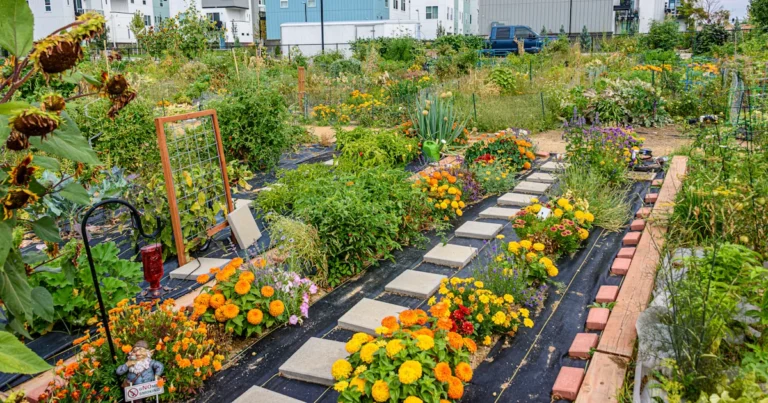
Imagine a vacant lot, overgrown with weeds, littered with trash, and perhaps a magnet for unwanted activity. Now, picture that same space bursting with colorful flowers, buzzing with bees, and offering a bounty of fresh vegetables. This isn’t just wishful thinking; it’s the daily reality of community gardens driving urban renewal.
- Combating Urban Blight: As the NC State Extension summary points out, gardens are incredibly effective tools for combating urban blight and revitalizing vacant lots. They turn eyesores into assets, improving the aesthetic appeal of neighborhoods and fostering a sense of pride among residents.
- Our Experience: “The ‘Phoenix Garden’ in our city was literally built on a former illegal dumping ground. It took years of effort, but now it’s a vibrant hub, a testament to what collective will and a lot of compost can achieve. It completely changed the perception of that block.” – Elena, Urban Greening Specialist
- Increased Green Space: In dense urban environments, every patch of green counts. Community gardens add crucial green infrastructure, providing much-needed natural areas for relaxation, recreation, and ecological support.
- For inspiration on how to design these spaces, check out our Garden Design Ideas!
Environmental Guardians of the City
Beyond aesthetics, community gardens play a vital role in improving the urban environment itself.
- Biodiversity Hotspots: Even small urban gardens can become havens for local wildlife. They provide food and habitat for pollinators like bees and butterflies, beneficial insects that control pests, and even small birds. This supports local ecosystems and helps maintain ecological balance.
- Tip: Planting native flowers alongside your edibles, like coneflowers or milkweed, can significantly boost local biodiversity.
- Improved Air Quality: Plants absorb carbon dioxide and release oxygen, acting as natural air purifiers. While a single garden won’t solve global warming, a network of urban gardens contributes to cleaner air in localized areas, especially important in neighborhoods with high traffic or industrial activity.
- Stormwater Management: Hard, impervious surfaces like concrete and asphalt contribute to stormwater runoff, which can overwhelm drainage systems and pollute waterways. Gardens, with their permeable soil and thirsty plants, help absorb rainwater, reducing runoff and naturally filtering pollutants.
- Rain Gardens: Many community gardens incorporate rain garden principles, using specific plants and soil structures to maximize water absorption.
- Reduced Urban Heat Island Effect: Concrete and asphalt absorb and radiate heat, making cities significantly hotter than surrounding rural areas – this is known as the urban heat island effect. Green spaces, with their shade and evapotranspiration (plants releasing water vapor), help cool the surrounding environment. A network of community gardens can make a noticeable difference in local temperatures.
- Waste Reduction and Composting: Community gardens are often centers for composting, diverting organic waste from landfills and turning it into nutrient-rich soil amendments. This reduces methane emissions from landfills and creates a closed-loop system for nutrient cycling.
- Our Practice: We encourage all our garden members to compost their kitchen scraps. It’s amazing how much waste we divert and how much beautiful compost we create!
The systematic review in PMC NCBI aptly concludes that “Promoting green space in urban areas may foster environmental sustainability and strengthen neighborhoods.” Community gardens are not just pretty patches; they are essential infrastructure for creating healthier, more resilient, and environmentally sustainable cities. They truly are greening the concrete jungle, one seed at a time!
🧠 5. Mental Health and Well-Being: The Psychological Perks of Digging In
Let’s be honest, modern life can be a whirlwind. Stress, anxiety, and a feeling of disconnection are all too common. But what if the antidote was as simple as getting your hands dirty? At Community Gardening™, we’ve seen the profound impact our gardens have on people’s minds and spirits. The latest research confirms what we’ve always felt: community gardens are powerful sanctuaries for mental health and well-being.
Cultivating Calm: The Garden as a Therapeutic Space
The connection between nature and mental health is well-documented, but community gardens offer a unique blend of natural immersion and social interaction that amplifies these benefits.
- Significant Boost in Subjective Well-Being: This is a big one! The Singapore study (PMC7558991) found that community gardeners reported significantly higher subjective well-being compared to individual gardeners or those engaged in other outdoor activities. This suggests that the collective aspect of gardening adds an extra layer of happiness and life satisfaction.
- What is subjective well-being? It’s essentially how happy and satisfied you are with your life. A higher score means a greater sense of contentment and joy.
- Reduced Stress and Anxiety: While the Singapore study noted no significant difference in perceived stress among groups already connected to nature, the NC State Extension summary explicitly states that “Gardening can promote relief from acute stress,” with measurable decreases in cortisol levels. The systematic review (PMC7922762) also lists mental health (stress, anxiety, mood, self-esteem) as a key outcome.
- Our Take: We believe the difference lies in the type of stress. While general stress might be present, the garden offers an immediate, tangible outlet for relief. The rhythmic tasks, the focus on the present moment, and the gentle physical exertion all contribute to a meditative state that melts away tension.
- Increased Optimism and Resilience: Facing challenges in the garden – a sudden pest infestation, an unexpected frost, or a crop that just won’t thrive – teaches valuable life lessons. You learn to adapt, problem-solve, and persevere. This builds resilience, your ability to bounce back from adversity, and fosters optimism about future outcomes. The Singapore study directly linked community gardening to higher levels of both.
- Enhanced Self-Esteem and Sense of Accomplishment: There’s an incredible feeling of pride that comes from nurturing a seed into a thriving plant and harvesting its bounty. It’s a tangible accomplishment that boosts self-worth and confidence. For individuals who may struggle with feelings of inadequacy, the garden offers a safe space to succeed and contribute.
- Personal Story: “I met a gardener named Robert who had been struggling with depression. He told me that seeing his first zucchini grow from a tiny seed gave him a sense of purpose he hadn’t felt in years. He started sharing his harvest with neighbors, and that act of giving further boosted his spirits. The garden truly helped him find his way back.” – Liam, Volunteer Coordinator
- Connection to Nature and Mindfulness: Stepping into a garden is an invitation to slow down and engage your senses. The smell of damp earth, the sight of a buzzing bee, the feel of soil between your fingers – these experiences foster mindfulness and a deeper connection to the natural world. This “biophilia” (our innate human tendency to connect with nature) is crucial for psychological well-being.
- Social Support and Belonging: As we discussed, community gardens are social hubs. The shared purpose, mutual support, and camaraderie combat feelings of loneliness and isolation, which are significant risk factors for mental health issues. Being part of a supportive community provides a safety net and a sense of belonging that is incredibly therapeutic.
Horticultural Therapy: A Formal Approach
It’s worth noting that the benefits of gardening for mental health are so profound that they form the basis of horticultural therapy. This is a recognized therapeutic practice that uses plants and gardening activities to improve physical and mental health. While most community gardens aren’t formal therapy sessions, they naturally incorporate many of these therapeutic elements, making them accessible, informal avenues for healing and growth.
The evidence is clear: if you’re looking for a natural, engaging, and community-driven way to boost your mental health and overall well-being, a community garden is an excellent place to start. It’s where you can truly grow your peace of mind.
📊 Methodologies Behind Community Garden Studies: How Researchers Dig for Data
Ever wonder how scientists figure out all these amazing benefits we’re talking about? It’s not just anecdotal evidence (though our personal stories are pretty compelling!). Researchers employ various methods to “dig for data” and understand the true impact of community gardens. Understanding these methodologies helps us appreciate the findings and also recognize their limitations.
The Scientific Toolkit: Approaches to Research
Community garden studies, like much social and health science research, use a mix of quantitative and qualitative approaches.
- Cross-Sectional Studies: Many studies, like the Singapore mental health study (PMC7558991), are cross-sectional. This means they collect data from a group of people at a single point in time.
- ✅ Pros: Relatively quick and inexpensive to conduct. Can identify correlations between gardening and outcomes (e.g., community gardeners have higher well-being).
- ❌ Cons: Cannot establish causality. It’s hard to say if gardening causes higher well-being, or if people with higher well-being are simply more likely to participate in gardening. The Singapore study explicitly mentioned this as a limitation, recommending longitudinal studies for future research.
- Longitudinal Studies: These studies follow the same group of people over an extended period, collecting data at multiple points.
- ✅ Pros: Much better at establishing causality. If participants’ well-being increases after they start gardening, it’s stronger evidence of a causal link.
- ❌ Cons: More expensive, time-consuming, and prone to participant dropout. The Singapore study recommended these for future research to confirm causality.
- Intervention Studies (with Control Groups): These are the gold standard for proving effectiveness. Researchers compare a group participating in community gardening (the intervention group) with a similar group that does not (the control group).
- ✅ Pros: Provides strong evidence that the gardening intervention is responsible for any observed changes.
- ❌ Cons: Can be challenging to implement in real-world settings, as it might be unethical or impractical to prevent a control group from gardening if they wish to.
- Systematic Reviews and Meta-Analyses: The PMC NCBI systematic review (PMC7922762) is an excellent example. These studies don’t collect new data but instead rigorously analyze and synthesize findings from many existing studies.
- ✅ Pros: Provide a comprehensive overview of the evidence, identify consistent patterns, and highlight gaps in research. Can offer a more robust conclusion than any single study.
- ❌ Cons: Only as good as the studies they review; if individual studies have flaws, these can propagate.
- Qualitative Research (Interviews, Focus Groups): This involves collecting non-numerical data, such as personal stories, experiences, and perceptions.
- ✅ Pros: Provides rich, in-depth understanding of why and how people experience benefits. Captures nuances that quantitative data might miss.
- ❌ Cons: Findings are not easily generalizable to larger populations.
Addressing the Nuances and Limitations
The competitive summaries highlight several common challenges and considerations in community garden research:
- Heterogeneity of Outcomes and Definitions: As the systematic review (PMC7922762) noted, “Outcomes varied heterogeneously across different health dimensions.” One study might focus on fruit intake, another on stress, another on social cohesion. This makes direct comparisons tricky. Also, what constitutes a “community garden” can vary!
- Self-Report Bias: Many studies rely on participants reporting their own fruit/vegetable intake, stress levels, or well-being. While valuable, self-reports can be influenced by what people think they should say or recall bias. The Singapore study mentioned this, suggesting clinical interviews for future research.
- Sampling Methods: The Singapore study used snowball sampling (participants recruiting other participants), which can limit generalizability. Researchers strive for random sampling to ensure results apply to a broader population.
- Intervention Duration and Seasonality: The systematic review (PMC7922762) pointed out that “Seasonality influences outcomes, especially physical activity.” Benefits might fluctuate with the growing season. Also, short-term interventions might show benefits, but long-term studies are needed to confirm sustained impact.
- Lack of Control Groups: Many studies, especially early ones, lacked robust control groups, making it harder to definitively attribute changes solely to gardening.
Our Perspective
At Community Gardening™, we appreciate the scientific rigor, even as we champion the intuitive benefits. The blend of quantitative data (like reduced BMI or increased vegetable intake) and qualitative insights (like personal stories of renewed purpose) paints the most complete picture. While researchers continue to refine their methods, the collective body of evidence strongly supports the incredible value of community gardens. It’s a field of study that’s still growing, much like the gardens themselves!
🌟 Success Stories: Real-Life Community Gardens That Changed Neighborhoods
Numbers and studies are great, but sometimes, a real-life story truly brings the benefits home. At Community Gardening™, we’ve been privileged to witness countless transformations, not just in the soil, but in the hearts of people and the fabric of neighborhoods. These aren’t just gardens; they’re catalysts for change.
The “Phoenix Rise” Garden: From Blight to Bright Spot
In a once-neglected corner of our city, there was a sprawling, trash-filled lot that locals called “The Pit.” It was an eyesore, a safety concern, and a symbol of urban decay. But a determined group of residents, with a little help from Community Gardening™ and some local grants, decided to reclaim it.
- The Challenge: Overcoming years of neglect, removing debris, and convincing skeptical neighbors that something beautiful could grow there.
- The Transformation: After months of tireless work – clearing, tilling, and building raised beds – “Phoenix Rise” Garden was born. It started small, with a few plots, but quickly expanded.
- The Impact:
- Community Hub: It became a vibrant meeting place. Elderly residents shared gardening wisdom with young families. Teenagers, initially recruited for heavy lifting, found a sense of purpose and pride in their contributions. We even saw rival youth groups working side-by-side, united by the common goal of growing food.
- Food Security: The garden now produces hundreds of pounds of fresh produce annually, much of which is shared among gardeners or donated to a local food pantry. Families who previously struggled to afford fresh vegetables now have access to organic, homegrown food.
- Economic Uplift: The presence of Phoenix Rise spurred other improvements. A small coffee shop opened across the street, and property values in the immediate vicinity saw a noticeable bump, just as the NC State Extension summary predicted for disadvantaged neighborhoods.
- Environmental Oasis: The garden now boasts a thriving pollinator patch, a rainwater harvesting system, and a bustling compost area, transforming a concrete wasteland into a green lung for the neighborhood.
“The Learning Patch”: Cultivating Young Minds
Our team helped establish “The Learning Patch” at an elementary school in a low-income area. The goal was to integrate gardening into the curriculum and address childhood nutrition.
- The Challenge: Getting kids excited about vegetables and teaching them patience!
- The Transformation: Each class adopted a raised bed, planting everything from vibrant radishes to towering sunflowers.
- The Impact:
- Nutrition Education: As the NC State Extension summary highlighted, the garden-enhanced nutrition curriculum significantly improved students’ knowledge and preference for vegetables. Kids who once refused broccoli were now eagerly harvesting and tasting it!
- Academic Performance: Teachers reported improved focus and engagement in science classes. The garden became a living laboratory for lessons on biology, ecology, and even math (measuring plots, calculating yields).
- Social Skills: Students learned teamwork, conflict resolution (who gets to water today?), and responsibility. They developed a deep respect for nature and the effort involved in growing food.
- Mental Well-being: For some children, the garden offered a calm, sensory space away from classroom pressures, fostering a sense of peace and accomplishment.
“Harmony Haven”: A Sanctuary for Seniors
In a bustling retirement community, we partnered to create “Harmony Haven,” a series of accessible raised garden beds designed for seniors.
- The Challenge: Addressing mobility issues and combating social isolation among residents.
- The Transformation: The garden was designed with wide paths, raised beds at wheelchair height, and comfortable seating areas.
- The Impact:
- Physical Activity: Residents, many with limited mobility, found gentle exercise in tending their plots, improving flexibility and strength.
- Mental Health: The garden became a powerful antidote to loneliness. Residents gathered to chat, share stories, and reminisce about their own gardening days. The act of nurturing plants provided a renewed sense of purpose and joy, echoing the findings on subjective well-being and optimism from the Singapore study (PMC7558991).
- Intergenerational Connections: Local school groups visited, and the seniors delighted in teaching the children about gardening, creating beautiful intergenerational bonds.
These stories are just a glimpse of the incredible power of community gardens. They remind us that every seed planted, every weed pulled, and every shared harvest contributes to a richer, healthier, and more connected world. What story will your community garden tell?
🛠️ How to Start Your Own Community Garden: Expert Tips and Tools
Feeling inspired? Great! Starting a community garden might seem like a daunting task, but with a little planning, passion, and elbow grease, you can turn that dream into a thriving reality. Our team at Community Gardening™ has guided countless groups through this process, and we’re here to share our expert tips and essential tools to get you started.
Step-by-Step Guide to Growing Your Green Dream
1. Gather Your Core Group & Gauge Interest 🌱
You can’t do it alone! Find a few passionate individuals who share your vision. Then, reach out to your neighbors, local community centers, or schools to gauge broader interest.
- Tip: Host an informal “visioning meeting” with snacks. Ask what people want to grow, what skills they have, and how much time they can commit. This helps build initial buy-in and a sense of shared ownership.
2. Find the Perfect Plot: Site Selection is Key 📍
Location, location, location! This is one of the most critical steps.
- Sunlight: Most vegetables need at least 6-8 hours of direct sunlight per day. Observe potential sites throughout the day.
- Water Access: Is there a reliable water source nearby? This is non-negotiable.
- Soil Quality: Ideally, you want decent soil, but don’t despair if it’s poor. Raised beds and soil amendments can work wonders. Consider a soil test to check for contaminants, especially on former industrial sites. Your local extension office can help with this.
- Accessibility: Is it easy for all community members to reach, including those with mobility challenges?
- Permits & Ownership: Identify the landowner (city, private, church, school). You’ll need their permission and potentially permits. This is where understanding Community Garden Policies comes in handy.
3. Secure Land Use & Funding 📝💰
Once you have a site in mind, formalize your agreement with the landowner.
- Lease Agreement: A written agreement protects both parties.
- Funding: Start small! You might need funds for soil, lumber for raised beds, tools, and water hookups.
- Sources: Local grants (city, county), community foundations, crowdfunding, local businesses, or even a membership fee for plot holders.
- Our Tip: Many hardware stores like The Home Depot or Lowe’s offer discounts or donations for community projects. Don’t be afraid to ask!
4. Design Your Dream Garden 🎨
This is the fun part! Involve your community in the design process.
- Layout: Individual plots, communal areas, pathways, seating, composting zones, tool shed.
- Accessibility: Consider ADA-compliant paths and raised beds for all abilities.
- Watering System: Hoses, drip irrigation, or even a rainwater harvesting system.
- Fencing: Essential for deterring wildlife and potential vandalism, as highlighted in the “Community Gardens: Keeping the Garden Growing” video (#featured-video).
- Inspiration: Explore our Garden Design Ideas for layouts and features.
5. Prepare the Site & Build Infrastructure 🚜
This is where the real work begins!
- Clear the Land: Remove debris, weeds, and any existing structures.
- Soil Prep: If using in-ground plots, amend the soil with compost. For raised beds, fill with a good quality raised bed mix (e.g., from brands like Miracle-Gro or Espoma).
- Install Water: Get that water hookup and hoses ready!
- Build Beds & Paths: Construct raised beds (using untreated lumber like cedar or composite materials) and lay down pathways (wood chips, gravel).
6. Establish Rules & Governance 📜
Clear guidelines prevent conflicts and ensure smooth operation.
- Garden Coordinator/Committee: Designate leaders.
- Plot Assignment: How will plots be allocated?
- Maintenance: Who maintains communal areas? What are the expectations for individual plots?
- Harvesting: Rules for sharing surplus, preventing theft.
- Communication: How will members communicate? (Email list, bulletin board, WhatsApp group).
- Resources: Many organizations, like the American Community Gardening Association, offer sample garden bylaws.
7. Planting & Growing! 🥕🌻
Finally, the moment you’ve been waiting for!
- What to Plant: Encourage a diverse range of Edible Plants suitable for your climate.
- Seed & Plant Donations: Local nurseries often donate seeds or seedlings to new community gardens. Brands like Burpee and Ferry-Morse offer a wide variety of seeds.
- Workshops: Host planting workshops to share knowledge and build camaraderie.
8. Celebrate & Sustain 🎉
Don’t forget to celebrate your successes!
- Harvest Parties: A great way to bring everyone together and enjoy the fruits (and vegetables!) of your labor.
- Ongoing Maintenance: Plan for regular workdays and address challenges as they arise.
- Succession Planning: Ensure new leaders are trained to keep the garden thriving for years to come.
Essential Tools for Your Community Garden
You don’t need to break the bank, but a few quality tools make a world of difference. Encourage members to bring their own, but a communal set is invaluable.
- Shovels & Spades: For digging, turning soil.
- 👉 Shop Fiskars Shovels on: Amazon | Walmart | Fiskars Official Website
- Trowels: For planting small plants and seedlings.
- 👉 Shop DeWit Trowels on: Amazon | Garden Tool Company
- Hand Cultivators/Weeders: For breaking up soil and removing weeds.
- Rakes: For leveling soil and clearing debris.
- Wheelbarrows/Garden Carts: Essential for moving soil, compost, and tools.
- 👉 Shop Gorilla Carts on: Amazon | Walmart | Gorilla Carts Official Website
- Hoses & Nozzles: For efficient watering. Look for durable, kink-resistant hoses.
- 👉 Shop Flexzilla Hoses on: Amazon | Walmart | Flexzilla Official Website
- Gloves: Protect those hands!
- Compost Bins: For turning organic waste into garden gold.
- 👉 Shop Worm Factory Composter on: Amazon | Walmart | Worm Factory Official Website
Starting a community garden is a journey, not a destination. There will be challenges, but the rewards – fresh food, new friendships, and a greener neighborhood – are immeasurable. You’ve got this!
📈 Measuring Impact: Tools and Metrics for Community Garden Benefits
So, you’ve got your community garden up and running, and it’s buzzing with activity. But how do you know if it’s truly making a difference? How do you quantify all those wonderful benefits we’ve been discussing? Measuring the impact of your community garden isn’t just for researchers; it’s crucial for securing funding, demonstrating value to stakeholders, and continuously improving your garden’s programs.
As Cindy Finneseth mentioned in the “Community Gardens: Keeping the Garden Growing” video (#featured-video), “Success can be measured by yield and quality, food security, community participation, educational program reach, and overall site sustainability.” Let’s dive into how we at Community Gardening™ approach this.
Why Measure? The Power of Data
- Demonstrate Value: Show local government, potential funders, and the wider community the tangible benefits your garden provides.
- Secure Funding: Grant applications often require data on impact.
- Improve Programs: Identify what’s working well and where adjustments are needed.
- Motivate Gardeners: Seeing the collective impact can boost morale and engagement.
- Advocate for Policy: Provide evidence to support policies that promote urban greening and food security.
Key Metrics and How to Track Them
Measuring impact doesn’t have to be complicated. Start with a few key areas that align with your garden’s primary goals.
1. Food Production & Food Security 🥕
This is often the most straightforward and tangible metric.
- Metrics:
- Total Yield (by weight): Track the pounds of produce harvested from communal plots and, if possible, individual plots.
- Types of Produce: What varieties are being grown?
- Donations: How much produce is donated to food banks, shelters, or shared freely?
- Gardener Surveys: Ask gardeners how much money they estimate saving on groceries or how much their access to fresh food has improved.
- Tools:
- Harvest Log: A simple spreadsheet or logbook where gardeners record what they harvest and its weight.
- Scales: A basic kitchen or produce scale for weighing harvests.
- Survey Tools: Google Forms, SurveyMonkey, or simple paper questionnaires.
2. Community Engagement & Social Cohesion 🤝
Measuring social impact can be trickier, but it’s vital.
- Metrics:
- Number of Active Gardeners: How many people hold plots or regularly participate in communal workdays?
- Volunteer Hours: Track hours contributed to garden maintenance, events, or educational programs.
- Event Attendance: Number of participants at workshops, potlucks, or harvest festivals.
- Gardener Retention: What percentage of gardeners return year after year?
- Survey Questions: Ask about feelings of belonging, new friendships formed, sense of community, and perceived safety in the neighborhood.
- Tools:
- Sign-in Sheets: For workdays and events.
- Membership Roster: Keep an updated list of gardeners.
- Surveys/Interviews: Qualitative data on social connections and satisfaction.
3. Health & Well-being Outcomes 🧘 ♀️
While formal health studies are complex, you can track self-reported improvements.
- Metrics:
- Fruit & Vegetable Intake: Pre- and post-gardening surveys asking about daily servings.
- Physical Activity Levels: Self-reported frequency and duration of gardening activity.
- Stress Levels/Mood: Use simple scales (e.g., “On a scale of 1-10, how stressed do you feel?”) or qualitative questions in surveys.
- Connection to Nature: Ask about feelings of peace, relaxation, or connection to the environment.
- Tools:
- Anonymous Surveys: Crucial for sensitive health-related questions.
- Simple Health Checklists: Adapted from validated scales (e.g., a brief well-being questionnaire).
4. Environmental Impact 🌳
Showcase your garden’s contribution to urban sustainability.
- Metrics:
- Compost Diverted: Estimate the weight of organic waste processed through your compost system.
- Water Conservation: Track water usage (if metered) and note any rainwater harvesting capacity.
- Biodiversity Observations: Simple logs of bird species, pollinators (bees, butterflies), or beneficial insects observed.
- Tree/Shrub Planting: Number of trees or native plants added.
- Tools:
- Compost Log: Estimate volume or weight of inputs.
- Rain Gauge: To track rainfall.
- Observation Checklists: Simple forms for recording wildlife sightings.
5. Educational Program Reach 📚
If your garden hosts workshops or school visits, track their effectiveness.
- Metrics:
- Number of Workshops/Classes: How many educational events were held?
- Attendance: Number of participants for each event.
- Knowledge Gain: Pre- and post-tests for specific workshops (e.g., on composting, pest management).
- Feedback: Participant satisfaction surveys.
- Tools:
- Event Calendars & Sign-up Sheets.
- Simple Quizzes/Surveys.
Our Recommendation: Start Simple, Be Consistent
Don’t try to measure everything at once! Pick 2-3 key metrics that are most important to your garden’s mission. Start simple, be consistent with your data collection, and involve your gardeners in the process. When people see their contributions being measured and celebrated, it reinforces their commitment and helps the garden thrive.
Remember, every data point tells a story, and your garden has a powerful story to tell!
🌐 Policy and Support: Government and NGO Roles in Community Gardening
Community gardens don’t just spring up out of nowhere; they often require a supportive ecosystem of policies, funding, and advocacy. While grassroots enthusiasm is the seed, government bodies and non-governmental organizations (NGOs) act as the vital water and sunlight, helping these green spaces flourish. At Community Gardening™, we’ve seen firsthand how crucial this external support is for long-term success.
The Hand of Government: From Zoning to Grants
Local, state, and even national governments play a significant role in either facilitating or hindering the growth of community gardens.
- Land Access and Zoning: One of the biggest hurdles for new gardens is finding suitable land. Governments can help by:
- Designating Public Land: Allocating unused city-owned lots for community garden use.
- “Adopt-a-Lot” Programs: Allowing community groups to lease or manage vacant public land for a nominal fee.
- Supportive Zoning: Amending zoning ordinances to explicitly permit community gardens in various urban zones, removing bureaucratic obstacles.
- Example: The systematic review in PMC NCBI (PMC7922762) mentions Denmark’s long-standing tradition of allotment gardens, supported by legislation, as an example of how policy can promote healthy lifestyles through gardening.
- Funding and Grants: Financial support is often needed for initial setup (soil, tools, water infrastructure) and ongoing maintenance.
- Direct Grants: Many cities offer small grants specifically for community greening projects.
- Parks and Recreation Budgets: Integrating community gardens into broader park systems can provide access to maintenance funds.
- Federal Programs: Programs related to food security, public health, or urban development can sometimes be tapped.
- Water Access and Infrastructure: Governments can facilitate access to water hookups, often a major cost and logistical challenge.
- Technical Assistance: Local extension offices (like those contributing to the NC State Extension research) often provide invaluable expertise on soil testing, plant selection, pest management, and garden design.
- Health and Environmental Policy Integration: By recognizing gardens as tools for public health (e.g., promoting fruit/vegetable intake, physical activity) and environmental sustainability (stormwater management, urban heat island reduction), governments can integrate them into broader policy initiatives.
- Our Insight: We regularly work with city councils to help them understand the multi-faceted benefits, linking gardens to their goals for public health, economic development, and environmental resilience. This often involves navigating Community Garden Policies and advocating for favorable changes.
The Power of NGOs: Advocacy, Resources, and Networking
Non-governmental organizations, from local grassroots groups to national associations, are the backbone of the community gardening movement.
- Advocacy and Lobbying: NGOs champion the cause of community gardens, advocating for supportive policies and funding at all levels of government.
- Technical Support and Training: Many NGOs offer workshops, resources, and one-on-one guidance for groups looking to start or sustain a garden. This includes everything from garden design to conflict resolution.
- Example: Organizations like the American Community Gardening Association (ACGA) provide extensive resources, networking opportunities, and best practices.
- Networking and Community Building: NGOs connect garden groups with each other, fostering a sense of shared purpose and allowing for the exchange of ideas and resources. They often host conferences, forums, and online platforms.
- Fiscal Sponsorship and Grant Management: Smaller, informal garden groups might not have the legal status to apply for grants. NGOs can act as fiscal sponsors, managing funds on their behalf.
- Resource Sharing: NGOs often maintain tool libraries, seed banks, and compost programs that benefit multiple community gardens.
- Public Awareness and Education: They raise public awareness about the benefits of community gardening, inspiring more people to get involved.
A Symbiotic Relationship
The most successful community garden initiatives often arise from a symbiotic relationship between passionate community members, supportive government policies, and the expertise and advocacy of NGOs. When these elements align, the potential for positive impact is truly limitless.
So, if you’re looking to start a garden, remember to reach out to your local government and any relevant NGOs. They can be invaluable partners in helping your green dream take root and flourish!
🤔 Common Challenges and How to Overcome Them in Community Gardens
Let’s be real: while community gardens are brimming with benefits, they’re not always a bed of roses. Like any shared endeavor, they come with their own unique set of challenges. But don’t let that deter you! At Community Gardening™, we’ve faced (and overcome!) almost every hurdle imaginable. As Cindy Finneseth wisely points out in the “Community Gardens: Keeping the Garden Growing” video (#featured-video), understanding these challenges and having strategies to tackle them is key to a garden’s long-term success.
Here are some common challenges and our expert advice on how to navigate them:
1. User Management & Conflict Resolution 👥
This is often the biggest challenge in any shared space. Different personalities, expectations, and gardening styles can lead to friction.
- The Challenge: Uneven participation (some do all the work, others don’t), disagreements over rules, differing opinions on gardening methods (organic vs. conventional), or simply personality clashes.
- Our Solution:
- ✅ Clear Roles & Responsibilities: Establish a garden committee with defined roles (e.g., water coordinator, compost manager, plot assignment).
- ✅ Comprehensive Garden Guidelines/Bylaws: Before anyone plants a seed, have a clear set of rules covering plot maintenance, communal area responsibilities, watering schedules, pest control methods, and conflict resolution procedures. Make sure everyone signs them.
- ✅ Regular Communication: Host regular (e.g., monthly) garden meetings. Use a communication platform (email list, WhatsApp group, bulletin board) for updates and discussions.
- ✅ Mediation & Early Intervention: Address issues promptly and fairly. If a conflict arises, have a designated, neutral committee member mediate. Focus on solutions, not blame.
- Anecdote: “We once had a ‘tomato war’ over pruning methods! It was resolved by creating a ‘demonstration plot’ where different methods were tried, and gardeners could see the results for themselves. Education often defuses tension.” – Sarah, Lead Gardener
2. Theft & Vandalism 🚧
It’s heartbreaking, but sometimes people help themselves to others’ harvests or damage property.
- The Challenge: Produce disappearing from plots, damage to plants or structures, or general disrespect for the garden space.
- Our Solution:
- ✅ Community Champions & Visibility: The more active and visible your garden is, the less likely it is to be targeted. Encourage neighbors to be active participants and observers.
- ✅ Fencing & Signage: A sturdy fence (even a decorative one) acts as a deterrent. Clear signage stating “Community Garden – Please Respect Our Space” can help.
- ✅ U-Pick or Surplus Sharing: If you have communal crops, consider a designated “U-Pick” section or a system for sharing surplus. This can reduce the temptation for unauthorized harvesting.
- ✅ Security Lighting/Cameras: In high-risk areas, consider motion-sensor lights or even security cameras (with clear signage that they are in use).
- ✅ Engage Local Police: Inform your local police department about the garden and ask them to include it in their patrols.
3. Wildlife Control 🦊🐰
Deer, rabbits, squirrels, and even birds can see your garden as an all-you-can-eat buffet.
- The Challenge: Animals eating crops, digging up beds, or leaving droppings (which can be a food safety concern).
- Our Solution:
- ✅ Exclusion is Key: Fencing is your best friend here. For deer, you’ll need a tall fence (8 feet). For rabbits, a shorter fence buried a few inches into the ground. Netting can protect berries and fruit from birds.
- ✅ Identify the Pest: Before acting, figure out what is causing the damage. Different pests require different strategies.
- ✅ Repellents: Commercial or homemade repellents (e.g., hot pepper spray, Irish Spring soap shavings) can sometimes deter pests, but often require frequent reapplication.
- ✅ Compost Management: Keep compost bins covered and well-maintained to avoid attracting rodents.
- ❌ Avoid Harmful Traps/Poisons: These can harm beneficial wildlife, pets, or even children. Focus on humane exclusion.
4. Seasonal Fatigue & Burnout 😴
Gardening is hard work, and enthusiasm can wane, especially during the peak growing season or in extreme weather.
- The Challenge: Gardeners losing motivation, plots becoming overgrown, communal areas neglected, leading to a general decline in garden health and morale.
- Our Solution:
- ✅ Host Engaging Events: Plan regular Community Garden Events like potlucks, workshops, or harvest festivals. These break up the routine and remind people of the joy of gardening.
- ✅ Share the Load: Rotate responsibilities for communal tasks. Encourage gardeners to help each other out during busy times or vacations.
- ✅ Educational Programs: Keep learning fun! Offer workshops on interesting topics like companion planting, making natural pest sprays, or preserving harvests.
- ✅ Reflect on Successes: Regularly share photos, stories, and data on the garden’s achievements. Remind everyone of the positive impact they’re making.
- ✅ Design for Ease: Incorporate low-maintenance elements into your Garden Design Ideas, like perennial herbs or self-seeding flowers.
- Personal Story: “During a particularly hot summer, our ‘Green Oasis’ garden was struggling, and so were the gardeners! We organized a ‘Cool Down & Clean Up’ day with ice cream and sprinklers. It turned a chore into a fun social event and got everyone re-energized.” – Mark, Community Outreach Coordinator
5. Water Access & Management 💧
Reliable and efficient watering is critical, especially in urban areas or during droughts.
- The Challenge: Lack of a water source, high water bills, inefficient watering practices, or water restrictions.
- Our Solution:
- ✅ Secure Water Rights: Work with the landowner or municipality to ensure consistent water access.
- ✅ Install Efficient Systems: Drip irrigation or soaker hoses are far more efficient than overhead sprinklers, reducing waste and water bills.
- ✅ Rainwater Harvesting: Install rain barrels or larger cisterns to collect rainwater for irrigation. This is sustainable and can save money.
- ✅ Mulch, Mulch, Mulch! A thick layer of mulch (straw, wood chips, shredded leaves) helps retain soil moisture, reducing the need for frequent watering.
- ✅ Watering Schedule: Establish a clear schedule or guidelines for watering, especially for communal areas.
Every challenge in a community garden is an opportunity for growth, learning, and strengthening bonds. With proactive planning, clear communication, and a resilient spirit, your garden can overcome these hurdles and continue to flourish for years to come!
🎯 Conclusion: Why Community Gardens Are More Than Just Green Spaces

So, what’s the final scoop on community gardens? Are they just pretty patches of green, or are they something far more powerful? After digging through mountains of research, listening to gardeners’ stories, and reflecting on decades of experience at Community Gardening™, we can confidently say: community gardens are transformative hubs of health, connection, and sustainability.
From boosting your daily fruit and veggie intake 🍅🥕 to reducing stress and building resilience, these gardens offer a holistic approach to well-being that no pill or app can match. They’re social glue, economic boosters, environmental warriors, and mental health sanctuaries all rolled into one. The science backs it up, with studies showing community gardeners enjoy higher subjective well-being, optimism, and stronger social ties than their solo-gardening or non-gardening counterparts.
Remember the question we teased earlier: Is community gardening really superior to individual gardening or other outdoor activities? The answer is a resounding yes! The social fabric woven in these shared spaces amplifies the benefits, creating a synergy that nurtures both plants and people.
Of course, challenges exist—conflicts, theft, pests, and seasonal fatigue—but with clear communication, thoughtful design, and community spirit, these hurdles become stepping stones to stronger, more resilient gardens.
Whether you’re a seasoned gardener or a curious newcomer, starting or joining a community garden is one of the most rewarding investments you can make in your health, your neighborhood, and the planet. So grab your gloves, rally your neighbors, and watch as your community garden grows into a flourishing beacon of hope and vitality.
🔗 Recommended Links for Community Garden Enthusiasts
Ready to gear up and get growing? Here are some top-quality tools and resources to help you cultivate your community garden like a pro!
- Fiskars Shovels: Amazon | Walmart | Fiskars Official Website
- DeWit Garden Trowels: Amazon | Garden Tool Company
- Gorilla Carts Garden Carts: Amazon | Walmart | Gorilla Carts Official Website
- Flexzilla Garden Hoses: Amazon | Walmart | Flexzilla Official Website
- Atlas Nitrile Gardening Gloves: Amazon | Walmart
- Worm Factory Composters: Amazon | Walmart | NatureMill Official Website
Must-Read Books on Community Gardening and Urban Agriculture
- The Community Gardening Handbook by Ben Raskin — A practical guide packed with tips for starting and sustaining community gardens.
- Urban Agriculture: Ideas and Designs for the New Food Revolution by David Tracey — Explores innovative urban farming practices and their social impact.
- Gaia’s Garden: A Guide to Home-Scale Permaculture by Toby Hemenway — While focused on permaculture, this book offers excellent insights for sustainable garden design.
CHECK PRICE on Amazon for these books:
❓ Frequently Asked Questions About Community Garden Benefits
Can community gardens serve as a tool for building social cohesion and fostering community engagement in diverse neighborhoods?
Absolutely! Community gardens act as social magnets, bringing together people from varied backgrounds, ages, and cultures. They create shared goals and spaces where neighbors collaborate, share knowledge, and build trust. This fosters social cohesion by breaking down barriers and encouraging civic participation. Studies, including the NC State Extension research, highlight how gardens promote reciprocity, social support, and collective efficacy, which are essential for vibrant, resilient communities.
What role do community gardens play in promoting sustainable food systems and environmental stewardship?
Community gardens are vital nodes in sustainable food systems. They increase local food production, reduce food miles, and encourage organic, chemical-free practices. Environmentally, they improve urban biodiversity, manage stormwater, reduce urban heat islands, and divert organic waste through composting. By engaging community members in sustainable practices, gardens foster environmental stewardship and awareness, helping cities become greener and more resilient. The PMC NCBI systematic review underscores these environmental benefits as integral to community gardening.
How do community gardens impact mental health and wellbeing in urban areas?
Community gardens significantly enhance mental health by reducing stress, increasing subjective well-being, and fostering resilience and optimism. The social interaction, physical activity, and connection to nature inherent in gardening create a therapeutic environment. The Singapore study (PMC7558991) found community gardeners had higher well-being and resilience than individual gardeners or those engaged in other outdoor activities. Gardens also provide a sense of accomplishment and belonging, combating loneliness and depression.
What are the benefits of community garden research?
Research on community gardens provides evidence-based insights that validate their multifaceted benefits, guide best practices, and inform policy decisions. It helps quantify impacts on nutrition, physical and mental health, social cohesion, economic uplift, and environmental sustainability. Research also identifies challenges and areas for improvement, ensuring gardens remain effective and inclusive. Systematic reviews like the one from PMC NCBI synthesize findings to build a comprehensive understanding, supporting advocacy and funding efforts.
What are the social benefits of participating in a community garden?
Social benefits include increased social interaction, trust, and cooperation among neighbors. Gardens foster community pride, reduce social isolation, and provide opportunities for intergenerational learning and cultural exchange. They also serve as venues for community events and civic engagement, strengthening neighborhood networks. These social processes contribute to safer, more connected, and supportive communities, as documented by NC State Extension.
How does community gardening impact mental health according to recent studies?
Recent studies show that community gardening improves subjective well-being, optimism, and resilience. It reduces acute stress and anxiety through physical activity and nature exposure. The social support found in community gardens further enhances mental health by providing belonging and reducing loneliness. While some studies note no difference in perceived stress compared to other nature activities, the collective and purposeful nature of community gardening appears to amplify psychological benefits (PMC7558991).
Can community gardens improve local food security and nutrition?
Yes! Community gardens increase access to fresh, affordable fruits and vegetables, especially in food deserts. Participants consume more produce and are more likely to meet dietary recommendations. Gardens also serve as educational platforms, improving nutrition knowledge and preferences, particularly among children. This contributes to healthier diets and reduced risk of diet-related diseases (NC State Extension).
What environmental advantages are associated with community gardening programs?
Community gardens enhance urban biodiversity by providing habitats for pollinators and beneficial insects. They improve air quality, reduce stormwater runoff, and mitigate urban heat island effects. Composting programs reduce landfill waste and greenhouse gas emissions. Gardens also promote sustainable land use by transforming vacant lots into productive green spaces, contributing to urban environmental resilience (PMC7922762).
How can community gardens overcome common challenges like theft, conflicts, and pest management?
Effective strategies include establishing clear governance and communication protocols, fencing and signage to deter theft, and community vigilance. Conflict resolution mechanisms and regular meetings help address interpersonal issues early. Pest management relies on humane exclusion methods like fencing and netting, companion planting, and organic repellents. Water management and seasonal fatigue can be mitigated through efficient irrigation, mulching, and engaging social events to maintain enthusiasm. Proactive planning and community involvement are key to overcoming these challenges.
📚 Reference Links and Further Reading on Community Garden Studies
- National Center for Biotechnology Information (NCBI) — Community Garden Initiatives Addressing Health and Well-Being: A Systematic Review
- National Center for Biotechnology Information (NCBI) — Community Gardening and Mental Health Study (Singapore)
- NC State Extension — Community Gardens Research and Resources
- American Community Gardening Association — Resources and Best Practices
- Fiskars Official Website — Gardening Tools
- Gorilla Carts Official Website — Garden Carts
- Flexzilla Official Website — Garden Hoses
- NatureMill Official Website — Worm Factory Composters
For more insights on the benefits of community gardens, check out our related article: What are some benefits of a community garden?