Support our educational content for free when you purchase through links on our site. Learn more

Imagine turning a patch of urban soil into a thriving hub that not only feeds your neighborhood but also fills your community garden’s coffers. Sounds like a dream? At Community Gardening™, we’ve walked this path, and the answer is a resounding yes—community gardens can be profitable, but not always in the way you might expect. Beyond just dollars, profitability here means cultivating social bonds, environmental benefits, and sustainable income streams that keep your garden flourishing year after year.
In this deep dive, we’ll reveal 10 proven pathways to financial success in community gardening—from selling fresh produce at farmers’ markets and running CSAs, to hosting workshops, renting event space, and even launching branded merchandise. Plus, we’ll share our own wins and missteps, like the time we skipped a soil test and nearly lost a whole season’s harvest (spoiler alert: don’t skip the soil test!). Whether you’re dreaming of turning your green space into a money-maker or simply want to sustain your garden long-term, this guide is packed with expert tips, real stories, and practical advice to help you grow both community and cash.
Key Takeaways
- Profitability in community gardens is multifaceted, combining financial income with social and environmental returns.
- Diversifying income streams—including plot rentals, produce sales, workshops, and events—is key to financial sustainability.
- Grants, sponsorships, and community partnerships can provide crucial funding beyond sales.
- Smart crop selection and infrastructure investment lay the foundation for profitable harvests.
- Legal groundwork and volunteer engagement are essential for long-term success.
- The true “profit” includes stronger communities, improved food security, and environmental stewardship.
Ready to cultivate a garden that pays off in more ways than one? Let’s dig in!
Table of Contents
- 🌱 Can a Community Garden Be Profitable? Unearthing the Truth!
- ⚡️ Quick Tips and Facts for Community Garden Profitability
- 🌿 The Roots of Community Gardening: A Brief History & Modern Purpose
- 💰 Defining Profitability for Community Gardens: More Than Just Greenbacks
- 📈 The Green Thumbs Up: 10 Pathways to Financial Profitability & Sustainable Income
- 1. Selling Produce: From Plot to Plate (Farmers’ Markets, CSAs, Restaurants)
- 2. Membership Fees & Plot Rentals: Cultivating Community Contributions
- 3. Workshops & Educational Programs: Sowing Seeds of Knowledge
- 4. Event Hosting & Venue Rental: Your Garden as a Gathering Place
- 5. Grants, Donations, & Sponsorships: Nurturing Growth with External Support
- 6. Value-Added Products: Beyond Fresh Veggies
- 7. Nursery Sales & Seed Swaps: Growing New Gardeners
- 8. Tool Library & Equipment Rental: Sharing the Load
- 9. Composting Services: Turning Waste into Wealth
- 10. Community Garden Merchandise: Branding Your Green Space
- 🧑 🌾 Digging Deeper: Our Journey to Financial Sustainability (What We Learned at Community Gardening™)
- 💡 Essential Considerations for a Profitable Plot: Things to Know Before You Grow
- Legal Structures & Permits: Laying the Groundwork
- Land Acquisition & Lease Agreements: Securing Your Space
- Budgeting & Financial Planning: Cultivating a Healthy Balance Sheet
- Volunteer Management & Engagement: The Heartbeat of Your Garden
- Marketing & Branding Your Garden: Spreading the Word
- Crop Selection for Profit: Smart Planting for Smart Returns
- Infrastructure & Equipment Needs: Investing in Your Future Harvests
- Insurance & Liability: Protecting Your Green Investment
- 💖 Beyond the Greenback: The True Value of Community Gardens
- 🛠️ Tools of the Trade: Resources from Our Garden Shed for Financial Success
- 🌱 Cultivating Success: Key Strategies for Long-Term Profitability & Impact
- 🎉 Conclusion: Sowing Seeds of Sustainability and Community Flourishing
- 🔗 Recommended Links: Further Reading for Green Thumbs
- ❓ FAQ: Your Burning Garden Questions Answered
- 📚 Reference Links: Our Sources for Growth
🌱 Can a Community Garden Be Profitable? Unearthing the Truth!
Hey there, fellow lovers of soil and sunshine! It’s your friendly neighborhood gardeners here at Community Gardening™. We get asked this question all the time, often in a hushed, hopeful whisper: “Can a community garden actually make money?” It’s the million-dollar question, isn’t it? We picture ourselves quitting our day jobs to joyfully sling heirloom tomatoes and artisanal kale, funding our entire operation with the fruits (and veggies) of our labor.
Well, grab your favorite trowel and a cup of compost tea, because we’re about to dig deep into the nitty-gritty of community garden profitability. The short answer? Yes, absolutely! But—and this is a big but—”profit” in the world of community gardening wears many different hats. It’s not just about the cash in your pocket.
Before we get our hands dirty with the details, it’s important to remember that a thriving garden, profitable or not, starts with a solid plan. If you’re just starting out, we highly recommend checking out our comprehensive guide, Is It Hard to Start a Community Garden? 12 Steps to Success (2025) 🪴, to lay the best possible groundwork. Now, let’s unearth the truth about turning green spaces into greenbacks!
⚡️ Quick Tips and Facts for Community Garden Profitability
For those who want the TL;DR (Too Long; Didn’t Read) version, here are some quick takeaways to get your gears turning:
- Diversify, Diversify, Diversify! The most financially resilient gardens combine multiple income streams. Think produce sales, workshops, memberships, and events.
- Startup Costs Vary Wildly: Initial costs can range from a few thousand dollars to over $10,000, depending on the scale and design. Planning is key to managing these expenses.
- Membership is a Core Revenue Stream: Many gardens sustain themselves by charging annual or monthly membership fees for plot rentals, often ranging from $25 to $50 a year.
- Think Beyond the Veggies: Value-added products like jams, sauces, and herbal teas, along with branded merchandise, can create significant revenue.
- Grants & Sponsorships are Gold: Don’t underestimate the power of local business partnerships and grant programs. They can provide crucial funding and resources.
- Legal Eagles Get the Worm: Sorting out your legal structure (like becoming a non-profit), permits, and liability insurance early on is non-negotiable and can save you massive headaches.
- The “Other” Profit: Community gardens generate immense social and environmental value, from improving health and building community ties to increasing biodiversity. This “profit” is often the most rewarding.
🌿 The Roots of Community Gardening: A Brief History & Modern Purpose

Community gardens are nothing new; they’ve been a response to social and economic needs for centuries. In the U.S., they gained prominence during economic recessions in the 1890s and later exploded as “Victory Gardens” during both World Wars, when citizens were encouraged to grow food to support the war effort. These gardens were about resilience, self-sufficiency, and collective action.
Fast forward to today, and that spirit is alive and well! Modern community gardens are vibrant hubs that address contemporary challenges. They transform vacant lots, revitalize neighborhoods, and serve as crucial gathering spaces. As one article beautifully puts it, “Community gardening involves cultivating people and relationships, as well as the soil.” They are places where we don’t just grow food; we grow connections.
The purpose has expanded beyond just subsistence. Today’s gardens are outdoor classrooms, living laboratories for sustainability, and sanctuaries for mental health. They reconnect us with the natural world, a vital link often lost in urban settings, and foster a deeper understanding of where our food comes from.
💰 Defining Profitability for Community Gardens: More Than Just Greenbacks
So, what does a “profitable” community garden really look like? At Community Gardening™, we’ve learned that you need to look at two different balance sheets: the financial and the societal. A truly successful garden thrives on both.
Financial Profit vs. Social & Environmental Returns
It’s easy to get fixated on dollars and cents, but the true value of a community garden is far richer. Let’s break it down.
| Financial Profit (The Greenbacks 💵) | Social & Environmental Returns (The “Green” Stuff 🌎) |
|---|---|
| Revenue from sales of produce, seeds, and value-added products. | Improved Food Security: Increased access to fresh, affordable, and nutritious food, especially in “food deserts.” |
| Income from membership fees and plot rentals. | Stronger Community Ties: Gardens are natural gathering places that build relationships and reduce social isolation. |
| Fees from workshops, classes, and events. | Health & Well-being: Promotes physical activity, reduces stress, and improves mental health. |
| Grants, sponsorships, and donations from community partners. | Educational Opportunities: Hands-on learning about horticulture, nutrition, and sustainability for all ages. |
| Rental income from tools or using the garden as a venue. | Environmental Benefits: Increases biodiversity, improves air and soil quality, reduces food miles, and manages stormwater. |
| Cost savings for members on their grocery bills. | Neighborhood Beautification & Safety: Transforms vacant lots, increases property values, and can even help reduce crime. |
As you can see, the “profit” from a community garden is a bountiful harvest that nourishes the community in ways money can’t buy. One gardener, Jen W., perfectly captured this sentiment: “I joined for the community aspect. It turns out the garden itself is a beautiful place to be and I enjoy going down to tend my garden and see everyone else’s.”
📈 The Green Thumbs Up: 10 Pathways to Financial Profitability & Sustainable Income
Ready to turn your community passion into a sustainable project? Let’s dig into the top 10 ways we’ve seen gardens generate real, tangible income. Remember, the key is to create a diverse mix of revenue streams that fits your garden’s unique personality and community needs.
1. Selling Produce: From Plot to Plate (Farmers’ Markets, CSAs, Restaurants)
This is the most obvious path, and for good reason! Selling your beautiful, fresh produce directly to the public can be a fantastic earner.
- Farmers’ Markets: A classic for a reason. You get direct interaction with customers who appreciate local food. Pro Tip: Make your booth stand out! Use creative displays, offer samples, and share the story of your garden.
- Community Supported Agriculture (CSA): Members pay upfront for a “share” of the season’s harvest, which they receive weekly. This model is brilliant because it provides guaranteed income at the beginning of the season when you need it most for seeds and supplies.
- Restaurant Sales: Local chefs often crave unique, high-quality produce. Building relationships with restaurants can lead to consistent, bulk orders. Start small and bring them samples of your best stuff!
- On-Site Farm Stand: An honor-system farm stand can be a low-effort way to sell produce, especially if your garden has good foot traffic.
Check out our category on Edible Plants for ideas on high-value crops to grow!
2. Membership Fees & Plot Rentals: Cultivating Community Contributions
This is the bread and butter for many community gardens. Charging a modest annual or seasonal fee for individual plots helps cover essential costs like water, tools, and insurance. The key is to be transparent about what the fees cover. Are you providing soil, compost, water, and access to a tool library? Make the value clear!
3. Workshops & Educational Programs: Sowing Seeds of Knowledge
You have a wealth of knowledge—share it! Hosting paid workshops is a fantastic revenue stream. People are eager to learn, and your garden is the perfect classroom.
Workshop Ideas That Sell:
- Introduction to Organic Gardening
- Composting 101: From Scraps to Black Gold
- Seed Starting for Beginners
- Canning & Preserving Your Harvest
- Building a Raised Bed
- Herbal Tea Making
4. Event Hosting & Venue Rental: Your Garden as a Gathering Place
Your garden is a beautiful, unique space. Why not share it? Renting it out for private events can be a lucrative side hustle.
- Private Parties & Small Weddings: A rustic, green setting is highly sought after.
- Corporate Team-Building Events: Companies are always looking for unique volunteer and team-building experiences.
- Yoga or Art Classes: Partner with local instructors to host classes in the garden.
- Farm-to-Table Dinners: Collaborate with a local chef for an unforgettable dining experience. This is a great way to showcase your produce and can become a signature Community Garden Event.
5. Grants, Donations, & Sponsorships: Nurturing Growth with External Support
Never underestimate the power of asking! Many organizations want to support green initiatives.
- Grants: Look for grants from local foundations, government agencies, and environmental groups. The American Public Gardens Association is a great place to start looking for leads.
- Corporate Sponsorships: Local businesses are often eager to show their community support. Offer them a sponsorship package that includes a sign in the garden, a shout-out in your newsletter, or a dedicated volunteer day for their employees.
- “Adopt-a-Plot” Programs: Allow individuals or businesses to sponsor a plot that grows food for a local food pantry.
6. Value-Added Products: Beyond Fresh Veggies
Got a surplus of tomatoes or basil? Get creative! Value-added products have a higher profit margin and a longer shelf life than fresh produce.
- Jams, Jellies, and Preserves
- Pickled Vegetables (Dilly beans, anyone?)
- Salsas and Sauces
- Dried Herbs and Spice Blends
- Herbal Teas and Salves
7. Nursery Sales & Seed Swaps: Growing New Gardeners
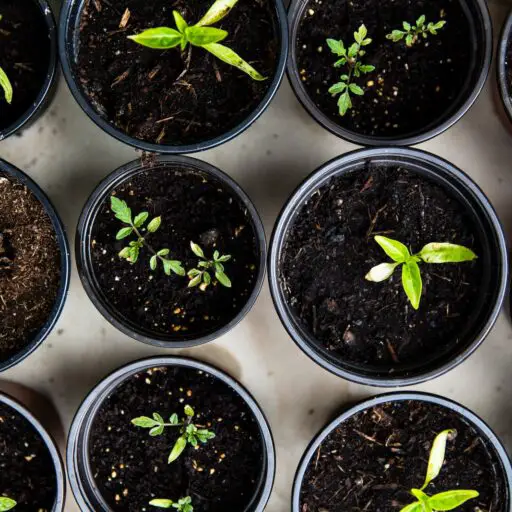
If you’re skilled at starting plants from seed, turn that into a business. Sell seedlings in the spring when everyone is eager to get their gardens started. You can also package and sell saved seeds from your most successful heirloom varieties. Hosting a community seed swap can be a great engagement event with a small entry fee.
8. Tool Library & Equipment Rental: Sharing the Load
Many aspiring gardeners don’t own expensive tools like tillers or broadforks. Creating a “tool library” where members can rent equipment for a small fee can be a helpful service and a steady source of income.
9. Composting Services: Turning Waste into Wealth
If you’ve mastered the art of composting, you can sell your high-quality “black gold” by the bag to local gardeners. Some gardens even run a subscription service where they pick up kitchen scraps from neighbors for a fee, turning community waste into a valuable resource. This can have an incredible 100% profit margin if the initial materials are donated.
10. Community Garden Merchandise: Branding Your Green Space
Build a sense of pride and community with branded merchandise. It’s a fun way to raise funds and increase your garden’s visibility.
- T-shirts and Tote Bags with your garden’s logo.
- Custom Seed Packets.
- Aprons and Gardening Gloves.
- Stickers and Magnets.
🧑 🌾 Digging Deeper: Our Journey to Financial Sustainability (What We Learned at Community Gardening™)
Here at Community Gardening™, we’ve had our share of bumper crops and epic fails on the road to creating a sustainable model. Let us share some stories from the trenches.
✅ Our Wins: Strategies That Sprouted Success
Our biggest win, hands down, was launching our “Harvest Heroes” CSA program. In the beginning, we were struggling with unpredictable income from our weekly farm stand. Some weeks were great; others, a sudden rainstorm meant we barely broke even.
By creating a CSA, we pre-sold 30 shares and had a significant chunk of our operating budget in the bank before the first seed was even planted! It gave us security and allowed us to plan better. Plus, it built an incredible bond with our members. They weren’t just customers; they were partners in the season’s journey, sharing in the triumphs (hello, Sungold tomatoes!) and the tribulations (goodbye, squash, you fell victim to the vine borers).
❌ Rocky Soil: Lessons from Our Less-Than-Perfect Harvests
Oh, the soil story. In our first year at a new plot, we were so excited that we skipped a crucial step: a proper soil test. We brought in truckloads of what we were told was “premium compost” and built beautiful raised beds. But our plants just… struggled. They were stunted, yellow, and sad.
After weeks of head-scratching, we finally sent a sample to our local extension office. The verdict? The compost had an incredibly high pH, making it far too alkaline for most veggies. It was a costly and heartbreaking mistake. The lesson, as the folks at Eartheasy also learned, is to never skip the soil test. [eartheasy.com] It’s the absolute foundation of your garden’s success. We now swear by the simple soil test kits you can get from places like UGA Cooperative Extension or other local agricultural resources.
💡 Essential Considerations for a Profitable Plot: Things to Know Before You Grow
Before you start counting your profits, there’s some essential groundwork to do. Getting these things right from the start will save you a world of trouble and set you up for long-term success.
Legal Structures & Permits: Laying the Groundwork
This isn’t the most glamorous part of gardening, but it’s critical.
- Legal Structure: Will you be a loose association, or will you formalize? Becoming a non-profit corporation (501(c)(3)) has major advantages, including tax exemption and eligibility for grants, but it also means more paperwork and public oversight. [uga.edu]
- Permits & Zoning: You must check local zoning laws to ensure a community garden is a permitted use for your chosen land. You may also need permits for things like structures (sheds, greenhouses) or water access.
Land Acquisition & Lease Agreements: Securing Your Space
Finding land is the first big hurdle. Look for vacant lots, schoolyards, or church properties. Once you find a spot, secure a solid agreement.
- Aim for a long-term lease—at least three years, if possible. [uga.edu] It’s devastating to pour your heart and soul into building up the soil only to lose the land after one season.
- Get it in writing! A formal lease protects both your group and the landowner.
Budgeting & Financial Planning: Cultivating a Healthy Balance Sheet
You need a plan for your money. Startup costs for a community garden can range from $2,000 to over $7,500, depending on what you need.
- Create a detailed budget: List all potential expenses: land rent, water, tools, soil, seeds, insurance, marketing, etc.
- Create a wish list: Prioritize your needs and create a “wish list” of desired donations for fundraising purposes.
Volunteer Management & Engagement: The Heartbeat of Your Garden
Your people are your most valuable asset. As the University of Georgia Extension wisely states, “Community gardening involves cultivating people and relationships, as well as the soil.” [uga.edu]
- Define Roles: Create clear roles and responsibilities to avoid confusion and burnout.
- Recruit Actively: Don’t just put up a flyer. Directly ask people with specific skills to help. [uga.edu]
- Show Appreciation: Celebrate your volunteers with potlucks, awards, or a simple, heartfelt thank you.
Marketing & Branding Your Garden: Spreading the Word
You can’t sell produce or workshops if no one knows you exist!
- Create a simple brand: A memorable name and logo go a long way.
- Use social media: Share beautiful photos of your garden, announce events, and tell your community’s story.
- Build an email list: This is the most direct way to communicate with your supporters.
- Engage local media: Send press releases about your events or milestones.
Crop Selection for Profit: Smart Planting for Smart Returns
Not all crops are created equal when it comes to profitability.
- High-Value Crops: Focus on things that are expensive in stores but easy to grow, like salad greens, herbs, garlic, and heirloom tomatoes.
- Fast Turnaround: Crops like radishes and arugula can be harvested multiple times in a season, maximizing the yield from your space.
- Community Needs: Pay attention to what your community wants to buy and eat.
For more ideas, explore our resources on Garden Design Ideas.
Infrastructure & Equipment Needs: Investing in Your Future Harvests
Good infrastructure is a smart investment.
- Water Access: This is non-negotiable. Ensure you have a reliable and affordable water source.
- Fencing: Protecting your hard work from pests (and sometimes people) is crucial. Building your own can save thousands. [eartheasy.com]
- Tool Shed: A secure, locked place to store shared tools is essential. [uga.edu]
- Compost Bins: A dedicated composting area is key to creating your own soil amendments and reducing waste.
Insurance & Liability: Protecting Your Green Investment
This is a must-have. Landowners will almost certainly require you to have liability insurance. It protects the landowner, your organization, and your members from legal costs in case of an accident. [uga.edu]
- “Hold Harmless” Clause: Include a “hold harmless” waiver in your member agreements. This clause states that members agree not to hold the organization or landowner liable for injuries. It’s wise to have a lawyer review this language. [uga.edu]
- 👉 Shop Around: Insurance costs can vary significantly, so get multiple quotes. [uga.edu]
Adhering to well-defined Community Garden Policies is the best way to mitigate risks.
💖 Beyond the Greenback: The True Value of Community Gardens
While financial sustainability is important, let’s not forget the incredible, often immeasurable, value that community gardens bring. This is the “profit” that truly transforms a neighborhood.
Social Cohesion & Community Building: Growing Together
Gardens are magical spaces where barriers break down. People from all walks of life connect over a shared love of plants, fostering a sense of belonging and camaraderie. As highlighted in the insightful video “The Power of Community Gardens,” these spaces are powerful platforms for strengthening community bonds and creating healthier, more connected neighborhoods. They become gathering places where diverse individuals can share gardening techniques and build mutual understanding.
Food Security & Access: Nourishing Our Neighbors
For many, a community garden is a vital source of fresh, healthy food. They combat food deserts by providing access to affordable produce, improving nutrition for entire families. Many gardens also donate a portion of their harvest to local food banks, extending their reach to the most vulnerable members of the community.
Environmental Benefits & Sustainability: A Greener Tomorrow
Community gardens are ecological powerhouses. They increase local biodiversity, provide habitats for pollinators, improve soil and air quality, and reduce “food miles” by growing food right where people live. Practices like composting also help reduce neighborhood waste.
Educational Opportunities: Learning from the Land
Gardens are living classrooms. They offer hands-on learning experiences for children and adults alike, teaching valuable skills in horticulture, ecology, and nutrition. As one gardener, Tasha M., noted, “Joining the community garden and having the support of other gardeners around me has been wonderful and encouraged me to ‘go for it’ with great results.” [eartheasy.com]
Health & Well-being: A Prescription for Nature
The benefits to health are profound. Gardening is a great form of low-impact physical exercise. Furthermore, spending time in nature has been proven to reduce stress and improve mental health. A community garden can be a therapeutic sanctuary from the pressures of daily life. Exploring the Benefits of Community Gardens reveals just how deep these roots of well-being go.
🛠️ Tools of the Trade: Resources from Our Garden Shed for Financial Success
Running a profitable community garden is easier with the right tools. Here are some of our favorites at Community Gardening™ that help streamline operations and boost productivity.
Recommended Software for Garden Management & Sales
- Tend: An excellent platform for crop planning, record keeping, and managing tasks. It’s designed for small-scale farmers but is fantastic for organized community gardens.
- Square: A simple and effective point-of-sale (POS) system for farmers’ markets, farm stands, and workshop registrations. The ability to accept credit cards is a game-changer.
- Mailchimp: Perfect for building and managing your email list, sending out newsletters, and promoting events to keep your community engaged.
Essential Gardening Tools for Efficiency & Productivity
Investing in quality, durable tools saves time, reduces fatigue, and lasts for years. Here are a few workhorses we can’t live without:
- Fiskars Ergo D-handle Steel Garden Fork: This thing is a beast for breaking up compacted soil and turning compost. Its ergonomic design saves your back.
- DeWalt 20V MAX String Trimmer: For keeping pathways and edges tidy, a cordless string trimmer is a lifesaver. It’s powerful, and the battery is interchangeable with other DeWalt tools.
- Gorilla Carts Heavy-Duty Poly Yard Dump Cart: Hauling compost, soil, or a big harvest is so much easier with a sturdy cart. This one is tough and has a great dumping mechanism.
👉 Shop these essential tools on:
- Fiskars Garden Fork: Amazon | Walmart
- DeWalt String Trimmer: Amazon | Walmart
- Gorilla Carts Dump Cart: Amazon | Walmart
Marketing Templates & Guides for Community Gardens
- Canva: An incredibly user-friendly online design tool. You can create professional-looking flyers, social media posts, and newsletters for free, even if you have zero design experience.
- The Farmer’s Market Booth & Display Guide: While not a specific brand, searching for guides like this on Etsy or Pinterest will give you a wealth of inspiration for creating an attractive and profitable market stand.
🌱 Cultivating Success: Key Strategies for Long-Term Profitability & Impact
So, after all this, what’s the secret sauce for a community garden that’s both financially stable and deeply impactful? It boils down to a few core principles:
- Embrace a Hybrid Model: Don’t rely on a single source of income. The most successful gardens weave together plot fees, produce sales, educational workshops, and community events. This financial diversity creates resilience.
- Build People First: A garden without a community is just a patch of dirt. Invest time and energy into building strong relationships, empowering volunteers, and creating a welcoming, inclusive atmosphere.
- Plan Like a Business, Operate Like a Community: Create a solid business plan, manage your budget carefully, and think strategically about your “products” and “customers.” But never lose sight of your mission to serve the community.
- Tell Your Story: People don’t just buy vegetables; they buy into the story and the mission of your garden. Use marketing to share your successes, your challenges, and the impact you’re having. This builds loyalty and attracts support.
- Never Stop Learning: Whether it’s a new growing technique, a different fundraising strategy, or a better way to organize volunteers, always be open to learning and adapting. Every season is a new opportunity to grow.
🎉 Conclusion: Sowing Seeds of Sustainability and Community Flourishing

So, can a community garden be profitable? Absolutely! But profitability in this green realm is a rich tapestry woven from financial gains, social connections, environmental stewardship, and educational growth. Our journey at Community Gardening™ has shown us that profitability is not just about dollars—it’s about cultivating a thriving ecosystem that benefits everyone involved.
From selling fresh produce at farmers’ markets and running CSAs to hosting workshops and securing grants, there are myriad ways to generate income. Yet, the true magic lies in the community spirit, the friendships formed over shared soil, and the joy of watching a barren lot bloom into a vibrant hub of life.
Remember our soil saga? Skipping that crucial soil test nearly stunted our dreams. It’s a cautionary tale: never underestimate the foundation beneath your feet. With careful planning, diverse revenue streams, and a passionate community, your garden can flourish financially and socially.
So, grab your gloves, rally your neighbors, and start planting the seeds of a profitable and purposeful community garden. The harvest awaits!
🔗 Recommended Links: Further Reading for Green Thumbs
👉 Shop Essential Gardening Tools & Resources:
- Fiskars Ergo D-handle Steel Garden Fork: Amazon | Walmart
- DeWalt 20V MAX String Trimmer: Amazon | Walmart
- Gorilla Carts Heavy-Duty Poly Yard Dump Cart: Amazon | Walmart
Books to Grow Your Knowledge:
- The Community Garden Cookbook by Ellen Ecker Ogden — Amazon
- The Urban Farmer: Growing Food for Profit on Leased and Borrowed Land by Curtis Stone — Amazon
- The Market Gardener: A Successful Grower’s Handbook for Small-Scale Organic Farming by Jean-Martin Fortier — Amazon
❓ FAQ: Your Burning Garden Questions Answered

How can community gardens generate income?
Community gardens generate income through a variety of channels:
- Membership Fees & Plot Rentals: Charging gardeners for individual plots or memberships helps cover operational costs.
- Produce Sales: Selling fresh vegetables, herbs, and fruits at farmers’ markets, CSAs, or directly to restaurants.
- Workshops & Educational Programs: Hosting paid classes on gardening, composting, or food preservation.
- Event Hosting: Renting the garden space for private events, yoga classes, or farm-to-table dinners.
- Grants & Sponsorships: Securing funding from local businesses, foundations, and government programs.
- Value-Added Products: Creating jams, pickles, herbal teas, and other products with higher profit margins.
- Tool Rentals & Composting Services: Offering equipment rentals or compost pickup for fees.
This diversified approach not only provides financial stability but also strengthens community engagement.
Read more about “10 Proven Ways to Monetize Community Garden Plots in 2025 🌿💰”
What are the benefits of a profitable community garden?
A profitable community garden offers numerous benefits beyond just financial returns:
- Sustainability: Generates funds to maintain and improve the garden without relying solely on donations.
- Community Empowerment: Encourages participation and ownership among members.
- Food Security: Provides affordable, fresh produce to local residents.
- Environmental Impact: Supports biodiversity, reduces food miles, and promotes sustainable practices.
- Educational Opportunities: Funds can support workshops and youth programs.
- Economic Development: Creates local jobs and supports small businesses through partnerships.
Profitability ensures the garden’s longevity and amplifies its positive impact on the community.
Read more about “11 Surprising Benefits of a Community Garden 🌿 (2025)”
What crops are best for earning profit in community gardens?
Choosing the right crops is essential for profitability. The best crops tend to be:
- High-Value, Fast-Growing Crops: Salad greens (arugula, spinach), herbs (basil, cilantro), radishes, and microgreens.
- Specialty or Heirloom Varieties: Unique tomatoes, peppers, or lettuces that fetch premium prices.
- Perennials with Long Harvest Seasons: Asparagus, rhubarb, and berries.
- Crops with Multiple Harvests: Leafy greens and herbs that can be cut and regrown.
- Crops in High Local Demand: Tailor your planting to community preferences and market trends.
Balancing quick turnover with high value maximizes income per square foot.
Read more about “What Is a Community Garden? 🌿 Unlocking 10 Surprising Benefits (2025)”
How do community gardens support local economies?
Community gardens bolster local economies in several ways:
- Job Creation: Through garden management, sales, and educational programs.
- Supporting Local Businesses: Partnering with restaurants, markets, and suppliers.
- Keeping Money Local: Selling directly to community members reduces reliance on external food systems.
- Attracting Visitors: Events and markets bring foot traffic to neighborhoods.
- Increasing Property Values: Beautified green spaces enhance neighborhood desirability.
- Reducing Food Costs: By providing affordable produce, they increase disposable income for residents.
In essence, community gardens act as microeconomic engines that circulate resources and foster economic resilience.
Read more about “How Do Community Gardens Help the Community? 8 Surprising Ways 🌿 (2025)”
📚 Reference Links: Our Sources for Growth
- University of Minnesota CCAPS, How to Start a Community Garden
- University of Georgia Cooperative Extension, Community Garden Resources
- Eartheasy, Lessons Learned from Starting a Community Garden
- American Public Gardens Association, Grant Opportunities
- Fiskars Official Website: https://www.fiskars.com/en-us
- DeWalt Official Website: https://www.dewalt.com/
- Gorilla Carts Official Website: https://www.gorillacarts.com
Ready to turn your community garden dreams into a flourishing reality? Let’s grow together! 🌿